
United Arab Emirates Travel Cost Guide: How Much to Visit in 2026?
The UAE can feel luxury-heavy, but off-season hotel rates, the Dubai Metro, and smarter neighborhood choices can pull the trip closer to mid-range than many travelers expect.
In-depth travel guides covering destinations, themes, and travel skills — written from first-hand visits and updated with current pricing, opening hours, and on-the-ground notes.
The UAE can feel luxury-heavy, but off-season hotel rates, the Dubai Metro, and smarter neighborhood choices can pull the trip closer to mid-range than many travelers expect.

Myanmar has historically been a strong-value destination for temples, guesthouses, and slow overland travel, but practical trip costs only matter once the on-the-ground situation actually makes a visit realistic.

Jordan gets much easier to manage once you build the trip around the Jordan Pass, simple local meals, and buses instead of private transfers between Petra, Amman, and Wadi Rum.

Finland is never a cheap trip, but free nature access, self-catering, and careful Lapland timing can make a Nordic itinerary feel more controlled than the headline prices suggest.

Chile is not South America’s cheapest country, but markets, overnight buses, and shoulder-season Patagonia timing can keep a long-distance trip from getting too top-heavy.

China can deliver a lot of value for the scale of the experience, especially if you lean on local meals, rail travel, and avoid peak domestic holiday periods.

Belize is not as cheap as some of its Central American neighbors, but guesthouses, local buses, and careful island choices can keep reef-and-jungle travel surprisingly manageable.

Colombia stays one of South America’s best-value trips if you lean on set lunches, domestic transport, and base yourself strategically instead of stacking too many high-season Cartagena days.

Morocco offers strong value for a trip with riads, desert landscapes, and major city culture, especially if you use trains, budget riads, and treat haggling as part of the cost-control strategy.

Bolivia remains one of South America’s cheapest countries to travel through, especially if you eat at markets, join group Uyuni tours, and keep transport mostly to buses and shared rides.

Malaysia is one of Asia’s easiest countries to travel comfortably on a modest budget, thanks to cheap food, good transport, and solid value outside the most touristed island stops.

Indonesia can be very cheap between the big island-hopping costs, especially if you eat at warungs, travel in shoulder season, and avoid treating Bali prices as the default for the whole country.

Ukraine has historically been one of Europe’s best-value destinations, but practical trip costs only matter once the on-the-ground situation actually makes travel realistic.

Denmark is expensive by almost any standard, but food halls, cycling, city cards, and shoulder-season hotel rates can keep a Copenhagen-heavy trip from running fully premium.

Nepal remains one of the world’s great budget destinations, especially if you lean on teahouses, dal bhat, and local buses instead of guided luxury treks.

India can be one of the cheapest countries in the world to travel through, but your budget widens fast depending on domestic flights, private drivers, and how much comfort you want between big city days.

Bulgaria stays one of the best value plays inside the EU, especially if you lean on local taverns, cheap transport, and off-peak Black Sea or ski-season timing.

Cuba does not always behave like a simple budget destination, but casas particulares, shared transport, and careful cash planning can keep the trip far more manageable than its logistics might suggest.
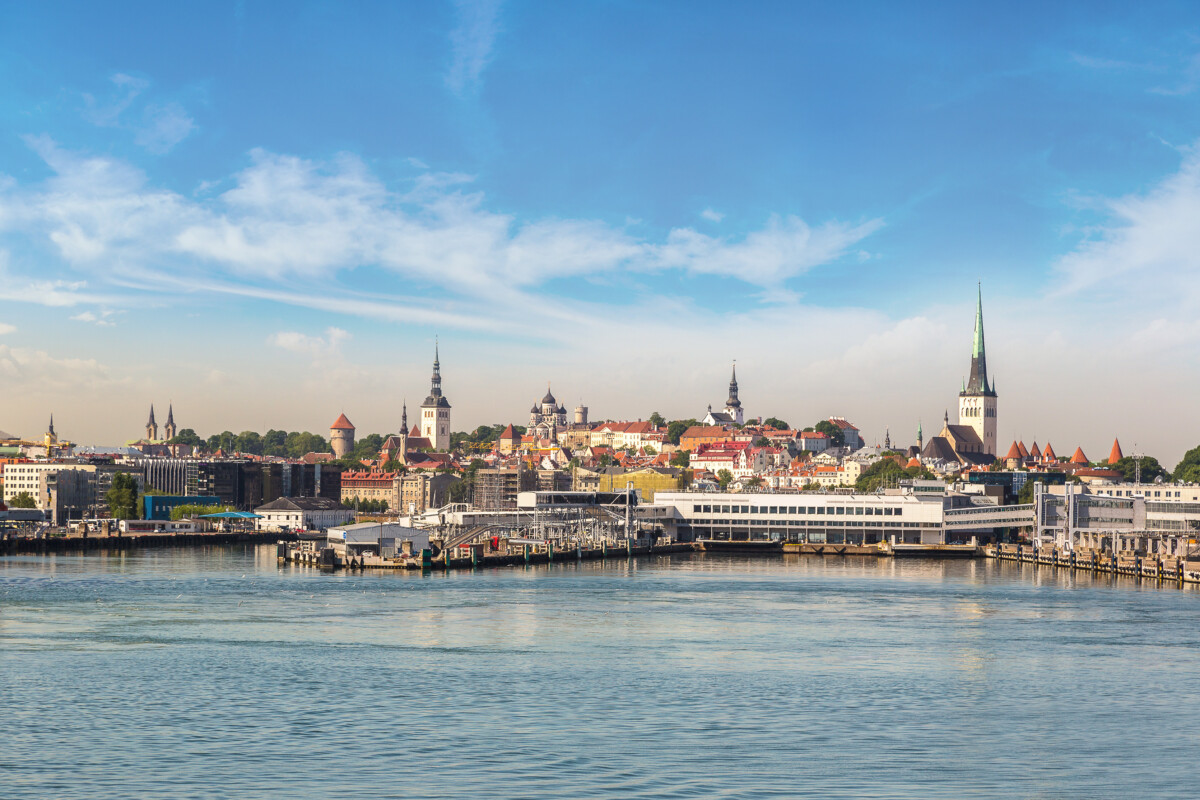
Estonia sits in a useful middle ground for Europe trips — not as cheap as the Balkans, but still far more manageable than Scandinavia if you build the trip around Tallinn, ferries, and free city time.
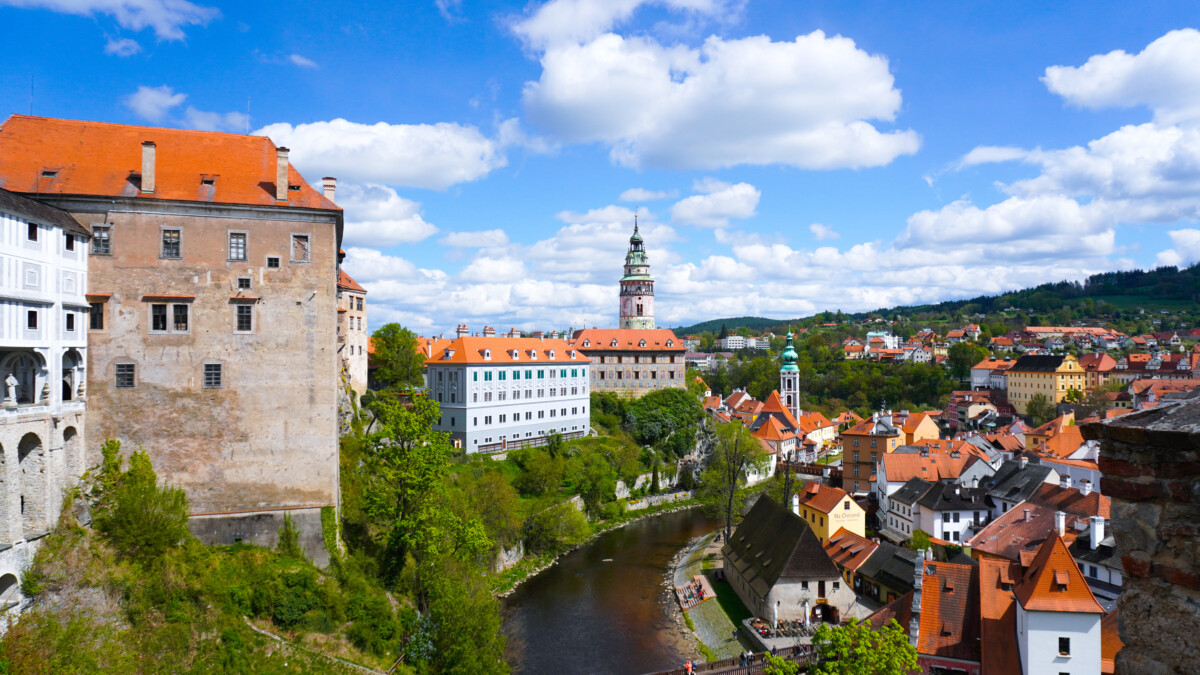
The Czech Republic still delivers strong Central European value, especially if you eat lunch specials, stay outside Prague’s most touristed core, and mix the capital with cheaper regional stops.

Cambodia is still one of Southeast Asia’s easier budget trips, though Angkor passes and tourist-heavy routes matter a lot more than daily food or transport costs.

Bosnia and Herzegovina offers some of Europe’s best value for city breaks and overland travel, especially if you build your trip around buses, simple stays, and cheap local food.

Hungary still delivers strong European city-trip value, especially if you lean on canteens, transport passes, and weekday thermal-bath visits instead of peak weekend spending.

Portugal stays one of Western Europe’s easiest value wins, especially if you lean on tascas, trains, and shoulder-season travel instead of peak Algarve summer rates.