

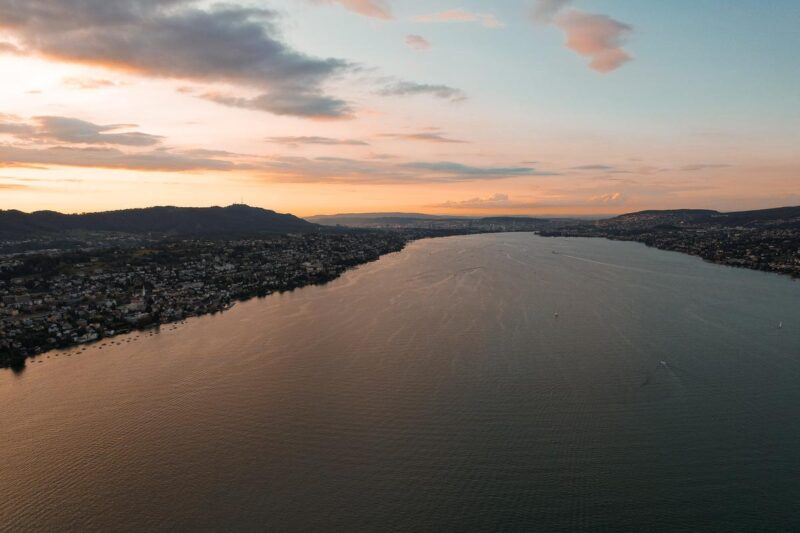
Altstadt Zürich
Zürich’s medieval Old Town straddles the Limmat River, home to the twin-towered Grossmünster, the Chagall windows of the Fraumünster, and the Niederdorf lane’s cafés and nightlife.
Cultural travel guides for trips planned around museums, heritage sites, language immersion, and local traditions — written by travelers who spent real time on the ground, not just in transit.
Zürich’s medieval Old Town straddles the Limmat River, home to the twin-towered Grossmünster, the Chagall windows of the Fraumünster, and the Niederdorf lane’s cafés and nightlife.
A riverside, green, academic neighborhood ideal for students, architecture lovers, nature lovers.
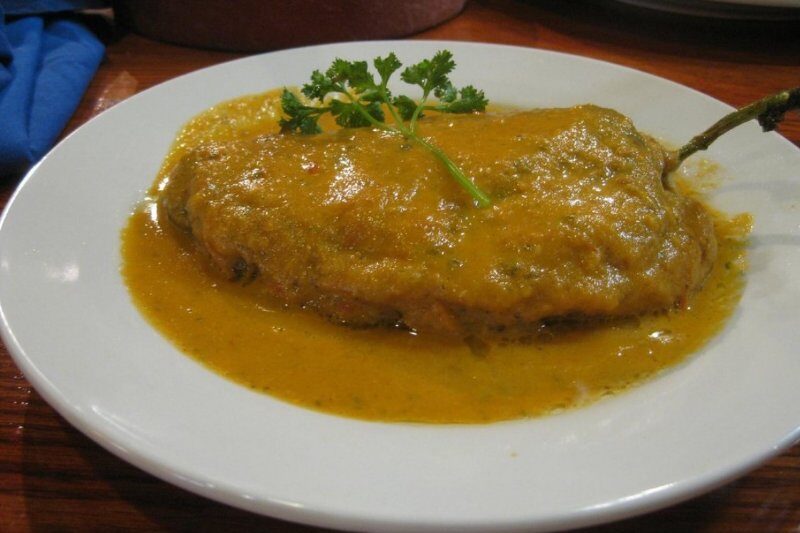
Zacatecas’s UNESCO-listed colonial center — a former silver-mining city of pink-stone Baroque architecture, the twin-towered cathedral, and a cable car over the historic streets.
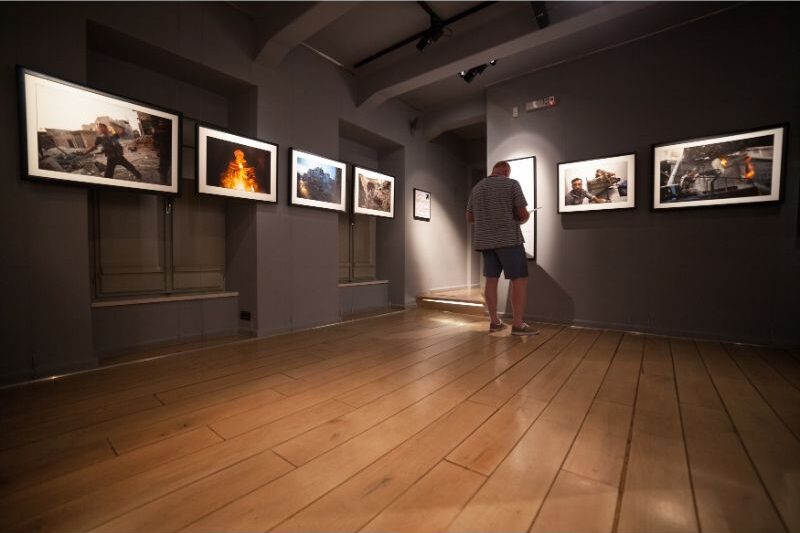
Zadar’s three-thousand-year-old peninsula of marble streets — Roman forum, Venetian walls, and the wave-powered Sea Organ that turns the Adriatic into music at sunset.
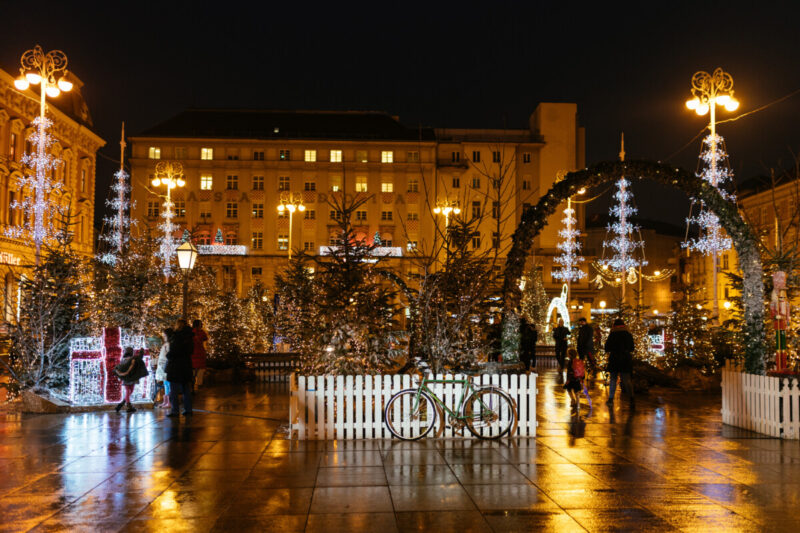
Zagreb’s hilltop Upper Town — the city’s oldest quarter, home to St. Mark’s tiled-roof church, the noon cannon of Lotrščak Tower, and a historic funicular up from Ilica Street.
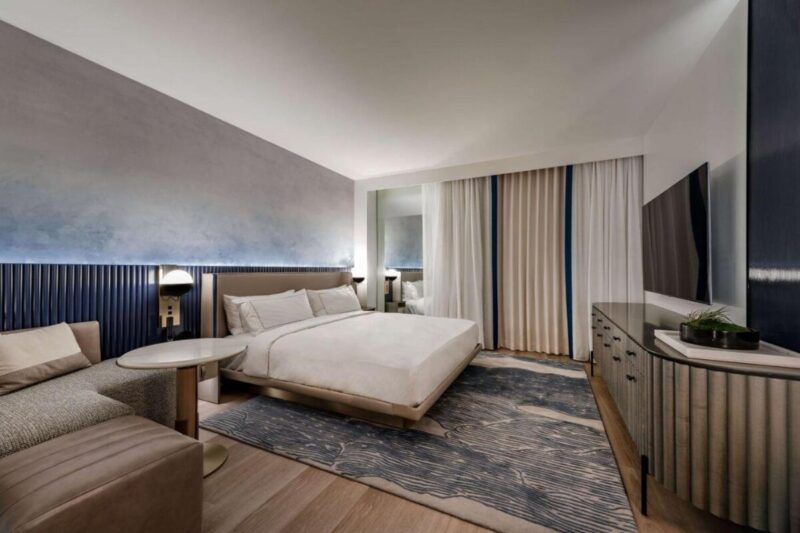
A historic charm, upscale shopping, waterfront dining neighborhood ideal for Shoppers, History buffs, Students.
Wrocław’s historic core around the Rynek, one of Europe’s largest market squares — pastel townhouses, a Gothic town hall, and 300+ bronze dwarf statues hidden in the streets.
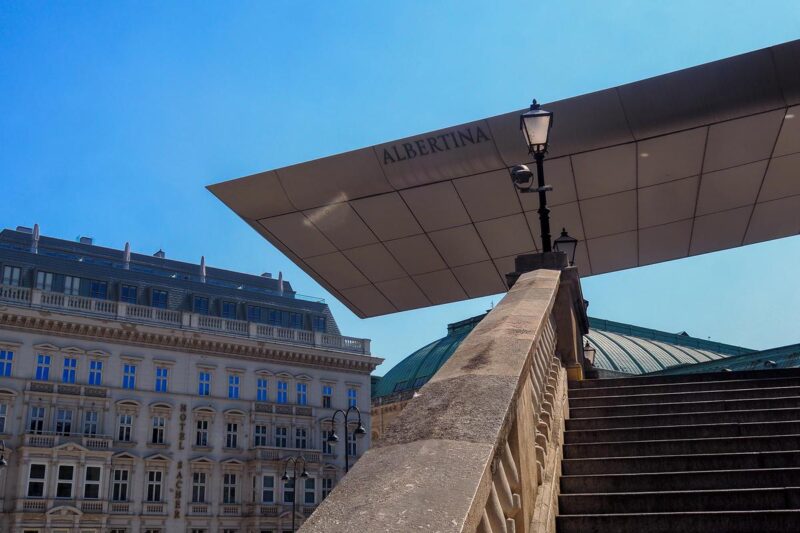
Vienna’s 4th district below the Ringstrasse — Baroque Karlskirche, the sprawling Naschmarkt, and a multicultural, local-feeling mix of wine bars, galleries, and global eateries.
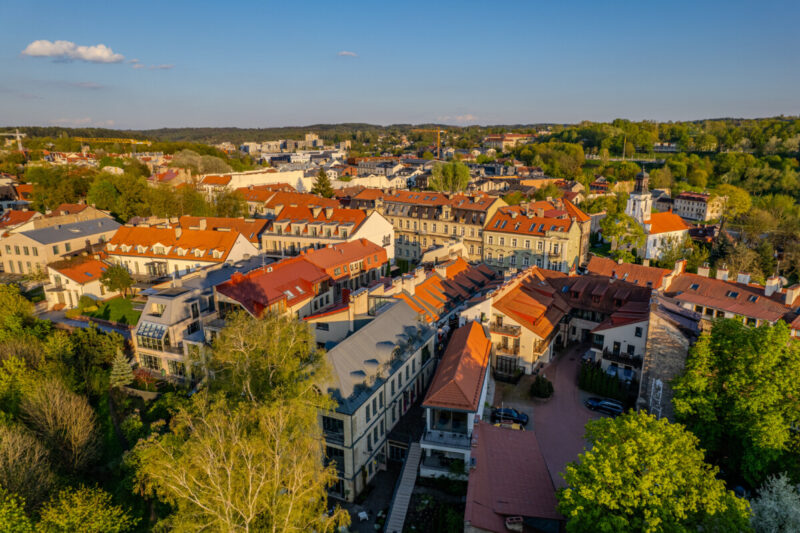
One of northern Europe’s largest surviving medieval old towns — a UNESCO-listed maze of Gothic, Baroque, and Neoclassical streets, from the Gates of Dawn to Gediminas Castle.
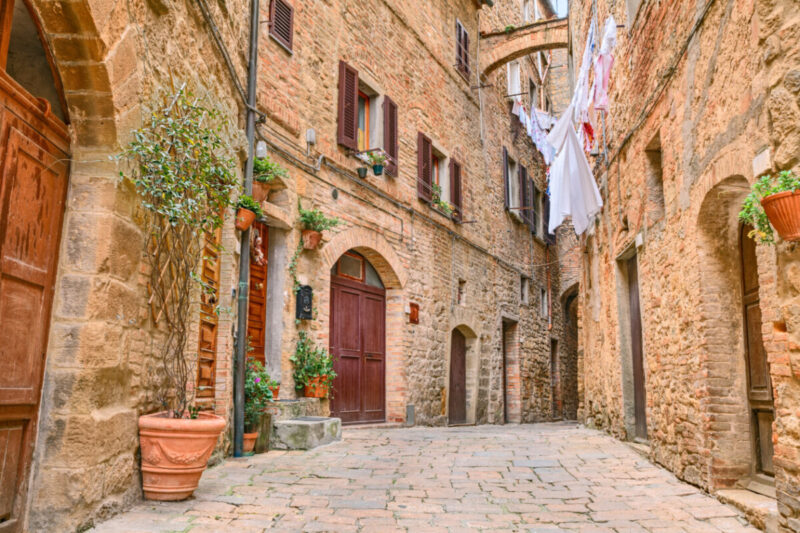
A walled Tuscan hill town of Etruscan and medieval stone — Volterra is known for its Roman theatre, alabaster craftsmanship, and sweeping views over the Val di Cecina.
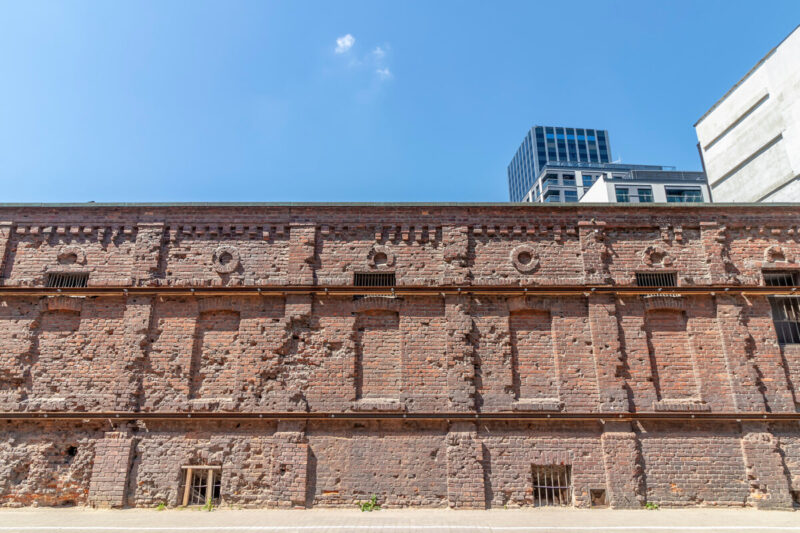
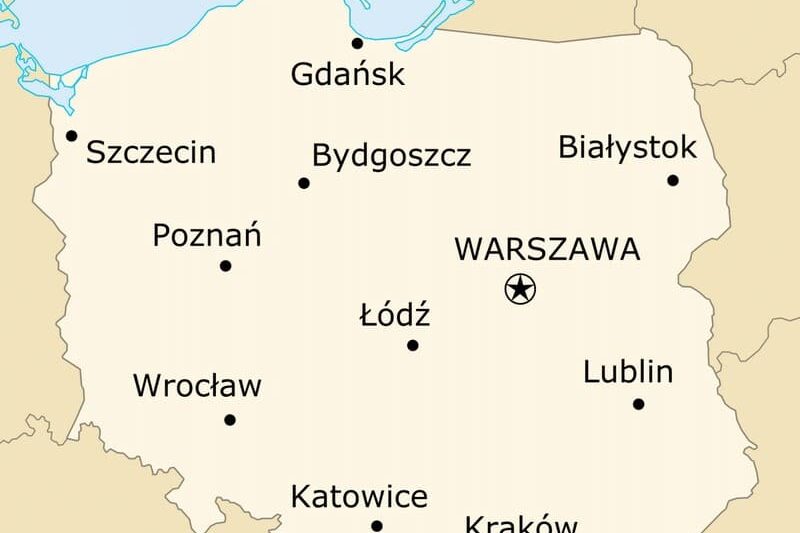
Warsaw’s creative right bank — a WWII-spared district of brick tenements, street art, and former factories like the Koneser vodka distillery turned culture hub.
A character-rich quarter of Vienna’s Leopoldstadt around the Karmelitermarkt — the historic heart of Jewish Vienna, now layered with indie cafés and wine bars.
Vienna’s 3rd district — home to the Belvedere Palace and Klimt’s The Kiss, the colorful Hundertwasserhaus, and Vienna’s densest concentration of bakeries.
Vienna’s 2nd district between the Danube and its canal — home to the Prater’s 1897 Giant Ferris Wheel, the Baroque Augarten, and a deep-rooted Jewish heritage.
Vienna’s 6th district, built around the Mariahilfer Straße shopping boulevard — plus the Naschmarkt, the Theater an der Wien, and the rooftop aquarium of the Haus des Meeres.
Vienna’s hip 7th district — independent boutiques, specialty coffee, and street art around the MuseumsQuartier and the Biedermeier lanes of Spittelberg.
Vienna’s smallest district, the 8th — a village-like quarter of Baroque streets, historic coffeehouses, and the celebrated Theater in der Josefstadt.
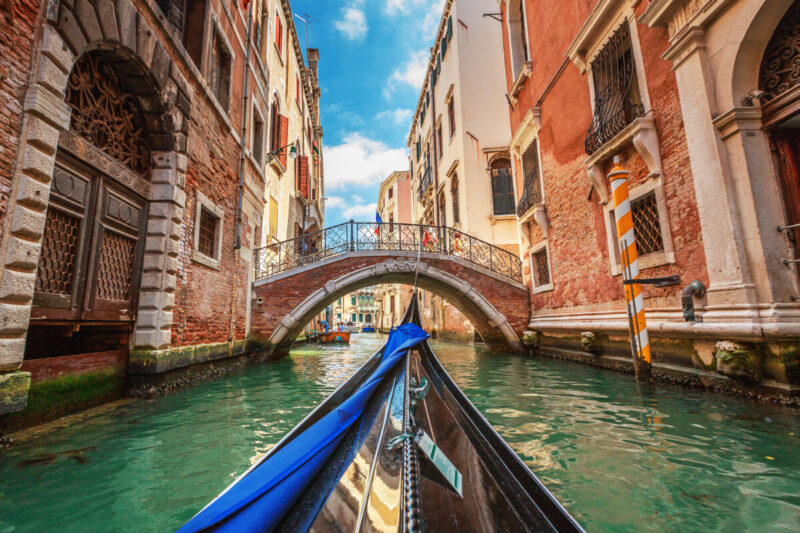
The heart of Venice — Piazza San Marco, St. Mark’s golden-mosaic Basilica, the Doge’s Palace, and the Bridge of Sighs, the city’s grandest and most iconic sestiere.
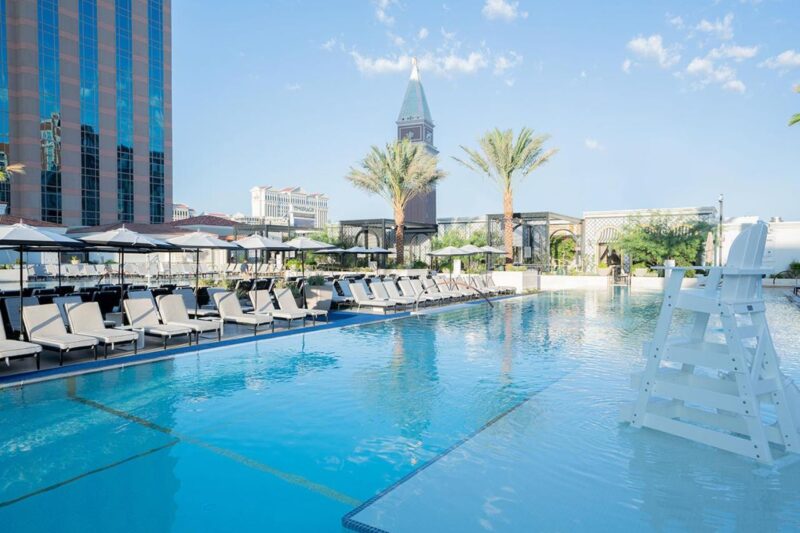
Verona’s UNESCO-listed old town on a bend of the Adige — the Roman Arena, Juliet’s House, and marble piazzas layering two thousand years of history.
Vienna’s 1st district and imperial core — St. Stephen’s Cathedral, the Hofburg, the State Opera, and the grand Ringstrasse, all within a walkable historic center.
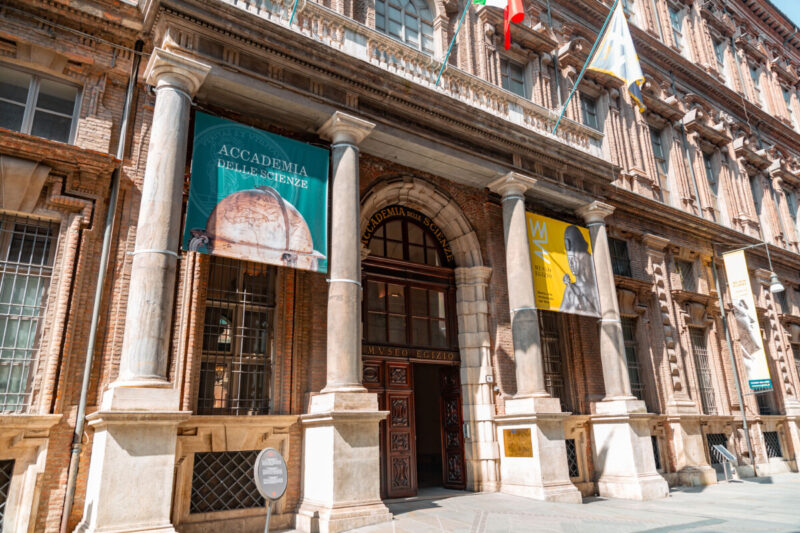
Turin’s multicultural, bohemian quarter between the Po and the railway — the green Parco del Valentino, an 1884 neo-Moorish synagogue, and a buzzing global food and nightlife scene.

Utrecht’s oldest canal — a two-tiered 12th-century waterway whose wharf-level cellars now house cafés and bars beneath the Dom Tower, the Netherlands’ tallest church spire.