


Wilhelminapark
A charming, green, peaceful neighborhood ideal for architecture lovers, those seeking tranquility, couples.
Cultural travel guides for trips planned around museums, heritage sites, language immersion, and local traditions — written by travelers who spent real time on the ground, not just in transit.
A charming, green, peaceful neighborhood ideal for architecture lovers, those seeking tranquility, couples.
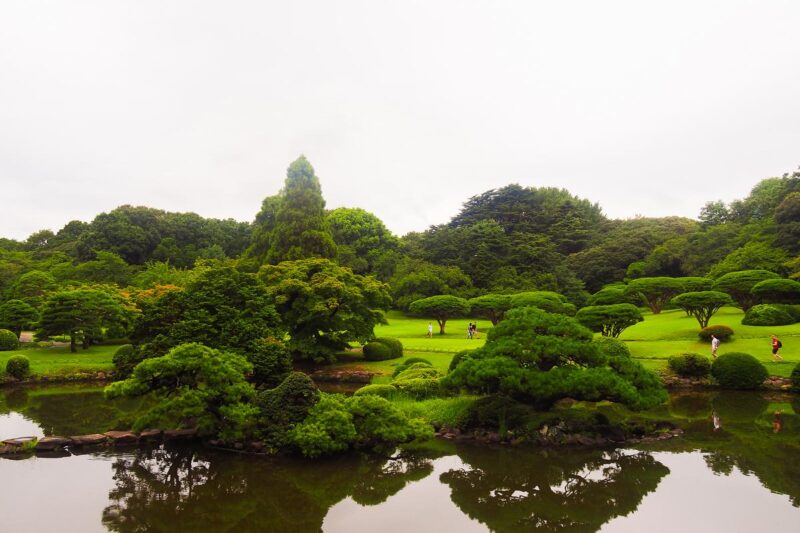
A monja town, retro tokyo, local dining neighborhood ideal for Food adventurers, Local culture seekers, Photography enthusiasts.

Toronto’s bohemian, multicultural market district — a pedestrian-friendly maze of vintage shops, global food stalls, and street art just west of Chinatown.

Toulon’s sun-drenched medieval quarter above France’s largest naval harbor — the daily Cours Lafayette Provençal market, the grand Opera House, and an affordable, crowd-free Riviera base.
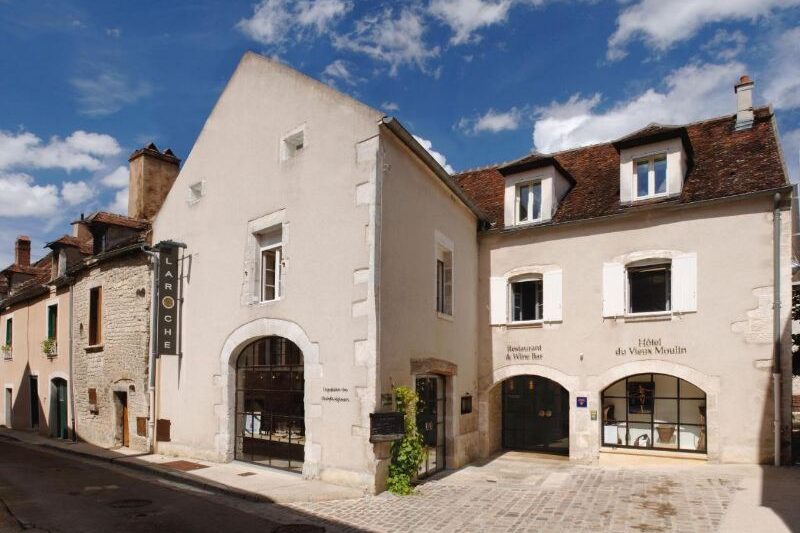
Toulouse’s medieval heart in the rose-brick Ville Rose — the covered Marché des Carmes, Gothic churches, and a dense after-dark scene of wine cellars and cocktail bars by the Garonne.

The old town of Germany’s oldest city — Roman Trier’s UNESCO-listed Porta Nigra, a 4th-century cathedral, a medieval market square, and Mosel Riesling taverns.

Trieste’s old town — a layered quarter where Roman ruins, a medieval cathedral on San Giusto hill, and grand Habsburg-era architecture meet above the Adriatic.
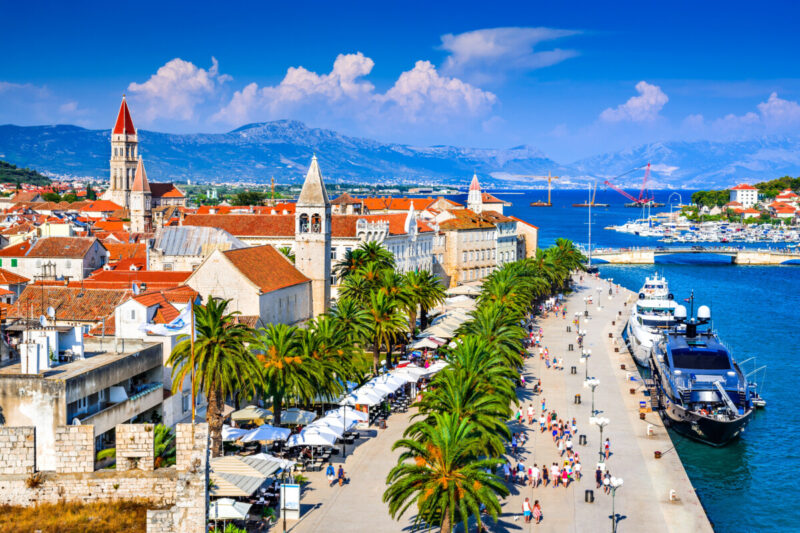
A UNESCO-listed medieval island town near Split, often called ‘Little Venice’ — a car-free maze of Venetian palaces crowned by St. Lawrence Cathedral’s carved Radovan Portal.
A traditional tokyo, temple district, authentic shopping neighborhood ideal for Culture seekers, Temple visitors, Traditional craft lovers.
A vintage, bohemian, indie neighborhood ideal for vintage shoppers, music lovers, theater buffs.
Shinjuku is a major commercial and entertainment district in central Tokyo, home to the world’s busiest train station, Kabukicho nightlife, and the skyscraper-lined Nishi-Shinjuku.
A youth-culture, energetic, fashion neighborhood ideal for young travelers, fashion shoppers, nightlife enthusiasts.
Tokyo’s youth-culture capital — the record-breaking Shibuya Crossing, the Hachikō statue, the Shibuya Sky observation deck, and floors of street-fashion shopping.
A street-style, youth-culture, kawaii neighborhood ideal for fashion lovers, teenagers, pop culture enthusiasts.
A geisha heritage, french quarter, hidden gems neighborhood ideal for Culture enthusiasts, Francophiles, Romance seekers.
A canal district, cherry blossom spot, design quarter neighborhood ideal for Design lovers, Coffee enthusiasts, Couples.
A otaku paradise, electric town, gaming central neighborhood ideal for Anime fans, Gamers, Tech enthusiasts.
A historic, traditional, temple-town neighborhood ideal for culture seekers, history enthusiasts, families.
A design district, upscale shopping, architectural gem neighborhood ideal for Design enthusiasts, Architecture lovers, Fashionistas.
A dining district, ramen paradise, nightlife spot neighborhood ideal for Food lovers, After-work crowds, Date nights.
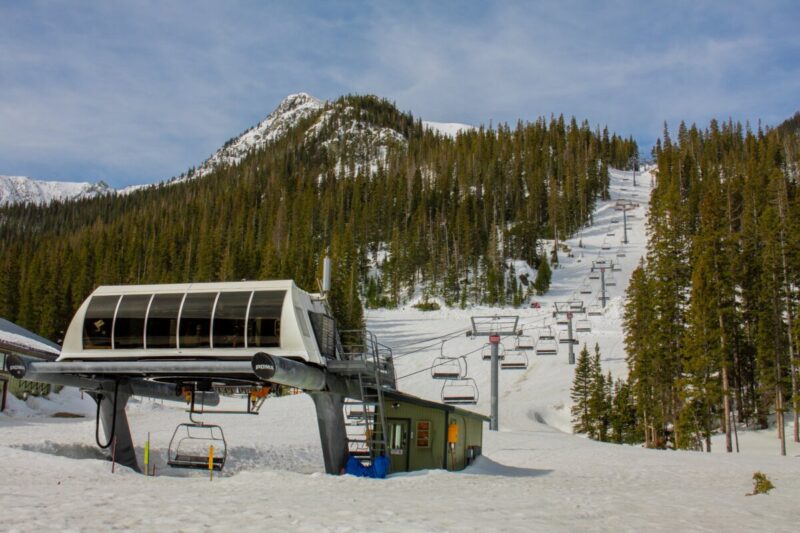
A UNESCO-listed living Native American community north of Taos — multi-story adobe dwellings inhabited for over 1,000 years against the Sangre de Cristo Mountains.
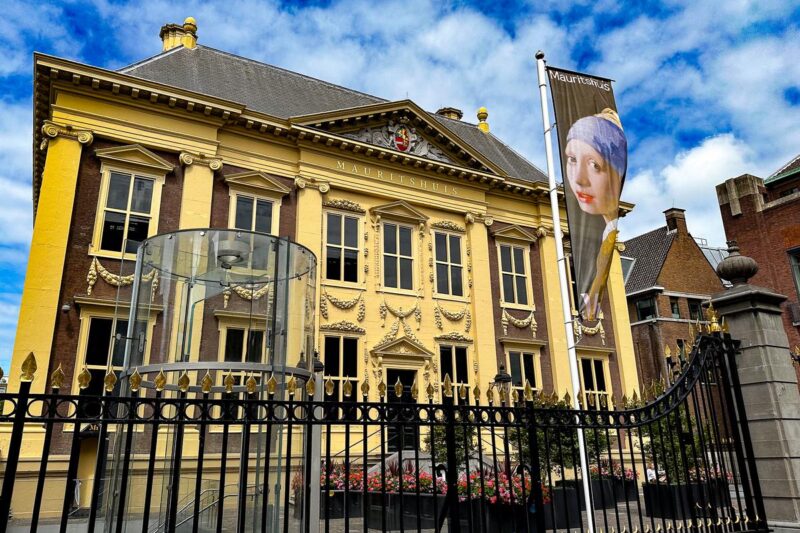
The Hague’s North Sea beach resort — wide sands, a pier with a Ferris wheel, fresh-herring harbor stalls, and the grand 19th-century Kurhaus, 15 minutes from the city center.