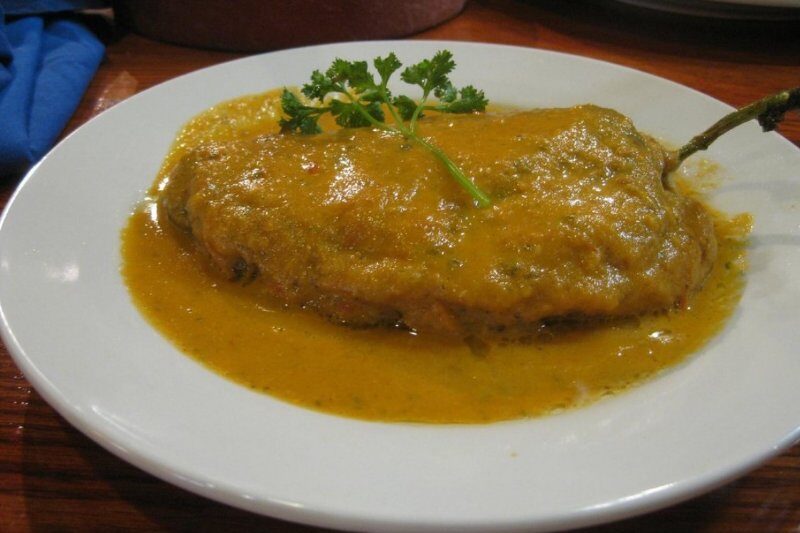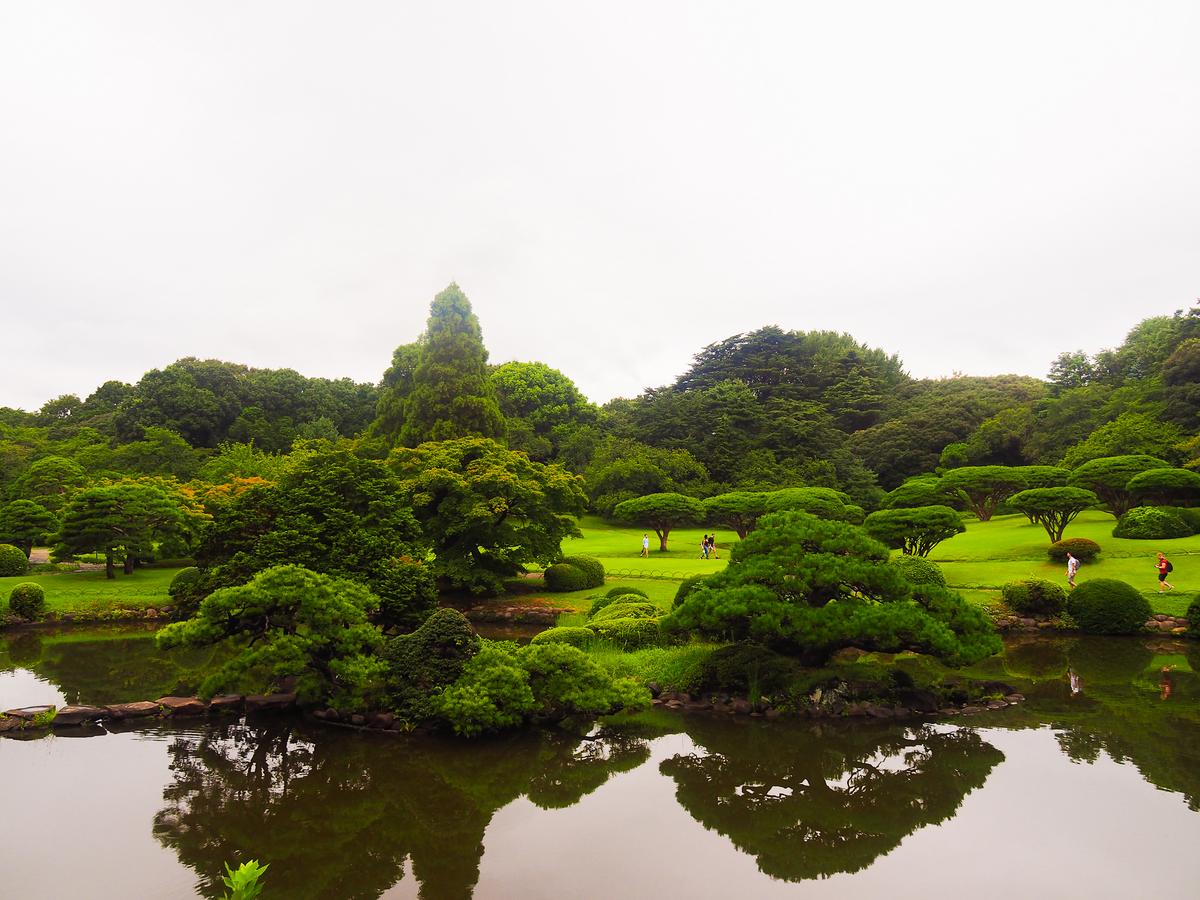
Tsukishima is a reclaimed island in Kōtō Ward, Tokyo, developed in the Meiji era and still defined by its dense shotengai shopping streets and working-class culinary identity. The neighborhood sits between the Sumida River to the west and the Kachidoki area to the south, connected to central Tokyo by the Tokyo Metro Yurakucho Line and the Toei Oedo Line. It is best known internationally as the home of monjayaki, a Tokyo-style savory batter pancake cooked at the table on an iron griddle.
What is Tsukishima known for?
Tsukishima is known above all for monjayaki, a runny, savory wheat-batter dish cooked on a teppan griddle embedded in restaurant tables, with Nishi-Nakadori Street—locally called Monja Street—home to more than 70 specialist restaurants serving the dish with toppings such as mentaiko, mochi, and seafood. The street stretches roughly 300 meters and is lined almost exclusively with monjayaki and okonomiyaki shops, making it one of the most concentrated single-dish dining streets in Tokyo. Tsukishima also retains a rare stretch of postwar shotengai arcade architecture that has largely disappeared from other Tokyo wards.
Best things to do in Tsukishima
Walking the full length of Nishi-Nakadori (Monja Street) and eating monjayaki at a table-grill restaurant is the essential Tsukishima activity, ideally at lunch when queues are shorter than evenings. Beyond eating, visitors can explore the parallel Higashi-Nakadori covered arcade for everyday local shops, walk the Sumida River promenade toward Tsukuda, and cross the historic Tsukuda Bridge to reach Tsukudajima, the oldest surviving reclaimed island in Tokyo with a small Shinto shrine and traditional tsukudani (preserved fish) shops still operating.
- Eat monjayaki cooked tableside on Nishi-Nakadori (Monja Street)
- Browse Higashi-Nakadori covered shotengai arcade
- Walk to Tsukudajima to visit Sumiyoshi Shrine and tsukudani shops
- Walk the Sumida River embankment path toward Kachidoki Bridge
- Cross Kachidoki Bridge, a surviving 1940 bascule bridge over the Sumida
Where to eat in Tsukishima
Monjayaki restaurants on Nishi-Nakadori Street are the primary dining draw; most restaurants provide staff assistance for first-time griddle users, and menus typically include okonomiyaki alongside monja. Tsukudajima’s handful of tsukudani shops sell slow-simmered clams, shrimp, and konbu preserved in soy and mirin, a Tokyo specialty dating to the Edo period. Convenience-food options and casual ramen shops are found near Tsukishima Station exits on the Oedo and Yurakucho lines.
- Monjayaki on Nishi-Nakadori Street (70-plus specialist restaurants)
- Tsukudajima tsukudani shops for preserved seafood and konbu
- Okonomiyaki available at most monja restaurants as a secondary menu item
How to get to Tsukishima
Tsukishima Station is served by two lines: the Tokyo Metro Yurakucho Line (Y-22) and the Toei Oedo Line (E-16), making it directly accessible from Ginza, Shinjuku, Roppongi, and Tokyo Station without transfers. The station has multiple exits; Exit 7 deposits visitors directly at the south end of Nishi-Nakadori (Monja Street). No JR lines serve the island directly, but Kachidoki Station on the Toei Oedo Line (E-15) provides an additional access point one stop south.
Where to walk in Tsukishima
The most rewarding walking route begins at Tsukishima Station Exit 7, runs the full length of Nishi-Nakadori Monja Street north to its end, then crosses west into Tsukudajima via the small pedestrian lanes to Sumiyoshi Shrine, before returning south along the Sumida River embankment to Kachidoki Bridge. The riverside path offers unobstructed views of the Sumida River, Tsukuda Bridge, and the high-rise skyline of Harumi and Shiodome.
Best time to visit Tsukishima
Weekday lunchtimes from 11:30 to 13:30 offer the shortest waits at monjayaki restaurants and a genuine local atmosphere, as many diners are area residents and office workers rather than tourists. Weekend evenings from October through March draw the largest crowds to Monja Street. Summer evenings (July–August) can be hot and humid but coincide with Sumida River fireworks season, when the riverside paths are especially lively.