Tokyo mesmerizes visitors with its seamless blend of ultra-modern technology and ancient traditions. This dynamic metropolis offers everything from neon-lit skyscrapers in Shinjuku to peaceful temples in Asakusa. World-class cuisine, efficient transportation, and districts each with distinct personalities create endless exploration opportunities. From traditional ryokan stays to Robot Restaurant shows, Tokyo delivers experiences found nowhere else on Earth.
The destination guide
Tokyo
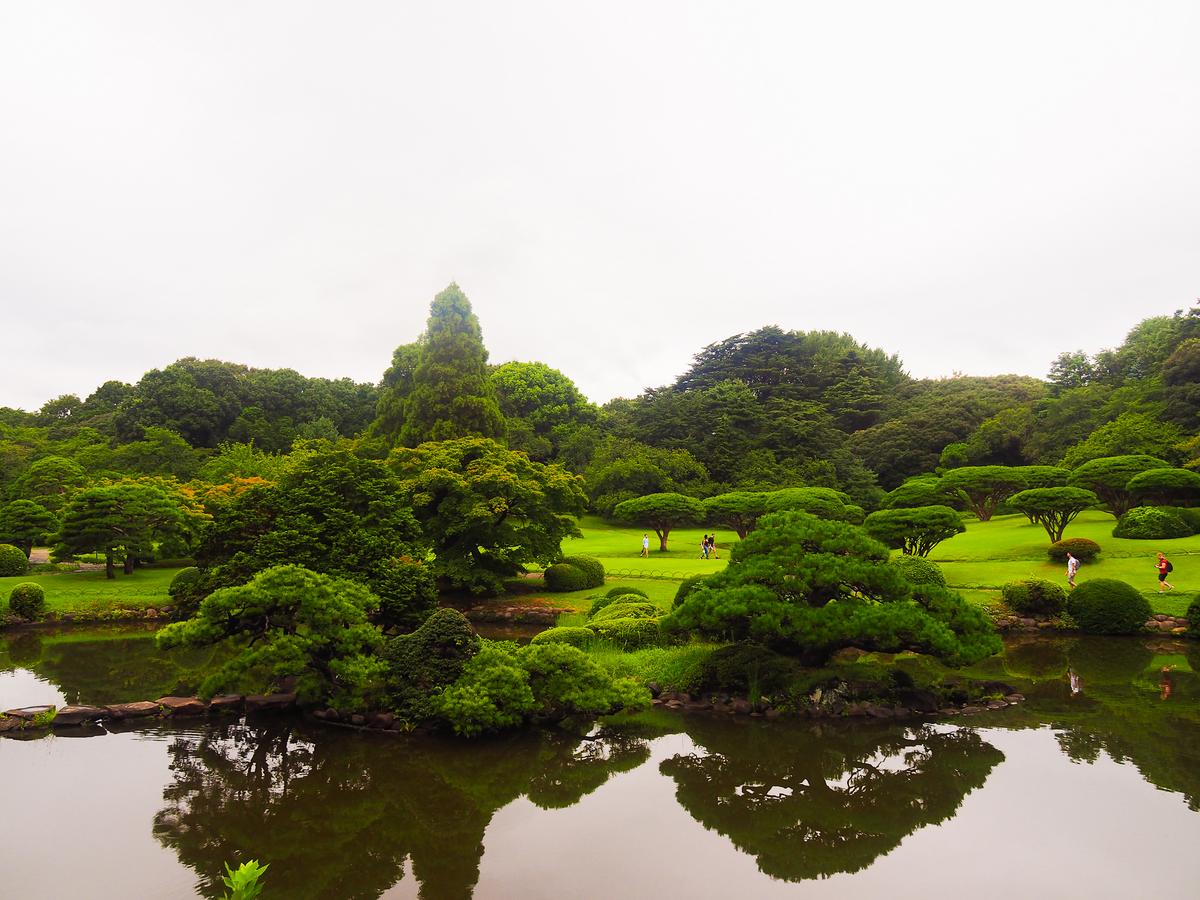
Shinjuku and Asakusa feel like different cities. That tension between neon and incense is exactly what makes Tokyo worth a week minimum.
Travel guides for Tokyo
Things to do (1)
Where to stay (1)
Destination stories (1)
More guides featuring Tokyo (16)
At a glance
Currency¥ JPYCode: JPY
Time zoneJapan Standard Time
Languages
- Japanese
Setting
- Urban metropolis
- Neon streetscapes
- Garden shrines
- Bay waterfront
Population13.9M13,929,286 residents
VisaDuration: Up to 90 days for short-term tourism or business · Documents: Valid U.S. passport
How Tokyo scores
10/10OverallExcellent
Weather7/10
Value for money6/10
Safety9/10
Food & cuisine10/10
Culture & arts7/10
Cultural experience9/10
History10/10
Nature & outdoors6/10
Adventure4/10
Nightlife9/10
Shopping9/10
Family friendly5/10
Romance7/10
Editorial scores on a 10-point scale, weighed against destinations of the same kind.
Travel safety snapshot
Overall94/100High rating
Women travellers88/100
LGBTQ+ travellers92/100
Theft96/100
Medical care92/100
Physical harm95/100
Political freedom85/100
SafePlace indicators use their source 100-point scale; higher is more favourable. Planning context, not a live travel advisory — check official government guidance before you go.
When to go
Best months to visit: April, May, June, July, August, September and October.
- January: 2.4 to 8.1 degrees Celsius, 17.8 millimetres of rain, best-time score 2 out of 5.
- February: 3.9 to 11 degrees Celsius, 115.4 millimetres of rain, best-time score 2 out of 5.
- March: 6 to 13.6 degrees Celsius, 10.5 millimetres of rain, best-time score 3 out of 5.
- April: 11.4 to 18.5 degrees Celsius, 84.1 millimetres of rain, best-time score 4 out of 5.
- May: 15.4 to 21.3 degrees Celsius, 18.1 millimetres of rain, best-time score 5 out of 5.
- June: 19.1 to 24.7 degrees Celsius, 50.8 millimetres of rain, best-time score 5 out of 5.
- July: 23.9 to 29.4 degrees Celsius, 45.4 millimetres of rain, best-time score 5 out of 5.
- August: 25.5 to 30.8 degrees Celsius, 77.9 millimetres of rain, best-time score 5 out of 5.
- September: 22.6 to 27.6 degrees Celsius, 37.9 millimetres of rain, best-time score 5 out of 5.
- October: 16.7 to 22.1 degrees Celsius, 84 millimetres of rain, best-time score 4 out of 5.
- November: 11.3 to 16.9 degrees Celsius, 26.5 millimetres of rain, best-time score 2 out of 5.
- December: 5.3 to 11.6 degrees Celsius, 2.4 millimetres of rain, best-time score 3 out of 5.
Month-by-month conditions and packing advice
- January
- Cool weather, mostly dry Cold winter weather, few tourists. Crowds: Peak tourist season with excellent conditions for cultural exploration, including traditional tea ceremonies, temple visits, and city walking tours. Hotel rates and crowd levels are highest during this period. UV levels remain moderate despite cooler temperatures. Pack: Lightweight layers for temperature variation; Comfortable walking shoes for city exploration; Broad-brimmed hat and SPF 50+ sunscreen; Light cardigan for air-conditioned spaces; Modest clothing for cultural sites and temples; Breathable cotton/linen fabrics
- February
- Cool weather, some rain Chilly and quiet, good for museums. Crowds: Peak tourist season with excellent conditions for cultural site visits, traditional tea ceremonies, and city walking tours. Hotel rates and crowd levels are highest during this period. UV levels remain moderate despite cooler temperatures. Pack: Lightweight layers for temperature variation; Comfortable walking shoes for city exploration; Umbrella for occasional rain; Light cardigan for air-conditioned spaces; Modest clothing for cultural sites and temples; Breathable cotton/linen fabrics
- March
- Cool weather, mostly dry Beginning to warm up, spring blossoms. Crowds: Peak tourist season with excellent conditions for cultural exploration, including traditional tea ceremonies, temple visits, and city walking tours. Hotel rates and crowd levels are highest during this period. UV levels remain moderate despite cooler temperatures. Pack: Lightweight layers for temperature variation; Comfortable walking shoes for city exploration; Umbrella for occasional rain showers; Light cardigan for air-conditioned spaces; Modest clothing for cultural sites and temples; Breathable cotton/linen fabrics
- April
- Warm and pleasant, some rain Pleasant spring weather, great for walking. Crowds: Peak sakura tourism with highest hotel rates and intensive crowding at cherry blossom viewing spots like Ueno Park and Shinjuku Gyoen. April represents Japan's most competitive booking period requiring months-advance planning. Ideal weather for all outdoor activities and cultural experiences. Pack: Layered clothing for variable spring temperatures; Light waterproof jacket for cherry blossom rain; Comfortable walking shoes for extensive temple and garden exploration; Warm cardigan for cool evenings; Camera gear with weather protection for sakura photography; Formal attire for traditional dining experiences
- May
- Warm and pleasant, mostly dry Excellent weather before the summer crowds. Crowds: May marks the peak tourist season in Tokyo, with favorable weather conditions perfect for a variety of activities such as temple visits, cherry blossom viewing, and city tours. Hotel prices and crowd levels are at their highest, so early booking is recommended. Despite the warm temperatures, UV levels remain manageable, encouraging outdoor exploration. Visitors should be prepared for occasional rain showers, especially in the early morning and late afternoon. Pack: Lightweight layers for temperature variation; Comfortable walking shoes for city exploration; Broad-brimmed hat and SPF 50+ sunscreen; Light cardigan for air-conditioned spaces; Rain jacket for unexpected showers; Breathable cotton/linen fabrics
- June
- Warm and pleasant, some rain Warm, sunny, and lively. Crowds: June marks the peak tourist season in Tokyo, with excellent weather conditions for a variety of activities such as visiting temples, enjoying cherry blossoms, and exploring the bustling neighborhoods. Hotel prices and crowd levels are at their highest, so early booking is recommended. Despite the warm temperatures, UV levels remain manageable, encouraging outdoor exploration. Visitors should be prepared for occasional rain showers, which can be refreshing. Pack: Lightweight layers for temperature variation; Comfortable walking shoes for city exploration; Broad-brimmed hat and SPF 50+ sunscreen; Light cardigan for air-conditioned spaces; Modest clothing for cultural sites and temples; Breathable cotton/linen fabrics
- July
- Hot and sunny, some rain Peak summer heat and peak tourist season. Crowds: Difficult travel period requiring significant planning for heat management and indoor alternatives. July brings highest summer rates with intense crowding at air-conditioned attractions like museums and shopping centers. Outdoor sightseeing limited to early morning or evening hours. Typhoon season approaches. Pack: Ultra-lightweight, moisture-wicking clothing; Portable cooling devices and electrolyte supplements; High SPF sunscreen and UV protection accessories; Quick-dry fabrics for high humidity conditions; Waterproof gear for potential typhoon activity; Cooling towels and personal fans; Light layers for heavily air-conditioned indoor spaces
- August
- Hot and sunny, some rain Very warm, many festivals and outdoor dining. Crowds: August marks peak tourist season in Tokyo, with excellent weather conditions for sightseeing and outdoor activities. The city is bustling with visitors, leading to crowded attractions and higher accommodation rates. However, the sunny weather enhances the experience, making it ideal for photography and cultural exploration. Visitors should be prepared for occasional rain showers, which are generally brief. Pack: Lightweight, breathable clothing for daytime activities; Waterproof jacket for unexpected rain showers; Comfortable walking shoes for exploring urban areas; Sunscreen and sunglasses for UV protection; Light scarf or shawl for cultural sites; Reusable water bottle for staying hydrated
- September
- Hot and sunny, some rain Perfect shoulder season with great weather. Crowds: July marks Tokyo's peak tourist season, with excellent weather conditions for sightseeing and outdoor activities. Visitors can enjoy exploring historic temples, bustling markets, and serene parks without the chill of cooler months. However, this period also sees higher hotel rates and larger crowds, especially in popular districts like Shibuya and Asakusa. Travelers should plan for potential delays in public transport due to increased passenger numbers. Pack: Lightweight, breathable clothing for daytime exploration; Wide-brimmed hat and UV-protective sunglasses; Light rain jacket for occasional showers; Comfortable walking shoes for urban adventures; Reusable water bottle to stay hydrated; Light scarf or shawl for air-conditioned spaces
- October
- Warm and pleasant, some rain Crisp autumn air and beautiful colors. Crowds: January marks Tokyo's peak tourist season, with excellent weather conditions for sightseeing and cultural experiences. The city is bustling with tourists, leading to higher hotel rates and crowded attractions. Despite cooler temperatures, the UV index remains high, necessitating sunscreen use. Ideal activities include exploring the historic Asakusa district, visiting the Meiji Shrine, and enjoying seasonal festivals. Travelers should plan for potential crowds and book accommodations in advance. Pack: Lightweight layers for temperature variation; Comfortable walking shoes for city exploration; Broad-brimmed hat and SPF 50+ sunscreen; Light cardigan for air-conditioned spaces; Modest clothing for cultural sites and temples; Breathable cotton/linen fabrics
- November
- Cool weather, some rain Cooling down rapidly, often rainy. Crowds: Peak tourist season with excellent conditions for cultural exploration, including traditional tea ceremonies, temple visits, and city walking tours. Hotel rates and crowd levels are highest during this period. UV levels remain moderate despite cooler temperatures. Pack: Lightweight layers for temperature variation; Comfortable walking shoes for city exploration; Umbrella for occasional rain showers; Light cardigan for air-conditioned spaces; Modest clothing for cultural sites and temples; Breathable cotton/linen fabrics
- December
- Cool weather, mostly dry Cold but festive holiday atmosphere. Crowds: Peak tourist season with excellent conditions for cultural exploration, including temple visits, traditional tea ceremonies, and city tours. Hotel rates and crowd levels are highest during this period. UV levels remain moderate despite cooler temperatures. Pack: Lightweight layers for temperature variation; Comfortable walking shoes for city exploration; Umbrella for occasional light rain; Light cardigan for air-conditioned spaces; Modest clothing for cultural sites and temples; Breathable cotton/linen fabrics
Peak season
- March
- April
- October
- November
Off-peak
- January
- February
- June
Know before you go
Neighbourhoods
Shinjuku, Shibuya, Asakusa, Akihabara, Ginza
Best time to visit
Late March through mid-April for cherry blossom (sakura) season — one of the world’s great natural spectacles, with Ueno Park, Shinjuku Gyoen, and the Meguro River canal among the best viewing spots. Autumn (mid-November through early December) brings vivid maple leaf color, particularly at Meiji Jingu Gaien and Rikugien Garden. May–June is pleasant before the rainy season (tsuyu, mid-June to mid-July). October through November offers warm days, clear skies, and manageable humidity.
Crowds
Tokyo is busiest during cherry blossom (late March–early April), Golden Week (late April–early May) and New Year (late December–early January); quietest in mid-January to February and late summer weekdays, though overall very busy year-round in central districts.
Getting there and around
Getting there
Narita (NRT) and Haneda (HND) are the main international airports. Haneda is much closer to downtown Tokyo.
Getting around
The train and subway network (JR Yamanote Line, Tokyo Metro) is world-class. Get a Suica or Pasmo IC card for seamless travel.
Top experiences in Tokyo
Senso-ji Temple
Read the place guide →Tokyo’s oldest and most significant Buddhist temple, located in Asakusa, known for its giant lantern and Nakamise shopping street.
TeamLab Borderless (Azabudai Hills)
Immersive digital art museum where rooms of light, water, and projection art flow into each other without boundaries — the world’s most visited museum by a single artist.
Tsukiji Outer Market
Read the place guide →While the wholesale market moved to Toyosu, the outer market’s 400+ stalls remain — tamagoyaki, fresh uni bowls, and matcha stand alongside knife shops and kitchenware.
Editor-curated picks carried over from our original guide. Where a full place guide exists, the card links to it.







Worth booking ahead in Tokyo
Hand-picked from the operators our guides already send readers to. Prices and availability are live on the partner site.
BrowseViator
Tours and tickets in Tokyo on Viator (opens Viator in a new tab)
Viator's full list of bookable tours and tickets in Tokyo.
BrowseGetYourGuide
Experiences in Tokyo on GetYourGuide (opens GetYourGuide in a new tab)
Everything GetYourGuide sells in Tokyo, with the cancellation terms on each listing.
Where to stayBooking.com
Stays in Tokyo (opens Booking.com in a new tab)
Live rates and availability for Tokyo on Booking.com; filter by neighbourhood once you know where your days start.
We earn a commission if you book through these links, at no extra cost to you. It is how we keep the guides free and independent.
Where to stay
Park Hyatt Tokyo
3-7-1-2 Nishi-Shinjuku, Shinjuku-ku, Tokyo 163-1055, Japan
A luxury hotel in Shinjuku offering iconic views of the city and Mount Fuji, made famous by the movie ‘Lost in Translation’.
Hoshinoya Tokyo
1-1-1 Otemachi, Chiyoda-ku, Tokyo 100-0004, Japan
Ryokan-style luxury in the Otemachi business district with onsen baths on the 17th floor and tatami-mat suites above the Imperial Palace.
Trunk (Hotel) Cat Street
1-6-1 Otemachi, Chiyoda-ku, Tokyo 100-0004, Japan
Design-forward boutique hotel in Shibuya’s Cat Street with a ground-floor café, community events, and rooms mixing concrete with warm wood.
Editor-curated stays carried over from our original guide. Where we have reviewed the hotel, the card links to the review.
Tips from the field
Highlights
- Senso-ji Temple — Tokyo's oldest Buddhist temple in Asakusa
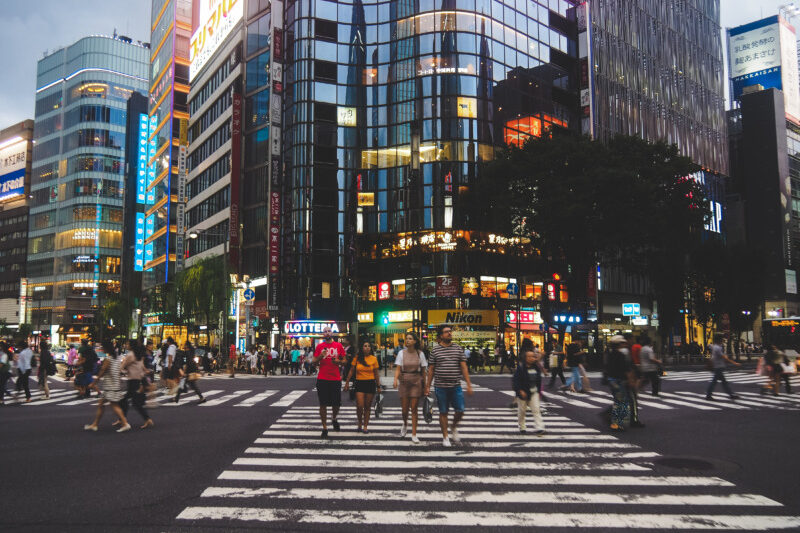
- Shibuya Crossing — the world's busiest pedestrian scramble
- Shinjuku Golden Gai — 200+ intimate bars in six narrow alleys
- Tsukiji Outer Market — street-food stalls serving the freshest seafood
- Meiji Shrine — forested Shinto shrine in the heart of Harajuku
Best activities
- Start at Senso-ji in Asakusa early morning — walk through the Kaminarimon (Thunder Gate) and browse Nakamise-dori before the crowds arrive, then view the temple's incense-filled main hall. Cross to the Tokyo Skytree for 360-degree views from 450 meters. In Shibuya, watch the Scramble Crossing from the Shibuya Sky rooftop observation deck, then explore the backstreets of Harajuku for Takeshita Street fashion and Meiji Shrine's forested approach. In Shinjuku, lose yourself in the compact Golden Gai — 200+ tiny bars packed into six narrow alleys, each seating 6–10 people. Visit Shinjuku Gyoen for one of Tokyo's finest gardens. Take the JR Yamanote Line to Akihabara for electronics and anime culture. In Tsukiji Outer Market (the original wholesale market moved to Toyosu, but the street-food stalls remain), eat tamagoyaki, fresh uni, and grilled seafood skewers for breakfast. Day-trip to Kamakura for the Great Buddha statue and coastal hiking, or ride the Shinkansen to Hakone for hot springs and Mount Fuji views.
Local experiences
- Queue for morning ramen at Fuunji in Shinjuku, watch the tuna-cutting demonstration at Toyosu Market at 5:30 AM, or drink whisky highballs in a six-seat Golden Gai bar where the bartender has served for 40 years.
Practical tips
- Currency: Japanese Yen (JPY). Japan is becoming more cashless but many places still prefer cash. 7-Eleven ATMs accept international cards.
- Getting There: Narita Airport (NRT) via Narita Express to Tokyo Station (60 minutes, ¥3,250) or Skyliner to Ueno (36 minutes, ¥2,520). Haneda Airport (HND) is closer — monorail to Hamamatsucho (13 minutes, ¥500).
- Transportation: Japan Rail Pass for visitors (7-day ¥50,000). Suica/Pasmo IC cards work on all transit. Tokyo Metro is efficient and comprehensive. Walking is excellent in individual neighborhoods.
- Dining: Tokyo has more Michelin stars than any city. Ramen (¥600-1,200), conveyor belt sushi (¥100-300/plate), yakitori (¥100-300/skewer). Depachika (department store basements) for premium food. Convenience store (konbini) food is surprisingly excellent.
- Free Attractions: Meiji Shrine, Senso-ji Temple, Shibuya Crossing, Shinjuku Gyoen (¥500), Harajuku Takeshita Street, Imperial Palace East Gardens.
- Tipping: Never tip in Japan
- Electricity: 100V/50Hz (east) or 60Hz (west), Type A/B plugs
Photography tips
- Shibuya Crossing photographs best from the Mag's Park rooftop (free access during business hours) or the Shibuya Sky observation deck — shoot during rush hour (5–6 PM) when pedestrian density peaks, using a fast shutter to freeze individuals against blurred crosswalk lines. For Senso-ji, arrive before 6 AM when the temple grounds are nearly empty and the Kaminarimon lantern glows against a pre-dawn sky — a wide-angle lens captures the full gate without distortion if you shoot from low angle. Tokyo Skytree and Tokyo Tower both reward blue-hour photography
- for Skytree, shoot from the opposite bank of the Sumida River in Asakusa where the tower reflects in the water. In Golden Gai, the narrow alleys and lantern-lit signage demand a fast prime lens (35mm or 50mm f/1.4) at high ISO — respect the 'no photo' signs that some bars display. Cherry blossom season transforms the Meguro River canal into a tunnel of pink — photograph from the Nakameguro bridges at golden hour. For street photography, the elevated walkways at Shibuya Hikarie and the underground passages of Shinjuku Station offer candid compositions with layered depth.
Keeping it authentic
- Tokyo is a city of 14 million that operates as multiple cities layered on top of each other. The hyper-modern surface — Shibuya Crossing's LED walls, Akihabara's electronic arcades, Shinjuku's skyscraper canyons — coexists with an older city that reveals itself in back alleys and side streets: the wooden izakayas of Golden Gai, the morning tuna auctions at Toyosu Market, the incense-filled halls of Senso-ji temple in Asakusa. Each neighborhood functions almost as a separate town with its own character: Shimokitazawa for vintage clothing and indie music, Yanaka for pre-war streetscapes and cat-themed cafés, Daikanyama for architecture-magazine bookshops and designer boutiques. Japanese cultural norms shape every interaction — punctuality borders on obsession (trains apologize for 30-second delays), cleanliness is maintained without public trash cans (people carry their waste home), and service standards in restaurants, hotels, and shops set a global benchmark. The food culture alone justifies the trip: Tokyo holds more Michelin stars than any city on Earth, but the best meals often happen at ¥1,000 ramen counters, standing sushi bars, or yakitori stalls under the railway arches at Yurakucho. The city absorbed near-total destruction in 1945 and rebuilt into the world's largest metropolitan economy — that resilience and reinvention define Tokyo's character more than any single landmark.
Culture, customs and safety
Cultural heritage
Tokyo synthesizes centuries of Japanese tradition with cutting-edge technology, creating megacity where ancient temples neighbor skyscrapers and robot cafes. Senso-ji Temple in Asakusa preserves Edo period atmosphere while Meiji Shrine offers forest tranquility. The Imperial Palace maintains symbolic center amid modern development. Distinct neighborhoods from otaku Akihabara to fashionable Harajuku create cultural micro-worlds. Traditional crafts, kabuki theater, and tea ceremonies persist alongside pop culture innovation. The city embodies Japan ability to honor tradition while embracing radical modernity.
Local customs & etiquette
Tipping is not practiced and can be rude. Be quiet on public transport. Bowing is the standard greeting.
Safety notes
Tokyo is one of the safest megacities in the world.
General Safety:
• Crime against tourists is extremely rare
• Lost items are routinely returned, even cash
• Walking alone at night is safe in virtually all neighborhoods
Earthquakes:
• Tokyo experiences frequent minor earthquakes — know your hotel’s evacuation plan
• During shaking: drop, cover, hold on
• Stay away from windows and heavy furniture
Cultural Notes:
• Remove shoes when entering homes, ryokan, and some restaurants
• Silence phones on trains
• Queuing and respecting personal space are important
• Tattoos may restrict onsen access
Emergency contacts:
• Police: 110
• Fire/Ambulance: 119