

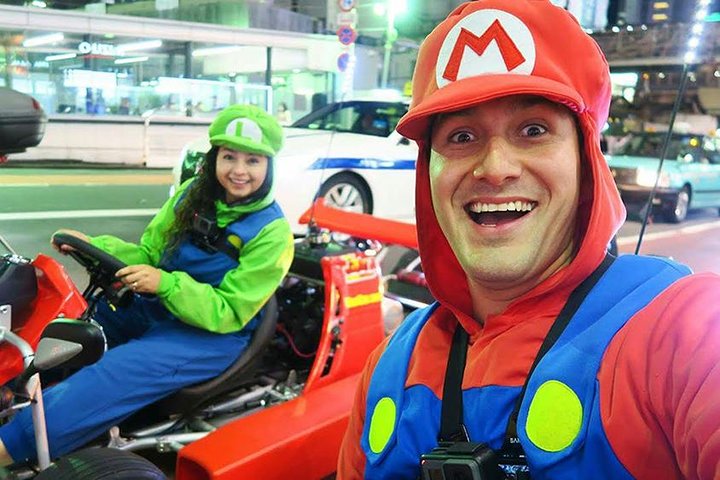
MariCAR Shinagawa
Go-karting through Tokyo in a Mario costume sounds gimmicky — it is, and that’s exactly why it works.
Tokyo — Thing to Do on ViaTravelers
Go-karting through Tokyo in a Mario costume sounds gimmicky — it is, and that’s exactly why it works.
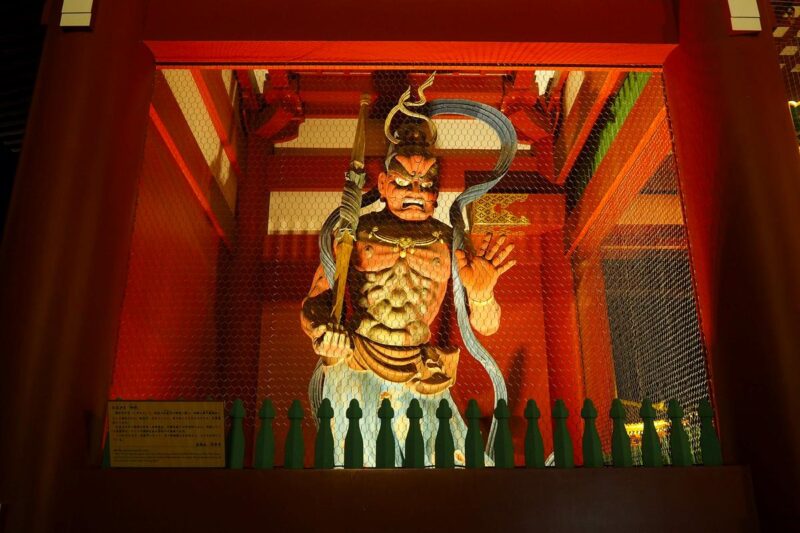
Senso-ji gets 30 million visitors a year — arrive before 7am and you’ll have the Thunder Gate almost to yourself.
Akihabara on a Sunday — car-free, loud, and completely itself. No other block on Earth looks quite like Chuo Dori when the crowds take over.
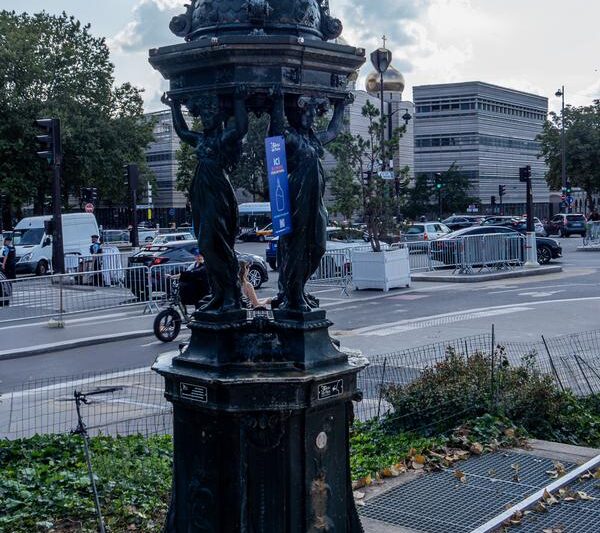
Paris hated the Eiffel Tower when it opened. Now 250 million visitors later, the light show alone justifies the queue.
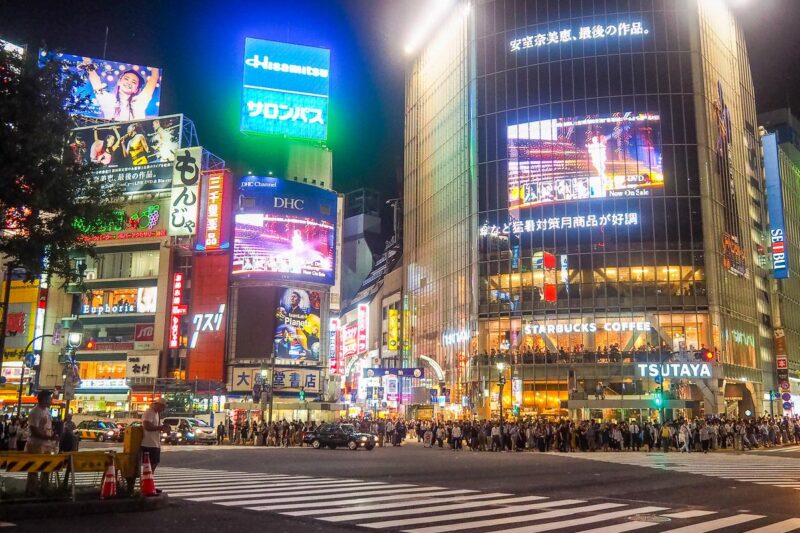
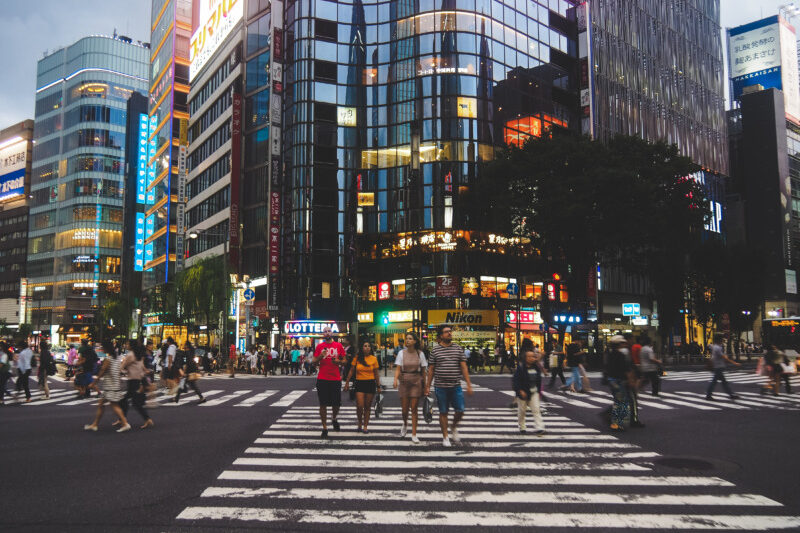
Experience the pulsating heart of modern urban Japan, where the Shibuya Scramble Crossing embodies the organized chaos and vibrant energy of Tokyo’s bustling streets. As a symbol of the city’s rapid growth and dynamic social fabric, this iconic landmark offers a captivating canvas of ever-changing visual culture, providing an engaging window into the essence of…
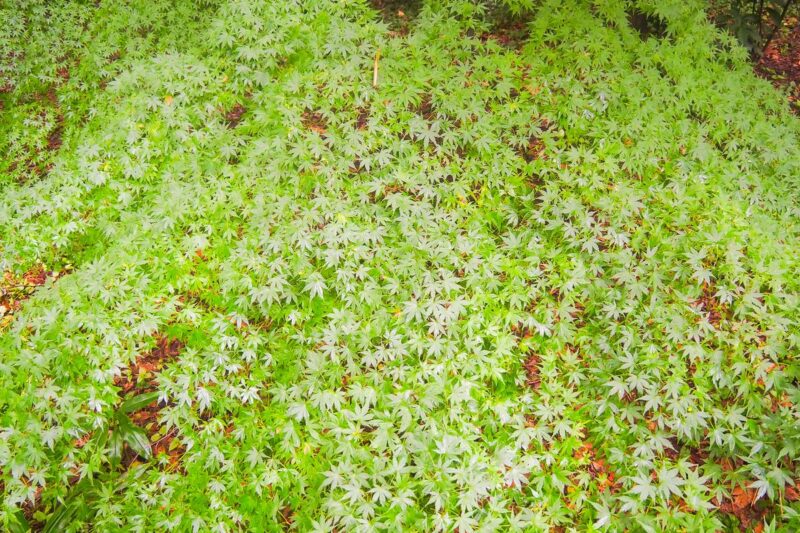
Shinjuku Gyoen National Garden embodies cultural authenticity through its three distinct garden styles, reflecting local and international influences. Originally a feudal lord’s residence, it has transitioned into a public park, underscoring its historical significance. The meticulously designed landscapes and diverse garden styles provide educational and artistic value, contributing to a serene and engaging public space.


Experience Tokyo Skytree: Japan’s soaring blend of tradition and innovation, offering unmatched 360-degree panoramas and captivating cultural exhibits.

Tokyo has a wild bird park tucked against its port — observation huts, serious telescopes, and zero tourists fighting for space.

Immerse yourself in the authentic tradition of ramen at Tokyo Ramen Street. Discover diverse flavors and styles in a culinary journey that celebrates Japanese food culture.
Rainbow Bridge earns its name after dark — solar-powered lights turn this 1993 Tokyo span into something worth staying up for.

Embark on a captivating journey through Japan’s scientific prowess at The National Museum of Emerging Science and Innovation. Delve into the nation’s significant contributions to global innovation, experience interactive exhibits, and gain a deeper understanding of the impact of science and technology on society.

Immerse yourself in Japan’s rich cultural heritage and natural history at the National Museum of Nature and Science. Discover the largest collection of national treasures, interactive exhibits, and educational opportunities. Engage with authentic traditions and artistic wonders, and explore the deep historical significance within its cultural and national context.

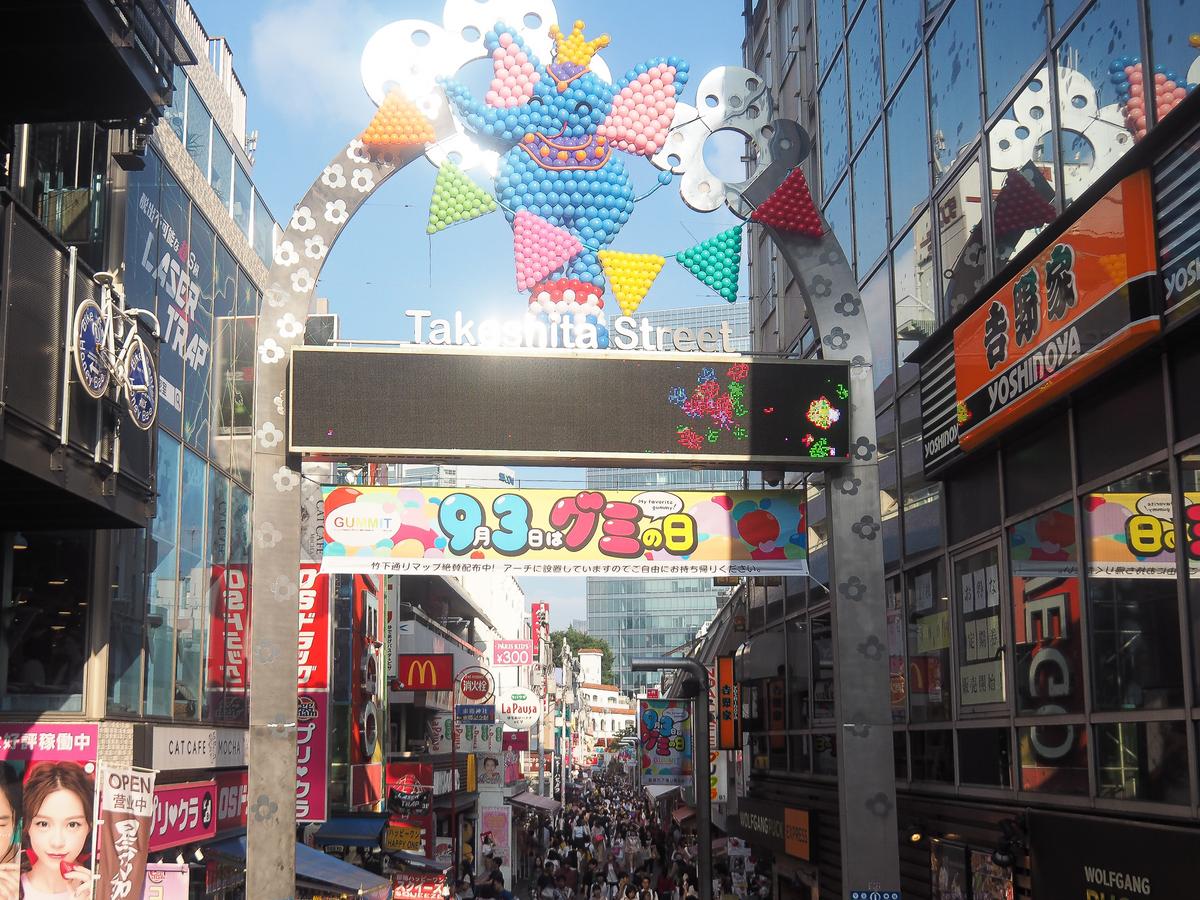
Embark on a cultural journey through Takeshita Street, where “kawaii” culture and modern Japanese fashion intertwine. Discover the birthplace of “kawaii” and delve into the street’s historical and artistic significance. Immerse yourself in a vibrant community hub, promoting self-expression and creativity, while preserving its unique character amidst urban vibrancy.

Immerse yourself in the authentic Japanese culinary culture and witness the art of sushi making. Experience the historical significance and artistic value of this bustling marketplace.

Immerse yourself in the essence of ancient and medieval Japanese culture at the Tokyo National Museum. Experience a comprehensive collection of artwork and cultural objects, preserving Japan’s heritage.

Tokyo Disneyland runs cleaner, quieter, and more precisely than any Disney park I’ve been to. Pooh’s Hunny Hunt alone justifies the flight.

Immerse yourself in the historical significance and artistic value of a former imperial and shogunate garden.

Welcome to a world where contemporary Japanese kawaii culture and the global phenomenon of Sanrio characters come to life. Discover the historical significance and artistic value of Sanrio Puroland, a vibrant indoor theme park dedicated to preserving and promoting the beloved characters and their values of friendship and kindness.

Immerse in Shinto rituals, historical significance, and traditional Japanese culture at Meiji Jingu. Experience authenticity and spiritual engagement.

Immerse yourself in the birthplace of the iconic Maneki-neko, symbolizing good luck and fortune. Discover the temple’s historical and cultural significance, engage in traditional practices, and embrace the artistic and social impact of this revered landmark.

Nestled within Ueno Onshi Park, the Ueno Zoological Gardens offers a unique blend of wildlife exploration and cultural immersion. With a rich historical significance dating back to the Edo era, it provides an educational and engaging experience, intertwining nature, history, and local traditions.