


Moulin Rouge
The can-can has been performed here since 1889. Dinner, champagne, sequins, feathers — the Moulin Rouge is unapologetically theatrical.
France — Thing to Do on ViaTravelers
The can-can has been performed here since 1889. Dinner, champagne, sequins, feathers — the Moulin Rouge is unapologetically theatrical.
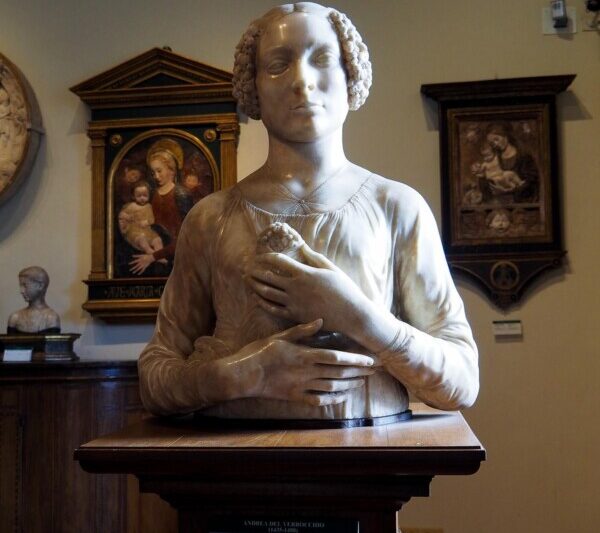
Step into the intricate tapestry of human civilization at Musée de l’Homme. Uncover authentic global traditions and thought-provoking exhibits. Experience a profound journey through our shared heritage.
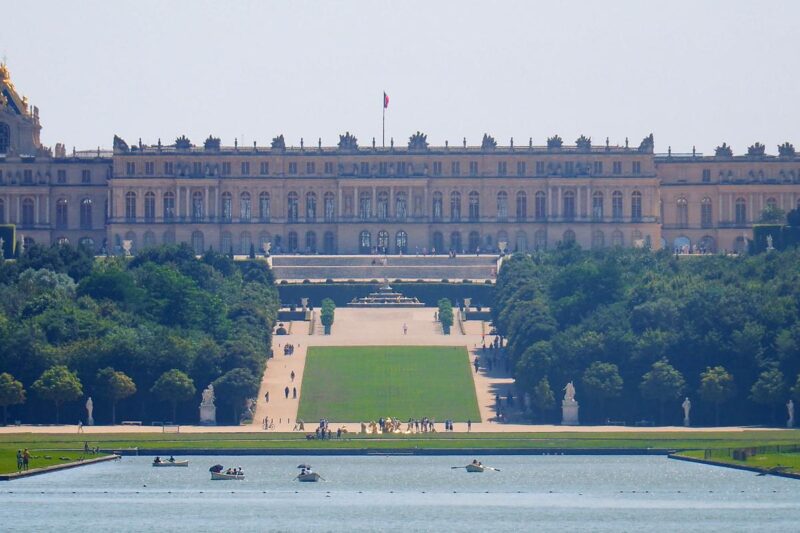
Perched on a rocky islet, this fortress-turned-prison whispers tales of intrigue and escape. Beyond its literary fame, Château d’If harbors secrets of Provençal history, waiting to be uncovered by the curious explorer.

Perched atop a promontory, this former imperial retreat now bustles with intellectual discourse. Its stone walls, once privy to royal whispers, now echo with the voices of modern thinkers, all under the watchful gaze of the Mediterranean.
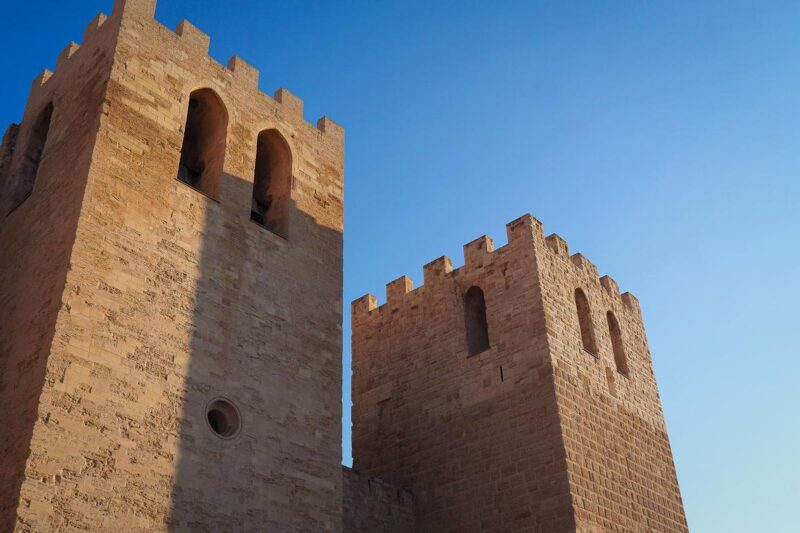
Abbaye Saint-Victor’s crypt whispers secrets from 415 AD, etched in pagan markings and ancient stone. This hilltop sentinel guards Marseille’s soul, weaving Roman roots with medieval mysteries in a [tapestry of cultural authenticity](https://www.novlr.org/the-reading-room/a-writers-guide-to-great-travel-writing).
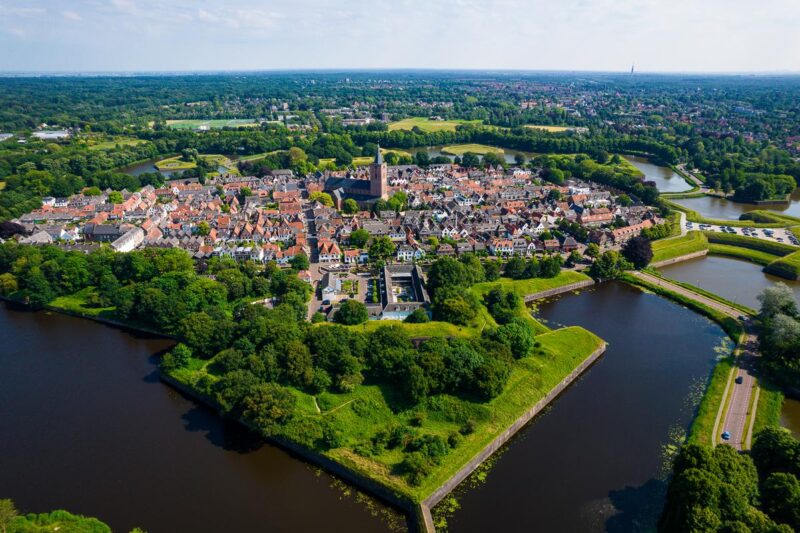
Perched above the Vieux-Port, Fort Saint-Jean whispers tales of royal decrees and maritime struggles. Its weathered walls and serene gardens offer a tranquil escape from the bustling city below.

Hemingway wrote here. Sartre argued here. Yes, it’s touristy — the terrace coffee still costs what it costs, and it’s still worth it.
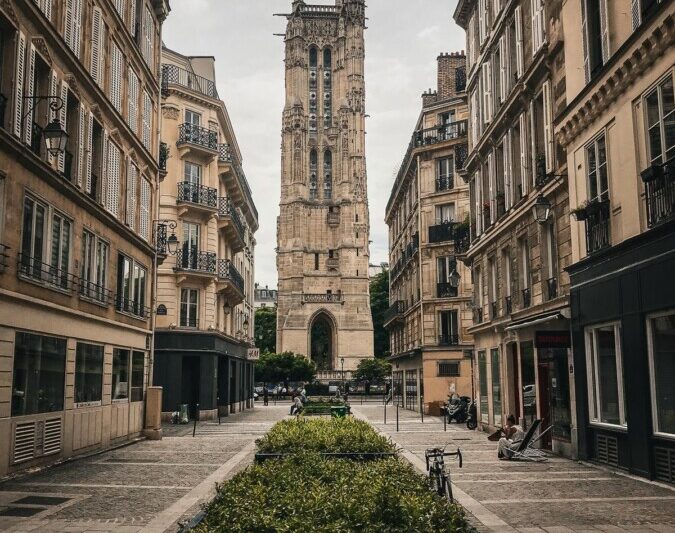
Tour Saint-Jacques is all that survived the Revolution. A 52-meter Gothic tower where pilgrims once set off for Santiago de Compostela.

The morning fish market at Quai des Belges still runs at dawn — get there by 8am or the best catch is already gone.
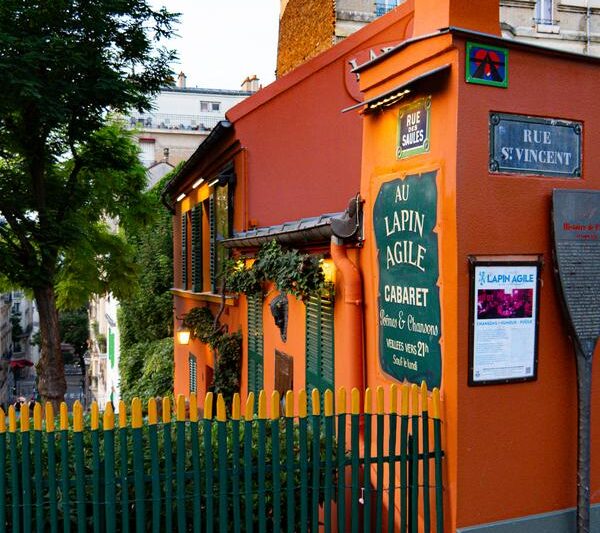
Picasso once paid his tab here with paintings. Au Lapin Agile still looks exactly like he left it.

La Bonne Mère watches over all of Marseille from 162 meters up. The ex-votos inside tell better stories than any museum.
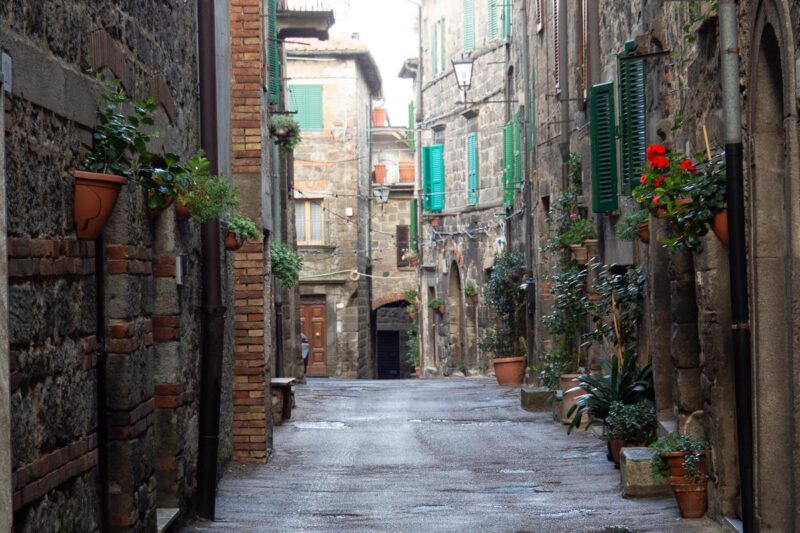
Le Panier sat above the Old Port for 2,600 years — Greek agora, Nazi demolition attempts, and now the best street art in southern France.
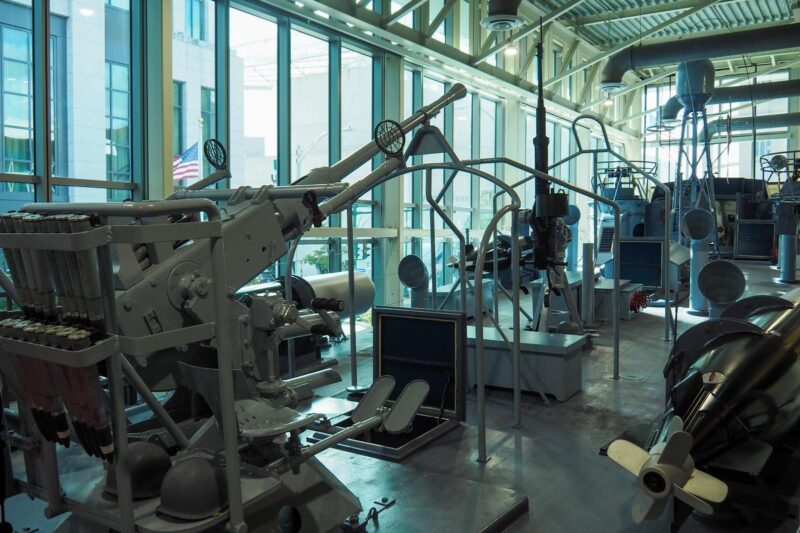
Grande-Île is where Roman street grids survived medieval builders — and somehow still guide foot traffic today.
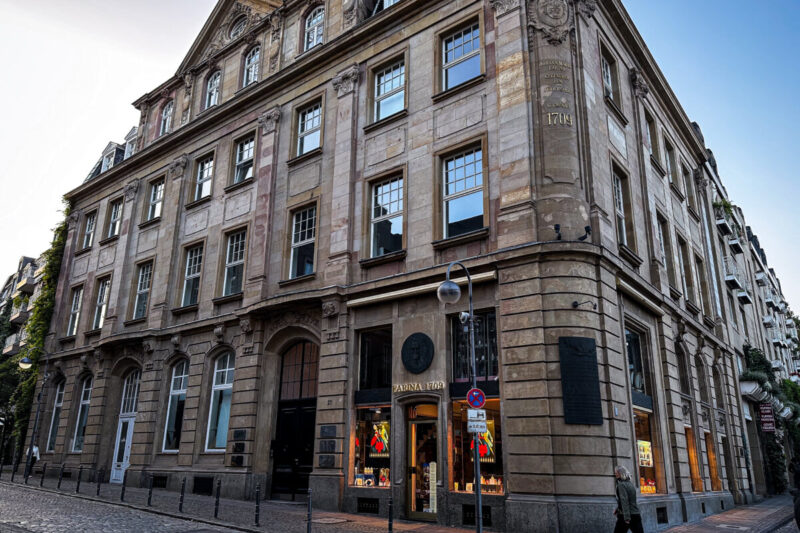
€3.50 gets you into a real medical school’s collection — antique surgical tools, anatomical models, and centuries of French medicine in one small room.
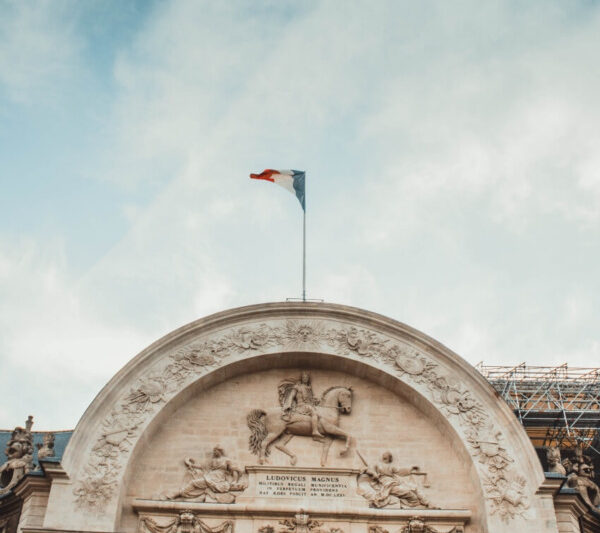
Napoleon’s tomb alone justifies the entry fee — but the medieval armor halls upstairs are what most visitors walk past too fast.
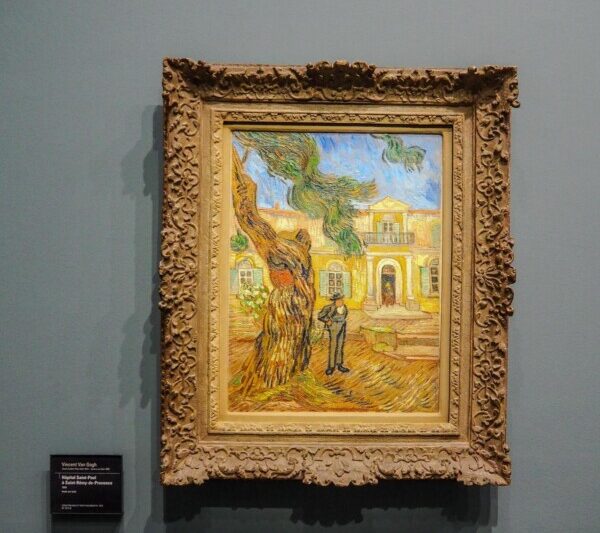
Founded in 1914 to document WWI in real-time, La contemporaine holds 1.5M items — war posters, manuscripts, testimonies you won’t find anywhere else.
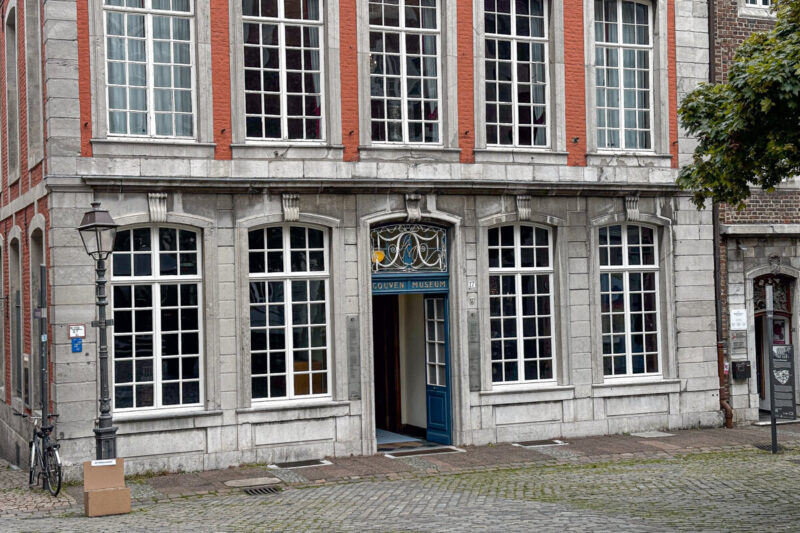
Musée d’Ennery is one of Paris’s most personal collections — a private obsession made public, frozen in the 1880s.
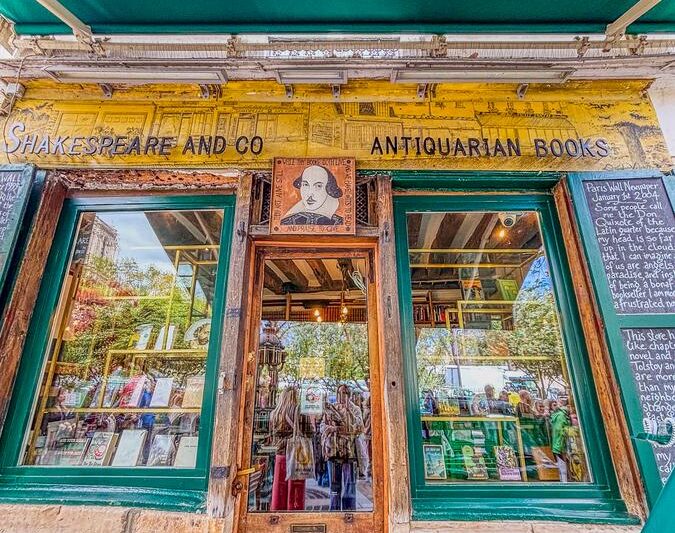
Shakespeare and Co lets writers sleep among the shelves in exchange for a book a day. That detail alone tells you what kind of place this is.
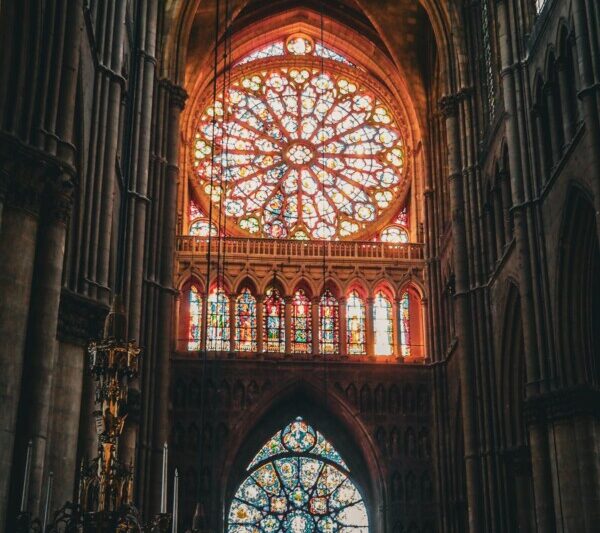
Thirty-two French kings were crowned here. The Smiling Angel still watches from the facade, unbothered by eight centuries of history.
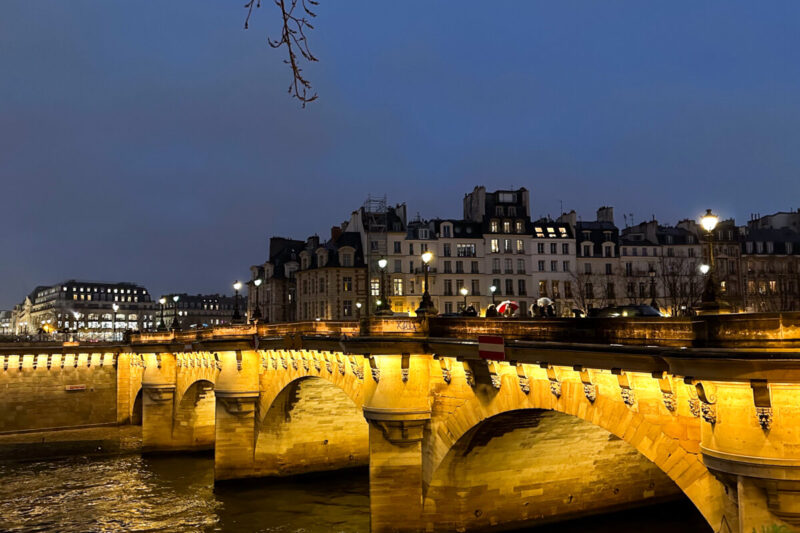
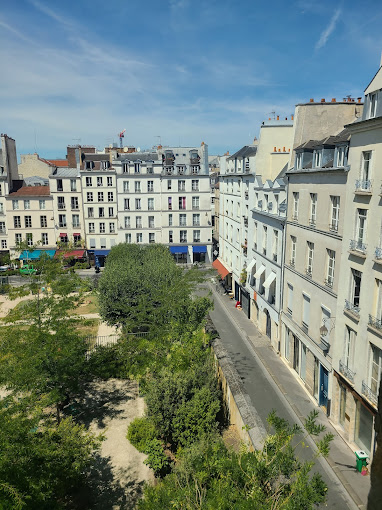
The Hôtel Salé alone justifies the visit — but 5,000 works inside a 17th-century Marais mansion makes it one of Paris’s most rewarding afternoons.
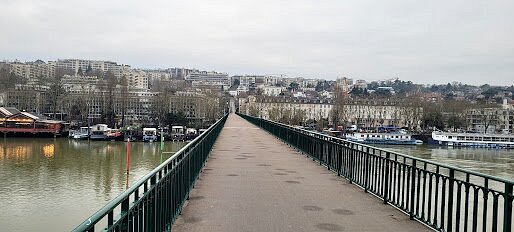
Built under Eiffel’s guidance, this 15th arrondissement bridge-aqueduct quietly delivers one of Paris’ least-crowded Eiffel Tower sightlines.

35,000 works across 72,735 square meters — the Louvre requires a plan, not a wander. Pick two wings and own them.

Jim Morrison’s grave gets the crowds, but Père-Lachaise rewards the wanderers who get lost between Chopin and Édith Piaf.