

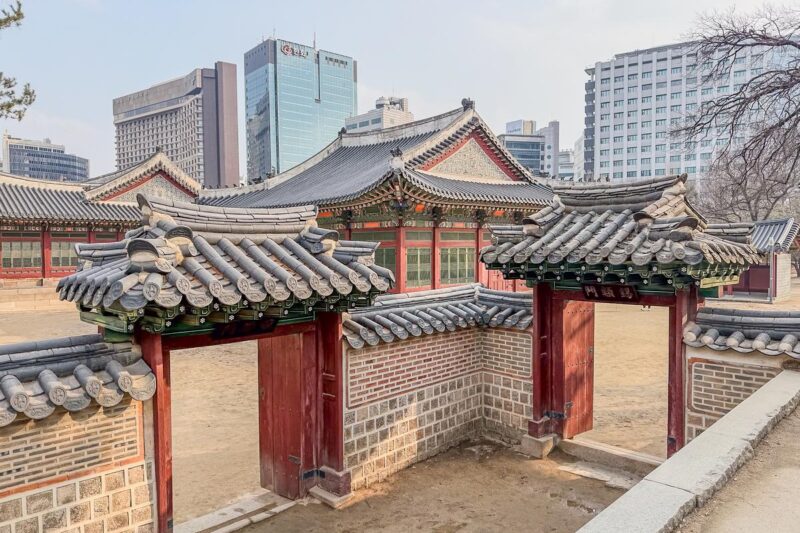
Gyeongbokgung Palace
Gyeongbokgung took three hours and I still missed half of it. Go for the guard change, stay for Gyeonghoeru Pavilion.
Gyeongbokgung took three hours and I still missed half of it. Go for the guard change, stay for Gyeonghoeru Pavilion.

Myeongdong moves fast — K-beauty haggling by day, tteokbokki smoke and neon by night. Budget an extra hour you didn’t plan for.
Deoksugung is the only royal palace in Seoul where a neoclassical stone hall sits steps from a Joseon throne room. That tension is the whole point.
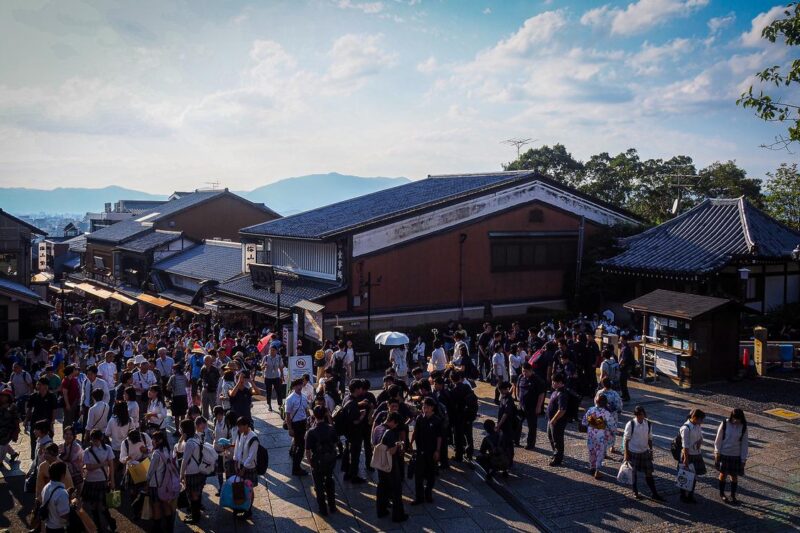
Insadong’s side alleys do more work than the main street — small galleries, hanji shops, and teahouses that tourists walking straight through entirely miss.
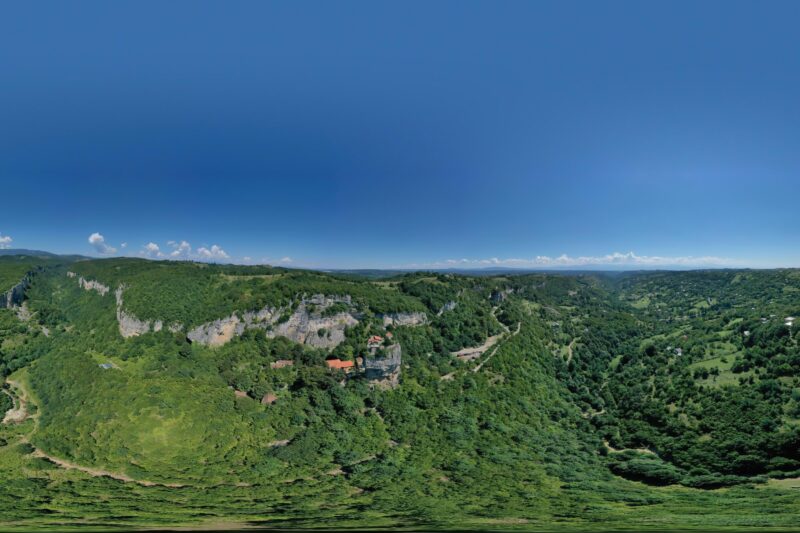
Burned down by arson in 2008 and rebuilt by hand using Joseon-era methods — Sungnyemun isn’t just old Seoul, it’s Seoul refusing to disappear.
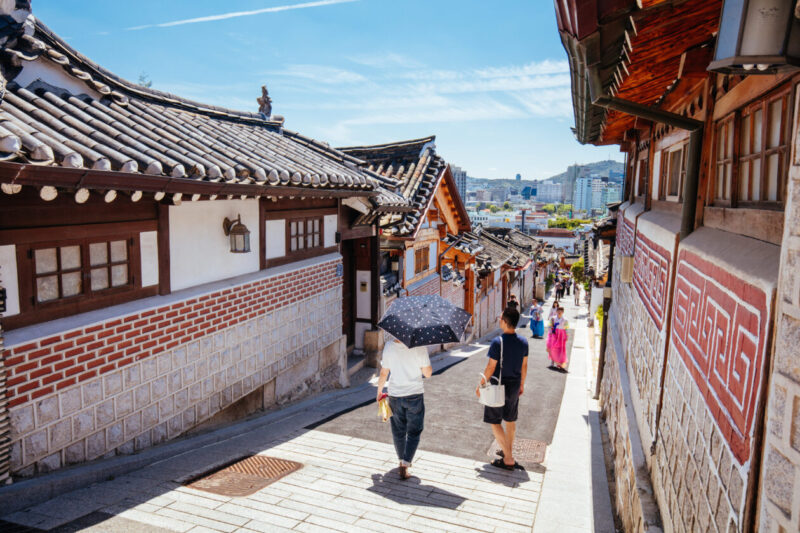
Bukchon is still a working neighborhood — locals actually live here, which makes wandering its alleys feel less like a tour and more like trespassing in the best way.
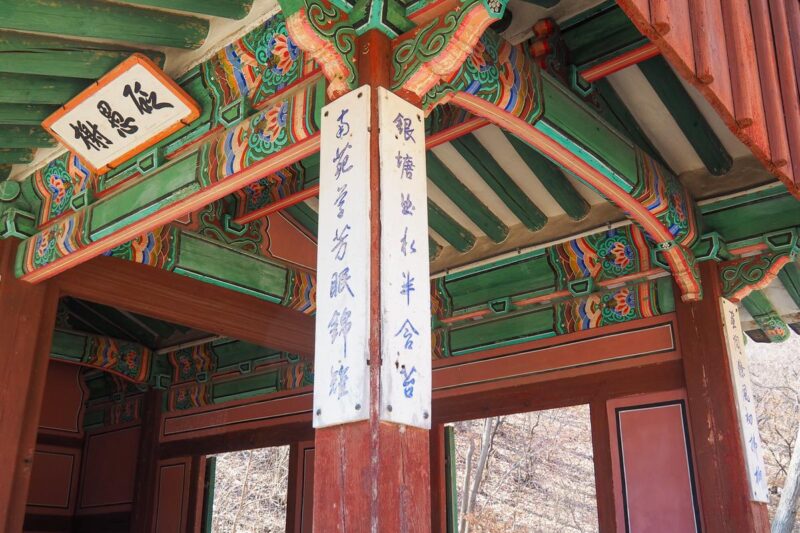
The Secret Garden reveals itself slowly — 78 acres of lotus ponds, 300-year-old trees, and royal pavilions tucked behind Changdeokgung Palace.
Changgyeonggung gets overlooked for Gyeongbokgung, but its residential scale and lotus pond make it the more human palace of Seoul’s five.
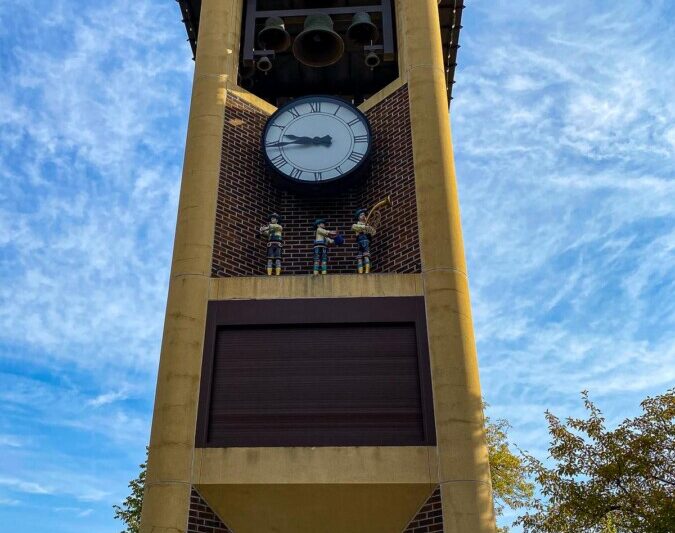
N Seoul Tower sits 236m above the city on Namsan Mountain — the views alone justify the climb, but the lock tradition keeps you longer.
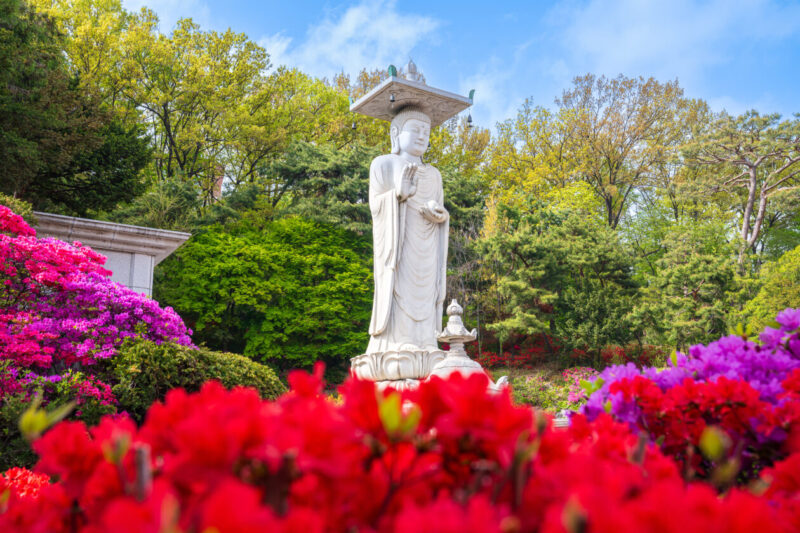
A 1,200-year-old Buddhist temple sitting directly across from COEX Mall in Gangnam — the contrast alone makes it worth the detour.
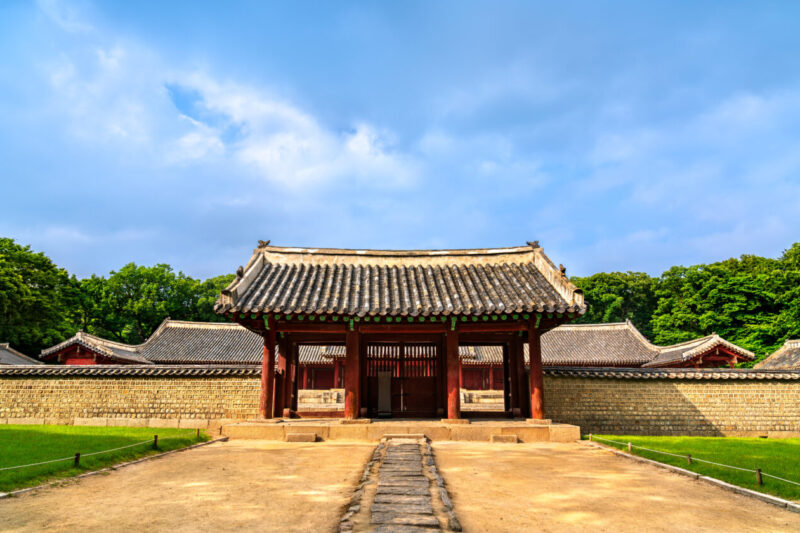
Jongmyo is the quietest place in Seoul — no color, no crowds, just stone courtyards and 600 years of Joseon ritual still intact.
A 500-year-old pine, golden Buddhas, and paper lanterns at Buddha’s Birthday — Jogyesa is Seoul’s most accessible temple and actually worth your time.