MenuClose

A place worth knowing

Sungnyemun Gate

Historical landmarks · Gate in SeoulUpdated

  • Google rating4.3/5 (22,000 reviews)
  • Typical visit30-60 minutes average visit (longer if attending special ceremonies or exploring surrounding areas)
  • EntranceCheck https://english.visitseoul.net/ for current pricing
Breathtaking 360 panoramic view of Katskhi, lush green landscapes, historical monastery - Adobe Stock
Katskhi Monastery panoramic view Kyle Kroeger / ViaTravelers
  • Today (Sunday)Open 24 hours
  • Typical visit30-60 minutes average visit (longer if attending special ceremonies or exploring surrounding areas)
  • EntranceCheck https://english.visitseoul.net/ for current pricing
  • Google rating4.3/5 22,000 reviews
  • WebsiteOfficial site ↗
Opening hours all week
Monday
Open 24 hours
Tuesday
Open 24 hours
Wednesday
Open 24 hours
Thursday
Open 24 hours
Friday
Open 24 hours
Saturday
Open 24 hours
Sunday
Open 24 hours
Accessibility
"{"safety": "Well-lit at night, police presence for security", "crossing": "Use designated crosswalks with signals – busy traffic circle", "facilities": "Accessible restrooms in nearby Seoul Plaza", "wheelchair_access": "Exterior viewing fully accessible from sidewalks"}"
The short answer

Why it matters

South Korea's National Treasure No. 1, a grand 14th-century fortification gate painstakingly restored after a 2008 fire and standing sentinel over downtown Seoul.

Sungnyemun (Southern Great Gate), known as Namdaemun, is Seoul’s National Treasure No. 1 and the city’s most iconic historical structure. Built in 1398 during the early Joseon Dynasty, this majestic two-story wooden pagoda gate was meticulously restored after a devastating 2008 arson attack, symbolizing Korean cultural resilience.

Cultural Context

Korea’s National Treasure No. 1, symbol of Seoul and Korean heritage. Gate name means “Exalted Propriety,” reflecting Confucian values. Central to Korean identity and pride.

Historical Context

Built 1398 as main southern gate of Seoul fortress wall. Survived Japanese occupation and Korean War. Destroyed by arson February 2008, restored using traditional methods and materials, reopened May 2013.

Context

Story and significance

About

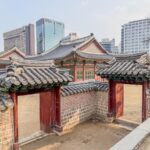
Sungnyemun (Namdaemun) is the Great South Gate of Seoul’s historic city walls, designated National Treasure No. 1 of South Korea. Built between 1395 and 1398 under King Taejo of Joseon, the two-story pagoda-style gateway features a stone base with an arched entrance and a wooden upper structure adorned with vibrant dragon murals. The oldest wooden structure in Seoul until a devastating 2008 arson attack destroyed much of the upper level, it was painstakingly restored over five years using traditional techniques and reopened in 2013. The adjacent Namdaemun Market is one of Seoul’s largest traditional markets.

Historical significance

Sungnyemun Gate holds immense historical significance as the oldest surviving wooden structure in Seoul and Korea’s first designated National Treasure. It played a critical role in the defense and administration of the Joseon capital, serving as the main southern entrance and a symbol of royal authority. The gate witnessed pivotal moments in Korean history, including invasions by foreign powers and the transformation of Seoul from a walled city to a modern metropolis. Its survival through centuries of conflict and change embodies Korea’s resilience and dedication to cultural preservation. The gate’s designation as National Treasure No. 1 in 1962 marked a milestone in Korea’s heritage conservation movement, highlighting its importance as a national symbol. The 2008 arson attack and subsequent restoration drew international attention to the challenges of safeguarding cultural heritage in contemporary urban environments. Sungnyemun’s legacy extends beyond Korea, representing a tangible link to East Asia’s architectural and historical traditions. Its enduring presence continues to educate and inspire future generations about Korea’s rich history and the importance of protecting cultural landmarks for posterity.

Historical context

Built 1398 as main southern gate of Seoul fortress wall. Survived Japanese occupation and Korean War. Destroyed by arson February 2008, restored using traditional methods and materials, reopened May 2013.

Cultural context

Korea’s National Treasure No. 1, symbol of Seoul and Korean heritage. Gate name means “Exalted Propriety,” reflecting Confucian values. Central to Korean identity and pride.

Architecture

Sungnyemun Gate exemplifies traditional Korean wooden architecture combined with stone fortification techniques characteristic of the Joseon Dynasty. The gate consists of a two-story wooden pavilion resting atop a massive granite base, showcasing the harmonious integration of natural materials. The granite foundation is precisely cut and assembled without mortar, demonstrating advanced masonry skills of the late 14th century. The upper wooden structure features gracefully curved tiled roofs with intricate bracket systems called ‘gongpo,’ which support the eaves and add aesthetic complexity. The vibrant dancheong (decorative paintwork) adorning the pavilion’s beams and rafters reflects symbolic colors and patterns intended to protect the building from evil spirits and weather damage. The gate’s design balances defensive functionality with artistic elegance, embodying Confucian ideals of order and harmony prevalent during the Joseon period. Its architectural style influenced subsequent Korean gate constructions and remains a prime example of Joseon-era city fortifications. The meticulous restoration after the 2008 fire adhered strictly to these traditional methods, ensuring that Sungnyemun continues to represent Korea’s architectural heritage authentically and majestically.

Local significance

For the people of Seoul, Sungnyemun Gate is more than a historic monument; it is a cherished symbol of local identity and pride. The gate’s presence in the heart of the city connects residents to their ancestors and the city’s origins, fostering a sense of continuity and belonging. Local communities often regard Sungnyemun as a guardian of Seoul, embodying protection and stability amid rapid urban development. The area surrounding the gate remains a bustling commercial district known as Namdaemun Market, where the gate’s image is frequently used in branding and cultural events, reinforcing its role in daily life. Local legends speak of the gate’s protective powers and its resilience through wars and disasters, making it a source of inspiration and hope. The gate is also a popular meeting point and a venue for cultural performances and educational programs that engage residents and visitors in Korea’s history. Its significance is reflected in the collective efforts to restore and maintain it after the 2008 fire, demonstrating the community’s commitment to preserving their heritage. Sungnyemun continues to be a vital cultural nucleus that enriches the social fabric of Seoul and strengthens the local sense of identity.

Experience

Make the most of it

Local tips
  • Local guides share ideal stories
  • Evening tours show different atmosphere
  • Free entry on national holidays
  • Gardens often free to explore
  • Architecture tours focus on details
  • Best visited during shoulder season
  • Special events throughout the year
Hidden gems nearby
  • Hidden rooms discovered during restoration
  • Secret gardens not on main tour
  • Original graffiti from centuries ago
  • Rooftop access for special tours
  • Archaeological finds displayed in basement
  • Original features behind newer additions
  • Underground passages and cellars
Special features
  • Sungnyemun Gate’s most distinctive feature is its imposing granite base, which measures approximately 12 meters in height and 10 meters in width, providing a robust foundation that has endured for over six centuries. The wooden pavilion atop the stone base is notable for its elegant double-tiered roof with sweeping curves and elaborately carved bracket supports. Inside the pavilion, visitors can observe traditional wooden joinery techniques that use interlocking joints without nails, a hallmark of Korean craftsmanship. The gate also features inscriptions of its name on a large wooden plaque, calligraphed by King Sejong the Great, a revered historical figure credited with creating the Korean alphabet, Hangul. This plaque symbolizes the gate’s royal endorsement and historical prestige. Another unique characteristic is the gate’s role as a ceremonial space during the Joseon Dynasty, where official proclamations and rituals took place. Today, visitors can appreciate the gate’s scale, craftsmanship, and the vibrant colors of its dancheong paintwork, which have been painstakingly restored to their original brilliance. These special features make Sungnyemun not only a defensive structure but also a cultural and artistic masterpiece that continues to captivate scholars and tourists alike.
Editorial scores

How we rate it

Authenticity9/10
Accessibility score7/10
Family-friendly score7/10
Off-the-beaten-path4/10

Editorial scores on a 10-point scale, judged against places of the same kind.

Updated Data: Editorial research · Google Places ratings · Verified coordinates