

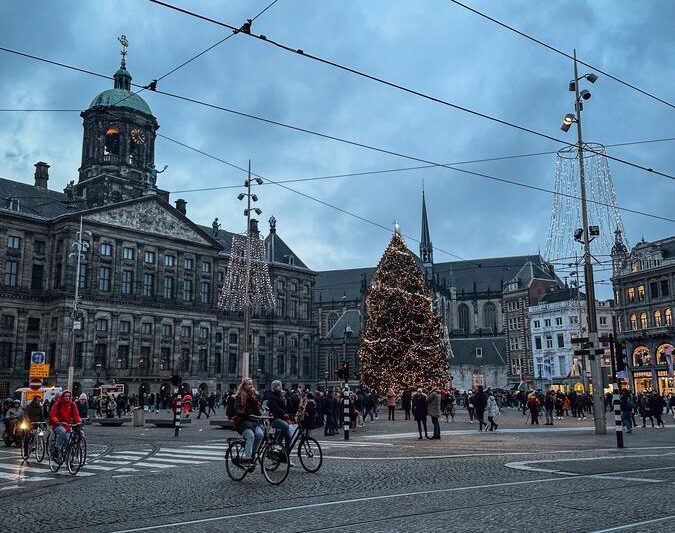
Dam Square
Dam Square is where Amsterdam began — literally. The 13th-century dam on the Amstel gave the city its name, and the square still anchors everything.
The landmarks here are the sights that define a destination — the monuments, towers, and historic icons most visitors build a trip around. Many of the most popular now use timed-entry tickets to manage crowds, so book online before you go and aim for the first or last slot of the day for thinner lines and better light.
Dam Square is where Amsterdam began — literally. The 13th-century dam on the Amstel gave the city its name, and the square still anchors everything.
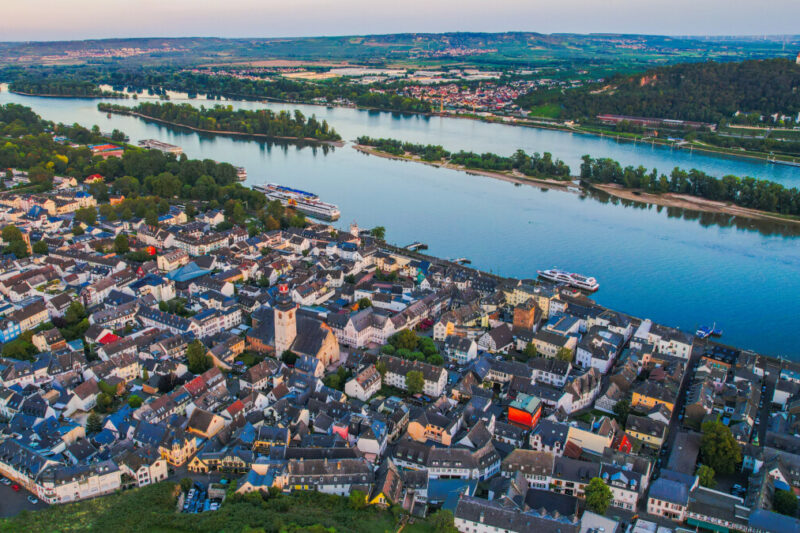
Drosselgasse is touristy and worth it anyway — but the cable car over the Riesling terraces is what actually earns the detour.

Kaiserburg sat at the center of the Holy Roman Empire for centuries. The Deep Well alone — 128 feet into sandstone — tells you how seriously they took this place.
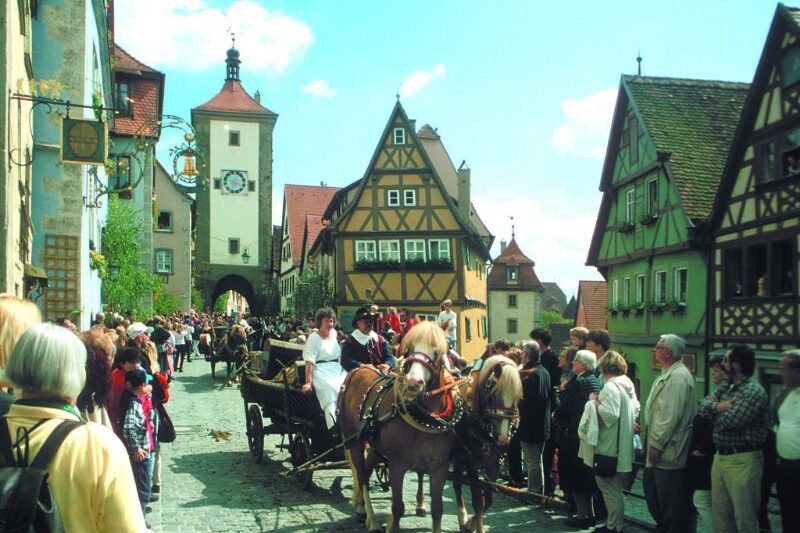
The Romantic Road takes 3–5 days to drive properly. Rothenburg ob der Tauber gets the crowds; Dinkelsbühl, just 45km south, gives you the same medieval walls without them.

The Glockenspiel performs at 11am and noon — skip the crowd, stay for the Mariensäule and the beer hall two blocks west.

The can-can has been performed here since 1889. Dinner, champagne, sequins, feathers — the Moulin Rouge is unapologetically theatrical.
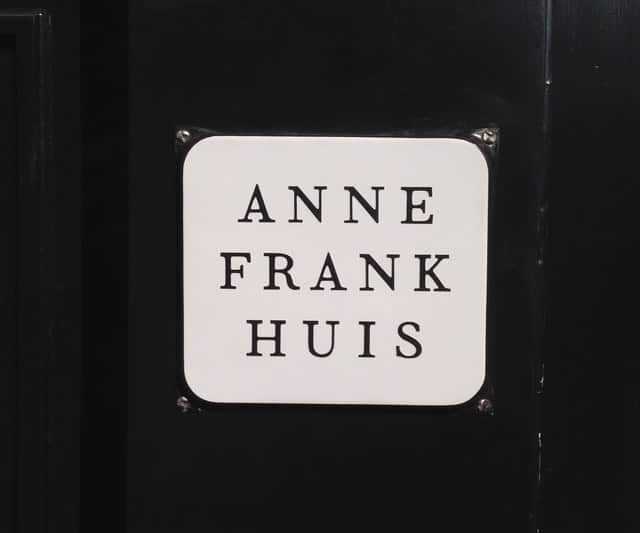
Sign: And what would you do? – A Cultural Review Uncover the historical legacy and cultural resonance of the iconic “XXX” symbol, an enduring emblem woven into the city’s fabric. Experience its pervasive presence, capturing timeless photographic opportunities amidst the city’s architectural tapestry.
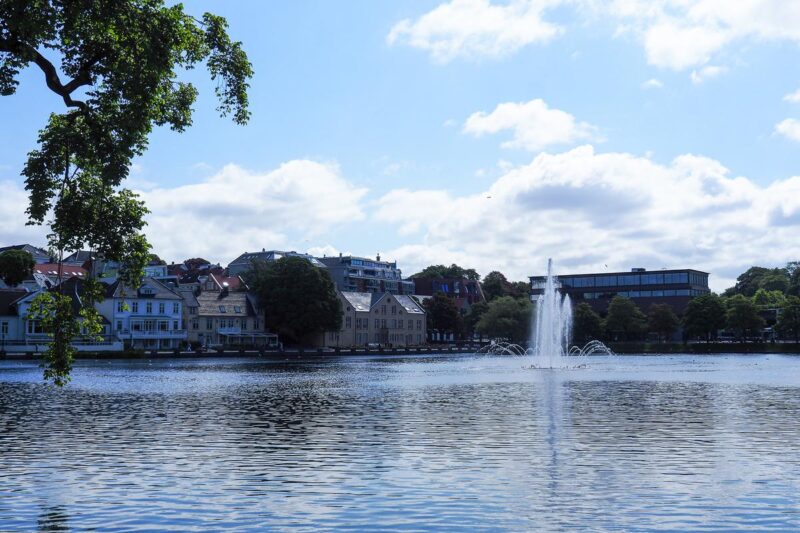
Nestled in the heart of a bustling city, Breiavatnet whispers tales of ancient trees and seasonal rhythms. This urban oasis, where swans glide gracefully and community spirit thrives, offers a serene respite from the daily grind.
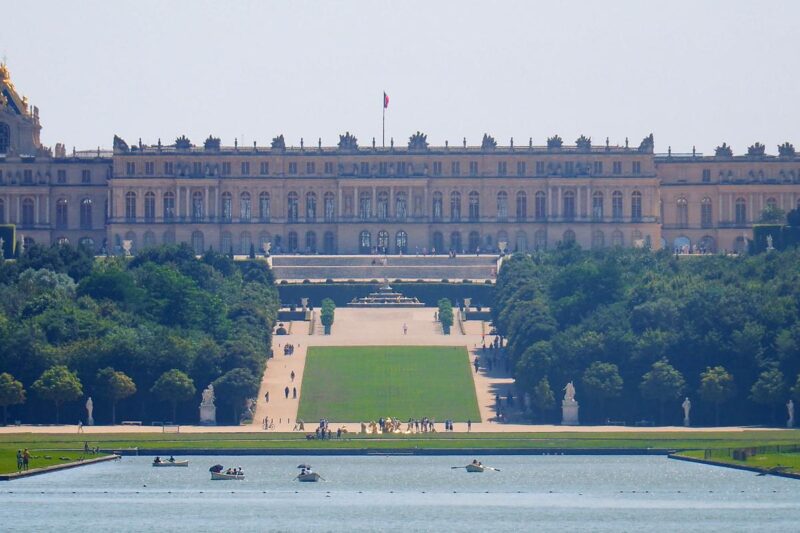
Perched on a rocky islet, this fortress-turned-prison whispers tales of intrigue and escape. Beyond its literary fame, Château d’If harbors secrets of Provençal history, waiting to be uncovered by the curious explorer.

Perched atop a promontory, this former imperial retreat now bustles with intellectual discourse. Its stone walls, once privy to royal whispers, now echo with the voices of modern thinkers, all under the watchful gaze of the Mediterranean.
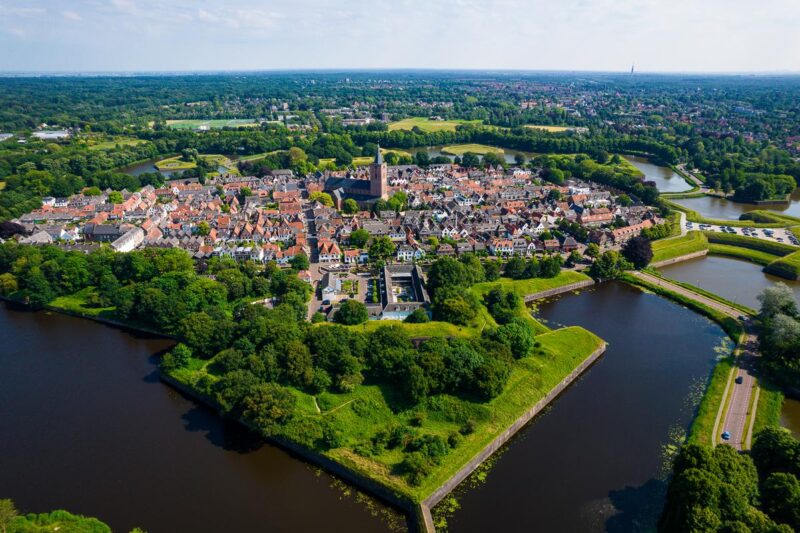
Perched above the Vieux-Port, Fort Saint-Jean whispers tales of royal decrees and maritime struggles. Its weathered walls and serene gardens offer a tranquil escape from the bustling city below.
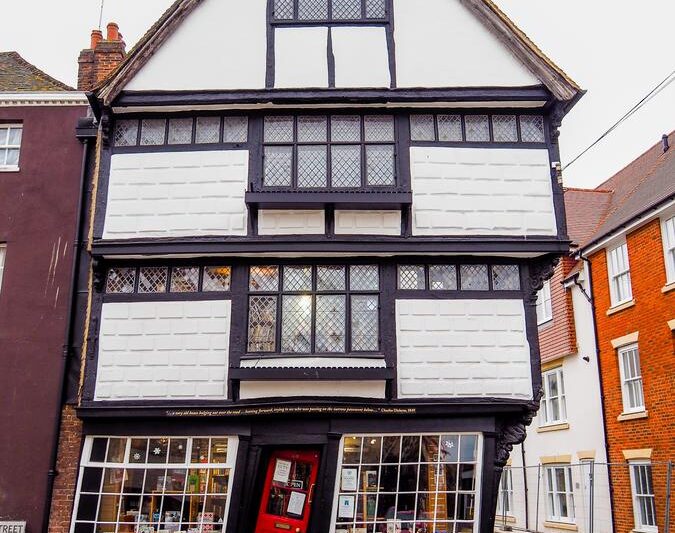
Step into a world where gravity seems to bend, where floors creak with centuries of stories, and where every book holds a piece of local lore. This isn’t just a bookshop—it’s a portal to Canterbury’s soul.
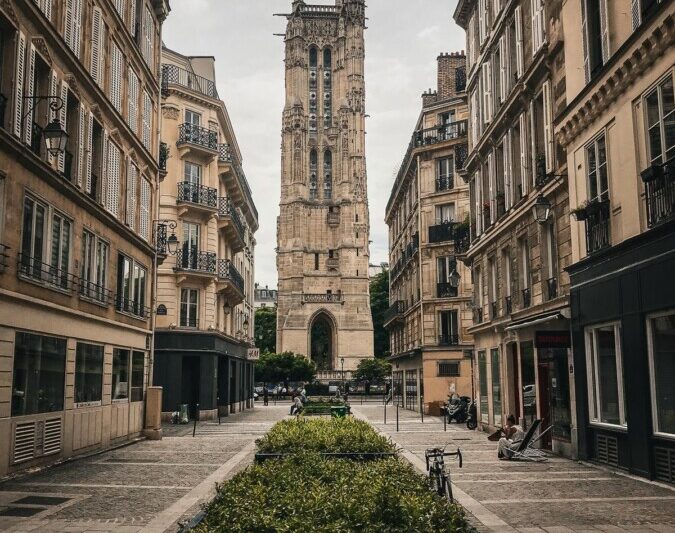
Tour Saint-Jacques is all that survived the Revolution. A 52-meter Gothic tower where pilgrims once set off for Santiago de Compostela.
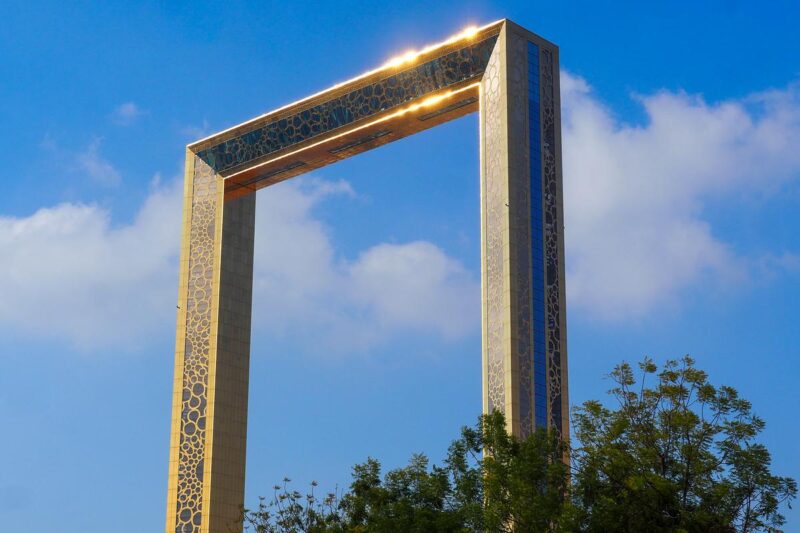
The Dubai Frame is a symbol of the city’s evolution. Celebrate its rich history and experience panoramic views.
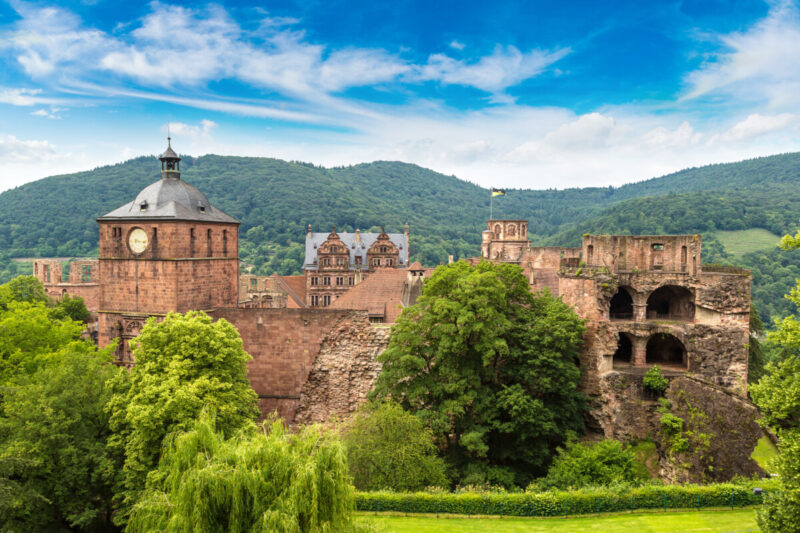
Heidelberg Castle stays ruined on purpose — and that choice makes it more powerful than any restored fortress in Germany.
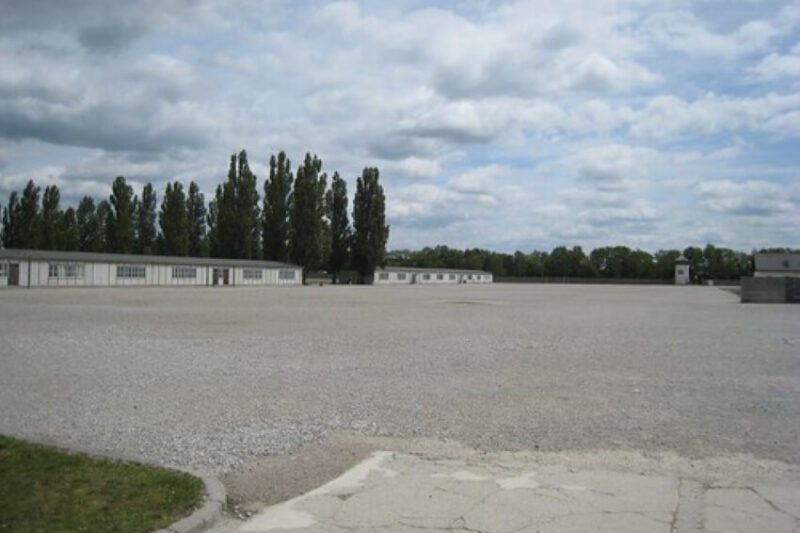
Dachau was the blueprint — every camp that followed copied it. Walking the roll call square, that context hits differently than any history book.

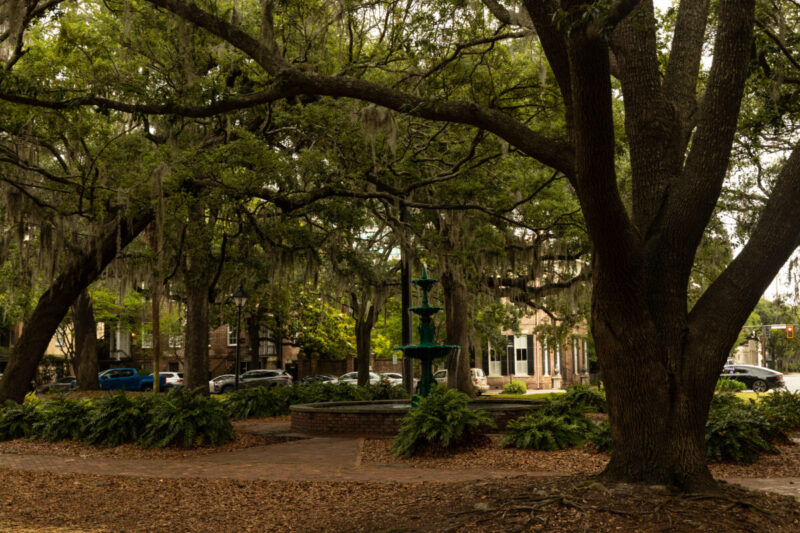
Lafayette Square is where locals actually spend their Wednesdays — live music, picnic blankets, and none of the French Quarter crowds.
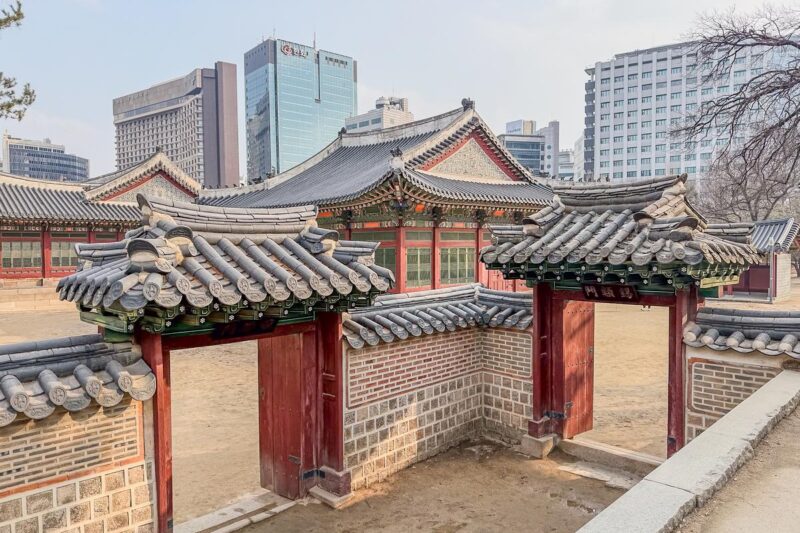
Gyeongbokgung took three hours and I still missed half of it. Go for the guard change, stay for Gyeonghoeru Pavilion.

The morning fish market at Quai des Belges still runs at dawn — get there by 8am or the best catch is already gone.

New Orleans’ Joan of Arc Statue was cast by the same sculptor behind Paris’ version — that detail alone reframes the whole French Quarter.

The cable car through Rhine vineyards gets you there — but Germania holding the imperial crown is what stops you cold.
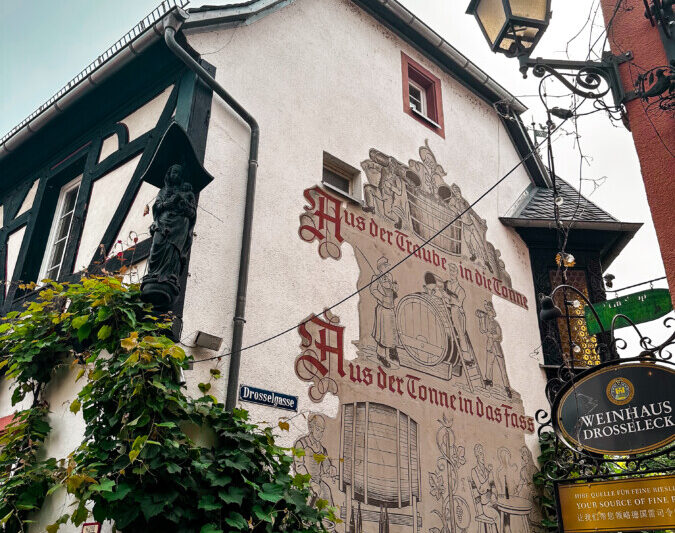
144 meters of cobblestone, three million visitors a year, and somehow Drosselgasse still feels like it belongs to the winemakers.

A gas storage tank from 1885 shouldn’t be this good a concert venue. The steel dome alone makes it worth adding Westerpark to your Amsterdam itinerary.