

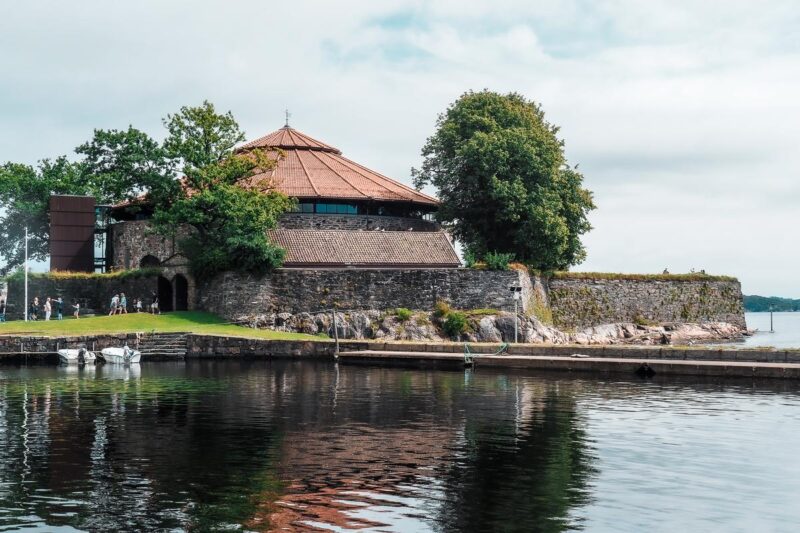
Christiansholm Fortress
Christiansholm’s walls are 4.5 meters thick, never fired a shot in battle, and still stand nearly perfect after 350 years.
The landmarks here are the sights that define a destination — the monuments, towers, and historic icons most visitors build a trip around. Many of the most popular now use timed-entry tickets to manage crowds, so book online before you go and aim for the first or last slot of the day for thinner lines and better light.
Christiansholm’s walls are 4.5 meters thick, never fired a shot in battle, and still stand nearly perfect after 350 years.
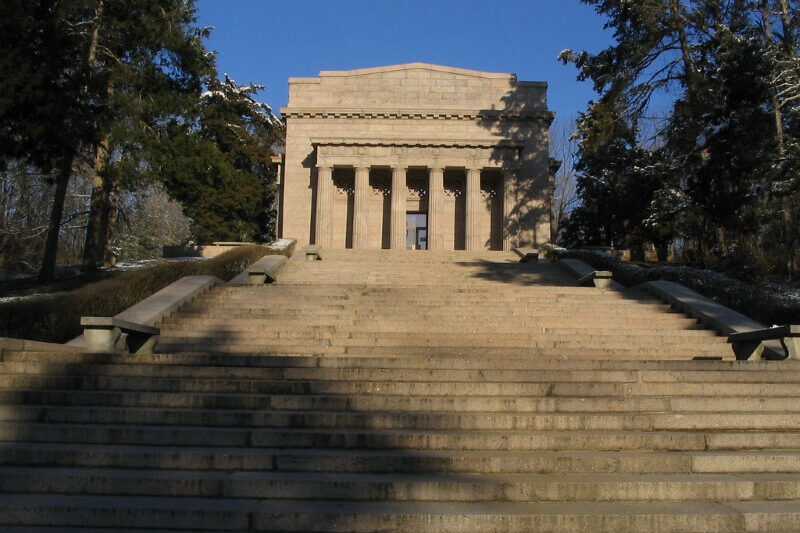
Touch Gregory’s golden toe near Split’s Golden Gate — the bishop who defied Rome for Croatian is worth two minutes of your itinerary.
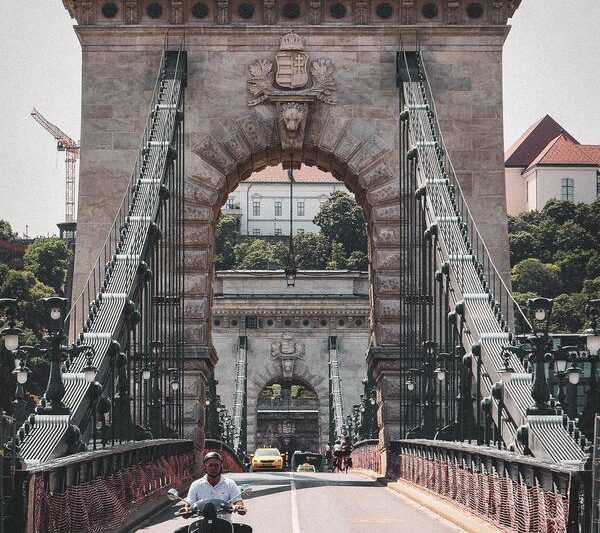
The lions have no tongues — Budapest’s favorite myth. The Chain Bridge at night, lit up over the Danube, is the real reason you linger.
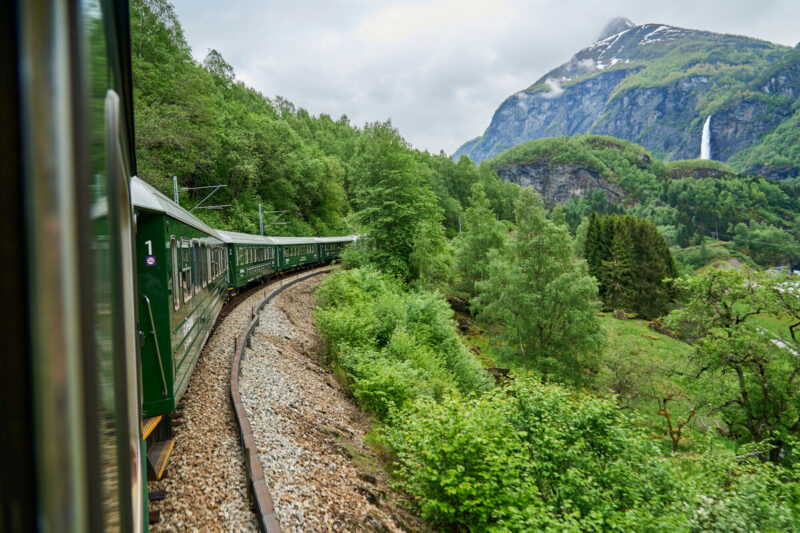
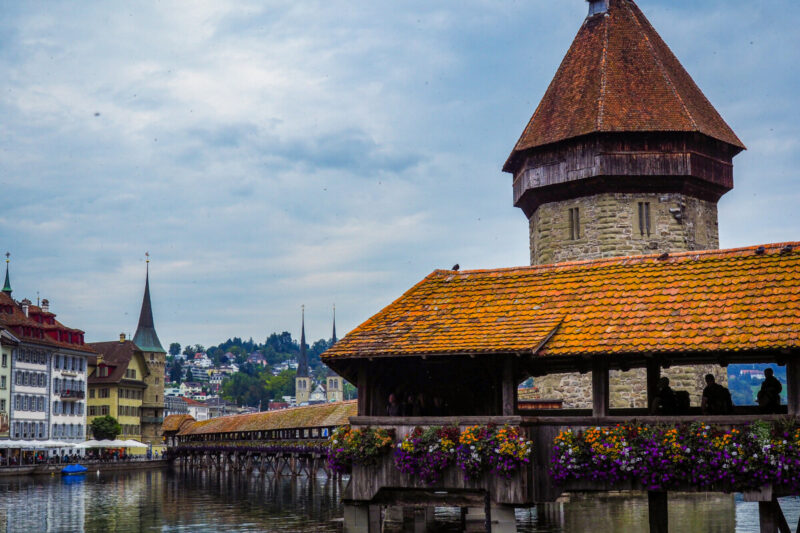
Most people cross Kapellbrücke in five minutes. Slow down — the 17th-century painted panels overhead tell Lucerne’s entire history.
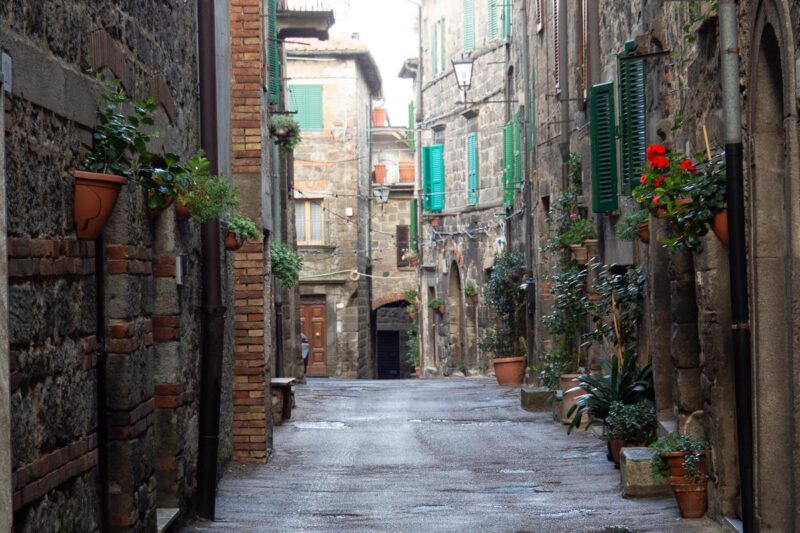
Le Panier sat above the Old Port for 2,600 years — Greek agora, Nazi demolition attempts, and now the best street art in southern France.
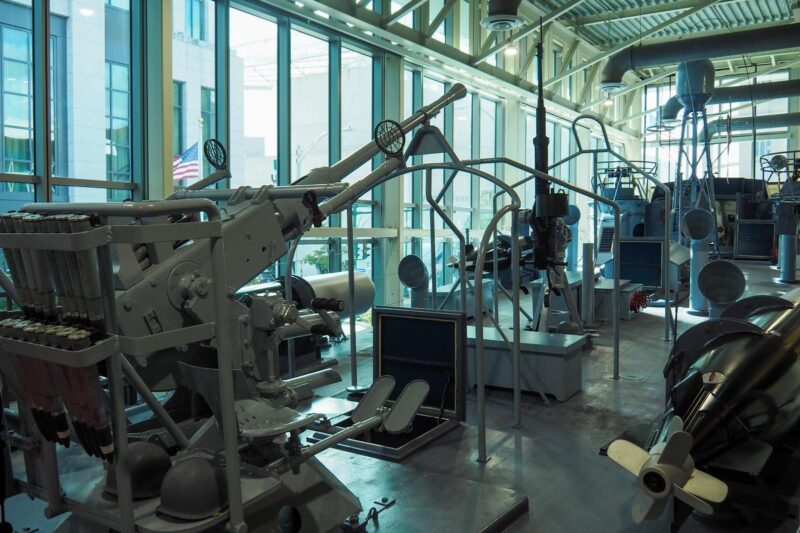
Grande-Île is where Roman street grids survived medieval builders — and somehow still guide foot traffic today.
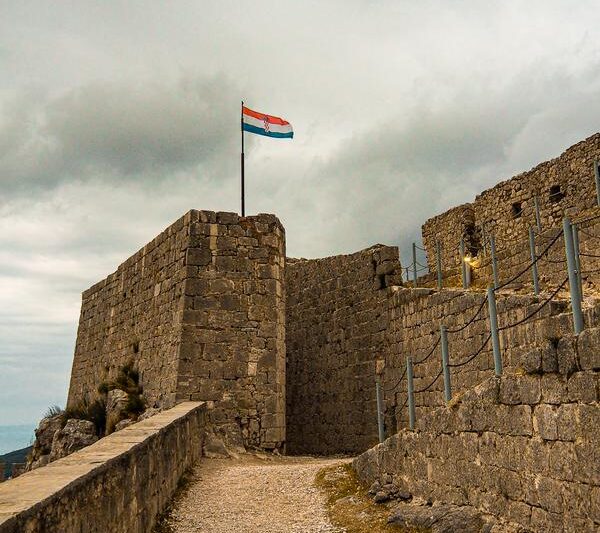
Klis held the line against Ottoman forces for 25 years. The views over Split are secondary to what the walls actually tell you.
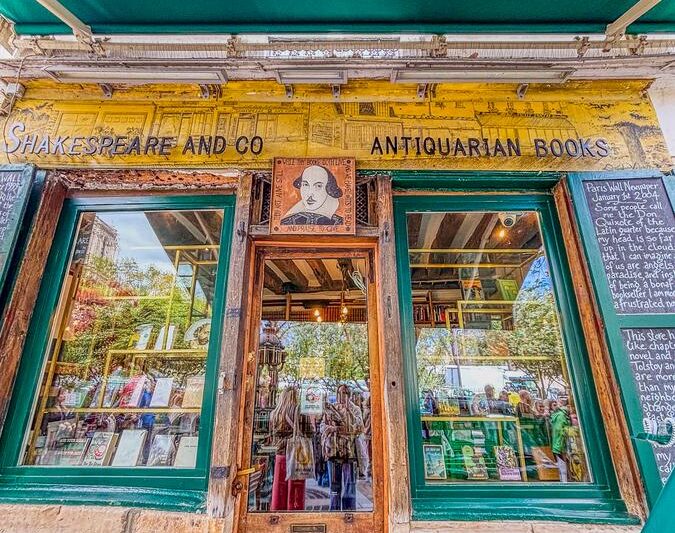
Shakespeare and Co lets writers sleep among the shelves in exchange for a book a day. That detail alone tells you what kind of place this is.

Tomorrowland’s Antwerp store isn’t merch — it’s the festival built into a room, with the same designers behind the actual stages.
Daniel Libeskind’s brick labyrinth in Amsterdam carries 102,000 names — each wall a person, each turn a reminder of what the Netherlands lost.

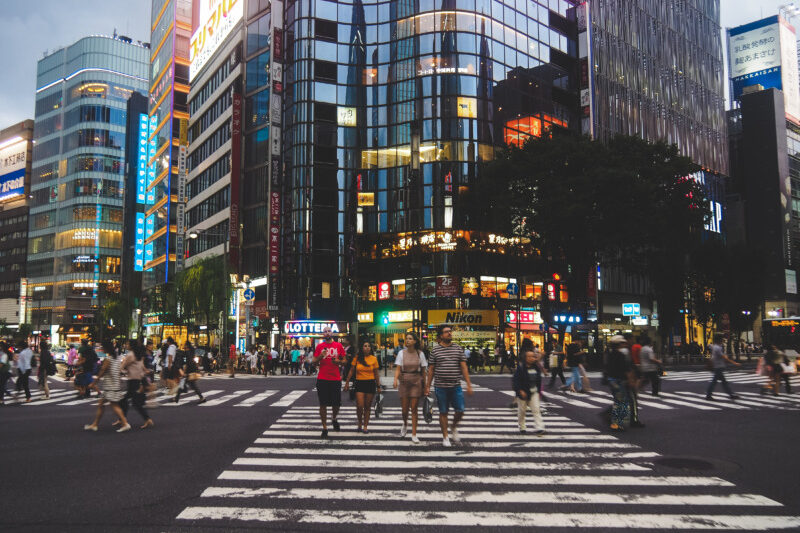
Go-karting through Tokyo in a Mario costume sounds gimmicky — it is, and that’s exactly why it works.

The Velvet Revolution ended here in 1989. Standing where that crowd gathered, under the St. Wenceslas statue, still hits differently.
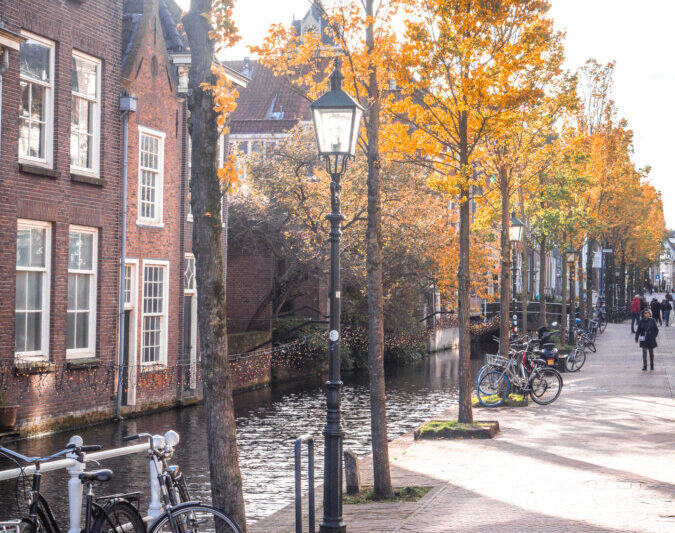
The Astronomical Clock draws the crowds, but the real show is the Gothic and Baroque skyline behind them — give it an hour minimum.
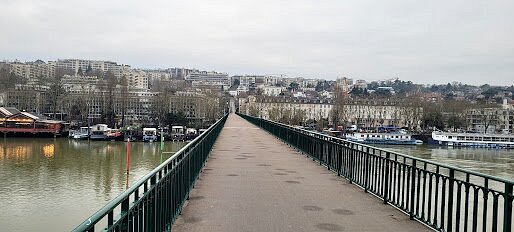
Built under Eiffel’s guidance, this 15th arrondissement bridge-aqueduct quietly delivers one of Paris’ least-crowded Eiffel Tower sightlines.
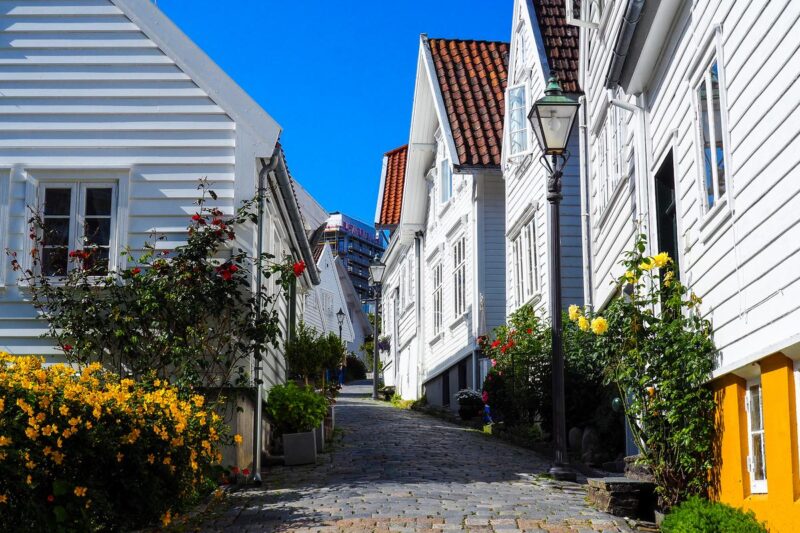
Lomanstraat’s Honey Locust trees arch into a crisscross canopy overhead — hit it in October and the light through the leaves is something else.
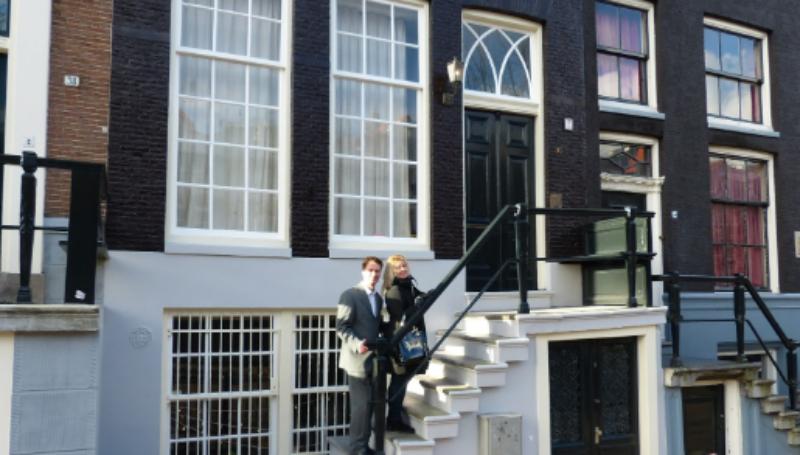
Reguliersgracht 36 is easy to walk past — until you realize Tiffany Case lived here in 1971.

Tuschinski is the rare cinema where the building outshines the film. The main hall’s private boxes and hand-knotted carpets alone justify the ticket.
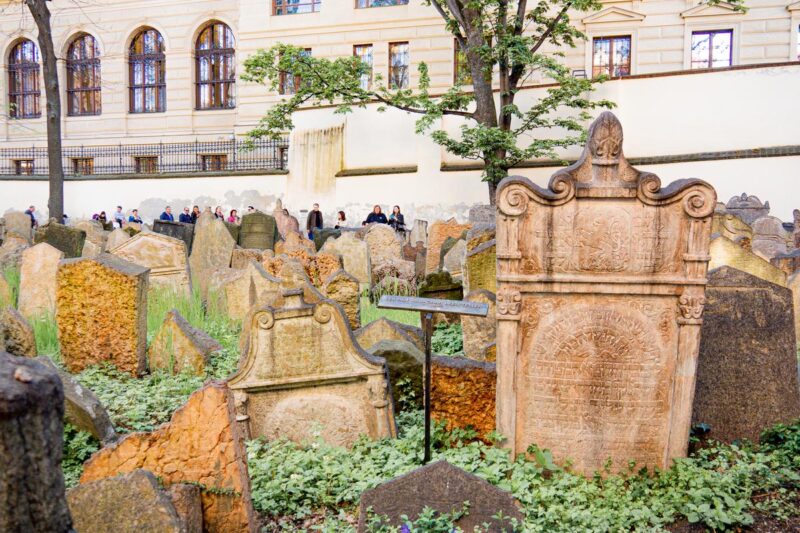
Twelve layers of graves, 12,000 tilting stones, and one plot of land. Prague’s Old Jewish Cemetery holds more history per square foot than anywhere I’ve been.
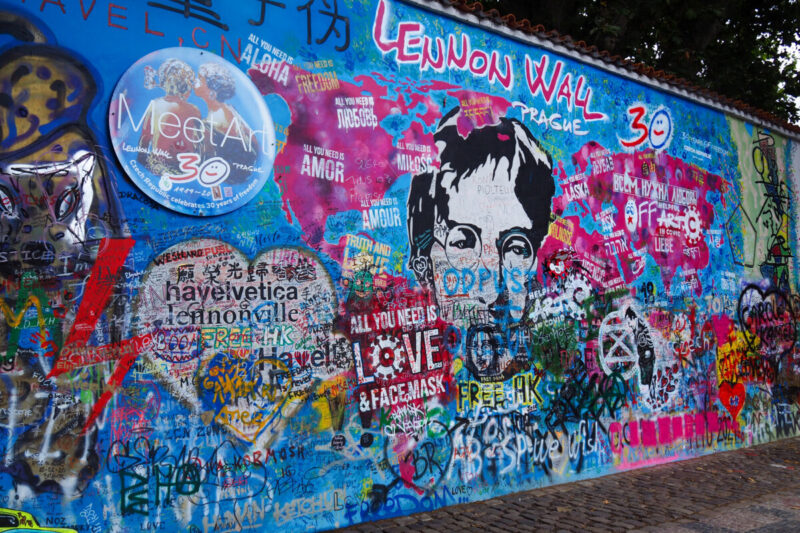
The wall gets repainted constantly — what you see today won’t exist tomorrow. That impermanence is exactly the point.
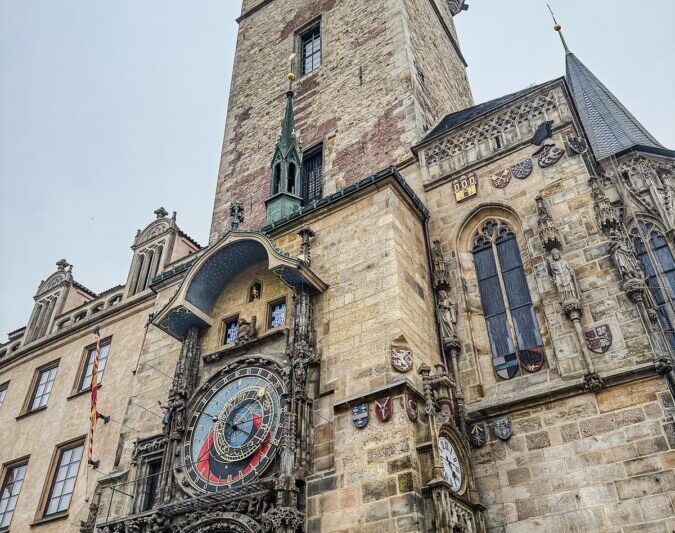
The Orloj has run continuously since 1410. The hourly Apostle show is 45 seconds — the clock itself deserves far longer.

Jim Morrison’s grave gets the crowds, but Père-Lachaise rewards the wanderers who get lost between Chopin and Édith Piaf.