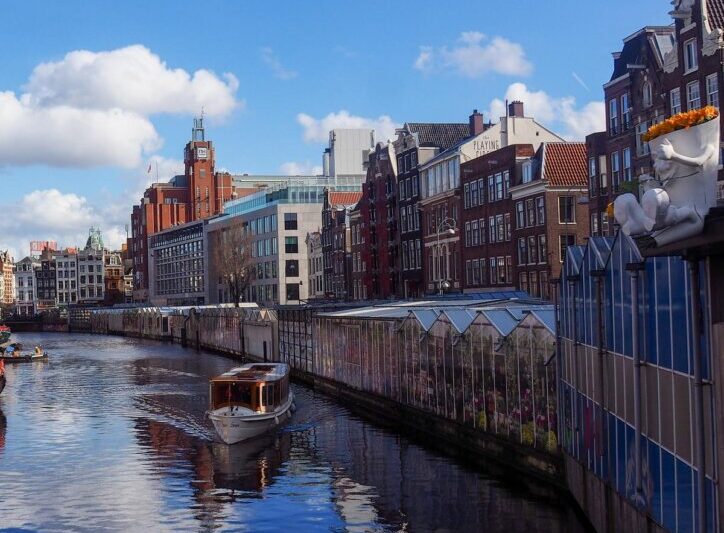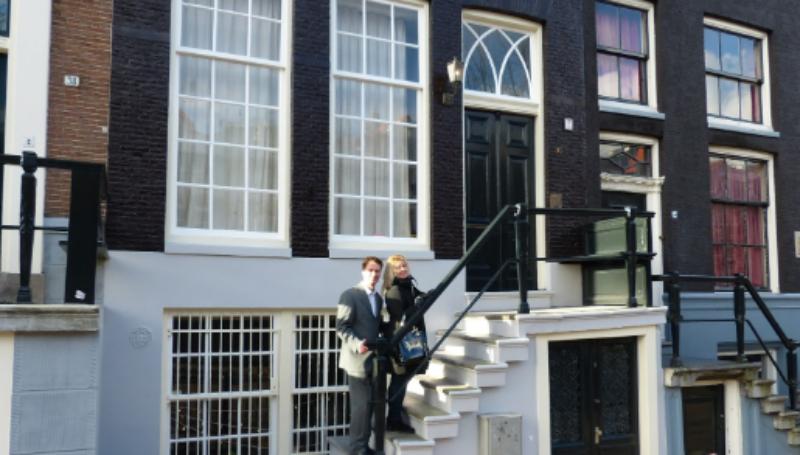
This unassuming Amsterdam canal house at Reguliersgracht 36 gained international fame as Tiffany Case’s apartment in the 1971 James Bond film ‘Diamonds Are Forever’. The narrow 17th-century building exemplifies classic Dutch canal house architecture with its distinctive gabled facade and large windows. While the interior elevator fight scene was filmed elsewhere (the house is too narrow for an elevator), the exterior shots showcase authentic Amsterdam charm. Located on the picturesque Reguliersgracht, known as the Seven Bridges Canal, the house sits in the heart of Amsterdam’s UNESCO World Heritage canal belt, making it a pilgrimage site for Bond fans and architecture enthusiasts.
Cultural Context
The Tiffany Case House in the Netherlands holds a unique place within both cinematic and local cultural contexts. Its association with the 1971 James Bond film “Diamonds Are Forever” has made it a point of interest for film enthusiasts and pop culture aficionados worldwide. The house exemplifies how international cinema can create cultural landmarks beyond their narrative origins, blending Hollywood glamour with Dutch heritage. While the Netherlands is renowned for its rich traditions such as King’s Day celebrations and its mastery of water management, this site introduces a modern cultural layer by linking Dutch architecture and landscape with global film history. Local customs remain vibrant in the surrounding community, where traditional Dutch festivals and events continue to thrive, but the Tiffany Case House stands as a reminder of the country’s openness to international cultural influences. It also reflects the mid-20th-century fascination with espionage thrillers, which influenced fashion, music, and design trends across Europe. Visitors often appreciate how the site bridges Dutch cultural identity with the broader narrative of global cinema, illustrating the dynamic interplay between local heritage and international storytelling. This cultural fusion enriches the visitor experience and underscores the house’s role as a cultural touchstone beyond its immediate geographic location.
Historical Context
The Tiffany Case House gained historical prominence primarily due to its role in the 1971 James Bond film “Diamonds Are Forever,” where it was featured as a key location associated with the character Tiffany Case. Although the house itself predates the film, its cinematic use brought it international recognition. The Netherlands, with its long history dating back to the Roman era and its Golden Age in the 17th century, has many historic buildings, but this house’s connection to 20th-century popular culture marks a unique chapter in its history. The period of the 1960s and 1970s was transformative for Dutch society, characterized by modernization and increased global cultural exchanges. The house’s selection as a filming location reflects the era’s growing international film production in the Netherlands, which was becoming a favored site for diverse cinematic projects due to its scenic landscapes and historic architecture. Over time, the house has evolved from a private residence to a symbol of cinematic heritage, illustrating the intersection of local history with global media trends. Its preservation and recognition today are part of broader efforts in the Netherlands to protect sites that contribute to both national and international historical narratives. This historical layering enhances the understanding of the house as more than just a film set but as a witness to changing cultural and historical tides.