MenuClose

A place worth knowing

Willet Holthuysen Museum

Museums · Museum in AmsterdamUpdated

  • Google rating4.5/5
  • Typical visit1.5 to 2.5 hours average visit, longer for art and history enthusiasts.
  • EntranceAdmission required — check https://www.amsterdammuseum.nl/locaties/huis-willet-holthuysen/2466 for tickets
Historic Willet-Holthuysen Museum garden oasis in Amsterdam
  • Today (Sunday)10:00 AM – 5:00 PM
  • Typical visit1.5 to 2.5 hours average visit, longer for art and history enthusiasts.
  • EntranceAdmission required — check https://www.amsterdammuseum.nl/locaties/huis-willet-holthuysen/2466 for tickets
  • Google rating4.5/5
  • WebsiteOfficial site ↗
  • TicketsCheck availability ↗
Opening hours all week
Monday
10:00 AM – 5:00 PM
Tuesday
10:00 AM – 5:00 PM
Wednesday
10:00 AM – 5:00 PM
Thursday
10:00 AM – 5:00 PM
Friday
10:00 AM – 5:00 PM
Saturday
10:00 AM – 5:00 PM
Sunday
10:00 AM – 5:00 PM
Features
  • Wheelchair-accessible
  • Good for kids
  • Cultural experience
The short answer

Why it matters

Iconic mansion in the heart of Amsterdam's Canal Belt.

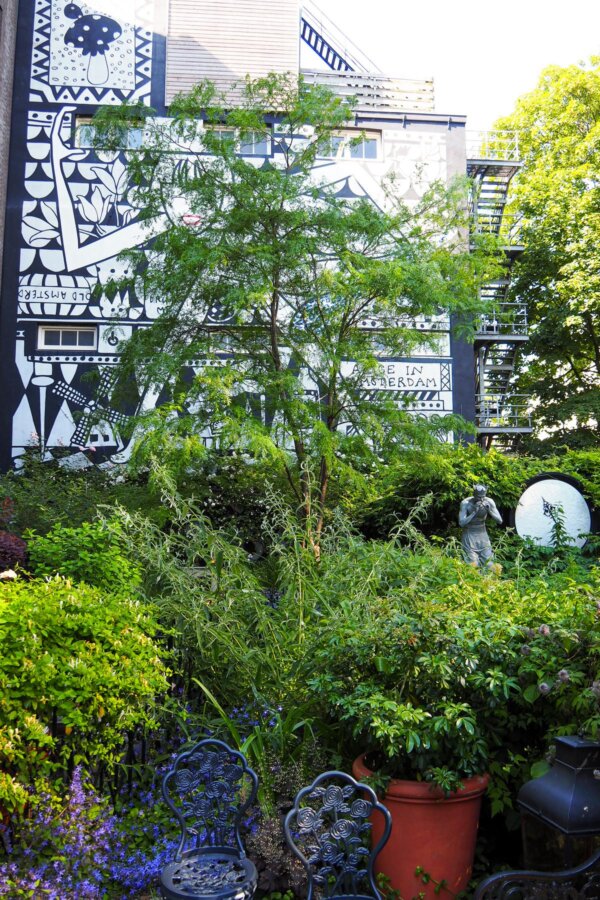
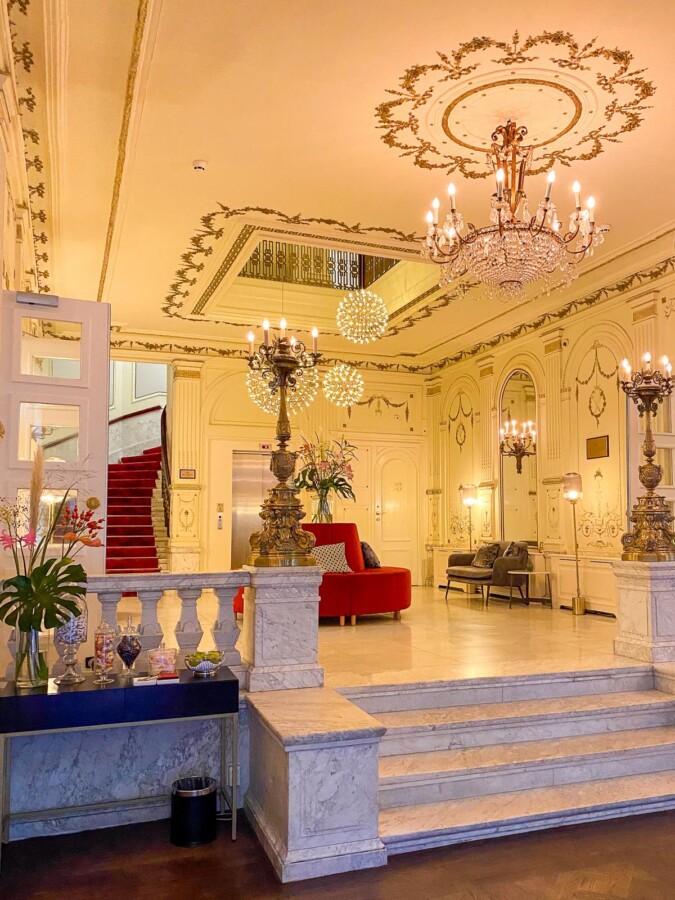
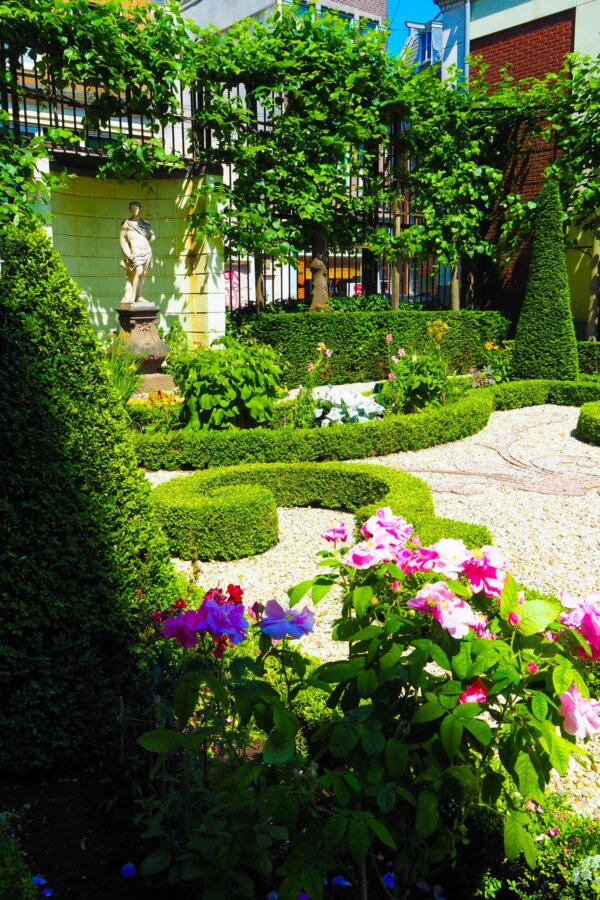
Museum Willet-Holthuysen offers a rare glimpse into the refined domestic life of Amsterdam‘s 19th-century elite within an immaculately preserved canal house on the prestigious Herengracht. This double-width mansion, dating from 1687, takes its name from its final private inhabitants, the wealthy couple Abraham Willet and Louisa Holthuysen, who bequeathed their home and extensive art collection to the city in 1895. Visitors step through time as they explore the formal period rooms—including the opulent ballroom, genteel drawing room, and dignified dining room—all furnished with the original occupants’ exquisite collections of furniture, paintings, sculpture, silver, porcelain, and books. The hidden gem of the property lies behind the house: a meticulously reconstructed 18th-century formal garden designed in the French classical style, a verdant oasis remarkably preserved amidst the urban landscape. Through this intact domestic ensemble, the museum provides extraordinary insight into both the lavish lifestyle of Amsterdam’s upper class and the nuanced gender roles within these wealthy households during the canal district’s golden age.

Cultural Context

The Willet Holthuysen Museum offers a profound insight into the cultural fabric of 19th-century Amsterdam, reflecting the lifestyle and social customs of the city’s affluent bourgeoisie. During this period, Amsterdam was a thriving center of trade and culture, and the elite class often showcased their wealth through art collections, finely crafted furniture, and elaborate domestic interiors. The museum preserves the traditions of Dutch upper-class life, including the importance placed on hosting social gatherings, which were often held in elegantly decorated salons and dining rooms. This cultural practice emphasized hospitality and the display of refined taste, which were essential markers of social status. The house also illustrates the role of women in managing household affairs and hosting events, reflecting the gender norms and expectations of the time. Additionally, the museum highlights the Dutch appreciation for art, craftsmanship, and the integration of nature, as seen in the beautifully maintained garden that complements the home. Visitors gain an understanding of how cultural identity was expressed through domestic spaces and how these spaces were central to maintaining social networks and cultural continuity in Amsterdam’s elite circles. The Willet Holthuysen Museum thus serves as a vital cultural repository, preserving the nuanced traditions and social rituals of a bygone era in Dutch history.

Historical Context

The Willet Holthuysen Museum is housed in a canal mansion originally built in 1685 and later remodeled in the 19th century by Abraham Willet and his wife Louisa Holthuysen, prominent members of Amsterdam’s patrician class. This period marked a time of significant social and economic change in the Netherlands, with the rise of a wealthy bourgeoisie who sought to emulate aristocratic lifestyles. Abraham Willet was an art collector and amateur painter, and together with Louisa, they transformed the house into a refined residence reflecting their tastes and social aspirations. Upon Louisa’s death in 1895, she bequeathed the house and its contents to the city of Amsterdam, ensuring the preservation of their legacy and offering a window into the domestic life of the 19th century. The museum’s historical significance lies in its ability to document the evolution of Amsterdam’s urban elite through its architecture, furnishings, and artworks. It also reflects broader historical trends such as the growth of the Dutch middle class, the role of art patronage, and the changing dynamics of domestic life during the industrial age. Through its preservation, the Willet Holthuysen Museum provides a tangible connection to Amsterdam’s social history and the personal stories of its inhabitants.

Context

Story and significance

About

Tucked away on Amsterdam’s grand Herengracht canal, the Willet-Holthuysen Museum is an undiscovered gem of spiraling staircases and gabled façades in this city. Housed in a richly decorated canal-side mansion, it’s a portal to the plush life of the 19th-century Dutch aristocracy, showcasing a stunning collection of silverware, ceramics, and paintings within its Rococo walls.

For our readers who meticulously map out their sojourns, the Willet-Holthuysen is an essential pin on your itinerary. Willet-Holthuysen Museum is not just a visit. It’s an excursion into the quiet grandeur of Dutch domestic opulence.

Historical significance

The museum matters as a well-preserved example of urban domestic life in Amsterdam and as a public legacy of private patronage that helped preserve historical interiors. It provides material evidence for historians of everyday life, taste and urban development in the Netherlands and is a resource for understanding class and cultural history.

Historical context

Built in the 17th century and substantially redecorated in the 19th century, the house was later bequeathed to the city by Mrs. Willet Holthuysen and opened as a museum in the early 20th century. Its collection reflects the tastes and collecting practices of wealthy Amsterdam citizens during the 1800s, preserving original room layouts, furnishings, and domestic objects.

Cultural context

The Willet Holthuysen Museum is a preserved 19th-century canal house that offers visitors a view into the domestic life of Amsterdam’s affluent bourgeoisie. Locals value it as an intimate, well-kept example of a private town house and its decorative arts, and it is commonly visited by those interested in period interiors, Dutch social history, and canal-house architecture.

Architecture

The building is a classic Amsterdam canal house with a narrow façade, richly decorated interiors and a garden at the rear. Interior rooms display period fixtures, wood paneling, decorative plasterwork and original or restored furnishings that illustrate bourgeois residential design and domestic spatial organization of the 18th–19th centuries.

Local significance

The Willet Holthuysen Museum is valued by Amsterdammers as a preserved example of a wealthy 19th-century canal house and the lifestyle of the city’s patrician class. Locals see it as part of the network of historic merchant homes that articulate Amsterdam’s canal-ring identity and architectural continuity. The museum’s period interiors and garden are often used in local cultural education and by residents interested in the city’s domestic history and decorative arts.

Editorial scores

How we rate it

Universal appeal & authenticity10/10
Cultural richness & educational value10/10
Preservation & integrity10/10
Accessibility & visitor engagement10/10

Editorial scores on a 10-point scale, judged against places of the same kind.

Updated Data: Editorial research · Google Places ratings · Verified coordinates