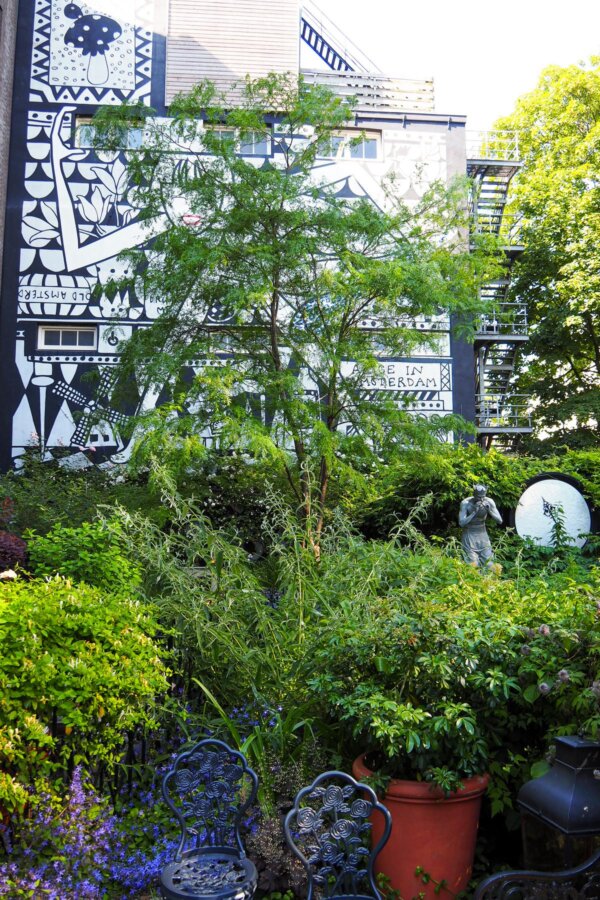
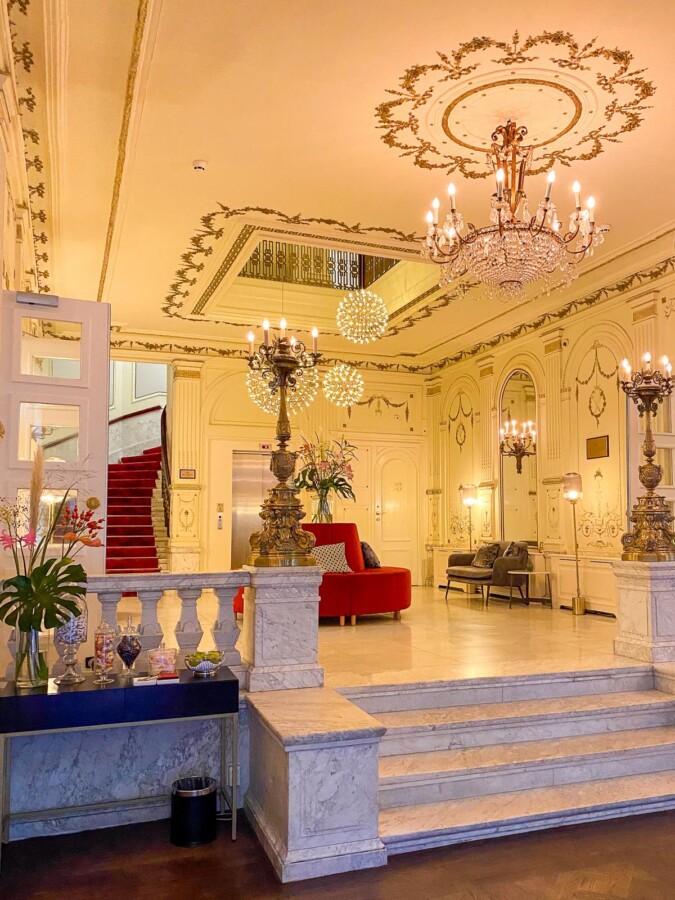
Amsterdam’s history vividly unfolds in an enchanting former orphanage.
The Amsterdam Museum has a significant global influence through its online, peer-reviewed journal, which explores topics such as reproductions in art, culture, and society and the impact of war and conflict on cities (source: [Amsterdam Museum Journal](https://www.amsterdammuseum.nl/en/journals/reproducing-art-culture-and-society/81388), [Amsterdam Museum Journal](https://www.amsterdammuseum.nl/en/journals/warconflictandthecity/6209)).
The museum has contributed to historical impact and preservation through its focus on the influences of war and conflict on cities and the impact of archival practice on oral histories of conflict (source: [Amsterdam Museum Journal](https://www.amsterdammuseum.nl/journals/warconflictandthecity/6209)).
– The Amsterdam Museum engages in co-creation projects based on equality, where ownership is shared, demonstrating a commitment to preserving and sharing cultural heritage (source: [Co-creation: A work in progress – Amsterdam Museum](https://assets.amsterdammuseum.nl/downloads/ENGLISH-Collecting-the-City-Publicatie.pdf)).
– The museum has also explored the destruction and reconstruction of heritage sites, such as in Palmyra and Warsaw, emphasizing the importance of preserving cultural heritage in the face of conflict and destruction (source: [The Destruction and Reconstruction of Heritage in Palmyra, Warsaw](https://assets.amsterdammuseum.nl/downloads/How-to-Rebuild-a-City_David-Duindam.pdf)).
– The Amsterdam Museum’s public programs have addressed international conflicts, such as the suppression of the independence struggle in Indonesia, highlighting the museum’s engagement with historical events and their impact on the global stage (source: [Public program Refresh Amsterdam #2](https://www.amsterdammuseum.nl/en/public-program-refresh-amsterdam-2)).
– Cultural Authenticity: The Amsterdam Museum maintains and represents local traditions and cultural practices through its extensive collection of artifacts, photos, documents, film, and sound fragments, providing visitors with insights into the city’s cultural heritage (source: [Travel Associates](https://www.travelassociates.com/amsterdam/museums-culture)).
Historical Significance: The museum is important within its cultural and national context. It offers a comprehensive exploration of Amsterdam’s history and local heritage, allowing visitors to immerse themselves in the city’s rich cultural legacy (source: [Travel Associates](https://www.travelassociates.com/amsterdam/museums-culture)).
– Artistic Value: The Amsterdam Museum features significant artistic works, including historical art, sculptures, photography, and authentic Delft Blue ceramics, showcasing the city’s artistic contributions and cultural expressions (source: [Hello Amsterdam](https://www.helloamsterdam.nl/culture/museums/museums-in-amsterdam-guide/)).
Social Impact: The museum plays a role in the community by providing insights into the city’s cultural and historical development and contributing to the preservation and promotion of Amsterdam’s social values and heritage (source: [Travel Associates](https://www.travelassociates.com/amsterdam/museums-culture)).
– Accessibility and Preservation: The Amsterdam Museum is accessible to the public, offering opportunities for individuals to engage with the city’s cultural and historical narratives. The museum also emphasizes preservation efforts to safeguard Amsterdam’s cultural heritage (source: [Travel Associates](https://www.travelassociates.com/amsterdam/museums-culture)).
– Visitor Engagement: The museum provides interactive opportunities for visitors to engage with the culture and community, offering a range of exhibits and experiences that allow for an immersive exploration of Amsterdam’s heritage and traditions (source: [Hello Amsterdam](https://www.helloamsterdam.nl/culture/museums/museums-in-amsterdam-guide/)).
– Educational Value: The Amsterdam Museum offers extensive learning opportunities about the city’s culture, history, and environment, providing a platform for educational exploration and understanding of Amsterdam’s rich heritage (source: [Travel Associates](https://www.travelassociates.com/amsterdam/museums-culture)).
- The Amsterdam Museum authentically preserves and showcases Amsterdam’s cultural heritage, offering an extensive collection that includes artifacts, photos, documents, film, and sound fragments, which help effectively represent local traditions and practices.
- It holds significant historical importance. It comprehensively explores Amsterdam’s rich history and cultural legacy, fundamental to understanding its national and cultural context.
- The museum incorporates significant artistic works and housing collections that feature historical art, sculptures, photography, and authentic Delft Blue ceramics. These collections emphasize the artistic contributions and cultural expressions peculiar to Amsterdam.
- The museum significantly impacts the community by offering insights into Amsterdam’s developments and cultural evolution, fostering an appreciation of the city’s social values and heritage.
- The museum, accessible to the public, supports ongoing preservation efforts, safeguarding cultural heritage while providing platforms for engaging with Amsterdam’s historical and cultural narratives.
- With interactive exhibits and immersive experiences, the museum excels in visitor engagement, allowing individuals to explore and understand the city’s traditions and heritage actively.
- The Amsterdam Museum’s educational value is evident in its extensive offerings, which provide comprehensive learning experiences about the city’s culture, history, and environment. These effectively cater to educational interests and scholarly pursuits.
- Global influence is extended through its online peer-reviewed journal, addressing contemporary issues like the impact of war and conflict on cities and how art and culture are reproduced within society.
- The focus on historical impacts, preservation, and co-creation projects highlights the museum’s commitment to preserving and actively engaging in discourse and activities that foster a deeper understanding of cultural heritage.
- Through public programs and exhibitions, the museum addresses global issues, such as international conflicts and the destruction and reconstruction of heritage sites, aligning its activities with global historical and cultural conversations.
The Amsterdam Museum chronicles the rich 800-year history of one of Europe’s most dynamic cities through engaging exhibitions spanning from medieval origins to contemporary urban life. Located at a temporary Amstel location, the museum presents Amsterdam’s transformation from a small fishing village to a global trading powerhouse, showcasing artifacts, paintings, and multimedia displays that illuminate the city’s Golden Age prosperity, maritime heritage, and cultural diversity. Interactive exhibits explore Amsterdam’s role in art, commerce, and social progress, while contemporary displays address modern urban challenges and the city’s ongoing evolution as a progressive European capital.
Cultural Context
Amsterdam Museum embodies the city’s progressive approach to municipal history, functioning as a community gathering place where past and present Amsterdam converge through innovative storytelling that prioritizes resident voices alongside traditional historical narratives. Since 1975, the museum has pioneered inclusive urban history by featuring contemporary artists alongside historical artifacts, creating dialogue between Amsterdam’s Golden Age prosperity and its modern multicultural identity. The museum’s commitment to addressing difficult topics like colonialism and slavery reflects Amsterdam’s contemporary values of historical honesty and social justice, moving beyond romanticized “Golden Age” narratives to acknowledge complex colonial legacies. Local communities actively participate in exhibition development, contributing personal stories, family artifacts, and cultural perspectives that transform static historical displays into living community memory. The museum’s location in the former Burgerweeshuis (Civic Orphanage) creates powerful connections between historical social care and contemporary community support systems. Through rotating contemporary art installations and community programming, the museum functions as cultural infrastructure where Amsterdammers explore identity, belonging, and shared responsibility for the city’s future development.
Historical Context
The Amsterdam Museum’s history intertwines with the city’s social welfare evolution, housed since 1975 in the former Burgerweeshuis (Civic Orphanage) that sheltered thousands of children from 1580 to 1960, many orphaned by plague epidemics that devastated medieval Amsterdam. The building complex encompasses 25 interconnected structures around two courtyards, originally part of a monastery that was converted during the Protestant Reformation into public social infrastructure. The museum’s founding reflected 1970s cultural democratization movements that sought to make institutional history accessible to ordinary citizens rather than academic elites. The institution’s evolution from traditional municipal museum to progressive community platform mirrors Amsterdam’s transformation from homogeneous Dutch city to international multicultural metropolis. Recent relocations and renovations, including the temporary move to Amstel 51, demonstrate adaptive museum practices that prioritize program continuity over building attachment. The museum’s 21st-century decision to abandon “Golden Age” terminology reflects broader Dutch reckoning with colonial history and commitment to inclusive historical narratives that acknowledge multiple perspectives on Amsterdam’s prosperity and global connections.