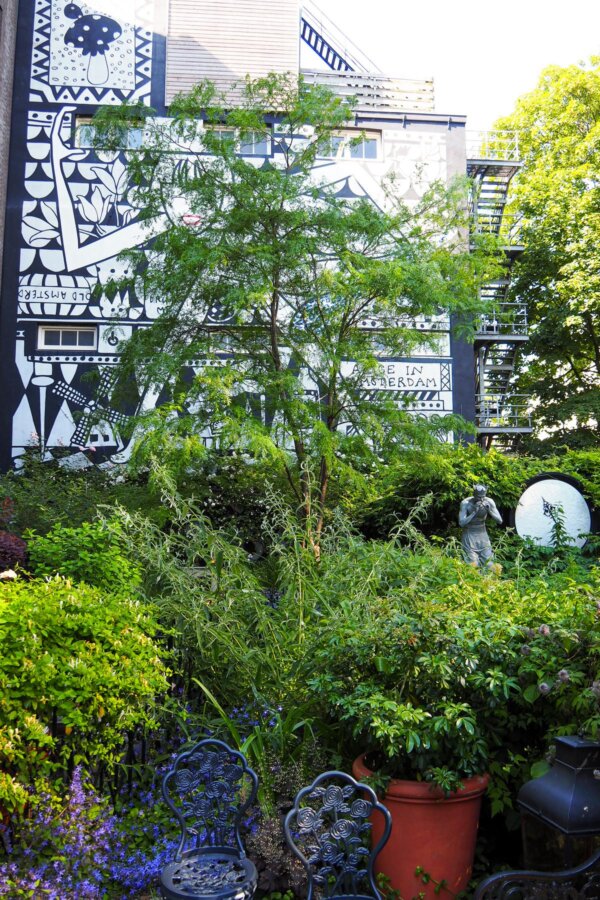
Amsterdam’s living museum of botanical wonders since 1682.
Certainly! Here is the information you requested:
- The Hortus Botanicus Amsterdam is one of the world’s oldest botanical gardens, with a rich history dating back centuries. It has played a significant role in the development of botanical science and the study of plant diversity globally.
- With its extensive collection of plants from around the world, the Hortus Botanicus has contributed to global botanical research and education, serving as a valuable resource for scholars and botanists worldwide.
- The garden’s historical significance is closely linked to the exploration and trade routes of the Dutch East India Company, reflecting the global impact of colonialism on botanical knowledge and plant exchange.
- Efforts to preserve the heritage of the Hortus Botanicus reflect a commitment to safeguarding its historical and cultural value for future generations. The careful management of its collection and facilities ensures the continuation of its global influence and historical legacy.
– Cultural Authenticity: The Hortus Botanicus in Amsterdam maintains and represents local traditions and cultural practices through its preservation of rare and exotic plants, some of which have historical and cultural significance. The garden’s collection is famous for its trees and plants, making it a significant representation of local botanical traditions (source: [Wikipedia](https://en.wikipedia.org/wiki/Hortus_Botanicus_(Amsterdam))).
– Historical Significance: The Hortus Botanicus in Amsterdam holds historical importance within its cultural and national context as one of the world’s oldest botanical gardens, dating back to 1638. It has played a crucial role in the study and preservation of botanical knowledge and has contributed to the cultural and scientific heritage of the region (source: [Finest Journeys](https://finestjourneys.com/amsterdam-cultural-attractions/)).
– Artistic Value: The Hortus Botanicus in Amsterdam features significant artistic value through its beautiful greenhouses and buildings, some of which are official national monuments. The garden provides a serene and aesthetically pleasing environment, contributing to the artistic appeal of the location (source: [De Hortus](https://www.dehortus.nl/en/organisation/heritage/)).
– Social Impact: The Hortus Botanicus in Amsterdam plays a role in the community by providing a sanctuary for rare and exotic plants, contributing to the preservation of biodiversity and environmental awareness. It also offers educational programs and events that support environmental and cultural values (source: [Travelleaders.com](https://www.travelleaders.com/travelbetter/7350/amsterdam-s-lesser-known-wonders)).
– Accessibility and Preservation: The Hortus Botanicus in Amsterdam is accessible to the public and has effective preservation efforts in place. The majority of its buildings are official national monuments, and the garden is open to visitors, providing opportunities for public engagement and education (source: [De Hortus](https://www.dehortus.nl/en/organisation/heritage/)).
– Visitor Engagement: The Hortus Botanicus in Amsterdam offers opportunities for visitors to engage interactively with the culture and community through its various programs, events, and exhibitions. It provides a unique and authentic experience for visitors to explore and learn about the diverse plant life and cultural heritage of the region (source: [Get Your Guide](https://www.getyourguide.com/hortus-botanicus-amsterdam-l7577/)).
– Educational Value: The Hortus Botanicus in Amsterdam provides significant learning opportunities about the culture, history, and environment through its diverse collection of plants and educational programs. It offers a valuable resource for botanical education and environmental awareness, contributing to the educational value of the location (source: [Culture Trip](https://theculturetrip.com/europe/the-netherlands/articles/orientation-history-amsterdam)).
- The Hortus Botanicus Amsterdam is one of the world’s oldest botanical gardens, with a rich history dating back centuries. It has played a significant role in the development of botanical science and the study of plant diversity globally.
- With its extensive collection of plants from around the world, the Hortus Botanicus has contributed to global botanical research and education, serving as a valuable resource for scholars and botanists worldwide.
- The garden’s historical significance is closely linked to the exploration and trade routes of the Dutch East India Company, reflecting the global impact of colonialism on botanical knowledge and plant exchange.
- Efforts to preserve the heritage of the Hortus Botanicus reflect a commitment to safeguarding its historical and cultural value for future generations. The careful management of its collection and facilities ensures the continuation of its global influence and historical legacy.
The Hortus Botanicus in Amsterdam embodies local traditions through rare plants with cultural significance, dating back to 1638. Its artistic, historical, and educational value provides a unique experience.
Cultural Context
One of world’s oldest botanical gardens representing Dutch Golden Age scientific ambition and colonial exploitation. Hortus Botanicus embodies Amsterdam’s transformation from medicinal herb garden to global plant exchange, where VOC (Dutch East India Company) specimens revolutionized European botany, agriculture, and pharmacy.
Historical Context
Founded 1638 as Hortus Medicus during plague outbreaks when Amsterdam needed medicinal plants for apothecaries. Under Commelin brothers’ direction, became repository for exotic species from Dutch colonies, including first coffee plants in Europe (1706) that spawned Latin American plantations, exemplifying botanical imperialism.