

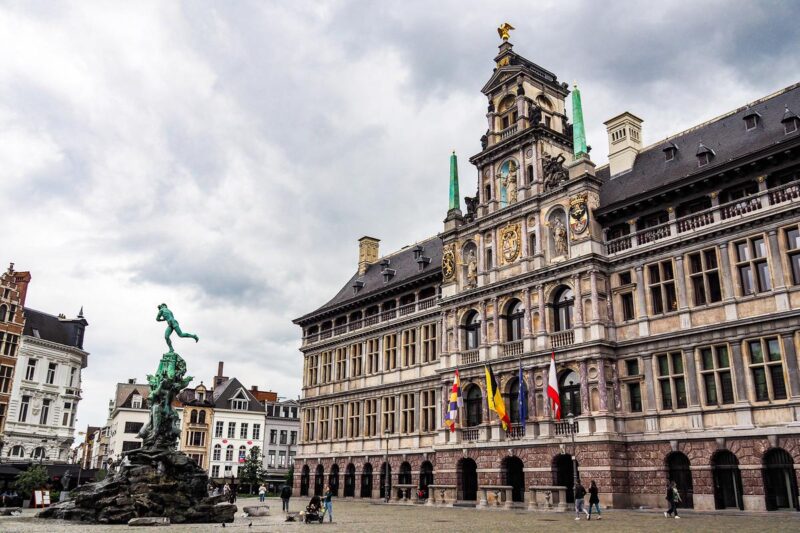
Where to Stay in Antwerp: 7 Best Areas & Hotel Picks
Compare seven Antwerp neighborhoods with honest tradeoffs, hotel picks for every budget, and practical context from Kyle’s firsthand visit.
Historical site travel guides — ticketing tips, skip-the-line strategies, opening hours, and the context that makes ruins, palaces, and monuments worth the visit.
Compare seven Antwerp neighborhoods with honest tradeoffs, hotel picks for every budget, and practical context from Kyle’s firsthand visit.
Zacatecas’s UNESCO-listed colonial center — a former silver-mining city of pink-stone Baroque architecture, the twin-towered cathedral, and a cable car over the historic streets.
Zadar’s three-thousand-year-old peninsula of marble streets — Roman forum, Venetian walls, and the wave-powered Sea Organ that turns the Adriatic into music at sunset.
Zagreb’s hilltop Upper Town — the city’s oldest quarter, home to St. Mark’s tiled-roof church, the noon cannon of Lotrščak Tower, and a historic funicular up from Ilica Street.
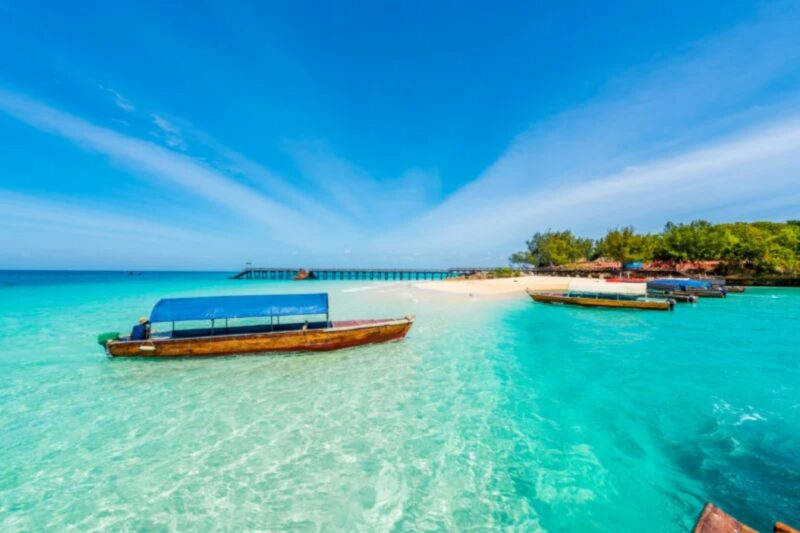
Stone Town is Zanzibar’s UNESCO-listed old quarter — a 19th-century Swahili trading hub of coral-stone buildings, carved wooden doors, and landmarks like the House of Wonders and the Old Fort.
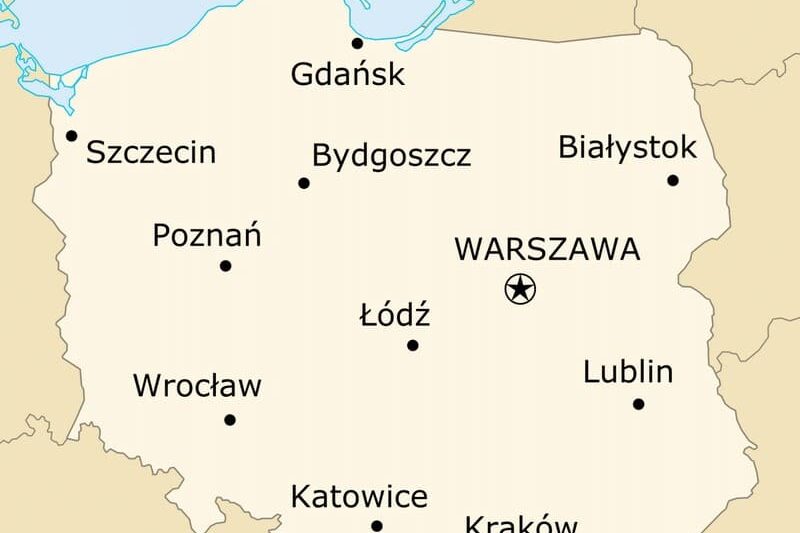
A riverside, green, academic neighborhood ideal for students, architecture lovers, nature lovers.

A historic charm, upscale shopping, waterfront dining neighborhood ideal for Shoppers, History buffs, Students.
Wrocław’s historic core around the Rynek, one of Europe’s largest market squares — pastel townhouses, a Gothic town hall, and 300+ bronze dwarf statues hidden in the streets.
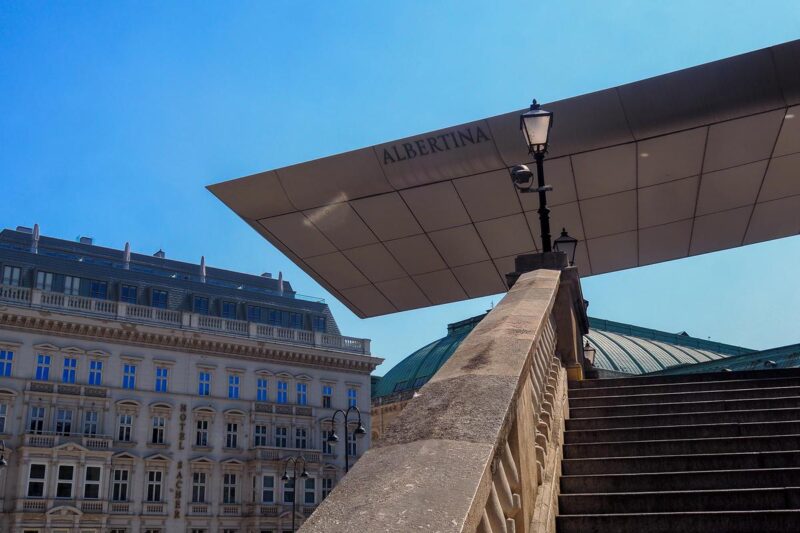
Vienna’s 4th district below the Ringstrasse — Baroque Karlskirche, the sprawling Naschmarkt, and a multicultural, local-feeling mix of wine bars, galleries, and global eateries.
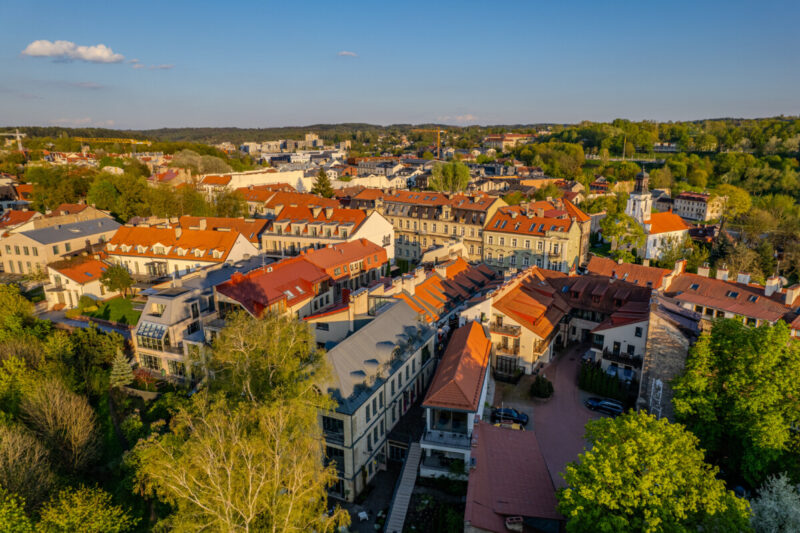
One of northern Europe’s largest surviving medieval old towns — a UNESCO-listed maze of Gothic, Baroque, and Neoclassical streets, from the Gates of Dawn to Gediminas Castle.
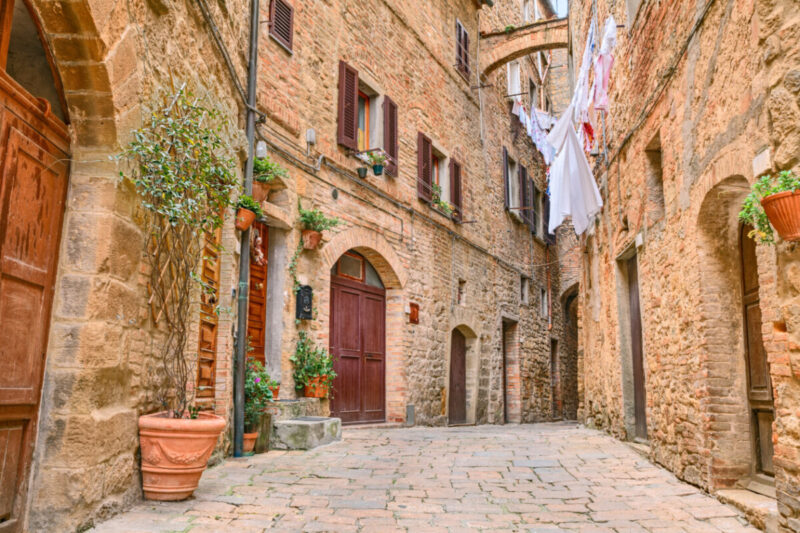
A walled Tuscan hill town of Etruscan and medieval stone — Volterra is known for its Roman theatre, alabaster craftsmanship, and sweeping views over the Val di Cecina.
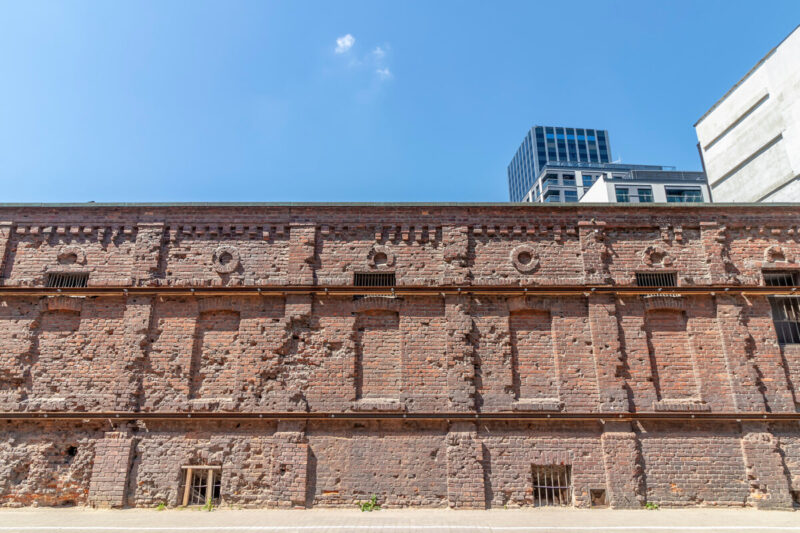
Warsaw’s creative right bank — a WWII-spared district of brick tenements, street art, and former factories like the Koneser vodka distillery turned culture hub.
Vienna’s smallest district, the 8th — a village-like quarter of Baroque streets, historic coffeehouses, and the celebrated Theater in der Josefstadt.
A character-rich quarter of Vienna’s Leopoldstadt around the Karmelitermarkt — the historic heart of Jewish Vienna, now layered with indie cafés and wine bars.
Vienna’s 3rd district — home to the Belvedere Palace and Klimt’s The Kiss, the colorful Hundertwasserhaus, and Vienna’s densest concentration of bakeries.
Vienna’s 2nd district between the Danube and its canal — home to the Prater’s 1897 Giant Ferris Wheel, the Baroque Augarten, and a deep-rooted Jewish heritage.
Vienna’s 6th district, built around the Mariahilfer Straße shopping boulevard — plus the Naschmarkt, the Theater an der Wien, and the rooftop aquarium of the Haus des Meeres.
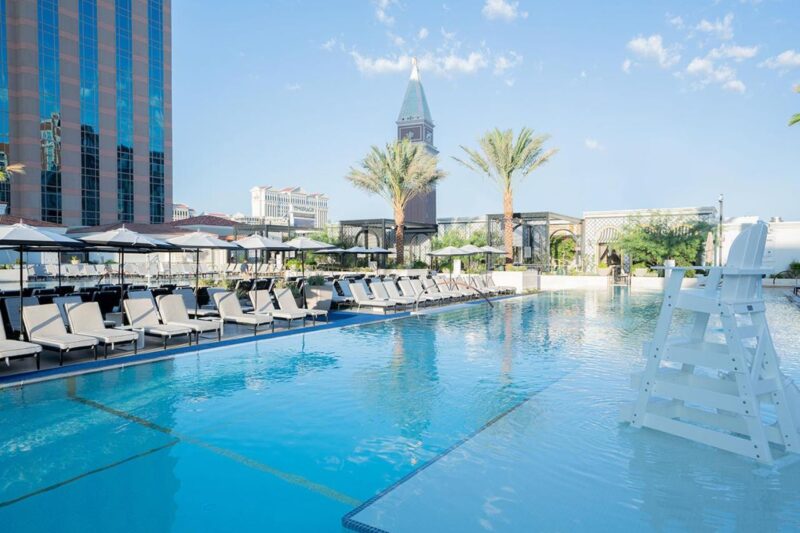
Verona’s UNESCO-listed old town on a bend of the Adige — the Roman Arena, Juliet’s House, and marble piazzas layering two thousand years of history.
Vienna’s 1st district and imperial core — St. Stephen’s Cathedral, the Hofburg, the State Opera, and the grand Ringstrasse, all within a walkable historic center.
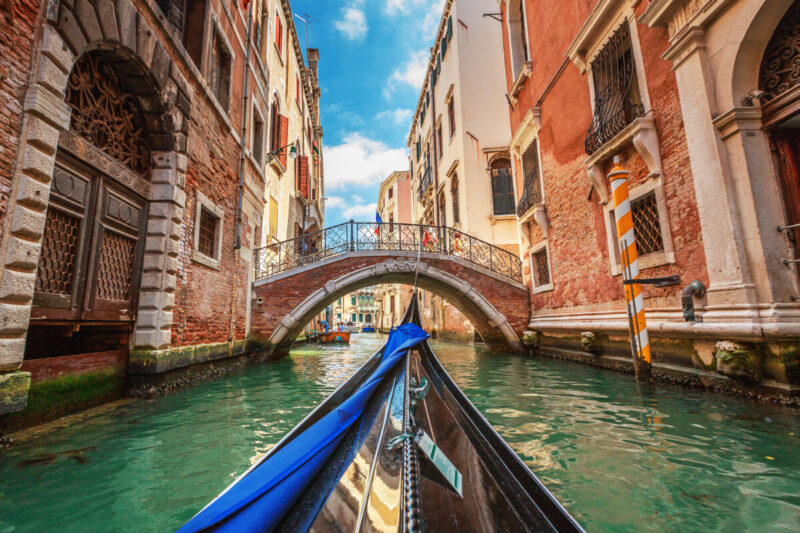
The heart of Venice — Piazza San Marco, St. Mark’s golden-mosaic Basilica, the Doge’s Palace, and the Bridge of Sighs, the city’s grandest and most iconic sestiere.
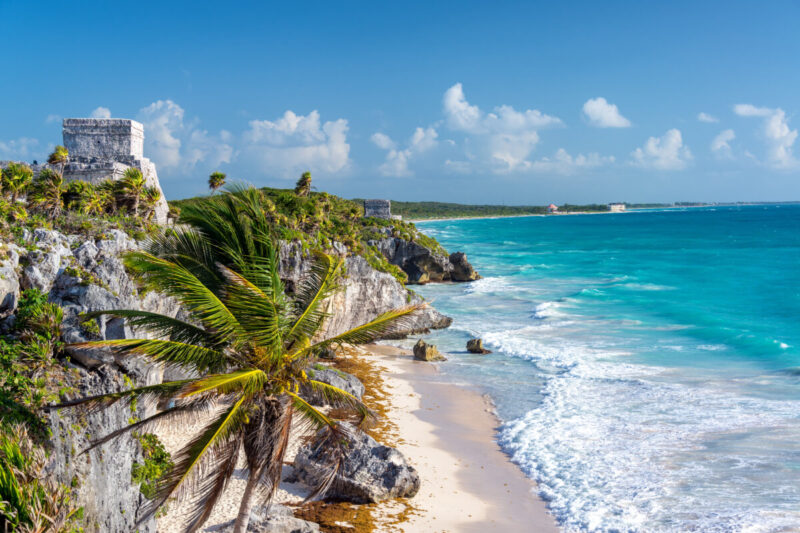
Tulum’s polished, master-planned neighborhood between downtown and the beach zone — modern condos, wellness studios, and the free Cenote Aldea Zama, a favorite of digital nomads.