

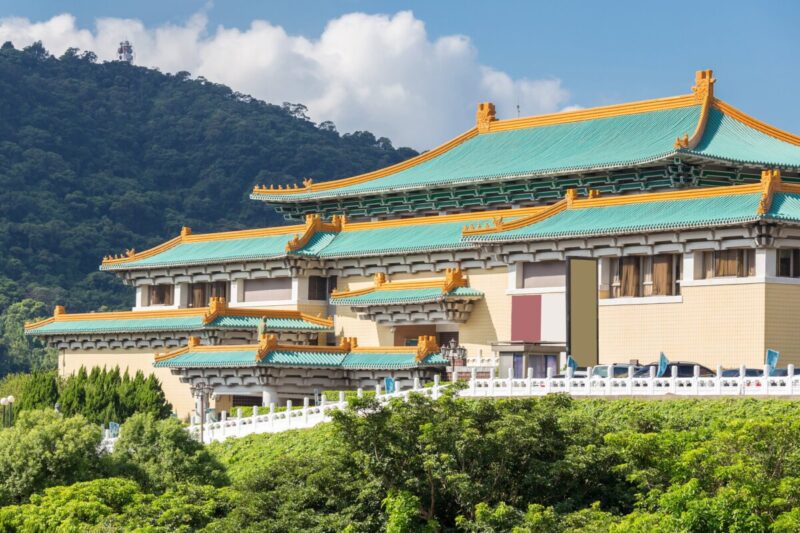
Da’an
A cafe culture, residential charm, foodie haven neighborhood ideal for Cafe lovers, Families, Students.
Historical site travel guides — ticketing tips, skip-the-line strategies, opening hours, and the context that makes ruins, palaces, and monuments worth the visit.
A cafe culture, residential charm, foodie haven neighborhood ideal for Cafe lovers, Families, Students.
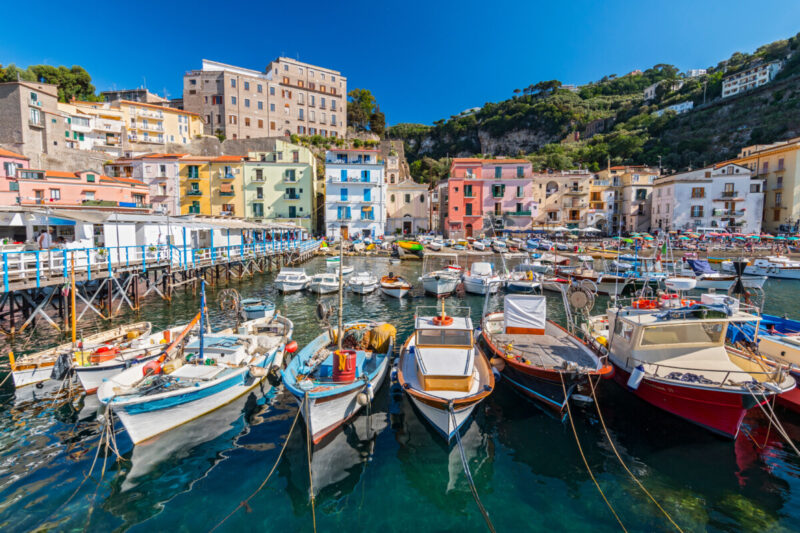
Sorrento’s historic fishing harbor — a cluster of pastel houses and seafood trattorias on the waterfront below the cliffs, with ferries to Capri and the Amalfi Coast.
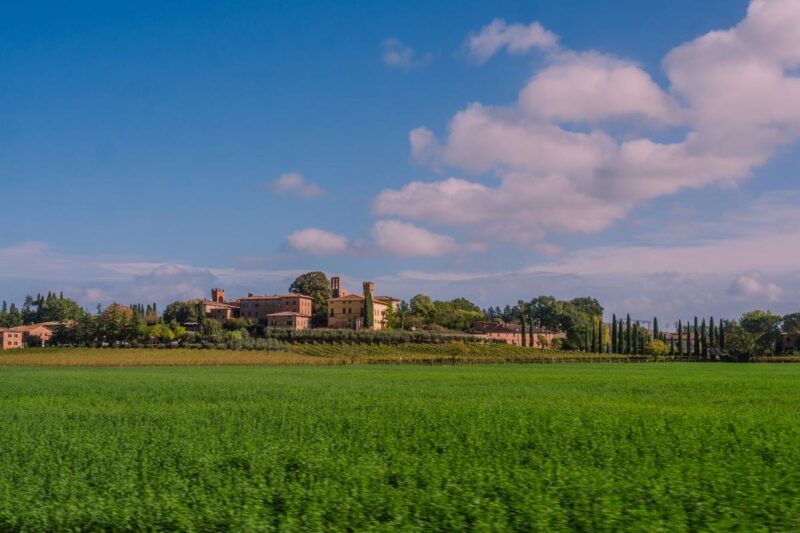
Naples’ elegant seafront district — upscale shopping, the Riviera di Chiaia gardens, and the Lungomare promenade with views across the bay to Vesuvius.
The straight, narrow street that splits Naples’ old town in two — a UNESCO-listed corridor of churches, street food, and artisan workshops at the city’s historic heart.
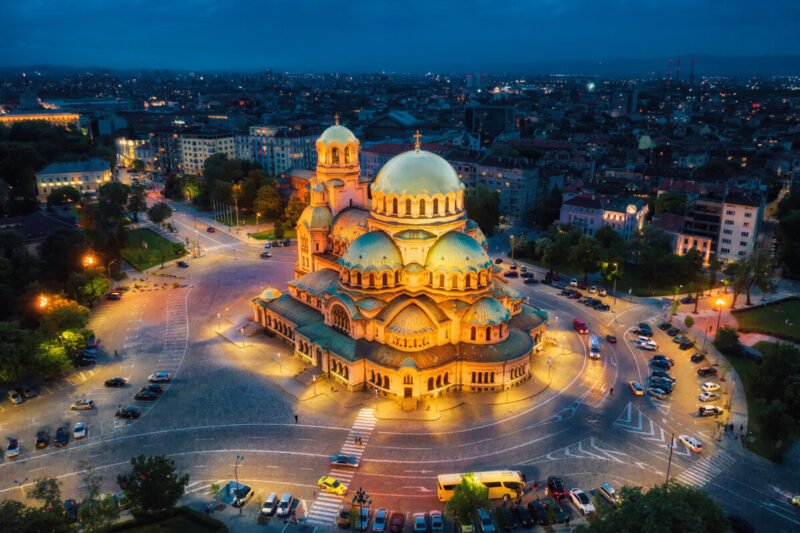
Sofia’s tree-lined pedestrian promenade — café terraces and nearly 200 shops running from the ancient St. George Rotunda to the Brutalist National Palace of Culture.

Šibenik’s medieval old town on the Dalmatian coast — a maze of stone stairways crowned by the UNESCO-listed Cathedral of St. James, built entirely of interlocking stone.
Siena’s UNESCO-listed medieval heart — the shell-shaped Piazza del Campo and its Palio horse race, the Torre del Mangia, and a marble-floored Gothic Duomo.

Seville’s former Jewish quarter — a maze of whitewashed lanes and orange-tree plazas wrapped around the Real Alcázar and the world’s largest Gothic cathedral.
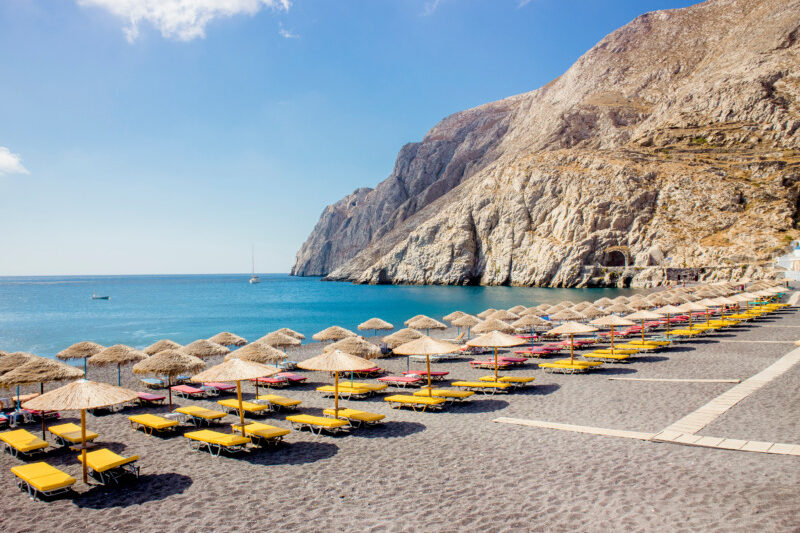
Fira is the capital of Santorini, Greece, built along the volcanic caldera rim with panoramic views, the Archaeological Museum of Thera, and a historic cable car connecting the port.

Sarajevo’s 500-year-old Ottoman bazaar quarter — cobblestone lanes of coppersmiths and ćevapi grills around the Sebilj fountain and the Gazi Husrev-beg Mosque.
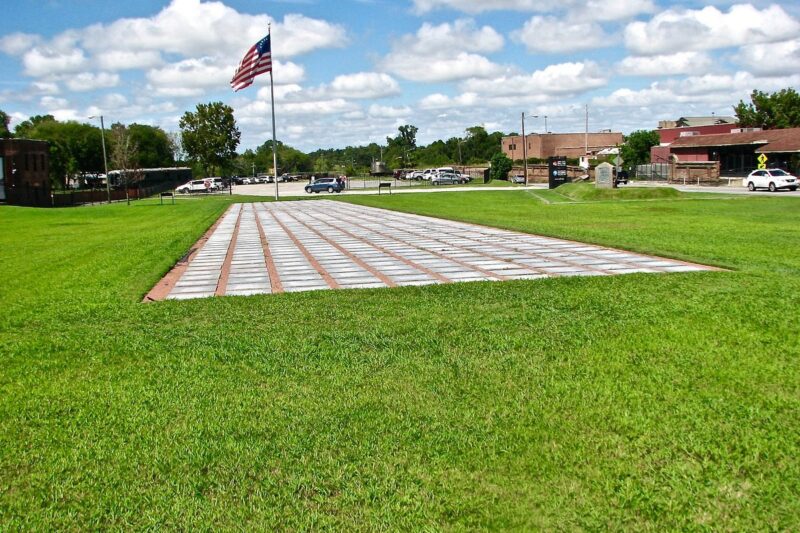
Savannah’s 2.5-square-mile National Historic Landmark district — 22 oak-shaded squares laid out in 1733, Forsyth Park’s fountain, and the cobblestoned River Street.
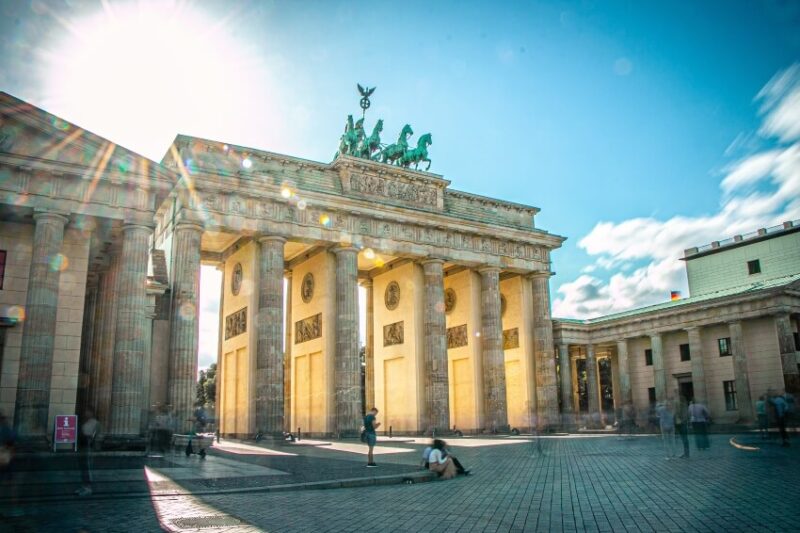
The half-timbered old town of St. Goar in the UNESCO-listed Upper Middle Rhine Valley — medieval alleys below the vast Rheinfels Castle ruins, near the Loreley rock.
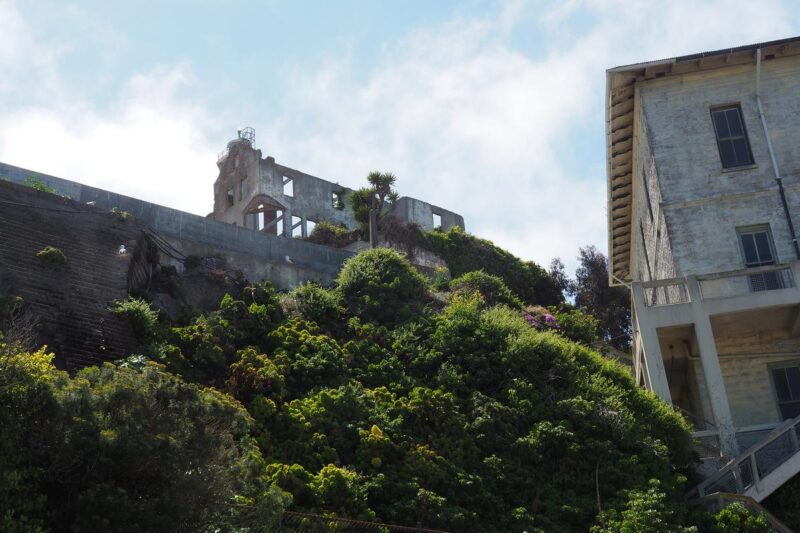
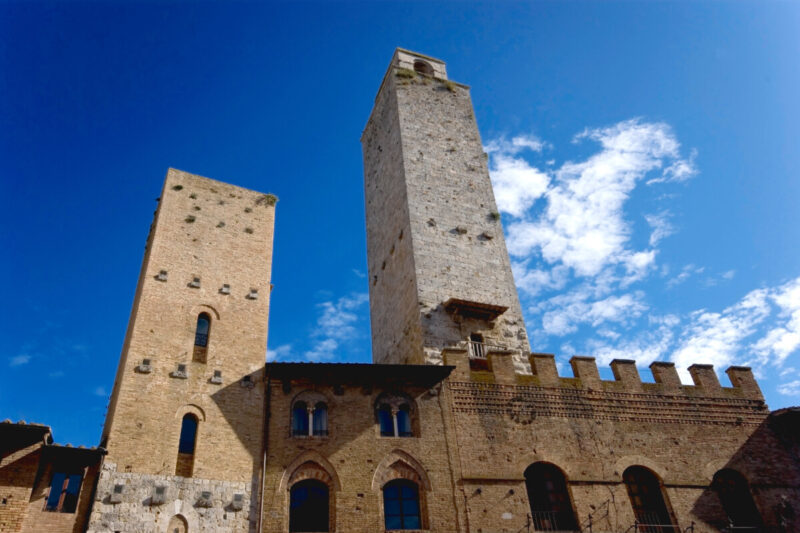
The UNESCO-listed ‘Medieval Manhattan’ of Tuscany — San Gimignano’s skyline of surviving stone towers above the Piazza della Cisterna, on the old Via Francigena pilgrim route.

Costa Rica’s capital core around the Plaza de la Cultura — the 1897 National Theatre, the Pre-Columbian Gold Museum, and the buzzing food scene of nearby Barrio Escalante.

Puerto Rico’s 500-year-old colonial core — blue-cobblestone streets, pastel row houses, and the UNESCO-listed El Morro and San Cristóbal fortresses above the Atlantic.
A upscale, walkable, foodie neighborhood ideal for Design lovers, foodies, opera goers.
A modern, waterfront, tech-hub neighborhood ideal for Tech workers, sports fans, young professionals.
A mural district, latino culture, foodie paradise neighborhood ideal for Foodies, Art lovers, Young professionals.
A family-friendly, sunny, upscale neighborhood ideal for Families, dog owners, professionals.

The colonial heart of San Cristóbal de las Casas, a Chiapas highland Pueblo Mágico — cobblestone streets, the Baroque Santo Domingo church, and Tsotsil-Tseltal craft markets.
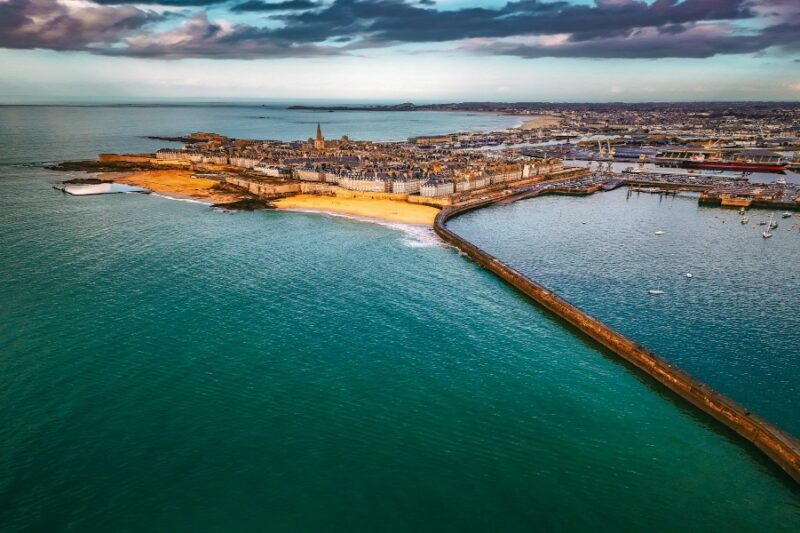
Saint-Malo’s walled old town in Brittany — a granite corsair city ringed by 2 km of medieval ramparts, rebuilt after WWII, with cobbled lanes of shops and seafood restaurants.

Altstadt Salzburg is the UNESCO-listed historic core of Salzburg, Austria, containing Hohensalzburg Fortress, Getreidegasse, and the birthplace of Wolfgang Amadeus Mozart within a compact baroque cityscape.
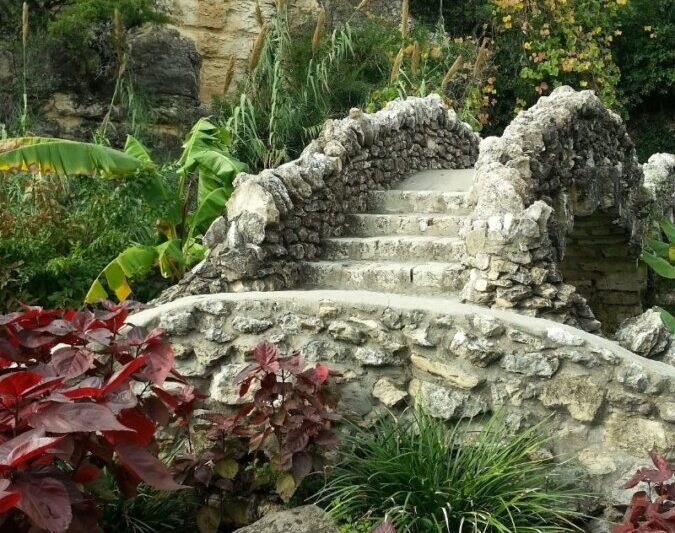
The heart of San Antonio — the UNESCO-listed Alamo and the restaurant-lined River Walk winding below street level along the San Antonio River.