

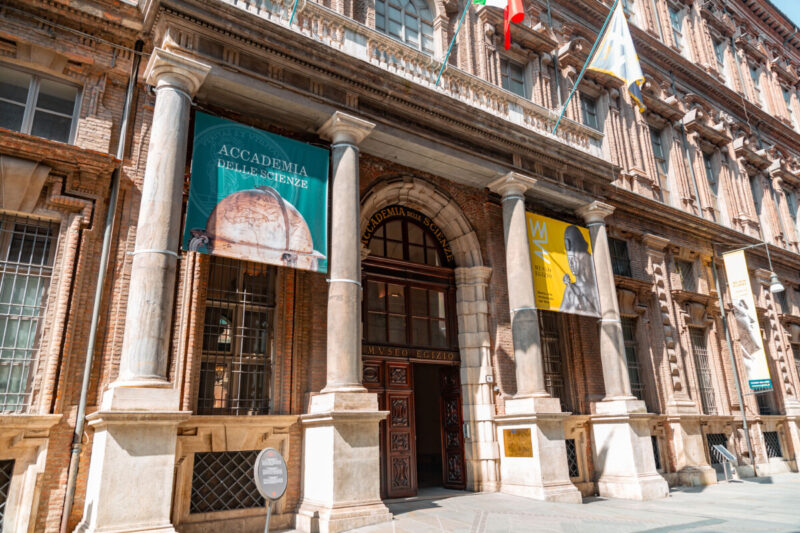
San Salvario Turin
Turin’s multicultural, bohemian quarter between the Po and the railway — the green Parco del Valentino, an 1884 neo-Moorish synagogue, and a buzzing global food and nightlife scene.
Historical site travel guides — ticketing tips, skip-the-line strategies, opening hours, and the context that makes ruins, palaces, and monuments worth the visit.
Turin’s multicultural, bohemian quarter between the Po and the railway — the green Parco del Valentino, an 1884 neo-Moorish synagogue, and a buzzing global food and nightlife scene.

Utrecht’s oldest canal — a two-tiered 12th-century waterway whose wharf-level cellars now house cafés and bars beneath the Dom Tower, the Netherlands’ tallest church spire.
A charming, green, peaceful neighborhood ideal for architecture lovers, those seeking tranquility, couples.
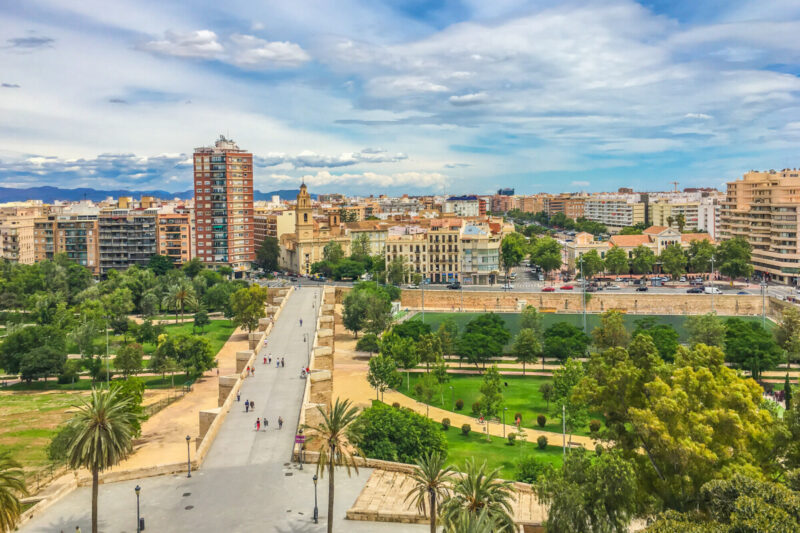
A seaside, authentic, modernist neighborhood ideal for architecture lovers, beachgoers, foodies.
Valencia’s most creative barrio — a former working-class quarter of Moorish roots now full of street art, indie boutiques, and a buzzing food scene around the Ruzafa Market.

Toulon’s sun-drenched medieval quarter above France’s largest naval harbor — the daily Cours Lafayette Provençal market, the grand Opera House, and an affordable, crowd-free Riviera base.
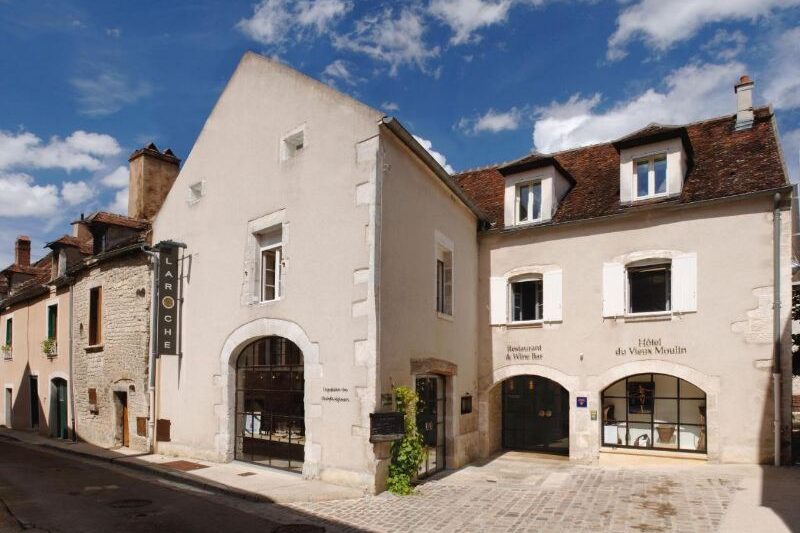
Toulouse’s medieval heart in the rose-brick Ville Rose — the covered Marché des Carmes, Gothic churches, and a dense after-dark scene of wine cellars and cocktail bars by the Garonne.

The old town of Germany’s oldest city — Roman Trier’s UNESCO-listed Porta Nigra, a 4th-century cathedral, a medieval market square, and Mosel Riesling taverns.

Trieste’s old town — a layered quarter where Roman ruins, a medieval cathedral on San Giusto hill, and grand Habsburg-era architecture meet above the Adriatic.
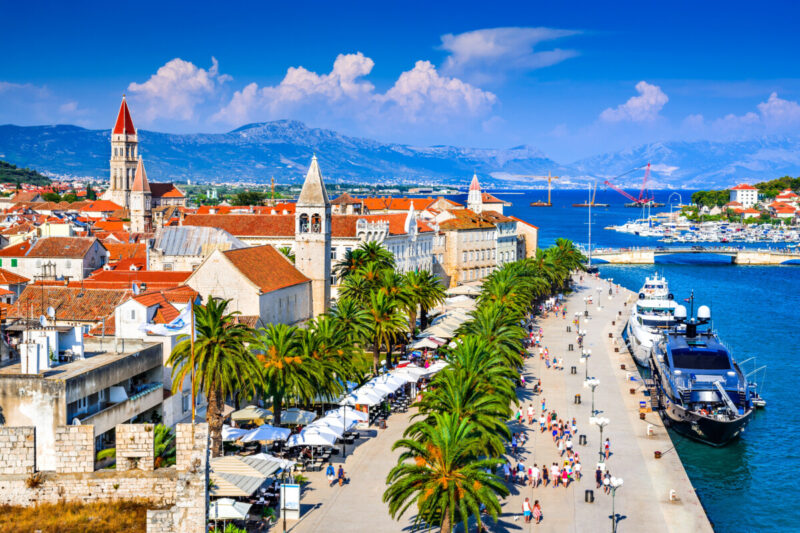
A UNESCO-listed medieval island town near Split, often called ‘Little Venice’ — a car-free maze of Venetian palaces crowned by St. Lawrence Cathedral’s carved Radovan Portal.

Taormina’s clifftop historic center in Sicily — the ancient Greek Theatre with Mount Etna views, the Corso Umberto promenade, and Baroque piazzas above the Ionian Sea.
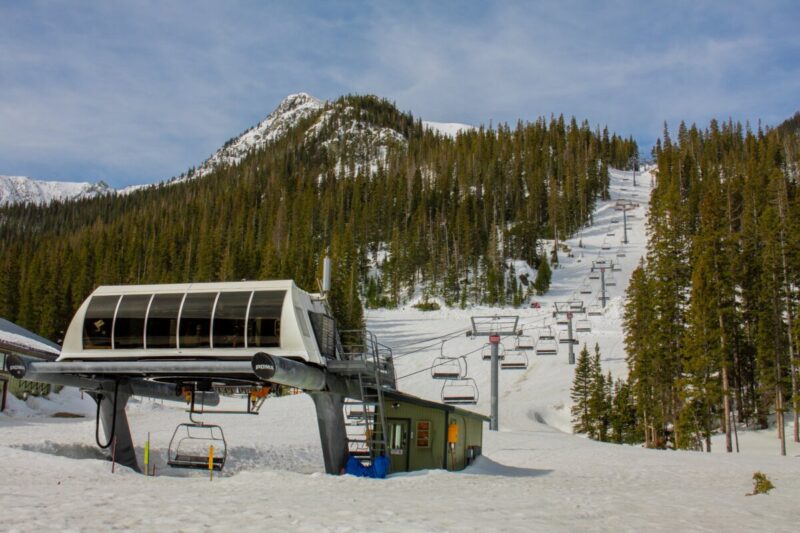
A UNESCO-listed living Native American community north of Taos — multi-story adobe dwellings inhabited for over 1,000 years against the Sangre de Cristo Mountains.
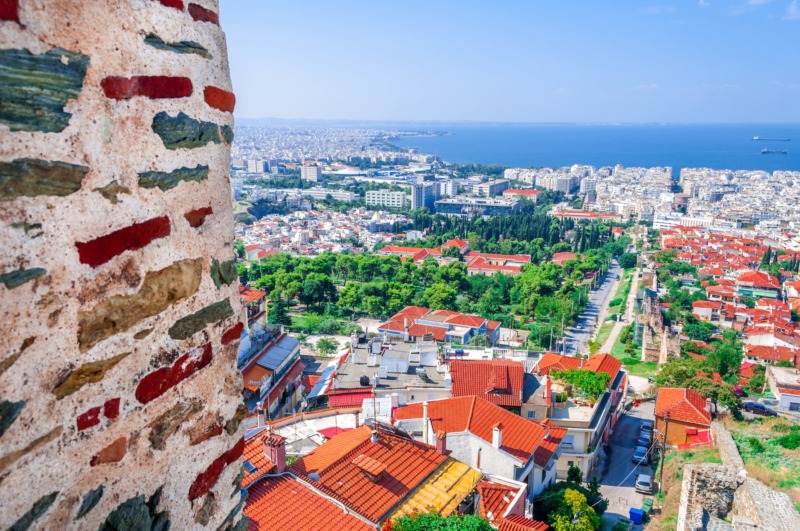
Thessaloniki’s restored former olive-oil warehouse district near the port — a cluster of colorful 19th-century buildings now packed with tavernas, mezedopolia, and nightlife.
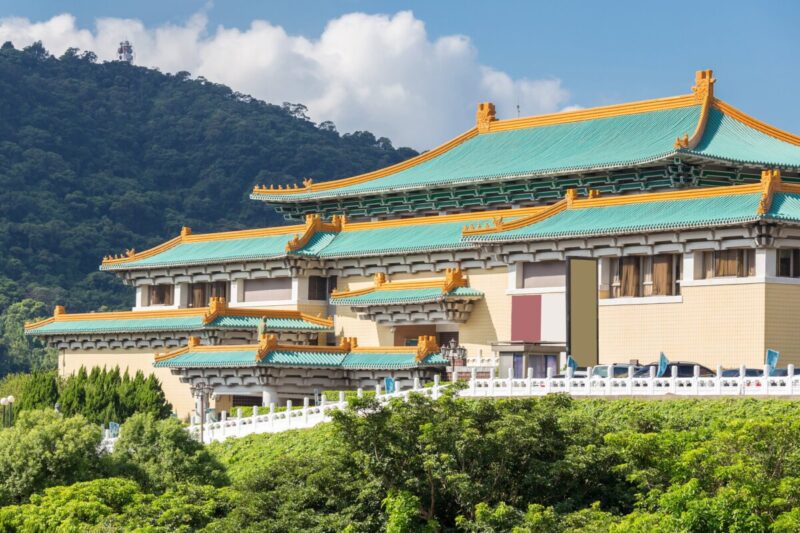
Taipei’s neon-lit pedestrian district, the ‘Harajuku of Taipei’ — street food, bubble tea, arcades, and the 1908 Red House, anchored by the city’s LGBTQ+ scene.
A modern taipei, business hub, luxury shopping neighborhood ideal for Business travelers, Luxury shoppers, Nightlife seekers.
A design district, creative quarter, cafe culture neighborhood ideal for Design lovers, Art enthusiasts, Cafe hoppers.
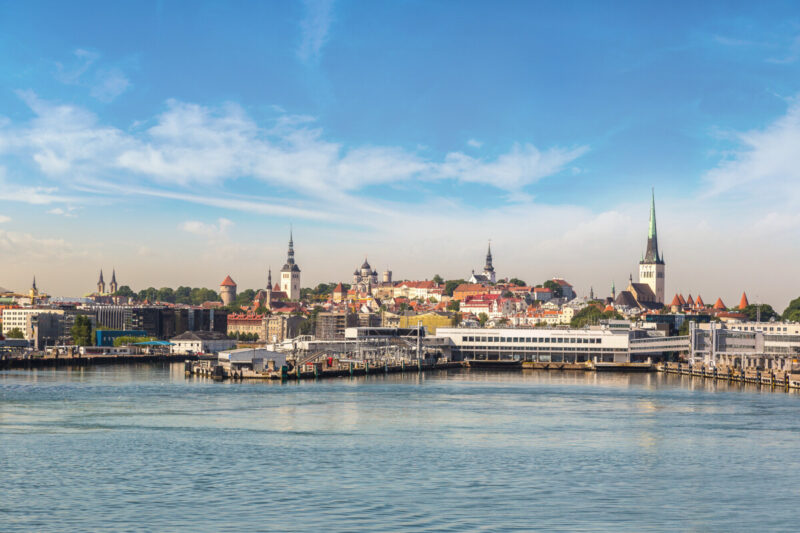
One of the world’s best-preserved medieval town centers — Tallinn’s UNESCO-listed Vanalinn, with 800-year-old walls, Gothic spires, and Northern Europe’s oldest town hall.
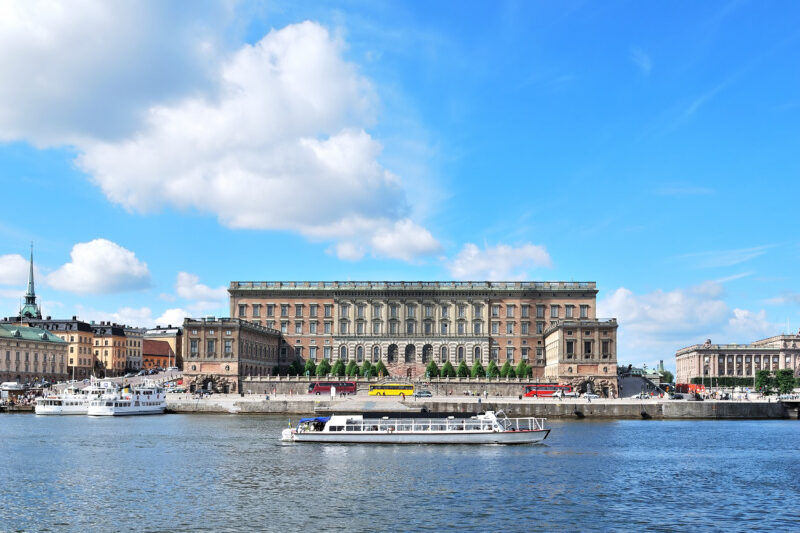
Stockholm’s old town — one of Europe’s best-preserved medieval cores, a cluster of ochre buildings and lanes on its own island, home to the Royal Palace and Stortorget square.
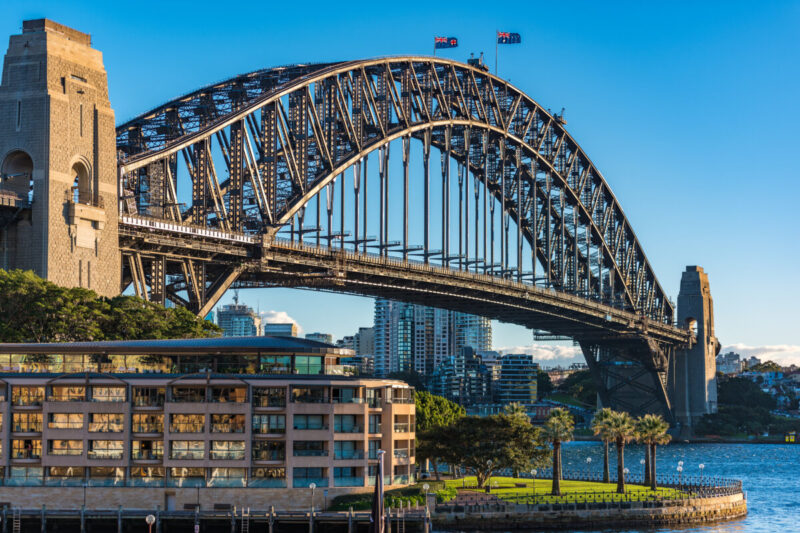
Inner Sydney’s creative quarter — terrace houses and converted warehouses packed with specialty roasters, acclaimed restaurants, galleries, and the Belvoir St Theatre.
Syracuse’s restored downtown entertainment district — late-19th-century commercial buildings now home to restaurants, bars, and boutiques near the Erie Canal Museum.