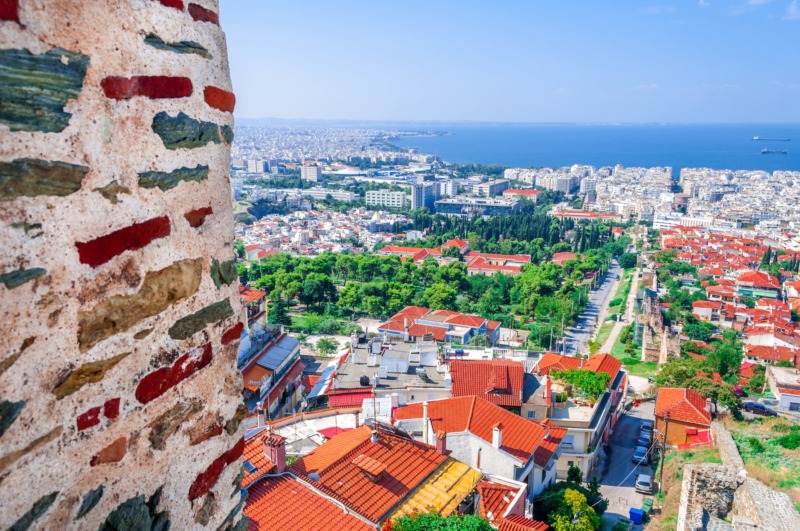
Ladadika occupies a compact grid of pedestrianized streets just west of Thessaloniki’s central port, bounded roughly by Salaminos, Venizelou, and Dragoumi streets. The district takes its name from the Greek word for olive oil (ladi), reflecting its past as a wholesale trading quarter for oil merchants during the Ottoman period. Today it functions as one of the city’s primary nightlife and dining destinations, with its 19th-century stone warehouses converted into restaurants, bars, and live-music venues.
What is Ladadika known for?
Ladadika is known as Thessaloniki’s most historically intact mercantile quarter, where low-rise Ottoman and late-19th-century stone buildings line car-free lanes and house a continuous strip of tavernas, ouzeries, and music bars that fill every evening of the week. The district survived the catastrophic 1917 fire that destroyed much of central Thessaloniki largely intact, preserving its original street grid and building stock. Its proximity to the old port and the Customs House building adds a working waterfront layer to the atmosphere.
Best things to do in Ladadika
The most rewarding activities in Ladadika combine eating, walking, and absorbing its street-level architectural detail across a single evening or afternoon stroll. Specific highlights include:
- Walk the central pedestrian axis of Katouni Street, the district’s social spine lined with restaurant terraces.
- Visit the neoclassical Customs House (Teloneio) on the adjacent waterfront promenade.
- Explore the street market atmosphere of nearby Modiano and Kapani markets, a short walk east on Aristotelous Square’s side streets.
- Attend a live laïká or rebetiko music night at one of the district’s bouzouki venues.
- Walk the Thessaloniki waterfront promenade northward from the port toward the White Tower.
Where to eat in Ladadika
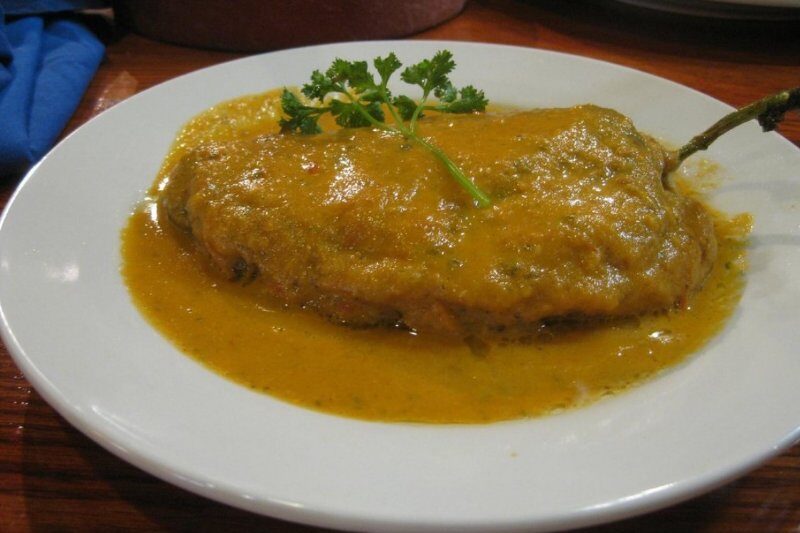
Ladadika concentrates a high density of traditional Greek tavernas and ouzeries within a few pedestrian blocks, making it one of the most practical dining destinations in Thessaloniki for grilled meats, fresh seafood, and northern Greek meze. Dishes to seek out include grilled octopus, loukaniko sausage, taramosalata, and the Macedonian specialty of leek-and-rice dishes. The area is particularly strong for ouzeries serving small plates alongside ouzo or tsipouro. Most kitchens stay open late, with peak seating from 9 p.m. onward.
How to get to Ladadika
Ladadika is easily reached on foot from Thessaloniki’s city center: it sits roughly 700 meters west of Aristotelous Square along the waterfront or via Egnatia Street, making a 10-minute walk from the main commercial axis. Several OASTH city bus lines stop along Egnatia Street and Nikis Avenue on the waterfront, serving routes connecting the eastern and western districts of the city. Taxis and ride-hailing services drop off directly on Venizelou Street at the district’s eastern edge. There is no metro station in immediate proximity, though the Thessaloniki Metro’s expanding network includes central stations within walking distance.
Where to walk in Ladadika
The best walking route in Ladadika starts at the corner of Venizelou and Salaminos streets, winds through the pedestrian lanes of Katouni and the surrounding block, then exits onto the Nikis Avenue waterfront promenade for views across the Thermaic Gulf. A second natural walk extends from Ladadika eastward along the waterfront past the port authority buildings to Aristotelous Square and onward to the White Tower, covering Thessaloniki’s entire central seafront in under 30 minutes.
Best time to visit Ladadika
Ladadika is most atmospheric on Thursday through Saturday evenings from around 8 p.m., when the pedestrianized streets fill with locals dining outdoors and music venues open their doors, but the district functions as a genuine neighborhood at all hours. Daytime visits in spring and autumn offer easier photography of the stone facades without crowds. Summer evenings are very busy and lively; January and February are quieter but most venues remain open year-round.