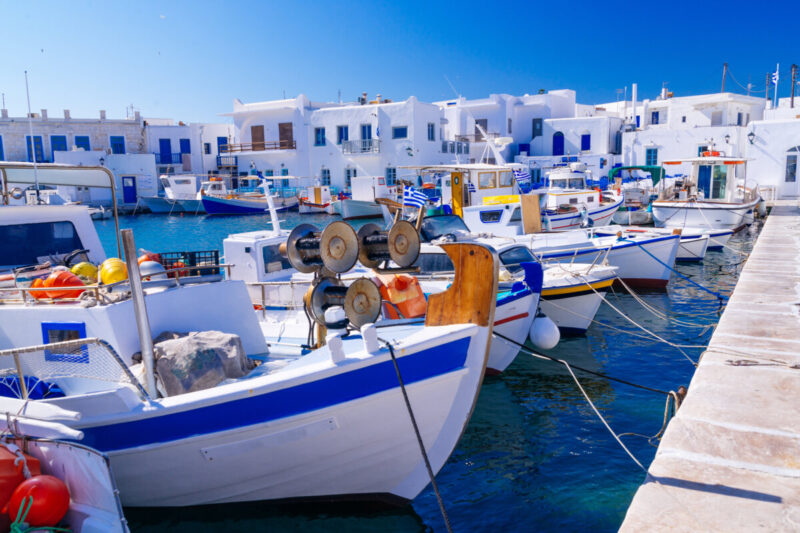
Byzantine Empire’s second-most important city preserving fifteen 1988 UNESCO World Heritage paleochristian monuments contributing significantly to Byzantine art-architecture development across the empire and Serbia. White Tower’s iconic 34-meter Ottoman landmark (15th century) built on former Byzantine tower site, transforming from notorious “Tower of Blood” prison-execution site to Museum of Byzantine Culture exhibition center showcasing successive historical periods. Rotunda’s impressive 30-meter dome (AD 306) built by Emperor Galerius as harmonious mausoleum comparable to Rome’s Pantheon, now serving as museum and exhibition space in central Thessaloniki. Roman Forum’s social-economic-administrative-spiritual center (late 2nd century AD-early Byzantine era) revealing excavated Odeon, square, covered stoa, Hellenistic baths complex within specially-designed underground museum hall. Archaeological discoveries from metro construction creating Northern Greece’s largest dig spanning 20km², unearthing 300,000+ artifacts from Roman Empire to 1917 Great Fire, including Decumanus Maximus’ 75-meter marble-paved column-lined road dubbed “Byzantine Pompeii.” Waterfront Alexander the Great statue overlooking Arabian Sea, Old Port’s First Pier arts-culture hub, MOMus photography museum, preserved crane landmarks, plus breezy cosmopolitan food scene layering Roman-Byzantine-Ottoman history across this culturally-rich Macedonian capital.
The destination guide
Thessaloniki
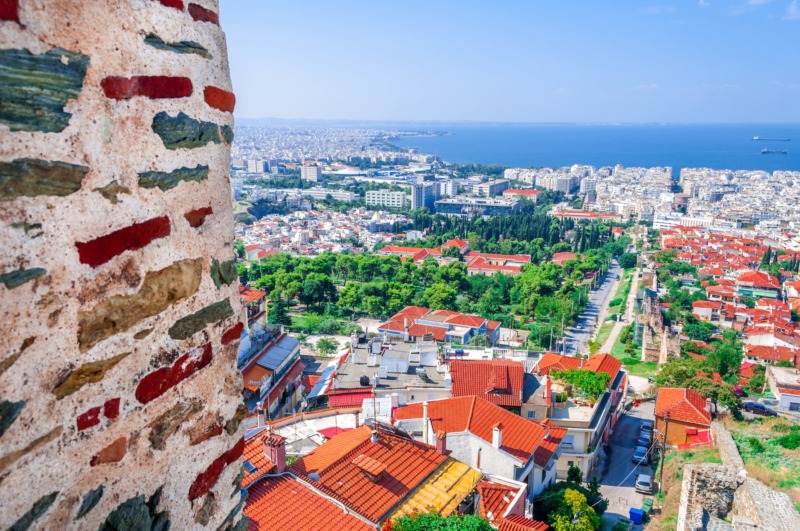
The metro dig alone unearthed 300,000+ artifacts. Thessaloniki has been quietly rewriting what a Greek city trip looks like.
Travel guides for Thessaloniki
More guides featuring Thessaloniki (4)
At a glance
- Greek
- Aegean coast
- Historic waterfront
- Byzantine walls
- Mountain backdrop
- {"name": "Byzantine walls and history"}
- {"name": "Greek cultural co-capital"}
- {"name": "Waterfront dining and nightlife"}
Practical basics
- Driving side
- Right
- Electrical standard
- 230V/50Hz Type C/F
- Measurement system
- Metric
- Emergency numbers
- 112
- Country code
- GR
How Thessaloniki scores
Character
Editorial scores on a 10-point scale, weighed against destinations of the same kind.
Travel safety snapshot
SafePlace indicators use their source 100-point scale; higher is more favourable. Planning context, not a live travel advisory — check official government guidance before you go.
When to go
Best months to visit: March, April, May, June, July, August, September, October and November.
- January: 4.8 to 10.3 degrees Celsius, 10.3 millimetres of rain, best-time score 2 out of 5.
- February: 4.9 to 11.3 degrees Celsius, 8.7 millimetres of rain, best-time score 3 out of 5.
- March: 6.8 to 14.4 degrees Celsius, 21.7 millimetres of rain, best-time score 4 out of 5.
- April: 11.3 to 18.9 degrees Celsius, 13.7 millimetres of rain, best-time score 5 out of 5.
- May: 15.4 to 23.4 degrees Celsius, 32.1 millimetres of rain, best-time score 5 out of 5.
- June: 20.4 to 28.6 degrees Celsius, 6.4 millimetres of rain, best-time score 5 out of 5.
- July: 22.8 to 31.8 degrees Celsius, 16 millimetres of rain, best-time score 4 out of 5.
- August: 23 to 32.4 degrees Celsius, 1.4 millimetres of rain, best-time score 4 out of 5.
- September: 20.1 to 28.6 degrees Celsius, 22.2 millimetres of rain, best-time score 5 out of 5.
- October: 15.3 to 21 degrees Celsius, 39.2 millimetres of rain, best-time score 5 out of 5.
- November: 11.2 to 16.3 degrees Celsius, 16.8 millimetres of rain, best-time score 4 out of 5.
- December: 6 to 11.5 degrees Celsius, 24.9 millimetres of rain, best-time score 3 out of 5.
Month-by-month conditions and packing advice
- January
- Cool weather, mostly dry January in Thessaloniki: cold or unsettled winter weather narrows the trip. Crowds: Peak tourist season with excellent conditions for cultural exploration, including historical sites, museums, and scenic walks. Hotel rates and crowd levels are highest during this period. Rainfall is moderate, but it adds a romantic ambiance to the city. Visitors should be prepared for occasional rain showers. Pack: Lightweight layers for temperature variation; Waterproof jacket for occasional rain; Comfortable walking shoes for city exploration; Umbrella for unexpected showers; Warm scarf and gloves for cooler evenings; Breathable cotton/linen fabrics
- February
- Cool weather, mostly dry February in Thessaloniki: cooler weather and shorter days make outdoor plans less flexible. Crowds: Early spring tourist season with moderate crowd levels and pleasant weather for outdoor activities such as hiking, cultural tours, and enjoying local festivals. Hotel rates and activity availability are moderate during this period. Rainfall is occasional but manageable, with temperatures ranging from 46.96°F to 52.37°F. Pack: Lightweight layers for temperature variation; Waterproof jacket for occasional rain; Comfortable walking shoes for exploring; Hat and sunglasses for sun protection; Light scarf for cooler evenings; Breathable fabrics for comfort
- March
- Cool weather, mostly dry March in Thessaloniki: season-edge timing can still work with weather and crowd planning. Crowds: March marks the beginning of peak tourist season with moderate crowd levels and comfortable weather for sightseeing and cultural events. Hotel rates and activity availability are high during this period. Rainfall is moderate, but overall conditions remain favorable for outdoor exploration and cultural immersion. Pack: Lightweight layers for temperature variation; Waterproof jacket for occasional rain; Comfortable walking shoes for city exploration; Umbrella for unexpected showers; Light scarf for cultural sites; Breathable cotton/linen fabrics
- April
- Warm and pleasant, mostly dry April in Thessaloniki: waterfront walks, Roman and Byzantine sites, food districts, museums, and day trips balance warm weather and lighter crowds. Crowds: Spring is peak tourist season with excellent conditions for outdoor activities including hiking, cultural site visits, and city tours. Hotel rates and crowd levels are highest during this period. UV levels remain moderate despite cooler temperatures. Pack: Lightweight layers for temperature variation; Comfortable walking shoes for city exploration; Broad-brimmed hat and SPF 50+ sunscreen; Light cardigan for air-conditioned spaces; Modest clothing for cultural sites and mosques; Breathable cotton/linen fabrics
- May
- Warm and pleasant, some rain May in Thessaloniki: waterfront walks, Roman and Byzantine sites, food districts, museums, and day trips balance warm weather and lighter crowds. Crowds: Spring is peak tourist season with moderate crowd levels and pleasant weather conditions ideal for sightseeing, hiking, and cultural tours. Hotel rates and activity availability are high during this period. Visitors can enjoy outdoor activities such as exploring ancient ruins, visiting museums, and enjoying local cuisine. Be prepared for occasional rain showers, which are generally short and refreshing. Pack: Lightweight layers for temperature variation; Comfortable walking shoes for city exploration; Umbrella for occasional rain showers; Light cardigan for air-conditioned spaces; Modest clothing for cultural sites and religious venues; Breathable cotton/linen fabrics
- June
- Warm and pleasant, mostly dry June in Thessaloniki: waterfront walks, Roman and Byzantine sites, food districts, museums, and day trips balance warm weather and lighter crowds. Crowds: Peak tourist season with excellent conditions for all outdoor activities including beach visits, cultural site exploration, and city walking tours. Hotel rates and crowd levels are highest during this period. UV levels remain high despite warmer temperatures. Pack: Lightweight layers for temperature variation; Comfortable walking shoes for city exploration; Broad-brimmed hat and SPF 50+ sunscreen; Light cardigan for air-conditioned spaces; Modest clothing for cultural sites and mosques; Breathable cotton/linen fabrics
- July
- Hot and sunny, mostly dry July in Thessaloniki: season-edge timing can still work with weather and crowd planning. Crowds: Peak tourist season with excellent conditions for all outdoor activities including hiking, beach visits, cultural site exploration, and city walking tours. Hotel rates and crowd levels are highest during this period. UV levels remain high despite warmer temperatures. Pack: Lightweight layers for temperature variation; Comfortable walking shoes for city exploration; Broad-brimmed hat and SPF 50+ sunscreen; Light cardigan for air-conditioned spaces; Modest clothing for cultural sites and mosques; Breathable cotton/linen fabrics
- August
- Hot and sunny, mostly dry August in Thessaloniki: season-edge timing can still work with weather and crowd planning. Crowds: Peak tourist season with excellent conditions for all outdoor activities including hiking, beach visits, cultural site exploration, and city walking tours. Hotel rates and crowd levels are highest during this period. UV levels remain high despite warmer temperatures. Pack: Lightweight layers for temperature variation; Comfortable walking shoes for city exploration; Broad-brimmed hat and SPF 50+ sunscreen; Light cardigan for air-conditioned spaces; Modest clothing for cultural sites and mosques; Breathable cotton/linen fabrics
- September
- Warm and pleasant, mostly dry September in Thessaloniki: waterfront walks, Roman and Byzantine sites, food districts, museums, and day trips balance warm weather and lighter crowds. Crowds: Spring is an excellent time to visit Thessaloniki, with mild temperatures and fewer crowds compared to summer. The city's attractions, including ancient ruins, museums, and vibrant neighborhoods, are accessible and enjoyable. Hotel rates and activity availability are moderate, making it an ideal period for cultural immersion and leisurely exploration. Pack: Lightweight layers for temperature variation; Comfortable walking shoes for city exploration; Sunscreen and a wide-brimmed hat; Light cardigan for cooler evenings; Comfortable walking shoes for city exploration; Breathable cotton/linen fabrics
- October
- Warm and pleasant, some rain October in Thessaloniki: waterfront walks, Roman and Byzantine sites, food districts, museums, and day trips balance warm weather and lighter crowds. Crowds: Peak tourist season with excellent conditions for all outdoor activities including hiking, cultural site exploration, and city walking tours. Hotel rates and crowd levels are highest during this period. UV levels remain high despite cooler temperatures. Pack: Lightweight layers for temperature variation; Comfortable walking shoes for city exploration; Broad-brimmed hat and SPF 50+ sunscreen; Light cardigan for air-conditioned spaces; Modest clothing for cultural sites and mosques; Breathable cotton/linen fabrics
- November
- Cool weather, mostly dry November in Thessaloniki: season-edge timing can still work with weather and crowd planning. Crowds: Peak tourist season with excellent conditions for cultural exploration, including historical tours, local festivals, and scenic walks. Hotel rates and crowd levels are highest during this period. Rainfall is moderate, but not overwhelming, with occasional showers enhancing the city's charm. Pack: Lightweight layers for temperature variation; Waterproof jacket for occasional rain; Comfortable walking shoes for city exploration; Wide-brimmed hat and SPF 50+ sunscreen; Light cardigan for air-conditioned spaces; Modest clothing for cultural sites and mosques; Breathable cotton/linen fabrics
- December
- Cool weather, mostly dry December in Thessaloniki: cooler weather and shorter days make outdoor plans less flexible. Crowds: Peak tourist season with excellent conditions for cultural exploration, including historical tours, local festivals, and scenic walks. Hotel rates and crowd levels are highest during this period. Rainfall is moderate, but it adds charm to the cityscape. Visitors should be prepared for occasional showers. Pack: Lightweight layers for temperature variation; Waterproof jacket for rain showers; Comfortable walking shoes for city exploration; Umbrella for unexpected rain; Warm scarf and gloves for cooler evenings; Breathable cotton/linen fabrics
- April
- May
- June
- July
- August
- September
- October
- December
- January
- February
Peak season
- When
- April to October
- Crowds
- High season for cultural tourism and food experiences. Busy historic sites and restaurants.
- Weather
- Perfect northern Greek weather 15-28°C (59-82°F), ideal for cultural exploration and outdoor dining.
- What to do
- Byzantine church visits, cultural tours, food experiences, waterfront dining, archaeological site exploration.
Shoulder season
- When
- March, November
- Crowds
- Moderate tourism, easier access to popular restaurants and cultural sites.
- Weather
- Mild temperatures 10-20°C (50-68°F), occasional showers. Good for indoor cultural activities.
- What to do
- Cultural exploration, indoor attractions, local dining, fewer crowds at attractions.
Off season
- When
- December to February
- Crowds
- Quiet season, authentic local life. Some seasonal establishments may be closed.
- Weather
- Cool Greek winters 5-15°C (41-59°F), frequent rain. Still mild compared to northern climates.
- What to do
- Indoor cultural sites, local life experiences, cozy restaurants, peaceful historic walks.
Know before you go
About
Greece’s second city and cultural capital of the north, Thessaloniki merges 2,300 years of unbroken history with a thoroughly modern Mediterranean energy. Its waterfront promenade stretches along the Thermaic Gulf past the iconic White Tower, while behind the seafront a layered cityscape rises through Roman ruins, Byzantine churches (15 of them UNESCO World Heritage-listed), Ottoman hammams, and neoclassical boulevards to the medieval walls of the Ano Poli upper town. Thessaloniki is widely regarded as Greece’s culinary capital, where traditional tavernas, cutting-edge restaurants, and legendary bakeries thrive on a food culture shaped by Greek, Turkish, Sephardic Jewish, and Balkan influences. The pace here is different from Athens or the islands – less hurried, more sociable, with a cafe culture that occupies the waterfront from morning espresso to late-night cocktails. It functions as a real working city rather than a tourist stage, which gives it an authenticity that many Greek destinations have traded away.
Neighbourhoods
Ano Poli (Upper Town), Ladadika, Aristotelous Square, Nea Paralia (Waterfront), Navarino Square, Kalamaria
Season by season
Spring (March-May):
Weather: 12-22°C, warming steadily, occasional rain
Highlights: International Documentary Festival (March), Book Fair (May), wildflowers
Best For: Comfortable sightseeing, Ano Poli walks, emerging cafe terrace season
Summer (June-August):
Weather: 25-35°C, hot and humid, sea temperature ideal for swimming
Highlights: Street Mode Festival, Sani Festival on Halkidiki, waterfront nightlife
Consider: Very hot midday, plan indoor museum visits for peak heat
Best For: Beach day trips to Halkidiki, evening waterfront promenade, festival season
Autumn (September-October):
Weather: 18-28°C cooling gradually, mostly sunny
Highlights: Reworks Music Festival (Sept), Dimitria Festival (Oct), university students return
Consider: Shoulder season rates, excellent food season
Best For: Ideal balance of weather, culture, and crowd levels. Best overall period to visit.
Winter (November-February):
Weather: 5-12°C, rain and fog common, occasional snow
Highlights: Christmas markets, Thessaloniki International Film Festival (November)
Consider: Gray skies, fewer outdoor options
Best For: Museum visits, food tours, budget travel, film festival
Getting there and around
Getting there
Thessaloniki International Airport ‘Makedonia’ (SKG) handles flights from across Europe and the Middle East, with budget carriers including Ryanair and easyJet serving many European cities directly. From the airport, bus 01X (daytime) or 01N (nighttime) runs to the city center in approximately 40 minutes for a few euros. A new bus line 02X connects the airport to the Nea Elvetia metro station. Taxis cost €20-25 and take about 30 minutes depending on traffic. By train, Thessaloniki’s new railway station connects to Athens (approximately 4 hours by intercity express) and Skopje, North Macedonia. The KTEL Macedonia intercity bus station handles domestic routes throughout northern Greece. By car, Thessaloniki sits on the E75/A1 motorway connecting Athens (500 km south) with the Balkans to the north. Ferry connections from the islands are seasonal and limited compared to Piraeus.
Getting around
Thessaloniki’s compact city center makes walking the best way to explore the main sights along the waterfront and through the central grid. Comfortable shoes are essential for climbing the steep cobblestone streets of Ano Poli (Upper Town). The city’s bus network is extensive and affordable, with key routes 05 and 06 covering the waterfront and center, and route 50 serving major tourist landmarks. The brand-new Thessaloniki Metro (opened November 2024) runs east-west through the city center with frequent trains. Taxis are plentiful and relatively affordable – insist the meter is running. Cycling works well along the flat waterfront promenade, though city streets can be chaotic. Rental cars are unnecessary within the city but useful for excursions to Halkidiki, Mount Olympus, or Vergina. During summer, sea buses offer scenic waterborne transport along the coast.
Top experiences in Thessaloniki
The White Tower
Thessaloniki’s defining landmark stands on the waterfront promenade where it has anchored the city’s identity since the 15th century. Originally a fortification and later an Ottoman prison, the 34-meter cylindrical tower was whitewashed in 1890 as a symbolic cleansing of its dark history – and the name stuck even after the whitewash faded. Today its six floors house an interactive museum tracing the city’s evolution from Roman Thessalonica through Byzantine splendor to the modern metropolis. The observation deck at the top delivers a 360-degree panorama across the Thermaic Gulf, the Aristotelous Square axis, and Mount Olympus on clear days. The surrounding waterfront park and cafe terraces make the area a natural gathering point, especially at sunset.
Ano Poli (Upper Town)
The only neighborhood to survive both the Great Fire of 1917 and modern development, Ano Poli (Upper Town) is Thessaloniki’s atmospheric time capsule. Its labyrinthine cobblestone streets climb the hillside through clusters of timber-framed Ottoman houses, Byzantine churches, and small workshops that preserve craft traditions. The neighborhood encompasses several UNESCO-listed sites including the Monastery of Vlatadon (where Paul the Apostle is said to have preached) and sections of the 4th-century Byzantine Walls that once encircled the entire city. The Eptapyrgio Fortress at the summit – known as Yedi Kule in Turkish – served as an Ottoman and later Greek prison until 1989. Panoramic views from Trigoniou Tower encompass the entire city stretching to the gulf below. Small tavernas here serve some of Thessaloniki’s most authentic home-style cooking at a fraction of waterfront prices.
Rotunda of Galerius
Built in 306 AD as a Roman temple to Zeus or Cabeirian deities, this massive cylindrical building later served as a church (featuring magnificent Early Christian mosaics that survive in the dome), then an Ottoman mosque (its minaret still stands as the city’s last remaining one), and now operates as a museum and exhibition space. Its sheer architectural adaptability tells Thessaloniki’s story in a single structure – Roman engineering, Christian faith, Ottoman administration, and modern Greek identity are literally layered into its walls. The building’s 30-meter-diameter dome predates the Pantheon’s concrete construction method and its surviving mosaics (dating to the late 4th century) rank among the earliest examples of Christian monumental art anywhere. The Arch of Galerius stands nearby, its relief panels depicting the emperor’s military campaigns.
Church of Agios Dimitrios
The largest church in Greece, this 7th-century basilica honors the city’s patron saint and protector – a Roman soldier martyred here in 306 AD during the Diocletian persecutions. The original 4th-century church was destroyed by fire and rebuilt multiple times, with the current structure dating primarily from the 7th century but incorporating elements from various periods. The underground crypt occupies the site of the Roman baths where Dimitrios was imprisoned and martyred – you can see the remains of the Roman bathhouse below the church floor. Stunning mosaics on the columns and walls date from the 5th to 7th centuries and survived both Ottoman conversion to a mosque (1493-1912) and the Great Fire of 1917. The church operates as an active place of worship and entry is free.
Archaeological Museum of Thessaloniki
Macedonia’s foremost museum houses an exceptional collection of artifacts spanning 250,000 years of regional history. The star exhibit is the rich archaeological material from the royal tombs at Vergina and Sindos, including gold wreaths, elaborate jewelry, weapons, and ceremonial objects that illuminate the sophistication of ancient Macedonian culture. Key treasures include the Derveni Krater – a masterwork of ancient Greek metalwork used as a funerary urn – and the Thessaloniki Gold collection documenting the city’s evolution from its founding in 315 BC by King Cassander. The museum’s chronological galleries trace an unbroken arc from prehistoric Macedonia through the Roman period, with particular strength in Hellenistic gold work and numismatics. The building itself, a modernist structure set in gardens near the waterfront, provides a calm setting for a collection that rewards extended exploration.
Editor-curated picks carried over from our original guide. Where a full place guide exists, the card links to it.
Worth booking ahead in Thessaloniki
Hand-picked from the operators our guides already send readers to. Prices and availability are live on the partner site.
BrowseViator
Tours and tickets in Thessaloniki on Viator (opens Viator in a new tab)
Viator's full list of bookable tours and tickets in Thessaloniki.
BrowseGetYourGuide
Experiences in Thessaloniki on GetYourGuide (opens GetYourGuide in a new tab)
Everything GetYourGuide sells in Thessaloniki, with the cancellation terms on each listing.
Where to stayBooking.com
Stays in Thessaloniki (opens Booking.com in a new tab)
Live rates and availability for Thessaloniki on Booking.com; filter by neighbourhood once you know where your days start.
We earn a commission if you book through these links, at no extra cost to you. It is how we keep the guides free and independent.
Where to stay
Electra Palace Thessaloniki
9 Aristotelous Square, 546 24 Thessaloniki, Greece
This grand 5-star hotel commands a prime position directly on Aristotelous Square, the city’s architectural centerpiece. Its 131 rooms and 7 suites combine classical Greek design elements with contemporary amenities including marble bathrooms and hardwood floors. Upper-floor rooms and the rooftop restaurant deliver sweeping views across Aristotelous Square to the Thermaic Gulf. The lobby bar occupies the building’s original 1920s arcade, preserving the neoclassical elegance of the square’s original design. The hotel’s location places guests within steps of the waterfront promenade, Modiano Market, and the city’s restaurant scene.
The Met Hotel
5 Salaminos & 2 Kalapothaki St, 546 25 Thessaloniki, Greece
A contemporary design hotel that injects modernist flair into Thessaloniki’s port district. The Met’s minimalist aesthetic features clean lines, curated art, and an emphasis on natural light across its 212 rooms. The Chandelier Restaurant has earned recognition for its creative Mediterranean cuisine, while the rooftop pool and bar provide panoramic city views. The spa draws on Greek thermal traditions with hammam-inspired treatments. Located in the western port area, it’s a 15-minute walk to Aristotelous Square and the waterfront – slightly removed from the tourist core, which suits travelers seeking quieter surroundings without sacrificing accessibility.
Antigon Urban Chic Hotel
23 Komninon St, 546 24 Thessaloniki, Greece
This boutique hotel occupies a restored neoclassical building on a shopping street connecting Aristotelous Square to the Roman Forum. Its 35 rooms emphasize textured materials, muted tones, and locally crafted furnishings that reference Thessaloniki’s Ottoman and Byzantine heritage without mimicking it. The ground-floor cafe draws morning crowds for its specialty coffee and local pastries. The hotel’s intimate scale and central location – equidistant from the waterfront, Ano Poli, and the archaeological sites – make it a strong choice for travelers who prefer character over chain-hotel predictability.
Editor-curated stays carried over from our original guide. Where we have reviewed the hotel, the card links to the review.
Tips from the field
Highlights
- The White Tower – Thessaloniki's iconic waterfront landmark with panoramic gulf views from the observation deck
- Ano Poli (Upper Town) – Atmospheric cobblestone quarter with Ottoman houses, Byzantine walls, and sweeping city panoramas
- UNESCO Byzantine Churches – 15 listed churches spanning Early Christian to late Byzantine eras, including Agios Dimitrios and Hagia Sophia
- Rotunda of Galerius – 1,700-year-old Roman temple-turned-church-turned-mosque with surviving Early Christian mosaics
- The Waterfront Promenade (Nea Paralia) – 5 km seaside walk with art installations, cafes, and sunset views toward Mount Olympus
- Modiano and Kapani Markets – Historic covered markets for regional produce, spices, and street food
- Ladadika District – Former olive oil merchant quarter, now the city's liveliest restaurant and nightlife neighborhood
- Food culture – Greece's culinary capital, shaped by Greek, Ottoman, Sephardic, and Balkan traditions
Best activities
- Thessaloniki rewards unstructured exploration as much as organized sightseeing. Start at the White Tower and walk the 5 km waterfront promenade past sculptures, cafes, and the Concert Hall to understand the city's relationship with the sea. Then climb through Ano Poli's cobblestone streets to the Byzantine Walls and Trigoniou Tower for sweeping panoramas over the city and gulf below.
- The food scene deserves serious attention: browse Modiano Market for regional cheeses, olives, and cured meats, then eat bougatsa (custard pastry) at one of the dedicated shops near Aristotelous Square. Visit the Rotunda of Galerius to see 1,700-year-old mosaics and the remains of Thessaloniki's last Ottoman minaret side by side. Evening culture shifts between the waterfront bars of Nikis Avenue, the lively restaurants and nightclubs of the Ladadika district, and classical performances at the Thessaloniki Concert Hall. Day trips to Mount Olympus or the Halkidiki beaches expand the itinerary for longer stays.
Local experiences
- Start your morning with bougatsa – flaky pastry filled with custard cream or cheese – from one of the dedicated bougatsa shops near Aristotelous Square. Browse Modiano Market on a Saturday morning for regional cheeses, smoked fish, and pungent spice stalls. Join the evening volta along the waterfront promenade, stopping at cafe-bars for sunset drinks overlooking the Thermaic Gulf. Explore the independent galleries and craft studios emerging in former Ottoman buildings around the Ladadika district.
Practical tips
- Metro Now Open: The new Thessaloniki Metro (opened November 2024) covers the main east-west corridor
- Eating Hours: Lunch starts around 2 PM, dinner around 9 PM – plan accordingly
- Comfortable Shoes: Essential for Ano Poli's steep cobblestone streets
- Cash: Many smaller tavernas and market stalls prefer cash. Cards widely accepted at larger establishments
- Language: Greek is the primary language. English is widely understood in central tourist areas
- Water: Tap water is safe to drink in Thessaloniki
- Sunscreen: Strong Mediterranean sun from May through October
- Markets: Visit Modiano and Kapani markets on weekday mornings for the best selection and fewest crowds
- Day Trips: Allow full days for Mount Olympus or Halkidiki beach excursions
Photography tips
- Golden Hour Shots: Sunset from the waterfront facing west-southwest creates spectacular conditions – the White Tower, the Umbrellas sculpture, and the distant silhouette of Mount Olympus are all captured in warm light
- Iconic Views:
- White Tower – Best framed from the waterfront promenade including the sea
- Aristotelous Square – Shoot from the waterfront end looking up the symmetrical axis toward the hills
- Ano Poli – Panoramic city views from the Byzantine Walls and Trigoniou Tower
- Umbrellas Sculpture – The Zongolopoulos installation silhouetted against sunset
- Rotunda Interior – Look up for the dome mosaics (tripod may be needed)
- Street Life – The narrow streets between Egnatia and the waterfront offer candid opportunities
- Best Months: September-October for soft Mediterranean light and blue-sky clarity
- Equipment: Wide-angle for interiors and the sweeping waterfront views; 50mm or equivalent for street photography in the compact old city
Timing
- Peak Season (June-August):
- Hottest weather, longest days
- Best for beach day trips to Halkidiki
- Festival season in full swing
- Some locals leave for islands, changing the city's character
- Shoulder Season (April-May, September-October):
- Best overall experience – recommend September-October particularly
- Comfortable temperatures for extensive walking
- Cultural season peaks with Dimitria Festival and Film Festival
- Better hotel rates than summer
- Low Season (November-March):
- Lowest prices, minimal crowds
- November: International Film Festival
- December: Christmas markets and festive atmosphere
- January-February: quietest, coolest period
- Key Events:
- Thessaloniki International Film Festival (November)
- Dimitria Festival (October) – Cultural festivities honoring the city's patron saint
- Reworks Music Festival (September)
- International Documentary Festival (March)
- October 26: Thessaloniki Liberation Day (national holiday)
Keeping it authentic
- Thessaloniki's authenticity comes from being a working Greek city first and a tourist destination second. Unlike the Greek islands, where tourism dominates the economy and shapes every interaction, Thessaloniki's visitors represent a smaller proportion of its population, and the city operates on its own rhythms regardless of tourist season. The food scene is genuinely outstanding, driven by local appetite rather than tourist expectations – the tradition of eating out multiple times per day, the importance of the central market, and the quality of neighborhood tavernas all reflect a genuine food culture. The Ano Poli neighborhood preserves its Ottoman and Byzantine layers without sanitizing them. University students add energy without gentrification. The city wears its multi-layered identity – Greek, Roman, Byzantine, Ottoman, Jewish, Sephardic, modern – with a confidence that doesn't require touristic performance.
Culture, customs and safety
Cultural heritage
Thessaloniki was founded in 315 BC by King Cassander of Macedon, who named it after his wife – Alexander the Great’s half-sister. It became the Roman Empire’s second city in the East, the co-capital of Galerius, and later the Byzantine Empire’s second city after Constantinople. This layered history is physically present: Roman ruins underpin Byzantine churches which stand beside Ottoman hammams and neoclassical European-influenced boulevards. The city’s Jewish heritage is profound – Thessaloniki was once known as ‘La Madre de Israel’ (The Mother of Israel) for its enormous Sephardic Jewish community, expelled from Spain in 1492 and welcomed by the Ottoman Empire. At its peak, Jews formed a majority of the city’s population. The Holocaust devastated this community – over 49,000 Thessaloniki Jews were murdered at Auschwitz-Birkenau in 1943. Today, memorials and the Jewish Museum preserve this history. The Great Fire of 1917 destroyed most of the Ottoman-era city, leading to a radical modernist urban redesign by French architect Ernest Hébrard that gave Thessaloniki its current geometric street plan centered on Aristotelous Square.
Local customs & etiquette
Thessaloniki runs on a Mediterranean clock: lunch rarely begins before 2 PM, dinner before 9 PM. Cafe culture is deeply embedded in daily life – lingering over a single coffee for hours is perfectly normal and not considered loitering. The volta (evening promenade) along the waterfront is a daily social ritual, especially on weekends. Dressing somewhat smartly for evening outings is appreciated, though the city is generally relaxed. When visiting Orthodox churches (which are active places of worship), cover shoulders and knees. Greeks use a backward head nod to indicate ‘no’ – it can look confusingly like a nod to visitors. Tipping 5-10% at restaurants is customary. Avoid discussing sensitive topics like the Macedonia naming dispute with North Macedonia unless invited to. Greek hospitality is genuine – offers of food and drink are often sincere and accepting them creates goodwill. Shops and smaller businesses may close during afternoon siesta hours (2-5 PM), especially in summer.
Safety notes
Thessaloniki is generally safe for tourists with a low overall risk. Exercise normal urban precautions.
General Safety:
• Tourist areas (waterfront, Aristotelous Square, Ano Poli) are safe day and night
• Pickpocketing is the primary concern, especially in crowded markets, buses, and tourist sites
• Keep valuables secure and avoid displaying expensive items conspicuously
• Emergency number: 112 (general), 100 (police), 166 (ambulance)
Areas to Avoid at Night:
• The area west of the center near the railway station (Lahanokipoi)
• Less central districts like Ampelokipi and Menemeni
Transport:
• Licensed taxis are safe – ensure the meter is running
• Public buses and the new metro are reliable and safe
• Walking is safe throughout the city center
Health:
• EU Health Insurance Card (EHIC) valid for EU citizens
• Pharmacies are well-stocked and pharmacists often speak English
• Tap water is safe to drink
Sources: UK FCDO, TravelSafe-Abroad, Greek National Tourism Organization