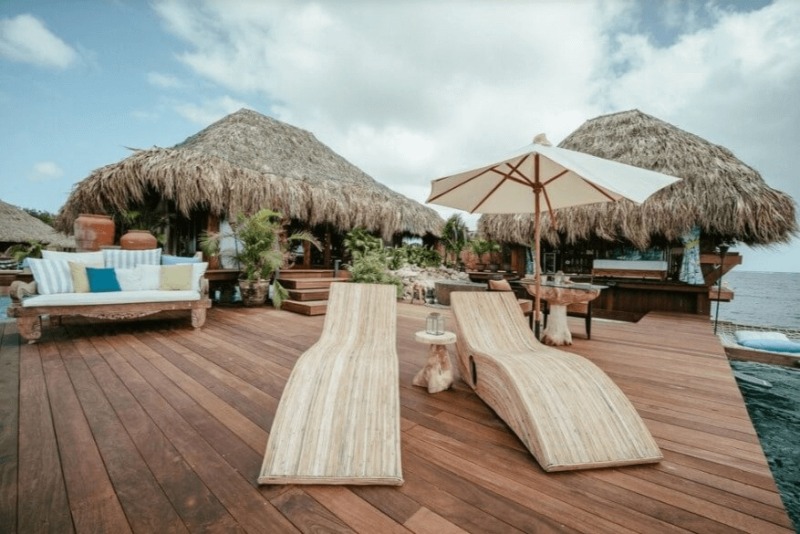
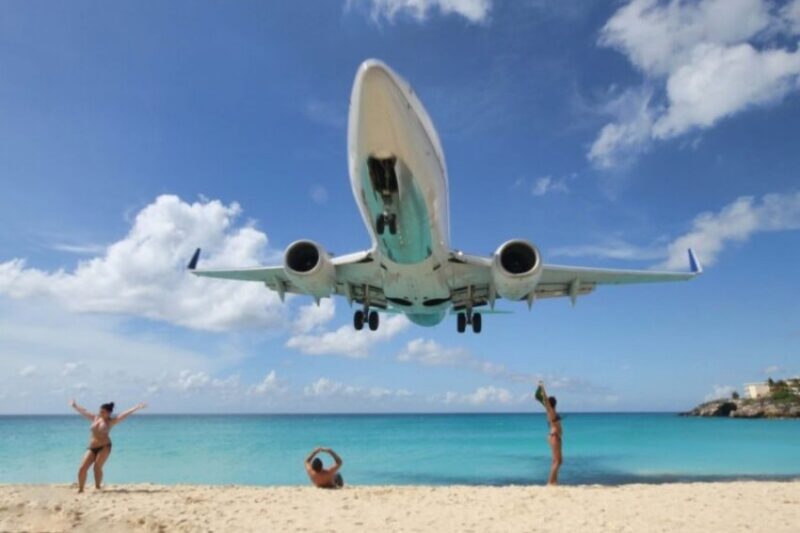
North America offers travelers a staggering variety of experiences across its vast territory, from the arctic wilderness of Alaska and Canada to the tropical beaches of Mexico and the Caribbean. In the United States, explore iconic cities like New York, Los Angeles, and Chicago, each with distinct cultural identities, or venture into the spectacular natural wonders of the Grand Canyon, Yellowstone, and the Rocky Mountains. Canada dazzles with its pristine lakes, dense forests, and multicultural urban centers like Toronto, Vancouver, and Montreal. Mexico entices visitors with its vibrant blend of pre-Columbian heritage, colonial architecture, and world-class coastal resorts. Throughout the continent, immerse yourself in diverse cultural experiences, whether attending a Broadway show, hiking through ancient Native American sites, sampling regional cuisines from Texas barbecue to Quebec poutine, or exploring the rich musical traditions from jazz and blues to mariachi and indigenous rhythms.
The destination guide
North America
Browse all 21 destinations in North America
Travel guides for North America
More guides featuring North America (23)
At a glance
- English
- Spanish
- French
- Indigenous languages
- Diverse continent
- Mountain ranges
- Coastal beaches
- Great Plains
- Urban centers
How North America scores
Editorial scores on a 10-point scale, weighed against destinations of the same kind.
Travel safety snapshot
SafePlace indicators use their source 100-point scale; higher is more favourable. Planning context, not a live travel advisory — check official government guidance before you go.
When to go
Best months to visit: April, May, June, July, August, September and October.
- January: -18.7 to -11 degrees Celsius, 26 millimetres of rain, best-time score 2 out of 5.
- February: -20.6 to -10.9 degrees Celsius, 16.2 millimetres of rain, best-time score 2 out of 5.
- March: -13.2 to -2.6 degrees Celsius, 32.8 millimetres of rain, best-time score 3 out of 5.
- April: -5 to 6.3 degrees Celsius, 29.6 millimetres of rain, best-time score 4 out of 5.
- May: 3.7 to 16.1 degrees Celsius, 40.2 millimetres of rain, best-time score 5 out of 5.
- June: 9.4 to 20 degrees Celsius, 78 millimetres of rain, best-time score 5 out of 5.
- July: 12.8 to 23.1 degrees Celsius, 86.3 millimetres of rain, best-time score 5 out of 5.
- August: 12.1 to 21.8 degrees Celsius, 75.2 millimetres of rain, best-time score 5 out of 5.
- September: 7.6 to 16.6 degrees Celsius, 47.4 millimetres of rain, best-time score 5 out of 5.
- October: -0.2 to 6.6 degrees Celsius, 42.6 millimetres of rain, best-time score 4 out of 5.
- November: -9.3 to -3.1 degrees Celsius, 32.9 millimetres of rain, best-time score 2 out of 5.
- December: -18.5 to -10.8 degrees Celsius, 22.3 millimetres of rain, best-time score 3 out of 5.
Month-by-month conditions and packing advice
- January
- Very cold, mostly dry Cold winter weather, few tourists. Crowds: January in North America is best for winter-ready travelers; outdoor plans need warm gear, shorter daylight expectations, and weather-aware transport planning. Pack: Pack insulated layers, warm footwear, gloves, and a serious winter coat.
- February
- Very cold, mostly dry Chilly and quiet, good for museums. Crowds: February in North America is best for winter-ready travelers; outdoor plans need warm gear, shorter daylight expectations, and weather-aware transport planning. Pack: Pack insulated layers, warm footwear, gloves, and a serious winter coat.
- March
- Very cold, occasional rain Beginning to warm up, spring blossoms. Crowds: March in North America is best for winter-ready travelers; outdoor plans need warm gear, shorter daylight expectations, and weather-aware transport planning. Pack: Pack insulated layers, warm footwear, gloves, and a serious winter coat.
- April
- Cold, mostly dry Pleasant spring weather, great for walking. Crowds: April in North America is workable with normal seasonal planning; build in layers, weather checks, and a mix of indoor and outdoor activities. Pack: Pack warm layers, a coat, and comfortable shoes for cold mornings and evenings.
- May
- Cool to mild, occasional rain Excellent weather before the summer crowds. Crowds: May in North America is workable with normal seasonal planning; build in layers, weather checks, and a mix of indoor and outdoor activities. Pack: Pack layered clothing and comfortable walking shoes.
- June
- Cool to mild, some rain Warm, sunny, and lively. Crowds: June in North America is workable with normal seasonal planning; build in layers, weather checks, and a mix of indoor and outdoor activities. Pack: Pack layered clothing and comfortable walking shoes. Add a rain jacket or compact umbrella.
- July
- Mild to warm, some rain Peak summer heat and peak tourist season. Crowds: July in North America is workable with normal seasonal planning; build in layers, weather checks, and a mix of indoor and outdoor activities. Pack: Pack layered clothing and comfortable walking shoes. Add a rain jacket or compact umbrella.
- August
- Mild to warm, some rain Very warm, many festivals and outdoor dining. Crowds: August in North America is workable with normal seasonal planning; build in layers, weather checks, and a mix of indoor and outdoor activities. Pack: Pack layered clothing and comfortable walking shoes. Add a rain jacket or compact umbrella.
- September
- Cool to mild, occasional rain Perfect shoulder season with great weather. Crowds: September in North America is workable with normal seasonal planning; build in layers, weather checks, and a mix of indoor and outdoor activities. Pack: Pack layered clothing and comfortable walking shoes.
- October
- Cold, occasional rain Crisp autumn air and beautiful colors. Crowds: October in North America is workable with normal seasonal planning; build in layers, weather checks, and a mix of indoor and outdoor activities. Pack: Pack warm layers, a coat, and comfortable shoes for cold mornings and evenings.
- November
- Very cold, occasional rain Cooling down rapidly, often rainy. Crowds: November in North America is best for winter-ready travelers; outdoor plans need warm gear, shorter daylight expectations, and weather-aware transport planning. Pack: Pack insulated layers, warm footwear, gloves, and a serious winter coat.
- December
- Very cold, mostly dry Cold but festive holiday atmosphere. Crowds: December in North America is best for winter-ready travelers; outdoor plans need warm gear, shorter daylight expectations, and weather-aware transport planning. Pack: Pack insulated layers, warm footwear, gloves, and a serious winter coat.
Know before you go
Neighbourhoods
USA, Canada, Mexico
Best time to visit
Varies by region — spring and fall offer pleasant conditions across most of the continent.
Season by season
North America is vast with every climate zone.
Summer (June-Aug):
• Best for: Canada, National Parks, Beaches
• Highlights: Hiking Banff, California Coast
Fall (Sept-Oct):
• Best for: New England Foliage, Desert Southwest
• Highlights: Cooler temps, harvest festivals
Winter (Dec-March):
• Best for: Skiing (Rockies), Caribbean sun, Mexican beaches
• Highlights: Northern Lights (Canada), Colorado skiing
Spring (April-May):
• Best for: Washington DC Cherry Blossoms, Southern USA
• Highlights: Wildlife waking up, waterfalls
Crowds
North America (continent) has highly variable crowds: peak travel across major destinations in summer (June–August) and around December holidays; quietest in late January–February and shoulder months regionally, with urban hotspots very crowded in peak seasons and many natural areas quieter off-peak.
Getting there and around
Getting there
North America is accessible via major international airports across the continent. Top gateways include New York JFK, Los Angeles LAX, Chicago O’Hare, Toronto Pearson, and Mexico City Benito Juárez. Transatlantic and transpacific flights connect Europe and Asia to dozens of US, Canadian, and Mexican cities. Cruise ships dock at ports on both coasts and in the Caribbean. Land crossings connect the US with Canada and Mexico at numerous border points.
Getting around
Transportation varies enormously across the continent. The United States and Canada are car-centric — renting a vehicle is the most flexible option for exploring beyond major cities. Amtrak and VIA Rail offer scenic train routes. Budget airlines (Spirit, Frontier, Flair) connect cities affordably. Mexican bus networks (ADO, ETN) are extensive and comfortable. Major cities have metro systems: New York, Chicago, Toronto, Montreal, and Mexico City. Ride-sharing apps (Uber, Lyft) operate across urban centers.
Top experiences in North America
Grand Canyon National Park (USA)
The Grand Canyon in Arizona is one of the Seven Natural Wonders of the World. Carved by the Colorado River, its immense scale (277 miles long, up to 18 miles wide, and a mile deep) is humbling. The play of light on the layered red rocks changes every hour. Hiking the rim or descending into the canyon reveals millions of years of geological history.
Banff National Park (Canada)
Banff is Canada’s oldest national park and a UNESCO World Heritage site. It is a landscape of turquoise glacial lakes (like Lake Louise and Moraine Lake), jagged peaks, and abundant wildlife including bears, elk, and moose. The Icefields Parkway driving route is often cited as one of the most spectacular drives in the world.
Chichen Itza (Mexico)
Chichen Itza remains the most iconic Mayan archaeological site in the Yucatan. The massive El Castillo pyramid (Temple of Kukulcan) demonstrates the advanced astronomical knowledge of the Maya—during equinoxes, a shadow serpent descends the steps. The site also features the Great Ball Court and the Sacred Cenote, echoing a powerful and complex ancient civilization.
New York City & Statue of Liberty (USA)
New York City is the cultural and financial capital of the continent. From the neon canyon of Times Square to the leafy paths of Central Park, it is a city of limitless energy. The Statue of Liberty in the harbor stands as the enduring global symbol of freedom and the immigrant experience that shaped the continent’s history.
Niagara Falls (USA/Canada)
Niagara Falls, straddling the US-Canada border, is famous for the sheer volume of water thundering over the Horseshoe Falls. Visitors can experience the spray aboard the Maid of the Mist boat or walk behind the falls. It is a site of raw natural power that has attracted honeymooners and daredevils for nearly two centuries.
Editor-curated picks carried over from our original guide. Where a full place guide exists, the card links to it.
Worth booking ahead in North America
Hand-picked from the operators our guides already send readers to. Prices and availability are live on the partner site.
BrowseViator
Tours and tickets in North America on Viator (opens Viator in a new tab)
Viator's full list of bookable tours and tickets in North America.
BrowseGetYourGuide
Experiences in North America on GetYourGuide (opens GetYourGuide in a new tab)
Everything GetYourGuide sells in North America, with the cancellation terms on each listing.
Where to stayBooking.com
Stays in North America (opens Booking.com in a new tab)
Live rates and availability for North America on Booking.com; filter by neighbourhood once you know where your days start.
We earn a commission if you book through these links, at no extra cost to you. It is how we keep the guides free and independent.
Where to stay
Fairmont Banff Springs (Canada)
405 Spray Ave, Banff, AB T1L 1J4, Canada
Known as the ‘Castle in the Rockies,’ the Fairmont Banff Springs in Alberta has been a symbol of Canadian grandeur since 1888. Nestled in Banff National Park, surrounded by pine forests and soaring peaks, it offers world-class skiing, a mineral spa, and baronial halls. Proceeding through its stone corridors feels like stepping into a Scottish legend.
Amangiri (USA)
1 Kayenta Rd, Canyon Point, UT 84741, USA
Hidden in the canyons of the Utah desert, Amangiri is a remote sanctuary of luxury that blends seamlessly into the red rock landscape. The architecture is minimalist concrete, framing the dramatic geology. The resort centers around a spectacular pool wrapping around a massive rock escarpment. It is a favorite of celebrities seeking absolute privacy and connection with the stark desert beauty.
Rosewood Mayakoba (Mexico)
Ctra. Federal Cancún-Playa del Carmen Km 298, 77710 Playa del Carmen, Q.R., Mexico
Rosewood Mayakoba in Riviera Maya is a masterclass in integrating luxury with a delicate ecosystem. Suites are situated along emerald lagoons or white sand beaches. Guests travel by electric boat to their rooms. The resort is renowned for its Sense Spa (on a jungle island), exceptional Mexican cuisine, and commitment to preserving the surrounding mangroves.
Editor-curated stays carried over from our original guide. Where we have reviewed the hotel, the card links to the review.
Tips from the field
Highlights
- Grand Canyon – Natural wonder
- NYC – The big city
- Canadian Rockies – Alpine beauty
- Caribbean Beaches – Tropical escape
- Mexico City – Cultural giant
- Yellowstone – Geysers and bison
- Disney World – Entertainment capital
- Las Vegas – Neon desert playground
- Quebec City – European charm in America
Best activities
- North America offers everything from Arctic tundra to tropical rainforests. Road tripping is the quintessential experience—drive Route 66 or the Pacific Coast Highway. Explore the National Parks system (America's 'best idea'). Ski the powder in Whistler or Vail. Dive the cenotes in Mexico. Experience the jazz history of New Orleans or the French culture of Quebec. It is a continent of immense diversity and open roads.
Local experiences
- Drive a section of the iconic Route 66 through the American Southwest. Attend a Major League Baseball game in a classic ballpark like Wrigley Field or Fenway Park. Explore the food markets of Mexico City — from street tacos in Coyoacán to the Mercado de San Juan. Paddle a canoe in Canada's Algonquin Provincial Park surrounded by boreal forest. Experience live jazz on Frenchmen Street in New Orleans. Hike to the floor of the Grand Canyon or along the Inca-like trails of Copper Canyon in Mexico's Sierra Madre.
Practical tips
- North America spans six time zones and extreme climate ranges — pack according to your specific destination. The US and Canada use 110V electrical outlets with Type A/B plugs. Tipping is expected in the US and Canada (18–20% at restaurants, $1–2 per drink). Mexico uses the peso
- USD is widely accepted in border and tourist areas but at unfavorable rates. Cell coverage is excellent in urban areas but drops off in national parks and remote areas. Travel insurance is strongly recommended for the US due to high medical costs.
Photography tips
- Iconic continent shots:
- Horseshoe Bend (USA) – Colorado River curve.
- Moraine Lake (Canada) – Turquoise water and Ten Peaks.
- Tulum Ruins (Mexico) – Mayans by the sea.
- Manhattan Skyline at sunset.
- The Golden Gate Bridge in fog.
Timing
- Peak Season (Summer & Holidays):
- National Parks are crowded
- Book established campsites 6 months ahead
- Shoulder Season (Spring/Fall):
- Generally the best balance for touring
- Low Season (Winter):
- Great for cities (museums) and deserts
Keeping it authentic
- Authenticity varies wildly. It's found in the blues bars of Chicago, the Pueblos of New Mexico, the fishing villages of Nova Scotia, and the street food markets of Mexico City. Indigenous cultures (First Nations, Native Americans) are the original soul of the continent, and visiting their heritage centers offers a crucial perspective often missed.
Culture, customs and safety
Cultural heritage
Long before European contact, North America’s indigenous civilizations engineered monumental urban centres, from the 1,000-year-old cliff dwellings of Mesa Verde and the vast earthen mounds of Cahokia to the pyramid-lined avenues of Teotihuacan and the astronomically aligned temples of Chichén Itzá, each now safeguarded by UNESCO for their testimony to sophisticated pre-Columbian society. Colonial encounters added new cultural layers, preserved today in Québec City’s fortified Upper and Lower towns, the 18th-century Franciscan San Antonio Missions, and New Orleans’ French-Creole Vieux Carré, where European forms merged with Indigenous and African craftsmanship to shape a distinctive Atlantic-world architecture. Living heritage continues to animate communities through Mexico’s Día de los Muertos festivities, Greenland and Canadian Inuit drum-dance and throat-singing traditions, and continent-wide powwows such as the Gathering of Nations, all vibrant rituals that transmit history, spirituality, and identity across generations. Modern ingenuity is likewise celebrated: the eight-site serial inscription “The 20th-Century Architecture of Frank Lloyd Wright”—from Fallingwater to the Guggenheim—embodies an organic design philosophy that revolutionised global architecture and earned UNESCO recognition in 2019. Altogether, more than seventy cultural World Heritage properties—Mexico alone hosts 35, while the United States and Canada add dozens more—alongside countless intangible practices reveal a continent whose heritage is a palimpsest of Indigenous resilience, colonial exchange, and avant-garde experimentation that continues to shape North America’s cultural landscape.
Local customs & etiquette
Customs differ significantly between countries and regions. Americans and Canadians are generally informal and friendly. Greetings involve a handshake or casual wave. In Mexico, greetings tend to be warmer — expect a handshake and sometimes an embrace among acquaintances. Tipping culture is strong in the US (15–20% at restaurants); in Mexico, 10–15% is standard. Canadians are known for politeness and queuing etiquette. In Quebec, a basic ‘bonjour’ goes a long way. Spanish is essential in many parts of Mexico outside tourist zones.
Safety notes
Safety conditions vary widely across North America. The US and Canada are generally very safe for tourists in major cities and national parks. Standard precautions apply: be aware of surroundings in unfamiliar urban neighborhoods and secure valuables. Mexico requires more research by region — popular tourist areas (Cancún, Mexico City’s central neighborhoods, San Miguel de Allende) are well-policed, but some states carry travel advisories. Check government travel advisories for specific regions before visiting. Natural hazards include hurricanes (Gulf and Atlantic coasts, June–November), tornadoes (central US, spring), wildfires (western US/Canada, summer), and extreme winter weather.