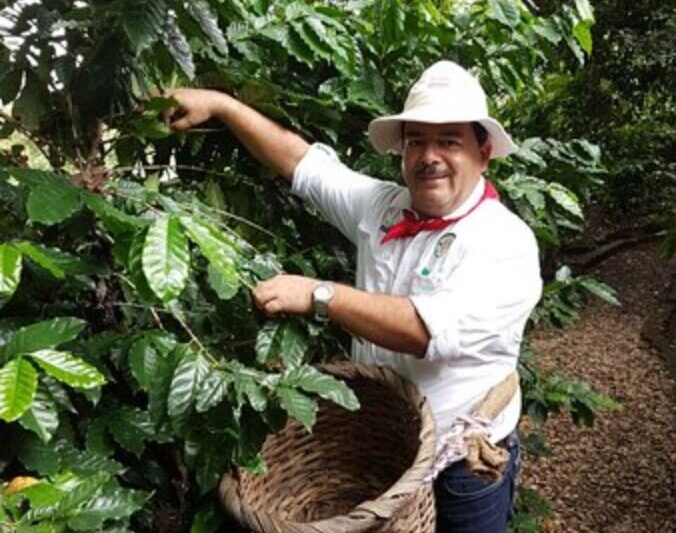
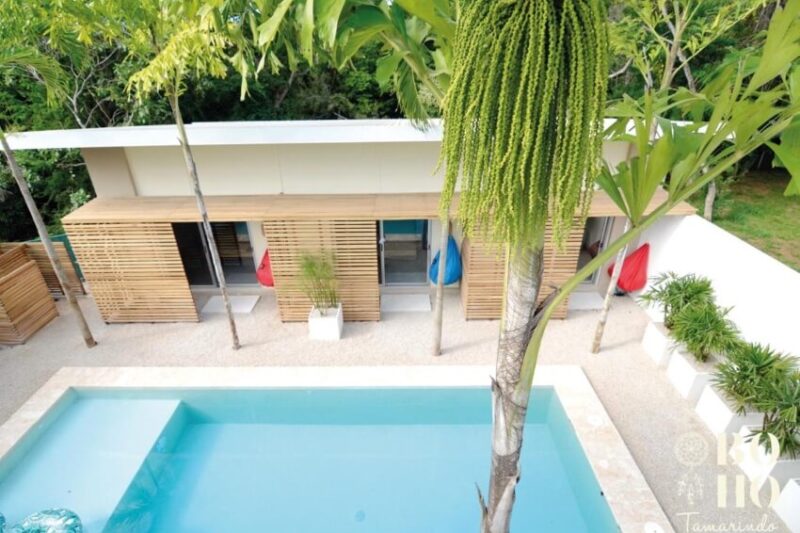
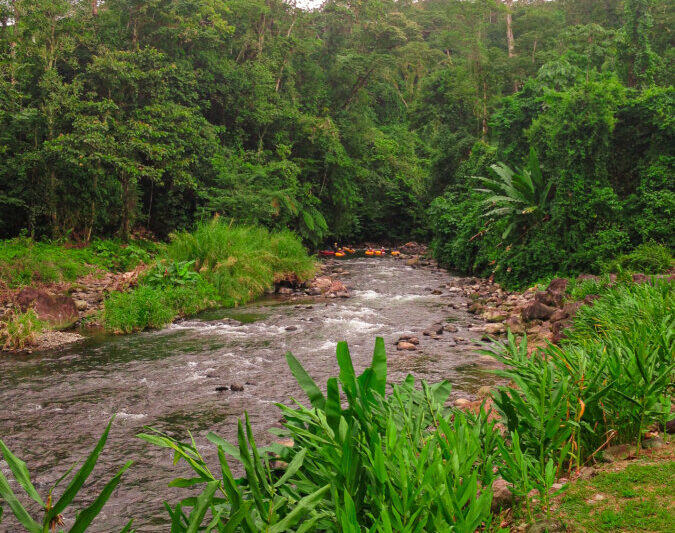
Costa Rica is a Central American country known for its incredible biodiversity, with over 5% of the world’s species found within its borders. Located between Nicaragua and Panama, it features diverse landscapes including pristine beaches along both the Pacific and Caribbean coasts, lush rainforests, cloud forests, active volcanoes, and mountainous terrain. The country is a global leader in sustainability and eco-tourism, with more than 25% of its land protected in national parks and reserves. Costa Rica embodies the “pura vida” lifestyle, reflecting the locals’ relaxed approach to life and appreciation for natural beauty. Visitors can enjoy adventure activities like zip-lining and white-water rafting, wildlife viewing in numerous national parks, and relaxing on beautiful tropical beaches.
The destination guide
Costa Rica

Country in North AmericaUpdated
- Overall8/10
- Best forAdventure seekers
- PeakDec–Mar
- CurrencyCRC
Over 25% of Costa Rica is protected land — and you feel it the moment you step into Monteverde or Manuel Antonio.
Browse all 12 destinations in Costa Rica
Travel guides for Costa Rica
Itineraries & day trips (3)
Things to do (10)
Where to stay (4)
Food & drink (1)
Travel tips & costs (3)
Destination stories (7)
More guides featuring Costa Rica (22)
At a glance
- Spanish
- Tropical rainforests
- Pacific and Caribbean coasts
- Volcanic mountains
- Cloud forests
How Costa Rica scores
Editorial scores on a 10-point scale, weighed against destinations of the same kind.
Travel safety snapshot
SafePlace indicators use their source 100-point scale; higher is more favourable. Planning context, not a live travel advisory — check official government guidance before you go.
When to go
Best months to visit: January, February, March, April, May, June, July, November and December.
- January: 16.8 to 21.8 degrees Celsius, 439.4 millimetres of rain, best-time score 5 out of 5.
- February: 16.6 to 22.2 degrees Celsius, 234.9 millimetres of rain, best-time score 5 out of 5.
- March: 17 to 23.1 degrees Celsius, 174.3 millimetres of rain, best-time score 5 out of 5.
- April: 17.6 to 23.7 degrees Celsius, 176.2 millimetres of rain, best-time score 5 out of 5.
- May: 18.5 to 24 degrees Celsius, 389.7 millimetres of rain, best-time score 4 out of 5.
- June: 18.4 to 23.3 degrees Celsius, 457.9 millimetres of rain, best-time score 4 out of 5.
- July: 18.2 to 23.1 degrees Celsius, 389.8 millimetres of rain, best-time score 4 out of 5.
- August: 18.2 to 23.6 degrees Celsius, 331.6 millimetres of rain, best-time score 3 out of 5.
- September: 18.2 to 23.9 degrees Celsius, 342.5 millimetres of rain, best-time score 2 out of 5.
- October: 18.1 to 23.3 degrees Celsius, 555.9 millimetres of rain, best-time score 2 out of 5.
- November: 17.8 to 22.4 degrees Celsius, 592.6 millimetres of rain, best-time score 4 out of 5.
- December: 17.2 to 22 degrees Celsius, 539.5 millimetres of rain, best-time score 5 out of 5.
Month-by-month conditions and packing advice
- January
- Mild to warm, rainy January in Costa Rica: dry-season beaches, wildlife, volcanoes, rainforest trails, road trips, and outdoor activities are most reliable. Crowds: January in Costa Rica is one of the wetter periods, so museums, food stops, flexible reservations, and backup indoor plans make the trip easier. Pack: Pack layered clothing and comfortable walking shoes. Add a rain jacket or compact umbrella.
- February
- Mild to warm, rainy February in Costa Rica: dry-season beaches, wildlife, volcanoes, rainforest trails, road trips, and outdoor activities are most reliable. Crowds: February in Costa Rica is one of the wetter periods, so museums, food stops, flexible reservations, and backup indoor plans make the trip easier. Pack: Pack layered clothing and comfortable walking shoes. Add a rain jacket or compact umbrella.
- March
- Mild to warm, rainy March in Costa Rica: dry-season beaches, wildlife, volcanoes, rainforest trails, road trips, and outdoor activities are most reliable. Crowds: March in Costa Rica is one of the wetter periods, so museums, food stops, flexible reservations, and backup indoor plans make the trip easier. Pack: Pack layered clothing and comfortable walking shoes. Add a rain jacket or compact umbrella.
- April
- Mild to warm, rainy April in Costa Rica: dry-season beaches, wildlife, volcanoes, rainforest trails, road trips, and outdoor activities are most reliable. Crowds: April in Costa Rica is one of the wetter periods, so museums, food stops, flexible reservations, and backup indoor plans make the trip easier. Pack: Pack layered clothing and comfortable walking shoes. Add a rain jacket or compact umbrella.
- May
- Mild to warm, rainy May in Costa Rica: green-season timing can be lush and wildlife-rich with rain planned into the day. Crowds: May in Costa Rica is one of the wetter periods, so museums, food stops, flexible reservations, and backup indoor plans make the trip easier. Pack: Pack layered clothing and comfortable walking shoes. Add a rain jacket or compact umbrella.
- June
- Mild to warm, rainy June in Costa Rica: green-season timing can be lush and wildlife-rich with rain planned into the day. Crowds: June in Costa Rica is one of the wetter periods, so museums, food stops, flexible reservations, and backup indoor plans make the trip easier. Pack: Pack layered clothing and comfortable walking shoes. Add a rain jacket or compact umbrella.
- July
- Mild to warm, rainy July in Costa Rica: green-season timing can be lush and wildlife-rich with rain planned into the day. Crowds: July in Costa Rica is one of the wetter periods, so museums, food stops, flexible reservations, and backup indoor plans make the trip easier. Pack: Pack layered clothing and comfortable walking shoes. Add a rain jacket or compact umbrella.
- August
- Mild to warm, rainy August in Costa Rica: heavier rain makes roads, trails, and beach plans more variable. Crowds: August in Costa Rica is one of the wetter periods, so museums, food stops, flexible reservations, and backup indoor plans make the trip easier. Pack: Pack layered clothing and comfortable walking shoes. Add a rain jacket or compact umbrella.
- September
- Mild to warm, rainy September in Costa Rica: peak rainy-season disruption makes broad travel less dependable. Crowds: September in Costa Rica is one of the wetter periods, so museums, food stops, flexible reservations, and backup indoor plans make the trip easier. Pack: Pack layered clothing and comfortable walking shoes. Add a rain jacket or compact umbrella.
- October
- Mild to warm, rainy October in Costa Rica: peak rainy-season disruption makes broad travel less dependable. Crowds: October in Costa Rica is one of the wetter periods, so museums, food stops, flexible reservations, and backup indoor plans make the trip easier. Pack: Pack layered clothing and comfortable walking shoes. Add a rain jacket or compact umbrella.
- November
- Mild to warm, rainy November in Costa Rica: green-season timing can be lush and wildlife-rich with rain planned into the day. Crowds: November in Costa Rica is one of the wetter periods, so museums, food stops, flexible reservations, and backup indoor plans make the trip easier. Pack: Pack layered clothing and comfortable walking shoes. Add a rain jacket or compact umbrella.
- December
- Mild to warm, rainy December in Costa Rica: dry-season beaches, wildlife, volcanoes, rainforest trails, road trips, and outdoor activities are most reliable. Crowds: December in Costa Rica is one of the wetter periods, so museums, food stops, flexible reservations, and backup indoor plans make the trip easier. Pack: Pack layered clothing and comfortable walking shoes. Add a rain jacket or compact umbrella.
- December
- January
- February
- March
- September
- October
- May
- June
Know before you go
Best time to visit
December through April for dry season in most regions. January-April is driest for Pacific coast beaches. Green season (May-November) brings lush landscapes, lower prices, and fewer tourists.
Season by season
Dry Season (Dec-April):
Weather: 25-30°C, sunny
Highlights: Clear skies
Best For: Everything
Green Season (May-Nov):
Weather: Rain (afternoons)
Highlights: Lush, cheap
Best For: Budget/Surfing
Secret Season (Sept-Oct):
Weather: Drier spell
Highlights: Fewer crowds
Best For: Arenal views
Crowds
Costa Rica peaks December–April (dry season, holidays, surf season) with busiest national parks and beaches; quietest May–November (green/rainy season) though wildlife viewing can be good and visitor numbers drop—overall moderately busy in dry season, much quieter in rainy months.
Getting there and around
Getting there
Costa Rica is served by Juan Santamaria International Airport (SJO) near San Jose and Daniel Oduber Quiros International Airport (LIR) in Liberia closer to Guanacaste coast. SJO offers most flight options and cheaper fares. Airlines provide non-stop flights from major U.S., Canadian, and European cities. Entry requires passport valid for duration of stay and proof of onward travel. U.S., Canadian, and EU citizens need no visa for 180-day stays. Yellow fever vaccination certificate required for travelers from certain South American and African countries.
Getting around
Navigate Costa Rica’s deceptive distances via diverse transport—this tiny country spans 15 hours by road from Corcovado to Gandoca Manzanillo, making smart choices crucial. Budget travelers board excellent public buses ($2-20) reaching even remote areas with frequent service, though patience is required for the 3-4.5 hour journeys from San José to Manuel Antonio or Arenal. Save time with Sansa Airlines’ domestic flights ($50-190) turning 5-hour drives into 35-minute hops to tourism hotspots like Tambor, Puerto Jiménez, and Manuel Antonio, though Nature Air sadly closed operations. Rent cars for ultimate flexibility exploring off-beaten paths—mandatory liability insurance and 4×4 recommended for mountains and remote beaches, requiring age 21+ and credit card deposits. Use air-conditioned shuttle buses connecting tourist destinations for 5x the cost of public transport but with hotel pickup/drop-off convenience. Don’t underestimate travel times in this compact nation where 100 miles can mean all-day journeys, making transportation choice critical to your adventure timeline.
Top experiences in Costa Rica
Arenal Volcano
A perfectly conical volcano rising above the rainforest. Hot springs are heated by volcanic activity. Zip-lining, hanging bridges, and kayaking on Lake Arenal. The adventure capital of Costa Rica.
Manuel Antonio National Park
Where the jungle meets the beach. Monkeys, sloths, and toucans in a compact, accessible park. White-sand beaches flanked by rainforest. One of the most biodiverse places on Earth per square meter.
Monteverde Cloud Forest
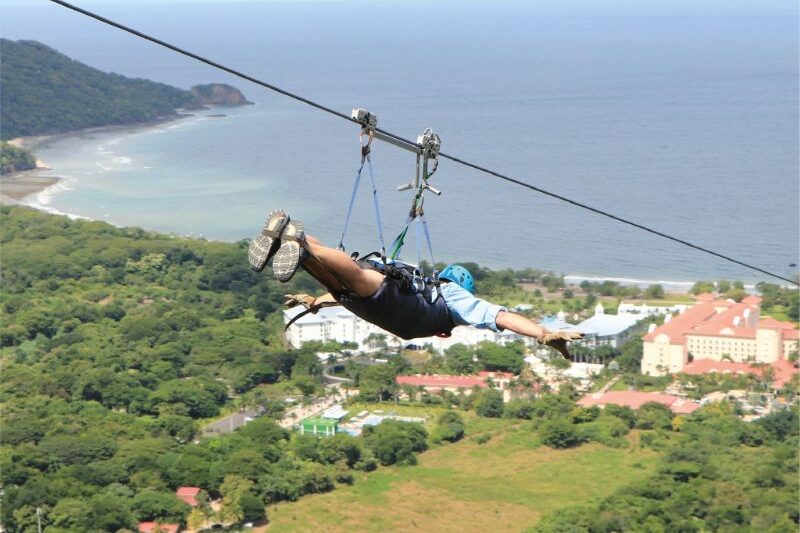
A mystical forest shrouded in clouds. Suspension bridges through the canopy. Over 450 bird species, including the resplendent quetzal (March-April). Zip-lining above the cloud forest is surreal.
La Fortuna Waterfall
A 70m waterfall near La Fortuna reached by descending 500 steps. Swimming is possible in the turquoise pool at the base. The climb back up is the real adventure.
Tortuguero National Park
The ‘Amazon of Costa Rica’. Accessible only by boat or small plane. Canals lined with rainforest. Sea turtles nest on the beaches (July-Oct). Crocodiles, monkeys, and birdlife everywhere.
Editor-curated picks carried over from our original guide. Where a full place guide exists, the card links to it.
Worth booking ahead in Costa Rica
Hand-picked from the operators our guides already send readers to. Prices and availability are live on the partner site.
BrowseViator
Tours and tickets in Costa Rica on Viator (opens Viator in a new tab)
Viator's full list of bookable tours and tickets in Costa Rica.
BrowseGetYourGuide
Experiences in Costa Rica on GetYourGuide (opens GetYourGuide in a new tab)
Everything GetYourGuide sells in Costa Rica, with the cancellation terms on each listing.
Where to stayBooking.com
Stays in Costa Rica (opens Booking.com in a new tab)
Live rates and availability for Costa Rica on Booking.com; filter by neighbourhood once you know where your days start.
We earn a commission if you book through these links, at no extra cost to you. It is how we keep the guides free and independent.
Where to stay
Nayara Springs (Arenal)
La Fortuna de San Carlos, Alajuela, Costa Rica
Adults-only luxury villas hidden in the rainforest near Arenal Volcano. Each villa has a private hot spring pool. Butler service. It defines ‘jungle luxury’. Consistently rated one of the best hotels in Central America.
Hotel La Mariposa (Manuel Antonio)
Manuel Antonio, Puntarenas, Costa Rica
Perched on the coastal heights above Manuel Antonio National Park. Spectacular panoramic views of the Pacific Ocean and the park’s peninsula. The sunsets from the pool are some of the best in the country.
Hotel Belmar (Monteverde)
Monteverde, Puntarenas, Costa Rica
A family-owned eco-boutique hotel in Monteverde with stunning cloud forest views. Farm-to-table restaurant. On-site trails through a private reserve. Authentic sustainability.
Editor-curated stays carried over from our original guide. Where we have reviewed the hotel, the card links to the review.
Tips from the field
Highlights
- Volcano – Arenal
- Wildlife – Sloths/Monkeys
- Cloud Forest – Monteverde
- Beach – Manuel Antonio
- Waterfall – La Fortuna
- Adventure – Zip-Line
- Philosophy – Pura Vida
- Conservation – 30% Protected
Best activities
- Soak in Arenal hot springs. Hike Manuel Antonio. Walk the Monteverde suspension bridges. Descend to La Fortuna Waterfall. Zip-line above the cloud forest. White-water raft the Pacuare River. Watch sea turtles nest in Tortuguero.
Practical tips
- Currency: Costa Rican Colón (CRC); USD widely accepted.
- Getting There: Juan Santamaría Airport (SJO) or Daniel Oduber Airport (LIR, Guanacaste).
- Transportation: Rental car is ideal. Tica Bus, public buses between major towns. Uber in San José.
- Dining: Casado (typical lunch plate with rice, beans, salad, protein), gallo pinto (breakfast staple), fresh tropical fruit juices. Meals 4,000-10,000 CRC (-18). Sodas (local restaurants) for budget eating.
- Activities: Arenal Volcano, Manuel Antonio National Park, Monteverde Cloud Forest, zip-lining, Poás Volcano, Pacific and Caribbean beaches.
- Tipping: 10% service often included
- Electricity: 120V/60Hz, Type A/B plugs
Photography tips
- Golden Hour: Sunset from Manuel Antonio beach. Arenal Volcano at dawn (rare clear sky).
- Iconic Shots:
- Arenal Volcano with hot springs in foreground.
- A sloth in Manuel Antonio.
- Suspension bridges in Monteverde.
- La Fortuna Waterfall from above.
- A red-eyed tree frog on a leaf.
- Technique: A macro lens is essential for the wildlife (frogs, insects). Bring a rain cover — it will rain. Fast shutter for hummingbirds.
Timing
- Peak Season (Dec-April):
- Dry, expensive, Christmas rush
- Green Season (May-Nov):
- Rain, cheaper, greener
- Secret Season (Sept-Oct):
- Less rain, good deals
Keeping it authentic
- Costa Rica is the pioneer of eco-tourism. 'Pura Vida' (pure life) is not just a slogan — it is a way of living. The country has no army. Over 30% of the land is protected. The wildlife density is staggering for a small country.
Culture, customs and safety
Cultural heritage
Costa Rica distinctive cultural heritage centers on two UNESCO recognitions. The Precolumbian Chiefdom Settlements with Stone Spheres of the Diquis (2014) features mysterious stone spheres created by Boruca Indians between 400-1500 AD, ranging from centimeters to 2 meters diameter with 95% perfect roundness, possibly representing solar systems or celestial observations. The Oxcart (Carreta) Tradition earned UNESCO Masterpiece of Oral and Intangible Heritage status in 2005, one of only two Latin American cultural traditions with this distinction. Elaborately painted oxcarts transported coffee beans from Central Valley highlands to Pacific coast, with Sarchi town famous for iconic folk art designs. Indigenous heritage thrives through six main groups: Bribris, Borucas, Cabecares, Huetares, Malekus, and Chorotegas. The Boruca Juego de los Diablitos (Game of Little Devils) festival occurs December 30-January 2nd, featuring traditional masks representing resilience and nature connection since colonial times. Archaeological circuit includes four stone sphere sites: Grijalba, Batambal, El Silencio, and Farm 6 with museum facilities. Annual Desfile de Boyeros (Oxcart Parade) in San Jose celebrates agricultural history with colorfully painted carts, traditional costumes, and folk music, embodying Costa Rica peaceful agricultural identity.
Local customs & etiquette
The national philosophy of Pura Vida (pure life) influences Costa Rican culture, promoting a relaxed, positive, and easy-going attitude. Costa Ricans, or Ticos, are generally polite and non-confrontational. Addressing people with formal titles like Señor or Señora is a common sign of respect.
Safety notes
Costa Rica is one of the safest countries in Central America.
General Safety:
• San José requires standard urban awareness
• Beach towns (Manuel Antonio, Tamarindo, La Fortuna) are safe
• Petty theft can occur — use hotel safes, don’t leave valuables on the beach
Wildlife:
• Respect wildlife distances (monkeys, sloths, crocodiles, snakes)
• Don’t feed animals
Road Safety:
• Mountain roads are winding and sometimes unpaved
• 4WD recommended for remote areas
Emergency: 911