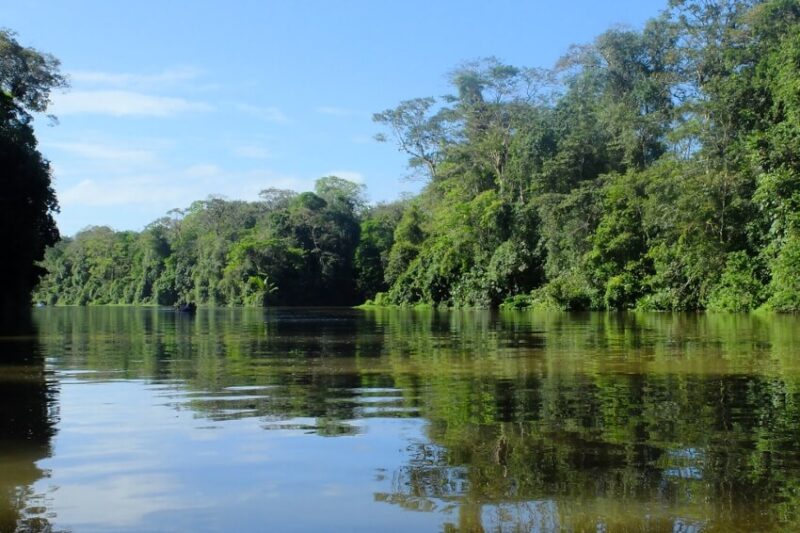
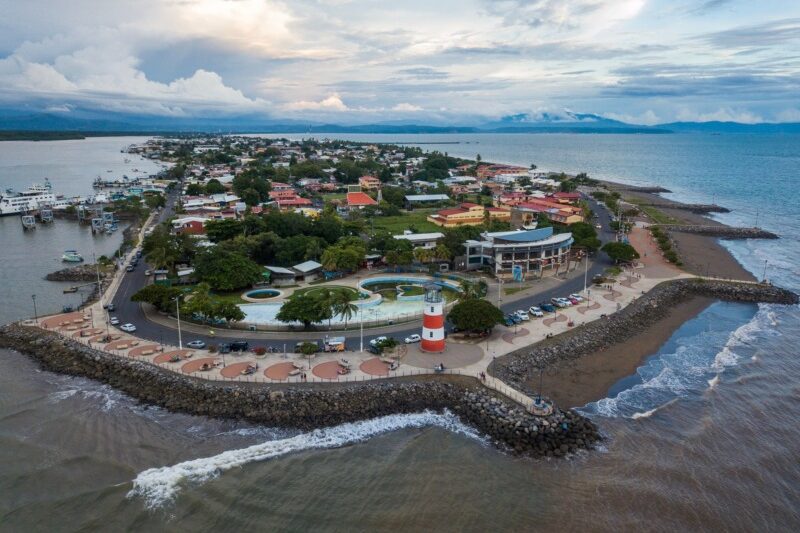
Tortuguero reveals Costa Rica’s Caribbean soul through a remarkable aquatic labyrinth where freshwater canals weave through rainforest to create a wilderness accessible only by boat or light aircraft. This remote village, whose name honors the sea turtles that have nested on its protected beaches for millennia, offers an immersive journey into conservation history where scientific research meets community-based ecotourism along 22 miles of dark-sand coastline. Daily life unfolds on waterways rather than roads, with local guides navigating quiet electric boats through narrow channels where river otters play and caimans sun themselves beneath overhanging jungle canopy. The town’s cultural tapestry blends Afro-Caribbean, indigenous, and Latino influences evident in vibrant building colors, distinctive cuisine featuring coconut-infused dishes, and traditional music that enlivens the village at day’s end. Tortuguero’s deliberate isolation and commitment to turtle protection have preserved an authentic rainforest experience where visitors witness how conservation initiatives have transformed a once turtle-hunting community into a global model for sustainable wildlife tourism.
The destination guide
Tortuguero

Village in Costa Rica, North AmericaUpdated
- Overall8/10
- Best forFamilies, Couples, Adventure seekers
- PeakDec–Mar
- CurrencyCRC
No roads reach Tortuguero. You arrive by boat or small plane — and that isolation is exactly what kept this place worth visiting.
Travel guides for Tortuguero
More guides featuring Tortuguero (5)
At a glance
- Spanish
- Tropical canals
- Rainforest
- Sea turtle nesting beaches
- Coastal wetlands
- Wildlife Conservation
- Jungle Safari
- Eco-Tourism.
How Tortuguero scores
Editorial scores on a 10-point scale, weighed against destinations of the same kind.
Travel safety snapshot
SafePlace indicators use their source 100-point scale; higher is more favourable. Planning context, not a live travel advisory — check official government guidance before you go.
When to go
Best months to visit: February, March, April, June, July, August, September, October and November.
- January: 22.3 to 27 degrees Celsius, 209.3 millimetres of rain, best-time score 3 out of 5.
- February: 22.3 to 27.3 degrees Celsius, 114.7 millimetres of rain, best-time score 4 out of 5.
- March: 22.9 to 28 degrees Celsius, 112.9 millimetres of rain, best-time score 4 out of 5.
- April: 23.5 to 28.5 degrees Celsius, 142.4 millimetres of rain, best-time score 4 out of 5.
- May: 23.9 to 28.9 degrees Celsius, 257.8 millimetres of rain, best-time score 3 out of 5.
- June: 23.7 to 28.6 degrees Celsius, 390.6 millimetres of rain, best-time score 4 out of 5.
- July: 23.5 to 28.1 degrees Celsius, 423.8 millimetres of rain, best-time score 5 out of 5.
- August: 23.5 to 28.7 degrees Celsius, 297.9 millimetres of rain, best-time score 5 out of 5.
- September: 23.7 to 29.1 degrees Celsius, 225.8 millimetres of rain, best-time score 5 out of 5.
- October: 23.4 to 28.7 degrees Celsius, 362.4 millimetres of rain, best-time score 5 out of 5.
- November: 23 to 27.6 degrees Celsius, 452 millimetres of rain, best-time score 4 out of 5.
- December: 22.5 to 27.2 degrees Celsius, 332.6 millimetres of rain, best-time score 3 out of 5.
Month-by-month conditions and packing advice
- January
- Warm to hot, rainy January in Tortuguero: rain and river conditions make plans more variable. Crowds: January in Tortuguero is one of the wetter periods, so museums, food stops, flexible reservations, and backup indoor plans make the trip easier. Pack: Pack light clothing, sun protection, and comfortable walking shoes. Add a rain jacket or compact umbrella.
- February
- Warm to hot, some rain February in Tortuguero: wildlife travel can still work with rain gear and flexible boat schedules. Crowds: February in Tortuguero is workable with normal seasonal planning; build in layers, weather checks, and a mix of indoor and outdoor activities. Pack: Pack light clothing, sun protection, and comfortable walking shoes. Add a rain jacket or compact umbrella.
- March
- Warm to hot, some rain March in Tortuguero: wildlife travel can still work with rain gear and flexible boat schedules. Crowds: March in Tortuguero is workable with normal seasonal planning; build in layers, weather checks, and a mix of indoor and outdoor activities. Pack: Pack light clothing, sun protection, and comfortable walking shoes. Add a rain jacket or compact umbrella.
- April
- Warm to hot, rainy April in Tortuguero: wildlife travel can still work with rain gear and flexible boat schedules. Crowds: April in Tortuguero is one of the wetter periods, so museums, food stops, flexible reservations, and backup indoor plans make the trip easier. Pack: Pack light clothing, sun protection, and comfortable walking shoes. Add a rain jacket or compact umbrella.
- May
- Warm to hot, rainy May in Tortuguero: rain and river conditions make plans more variable. Crowds: May in Tortuguero is one of the wetter periods, so museums, food stops, flexible reservations, and backup indoor plans make the trip easier. Pack: Pack light clothing, sun protection, and comfortable walking shoes. Add a rain jacket or compact umbrella.
- June
- Warm to hot, rainy June in Tortuguero: wildlife travel can still work with rain gear and flexible boat schedules. Crowds: June in Tortuguero is one of the wetter periods, so museums, food stops, flexible reservations, and backup indoor plans make the trip easier. Pack: Pack light clothing, sun protection, and comfortable walking shoes. Add a rain jacket or compact umbrella.
- July
- Warm to hot, rainy July in Tortuguero: sea turtle nesting, canal wildlife, rainforest boat tours, birds, and village stays are at their most distinctive. Crowds: July in Tortuguero is one of the wetter periods, so museums, food stops, flexible reservations, and backup indoor plans make the trip easier. Pack: Pack light clothing, sun protection, and comfortable walking shoes. Add a rain jacket or compact umbrella.
- August
- Warm to hot, rainy August in Tortuguero: sea turtle nesting, canal wildlife, rainforest boat tours, birds, and village stays are at their most distinctive. Crowds: August in Tortuguero is one of the wetter periods, so museums, food stops, flexible reservations, and backup indoor plans make the trip easier. Pack: Pack light clothing, sun protection, and comfortable walking shoes. Add a rain jacket or compact umbrella.
- September
- Warm to hot, rainy September in Tortuguero: sea turtle nesting, canal wildlife, rainforest boat tours, birds, and village stays are at their most distinctive. Crowds: September in Tortuguero is one of the wetter periods, so museums, food stops, flexible reservations, and backup indoor plans make the trip easier. Pack: Pack light clothing, sun protection, and comfortable walking shoes. Add a rain jacket or compact umbrella.
- October
- Warm to hot, rainy October in Tortuguero: sea turtle nesting, canal wildlife, rainforest boat tours, birds, and village stays are at their most distinctive. Crowds: October in Tortuguero is one of the wetter periods, so museums, food stops, flexible reservations, and backup indoor plans make the trip easier. Pack: Pack light clothing, sun protection, and comfortable walking shoes. Add a rain jacket or compact umbrella.
- November
- Warm to hot, rainy November in Tortuguero: wildlife travel can still work with rain gear and flexible boat schedules. Crowds: November in Tortuguero is one of the wetter periods, so museums, food stops, flexible reservations, and backup indoor plans make the trip easier. Pack: Pack light clothing, sun protection, and comfortable walking shoes. Add a rain jacket or compact umbrella.
- December
- Warm to hot, rainy December in Tortuguero: rain and river conditions make plans more variable. Crowds: December in Tortuguero is one of the wetter periods, so museums, food stops, flexible reservations, and backup indoor plans make the trip easier. Pack: Pack light clothing, sun protection, and comfortable walking shoes. Add a rain jacket or compact umbrella.
- December
- January
- February
- March
- September
- October
- May
- June
Know before you go
Best time to visit
July to October
Season by season
The climate is hot, humid, and rainy year-round. July to October is peak season for green turtle nesting; February to April is the relatively ‘drier’ season with good wildlife viewing.
Crowds
Moderate
Getting there and around
Getting there
Boat from La Pavona/Moin or fly to TTQ.
Top experiences in Tortuguero
Tortuguero National Park
Wildlife
Tortuguero Village
Museum
Sea Turtle Conservancy Museum
Hiking
Turtle Walks
Wildlife
Editor-curated picks carried over from our original guide. Where a full place guide exists, the card links to it.
Worth booking ahead in Tortuguero
Hand-picked from the operators our guides already send readers to. Prices and availability are live on the partner site.
BrowseViator
Tours and tickets in Tortuguero on Viator (opens Viator in a new tab)
Viator's full list of bookable tours and tickets in Tortuguero.
BrowseGetYourGuide
Experiences in Tortuguero on GetYourGuide (opens GetYourGuide in a new tab)
Everything GetYourGuide sells in Tortuguero, with the cancellation terms on each listing.
Where to stayBooking.com
Stays in Tortuguero (opens Booking.com in a new tab)
Live rates and availability for Tortuguero on Booking.com; filter by neighbourhood once you know where your days start.
We earn a commission if you book through these links, at no extra cost to you. It is how we keep the guides free and independent.
Where to stay
Tortuga Lodge & Gardens
Tortuguero, Limón Province, Costa Rica
Lodge – Luxury
Manatus Hotel
Tortuguero National Park, Costa Rica
Lodge – Mid-Range
Mawamba Lodge
Barra del Colorado, Limón Province, Costa Rica
Resort – Mid-Range
Editor-curated stays carried over from our original guide. Where we have reviewed the hotel, the card links to the review.
Tips from the field
Highlights
- The awe-inspiring experience of watching massive green sea turtles lay their eggs under the moonlight, and the diverse wildlife of the canal ecosystem.
Best activities
- Taking early morning canoe tours through the misty canals to spot wildlife, and participating in guided night tours to watch sea turtles nest on the beach.
Local experiences
- Navigate the smaller, non-motorized canals in a canoe to hear the sounds of the jungle without engine noise, and try Afro-Caribbean cuisine in the village.
Practical tips
- There are no roads
- you must arrange boat transfers, usually from La Pavona or Moín. Bring plenty of insect repellent, lightweight rain gear, and a waterproof bag for electronics.
Photography tips
- High humidity will fog camera lenses
- allow gear to acclimate. Flash photography is strictly forbidden during night turtle tours to protect the animals.
Timing
- 2-3 nights is typically sufficient to explore the canals and take a turtle nesting tour.
Keeping it authentic
- Accessible only by boat or small plane, Tortuguero is often dubbed the 'Amazon of Costa Rica' for its vast network of navigable jungle canals and Afro-Caribbean culture.
Culture, customs and safety
Cultural heritage
Tortuguero preserves Caribbean coastal culture and sea turtle conservation heritage within Costa Rica remote northern wetlands. The village maintains Afro-Caribbean traditions through calypso music, coconut-based cuisine, and colorful wooden houses on stilts. Indigenous Bribri influences persist in traditional medicine and sustainable fishing practices. The community pioneered eco-tourism through turtle conservation programs transforming former hunters into guides. Canal transportation and isolation created unique cultural identity blending Caribbean, indigenous, and conservation values in harmony with surrounding rainforest.
Safety notes
The village is very safe. The main dangers are natural: swimming in the ocean is strictly prohibited due to strong rip currents, sharks, and crocodiles. Never walk the beaches at night alone.