Chefchaouen
Chefchaouen moves slower than the rest of Morocco — the blue walls, the mountain air, the goat cheese. That pace is the whole point.
Fall travel guides covering destinations at their seasonal best — foliage peaks, shoulder-season pricing, harvest festivals, and post-summer crowds without sacrificing weather.

Chefchaouen moves slower than the rest of Morocco — the blue walls, the mountain air, the goat cheese. That pace is the whole point.


The Bund looks better from Pudong at night — but the real Shanghai is the French Concession’s plane-tree alleys at noon.

Tokyo and Kyoto pull in opposite directions — neon and noise vs. stone gardens and silence. You need both, and two weeks still feels short.

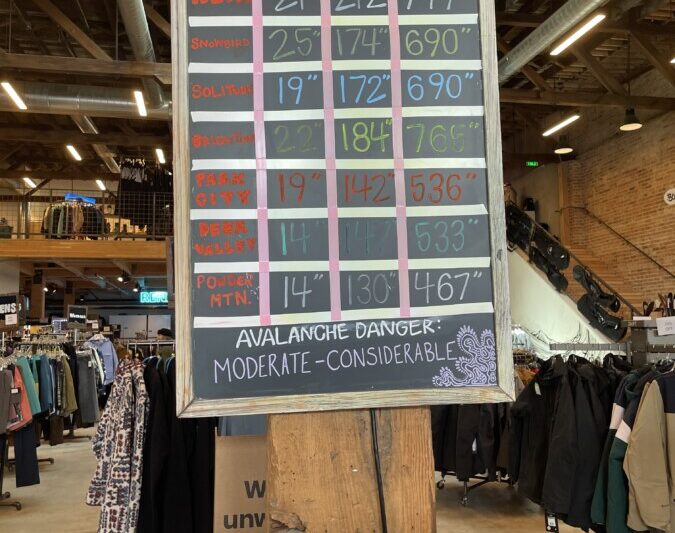
Salt Lake City sits at 4,300 feet with the Wasatch Range as its backyard — the Temple Square crowd is just a fraction of what this city offers.

San Diego’s best move is skipping the obvious and eating your way through Barrio Logan on a Tuesday afternoon.

Saint-Tropez works better in May or October. July crowds and EUR30 rosé make the real town almost impossible to find.

Savannah’s 22 squares aren’t decorative — they’re the city’s living rooms. Sit in one long enough and the whole place makes sense.


The River Walk gets crowded by noon — walk it at 7am instead. The missions south of the Alamo are quieter and frankly more impressive.


Sirmione sits on a narrow peninsula jutting into Lake Garda — the Roman ruins and medieval castle alone justify the detour from Verona.

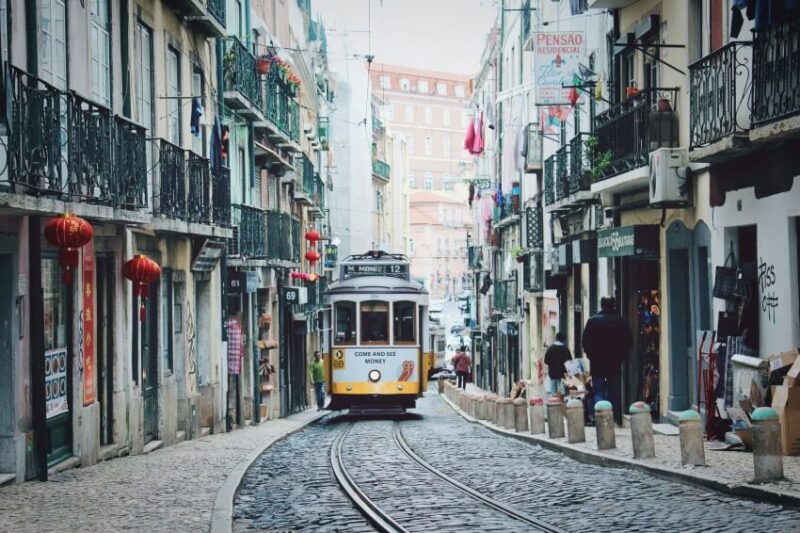
Porto’s azulejo tiles and the Algarve’s cliffs are just the start — Portugal rewards the traveler who lingers past the obvious.


Santiago sits at 520m with the Andes as a permanent backdrop. The Lastarria neighborhood alone earns the flight from anywhere.

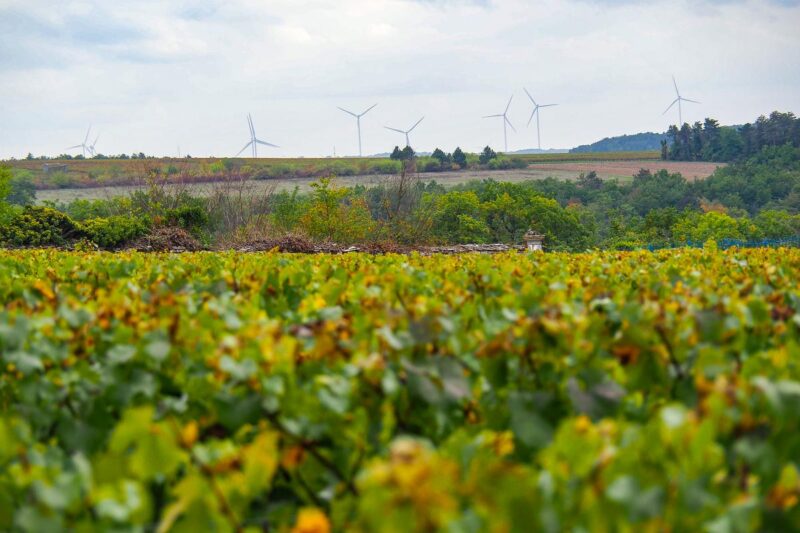
Burgundy’s wine route costs nothing to drive and the villages along it — Pommard, Meursault, Gevrey — are reason enough to slow down.

New Mexico runs deeper than most people expect — red chile, ancient Pueblo ruins, and desert skies that make every other state feel overlit.