Salt Lake City, known for its stunning mountain backdrop and vibrant culture, is the capital of Utah and a central hub for outdoor recreation. The city is famous for its historical significance to the Mormon Church, with the iconic Salt Lake Temple located in the heart of downtown. Visitors can enjoy a mix of urban amenities and natural beauty, making it a unique destination for all types of travelers.
The destination guide
Salt Lake City
City in United States, North AmericaUpdated
- Overall8/10
- Best forFamilies, Adventure seekers
- PeakJan–Apr
- CurrencyUSD
Salt Lake City sits at 4,300 feet with the Wasatch Range as its backyard — the Temple Square crowd is just a fraction of what this city offers.
Travel guides for Salt Lake City
Itineraries & day trips (1)
Things to do (1)
Where to stay (1)
More guides featuring Salt Lake City (12)
At a glance
Currency$ USDCode: USD
Time zoneMountain Standard Time
Languages
- English
Setting
- Urban cityscape
- Mountain valley
- Great Salt Lake
- Desert landscapes
Population200K199,729 residents
VisaDuration: Up to 90 days for international visa-exempt visitors under the US Visa Waiver Program (ESTA). · Documents: Valid passport and approved ESTA for foreign travelers. For domestic US air travel, a REAL ID-compliant state driver's license or valid passport is required at TSA screening checkpoints.
How Salt Lake City scores
8/10OverallExcellent
Weather6/10
Value for money7/10
Safety7/10
Food & cuisine7/10
Culture & arts6/10
Cultural experience7/10
History5/10
Nature & outdoors10/10
Adventure10/10
Nightlife6/10
Shopping6/10
Family friendly9/10
Romance7/10
Editorial scores on a 10-point scale, weighed against destinations of the same kind.
Travel safety snapshot
Overall88/100High rating
Women travellers87/100
LGBTQ+ travellers75/100
Theft86/100
Medical care90/100
Physical harm90/100
Political freedom85/100
SafePlace indicators use their source 100-point scale; higher is more favourable. Planning context, not a live travel advisory — check official government guidance before you go.
When to go
Best months to visit: January, February, March, April, May, October, November and December.
- January: -6.8 to 1.1 degrees Celsius, 14.9 millimetres of rain, best-time score 5 out of 5.
- February: -3.1 to 4.1 degrees Celsius, 17.9 millimetres of rain, best-time score 5 out of 5.
- March: 0.9 to 10.6 degrees Celsius, 18.3 millimetres of rain, best-time score 5 out of 5.
- April: 2.1 to 10.4 degrees Celsius, 48.1 millimetres of rain, best-time score 4 out of 5.
- May: 9.3 to 21.2 degrees Celsius, 3.2 millimetres of rain, best-time score 4 out of 5.
- June: 13.3 to 26.3 degrees Celsius, 18.7 millimetres of rain, best-time score 3 out of 5.
- July: 18.5 to 32 degrees Celsius, 5.6 millimetres of rain, best-time score 3 out of 5.
- August: 18.2 to 30.4 degrees Celsius, 1.4 millimetres of rain, best-time score 3 out of 5.
- September: 13.1 to 24.9 degrees Celsius, 30.8 millimetres of rain, best-time score 3 out of 5.
- October: 6.3 to 17.9 degrees Celsius, best-time score 4 out of 5.
- November: -1.1 to 9.1 degrees Celsius, 9 millimetres of rain, best-time score 4 out of 5.
- December: -5.5 to 1.1 degrees Celsius, 27.9 millimetres of rain, best-time score 5 out of 5.
Month-by-month conditions and packing advice
- January
- Cold weather, mostly dry Peak ski season, cold and snowy in mountains. Crowds: Peak tourist season with excellent conditions for winter sports activities including skiing, snowboarding, and ice skating. Hotel rates and crowd levels are highest during this period. UV levels remain low despite cooler temperatures. Pack: Warm winter coat for temperature variation; Insulated gloves and scarf for cold weather; Thermal layers for warmth; Waterproof boots for snowy conditions; Goggles for winter sports; Layered clothing for indoor activities
- February
- Cold weather, mostly dry Excellent skiing continues, crisp clear days. Crowds: Peak winter sports season with excellent conditions for skiing, snowboarding, ice skating, and snowmobiling. Hotel rates and crowd levels are highest during this period. UV levels remain low despite colder temperatures. Pack: Warm winter jacket for temperature variation; Insulated gloves and thermal socks; Waterproof ski pants and snow boots; Wide-brimmed hat and UV-blocking sunscreen; Thermal layers for air-conditioned spaces; Waterproof and windproof outerwear
- March
- Cool weather, mostly dry Great spring skiing, milder temperatures in the city. Crowds: Peak tourist season with excellent conditions for outdoor activities including hiking, skiing, and cultural site exploration. Hotel rates and crowd levels are highest during this period. UV levels remain high despite cooler temperatures. Pack: Lightweight layers for temperature variation; Comfortable walking shoes for city exploration; Warm hat and gloves for cooler mornings; Waterproof jacket for unexpected rain; Thermal socks for hiking; Breathable cotton/linen fabrics
- April
- Cool weather, some rain Transition month, good for hiking as snow melts. Crowds: January marks the peak tourist season in Salt Lake City, with excellent conditions for outdoor activities such as hiking, skiing, and cultural exploration. The city's attractions are most accessible during this time, though hotel rates and crowd levels are at their highest. Despite cooler temperatures, UV levels remain high, so visitors should apply sunscreen and wear protective clothing. Pack: Lightweight layers for temperature variation; Waterproof jacket for rain showers; Comfortable hiking boots for outdoor activities; Wide-brimmed hat and SPF 50+ sunscreen; Light scarf for air-conditioned spaces; Modest clothing for cultural sites and religious venues
- May
- Warm and pleasant, mostly dry Pleasant spring weather, wildflowers blooming. Crowds: Peak tourist season with excellent conditions for hiking, biking, and cultural site exploration. Hotel rates and crowd levels are highest during this period. UV levels remain high despite warmer temperatures. Pack: Lightweight layers for temperature variation; Comfortable walking shoes for city exploration; Broad-brimmed hat and SPF 50+ sunscreen; Light cardigan for air-conditioned spaces; Modest clothing for cultural sites and temples; Breathable cotton/linen fabrics
- June
- Warm and pleasant, mostly dry Getting hot, start of summer off-peak. Crowds: Peak tourist season with excellent conditions for all outdoor activities including hiking, biking, cultural site exploration, and city walking tours. Hotel rates and crowd levels are highest during this period. UV levels remain high despite cooler temperatures. Pack: Lightweight layers for temperature variation; Comfortable walking shoes for city exploration; Broad-brimmed hat and SPF 50+ sunscreen; Light cardigan for air-conditioned spaces; Modest clothing for cultural sites and temples; Breathable cotton/linen fabrics
- July
- Hot and sunny, mostly dry Very hot and dry, best to head to the mountains. Crowds: July marks the peak tourist season in Salt Lake City, with excellent weather conditions supporting a wide range of outdoor activities such as hiking, biking, and visiting local festivals. The city's cultural attractions are most accessible during this time, with fewer crowds and potentially lower prices for accommodations and tours. However, visitors should be prepared for higher hotel rates and increased tourist activity. The UV index remains high, so sun protection is essential. Pack: Lightweight layers for temperature variation; Comfortable walking shoes for exploring trails and parks; Wide-brimmed hat and high SPF sunscreen; Light cardigan for cooler evenings; Comfortable walking shoes for exploring trails and parks; Modest clothing for cultural sites and religious venues; Breathable cotton/linen fabrics
- August
- Warm and pleasant, mostly dry Continued hot weather, afternoon thunderstorms possible. Crowds: Peak tourist season with excellent conditions for all outdoor activities including hiking, biking, cultural site exploration, and city walking tours. Hotel rates and crowd levels are highest during this period. UV levels remain high despite cooler temperatures. Pack: Lightweight layers for temperature variation; Comfortable walking shoes for city exploration; Broad-brimmed hat and SPF 50+ sunscreen; Light cardigan for air-conditioned spaces; Modest clothing for cultural sites and temples; Breathable cotton/linen fabrics
- September
- Warm and pleasant, some rain Late summer heat, crowds remain low. Crowds: September marks the peak tourist season with optimal weather conditions for hiking, biking, and exploring the Great Salt Lake. Hotel rates and crowd levels are high, with many visitors drawn to the vibrant fall foliage and cultural festivals. Despite the pleasant temperatures, UV levels remain high, necessitating sunscreen use. Visitors are encouraged to plan activities around the cooler evenings to avoid the midday heat. Pack: Lightweight layers for temperature variation; Comfortable hiking boots for trails; Wide-brimmed hat and SPF 50+ sunscreen; Light rain jacket for occasional showers; Warm scarf for cooler evenings; Breathable cotton/linen fabrics
- October
- Cool weather, mostly dry Cooling down, beautiful fall colors in the canyons. Crowds: January marks the peak tourist season in Salt Lake City, with excellent weather conditions for outdoor activities such as skiing, snowboarding, and exploring the city's cultural landmarks. The dry climate and clear skies attract visitors eager to experience winter sports and cultural events. Hotel rates and crowd levels are high during this period, with UV levels remaining high despite cooler temperatures. Ideal for winter sports enthusiasts and those interested in cultural winter festivals. Pack: Warm winter clothing for outdoor activities; Insulated jacket for cold mornings and evenings; Waterproof boots for snowy and icy conditions; Sunscreen and sunglasses for UV protection; Thermal layers for added warmth; Comfortable winter boots for city exploration
- November
- Cold weather, mostly dry First snows begin, ski resorts start opening. Crowds: Peak tourist season with excellent conditions for winter sports including skiing, snowboarding, and ice skating. Hotel rates and crowd levels are highest during this period. UV levels remain low despite cooler temperatures. Pack: Warm winter jacket for temperature variation; Insulated gloves and scarf for cold weather; Waterproof boots for snowy conditions; Thermal layers for warmth; Beanie and neck gaiter for cold protection; Waterproof backpack for winter activities
- December
- Cold weather, some rain Holidays and early winter ski season. Crowds: Peak winter tourist season with excellent conditions for skiing, snowboarding, and ice skating. Hotel rates and crowd levels are highest during this period. Despite cooler temperatures, outdoor activities remain popular due to the city's well-maintained facilities and scenic winter landscapes. Pack: Warm winter coat for temperature variation; Insulated gloves and scarf for cold weather; Waterproof boots for snowy conditions; Thermal layers for warmth; Sunscreen and sunglasses for sunny days; Waterproof backpack for rainy days
Peak season
- March
- February
- January
- April
Off-peak
- September
- August
- July
- June
Know before you go
About
Salt Lake City, the capital of Utah, is a vibrant urban hub framed by the Wasatch Mountains. Known as the crossroads of the West, it offers a unique blend of modern city amenities, rich history, and easy access to world-class outdoor recreation. It is the spiritual home of the Church of Jesus Christ of Latter-day Saints and hosted the 2002 Winter Olympics. The city features a booming culinary scene, diverse cultural festivals, and is a gateway to the ‘Greatest Snow on Earth’.
Neighbourhoods
Downtown, Sugar House, The Avenues, Capitol Hill, University Area, Rose Park
Best time to visit
The best time to visit depends on your interests. Winter (December-March) is world-class for skiing. Spring (April-May) and Fall (September-October) offer mild weather perfect for hiking and exploring the city.
Season by season
Winter (November-March):
Weather: 20-40°F in city, colder in mountains, regular snowfall
Highlights: World-class skiing, Christmas at Temple Square, winter sports paradise
Best For: Skiing, snowboarding, winter festivals, holiday celebrations
Consider: Air quality inversions possible; check AQI on bad days
Spring (April-June):
Weather: 50-70°F, warming progressively, occasional rain
Highlights: Wildflower blooms, transitional season from snow to sun
Best For: Canyon hiking, moderate outdoor activities, budget travel
Consider: Unpredictable weather in early spring; late snow possible
Summer (June-September):
Weather: 80-95°F, dry heat with low humidity
Highlights: Warm weather, outdoor concerts, festivals, mountain recreation
Best For: Hiking, mountain biking, city sightseeing, lake activities
Consider: Hot afternoons; seek shade or higher elevations for comfort
Fall (September-October):
Weather: 60-75°F, clear skies, comfortable conditions
Highlights: Golden aspen displays, harvest season, ideal outdoor conditions
Best For: Photography, hiking, canyon drives, city exploration without crowds
Consider: September-October is Salt Lake’s most pleasant season overall
Crowds
Salt Lake City is busiest in winter (December–March) thanks to ski season and events like Sundance nearby, with summer also busy for outdoor recreation and conventions; quietest in late spring (April–May) and early fall (September) between ski and tourist seasons, overall city sees moderate to heavy seasonal crowding driven by resorts.
Getting there and around
Getting there
Salt Lake City International Airport (SLC) serves as Utah’s primary aviation gateway, located 7 miles west of downtown with direct flights to 107 destinations across 8 countries and 40 U.S. states. The airport handles 1,510 daily passenger flights operated by 13 airlines, with Delta Air Lines, Frontier Airlines, and United Airlines providing the most frequent service. Each week, 850 domestic flights and 179 international flights depart from SLC. The new airport facility (opened 2020) offers modern amenities and efficient connections. Ground transportation from the airport includes TRAX Green Line light rail directly to downtown (30 minutes, ~$2.50), UTA bus services, rental cars from all major agencies, ride-share services (Uber, Lyft), and taxis. The airport is accessible from I-80 at exit 115B or I-215 at exits 22/22B, and from North Temple Street and Utah State Route 154. Amtrak’s California Zephyr serves Salt Lake City with routes from Chicago and San Francisco. Greyhound and other interstate buses connect to major Western cities. No visa required for U.S. citizens; international visitors should verify passport requirements.
Getting around
TRAX light rail is Salt Lake City’s most efficient public transportation, operating three lines (Blue, Red, Green) serving 52 stations across the valley with 15-minute frequency during peak times. The Green Line connects the airport directly to downtown, the Blue Line runs from downtown to Draper, and the Red Line serves the University of Utah to South Jordan. All TRAX trains are electric-powered and operate seven days per week. Downtown features a free fare zone on TRAX and buses – if your trip begins and ends within this zone, no payment required. The UTA bus system provides comprehensive coverage throughout the metro area. FrontRunner commuter rail connects Salt Lake to Provo and Ogden for regional travel. The Hive Pass ($42/month) grants unlimited access to TRAX, FrontRunner, all buses, UTA On Demand, and includes GREENbike bike-share membership. Ride-share services (Uber, Lyft) operate throughout the city. Rental cars are recommended for exploring nearby ski resorts (30-45 minutes to canyons) and national parks. Taxis available but less common than ride-share. Downtown is highly walkable with the wide grid system (planned for ox-cart turning radius). GREENbike stations provide bike-share throughout downtown and university areas. Winter (November-April) requires snow tires or chains for mountain driving.
Top experiences in Salt Lake City
Temple Square
Temple Square serves as the 10-acre spiritual and historical heart of Salt Lake City and the worldwide headquarters of the Church of Jesus Christ of Latter-day Saints. The square features the iconic Salt Lake Temple (under extensive renovation until 2027, with public open house scheduled April-October 2027), the domed Tabernacle famous for its perfect acoustics and home to the renowned Tabernacle Choir, and beautifully landscaped gardens with reflecting pools and seasonal flowers. Visitors can take free guided tours year-round learning about Mormon pioneer history, architecture, and beliefs. The square is open daily with tours available in multiple languages. The Visitor Centers feature interactive exhibits, artwork, and historical displays. Christmas brings spectacular light displays transforming the square into a winter wonderland with over 300,000 lights. The Conference Center (21,000-seat capacity) hosts semi-annual General Conferences broadcast worldwide. Free organ recitals occur daily in the Tabernacle (times vary seasonally). Modest dress is appreciated (covered shoulders and knees). The square is pedestrian-friendly with no admission fees. Located in downtown Salt Lake City, easily accessible via TRAX to Temple Square station. Allow 2-3 hours for comprehensive tour.
Natural History Museum of Utah
The Natural History Museum of Utah occupies a stunning copper-clad building designed by Arquitectonica, nestled into the foothills above the University of Utah campus with panoramic views across the valley. The museum houses over 5,000 artifacts and specimens exploring Utah’s natural history through engaging exhibits on paleontology, geology, archaeology, and biology. The Past Worlds gallery showcases impressive dinosaur fossils including Allosaurus, Stegosaurus, and Utahraptor discovered in Utah’s rich fossil beds. Native Voices exhibit tells stories of Utah’s five Native nations (Ute, Paiute, Goshute, Shoshone, Navajo) through artifacts, oral histories, and contemporary perspectives. The Great Salt Lake exhibit explores the unique ecosystem and geology of this inland sea. Interactive displays allow visitors to touch real fossils and minerals. Rotating special exhibitions feature cutting-edge scientific research. The museum operates Monday-Saturday 10 AM-5 PM, Wednesday until 9 PM; closed Sundays and major holidays. Admission ~$15-20 adults, ~$10-15 children, with discounts for students and seniors. The building’s architecture integrates with the landscape, creating dramatic canyon-like spaces inside. Allow 2-3 hours for thorough exploration. Café and museum store available. Free parking on campus.
Liberty Park
Liberty Park encompasses 80 acres as Salt Lake City’s oldest and most beloved urban park, established in 1882 and offering diverse recreation options for all ages. The park’s centerpiece is a large pond where visitors can rent paddle boats during summer months and observe ducks and geese year-round. Tracy Aviary, located within the park, houses over 400 birds representing 135 species in naturalistic habitats, focusing on native Utah birds and conservation education (admission ~$10-15 adults). The vintage carousel dating to 1925 delights children with hand-carved wooden horses. Seven Canyons Splash Pad provides summer water play for families. The park features tennis courts, volleyball courts, baseball diamonds, and extensive walking/jogging paths under mature shade trees. The Chase Home Museum of Utah Folk Arts (admission ~$5) showcases traditional crafts, textiles, and cultural heritage. Liberty Park serves as gathering place for community events, festivals, and outdoor concerts throughout the year. The park is free and open daily sunrise to 11 PM. Ample free parking available. The tree-lined paths offer respite from summer heat. Popular for picnics, outdoor yoga, and dog walking (off-leash area available). The park has undergone recent renovations maintaining historic character while improving accessibility.
Utah State Capitol
The Utah State Capitol crowns Capitol Hill with its distinctive copper dome and Corinthian columns, serving as the seat of Utah government since 1916. This Neoclassical Revival building underwent extensive seismic retrofitting and restoration (2004-2008) while preserving its original grandeur, including 24-karat gold leaf on the dome interior. Free guided tours (hourly, Monday-Friday 9 AM-4 PM) explore the legislative chambers, rotunda with dramatic murals depicting Utah history, and marble halls showcasing local artisans’ craftsmanship. The Capitol’s elevated position provides panoramic views across Salt Lake City valley to the Wasatch Mountains. The surrounding Capitol Hill neighborhood features beautiful historic homes and Memory Grove Park with walking trails along City Creek. The building demonstrates Beaux-Arts design with Utah-specific elements including copper from Bingham Canyon Mine. Visitors can observe legislative sessions when in session (January-March). The restored Supreme Court chamber and Governor’s office suite showcase period furniture and artwork. The grounds include monuments to Mormon pioneers, Utah veterans, and historic events. Self-guided tours available daily. Security screening required. Free parking available. The Capitol illuminates at night creating impressive views from downtown. Allow 1-2 hours for comprehensive tour. Combine with walk through Memory Grove Park.
Red Butte Garden and Arboretum
Red Butte Garden spans 100 acres on the foothills of the Wasatch Mountains, combining botanical gardens with natural area trails showcasing Utah’s native plants and ecosystems. The cultivated gardens feature themed areas including the Fragrance Garden, Waterfall Garden, Children’s Garden, and Four Seasons Garden with year-round interest. Spring (April-May) brings spectacular displays of tulips, flowering trees, and bulbs. Summer features roses, perennials, and water-saving demonstration gardens relevant to Utah’s arid climate. The Orangerie conservatory houses tropical and subtropical plants. Five miles of natural area trails wind through scrub oak and wildflower meadows with elevation gains offering valley views. The outdoor amphitheater hosts the Red Butte Garden Concert Series (summer evenings) featuring national and international musicians in an intimate mountain setting. Educational programs include horticultural classes, nature walks, and children’s activities. The garden operates daily (varying hours by season, generally 9 AM-7 PM in summer, closing earlier in winter). Admission ~$15-18 adults, ~$8-10 children and seniors, free for University of Utah students. Memberships available for frequent visitors. Accessible paths accommodate wheelchairs and strollers in main garden areas. The Visitor Center provides maps, information, and garden shop. Café offers light meals and refreshments. Free parking. Allow 2-3 hours for gardens and trails combined. Concerts require separate tickets purchased in advance.
Editor-curated picks carried over from our original guide. Where a full place guide exists, the card links to it.
Worth booking ahead in Salt Lake City
Hand-picked from the operators our guides already send readers to. Prices and availability are live on the partner site.
BrowseViator
Tours and tickets in Salt Lake City on Viator (opens Viator in a new tab)
Viator's full list of bookable tours and tickets in Salt Lake City.
BrowseGetYourGuide
Experiences in Salt Lake City on GetYourGuide (opens GetYourGuide in a new tab)
Everything GetYourGuide sells in Salt Lake City, with the cancellation terms on each listing.
Where to stayBooking.com
Stays in Salt Lake City (opens Booking.com in a new tab)
Live rates and availability for Salt Lake City on Booking.com; filter by neighbourhood once you know where your days start.
We earn a commission if you book through these links, at no extra cost to you. It is how we keep the guides free and independent.
Where to stay
The Grand America Hotel
555 Main Street, Salt Lake City, UT 84111
The Grand America Hotel stands as Salt Lake City’s most luxurious property, featuring 775 guest rooms and suites across 24 stories of Italian Renaissance-inspired architecture. Located at 555 Main Street, four blocks from Temple Square, the hotel earned #1 Best Salt Lake City Hotel ranking from U.S. News & World Report in 2022. Each room showcases European elegance with custom furnishings, Italian marble bathrooms, French doors, and either balconies or French balconettes. The 24,000-square-foot Grand Spa offers comprehensive treatments, while the heated indoor pool, outdoor pool, and fitness center provide recreation options. Dining includes the refined Garden Café with afternoon tea service, Lobby Lounge for cocktails and live piano, and room service. The hotel features 75,000 square feet of meeting space making it popular for conventions and events. The Grand America’s meticulous attention to detail extends to original artwork throughout the property, hand-loomed carpets, and antique furnishings. Concierge services arrange ski transportation to nearby resorts. The location provides walkability to downtown attractions while maintaining a resort-like atmosphere. Room rates reflect its luxury positioning, starting around $300-500 depending on season, with ski season and major events commanding premium pricing. The property appeals to both leisure travelers seeking refined accommodations and business travelers requiring full-service conference facilities.
Little America Hotel
500 South Main Street, Salt Lake City, UT 84101
Little America Hotel offers 700 guest rooms combining classic elegance with modern comfort on a 17-acre property in downtown Salt Lake City, just eight minutes from the airport and 30 minutes to ski resorts. The hotel ranked #3 in Downtown Hotels and #5 Best Salt Lake City Hotel in U.S. News 2022 rankings. Rooms feature traditional décor with pillow-top beds, work desks, and many offer mountain or garden views. The property encompasses mature trees, gardens, and fountains creating a resort atmosphere within the city. Two outdoor pools (seasonal) and one indoor pool with hot tub provide year-round swimming. The Tower Café serves three meals daily featuring American cuisine. Over 25,000 square feet of meeting space accommodates conferences and events. Little America positions itself as upscale without ultra-luxury pricing, offering solid value for amenities provided. The downtown location enables walking to restaurants and shopping along Main Street. Complimentary parking (rare for downtown hotels) and free WiFi included. The hotel appeals to families with spacious rooms and pools, ski groups valuing proximity to resorts, and business travelers requiring meeting facilities. The gardens and grounds provide peaceful retreat from urban density. Rates typically range $150-300 depending on season, with ski season and conventions driving higher prices. The hotel’s mature landscaping and classic approach create timeless atmosphere distinct from modern chain properties.
Kimpton Hotel Monaco Salt Lake City
15 West 200 South, Salt Lake City, UT 84101
Kimpton Hotel Monaco Salt Lake City brings contemporary boutique style to the city’s hotel landscape, occupying a restored historic building in downtown’s vibrant core at 15 West 200 South. The hotel’s 225 rooms feature bold, eclectic design with jewel-tone colors, pattern-rich textiles, and modern amenities including yoga mats, Bluetooth speakers, and Atelier Bloem bath products. As part of the Kimpton collection, Monaco offers signature touches like complimentary wine hour for guests each evening, pet-friendly policy (welcoming up to 2 pets of any size free with no unattended restrictions), and bicycles for exploring downtown. The on-site Bambara restaurant serves contemporary American cuisine emphasizing local ingredients and craft cocktails in a stylish setting. The hotel’s downtown location provides walking access to City Creek Center shopping, Temple Square, Eccles Theater, and the Vivint Arena. The rooftop lounge offers mountain views and seasonal outdoor seating. Fitness center and business center cater to active and working travelers. The property appeals to design-conscious travelers, LGBTQ+ guests (Kimpton is known for inclusivity), and those seeking personalized boutique service over large-scale luxury. The central location makes it ideal for visitors without cars relying on TRAX and walkability. Rates typically range $180-350 depending on season, positioned between Little America and Grand America in pricing. The hotel’s personality-driven design and quirky amenities (goldfish upon request) create memorable experiences distinct from traditional luxury hotels.
Editor-curated stays carried over from our original guide. Where we have reviewed the hotel, the card links to the review.
Tips from the field
Highlights
- Temple Square – 10-acre headquarters of the Church of Jesus Christ of Latter-day Saints featuring Salt Lake Temple, Tabernacle, and gardens (note: temple undergoing renovation until 2027)
- Natural History Museum of Utah – World-class paleontology, geology, and Native American exhibits with 5,000+ artifacts on University of Utah campus
- Liberty Park – 80-acre urban park with Tracy Aviary, paddle boats, vintage carousel, and walking trails
- Utah State Capitol – Neoclassical government building with free tours and panoramic city views from Capitol Hill
- Red Butte Garden – 100-acre botanical garden with native plants, themed gardens, and concert venue
- This is the Place Heritage Park – Living history museum depicting Mormon pioneer settlement with historic buildings
- The Gateway – Outdoor shopping and dining district with fountains, events, and Olympic Legacy Plaza
- Clark Planetarium – Free admission space science center with IMAX theater and interactive exhibits
- Antelope Island State Park – Great Salt Lake island accessible by causeway featuring bison herds and stunning sunsets
- Big Cottonwood and Little Cottonwood Canyons – Dramatic mountain scenery with world-class ski resorts 30-45 minutes from downtown
- Recognition: Named one of U.S. News & World Report's 'Best Places to Visit' and Lonely Planet's 'Best in Travel
- Sources: Tripadvisor, Visit Salt Lake, Lonely Planet
Best activities
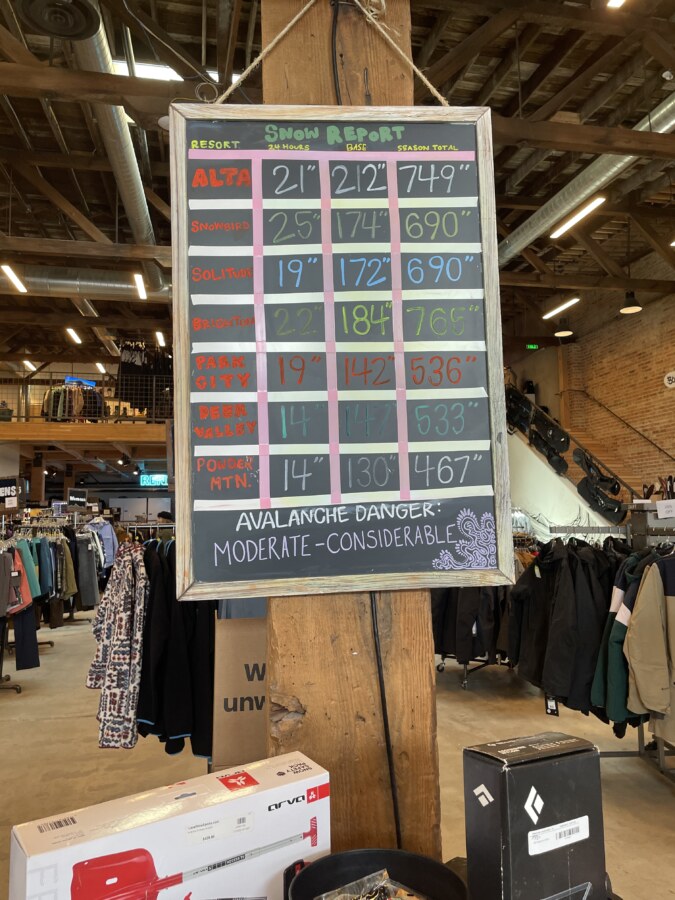
- Ski or snowboard at world-class resorts: Alta, Snowbird, Brighton, Solitude (30-45 minutes from downtown)
- Tour Temple Square and learn about Mormon pioneer history (free guided tours available)
- Explore Utah's natural history at the Natural History Museum with impressive dinosaur exhibits
- Hike the Bonneville Shoreline Trail for panoramic valley views
- Float effortlessly in the Great Salt Lake's hyper-saline waters
- Visit Antelope Island State Park for bison herds, hiking, and spectacular sunsets
- Sample craft beers on the Salt Lake Sips Trail visiting 20+ local breweries
- Stroll through Red Butte Garden's 100 acres of botanical displays
- Attend a Utah Jazz NBA game at Delta Center
- Drive scenic Big Cottonwood or Little Cottonwood Canyons for stunning mountain vistas
- Explore vibrant neighborhoods: 9th & 9th, Sugar House, Marmalade District
- Visit Tracy Aviary at Liberty Park for native bird species and conservation exhibits
- Mountain bike or hike in Millcreek Canyon or City Creek Canyon
- Shop and dine at The Gateway outdoor complex
Local experiences
- Join a guided brewery tour sampling Salt Lake's 20+ craft breweries on the Salt Lake Sips Trail
- Explore the vibrant 9th & 9th neighborhood discovering 40+ women-owned local businesses
- Attend Eat Drink SLC food festival (September) sampling signature local cuisine and craft beverages
- Visit Temple Square during Christmas for spectacular light displays and Tabernacle Choir performances
- Hike to Ensign Peak for sunrise views over the valley (30-minute trail from trailhead)
- Float in the Great Salt Lake – higher salt content than ocean makes swimming effortless
- Explore the Post District for authentic Mexican cuisine and local cafés
- Attend a Utah Jazz NBA game at Delta Center during basketball season
- Visit the Saturday Farmers Market at Pioneer Park (June-October) for local produce and artisan goods
- Take a scenic drive through the canyons in fall for spectacular aspen gold displays
- Experience Mormon Tabernacle Choir rehearsals (free, Thursday evenings)
- Mountain bike or hike the Bonneville Shoreline Trail offering panoramic valley views
Practical tips
- UTA TRAX Free Fare Zone: Travel for free on UTA TRAX light rail and buses within the Downtown Salt Lake Free Fare Zone bounded by North Temple, 500 South, 200 East, and 400 West.
- World-Class Ski Resorts: Access four world-class Wasatch mountain resorts (Alta, Snowbird, Brighton, Solitude) within a 40-minute drive or via the UTA Ski Bus during winter.
- Temple Square Renovation: The historic 10-acre Temple Square campus is undergoing a massive seismic retrofit; the Tabernacle, Conference Center, and Family History Library remain open to visitors.
- Great Salt Lake & Antelope Island: Drive 45 minutes north to Antelope Island State Park for panoramic lake views, free-roaming American bison herds, and dark sky stargazing.
Photography tips
- Best Time for Photography:
- Golden hour (sunrise/sunset) illuminates the Wasatch Mountains behind the city creating dramatic backdrops
- Blue hour for downtown skyline with Temple Square illumination
- Fall (September-October) for golden aspen colors in the canyons
- Winter for snow-capped mountain contrasts against blue skies
- Avoid midday harsh shadows on the temples and capitol building
- Iconic Shots:
- Temple Square with surrounding spires and gardens (exterior only – temple closed for renovation until 2027)
- Utah State Capitol building from Memory Grove Park with mountain backdrop
- Great Salt Lake sunset with mirrored water reflections and Antelope Island silhouette
- Downtown skyline from Ensign Peak or Capitol Hill at twilight
- Fall aspens in Big or Little Cottonwood Canyon
- Bonneville Salt Flats (90 minutes west) for surreal minimalist landscapes
- Equipment:
- Wide-angle lens (16-35mm) for mountain landscapes and architecture
- Telephoto (70-200mm) for isolating Temple Square details and mountain peaks
- Tripod for low-light city shots and long exposures
- Polarizing filter to enhance blue skies and reduce glare from Great Salt Lake
- Composition:
- Use the Wasatch Mountains as dramatic backdrop in city shots
- Frame temples and capitol through trees or archways
- Include foreground elements (gardens, fountains) for depth
- Capture contrasts between historic religious architecture and modern development
- Permits: Public spaces generally allow photography; Temple Square allows exterior photos (respect 'no photography' signs inside buildings)
- Respect: Ask permission before photographing people at religious sites
Timing
- Ski Season (December-March):
- Peak winter sports season with world-class skiing 30-45 minutes from downtown
- Highest hotel rates and largest crowds
- January-February offer best snow conditions
- Book ski accommodations 2-3 months in advance
- Christmas and New Year's bring holiday atmosphere and premium pricing
- Spring (April-June):
- Shoulder season with moderate crowds and reasonable rates
- Late spring skiing possible at higher elevations through April
- Wildflowers bloom in mountain canyons (May-June)
- Comfortable hiking weather emerges
- Good value for budget travelers
- Summer (June-September):
- Peak non-ski tourism season
- Warm, dry weather ideal for outdoor recreation
- Higher hotel rates (though below ski season)
- Festival season with outdoor concerts and events
- Mountain trails fully accessible
- Fall (September-October):
- Best overall value with 30-40% lower hotel rates
- Spectacular fall foliage in the canyons (late September-October)
- Comfortable temperatures (60-75°F)
- Smallest crowds outside ski season
- Ideal for hiking, sightseeing, and photography
- Shoulder Periods:
- Late October-early November: Cooling weather, very low crowds
- Late March-April: Spring skiing transitioning to hiking season
- Best deals on accommodations
- Special Events:
- Sundance Film Festival in nearby Park City (January)
- Utah Arts Festival (June)
- Days of '47 Celebration and Rodeo (July)
- Utah State Fair (September)
Culture, customs and safety
Cultural heritage
Salt Lake City preserves Mormon pioneer heritage through Temple Square, planned grid system, and unique religious culture influencing contemporary diversity. The Salt Lake Temple and Tabernacle anchor religious center while Beehive House shows Brigham Young domestic life. Wide streets accommodate turning ox carts as planned by Joseph Smith. 2002 Winter Olympics legacy enhanced sports facilities and international recognition. Growing diversity includes significant Latino and Pacific Islander communities. The city balances LDS heritage with contemporary culture through arts districts, craft breweries, and outdoor recreation access.
Local customs & etiquette
Salt Lake City’s culture is significantly influenced by the Church of Jesus Christ of Latter-day Saints (LDS/Mormon), though the city has become increasingly diverse and cosmopolitan. When visiting Temple Square or other LDS sites, dress modestly (covered shoulders and knees) and speak respectfully about religious beliefs regardless of your personal views. Sunday is observed as a day of rest by many residents – expect reduced business hours and quieter streets, especially in residential neighborhoods. Utah’s unique liquor laws reflect religious influence: alcohol content is limited in bars and restaurants, with beer capped at 4.0% ABV and mixed drinks at 2.5 oz total liquor. State-run liquor stores are the only source for wine and full-strength spirits, closed Sundays and holidays. Tipping follows standard U.S. practices (15-20%) though some may tip slightly higher at restaurants due to lower alcohol bills. The community values outdoor recreation – hiking, skiing, and biking are integral to local identity. ‘Utah nice’ reflects genuine friendliness though conversations may include proselytizing – polite deflection is acceptable. The city has embraced craft beer culture and diverse dining despite historical restrictions. LGBTQ+ visitors find Salt Lake City more welcoming than rural Utah, with established community and annual Pride Festival. Environmental stewardship is valued – use refillable water bottles and practice Leave No Trace principles in nature areas. The wide streets (laid out for ox-cart turning) create a spacious, grid-based city easy to navigate.
Safety notes
As of 2026, Salt Lake City is recognized as one of the safest metropolitan centers in the American West, policed by the Salt Lake City Police Department (SLCPD).
Key Alpine Road Safety, Altitude & State Regulations:
• UDOT Mandatory Canyon Traction Laws: The Utah Department of Transportation (UDOT) strictly enforces winter traction laws on Big Cottonwood Canyon (SR-190) and Little Cottonwood Canyon (SR-210) between November 1 and May 1. During snow events, all vehicles must have 4WD/AWD with 3PMSF snow-rated tires or tire chains; standard 2WD rental cars without chains are turned around at canyon checkpoints.
• High Altitude & Dry Climate: Salt Lake City sits at 4,226 ft elevation, with ski resorts exceeding 8,000 to 11,000 ft in the Wasatch Range. Dehydration and altitude fatigue occur rapidly; carry plenty of water and apply SPF 50 sunscreen.
• Utah Liquor Laws (DABS): Draft beer and grocery/convenience store sales are legally capped at 5.0% ABV. Full-strength beer, wine, and spirits must be purchased at state-run DABS liquor stores (closed Sundays and state holidays). In restaurants, alcoholic drinks must be accompanied by food orders.
• Emergency: Dial 911 for Police, Fire, and Salt Lake County Search & Rescue.