

Sedona is renowned for its stunning red rock formations, vibrant arts community, and spiritual energy. Nestled in the heart of Arizona, this picturesque destination offers breathtaking landscapes, outdoor adventures, and a unique blend of Native American culture and modern wellness practices. Visitors can explore hiking trails, art galleries, and spiritual retreats, making it a perfect getaway for nature lovers and those seeking rejuvenation.
The destination guide
Sedona

City in United States, North AmericaUpdated
- Overall9/10
- Best forFamilies, Couples, Adventure seekers
- PeakJan–Apr
- CurrencyUSD
Sedona’s red rocks hit differently at golden hour — but the vortex sites are where most visitors lose track of time entirely.
Travel guides for Sedona
Itineraries & day trips (1)
Things to do (1)
Where to stay (2)
Food & drink (1)
Destination stories (1)
More guides featuring Sedona (29)
At a glance
Currency$ USDCode: USD
Time zoneMountain Standard Time
Languages
- English
Setting
- High desert
- Red rock formations
- Juniper forests
- Canyon landscapes
Known for
- Nature
- Hiking
- Spiritual
- Arts
- Luxury
Population10,00010,000 residents
VisaDuration: Up to 90 days for international visa-exempt visitors under the US Visa Waiver Program (ESTA). · Documents: Valid passport with approved ESTA for international visitors. For domestic US air travel, a REAL ID-compliant state driver's license or valid passport is required at TSA checkpoints.
How Sedona scores
9/10OverallExcellent
Weather8/10
Value for money6/10
Safety9/10
Food & cuisine6/10
Culture & arts6/10
Cultural experience7/10
History5/10
Nature & outdoors10/10
Adventure8/10
Nightlife4/10
Shopping6/10
Family friendly7/10
Romance8/10
Editorial scores on a 10-point scale, weighed against destinations of the same kind.
Travel safety snapshot
Overall92/100High rating
Women travellers90/100
LGBTQ+ travellers92/100
Theft88/100
Medical care85/100
Physical harm93/100
Political freedom90/100
SafePlace indicators use their source 100-point scale; higher is more favourable. Planning context, not a live travel advisory — check official government guidance before you go.
When to go
Best months to visit: January, February, March, April, May, September, October, November and December.
- January: 0.1 millimetres of rain, best-time score 4 out of 5.
- February: 0.4 millimetres of rain, best-time score 4 out of 5.
- March: 1.1 millimetres of rain, best-time score 5 out of 5.
- April: 0.4 millimetres of rain, best-time score 5 out of 5.
- May: 0.3 millimetres of rain, best-time score 5 out of 5.
- June: best-time score 3 out of 5.
- July: 0.2 millimetres of rain, best-time score 3 out of 5.
- August: 0.2 millimetres of rain, best-time score 3 out of 5.
- September: best-time score 4 out of 5.
- October: best-time score 5 out of 5.
- November: 0.2 millimetres of rain, best-time score 4 out of 5.
- December: 0.1 millimetres of rain, best-time score 4 out of 5.
Month-by-month conditions and packing advice
- January
- Hot and sunny, mostly dry Cooler, great for avoiding crowds. Crowds: January marks Sedona's peak tourist season, attracting visitors eager to explore its iconic landscapes. The weather is ideal for hiking, photography, and cultural tours, with minimal rainfall ensuring dry trails and clear skies. Hotel rates and activity bookings are high, so early reservations are recommended. Visitors should be prepared for sunny conditions, as UV levels remain high despite cooler temperatures. Pack: Lightweight layers for temperature variation; Comfortable hiking boots for exploring trails; Wide-brimmed hat and UV-protective sunscreen; Light jacket for cooler evenings; Wide-brimmed hat and UV-protective sunscreen; Breathable cotton/linen fabrics
- February
- Hot and sunny, mostly dry Pleasant hiking weather, crisp air. Crowds: February marks the peak tourist season in Sedona, with excellent weather conditions for hiking, photography, and exploring the vibrant red rock formations. The warm temperatures and clear skies attract visitors eager to experience the natural beauty of the area. However, this peak season also means higher hotel rates and increased crowds. Visitors should plan ahead for accommodations and popular attractions. Pack: Lightweight layers for temperature variation; Comfortable hiking boots for exploring trails; Wide-brimmed hat and UV-protective sunscreen; Light jacket for cooler evenings; Wide-brimmed hat and UV-protective sunscreen; Breathable cotton/linen fabrics
- March
- Hot and sunny, mostly dry Spring begins, beautiful red rock views. Crowds: March marks the peak tourist season in Sedona, with excellent weather conditions for hiking, photography, and exploring the vibrant red rock formations. The mild temperatures and clear skies attract a large number of visitors, leading to higher hotel rates and crowded trails. While the weather is perfect for outdoor activities, it's advisable to stay hydrated and apply sunscreen due to the high UV levels. Pack: Lightweight layers for temperature variation; Comfortable hiking boots for exploring trails; Wide-brimmed hat and SPF 50+ sunscreen; Light cardigan for air-conditioned spaces; Modest clothing for cultural sites and religious observances; Breathable cotton/linen fabrics
- April
- Hot and sunny, mostly dry Perfect temperatures, wild flowers. Crowds: April marks the peak tourist season in Sedona, with excellent weather conditions for hiking, photography, and exploring the vibrant red rock formations. The mild temperatures and clear skies attract a large number of visitors, leading to higher hotel rates and crowded trails. While the weather is perfect for outdoor activities, it's advisable to stay hydrated and apply sunscreen due to the high UV levels. Pack: Lightweight layers for temperature variation; Comfortable hiking boots for exploring trails; Wide-brimmed hat and SPF 50+ sunscreen; Light jacket for cooler evenings; Wide-brimmed hat and UV-protective sunglasses; Breathable, moisture-wicking fabrics
- May
- Hot and sunny, mostly dry Warm and sunny, excellent for all outdoor activities. Crowds: May marks the peak tourist season in Sedona, with excellent weather conditions for hiking, photography, and exploring the vibrant red rock formations. The warm temperatures and sunny skies attract a large number of visitors, leading to crowded trails and popular attractions. Accommodation prices and activity bookings tend to rise during this period. Despite the heat, the dry conditions ensure comfortable outdoor experiences. Pack: Lightweight, breathable clothing for sun protection; Sturdy hiking boots for exploring trails; Wide-brimmed hat and UV-blocking sunscreen; Light jacket or sweater for cooler evenings; Wide-brimmed hat and UV-blocking sunscreen; Light, moisture-wicking fabrics
- June
- Hot and sunny, mostly dry Getting very hot for mid-day hikes. Crowds: June marks the peak tourist season in Sedona, with excellent weather conditions for hiking, photography, and exploring the natural beauty of the area. The warm temperatures and sunny skies attract a large number of visitors, leading to higher hotel rates and crowded trails. While the weather is perfect for outdoor activities, it's advisable to stay hydrated and apply sunscreen due to the high UV levels. Pack: Lightweight, breathable clothing for sun protection; Comfortable hiking boots for exploring trails; Wide-brimmed hat and UV-blocking sunglasses; Lightweight rain jacket for unexpected showers; Sunscreen with high SPF; Wide-brimmed hat and UV-blocking sunglasses
- July
- Hot and sunny, mostly dry Monsoon season brings afternoon rain. Crowds: July marks the peak tourist season in Sedona, with high temperatures and sunny weather attracting outdoor enthusiasts and photographers. The dry climate supports a variety of activities, including hiking, rock climbing, and exploring local art galleries. However, the intense heat can lead to dehydration, so it's important to stay hydrated and apply sunscreen regularly. Visitors should plan their activities during cooler parts of the day, such as early morning or late afternoon, to avoid the midday heat. Pack: Lightweight, breathable clothing for sun protection; Wide-brimmed hat and UV-blocking sunglasses; Lightweight, moisture-wicking hiking pants; Comfortable, closed-toe hiking shoes; Reusable water bottle for hydration; Light jacket or sweater for cooler evenings
- August
- Hot and sunny, mostly dry Hot with occasional storms. Crowds: August marks Sedona's peak tourist season, with excellent weather conditions for outdoor adventures like hiking, rock climbing, and photography. The town experiences high tourist numbers, leading to crowded trails and increased prices for accommodations and guided tours. Despite the heat, the dry climate ensures comfortable conditions for most activities. Visitors are advised to stay hydrated and wear sunscreen to protect against UV rays. Pack: Lightweight, breathable clothing for sun protection; Wide-brimmed hat and UV-blocking sunglasses; Lightweight hiking boots for trails; Reusable water bottle to stay hydrated; Sunscreen with high SPF; Light jacket or sweater for cooler evenings
- September
- Hot and sunny, mostly dry Monsoons end, temperatures mellow. Crowds: September marks the peak tourist season in Sedona, with excellent weather conditions for hiking, sightseeing, and photography. The warm temperatures and clear skies attract a large number of visitors, leading to crowded trails and popular attractions. Accommodation rates and activity prices tend to rise during this period. However, the dry conditions mean that visitors should be prepared for potential dust storms, especially in the early morning. Pack: Lightweight, breathable clothing for outdoor activities; Wide-brimmed hat and sunglasses for sun protection; Comfortable hiking boots for exploring trails; Light rain jacket for unexpected showers; Sunscreen with high SPF; Light scarf or shawl for dust protection
- October
- Hot and sunny, mostly dry Fall foliage in Oak Creek Canyon, ideal weather. Crowds: Peak tourist season with excellent conditions for all outdoor activities including hiking, sightseeing tours, and cultural site exploration. Hotel rates and crowd levels are highest during this period. UV levels remain high despite cooler temperatures. Pack: Lightweight layers for temperature variation; Comfortable walking shoes for city exploration; Broad-brimmed hat and SPF 50+ sunscreen; Light cardigan for air-conditioned spaces; Modest clothing for cultural sites and mosques; Breathable cotton/linen fabrics
- November
- Hot and sunny, mostly dry Cooler temperatures, great light for photos. Crowds: January marks Sedona's peak tourist season, attracting visitors eager to experience its stunning landscapes and cultural attractions. Hotel rates and crowd levels are at their highest, with activities like hiking, jeep tours, and art gallery visits in high demand. Despite cooler temperatures, UV levels remain high, so visitors should apply sunscreen and wear protective clothing. Booking accommodations in advance is recommended to secure the best rates and availability. Pack: Lightweight layers for temperature variation; Comfortable hiking boots for exploring trails; Wide-brimmed hat and SPF 50+ sunscreen; Light jacket for cooler evenings; Wide-brimmed hat and sunglasses; Breathable, moisture-wicking fabrics
- December
- Hot and sunny, mostly dry Cold but beautiful, occasional light snow. Crowds: December marks Sedona's peak tourist season, with excellent weather conditions for hiking, photography, and exploring local art galleries. The warm temperatures and clear skies attract visitors eager to capture the iconic red rock landscapes. Accommodation prices and crowd levels are high, so booking in advance is recommended. Outdoor activities are favored, but visitors should be prepared for occasional desert heat. Pack: Lightweight layers for temperature variation; Comfortable hiking boots for exploring trails; Wide-brimmed hat and UV-protective sunscreen; Light jacket for cooler evenings; Sturdy walking shoes for city exploration; Light, breathable clothing for daytime activities
Peak season
- March
- February
- January
- April
Off-peak
- September
- August
- July
- June
Know before you go
Neighbourhoods
Uptown Sedona is the main tourist hub with art galleries, restaurants, and red rock views along the cobblestone walkways — the best starting point for first-time visitors. West Sedona is a quieter residential area along SR 89A with easy access to trailheads, grocery stores, and local dining, offering some of the best panoramic red rock vistas. The Village of Oak Creek sits 5 miles south at the base of Bell Rock and Courthouse Butte, a laid-back community with golf courses, resort hotels, and outlet shopping away from the crowds. The Chapel Area between Uptown and VOC is named for the iconic Chapel of the Holy Cross and offers a more secluded feel. Oak Creek Canyon stretches north of Uptown along a dramatic forested gorge with swimming holes, campgrounds, and the famous Slide Rock State Park.
Best time to visit
The best time to visit Sedona is spring (March-May) or fall (September-November), when daytime temperatures range from the mid-60s to low 80s°F creating ideal conditions for hiking, photography, and enjoying the red rock vistas. These shoulder seasons deliver Sedona’s most comfortable weather with blue skies, blooming wildflowers (spring), or golden foliage (fall).
Spring (March-May)
Spring brings Sedona’s desert landscape to life with wildflowers and fresh greenery against the crimson red rocks. Temperatures range from mid-60s to low 80s°F, perfect for extensive hiking and outdoor exploration. However, expect larger crowds and higher prices due to ideal weather conditions. Late March through April marks peak bloom season for desert wildflowers, creating spectacular photography opportunities. May sees warming temperatures as the season transitions toward summer.
Summer (June-August)
Summer delivers hot temperatures but fewer crowds compared to spring and fall. Sedona experiences monsoon season beginning in early July, bringing generally short periods of heavy rain and dramatic thunderstorms in late afternoons or early evenings. These storms create spectacular cloud formations and cooler temperatures after the downpours. Highs reach the 90s-100s°F, but Sedona’s 4,500-foot elevation keeps it 10-15°F cooler than Phoenix. Summer offers the best hotel deals for budget-conscious travelers willing to handle heat.
Fall (September-November)
Fall represents Sedona’s other prime season with temperatures ranging from 60s-80s°F. September and October attract large crowds due to pleasant weather and the golden transformation of cottonwood trees along Oak Creek Canyon. This season delivers stunning fall foliage contrasting beautifully with the red rocks. Trails are less crowded early mornings and weekdays. Fall provides excellent photography conditions with clear skies and comfortable hiking temperatures.
Winter (December-February)
Winter offers Sedona’s best deals and smallest crowds with serene trails, shorter wait times, and the lowest accommodation rates of the year. Daytime temperatures range from 50s-60s°F, cool but comfortable for hiking. Snow occasionally dusts the red rocks, creating spectacular contrast against crimson cliffs – a rare and stunning sight. Winter sunsets are particularly dramatic with crisp, clear air enhancing the colors. Perfect for travelers seeking peaceful experiences and savings of 40-50% off peak season rates.
Season by season
Spring (Mar–May): 55–80°F, wildflower blooms, ideal hiking weather with clear skies. Peak visitation — book accommodations early. Spring break crowds mid-March through April.
Summer (Jun–Aug): 85–100°F, monsoon thunderstorms July–August bring dramatic afternoon clouds and brief rain. Hot midday but spectacular storm photography. Lower hotel rates.
Autumn (Sep–Nov): 60–85°F, fall foliage in Oak Creek Canyon peaks mid-October. Second busiest season with perfect hiking temperatures. Crystal-clear skies.
Winter (Dec–Feb): 35–55°F, occasional snow dustings on red rocks create stunning contrast. Quietest season with lowest prices. Cold mornings but sunny afternoons.
Crowds
Peak: Jun-Aug; High: Mar-May; Moderate: Sep-Nov; Low: Dec-Feb
Getting there and around
Getting there
Phoenix Sky Harbor International Airport (PHX) is the primary gateway, located 120 miles south of Sedona with a 2-hour scenic drive through Arizona desert and Sonoran landscape. Flagstaff Pulliam Airport (FLG) sits 23 miles north, offering a shorter 30-minute drive via State Route 89A South through Oak Creek Canyon. Groome Transportation operates seven daily shuttle services from Phoenix Sky Harbor starting at 7:45 AM, with one-way fares ranging from $53-76 per person. Rental cars are widely available at both airports and recommended for exploring Sedona’s dispersed attractions. The scenic Verde Canyon Railroad offers an alternative route from Clarkdale, 28 miles from Sedona. No visa required for U.S. citizens; international visitors should check passport requirements. Sedona sits at 4,500 feet elevation – visitors may need time to adjust to altitude.
Getting around
A rental car is strongly recommended as Sedona’s attractions are spread across the valley and surrounding canyons with limited public transportation. The Verde Lynx bus service provides affordable transportation ($1-2 per ride) along SR 89A and SR 179 corridors, operating twelve convenient stops within Sedona. Free Sedona Shuttle Trailhead Routes run Thursday-Sunday (7:00 AM-5:30 PM) from three Park & Ride lots directly to Cathedral Rock, Soldiers Pass, and Dry Creek Road trailheads. Sedona Shuttle Connect offers on-demand curb-to-curb service within city limits for $2 per ride (Thursday-Sunday, 6:30 AM-8:30 PM). Uber and Lyft operate in Sedona but availability is inconsistent, especially during peak tourist seasons – don’t rely on rideshare as primary transportation. Taxis exist but require advance booking. Most hotels offer shuttle services to Uptown and Tlaquepaque. Walking is pleasant in Uptown Sedona and Tlaquepaque Arts Village but impractical between major attractions. Jeep tours provide guided access to rugged backcountry areas inaccessible by standard vehicles.
Top experiences in Sedona
Cathedral Rock
Read the place guide →Cathedral Rock rises from the desert like a natural cathedral, its twin spires and layered red cliffs creating one of Sedona’s most recognizable landmarks and powerful vortex sites. The 1.5-mile round-trip trail involves 600 feet of elevation gain with rock scrambling required, but rewards hikers with 360-degree panoramic views of Sedona’s red rock country. This feminine-energy vortex site is best experienced at sunrise or sunset when the rocks glow brilliant orange-red. The nearby Red Rock Crossing provides the classic reflection photo of Cathedral Rock in Oak Creek. Considered one of Sedona’s most spiritual locations, many visitors report feeling heightened awareness and emotional release. The trail can be crowded on weekends – arrive before 8 AM for parking and solitude.
Bell Rock
Read the place guide →Bell Rock creates a powerful upward-spiraling vortex and serves as one of Sedona’s most accessible energy sites, requiring no rock scrambling to experience. The easy 0.8-mile Bell Rock Pathway allows visitors of all fitness levels to approach this UFO-shaped formation and feel its energetic presence. The trail ends midway up the mountain, offering stunning views of surrounding red rock formations. As a masculine-energy vortex, Bell Rock is said to enhance strength, confidence, and manifestation. The formation’s distinctive shape makes it instantly recognizable from Highway 179. Sunrise illuminates Bell Rock with golden light, while sunset creates dramatic silhouettes. Free parking available at the trailhead off SR 179, though it fills quickly during peak season.
Devil's Bridge
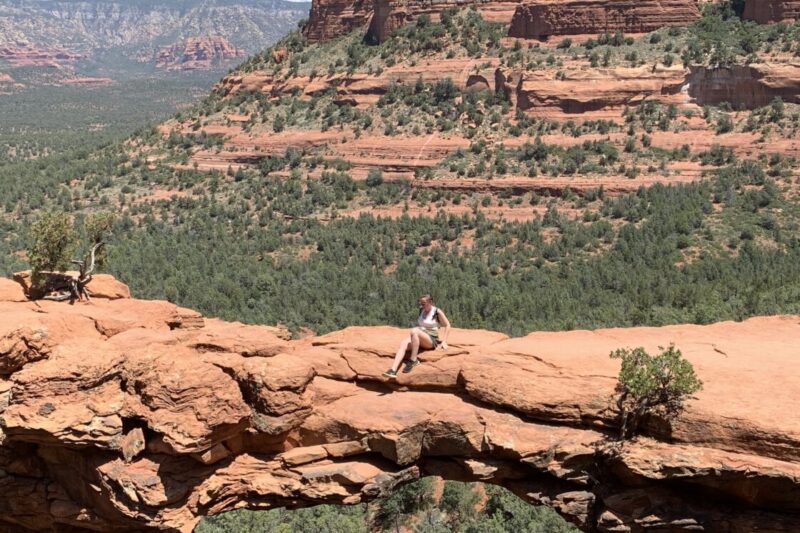
Devil’s Bridge holds the title as Sedona’s largest natural sandstone arch and most popular hiking destination, attracting hundreds of visitors daily during peak season. The 4.2-mile out-and-back trail leads to this stunning geological formation where brave hikers can walk onto the 45-foot natural bridge for iconic photos suspended above the canyon floor. The trail involves moderate difficulty with 400 feet elevation gain through juniper and manzanita forest before reaching the arch. Arrive before 7 AM to secure parking at the Dry Creek Road trailhead and experience the bridge without crowds – by mid-morning, expect to wait in line for photo opportunities. The arch formed over millions of years through erosion of Schnebly Hill sandstone. While the walk onto the bridge is thrilling, it requires caution as there are no railings. Red Rock Pass ($5 daily) required for parking.
Chapel of the Holy Cross
Read the place guide →The Chapel of the Holy Cross stands as an architectural masterpiece emerging from red rock cliffs 200 feet above the valley floor, with a striking 90-foot cross integrated into its facade. Commissioned by sculptor Marguerite Brunswig Staude in 1932 and completed in 1956 after 18 months of construction, the modernist chapel blends seamlessly with Sedona’s natural landscape. The interior features floor-to-ceiling windows framing Cathedral Rock and creating a meditative space where architecture, nature, and spirituality converge. Free admission with visiting hours 9 AM-5 PM daily (last entry 4:45 PM), closed on Good Friday, Easter, Thanksgiving, and Christmas. The short access road includes switchbacks with dramatic views but can experience traffic congestion during peak times. This Roman Catholic chapel welcomes visitors of all faiths for quiet contemplation. The site offers some of Sedona’s most spectacular photography opportunities, especially during golden hour.
Slide Rock State Park
Read the place guide →Slide Rock State Park combines Sedona’s signature red rocks with Oak Creek Canyon’s lush riparian environment, creating a natural water park where smooth creek-bottom rocks form an 80-foot water slide. Located 10 minutes north of Sedona in Oak Creek Canyon, the park encompasses 43 acres of the historic Pendley Homestead apple orchard, established in 1910. Summer visitors (May-September) enjoy sliding down the slick creek bed and swimming in natural pools surrounded by towering red cliffs and Arizona sycamores. The park offers excellent hiking trails including 0.3-mile Slide Rock Route and 0.5-mile Pendley Homestead Trail. Admission costs $20-30 per vehicle depending on season. Arrive early (before 9 AM) as the parking lot fills quickly on summer weekends. Water shoes strongly recommended for navigating slippery rocks. The park provides a refreshing contrast to Sedona’s desert trails, with shade and flowing water creating a cooler microclimate. Apple season (September-October) allows visitors to pick fruit from heritage trees.
Editor-curated picks carried over from our original guide. Where a full place guide exists, the card links to it.



Worth booking ahead in Sedona
Hand-picked from the operators our guides already send readers to. Prices and availability are live on the partner site.
BrowseViator
Tours and tickets in Sedona on Viator (opens Viator in a new tab)
Viator's full list of bookable tours and tickets in Sedona.
BrowseGetYourGuide
Experiences in Sedona on GetYourGuide (opens GetYourGuide in a new tab)
Everything GetYourGuide sells in Sedona, with the cancellation terms on each listing.
Where to stayBooking.com
Stays in Sedona (opens Booking.com in a new tab)
Live rates and availability for Sedona on Booking.com; filter by neighbourhood once you know where your days start.
We earn a commission if you book through these links, at no extra cost to you. It is how we keep the guides free and independent.
Where to stay
Enchantment Resort
525 Boynton Canyon Road, Sedona, AZ 86336
Enchantment Resort occupies 70 acres deep within Boynton Canyon, surrounded by towering red cliffs and one of Sedona’s most powerful vortex sites. The resort features 218 Southwestern-style casitas with private decks or patios offering unobstructed red rock views. Guests enjoy direct access to Boynton Canyon hiking trails, an infinity pool framed by canyon walls, and the renowned Mii amo spa voted among the world’s best destination spas. The resort’s isolation in the canyon creates a tranquil environment while remaining just 8.5 miles from Sedona’s dining and shopping. Dining options include Tii Gavo serving contemporary American cuisine with indigenous influences and Views Bar & Grill for casual poolside meals. The resort caters to families with dedicated programs and couples seeking romantic red rock immersion. Room rates reflect its luxury positioning, with most packages including resort amenities and spa access.
L'Auberge de Sedona
301 L'Auberge Lane, Sedona, AZ 86336
L’Auberge de Sedona creates an intimate boutique experience with 62 creek-side cottages and 21 lodge-style guestrooms set along the banks of Oak Creek in the heart of Sedona. The property blends contemporary luxury with natural surroundings, featuring private cottages with wood-burning fireplaces, deep soaking tubs, and private decks overlooking the creek. As a member of Small Luxury Hotels of the World, L’Auberge delivers refined service and elevated dining at Cress on Oak Creek, showcasing seasonal cuisine with ingredients from the resort’s garden. The creekside spa offers treatments in outdoor riverside cabanas. The location provides walking access to Uptown Sedona’s galleries and restaurants while maintaining a secluded atmosphere beside flowing water. The property’s smaller size (compared to Enchantment) creates a more personalized experience with attentive service. L’Auberge appeals to couples and honeymooners seeking romance and culinary excellence. Creek-side cottages command premium rates but offer unmatched tranquility with the sound of flowing water.
Amara Resort & Spa
100 Amara Lane, Sedona, AZ 86336
Amara Resort & Spa recently completed a multimillion-dollar renovation bringing sophisticated ‘tree lodge’ aesthetics to its 100 guestrooms perched on 22 acres along Oak Creek in Uptown Sedona. The resort’s creekside location offers gorgeous red rock mountain views from the infinity-edge pool and many guest rooms. SaltRock Southwest Kitchen serves locally-sourced cuisine with patio dining overlooking the creek, while the poolside bar and firepit create evening gathering spaces. The full-service spa features treatments using indigenous botanicals and red rock clay. Guests appreciate the resort’s walkable Uptown location providing easy access to galleries, restaurants, and shopping while maintaining a peaceful retreat atmosphere. The 24-hour health club offers yoga classes with red rock views. Amara positions itself as upscale without the ultra-luxury pricing of Enchantment or L’Auberge, attracting travelers seeking quality amenities, contemporary design, and central location. Free WiFi and self-parking included; $35 daily resort fee applies. Starting rates from $238 make it relatively accessible for Sedona’s luxury market.
Editor-curated stays carried over from our original guide. Where we have reviewed the hotel, the card links to the review.
Tips from the field
Highlights
- Cathedral Rock – Iconic 1.5-mile vortex site with 600-foot elevation gain offering panoramic red rock views
- Bell Rock – Powerful upward-spiraling vortex accessible via easy 0.8-mile trail without scrambling
- Devil's Bridge – Sedona's largest natural sandstone arch (4.2-mile round trip), most photographed landmark
- Chapel of the Holy Cross – Architectural marvel built into red cliffs with 90-foot cross, free admission
- Slide Rock State Park – Natural water slide in Oak Creek Canyon ($20-30 per vehicle)
- Tlaquepaque Arts & Crafts Village – Mexican-inspired shopping district with 40+ galleries and restaurants
- Boynton Canyon – Dramatic vortex site with balanced masculine-feminine energy
- Airport Mesa – 360-degree sunset vortex viewpoint accessible by paved trail
- Oak Creek Canyon – Scenic 16-mile drive through towering red walls
- Palatki Heritage Site – Ancient Sinagua cliff dwellings and rock art (1150-1400 AD)
- Recognition: Featured in National Geographic's 'Best Trips' list and Travel + Leisure's 'World's Best Awards
- Sources: Tripadvisor, Visit Sedona, National Geographic
Best activities
- Hiking red rock trails (Cathedral Rock, Devil's Bridge, West Fork, Soldier Pass)
- Vortex meditation and energy healing at the four main vortex sites
- Pink Jeep Tours through rugged backcountry and ancient ruins
- Hot air balloon rides at sunrise over red rock formations
- Spa treatments featuring Native American-inspired therapies and red rock clay
- Art gallery hopping in Uptown Sedona and Tlaquepaque Arts Village
- Mountain biking on challenging slickrock trails
- Stargazing (Sedona is an International Dark Sky Community)
- Wine tasting at Verde Valley vineyards (30 minutes from Sedona)
- Kayaking or swimming in Oak Creek
- Visiting Palatki and Honanki Heritage Sites for ancient cliff dwellings
- Scenic drives through Oak Creek Canyon and Red Rock Scenic Byway
- Sound healing and crystal bowl meditation sessions
- Rock climbing on world-famous sandstone formations
Local experiences
- Join vortex meditation tours at Cathedral Rock, Bell Rock, or Airport Mesa to experience Sedona's renowned energy centers
- Visit Palatki Heritage Site to explore 700-year-old Sinagua cliff dwellings and ancient petroglyphs (reservations required)
- Book a Native American medicine walk or shamanic journey with local spiritual guides
- Attend First Friday Art Walk in Uptown Sedona (monthly) featuring gallery openings and artist receptions
- Experience sound healing sessions or crystal bowl meditation at one of Sedona's many wellness centers
- Take a Pink Jeep Tour through rugged backcountry to ancient ruins and secluded vortex sites
- Sample Southwest fusion cuisine at local farm-to-table restaurants
- Shop for authentic turquoise jewelry at the Native American Craft Market
- Join sunrise or sunset yoga sessions at outdoor red rock locations
- Explore Oak Creek on a guided kayak tour through red rock canyons
- Book treatments using indigenous red rock clay at world-class spas like Mii amo
Practical tips
- Free Sedona Shuttle: Heavy parking congestion has led to vehicle closures at top trailheads (Cathedral Rock, Soldier Pass, Dry Creek/Devils Bridge) from Thursday through Sunday. Use the free municipal Sedona Shuttle from park-and-ride lots (sedonashuttle.com).
- Red Rock Pass: A Red Rock Pass ($5 daily / $15 weekly) or an America the Beautiful National Parks Pass must be displayed in your vehicle windshield at Forest Service fee sites.
- Oak Creek Scenic Byway: Drive Arizona State Route 89A through Oak Creek Canyon for dramatic switchbacks and red rock vista overlooks linking Sedona to Flagstaff.
- Vortex Sites: Sunrise and sunset offer the most peaceful atmosphere at Sedona's famous red rock energy vortexes (Airport Mesa, Boynton Canyon, Bell Rock, and Cathedral Rock).
Photography tips
- Best Time for Photography:
- Golden hour (first/last hour of sunlight) illuminates red rocks with vibrant orange-red glow
- Blue hour (30 minutes after sunset) creates dramatic contrast between illuminated rocks and twilight sky
- Overcast days produce soft, even lighting ideal for red rock detail
- Avoid midday harsh shadows and washed-out colors
- Iconic Shots:
- Cathedral Rock from Red Rock Crossing with Oak Creek reflection (sunrise/sunset)
- Devil's Bridge arch walkout for dramatic scale shots (arrive before 7 AM for empty bridge)
- Airport Mesa sunset with 360-degree red rock panorama
- Chapel of the Holy Cross architectural detail with red cliff backdrop
- Bell Rock from SR 179 with juniper trees framing
- Equipment:
- Wide-angle lens (16-35mm) for landscape and arch photography
- Polarizing filter to reduce glare and enhance sky contrast
- Tripod essential for low-light golden hour and long exposures
- Neutral density filter for smooth water effects at Oak Creek
- Composition Tips:
- Include foreground elements (juniper trees, desert plants) for depth
- Use leading lines from trails and creek beds
- Frame rock formations through natural arches
- Permits: Red Rock Pass ($5 daily) required at most photography locations
- Respect: Some vortex sites host spiritual ceremonies – maintain distance and silence when people are meditating
Timing
- Peak Season (March-May, September-November):
- Ideal weather with temperatures 60s-80s°F
- Highest hotel rates and largest crowds
- Book accommodations 3-6 months in advance
- Trailheads fill by 8 AM on weekends
- Spring brings wildflower blooms; fall offers golden foliage
- Summer (June-August):
- Hot temperatures (90s-100s°F) but fewer crowds
- Best hotel deals (30-40% below peak)
- Afternoon monsoon thunderstorms (July-September)
- Hike before 10 AM or after 4 PM to avoid heat
- Indoor attractions (galleries, shops) most appealing
- Winter (December-February):
- Cool temperatures (50s-60s°F daytime, 30s-40s°F nights)
- Smallest crowds, lowest prices
- Occasional snow dusting creates spectacular photography
- Perfect for hiking without extreme heat
- Some trail access limited by ice/snow
- Shoulder Periods:
- Late May-early June: Transitioning to heat, moderate crowds
- Late November-early December: Cooler weather returning, holiday visitors arriving
- Best value-to-weather ratio overall
- Special Events:
- Sedona International Film Festival (February-March)
- Sedona Yoga Festival (March)
- Sedona Arts Festival (October)
- Red Rock Music Festival (August)
Keeping it authentic
- Sedona is a genuine convergence of Native American heritage, artistic community, and geological wonder — not a manufactured tourist town. The Yavapai-Apache Nation maintains cultural presence, and red rock formations hold spiritual significance that predates tourism by millennia. The New Age and wellness scene, while sometimes commercialized, grew organically from the area's natural magnetism and the energy vortex sites that draw seekers worldwide. The thriving arts community, with over 80 galleries, reflects decades of artists drawn by the landscape's extraordinary light and color.
Culture, customs and safety
Cultural heritage
Sedona channels spiritual energy through red rock formations, Native American sacred sites, and New Age vortex beliefs creating mystical desert destination. Sinagua cliff dwellings and rock art demonstrate pre-Columbian habitation at sites like Palatki. Chapel of the Holy Cross emerges from red rocks as architectural pilgrimage site. Art galleries and spiritual centers attract seekers and creatives. Vortex sites draw meditation and healing practices. The town balances commercial development with natural preservation and spiritual tourism creating unique American metaphysical destination amid stunning geological formations.
Local customs & etiquette
Sedona embraces a unique blend of spiritual seekers, outdoor enthusiasts, and art lovers, creating an atmosphere of respect and mindfulness. When visiting vortex sites, observe silence and avoid disturbing others in meditation or spiritual practice. Leave no trace principles are sacred here – pack out all trash and stay on designated trails to protect fragile desert ecosystems. Photography is welcomed, but ask permission before photographing people at spiritual sites or Native American ceremonies. Respect ‘No Trespassing’ signs as many red rock formations border private property. The local community values environmental stewardship – use refillable water bottles and support businesses with sustainable practices. Tipping 15-20% is standard for tour guides, restaurant servers, and spa therapists. Spitting in public is considered rude. Business casual dress is appropriate for upscale restaurants, though Sedona overall maintains a relaxed vibe. When visiting Palatki or other Native American heritage sites, show reverence for sacred spaces and follow ranger guidelines. The community appreciates visitors who engage authentically with local culture rather than treating spiritual practices as entertainment. Early morning and sunset are considered prime times for vortex visits – arrive early to experience sites before crowds.
Safety notes
As of 2026, Sedona is an exceptionally safe destination policed by the Sedona Police Department and Coconino County Sheriff’s Office.
Critical High-Desert, Trail & Flash Flood Safety:
• Extreme Heat & Dehydration: At 4,500 ft elevation, dry desert air causes rapid fluid loss. Summer temperatures frequently exceed 100°F (38°C). Carry a minimum of 1 liter of water per person per hour of hiking (3–4 liters minimum for slickrock routes like Cathedral Rock or Bell Rock). Turn back immediately once half your water is consumed.
• Flash Flooding in Oak Creek Canyon: Summer monsoon thunderstorms (July–September) produce sudden, violent wall-of-water flash floods in dry washes, slot canyons (West Fork), and creek crossings. Never camp in dry washes or hike narrow canyons when storms threaten.
• Slickrock Footwear & Rattlesnakes: Sandstone slickrock becomes dangerously slick with loose grit; wear high-traction trail boots with sticky rubber outsoles. Watch for venomous Arizona black rattlesnakes basking on sunny rock ledges from April to October.
• Emergency: Dial 911 for Police, Fire, and Coconino County Search and Rescue (SAR).


