

Amalfi, a picturesque coastal town on the Amalfi Coast, is renowned for its stunning cliffs, vibrant architecture, and rich maritime history. Visitors can explore its charming streets, relax on beautiful beaches, and indulge in delicious local cuisine, including the famous limoncello. The town’s stunning cathedral and breathtaking views make it a perfect destination for travelers seeking both relaxation and adventure.
The destination guide
Amalfi

Travel guides for Amalfi
Itineraries & day trips (1)
Things to do (1)
More guides featuring Amalfi (28)
At a glance
Currency€ EURCode: EUR
Time zoneCentral European Time (UTC+01:00)
Languages
- Italian
Setting
- Dramatic coastal cliffs
- Mediterranean sea
- Terraced lemon groves
- Historic towns
Population5,5005,500 residents
VisaDuration: Up to 90 days within any 180-day rolling window across the Schengen Area for visa-exempt travelers. · Documents: Passport issued within the last 10 years and valid for at least 3 months beyond planned Schengen departure, proof of accommodation, and onward transportation.
How Amalfi scores
9/10OverallExcellent
Weather9/10
Value for money6/10
Safety8/10
Food & cuisine9/10
Culture & arts6/10
Cultural experience8/10
History10/10
Nature & outdoors8/10
Adventure4/10
Nightlife5/10
Shopping5/10
Family friendly5/10
Romance9/10
Editorial scores on a 10-point scale, weighed against destinations of the same kind.
Travel safety snapshot
Overall82/100High rating
Women travellers78/100
LGBTQ+ travellers75/100
Theft70/100
Medical care78/100
Physical harm86/100
Political freedom75/100
SafePlace indicators use their source 100-point scale; higher is more favourable. Planning context, not a live travel advisory — check official government guidance before you go.
When to go
Best months to visit: March, April, May, June, July, August, September and October.
- January: 12.8 to 21.9 degrees Celsius, 23.2 millimetres of rain, best-time score 3 out of 5.
- February: 13.1 to 22.6 degrees Celsius, 46.8 millimetres of rain, best-time score 3 out of 5.
- March: 13.4 to 21.7 degrees Celsius, 80.8 millimetres of rain, best-time score 4 out of 5.
- April: 14.4 to 21.8 degrees Celsius, 87.9 millimetres of rain, best-time score 4 out of 5.
- May: 14.8 to 22.8 degrees Celsius, 108.4 millimetres of rain, best-time score 5 out of 5.
- June: 14.5 to 22 degrees Celsius, 53.8 millimetres of rain, best-time score 5 out of 5.
- July: 14.1 to 22.7 degrees Celsius, 76.5 millimetres of rain, best-time score 4 out of 5.
- August: 14.1 to 23.9 degrees Celsius, 50.6 millimetres of rain, best-time score 4 out of 5.
- September: 13.7 to 23.1 degrees Celsius, 59.1 millimetres of rain, best-time score 5 out of 5.
- October: 14.1 to 21.6 degrees Celsius, 132.1 millimetres of rain, best-time score 4 out of 5.
- November: 13.2 to 20.6 degrees Celsius, 128.7 millimetres of rain, best-time score 3 out of 5.
- December: 12.9 to 21.1 degrees Celsius, 73.3 millimetres of rain, best-time score 3 out of 5.
Month-by-month conditions and packing advice
- January
- Warm and pleasant, mostly dry Cool and quiet, good for museums. Crowds: January marks the low season in Amalfi, making it an excellent time for travelers who prefer tranquil streets and unobstructed views. Mild temperatures and limited rainfall make outdoor exploration comfortable, while reduced crowds mean easier access to popular sites such as the Amalfi Cathedral and nearby hiking trails. Accommodation rates are significantly lower than in the summer peak, and restaurant reservations are seldom necessary. Some seasonal businesses, particularly beach-oriented ones, may be closed, but cultural experiences and local eateries remain open year-round. This is a great period for those interested in photography, local gastronomy, and quiet coastal walks without the bustle of high season tourism. Pack: Light sweater or cardigan for cooler evenings; Comfortable walking shoes for cobblestone streets; Light jacket for occasional breezy days; Compact umbrella or rain jacket for light showers; Scarf for added warmth and style; Smart casual attire for dining in local restaurants
- February
- Warm and pleasant, some rain Carnival season, cool weather. Crowds: February is part of Amalfi’s low tourist season, meaning smaller crowds, more relaxed interactions with locals, and easier last-minute bookings. The mild temperatures make it ideal for coastal walks, photography, and cultural sightseeing, though swimming is not common due to cooler sea conditions. Some smaller shops or seasonal restaurants may close for winter breaks, but key attractions remain accessible. Prices for accommodations are generally lower compared to spring and summer, offering excellent value. This shoulder period is perfect for travelers seeking an authentic, slower-paced Amalfi experience, with the added bonus of mild weather and fewer tour groups along the coast. Pack: Light jacket for cooler evenings; Comfortable walking shoes with good grip for hilly terrain; Compact umbrella or lightweight rain jacket; Layered clothing for fluctuating daytime temperatures; Scarf or shawl for extra warmth and style; Small daypack for carrying camera and essentials
- March
- Warm and pleasant, some rain Pleasant for sightseeing, rising temperatures. Crowds: March marks the start of the shoulder season in Amalfi, bringing a quieter, more authentic feel compared to the busy summer months. While some smaller hotels and restaurants may still be reopening after winter, most key attractions are accessible, and prices are generally lower than peak season. Weather conditions are favorable for sightseeing and hiking, though occasional rain may require flexible planning. Crowds remain light, allowing for more relaxed exploration of popular sites such as the Amalfi Cathedral and coastal villages. This is an excellent time for travelers seeking a balance of mild weather, cultural immersion, and budget-friendliness, with the added benefit of soft spring light for photography. Booking accommodation in advance is still recommended for the most scenic options. Pack: Water-resistant jacket for light rain; Comfortable walking shoes with good grip; Light sweater or cardigan for cooler evenings; Breathable layers for daytime comfort; Compact travel umbrella; Scarf for warmth and style in changing weather
- April
- Warm and pleasant, some rain Good for outdoor activities, occasional rain. Crowds: April is part of Amalfi’s shoulder season, offering mild weather and blossoming scenery without the heavy summer tourist influx. While some popular spots—like Positano and Ravello—start to see increased visitors, overall crowd levels remain manageable and prices are generally lower than in peak summer. It’s an excellent month for outdoor sightseeing, photography, and cultural exploration, though occasional rain showers may briefly alter plans. Ferry schedules resume regular service, opening up day trips to Capri and nearby coastal towns. Accommodation availability is good, but booking ahead for prime-view rooms is still advisable as Easter holidays can cause short spikes in demand. Pack: Light waterproof jacket for passing showers; Comfortable walking shoes for hilly streets; Breathable layers for warm days and cool evenings; Compact travel umbrella; Sunglasses with UV protection; Smart-casual attire for coastal dining
- May
- Warm and pleasant, some rain Ideal weather, manageable crowds. Crowds: May sits in Amalfi’s shoulder season, offering near-peak weather without the full crush of summer crowds. Accommodation prices are elevated compared to winter but still below high-season rates. The mild temperatures make it perfect for hiking the Path of the Gods, visiting coastal villages, and enjoying open-air dining with fewer queues. While rain is more frequent than in summer, showers are usually short-lived and rarely disrupt sightseeing. Ferries and bus services are running on expanded schedules, making day trips easy. For travelers, this is an optimal time to balance comfort, access to services, and manageable crowd levels—though early booking for popular stays and tours is still wise. Pack: Lightweight layers for daytime warmth and cooler evenings; Water-resistant jacket or compact umbrella for passing showers; Comfortable walking shoes for steep streets and coastal trails; Sunglasses with UV protection for bright seaside light; Breathable fabrics to manage mild humidity; Smart-casual attire for upscale coastal dining
- June
- Warm and pleasant, some rain Perfect beach weather, warm sea. Crowds: June marks the early high season in Amalfi, offering nearly perfect weather for boat tours, coastal hikes along the Path of the Gods, and leisurely beach days. Crowds are growing but not at their July–August peak, making popular sites accessible with moderate wait times. Accommodation prices are on the rise, so advance booking is essential. The warm seas attract swimmers and divers, while mild evenings are perfect for open-air concerts and waterfront strolls. Occasional showers are brief and rarely disrupt plans, but having indoor cultural activities, like visiting the Amalfi Cathedral or local museums, as a backup ensures a smooth trip. Pack: Lightweight layers for warm days and cooler evenings; Comfortable walking sandals with good grip; Waterproof light jacket for occasional showers; Sunhat and high-SPF sunscreen; Swimwear for beach and boat outings; Smart-casual attire for evening dining and events
- July
- Warm and pleasant, some rain Hot and crowded, peak season. Crowds: July marks the height of Amalfi’s summer tourist season, with excellent weather for beach days, boat excursions, and exploring historic sites like the Duomo di Amalfi. Expect high crowd levels, premium accommodation rates, and busy ferry schedules. Sea conditions are generally calm, ideal for coastal cruises, but mid-afternoon heat may encourage slower-paced activities or shaded terraces. Occasional rain showers are short-lived and rarely disrupt plans. Advance booking for hotels, restaurants, and tours is essential to secure preferred options. This is a prime month for enjoying the coast’s vibrant social energy, though quieter mornings and late evenings offer a more tranquil side of Amalfi. Pack: Lightweight breathable clothing for warm days; Comfortable sandals for coastal walks; Wide-brimmed hat and high SPF sunscreen; Light waterproof jacket for sudden showers; Smart-casual attire for evening dining; Swimwear and quick-dry towel for beach outings
- August
- Warm and pleasant, some rain Very hot, busy, and expensive. Crowds: August sits firmly in Amalfi’s high tourist season, drawing visitors with its reliably warm, sunny weather and peak summer charm. Beaches and popular viewpoints can be crowded, and accommodation prices typically run at their highest. This is a prime time for swimming, sailing, and enjoying cultural events that thrive in summer’s lively atmosphere. However, expect heavy foot traffic in central areas and book transportation well in advance. Afternoon heat encourages a slower rhythm—perfect for adopting the local habit of long, shaded lunches before resuming exploration. While the weather supports a full range of activities, planning early mornings for sightseeing ensures quieter experiences and softer light for photography. Pack: Lightweight breathable clothing for warm days; Comfortable sandals or walking shoes for cobblestone streets; Wide-brimmed hat and high-SPF sunscreen; Swimwear for beach and boat excursions; Light sweater or shawl for cooler evenings; Compact umbrella or light rain jacket for occasional showers
- September
- Warm and pleasant, some rain Warm sea, fewer crowds, pleasant. Crowds: September in Amalfi marks the tail end of the high tourist season, offering a balance between lively energy and gradually thinning crowds. Warm weather supports a full range of outdoor activities such as hiking the Path of the Gods, dining al fresco, or taking scenic drives along the coastal road. Sea conditions remain favorable for boating and kayaking, while vineyards in the hills host harvest festivities. Accommodation rates are still elevated but begin to ease compared to peak summer months. Light showers may occasionally alter plans, yet these brief rains often clear to reveal vivid skies. Booking transport and key attractions in advance is still recommended. Pack: Light layers for warm days and cooler evenings; Comfortable walking shoes for cobblestone streets; Compact umbrella or light rain jacket; Sunhat and sunglasses for midday outings; Breathable fabrics for humid conditions; Smart-casual attire for coastal dining venues
- October
- Warm and pleasant, heavy rain Mild autumn weather, good value. Crowds: October in Amalfi marks the tapering end of the high season, with milder temperatures and more variable weather. The heavy rainfall means visitors should plan for flexible itineraries, favoring indoor cultural sites, museums, and cooking classes on wetter days. Crowds are thinner than in summer, allowing a more intimate experience of coastal towns, while accommodation prices begin to ease, though still above winter lows. Outdoor hikes along the Path of the Gods can be especially rewarding when clear skies follow rain, revealing vivid landscapes washed clean. Maritime excursions operate on a weather-dependent basis, so booking last-minute can help avoid cancellations. For travelers seeking a balance of cultural immersion and quieter streets, October delivers—provided they pack for unpredictable skies. Pack: Waterproof jacket with hood for sudden downpours; Quick-dry trousers or jeans; Comfortable waterproof walking shoes; Layered clothing for fluctuating temperatures; Compact travel umbrella; Light scarf for warmth and style
- November
- Warm and pleasant, heavy rain Rainiest month, improved rates. Crowds: November marks the shoulder-to-low season in Amalfi, where the blend of mild temperatures and frequent rain creates a quieter, more authentic travel experience. Crowds are minimal, allowing unhurried access to cultural sites and coastal trails. Accommodation prices drop significantly compared to summer, though some smaller hotels and seasonal restaurants may close. This is an ideal time for travelers seeking atmospheric coastal views, culinary exploration, and time with locals rather than peak-season bustle. Heavy rain can occasionally disrupt ferry schedules and outdoor excursions, so flexible planning is essential. Photography enthusiasts will find the soft light and post-rain clarity especially rewarding, though carrying waterproof gear is a must. Booking in advance is less urgent, but choosing centrally located lodging ensures comfort during wet spells. Pack: Waterproof jacket with breathable lining; Sturdy, water-resistant walking shoes; Compact travel umbrella; Light sweater or cardigan for cooler evenings; Quick-dry trousers or jeans; Waterproof bag or camera cover for electronics
- December
- Warm and pleasant, some rain Festive atmosphere, cool temperatures. Crowds: December marks Amalfi’s quiet season, with far fewer tourists compared to the summer peak. This means lower hotel rates, easier restaurant reservations, and uncrowded attractions. While some smaller hotels and coastal ferry routes may close, the calm streets and relaxed pace offer a different charm. Outdoor sightseeing is still enjoyable, though rain showers may briefly interrupt plans. This period is ideal for travelers seeking a cultural, food-focused experience rather than beach holidays. Festive decorations, Christmas markets, and local celebrations add warmth to the cooler days. Advance booking for boutique stays is recommended, especially around holiday weeks when domestic tourism picks up. Pack: Water-resistant jacket for rain showers; Comfortable waterproof walking shoes; Light sweater or fleece for cooler evenings; Compact travel umbrella; Smart-casual attire for festive dinners; Scarf for warmth and style in coastal breezes
Peak season
- June
- July
- August
Off-peak
- November
- December
- January
- February
Know before you go
Neighbourhoods
Amalfi Town, Atrani, Positano, Ravello, Praiano
Best time to visit
April to May and September to October for the best balance of warm weather (20-27°C), swimming conditions, and manageable crowds. July and August are the hottest and most crowded months with the highest prices. Many hotels and restaurants close from November to March. Easter week can be surprisingly crowded. September offers warm seas, harvest-season cuisine, and declining visitor numbers.
Season by season
Spring (April-June):
Weather: 60-75°F, blooming lemon groves, wisteria cascading from terraces
Highlights: Wildflowers, resume of ferry services, perfect hiking weather on Path of the Gods
Best For: Exploring clifftop towns, hiking, enjoying Italian seaside culture, value (fewer crowds)
Summer (July-August):
Weather: 80-90°F, hottest weather, warmest water (72-75°F)
Highlights: Vibrant atmosphere, beach weather, all establishments open, frequent ferries
Best For: Beaches, guaranteed sunshine, vibrant (if crowded) summer experience
Consider: Peak crowds, highest prices, gridlocked roads, advance bookings essential
Fall (September-October):
Weather: 70-80°F, ocean at peak temperature (72-75°F), comfortable
Highlights: Reduced crowds, pleasant hiking conditions, harvest season
Best For: Overall experience (weather, crowds, value), swimming, cultural visits
Winter (November-March):
Weather: 50-60°F, cool, frequent rain
Highlights: Authentic local experience, lowest rates, lack of crowds
Best For: Budget travelers, peaceful exploration, culture over beach scenes
Consider: Many closures (beach clubs, some restaurants/hotels), ferries don’t operate
Crowds
Amalfi Coast is busiest in June-September and during Italian public holidays (Ferragosto mid-August), with coastal towns and ferries very crowded and long waits; quietest November-February (except limited local winter events) when many hotels and restaurants close.
Getting there and around
Getting there
Fly into Naples International Airport (NAP). From Naples, take the Circumvesuviana train to Sorrento (about 1 hour), then SITA Sud bus along the coast to Amalfi (about 90 minutes). Alternatively, take a train to Salerno (40 minutes) and ferry to Amalfi (35 minutes, seasonal April-October). Ferries from Sorrento also serve Amalfi. Private transfers from Naples or Rome are available but expensive. There is no direct train or airport access to the Amalfi Coast.
Getting around
SITA Sud buses connect all coastal towns year-round along the SS163 road — inexpensive but crowded in summer with frequent traffic delays. Ferries (April-October) link Amalfi, Positano, Minori, and Salerno — the fastest and most scenic option. Private water taxis are available but costly. Scooter rental is popular but only for confident riders — the roads are narrow with hairpin bends. Driving is strongly discouraged: limited parking, one-way systems, and intense traffic. Walking between nearby towns is possible via the extensive trail network.
Top experiences in Amalfi
Amalfi Cathedral (Duomo di Sant'Andrea)
Positano cascades down steep cliffs to the Tyrrhenian Sea in a vertical arrangement of pastel-colored houses, creating the Amalfi Coast’s most photographed and iconic village. The town’s distinctive architecture features terraced buildings connected by steep stairways (300+ steps from parking to beach), narrow lanes, and bougainvillea-draped passages. The main beach (Spiaggia Grande) features colorful fishing boats, beach clubs with loungers, and the distinctive dome of Santa Maria Assunta church with majolica-tiled dome. Positano evolved from fishing village to sophisticated resort attracting celebrities, artists, and jet-setters since the 1950s. The town offers high-end boutiques selling resort wear, handmade sandals, and linen clothing. Restaurants range from casual beach trattorias to Michelin-recommended establishments perched on cliffs. The vertical layout requires significant stair climbing – wear comfortable shoes and expect workout. Free to explore; beach club loungers ~€20-40. Most establishments operate April-October with many closing November-March. The town is most magical at sunrise or sunset when day-trippers depart. Summer brings overwhelming crowds making movement difficult. Parking is nightmare (~€5/hour) with limited spaces. Many visitors arrive by ferry avoiding road traffic. Allow full day for comprehensive exploration, shopping, and beach time. Positano represents glamorous Italian coastal living though authenticity has given way to tourism. The setting remains spectacular despite crowds and high prices. Combine with boat excursions to nearby beaches and grottos.
Path of the Gods (Sentiero degli Dei)
Amalfi town serves as the namesake and historic heart of the coast, its main square dominated by the stunning Duomo di Amalfi (Cathedral of Sant’Andrea) with Arab-Norman facade, monumental staircase, and bronze doors cast in Constantinople (1066). The cathedral complex includes the Cloister of Paradise (Chiostro del Paradiso) with whitewashed arches and palm garden, plus crypt housing relics of St. Andrew. The town preserves its legacy as powerful maritime republic (9th-12th centuries) rivaling Venice through the Maritime Museum and medieval Arsenale (shipyard). The main street (Via Lorenzo d’Amalfi) features ceramics shops, lemon product vendors, and gelaterias. The Amalfi Lemon Experience offers tours of organic groves with limoncello tastings. The Valle dei Mulini (Valley of the Mills) shows ruins of paper mills – Amalfi invented European paper in 13th century. The town is less vertical than Positano making it more walkable though still hilly. Cathedral admission ~€3; open 9 AM-7 PM (reduced winter hours). The square bustles with tour groups and locals. Allow half-day for cathedral, shopping, and town exploration. Amalfi feels more authentic than Positano with working waterfront and local businesses. The town makes good base being central to coast with ferry connections. Summer brings intense crowds; shoulder seasons offer better experience. The cathedral is architectural masterpiece warranting thorough visit. Combine with Ravello (30-minute drive uphill) or Valley of the Mills hike.
Ravello (Villa Rufolo & Villa Cimbrone)
Ravello perches 1,200 feet above the coast offering the Amalfi Coast’s most breathtaking panoramic views and refined atmosphere attracting artists, musicians, and sophisticated travelers since medieval times. The town’s main attractions are Villa Rufolo with 13th-century Arab-Sicilian gardens inspiring Wagner’s Parsifal, and Villa Cimbrone featuring the famous Terrace of Infinity – a belvedere lined with classical statues where marble balustrades frame views across the coastline to Salerno (often called Europe’s most beautiful view). The gardens showcase Mediterranean flora, fountains, and shaded paths. Ravello’s Duomo (cathedral) dates to 1086 with ornate pulpit and Byzantine bronze doors. The town hosts the renowned Ravello Festival (summer concerts in villa gardens) attracting international classical musicians. Ravello offers quieter, more refined alternative to bustling Positano with upscale hotels, gourmet restaurants, and sophisticated boutiques. The hilltop position means cooler temperatures and breezes. Villa Rufolo admission ~€7; Villa Cimbrone ~€7; open 9 AM-sunset. The town is less vertical than coast towns though still involves hills. Allow half-day for both villas and town exploration. Ravello appeals to travelers seeking beauty without beach crowds, culture enthusiasts, and those wanting elevated perspective. The sunset from Terrace of Infinity is legendary. Access via winding mountain road from Amalfi (30 minutes drive, SITA bus available). The town’s elegance and views make it essential Amalfi Coast visit. Combine with Amalfi town visit same day. Fewer tourists than coastal towns creating peaceful exploration.
Emerald Grotto (Grotta dello Smeraldo)
The Path of the Gods creates the Amalfi Coast’s most spectacular hiking experience, a 5-mile clifftop trail traversing 1,300-1,700 feet above the sea from Positano (via Nocelle hamlet) to Praiano, offering uninterrupted Mediterranean panoramas, dramatic cliff views, and glimpses of Capri Island across the bay. The ancient mule track winds through terraced lemon groves, wild Mediterranean scrub, and limestone cliffs with the coast unfolding below. The high path (Via Bomerano to Nocelle) is most scenic; the low path (Via Colle la Serra) offers easier alternative. The hike is moderate difficulty though involves some steep sections, uneven terrain, and exposure – sturdy hiking shoes essential. Allow 3-4 hours for the complete trek. The trail is accessible year-round though best April-June and September-October when temperatures are comfortable (summer can be oppressively hot). Start early morning (by 8 AM) to avoid midday heat and crowds. The path begins/ends at bus stops though Nocelle requires 1,500+ steps down to Positano (or 40-minute descent). Many hikers take bus to Bomerano, hike to Nocelle, then descend to Positano. Bring water, snacks, sun protection, and hat. The views are extraordinary – this is the Amalfi Coast’s most rewarding active experience. Free to hike. The path can be crowded summer mornings; shoulder seasons offer more solitude. Photography opportunities are endless. The trail demonstrates the coast’s dramatic geography and natural beauty. Combine with Positano or Praiano exploration after completing hike. This is essential for active travelers and those wanting beyond-the-beach Amalfi experiences.
Paper Museum (Museo della Carta)
The Amalfi Coast’s steep terraced hillsides cultivate sfusato lemons – an IGP-protected variety larger, more aromatic, and sweeter than common lemons, grown in groves accessible via ancient stone stairways and mule tracks that have sustained coastal agriculture for centuries. Family-owned organic lemon farms offer tours explaining traditional cultivation without pesticides, demonstrating how terraces carved into cliffs maximize sun exposure while maintaining soil through elaborate support structures. Visitors walk through fragrant groves, learn about lemon varieties, and sample fresh lemonade and limoncello. The Amalfi Lemon Experience and similar family operations provide intimate insights into this agricultural heritage. Limoncello production tours demonstrate the traditional method: lemon peel maceration in pure alcohol, sugar syrup addition, aging process. Tastings include various styles and lemon products: lemon marmalade, lemon pasta, lemon olive oil. The Path of the Lemons hiking trail (Maiori-Minori) weaves through 450 terraced steps and lemon groves offering immersive agricultural experience. Tours typically 1-2 hours, ~€20-40 per person including tastings. Best experienced April-September when lemons are ripening. Many farms are small family operations requiring advance booking. The experience combines coastal beauty with agricultural traditions and culinary heritage. Photography of terraces against sea backdrop creates quintessential Amalfi scenes. The lemon culture is integral to coast identity – sfusato lemons appear on ceramics, in cuisine, and as regional symbol. These experiences provide authentic connection to local life beyond tourist beaches.
Editor-curated picks carried over from our original guide. Where a full place guide exists, the card links to it.
Worth booking ahead in Amalfi
Hand-picked from the operators our guides already send readers to. Prices and availability are live on the partner site.
Guided tourGetYourGuide
Colosseum, Forum and Palatine Hill small-group tour (opens GetYourGuide in a new tab)
Small group with the Forum and Palatine Hill included; the standard Colosseum visit done properly.
Where to stayBooking.com
Stays in Amalfi (opens Booking.com in a new tab)
Live rates and availability for Amalfi on Booking.com; filter by neighbourhood once you know where your days start.
We earn a commission if you book through these links, at no extra cost to you. It is how we keep the guides free and independent.
Where to stay
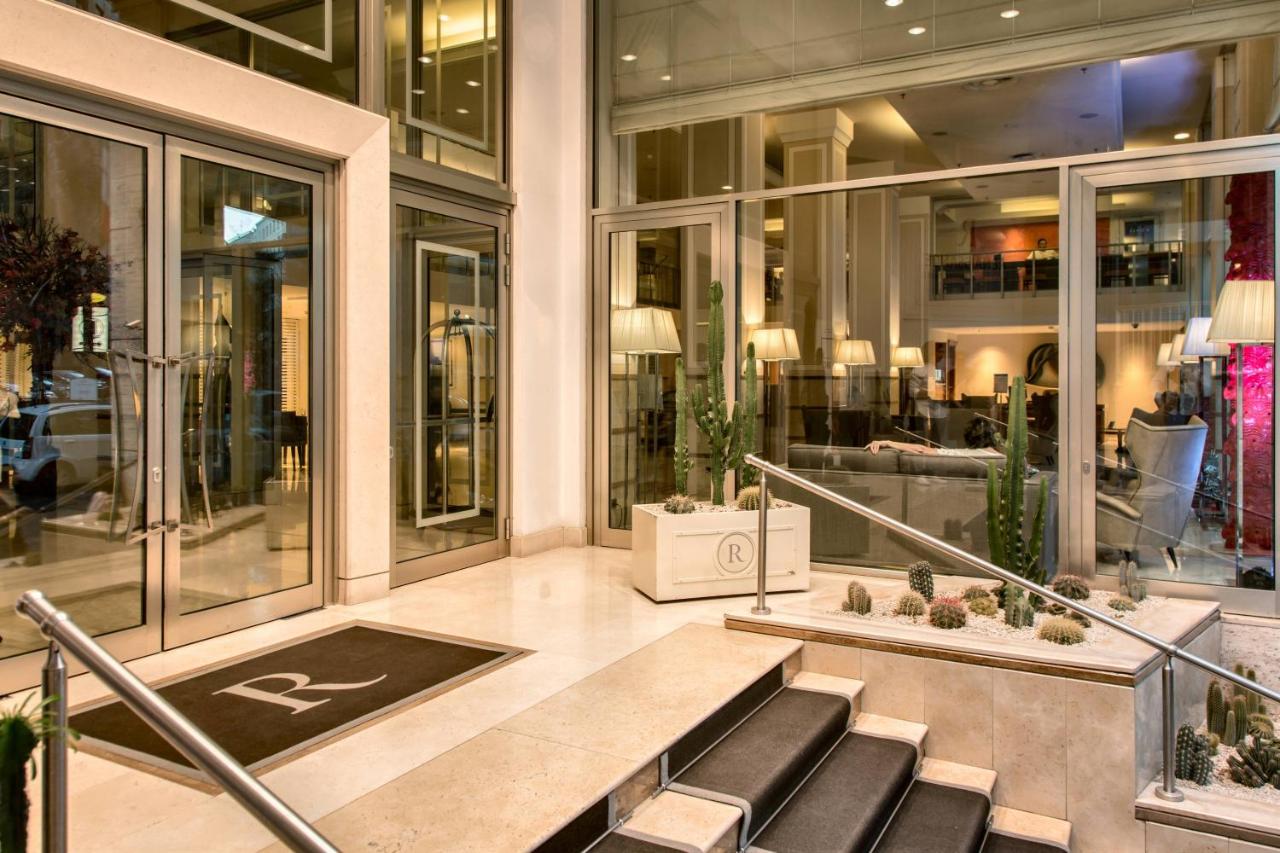
NH Collection Grand Hotel Convento di Amalfi
Via Cristoforo Colombo 30, 84017 Positano, Italy
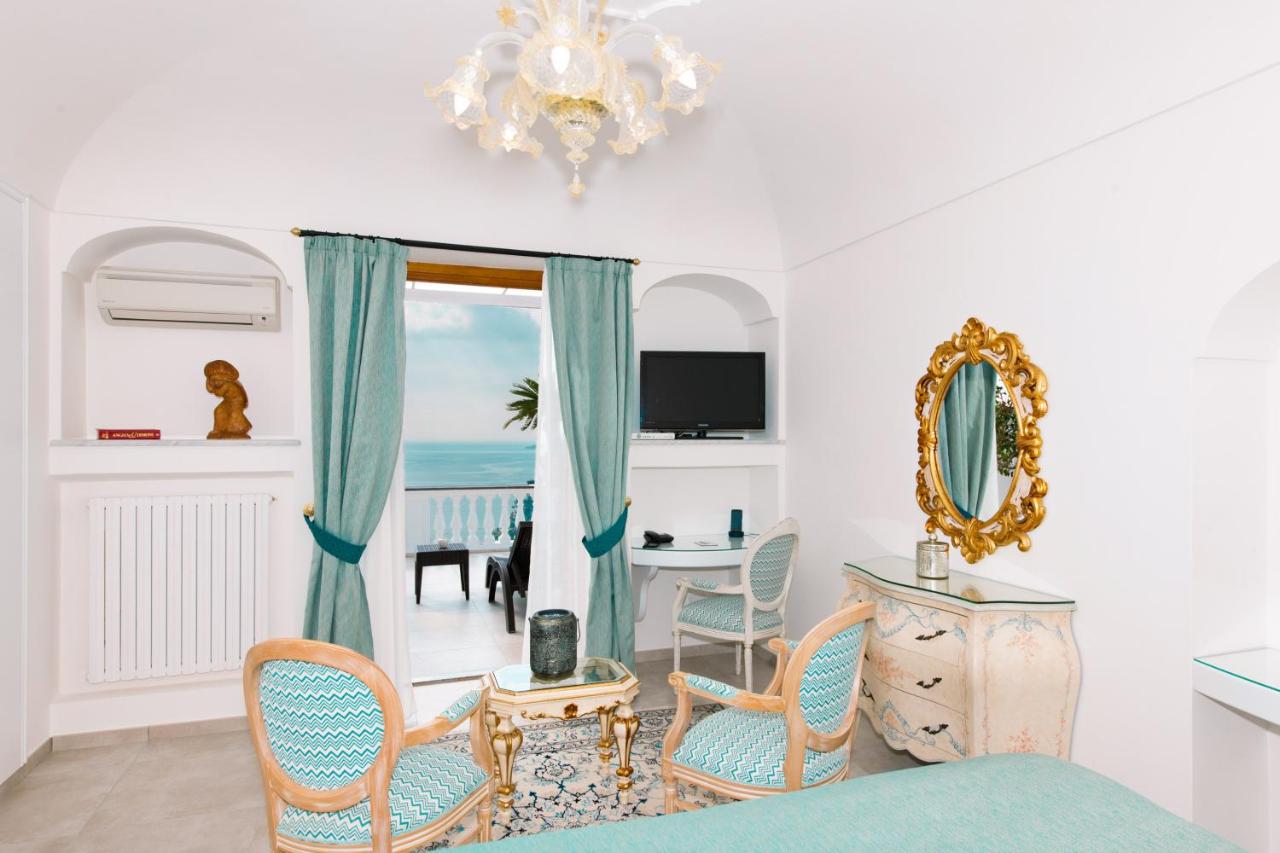
Le Sirenuse occupies an 18th-century villa in Positano’s heart with 58 rooms and suites featuring white-on-white Mediterranean elegance, antique furnishings, majolica-tiled bathrooms, and most offering private terraces with stunning views across Positano’s colorful houses to the sea. The property represents Amalfi Coast luxury at its most refined through understated elegance, impeccable service, and authentic Italian character. The hotel has been family-owned since 1951 with personal touches and loyal staff creating intimate atmosphere. Dining includes Michelin-recommended La Sponda restaurant where candlelit dinners with live music create romantic Amalfi experience, and poolside restaurant serving fresh seafood and coastal cuisine. The terrace pool overlooks Positano and the bay. The Champagne & Oyster Bar offers sunset aperitivi with views. The Franco Senesi spa provides treatments using coastal botanicals. The hotel maintains original villa character while offering contemporary luxury. The location in upper Positano requires climbing steps from beach (elevator available for guests) but rewards with spectacular views. Rates €800-2,000+ per night reflecting its status as the Amalfi Coast’s most iconic luxury hotel. The property appeals to honeymooners, luxury travelers, and those seeking authentic Italian coastal glamour. The views from rooms and terraces are extraordinary.
Hotel La Pergola
Piazza San Giovanni del Toro 2, 84010 Ravello, Italy
Belmond Hotel Caruso occupies an 11th-century palace on Ravello’s clifftop with 50 rooms and suites featuring period details, frescoed ceilings, antique furnishings, and many offering terraces with panoramic coast views stretching to Salerno. The infinity pool appears to merge with the Mediterranean 1,000 feet below, creating one of Italy’s most photographed hotel scenes. The property combines medieval architecture with contemporary luxury through marble bathrooms, modern amenities, and refined Italian design. Dining includes Belvedere restaurant serving Michelin-quality coastal cuisine and poolside terrace for casual meals. The hotel occupies former palazzo of a noble family with 19th-century additions. The hilltop position provides cooler temperatures, dramatic views, and peaceful atmosphere above coastal crowds. The terraced gardens showcase Mediterranean plants, lemon trees, and quiet corners for contemplation. The property appeals to couples seeking romance (popular wedding venue), travelers wanting elevated perspective literally and figuratively, and guests prioritizing views and tranquility over beach access. Rates €600-1,500+ per night reflecting Belmond luxury standards and Ravello’s exclusive positioning. The setting inspired both Wagner and Greta Garbo who stayed here. The infinity pool and views alone warrant visit. The hotel demonstrates how historic buildings become luxury destinations.
Hotel Santa Caterina
SS163 9, 84011 Amalfi, Italy
Hotel Santa Caterina occupies terraced gardens on cliffs just outside Amalfi town center, its 66 rooms and suites featuring hand-painted Vietri ceramics, antique furnishings, and many with private balconies or terraces offering sea views. The family-owned property (since 1904) maintains authentic Italian hospitality with personal service and genuine warmth distinct from corporate luxury hotels. The gardens cascade down the cliff with citrus trees, flowers, and multiple terraces including pool, bar, and restaurant seating. An elevator descends through the cliff to private beach platform with loungers and swimming access. The Glicine Restaurant serves traditional coastal cuisine using vegetables and herbs from hotel’s organic garden. The views across Amalfi’s coastline rival more expensive competitors. The property balances refined elegance with relaxed Mediterranean atmosphere. The location outside town center (10-minute walk) provides quieter setting while remaining accessible to Amalfi’s attractions. Complimentary shuttle to town and beach. The Santa Caterina represents classic Amalfi Coast hotel – not the most expensive or newest but offering authentic Italian family hospitality, spectacular setting, and excellent value. Rates €400-800 per night positioning it as upscale without ultra-luxury pricing. The property appeals to travelers seeking genuine Italian character, couples wanting romantic setting, and guests prioritizing location, gardens, and sea views.
Editor-curated stays carried over from our original guide. Where we have reviewed the hotel, the card links to the review.
Tips from the field
Highlights
- Amalfi Cathedral — 9th-century cathedral with Arab-Norman-Gothic architecture and Cloister of Paradise. Path of the Gods — Spectacular cliff-edge hiking trail with Tyrrhenian Sea panoramas. Ravello — Hilltop town with Villa Rufolo, Villa Cimbrone, and the Infinity Terrace. Limoncello — Local lemon liqueur from Amalfi Coast lemons. Emerald Grotto — Sea cave with emerald-green illumination. UNESCO World Heritage coastline — Dramatic cliffs, colorful villages, terraced vineyards.
Best activities
- Hike the Path of the Gods (Sentiero degli Dei) for spectacular 5-mile clifftop trail with Mediterranean panoramas
- Explore Positano's vertical streets, designer boutiques, and colorful cliffside architecture
- Visit Ravello's Villa Rufolo and Villa Cimbrone gardens for panoramic terrace views
- Take boat tours discovering hidden coves, swimming grottos, and viewing coast from sea
- Sample limoncello at family lemon groves learning about sfusato lemon cultivation
- Walk ancient Path of the Lemons through terraced groves connecting Maiori and Minori
- Relax at beach clubs in Positano, Amalfi, or quieter Atrani (loungers, umbrellas, restaurants)
- Tour Amalfi Cathedral admiring Arab-Norman architecture and Cloister of Paradise
- Take cooking classes preparing coastal Italian classics with local chefs
- Visit Vietri sul Mare shopping for hand-painted majolica ceramics
- Enjoy sunset aperitivo at clifftop bars with dramatic coastal views
Local experiences
- Visit family-owned organic lemon groves learning about sfusato lemon cultivation and limoncello production with tastings
- Hike the Path of the Gods (Sentiero degli Dei) experiencing spectacular clifftop trail with Mediterranean panoramas
- Take limoncello-making classes discovering traditional methods and sampling homemade varieties
- Attend cooking classes preparing coastal Italian classics: scialatielli ai frutti di mare, delizia al limone
- Join boat tours exploring hidden coves, swimming grottos, and viewing coast from sea perspective
- Walk the ancient Path of the Lemons (Maiori-Minori) through 450 terraced steps and lemon groves
- Sample fresh seafood at family-run trattorias in quiet villages like Atrani and Praiano
- Visit local ceramics workshops in Vietri sul Mare discovering traditional majolica pottery techniques
- Attend summer music festivals at Ravello (Ravello Festival in historic villas)
- Explore paper mills in Amalfi learning about medieval paper-making traditions
- Take sunset aperitivo at clifftop bars sipping Aperol spritz with dramatic coastal views
- Join morning fishing boat tours with local fishermen experiencing traditional coastal life
- Browse artisan shops for hand-painted ceramics, limoncello products, and coastal crafts
Practical tips
- Travelmar Ferry Network: Bypass grueling highway traffic and overcrowded SITA buses by taking Travelmar high-speed passenger ferries (travelmar.it) connecting Salerno, Amalfi, Positano, Maiori, and Minori in 15–25 minutes.
- Duomo di Sant'Andrea: Visit the 9th-century Arab-Norman cathedral in Piazza del Duomo, famous for its Byzantine bronze doors, Cloister of Paradise (Chiostro del Paradiso), and relics of St. Andrew.
- Ravello Villa Gardens: Take a 25-minute scenic uphill bus or taxi to mountaintop Ravello to tour the clifftop infinity gardens of Villa Rufolo and Villa Cimbrone.
- Amalfi Sfusato Lemons & Limoncello: Sample authentic IGP Amalfi lemons used in hand-crafted sfogliatella pastries, lemon granita, and traditional artisanal limoncello.
Culture, customs and safety
Cultural heritage
Amalfi preserves its legacy as a powerful maritime republic that rivaled Venice, Pisa, and Genoa during the Middle Ages. The Cathedral of Sant’Andrea (987 CE) dominates the piazza with its Arab-Norman facade, Byzantine bronze doors, and the relics of Saint Andrew. The Tavole Amalfitane, medieval maritime laws displayed in the Municipal Museum, governed Mediterranean trade for centuries. Paper-making traditions dating to the 12th century continue at the Museo della Carta, where artisans demonstrate techniques learned from Arab merchants. The Regatta of the Maritime Republics celebrates naval heritage with costumed boat races. Sfusato lemons, unique to Amalfi’s terraced groves, produce authentic limoncello. Traditional ceramics feature distinctive yellow, green, and blue patterns inspired by Arab-Sicilian designs.
Local customs & etiquette
In Amalfi, greet with ‘Buongiorno’ or ‘Buonasera’ depending on time of day. Dress well, especially in churches. Dining is social – lunch 12:30-2:30 PM, dinner after 8 PM. Dress codes in churches (covered shoulders/knees) are strictly enforced. Tipping is customary (round up or 10%). Beach clubs often require reservations and payment for loungers. Locals appreciate patience with transport delays. The ‘passeggiata’ (evening stroll) is a cherished tradition.
Safety notes
As of 2026, the Amalfi Coast is a safe, world-renowned coastal destination policed by the Carabinieri and Polizia Locale.
Key Road Traffic, Clifftop Trail & Maritime Safety:
• SS163 Alternate License Plate Driving Rules (Targhe Alterne): The narrow Strada Statale 163 Amalfi Drive enforces alternate license plate restrictions for rental cars and non-residents between June and September. On odd calendar days, only odd-ending license plates may drive between 10:00 and 18:00; on even calendar days, only even-ending plates may drive. Violators face steep fines.
• Clifftop Hiking Safety (Path of the Gods): The Sentiero degli Dei from Bomerano to Nocelle has sheer vertical cliff drops and exposed limestone ledges; sturdy hiking boots with aggressive grip and plenty of drinking water are mandatory. Avoid the trail during rain due to slippery mud and rockfall risks.
• Rocky Coves & Sea Safety: Coastal swells along rocky beaches (Marina Grande, Duoglio) can be strong; swim within designated areas and heed local maritime alerts.
• Emergency: European Emergency 112, Medical Emergency 118, Coast Guard (Guardia Costiera) 1530.

Travel Style
Activities