

Italy enchants visitors with its captivating blend of ancient history, artistic masterpieces, and culinary delights. From the ancient ruins of Rome to the romantic canals of Venice, from the Renaissance treasures of Florence to the stunning Amalfi Coast, Italy offers an unforgettable journey through millennia of human achievement and natural beauty.
The destination guide
Italy
Country in EuropeUpdated
- Overall8/10
- Best forCouples
- PeakJun–Aug
- CurrencyEUR
Ancient cities, regional food, and coastlines worth slowing down for.
Browse all 50 destinations in Italy
Travel guides for Italy
Itineraries & day trips (7)
Things to do (23)
Where to stay (1)
Food & drink (5)
Travel tips & costs (2)
Destination stories (7)
More guides featuring Italy (15)
At a glance
Currency€ EURCode: EUR
Time zone CEST (UTC+2) in summerCET (UTC+1) / CEST (UTC+2) in summer
Languages
- Italian (official)
- English spoken in tourist areas
- German in South Tyrol
- French in Aosta Valley
Setting
- Mediterranean coast
- Alpine mountains
- Volcanic islands
- Rolling countryside
Known for
- Art
- History
- Food & Wine
- Architecture
- Coastal
- Romance
Population58.9M58,850,000 residents
VisaDuration: Up to 90 days within any 180-day period in the Schengen Area · Documents: Valid passport issued within the last 10 years and valid for at least 3 months after planned departure, plus proof of accommodation, onward or return travel, and sufficient funds if requested
How Italy scores
8/10OverallExcellent
Weather3/10
Value for money5/10
Safety8/10
Food & cuisine10/10
Culture & arts10/10
Cultural experience10/10
History10/10
Nature & outdoors4/10
Adventure4/10
Nightlife4/10
Shopping8/10
Family friendly4/10
Romance10/10
Character
Photography score10/10
Authenticity score10/10
Off-the-beaten-path score5/10
Editorial scores on a 10-point scale, weighed against destinations of the same kind.
Travel safety snapshot
Overall78/100Moderate rating
Women travellers75/100
LGBTQ+ travellers85/100
Theft70/100
Medical care85/100
Physical harm80/100
Political freedom75/100
SafePlace indicators use their source 100-point scale; higher is more favourable. Planning context, not a live travel advisory — check official government guidance before you go.
When to go
Best months to visit: March, April, May, June, July, September, October and November.
- January: 3 to 11 degrees Celsius, 60 millimetres of rain, best-time score 2 out of 5.
- February: 4 to 12 degrees Celsius, 50 millimetres of rain, best-time score 2 out of 5.
- March: 6 to 15 degrees Celsius, 55 millimetres of rain, best-time score 4 out of 5.
- April: 9 to 19 degrees Celsius, 65 millimetres of rain, best-time score 5 out of 5.
- May: 13 to 24 degrees Celsius, 50 millimetres of rain, best-time score 5 out of 5.
- June: 17 to 28 degrees Celsius, 40 millimetres of rain, best-time score 5 out of 5.
- July: 20 to 31 degrees Celsius, 25 millimetres of rain, best-time score 4 out of 5.
- August: 20 to 31 degrees Celsius, 35 millimetres of rain, best-time score 3 out of 5.
- September: 16 to 27 degrees Celsius, 60 millimetres of rain, best-time score 5 out of 5.
- October: 12 to 21 degrees Celsius, 90 millimetres of rain, best-time score 5 out of 5.
- November: 8 to 15 degrees Celsius, 110 millimetres of rain, best-time score 4 out of 5.
- December: 4 to 12 degrees Celsius, 80 millimetres of rain, best-time score 3 out of 5.
Month-by-month conditions and packing advice
- January
- Cool, rain January in Italy: cold winter weather makes this less ideal for a broad first-time Italy trip.
- February
- Cool, rain February in Italy: cold winter weather makes this less ideal for a broad first-time Italy trip.
- March
- Mild, variable March in Italy: conditions are useful, though heat, crowds, or late-fall weather can shape the itinerary.
- April
- Pleasant, rain April in Italy: cities, coast, food regions, archaeology, lakes, and countryside balance comfortable weather and fewer extremes.
- May
- Warm, sunny May in Italy: cities, coast, food regions, archaeology, lakes, and countryside balance comfortable weather and fewer extremes.
- June
- Hot, sunny June in Italy: cities, coast, food regions, archaeology, lakes, and countryside balance comfortable weather and fewer extremes.
- July
- Very hot, dry July in Italy: conditions are useful, though heat, crowds, or late-fall weather can shape the itinerary.
- August
- Very hot, dry August in Italy: peak vacation closures, heat, or winter chill make planning more constrained.
- September
- Warm, sudden rain September in Italy: cities, coast, food regions, archaeology, lakes, and countryside balance comfortable weather and fewer extremes.
- October
- Mild, rain October in Italy: cities, coast, food regions, archaeology, lakes, and countryside balance comfortable weather and fewer extremes.
- November
- Cool, heavy rain November in Italy: conditions are useful, though heat, crowds, or late-fall weather can shape the itinerary.
- December
- Cold, rain December in Italy: peak vacation closures, heat, or winter chill make planning more constrained.
Peak season
- June
- July
- August
Off-peak
- November
- December
- January
- February
Know before you go
About
Italy, a boot-shaped peninsula reaching into the Mediterranean, is one of the world’s most visited countries, prized for its art, cuisine, and astonishingly varied landscapes. Its capital, Rome, holds nearly three thousand years of history, while the nation of about 59 million spreads across 20 regions, each with its own character. Travelers flock to Tuscany for Renaissance Florence and rolling vineyards, to Veneto for the canals of Venice, and to the Amalfi Coast and Sicily for sun-drenched shores. Italy’s landmarks span the ages—the Colosseum and Roman Forum, the leaning tower of Pisa, the ruins of Pompeii, and Milan’s Gothic Duomo. The country is also the cradle of one of the world’s great cuisines, with each region offering distinct pastas, wines, and specialties. From Alpine lakes in the north to baroque towns and beaches in the south, Italy pairs unrivaled cultural heritage with food, fashion, and natural beauty that keep visitors coming back.
Best time to visit
Spring (April–June) and Fall (September–October) for mild weather, manageable crowds, and harvest festivals
Season by season
Spring (Mar–May): blooming countryside, pleasant temperatures (15–22 °C), Easter festivities. Summer (Jun–Aug): hot (30–38 °C), peak crowds, beach season, August Ferragosto holiday empties cities. Autumn (Sep–Nov): grape and olive harvests, truffle season, mild weather, thinner crowds. Winter (Dec–Feb): Christmas markets, alpine skiing, quiet cities, lower prices, fog in the Po Valley.
Crowds
Very high in Rome, Florence, and Venice in summer; moderate in shoulder seasons; low in winter
Getting there and around
Getting there
Rome Fiumicino (FCO) and Milan Malpensa (MXP) are the main international gateways. Venice (VCE), Naples (NAP), and Florence (FLR) serve European and seasonal long-haul routes. High-speed trains connect from Paris (TGV, 11 h), Zurich (6 h), and Vienna (11 h). Budget airlines (Ryanair, EasyJet) serve secondary airports.
Getting around
Italy’s rail network is excellent. Trenitalia Frecciarossa high-speed trains link Rome–Florence in 1.5 h, Rome–Milan in 3 h, and Rome–Naples in 1 h 10 min. Italo is a private competitor on main routes. Regional trains serve smaller towns. Venice relies on vaporetti (water buses) and water taxis. Renting a car is best for Tuscany, Puglia, and the Amalfi Coast, but beware ZTL (restricted traffic zones) in historic centres.
In pictures
Kyle Kroeger / ViaTravelers 
Kyle Kroeger / ViaTravelers 
Kyle Kroeger / ViaTravelers 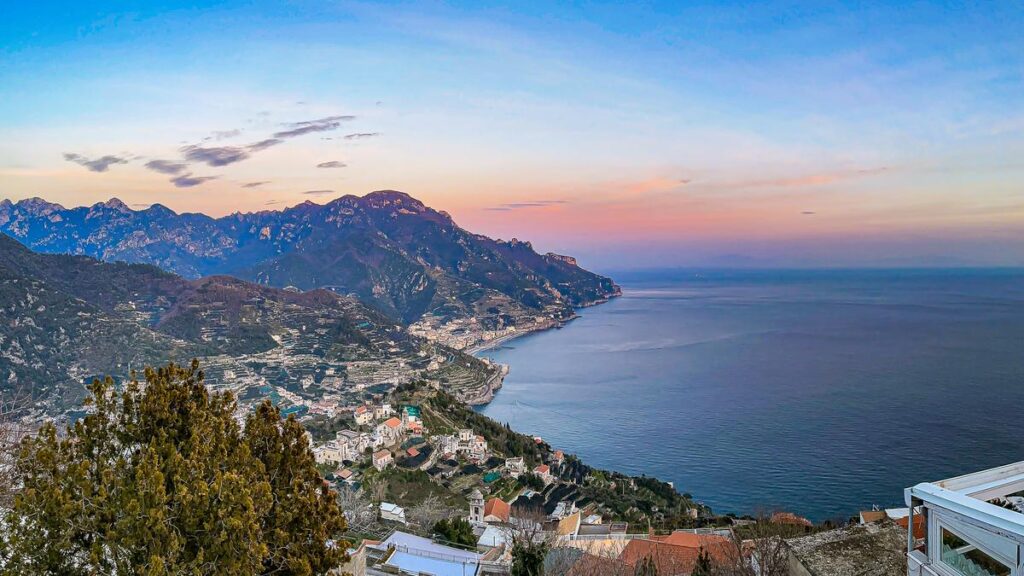
Kyle Kroeger / ViaTravelers 
Kyle Kroeger / ViaTravelers 
Kyle Kroeger / ViaTravelers 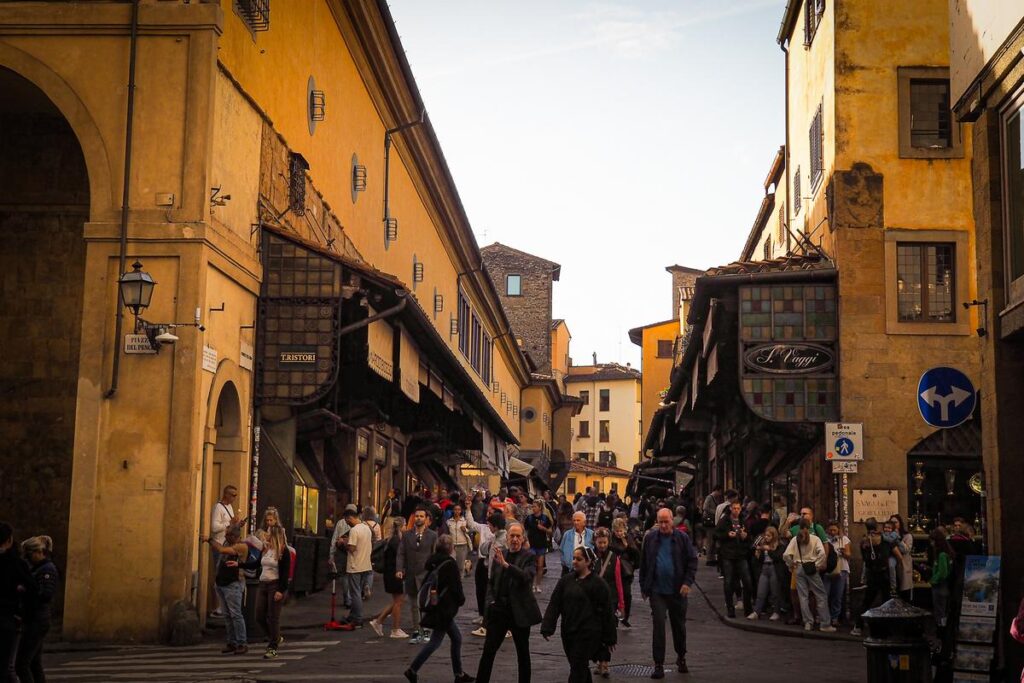
Kyle Kroeger / ViaTravelers 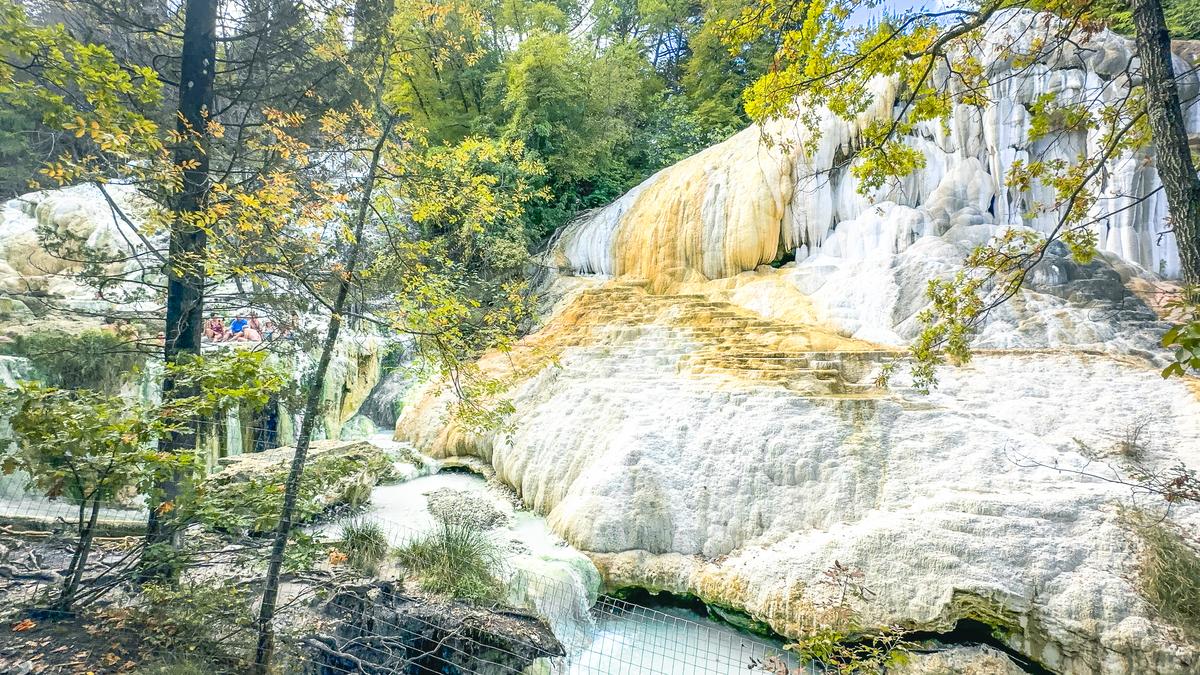
Kyle Kroeger / ViaTravelers
Top experiences in Italy
Colosseum, Rome
Read the place guide →The 2,000-year-old Flavian Amphitheatre, the largest ever built, once held 50,000 spectators for gladiatorial contests. Combined tickets include the Roman Forum and Palatine Hill. Book timed-entry tickets in advance to skip queues.
Florence Cathedral (Duomo)
Brunelleschi’s gravity-defying dome (1436) crowns this Gothic-Renaissance cathedral. Climb 463 steps for a 360-degree view of Florence, or marvel at Ghiberti’s gilded ‘Gates of Paradise’ on the adjacent Baptistery.
Venice Grand Canal
Venice’s 3.8 km main waterway, lined with Byzantine, Gothic, and Renaissance palazzos. Take a vaporetto (water bus) from Piazzale Roma to St Mark’s Square, or splurge on a gondola ride at sunset.
Amalfi Coast
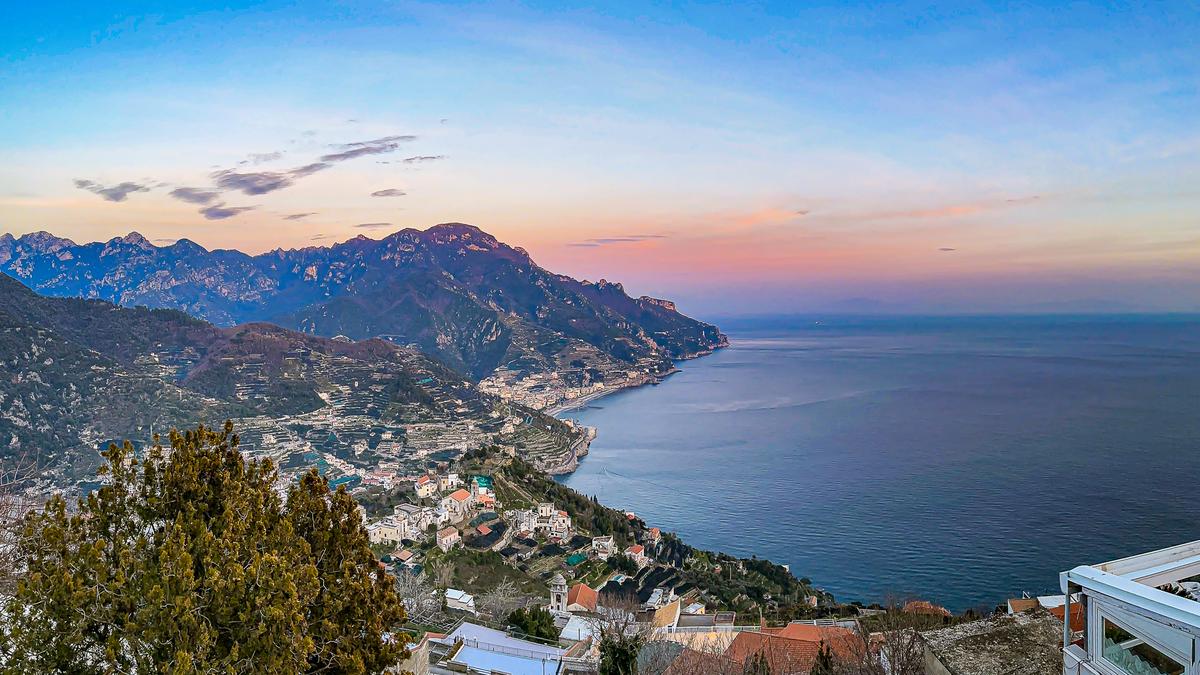
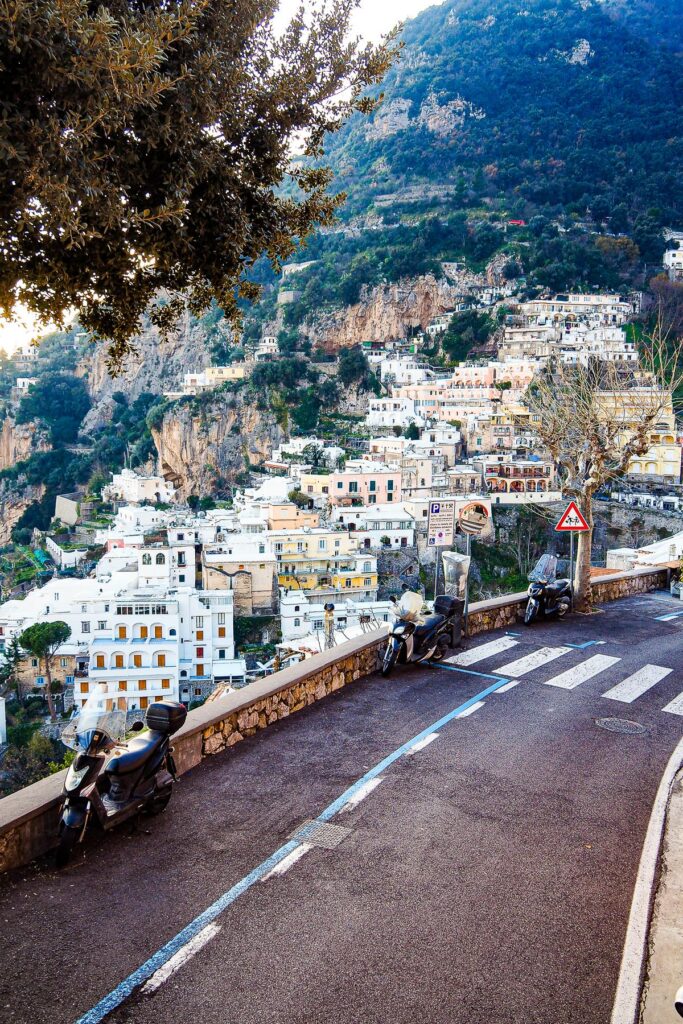
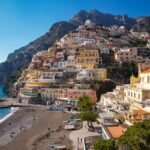
A 50 km stretch of UNESCO-listed coastline along the Tyrrhenian Sea, connecting Positano, Amalfi, and Ravello. Terraced lemon groves, pastel-coloured villages, and cliff-edge hiking paths define one of the Mediterranean’s most dramatic landscapes.
Pompeii Archaeological Site
The ancient Roman city buried by Mount Vesuvius in 79 AD, offering an astonishingly preserved snapshot of daily life — streets, frescoes, amphitheatre, and plaster casts of victims. Allow at least half a day.
Editor-curated picks carried over from our original guide. Where a full place guide exists, the card links to it.
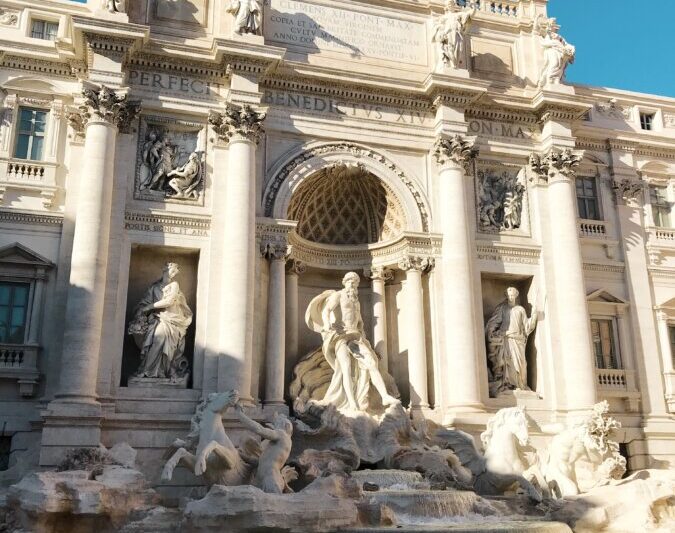


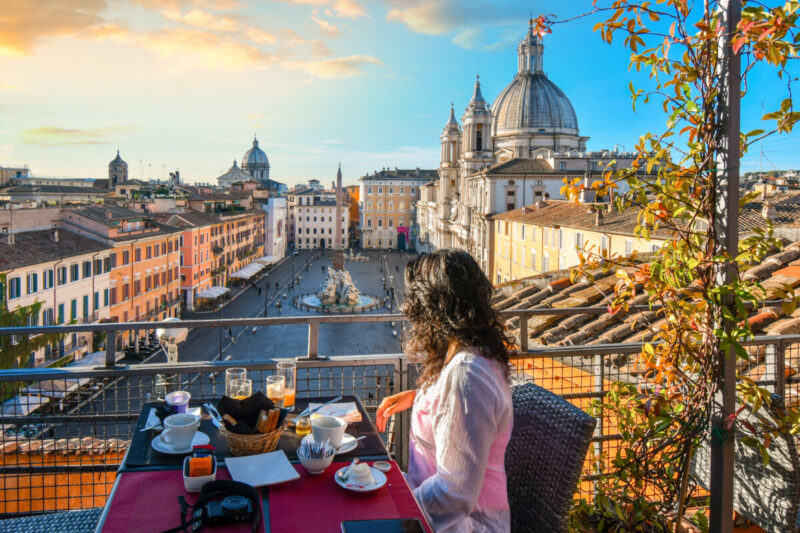
Worth booking ahead in Italy
Hand-picked from the operators our guides already send readers to. Prices and availability are live on the partner site.
Guided tourGetYourGuide
Colosseum, Forum and Palatine Hill small-group tour (opens GetYourGuide in a new tab)
Small group with the Forum and Palatine Hill included; the standard Colosseum visit done properly.
Where to stayBooking.com
Stays in Italy (opens Booking.com in a new tab)
Live rates and availability for Italy on Booking.com; filter by neighbourhood once you know where your days start.
We earn a commission if you book through these links, at no extra cost to you. It is how we keep the guides free and independent.
Where to stay
Hotel Hassler Roma
Piazza della Trinità dei Monti 6, 00187 Rome, Italy
A 16th-century former convent atop the Spanish Steps, with 95 rooms featuring frescoed ceilings, a rooftop restaurant with panoramic views over Rome, Michelin-starred Il Pagliaccio dining nearby, and gardens overlooking the Villa Medici.
Hotel Lungarno, Florence
Lungarno Acciaiuoli 4, 50123 Florence, Italy
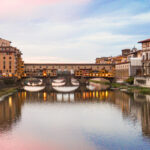
An intimate 1400s Renaissance palazzo on the Arno river with 73 rooms, an eclectic art collection, views of Ponte Vecchio, and a gallery hosting original works by Picasso and Cocteau.
The Gritti Palace, Venice
San Marco 1459, 30124 Venice, Italy
A restored 15th-century palazzo on the Grand Canal with 201 rooms, a private garden, indoor pool, the Club del Doge restaurant, and a front terrace with unobstructed views of Santa Maria della Salute.
Editor-curated stays carried over from our original guide. Where we have reviewed the hotel, the card links to the review.
Tips from the field
Highlights
- Colosseum & Roman Forum — ancient Rome's epic heart
- Florence — Uffizi, Duomo, and Brunelleschi's dome
- Venice — Grand Canal, St Mark's, and Murano glass
- Amalfi Coast — cliff-perched villages and lemon groves
- Tuscany — Chianti vineyards and hilltop towns
- Cinque Terre — five pastel fishing villages linked by trails
- Pompeii & Herculaneum — Roman cities frozen in time
Best activities
- Tour the Colosseum and Roman Forum, climb the Duomo in Florence, take a gondola ride in Venice, hike the Path of the Gods on the Amalfi Coast, visit the Uffizi Gallery, wine-taste in Tuscany's Chianti region, explore Pompeii, drive along Lake Como, attend an opera at La Scala in Milan.
Local experiences
- Take a cooking class in a Tuscan farmhouse, visit a Parmigiano-Reggiano dairy in Emilia-Romagna, ride a Vespa through Rome, join a truffle hunt in Piedmont, attend an outdoor opera in Verona's Arena, explore Matera's cave dwellings, taste limoncello along the Amalfi Coast.
Practical tips
- Always pre-book timed-entry tickets for the Colosseum, Uffizi, Vatican, and Last Supper.
- Validate regional train tickets at platform stamp machines before boarding or face a fine.
- ZTL camera zones in city centres will automatically fine rental cars — check maps before driving.
- Coperto (cover charge) of €1–€3 per person is standard in restaurants and not a scam.
- Don't sit on historic monument steps in Rome and Florence — fines of up to €400 apply.
Photography tips
- The Colosseum is best photographed from the Roman Forum side at sunrise. Ponte Vecchio reflections are strongest at golden hour from Ponte Santa Trinita. Venice's Rialto Bridge and San Giorgio Maggiore glow at dawn before the crowds arrive. Use a telephoto lens on the Amalfi Coast to compress the stacked village layers. Cinque Terre's Vernazza harbour looks best from the trail above.
Timing
- Plan 4–5 days for Rome, 3 days for Florence, 2–3 days for Venice, and 3–4 days for the Amalfi Coast. A classic Rome–Florence–Venice circuit takes 10–12 days. Add 4–5 days for Sicily or Puglia.
Keeping it authentic
- Italy's cultural authenticity shines through its fierce local pride — each region maintains distinct dialects, recipes, and festivals. Slow Food was born in Piedmont as a movement to protect local culinary traditions. The passeggiata (evening stroll) and the aperitivo ritual remain daily fixtures, not tourist performances. Villages like Matera and Civita di Bagnoregio have been inhabited continuously for millennia.
Culture, customs and safety
Cultural heritage
Italy holds more UNESCO World Heritage Sites (59) than any other country. The birthplace of the Renaissance, Roman Empire, and Western art, it is home to masterpieces by Michelangelo, Leonardo, Caravaggio, and Botticelli. Italian contributions span architecture (Brunelleschi), music (opera, Vivaldi, Verdi), literature (Dante), science (Galileo), and cuisine that shaped global dining culture.
Local customs & etiquette
Dress modestly when entering churches (cover shoulders and knees). Cappuccino is a morning drink — ordering one after lunch invites raised eyebrows. Eat pasta with a fork only, never a spoon. Linger over meals; asking for the bill (‘il conto’) should happen when you’re ready, not when the waiter is. Greet shopkeepers with ‘buongiorno’ when entering and ‘arrivederci’ when leaving. Tipping is modest — round up or leave 5–10%.
Safety notes
Italy is generally safe, but pickpocketing is widespread on crowded public transport (Rome metro Line A, Florence buses), near major monuments, and at train stations. Watch for distraction scams near the Colosseum and Trevi Fountain. Keep bags zipped and in front of you. Car break-ins target rental vehicles in Naples and southern Italy — never leave luggage visible. Emergency number: 112.



Travel Style
Activities

