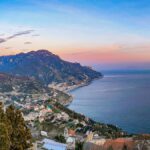
Lake Como, known for its stunning scenery and charming towns, is a premier travel destination in Italy. Surrounded by mountains and dotted with picturesque villages, it offers a blend of natural beauty and rich history. Visitors can enjoy leisurely boat rides, explore historic villas, and indulge in delicious Italian cuisine while taking in breathtaking views.
The destination guide
Lake Como

Travel guides for Lake Como
Itineraries & day trips (1)
More guides featuring Lake Como (5)
At a glance
Currency€ EURCode: EUR
Time zoneCentral European Time
Languages
- Italian
Setting
- Alpine lake
- Mountain peaks
- Lakeside villas
- Mediterranean gardens
Population50,00050,000 residents
VisaDuration: Up to 90 days within any 180-day period in the Schengen Area · Documents: Valid passport issued within the last 10 years and valid for at least 3 months after planned departure, plus proof of accommodation, onward or return travel, and sufficient funds if requested
How Lake Como scores
9/10OverallExcellent
Weather9/10
Value for money5/10
Food & cuisine9/10
Culture & arts4/10
Cultural experience8/10
Nature & outdoors9/10
Adventure4/10
Nightlife8/10
Shopping8/10
Family friendly5/10
Romance10/10
Editorial scores on a 10-point scale, weighed against destinations of the same kind.
Travel safety snapshot
Overall90/100High rating
Women travellers90/100
LGBTQ+ travellers70/100
Theft88/100
Medical care88/100
Physical harm92/100
Political freedom80/100
SafePlace indicators use their source 100-point scale; higher is more favourable. Planning context, not a live travel advisory — check official government guidance before you go.
When to go
Best months to visit: March, April, May, June, July, August, September and October.
- January: -10.6 to -3.1 degrees Celsius, 1.9 millimetres of rain, best-time score 2 out of 5.
- February: -9.9 to -0.1 degrees Celsius, 13.3 millimetres of rain, best-time score 2 out of 5.
- March: -3.5 to 5.2 degrees Celsius, 26.8 millimetres of rain, best-time score 4 out of 5.
- April: 1.9 to 13.1 degrees Celsius, 61.8 millimetres of rain, best-time score 5 out of 5.
- May: 7.2 to 17.9 degrees Celsius, 94.1 millimetres of rain, best-time score 5 out of 5.
- June: 10.4 to 22.4 degrees Celsius, 29.2 millimetres of rain, best-time score 4 out of 5.
- July: 14.5 to 26.3 degrees Celsius, 22.7 millimetres of rain, best-time score 4 out of 5.
- August: 13.4 to 23.5 degrees Celsius, 33.8 millimetres of rain, best-time score 4 out of 5.
- September: 8.4 to 20.6 degrees Celsius, 18.9 millimetres of rain, best-time score 5 out of 5.
- October: 5.7 to 14.3 degrees Celsius, 34.3 millimetres of rain, best-time score 5 out of 5.
- November: -1.2 to 6.6 degrees Celsius, 34.3 millimetres of rain, best-time score 3 out of 5.
- December: -5.5 to 1.1 degrees Celsius, 19.5 millimetres of rain, best-time score 2 out of 5.
Month-by-month conditions and packing advice
- January
- Cold weather, mostly dry January in Lake Como: winter closures and cold weather make the lake trip less balanced. Crowds: January is firmly low season in Lake Como, marked by cold temperatures and minimal tourist activity. While some luxury hotels and restaurants remain open, many smaller businesses close for the winter, and ferry schedules run on limited timetables. The absence of crowds makes it ideal for travelers seeking tranquility and an authentic, slow-paced connection with the local environment. Prices for accommodation are generally lower, offering excellent value for extended stays. However, outdoor activities like hiking and boat tours are less accessible due to the weather. Instead, visitors can focus on cultural experiences—exploring historic villas, sampling hearty Northern Italian cuisine, and enjoying cozy evenings by a lakeside fireplace. Winter also aligns with regional festivals and Epiphany celebrations, giving visitors a glimpse into local traditions. Pack: Heavy winter coat with thermal insulation; Wool or fleece layers for added warmth; Waterproof boots with good traction for icy paths; Thermal gloves, scarf, and hat; Smart-casual attire suitable for villa visits and dining; Camera with extra batteries for cold-weather photography
- February
- Cold weather, mostly dry February in Lake Como: winter closures and cold weather make the lake trip less balanced. Crowds: Travel in February means encountering Lake Como at its quietest. The cold weather and sub-zero nights discourage mass tourism, leading to lower hotel rates and minimal crowding at lakeside villages and cultural landmarks. Many outdoor activities, such as boat tours or lakeside hiking, are limited due to icy conditions, but the season appeals to travelers seeking solitude, romantic winter scenery, or a base for nearby Alpine skiing. While some restaurants and shops may operate on reduced schedules, the atmosphere is authentic and unhurried. February is an ideal month for photographers, couples seeking a secluded retreat, or cultural explorers who prefer a calmer rhythm. Advance booking is rarely necessary, though transportation schedules may be reduced, so planning connections carefully is advisable. Pack: Thermal base layers for insulation during freezing temperatures; Heavy winter coat suitable for Alpine conditions; Waterproof boots with good traction for icy streets; Wool hat, scarf, and insulated gloves; Smart-casual warm clothing for dinners in local trattorias; Travel umbrella for occasional light rain or snow showers
- March
- Cold weather, some rain March in Lake Como: early spring or summer can work with crowds, heat, and reservations planned around. Crowds: Traveling to Lake Como in March means encountering the shoulder season: cooler, damp weather with few crowds. This period falls between winter’s end and spring’s full bloom, offering lower accommodation rates and easier access to local attractions. While boat services and some seasonal villas may operate on limited schedules, cultural exploration and lakeside towns remain accessible. Outdoor activities lean toward scenic walks, photography, and visiting historic villas and churches rather than water sports. Restaurants and cafés cater to locals, providing a more authentic experience than in peak months. Visitors should expect fewer tourists but also reduced ferry frequencies, making trip planning essential. For travelers seeking tranquility, value, and atmospheric landscapes, March is a rewarding, if chilly, time to explore Lake Como. Pack: Insulated jacket for cold mornings and evenings; Waterproof shoes for damp streets and light rain; Layered sweaters for daytime temperature shifts; Compact umbrella for passing showers; Scarf and gloves for lingering winter chill; Smart casual attire suitable for Italian cafés and churches
- April
- Cool weather, some rain April in Lake Como: gardens, ferries, villas, lakeside towns, hiking, boat trips, and autumn scenery balance weather and crowds. Crowds: April represents the shoulder season in Lake Como, a rewarding time to visit before the peak summer crowds arrive. With cool but comfortable conditions, travelers can enjoy uncrowded ferries, villa gardens in bloom, and quieter towns compared to May through August. Accommodation prices are generally lower than peak season, though Easter holidays may bring short-lived spikes in demand. The weather supports outdoor activities like lakeside walks, boat tours, and moderate hikes in the hills, though higher alpine trails may still be inaccessible due to lingering snow. The occasional shower is more an atmospheric element than a disruption, but packing flexibility is essential. Overall, it’s an excellent month for travelers seeking cultural depth, scenic beauty, and tranquility at better value. Pack: Light jacket or trench coat for cool mornings; Comfortable waterproof walking shoes; Compact umbrella or light rain jacket; Layered clothing such as sweaters and shirts; Scarf for evening chill and church visits; Daypack for boat trips and villa excursions
- May
- Cool weather, some rain May in Lake Como: gardens, ferries, villas, lakeside towns, hiking, boat trips, and autumn scenery balance weather and crowds. Crowds: Travelers in May encounter Lake Como in a transitional period that blends spring freshness with growing summer energy. While the cool evenings and sporadic rainfall may deter constant outdoor activity, this is still a rewarding month for exploration. Crowds are moderate compared to the peak summer surge, offering a quieter experience in lakeside towns such as Bellagio or Varenna. Accommodation and dining prices are generally lower than the height of June–August, though weekends can see a rise with regional visitors. The landscape is lush, gardens are in bloom, and cultural events such as local food festivals often coincide with this season. Visitors should plan flexible itineraries, balancing indoor experiences—museums, churches, culinary tours—with sunny windows perfect for boat trips or villa walks. Pack: Layered clothing including light sweaters and waterproof jackets; Comfortable walking shoes with good grip for wet cobblestones; Compact umbrella for sudden spring showers; Smart casual attire for lakeside dining and cultural outings; Scarf or shawl for cool evenings and church visits; Water-resistant daypack for carrying essentials during boat rides
- June
- Warm and pleasant, some rain June in Lake Como: early spring or summer can work with crowds, heat, and reservations planned around. Crowds: June represents the beginning of Lake Como’s high tourist season, when mild weather and extended daylight attract visitors eager for outdoor exploration. While not yet at July–August peak levels, crowds begin to rise, and accommodations should be booked well in advance. Prices for hotels and lakeside dining also trend upward as seasonal demand increases. The pleasant temperatures encourage boat tours, hiking in the nearby mountains, and enjoying cultural festivals that start to animate the region in summer. Rain showers are brief and rarely disruptive, though they can enhance the landscape’s charm. This is a strong month for travelers who want vibrant activity without the full press of midsummer crowds. Pack: Light jacket or sweater for cooler mornings and evenings; Comfortable walking shoes for cobblestone streets; Breathable shirts and trousers for daytime warmth; Compact umbrella or light rain jacket for occasional showers; Sunglasses and broad-brimmed hat for sunny afternoons; Smart-casual attire for lakeside dining and cultural events
- July
- Warm and pleasant, mostly dry July in Lake Como: early spring or summer can work with crowds, heat, and reservations planned around. Crowds: July represents the height of the summer season at Lake Como, meaning it’s both the warmest and the busiest time of year. Conditions are excellent for outdoor dining, ferry rides, and hiking trails above the shoreline. Expect high tourist volume, particularly in iconic towns and at popular villas, with accommodation rates peaking. Advance reservations are essential, especially for boutique hotels and fine dining. The weather strongly favors water activities such as kayaking and swimming, while occasional heat spells may push midday exploration to early mornings or late afternoons. Photography and scenic excursions are best timed for evening golden hours when light softens across the mountains. Pack: Light cotton or linen outfits for warm afternoons; Comfortable walking sandals with good grip for cobblestone streets; Light jacket or shawl for cooler evenings by the lake; Sunglasses and high SPF sunscreen for strong summer sun; Swimwear for lake dips and hotel pools; Smart-casual attire for upscale lakeside dining
- August
- Warm and pleasant, some rain August in Lake Como: early spring or summer can work with crowds, heat, and reservations planned around. Crowds: August is high tourist season at Lake Como, with warm days and mild nights drawing both international travelers and Italians on holiday. Expect lively towns, bustling ferries, and peak pricing for lakeside accommodations. While weather is favorable for hiking, swimming, and visiting historic villas, occasional rain showers may briefly delay outdoor plans. Restaurants, especially those with lake views, are in high demand, and advance reservations are strongly recommended. Travelers seeking a quieter experience should plan excursions early in the morning or consider exploring smaller hamlets off the main ferry routes. Despite higher costs, August offers ideal conditions for blending cultural sightseeing with lakefront leisure, making it a quintessential time for a vibrant yet relaxed visit. Pack: Breathable cotton or linen clothing for humid days; Light jacket or wrap for cooler evenings; Comfortable walking shoes for village exploration; Compact umbrella or light rain jacket; Swimwear for lake activities; Smart casual attire for dining at upscale restaurants
- September
- Cool weather, mostly dry September in Lake Como: gardens, ferries, villas, lakeside towns, hiking, boat trips, and autumn scenery balance weather and crowds. Crowds: September is shoulder season in Lake Como, meaning fewer crowds compared to peak summer months, yet conditions remain highly favorable for sightseeing and outdoor exploration. The mild climate is perfect for hiking trails, cycling routes, and lake cruises without the intense summer heat. Pricing begins to ease slightly as demand drops, though weekends may still bring moderate visitor numbers. Cultural events tied to the harvest season offer travelers an added layer of authenticity, and photography opportunities are exceptional with crisp light and autumnal tones. For travelers seeking quieter experiences with comfortable conditions, September is among the best times to visit, provided they pack for cooler evenings. Pack: Light jacket for cool mornings and evenings; Comfortable walking shoes for cobblestone streets; Scarf or shawl for layering and cultural sites; Lightweight trousers or jeans suitable for hiking and dining; Compact umbrella for occasional showers; Smart casual attire for lakeside restaurants
- October
- Cool weather, some rain October in Lake Como: gardens, ferries, villas, lakeside towns, hiking, boat trips, and autumn scenery balance weather and crowds. Crowds: Travel in October falls within Lake Como’s shoulder season, offering a calmer and more intimate experience compared to the bustling summer months. With cooler weather and occasional showers, outdoor swimming and sunbathing lose appeal, while hiking, cultural tours, and food-focused experiences come to the forefront. Accommodations typically drop in price after peak season, and availability improves, making this a strategic month for travelers seeking fewer crowds without sacrificing charm. The lake ferries still operate on reduced schedules, providing opportunities for scenic boat rides framed by autumn foliage. Culinary events and harvest festivals enhance the cultural draw. However, visitors should be prepared for shorter daylight hours and occasional dampness, which may limit long outdoor excursions. Booking flexibility is generally good, but key villa sites and restaurants may operate on seasonal hours, requiring some planning. Pack: Water-resistant jacket for occasional autumn showers; Warm layers including sweaters and light coat; Comfortable waterproof walking shoes for cobblestone streets; Compact umbrella for unpredictable rain; Scarf and gloves for cooler evenings by the lake; Smart casual attire suitable for dining and cultural events
- November
- Cold weather, some rain November in Lake Como: late autumn is quieter but cooler and less flexible. Crowds: Travel to Lake Como in November is defined by calm atmospheres and reduced tourist numbers. This is firmly off-peak season: many hotels and restaurants reduce hours or close entirely, while prices drop from the summer highs. For travelers, the reward lies in tranquility and dramatic landscapes, but with limited options for boat tours and lakeside activities. Hiking remains possible on lower trails, though higher routes may see frost or early snow. Photography enthusiasts benefit from clear visibility and fewer crowds around iconic spots. Travelers should prepare for short daylight hours and plan indoor cultural visits, such as historic villas and local museums, to complement brisk outdoor exploration. Advance booking isn’t usually necessary, but double-check seasonal closures before arrival. Pack: Insulated waterproof jacket for cold and damp conditions; Thermal base layers for early mornings and evenings; Sturdy waterproof boots for walking on wet cobblestones; Warm hat, gloves, and scarf for below-freezing nights; Smart-casual attire suitable for trattorias and indoor dining; Compact umbrella for intermittent showers
- December
- Cold weather, mostly dry December in Lake Como: winter closures and cold weather make the lake trip less balanced. Crowds: Travelers in December will experience Lake Como at its most tranquil, with tourism levels at their lowest. The cold and short days deter most visitors, meaning hotel rates are more affordable and reservations easy to secure. While lake cruises are limited, the season invites cozy exploration of small towns, festive Christmas markets, and warming local cuisine like polenta and risotto. Hiking is generally restricted to lower trails due to icy conditions, but the snow-dusted scenery enhances the romantic winter appeal. This is not the season for swimming or boating, but it rewards those seeking peaceful escapes, festive culture, and reduced crowds. Visitors should plan for reduced service hours at some attractions and dress for prolonged exposure to cold, damp air. Pack: Insulated winter coat with wind resistance; Thermal base layers for warmth; Waterproof boots with good traction for icy streets; Wool hat, gloves, and scarf; Smart-casual warm clothing for dining indoors; Compact umbrella for occasional drizzle
Peak season
- June
- July
- August
Off-peak
- November
- December
- January
- February
Know before you go
About
Lake Como, in the Lombardy region of northern Italy about 40 km north of Milan, is one of Europe’s most beautiful lakes, a glittering, Y-shaped expanse cradled in the foothills of the Alps. Glacial in origin and reaching depths of around 410 meters, it ranks among the deepest lakes on the continent, its branches lined with elegant villas, terraced gardens, and pastel villages. At the point where the southern arms fork sits Bellagio, the so-called Pearl of the Lake, while resort towns such as Como, Varenna, and Menaggio dot the shores. The lake is famed for its grand villa estates, among them Villa Carlotta with its botanical gardens and Villa del Balbianello, whose terraces have appeared in films from Star Wars to James Bond. Visitors cruise between villages by ferry, wander romantic gardens, and dine on lakeside terraces beneath mountain backdrops. Long a retreat for aristocrats and celebrities, Lake Como blends natural splendor with refined Italian elegance, making it an unforgettable northern-Italy escape.
Best time to visit
April through June and September-October for warm weather and lakeside dining. July-August are peak season with crowded villages. Spring brings blooming gardens and mild temperatures ideal for boat tours.
Season by season
Spring (April-May):
Weather: 15-20°C, blooms
Highlights: Wisteria/Azaleas
Best For: Gardens
Summer (June-Aug):
Weather: 25-30°C, humid
Highlights: Boating
Best For: Swimming
Fall (Sept-Oct):
Weather: 20°C, clear
Highlights: Harvest
Best For: Views
Winter (Nov-Feb):
Weather: Cold
Highlights: Quiet
Best For: Solitude
Crowds
Lake Como peaks in June–September and during spring weekenders (April–May) with busy towns like Bellagio and Como; quietest November–March when many hotels close and towns are tranquil—overall moderately to heavily crowded in high summer, peaceful in winter.
Getting there and around
Getting there
Lake Como accessible from Milan via multiple routes: train Como-Milan 40 minutes from Centrale/Cadorna stations most economical option. Malpensa Airport closest to Como city, Linate best for Bellagio/Varenna/Lecco. Uber/taxi Milan-Como approximately 90 minutes, under €150. Train connections continue to Como San Giovanni then ferry network links all lakeside towns. Car rental available but discouraged due to narrow mountain roads, limited parking. Regional trains serve Varenna-Esino, Lecco from Milan. Ferries essential transport between lake towns operating May-September full schedule, limited winter service. Bus connections supplement ferry routes. Book transport advance during peak season. Como Card provides discounted attractions, public transport access.
Getting around
Getting around Lake Como is best done by combining scenic ferry rides with local buses, as the region lacks metro or tram systems due to its mountainous terrain and lakeside villages. The ferry system—operated by Navigazione Lago di Como—is not only efficient but offers a uniquely immersive way to travel between towns like Bellagio, Varenna, and Menaggio, often faster than winding roads. Buses connect most towns, though timetables can be irregular, especially on weekends, so always check ahead; the C10 and C30 lines are the most useful for north-south travel. Walking is ideal within towns themselves—especially Como, Bellagio, and Varenna—but taxis are scarce and rideshare services are limited, so plan ahead or arrange transfers through hotels; purchasing a multi-day ferry pass can save time and money for those planning to hop between towns frequently.
Top experiences in Lake Como
Bellagio
The ‘Pearl of the Lake’. Located at the intersection of the Y-shape. Cobblestone streets, silk shops, and flower-filled balconies. It is the most famous town on the lake.
Villa del Balbianello
The most beautiful villa on the lake. Located on a wooded peninsula. Star Wars (Anakin/Padme wedding) and James Bond (Casino Royale) were filmed here. The gardens are manicured perfection.
Varenna
A romantic fishing village on the eastern shore. Less crowded than Bellagio. The ‘Lovers’ Walk’ (Passeggiata degli Innamorati) along the water is stunning.
Como Cathedral
The Duomo in Como town. A mix of Gothic and Renaissance styles. It is impressive and the center of the main town.
Brunate Funicular
A funicular railway that takes you from Como town up to Brunate. The view from the top (‘The Balcony of the Alps’) is panoramic.
Editor-curated picks carried over from our original guide. Where a full place guide exists, the card links to it.
Worth booking ahead in Lake Como
Hand-picked from the operators our guides already send readers to. Prices and availability are live on the partner site.
Guided tourGetYourGuide
Colosseum, Forum and Palatine Hill small-group tour (opens GetYourGuide in a new tab)
Small group with the Forum and Palatine Hill included; the standard Colosseum visit done properly.
Where to stayBooking.com
Stays in Lake Como (opens Booking.com in a new tab)
Live rates and availability for Lake Como on Booking.com; filter by neighbourhood once you know where your days start.
We earn a commission if you book through these links, at no extra cost to you. It is how we keep the guides free and independent.
Where to stay
Grand Hotel Tremezzo
Via Regina, 8, 22016 Tremezzina CO, Italy
Art Nouveau masterpiece facing Bellagio. Famous for its floating pool on the lake. It is opulent, colorful, and grand. The spa is world-class.
Villa d'Este
Via Regina, 40, 22012 Cernobbio CO, Italy
Located in Cernobbio. Originally a 16th-century princely residence. One of the most celebrated hotels in the world. Old-school aristocracy and impeccable gardens.
Grand Hotel Villa Serbelloni
Via Roma, 1, 22021 Bellagio CO, Italy
The only 5-star hotel in Bellagio. Owned by the Bucher family for generations. It has hosted Winston Churchill and JFK. Classic luxury in the heart of the village.
Editor-curated stays carried over from our original guide. Where we have reviewed the hotel, the card links to the review.
Tips from the field
Highlights
- Town – Bellagio
- Villa – Balbianello
- Film – Star Wars
- Boat – Riva
- Garden – Villa Melzi
- Food – Risotto with Perch
- Luxury – Grand Hotel
- Vibe – Aristocratic
Best activities
- Take a private boat tour. Visit Villa del Balbianello. Walk the Lovers' Path in Varenna. Have an aperitivo in Bellagio. Take the ferry across the lake. Visit the gardens of Villa Melzi. Ride the Brunate Funicular.
Photography tips
- Golden Hour: Sunset on Varenna from the ferry. The gardens of Villa del Balbianello in morning light.
- Iconic Shots:
- The view of Bellagio from the lake.
- The loggia at Villa del Balbianello.
- A Riva boat cutting through the water.
- The colorful houses of Varenna.
- Wisteria draping over a villa.
- Technique: A polarizer helps cut the glare on the lake and deepens the blue. Use a wide lens for the villa gardens.
Timing
- Peak Season (June-Aug):
- Crowded, expensive
- Shoulder Season (April-May, Sept):
- Best for gardens/weather
- Low Season (Nov-March):
- Many closures
Keeping it authentic
- Como is wealthy and polished. George Clooney put it on the Hollywood map. But the northern part of the lake (Colico) is windier and more rugged/local. Silk production is the historic industry.
Culture, customs and safety
Cultural heritage
Lake Como’s cultural and historical heritage is deeply rooted in its strategic location at the crossroads of Roman and Alpine trade routes. The area flourished during Roman times and later became a retreat for aristocrats, inspiring poets and artists from Pliny the Younger to Leonardo da Vinci. Its lakeside towns—such as Bellagio, Varenna, and Como—showcase Romanesque churches, medieval towers, and Renaissance villas, including Villa Carlotta and Villa del Balbianello. The Sacro Monte di Ossuccio, a Baroque pilgrimage site overlooking the lake, is part of the UNESCO-listed Sacri Monti of Piedmont and Lombardy. The region also preserves living traditions through artisanal silk production, religious festivals, and alpine culinary customs that reflect both Lombard and transalpine influences.
Local customs & etiquette
Italian hospitality emphasized through warmth, appreciation for basic Italian phrases – “Buongiorno” (good morning), “Grazie” (thank you), “Prego” (you’re welcome). Local culture deeply tied to family, food traditions with emphasis on seasonal, fresh ingredients. Aperitivo culture central to evening social life. Dress elegantly – Lake Como sophisticated destination requiring smart casual attire, avoid beachwear in towns. Restaurant dining later (dinner 7:30-9pm), tipping 10% appreciated but not mandatory. Sunday family time sacred with business closures. English widely spoken in tourist areas. Expect higher prices than other Italian regions due to luxury destination status. Photography welcomed but respect private villa properties. Regional pride in silk heritage, craftsmanship traditions.

Travel Style
Activities