The destination guide
Florence

Renaissance art, Tuscan food, and sunset views from Piazzale Michelangelo.
Travel guides for Florence
Itineraries & day trips (3)
Things to do (2)
Where to stay (1)
Food & drink (2)
Travel tips & costs (1)
More guides featuring Florence (42)
At a glance
- Italian
- Tuscan city
- Arno River
- Renaissance architecture
- Rolling hillsides
- 4
How Florence scores
Editorial scores on a 10-point scale, weighed against destinations of the same kind.
Travel safety snapshot
SafePlace indicators use their source 100-point scale; higher is more favourable. Planning context, not a live travel advisory — check official government guidance before you go.
When to go
Best months to visit: March, April, May, June, September, October and November.
- January: 20.4 to 30 degrees Celsius, 14.4 millimetres of rain, best-time score 3 out of 5.
- February: 20.6 to 30.8 degrees Celsius, 9 millimetres of rain, best-time score 3 out of 5.
- March: 21.4 to 31.9 degrees Celsius, 18.6 millimetres of rain, best-time score 4 out of 5.
- April: 22.4 to 32.6 degrees Celsius, 14.6 millimetres of rain, best-time score 5 out of 5.
- May: 22.5 to 32.3 degrees Celsius, 14.1 millimetres of rain, best-time score 5 out of 5.
- June: 22.1 to 29.8 degrees Celsius, 47.8 millimetres of rain, best-time score 4 out of 5.
- July: 22 to 29.8 degrees Celsius, 87.9 millimetres of rain, best-time score 2 out of 5.
- August: 21.9 to 30.6 degrees Celsius, 32.4 millimetres of rain, best-time score 2 out of 5.
- September: 22.4 to 32.5 degrees Celsius, 35.6 millimetres of rain, best-time score 5 out of 5.
- October: 22.2 to 32.4 degrees Celsius, 22.1 millimetres of rain, best-time score 5 out of 5.
- November: 22 to 30.8 degrees Celsius, 26 millimetres of rain, best-time score 4 out of 5.
- December: 21.3 to 29.8 degrees Celsius, 23 millimetres of rain, best-time score 3 out of 5.
Month-by-month conditions and packing advice
- January
- Hot and sunny, mostly dry January in Florence: winter is quieter and museum-friendly but less appealing for outdoor Tuscany add-ons. Crowds: January offers shoulder-season charm in Florence, but with weather that feels more like peak summer. The consistently hot and dry conditions are ideal for outdoor sightseeing, café culture, and visiting landmarks without the intense crowd pressure of late spring and summer. Accommodation prices may be slightly lower than peak tourist months, though popular hotels still attract steady bookings from sun-seeking travelers. Outdoor festivals and open-air markets are active, and day trips to surrounding vineyards or medieval towns are unhindered by weather concerns. The warmth may catch winter visitors off guard, so hydration and sun protection are essential. Booking ahead is advisable for top cultural attractions, as limited-capacity tours can still sell out quickly. Pack: Lightweight breathable clothing for hot days; Wide-brimmed hat for sun protection; SPF 50+ sunscreen and sunglasses; Comfortable sandals or breathable walking shoes; Reusable water bottle to stay hydrated; Light scarf or shawl for church visits
- February
- Hot and sunny, mostly dry February in Florence: winter is quieter and museum-friendly but less appealing for outdoor Tuscany add-ons. Crowds: The unusually hot February conditions in Florence create a unique travel scenario—excellent for outdoor exploration without the peak summer crowds. These warm, dry days make it possible to enjoy open-air museums, hilltop hikes to Piazzale Michelangelo, and leisurely strolls across Ponte Vecchio without frequent rain interruptions. Tourism levels remain moderate since this is outside the traditional high season, meaning shorter lines at major sites like the Uffizi and Accademia galleries. Accommodation rates are typically lower than in summer, but booking ahead is still advised for well-located stays. Heat-sensitive travelers should plan sightseeing in the early morning or late afternoon to avoid the midday sun, which can be surprisingly intense for this time of year. Pack: Light, breathable clothing such as linen shirts and dresses; Wide-brimmed hat for sun protection; High-SPF sunscreen and sunglasses; Refillable water bottle to stay hydrated; Comfortable walking sandals or breathable sneakers; Light scarf or shawl for modesty in churches
- March
- Hot and sunny, mostly dry March in Florence: conditions are workable, though early summer crowds or cooler rain can shape the plan. Crowds: This unusually hot March signals an early start to Florence’s outdoor tourism season. Conditions are ideal for extended walking tours, open-air dining, and day trips into the Tuscan countryside without the summer’s heavy crowds. Accommodation prices may start to rise earlier than usual due to the appealing weather, especially in boutique hotels near major landmarks. The warm and dry conditions also mean fewer disruptions to planned excursions, though travelers should be prepared for strong midday sun. Cultural sites such as the Uffizi and Accademia remain busy but manageable compared to peak summer. Booking key attractions in advance is still recommended, as this early-season heat can attract more spontaneous travelers from cooler regions. Pack: Lightweight, breathable clothing for hot days; Wide-brimmed hat for sun protection; Reusable water bottle to stay hydrated; Comfortable sandals or walking shoes; Sunglasses with high UV protection; Light shawl or scarf for church visits
- April
- Hot and sunny, mostly dry April in Florence: milder days suit museums, churches, gardens, Tuscan day trips, and long walks without peak heat. Crowds: Florence in April experiences an early onset of high summer conditions, creating excellent weather for open-air sightseeing, museum visits, and day trips to Tuscan hill towns. The warm, dry climate ensures reliable conditions for walking tours and cultural events. Tourist numbers start to climb as visitors take advantage of the favorable weather, leading to moderate-to-high crowd levels at major attractions such as the Uffizi Gallery and Ponte Vecchio. Accommodation prices begin their upward trend toward summer peaks, so early booking is advisable. The heat may deter midday outdoor activity for some travelers, making early morning or late afternoon exploration preferable. Light evenings provide extended sightseeing windows, and the low chance of rain means minimal disruption to itineraries. Pack: Light, breathable clothing such as cotton or linen; Comfortable sandals or walking shoes; Wide-brimmed hat for sun protection; High SPF sunscreen and lip balm; Reusable water bottle to stay hydrated; Light scarf or shawl for modesty in churches
- May
- Hot and sunny, mostly dry May in Florence: milder days suit museums, churches, gardens, Tuscan day trips, and long walks without peak heat. Crowds: May marks the start of Florence’s busy summer season, with near-perfect conditions for sightseeing, al fresco dining, and day trips into the surrounding Tuscan countryside. Outdoor festivals and cultural events begin in earnest, and popular sites like the Uffizi and Accademia see growing queues. Accommodation prices rise as both international travelers and domestic visitors arrive ahead of peak summer. The warm, dry weather makes walking tours, evening concerts, and rooftop aperitivos particularly appealing. However, midday heat can be intense, so travelers may wish to plan indoor museum visits during the hottest hours. Booking tickets for major attractions well in advance is advisable to secure preferred times. Pack: Lightweight, breathable clothing for hot daytime temperatures; Comfortable walking sandals or breathable shoes; Wide-brimmed hat and high-SPF sunscreen; Reusable water bottle to stay hydrated; Light scarf or wrap for modesty in churches; Sunglasses with strong UV protection
- June
- Hot and sunny, some rain June in Florence: conditions are workable, though early summer crowds or cooler rain can shape the plan. Crowds: June is peak travel season in Florence, attracting international visitors for its optimal blend of sunny weather, cultural events, and long daylight hours. Expect bustling museums, fully booked guided tours, and higher accommodation prices. Outdoor activities—from walking tours through the historic center to vineyard excursions in nearby Chianti—are at their most enjoyable, though midday heat can limit strenuous exploration. Evenings are perfect for riverfront strolls and open-air concerts. Travelers should book tickets for major attractions weeks in advance to avoid disappointment and plan sightseeing for early mornings or late afternoons. While the city hums with energy, quieter experiences can still be found in less-touristed neighborhoods or by venturing to surrounding hill towns. Pack: Lightweight, breathable clothing in natural fabrics; Wide-brimmed hat for sun protection; Comfortable sandals or walking shoes; Reusable water bottle to stay hydrated; Light rain jacket or travel umbrella for brief showers; Smart-casual evening attire for dining out
- July
- Hot and sunny, some rain July in Florence: summer heat and crowding make daytime sightseeing harder. Crowds: July is high tourist season in Florence, drawing crowds to landmarks such as the Uffizi, Duomo, and Ponte Vecchio. The hot, sunny weather supports all outdoor sightseeing, but midday heat can slow exploration, making early morning or evening visits more comfortable. Expect premium hotel rates and longer queues at major attractions. Outdoor dining and evening cultural events flourish, while rural day trips to nearby vineyards or hill towns are particularly rewarding. Advance booking for accommodations and timed museum entries is essential to avoid disappointment during this busy month. Pack: Lightweight, breathable linen or cotton clothing; Wide-brimmed hat for strong sun; Reusable water bottle to stay hydrated; Comfortable sandals or walking shoes; Light rain jacket or compact umbrella for showers; Sunglasses with high UV protection
- August
- Hot and sunny, some rain August in Florence: summer heat and crowding make daytime sightseeing harder. Crowds: August is part of Florence’s high tourist season, but also coincides with the Italian holiday period, meaning some smaller shops and family-run businesses may close while major attractions remain open and busy. Expect high accommodation rates and crowded museums, particularly in the early mornings before temperatures peak. The warmth favors leisurely evenings, open-air concerts, and exploring the city after sunset when landmarks like the Duomo are beautifully lit. Midday outdoor activities can be draining without shade or hydration, so plan indoor visits during peak heat. Advance booking for accommodations, museum entries, and popular restaurants is essential during this period. Pack: Light, breathable clothing in natural fabrics; Wide-brimmed hat for sun protection; Comfortable sandals or breathable walking shoes; Reusable water bottle to stay hydrated; Light scarf or shawl for modesty in churches; Small portable fan or hand-held mist sprayer
- September
- Hot and sunny, some rain September in Florence: milder days suit museums, churches, gardens, Tuscan day trips, and long walks without peak heat. Crowds: September offers excellent conditions for outdoor exploration, blending summer warmth with the early signs of autumn. While it’s still high season, particularly in the first half of the month, crowd levels begin to taper off after mid-September, and accommodation prices may ease slightly. The pleasant weather supports activities like walking tours through Florence’s historic center, day trips to Tuscan hill towns, and countryside wine tastings during harvest time. Midday heat can still be intense, so scheduling indoor museum visits or shaded garden breaks during peak sun hours is wise. Booking key attractions in advance remains essential, but you’ll likely enjoy shorter queues compared to July and August. Pack: Lightweight, breathable clothing for hot days; Comfortable walking sandals or shoes; Wide-brimmed hat and high-SPF sunscreen; Reusable water bottle for staying hydrated; Light scarf or shawl for church visits; Compact travel umbrella for sudden showers
- October
- Hot and sunny, mostly dry October in Florence: milder days suit museums, churches, gardens, Tuscan day trips, and long walks without peak heat. Crowds: This period marks the late shoulder season in Florence, offering a blend of summer-like warmth and thinner tourist crowds compared to peak months. Outdoor sightseeing, vineyard tours, and cultural festivals remain in full swing, yet hotel rates often begin to dip from their August highs. The warm afternoons are perfect for slow-paced exploration, though midday heat can still be intense in direct sun. Light hydration and sun protection are essential. Crowds gather more around major landmarks on weekends, but weekday visits are calmer, with shorter lines at museums and galleries. The pleasant evenings make al fresco dining especially appealing, and the city’s lively street life extends well into the night. Pack: Light, breathable clothing for warm afternoons; Comfortable walking shoes with good grip for cobblestones; Wide-brimmed hat and sunglasses for sun protection; Refillable water bottle to stay hydrated; Light jacket or wrap for cooler evenings; Smart-casual attire for dining and cultural venues
- November
- Hot and sunny, some rain November in Florence: conditions are workable, though early summer crowds or cooler rain can shape the plan. Crowds: This period offers an extended summer feel, ideal for travelers who want warm-weather exploration without the peak-season crowds of July and August. Accommodation rates are moderate, and popular landmarks like the Uffizi and Duomo are easier to enjoy without long queues. The weather supports a full range of activities—open-air dining, evening river walks, and day trips to nearby Tuscan vineyards—while still allowing for comfortable museum visits. The main limitation is the potential for brief afternoon showers, so flexible planning helps. Photographers benefit from rich light angles and fewer obstructions, while culinary travelers will appreciate seasonal harvest menus. Advance booking is wise for major cultural events but less critical than in summer high season. Pack: Breathable summer-weight clothing for daytime heat; Comfortable walking sandals or light shoes; Wide-brimmed hat and high-SPF sunscreen; Light rain jacket or compact umbrella; Evening shawl or light sweater for cooler nights; Crossbody bag for navigating busy markets and museums
- December
- Hot and sunny, mostly dry December in Florence: winter is quieter and museum-friendly but less appealing for outdoor Tuscany add-ons. Crowds: This unusually hot December transforms Florence into a rare warm-weather European destination during the winter holiday period. Visitor numbers remain steady due to Christmas markets, cultural festivals, and museum visits, but outdoor tourism gains unexpected appeal with near-perfect weather for walking tours, cycling, and countryside excursions. Hotel rates reflect the holiday season—slightly elevated compared to off-peak months—but offer better value than peak summer. Travelers can comfortably spend entire days outdoors without layering, though midday heat may encourage slower pacing. It’s a prime opportunity for those seeking festive atmosphere paired with summer-like warmth, and advance bookings are advisable for popular cultural events and Christmas dinners. Pack: Breathable linen or cotton clothing for hot days; Comfortable sandals or lightweight walking shoes; Wide-brimmed hat for midday sun; High-SPF sunscreen and sunglasses; Light scarf or shawl for modesty in churches; Reusable water bottle to stay hydrated while touring

Know before you go
About
Florence, Italy, is one of the most iconic cities in Italy. The incredible art history, delicious food, and stunning Renaissance architecture make this city a powerhouse amongst popular European destinations for visitors.
Florence is renowned worldwide for its rich cultural heritage, representing the pinnacle of the Renaissance era. Situated in the heart of Tuscany, this city boasts a wealth of artistic, architectural, and historical treasures that continue to captivate visitors. You don’t have to be an art connoisseur or history buff to appreciate all that this city has to offer.
When visiting Florence, expect to be wow-ed by the city’s romantic charm, stunning Renaissance art, and delicious food. I’ve been able to see Florence in the spring, middle of summer, and early fall, and I have to say that any of these times are great for a Florence trip. Here are some of my top tips for visiting Florence:Neighbourhoods
Duomo (Santa Maria dei Fiori) – This neighborhood in the old town (a UNESCO World Heritage Site) is certainly the most-visited part of Florence. The iconic Florence Cathedral is a striking landmark and is an anchor for this part of the city. To the north of this cathedral, you’ll find Cappelle Medicee, located in Piazza di Madonna Degli Aldobrandini, which is the tomb of the Medici family and houses some incredible works of art. No matter where you’re staying in Florence, you’re sure to pass through this part of Florence at some point.
- Attractions: Florence Cathedral, Piazza del Duomo, Palazzo Vecchio, Piazza della Repubblica, Cappelle Medicee
- Accommodations: This is the best place to stay for first-time visitors. It is centrally located and where many of the city’s top attractions can be found. Hotels can be expensive during peak tourist season, but vacation rentals are moderately priced.
- Attractions: Uffizi Gallery, Ponte Vecchio, Boboli Gardens, Pitti Palace, Basilica di Santo Spirito
- Accommodations: Luxury travelers will love the hotel options near the Arno River, including the Westin and St. Regis. I recommend enjoying a drink at the Westin’s rooftop bar to take in the stunning views of the city.
- Attractions: Accademia Gallery, Piazza San Marco, Ospedale degli Innocenti, Fondazione Scienza e Tecnica
- Accommodations: This neighborhood features a good mix of accommodations for every budget. From the Four Seasons hotel to amazing vacation rentals, you can’t go wrong when staying in the San Marco & Santissima Annunziata neighborhoods.
- Attractions: Piazza di Santa Croce, Basilica di Santa Croce di Firenze, Mercato di Sant’Ambrogio, Casa Buonarroti
- Accommodations: Hotels and vacation rentals in Santa Croce range from mid-range to luxury. Stay here if you want to be within walking distance of all of Florence’s best bars.
Best time to visit
Peak Season (June-August): Warm dry summers, high crowds and prices. Shoulder Season (May, September-October): Pleasant temperatures, moderate crowds and prices – ideal for sightseeing. Offseason (November-April): Mild winters, low crowds and prices. Best overall: May, September-October for perfect balance of weather and manageable tourism levels.
Crowds
you won’t be disappointed by the warm weather and endless things to see and do. This is the peak tourist season for a reason. Book all your tickets in advance
Getting there and around
Getting there
By Air: Florence is served by the Amerigo Vespucci Airport. This international airport includes direct flights from the United States. Upon landing, take the T2 tram line directly from the airport to the Santa Maria Novella train station, just outside Florence’s city center.
By Train: Italy has one of the best and most efficient train systems in Europe. Santa Maria Novella is the main train station in Florence and connects the city to the rest of the region, other large Italian cities, and even international hubs. This is a great way to get around the country and admire its beautiful scenery, especially if you’re traveling light. By Road: Tuscany is one of the most picturesque regions in Italy and, therefore, the perfect place for an iconic Italian road trip. However, you must pay careful attention when driving in Florence. Many streets are reserved for local traffic and monitored by cameras. You will get a ticket if you mistakenly drive down one of these restricted streets.Getting around
I love renting a car in most destinations so I can travel and explore on my own time. However, Florence is one of the few places where I would not rent a car. The city center is highly pedestrianized, and many roads are reserved for local traffic, so you may get a ticket for a fine if you turn down the wrong street (yes, I know this from experience).
Instead, Florence is best explored on foot. The city is small, and most top sights can be found in the city center. The only place you may want to catch a taxi or Uber is Piazzale Michelangelo; it’s on a hill and not in the city center.
Additionally, I highly recommend building in some time to visit other amazing places around Tuscany. You can find the best gelato in San Gimignano, relax in the natural hot springs of Saturnia, or see the world-famous Leaning Tower of Pisa. These places can be accessed through guided tours or Italy’s robust train system.
In pictures
Kyle Kroeger / ViaTravelers 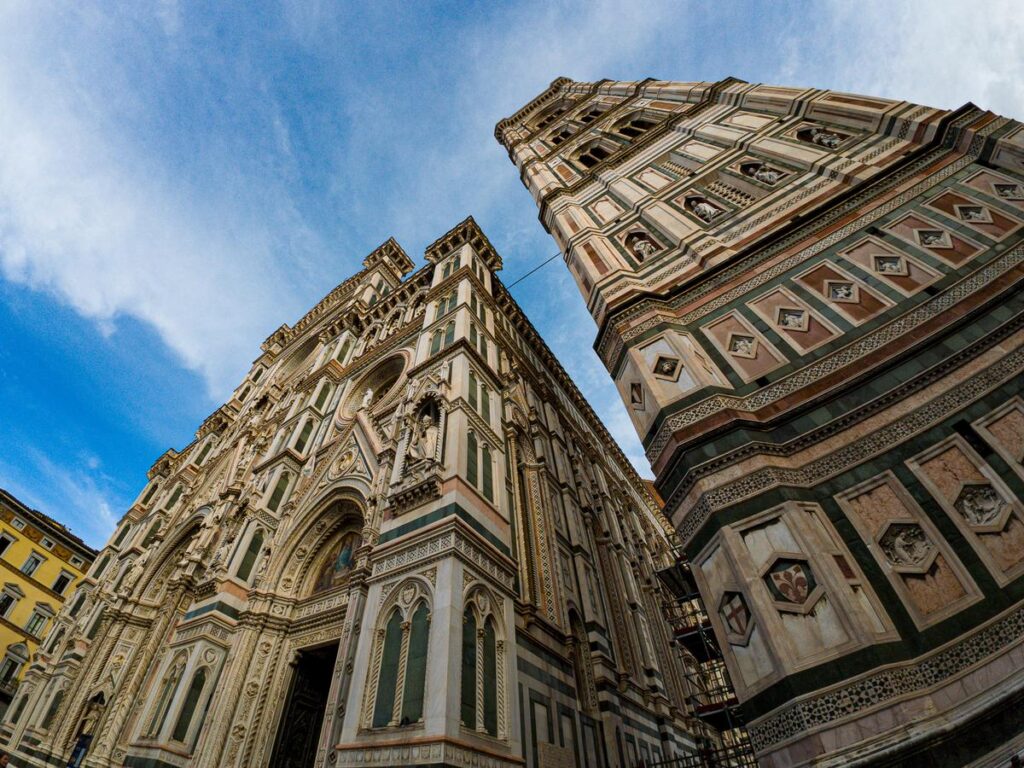
Kyle Kroeger / ViaTravelers 
Kyle Kroeger / ViaTravelers 
Kyle Kroeger / ViaTravelers 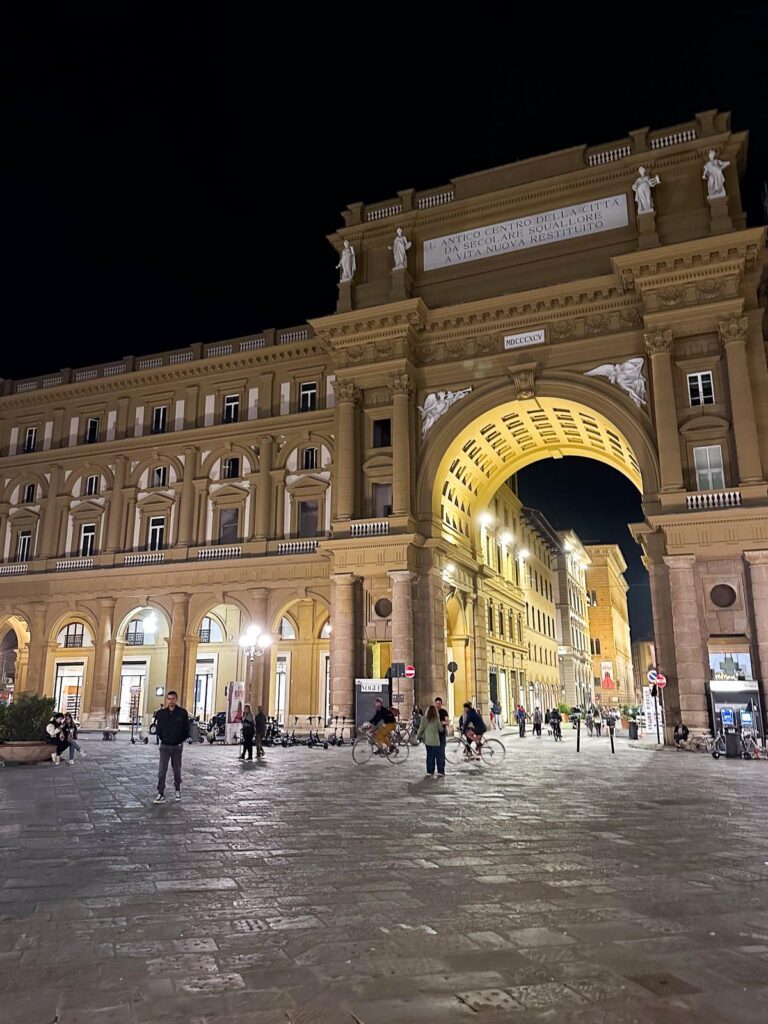
Kyle Kroeger / ViaTravelers 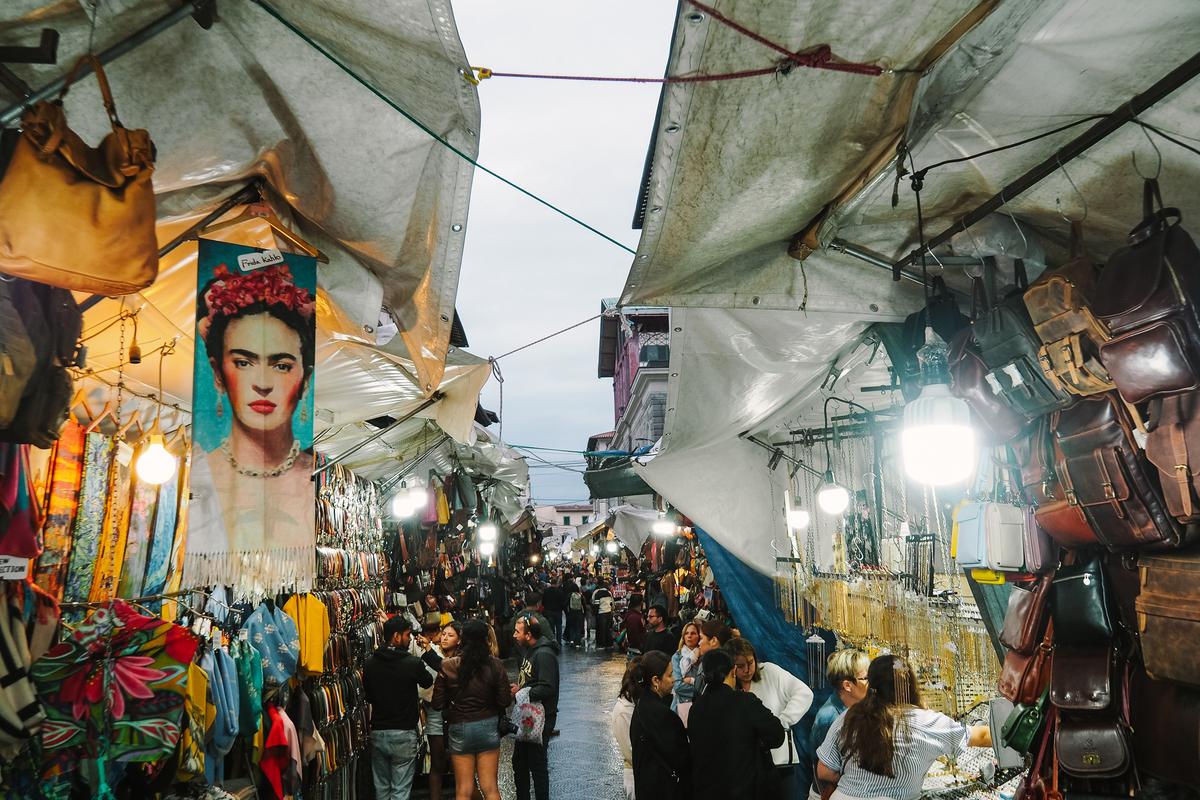
Kyle Kroeger / ViaTravelers 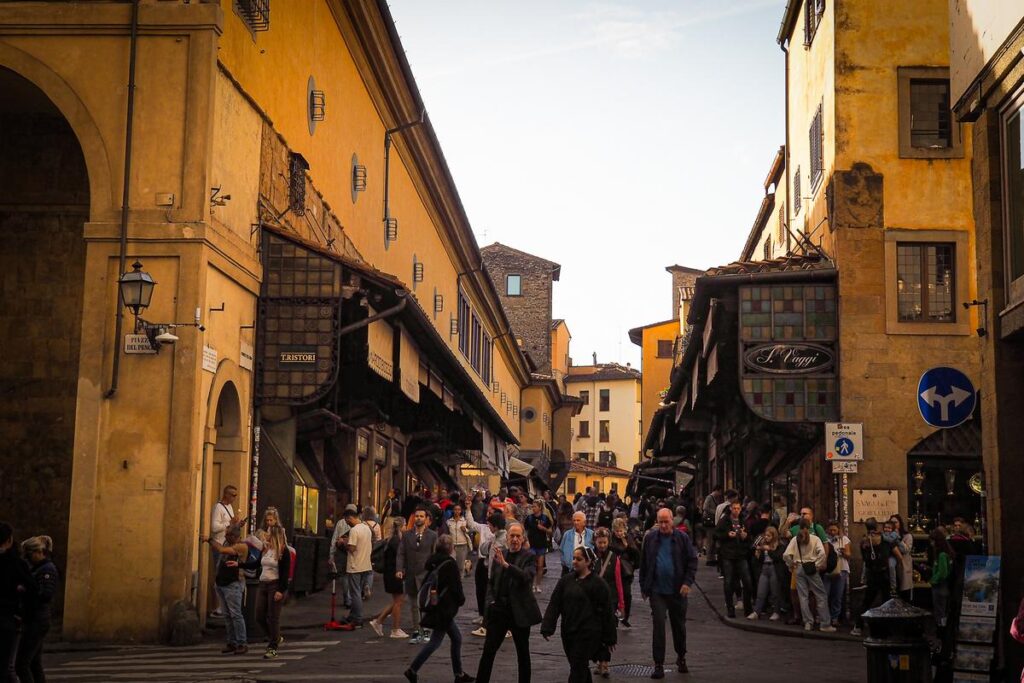
Kyle Kroeger / ViaTravelers 
Kyle Kroeger / ViaTravelers
Top experiences in Florence
Brunelleschi's Dome
Brunelleschi’s Dome crowns Florence’s skyline as the Renaissance’s greatest architectural achievement. This double-shell masterpiece, completed in 1436, features revolutionary herringbone brickwork and offers panoramic city views after a 463-step climb through the construction itself.
Basilica di Santa Croce
Read the place guide →The Basilica di Santa Croce stands as Florence’s monumental tribute to human genius, housing extraordinary Giotto frescoes and serving as Italy’s Westminster Abbey with tombs of Michelangelo, Galileo, and Machiavelli. This largest Franciscan church showcases distinctive Florentine Gothic style.
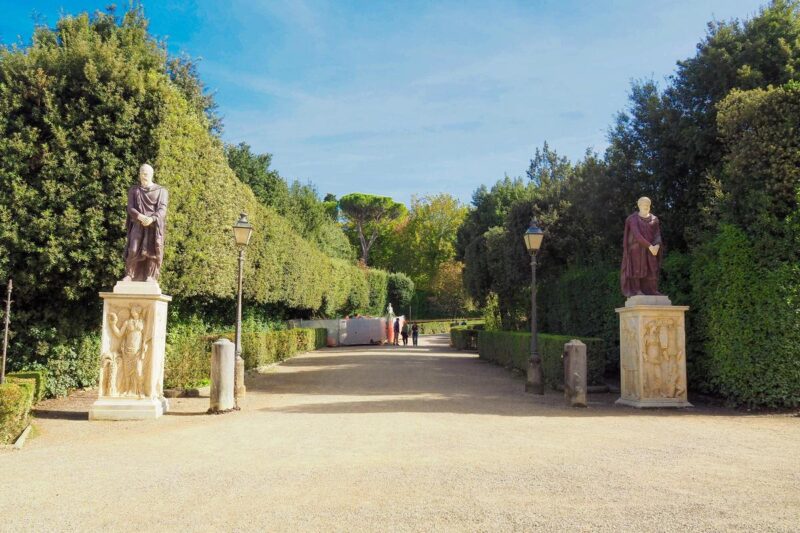
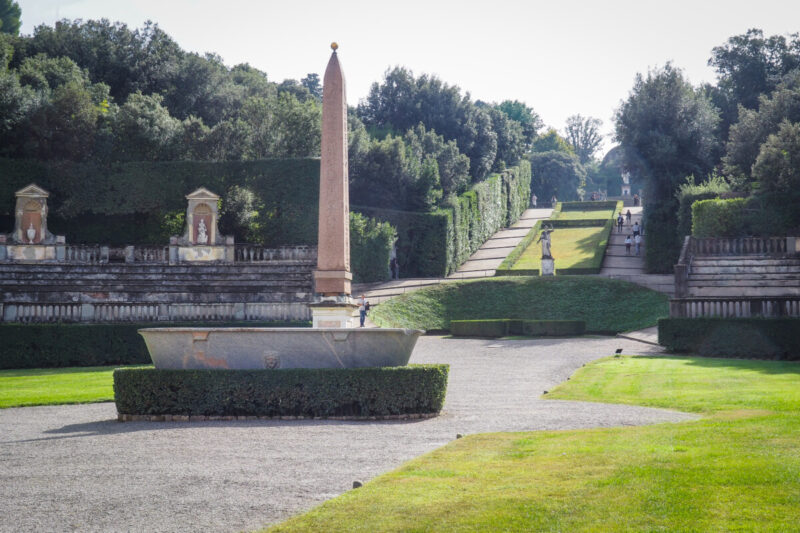
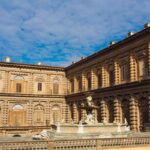
Palazzo Pitti & Boboli Gardens
Read the place guide →Renaissance palace south of the Arno housing galleries of Raphael and Titian, with 11 acres of sculpted terraced gardens behind it.
San Lorenzo Market & Mercato Centrale
Read the place guide →Outdoor leather market stalls surrounding the Medici family church, with a two-story gourmet food hall inside the 19th-century iron market.
Editor-curated picks carried over from our original guide. Where a full place guide exists, the card links to it.





Worth booking ahead in Florence
Hand-picked from the operators our guides already send readers to. Prices and availability are live on the partner site.
Guided tourGetYourGuide
Colosseum, Forum and Palatine Hill small-group tour (opens GetYourGuide in a new tab)
Small group with the Forum and Palatine Hill included; the standard Colosseum visit done properly.
Where to stayBooking.com
Stays in Florence (opens Booking.com in a new tab)
Live rates and availability for Florence on Booking.com; filter by neighbourhood once you know where your days start.
We earn a commission if you book through these links, at no extra cost to you. It is how we keep the guides free and independent.
Where to stay
Hotel Davanzati
Via Porta Rossa 5, 50123 Florence, Italy
Charming boutique hotel in historic center near Ponte Vecchio. Features elegant rooms with original frescoes, rooftop terrace with city views, and authentic Florentine atmosphere in 16th-century building.
Villa San Michele
Via Doccia 4, 50014 Fiesole, Italy
Luxury hotel in former 15th-century monastery overlooking Florence from Fiesole hills. Features Renaissance gardens, Michelin-starred dining, and spectacular panoramic views of the city and Tuscan countryside.
Portrait Firenze
Lungarno Acciaiuoli 4, 50123 Florence, Italy
Sophisticated luxury hotel on the Arno River with Ponte Vecchio views. Features contemporary Italian design, rooftop bar with panoramic views, and prime location for exploring Renaissance Florence on foot.
Editor-curated stays carried over from our original guide. Where we have reviewed the hotel, the card links to the review.
Tips from the field
Highlights
- Etiquette: It is customary in all of Italy to say “Buongiorno” or “Buona sera” when entering a shop or restaurant. Haggling is not common in Florence, including in the open-air markets. Some vendors may be open to it, but overall, it is best to avoid trying to haggle.
- Dining late: Italians typically eat dinner later than Americans. It is normal for restaurants to close or have a limited menu between lunch and dinner hours, so expect not to eat until after 7 pm. For this reason, I always like to have some snacks from the local grocery store. However, it is becoming more common to find restaurants that are open non-stop.
- Local food and wine: You should definitely take advantage of being in Florence by indulging in the amazing local cuisine and wine. You can find a great wine bar at almost every street corner featuring wine from the nearby Chianti region. For a unique experience, keep an eye out for Florence’s elusive buchette del vino or wine windows! Be served wine through an old stone window just like they did 400 years ago! You can find many of these wine windows in the Santo Spirito neighborhood and the city center.
- Dress: Pack your absolute best outfits for a trip to Florence! Florence is a stylish city, and Italians care about how they dress and the way they present themselves. This is not a beach destination, so leave the flip-flops and beach cover-ups behind for other destinations. Instead, opt for timeless pieces, and remember to dress modestly when visiting churches.
- Language: While many in Florence, especially those working in the hospitality sector, speak English, it’s still important to learn a few phrases. Learning phrases such as “Buongiorno” (hello), “Buona sera” (good evening), and “Grazie” (thank you) not only facilitates a conversation but also shows respect for the local language. Don’t assume that everyone you speak to will understand English.
Local experiences
- By Air: Florence is served by the Amerigo Vespucci Airport. This international airport includes direct flights from the United States. Upon landing, take the T2 tram line directly from the airport to the Santa Maria Novella train station, just outside Florence’s city center.
- By Train: Italy has one of the best and most efficient train systems in Europe. Santa Maria Novella is the main train station in Florence and connects the city to the rest of the region, other large Italian cities, and even international hubs. This is a great way to get around the country and admire its beautiful scenery, especially if you’re traveling light.
- By Road: Tuscany is one of the most picturesque regions in Italy and, therefore, the perfect place for an iconic Italian road trip. However, you must pay careful attention when driving in Florence. Many streets are reserved for local traffic and monitored by cameras. You will get a ticket if you mistakenly drive down one of these restricted streets.
Practical tips
- 10
Timing
- 10
Keeping it authentic
- and so much more. It’s certainly pretty warm at this time of year
Culture, customs and safety
Cultural heritage
At the heart of Florence’s cultural legacy is its art. The city was home to some of the greatest artists of the Renaissance, including Leonardo da Vinci, Michelangelo, and Botticelli. Their masterpieces adorn the walls of museums and churches throughout the city, with iconic works such as Michelangelo’s David and Botticelli’s Birth of Venus drawing millions of visitors each year.
Florence’s architectural heritage is equally impressive. The cityscape is dominated by the magnificent Duomo, or Cathedral of Santa Maria del Fiore, with its iconic red-tiled dome designed by Filippo Brunelleschi. Nearby, the Palazzo Vecchio stands as a testament to the city’s political and cultural power during the Renaissance, while the Ponte Vecchio, with its rows of shops built along its medieval arches, is a symbol of Florence’s commercial might. Beyond its art and architecture, Florence’s cultural heritage extends to its traditions and cuisine. The city is famous for its Tuscan cuisine, which emphasizes fresh, locally sourced ingredients and simple yet flavorful dishes. Visitors can sample traditional Tuscan specialties such as ribollita, a hearty vegetable soup, and bistecca alla Fiorentina, a thick and delicious grilled T-bone steak. Other influential Italian artists, philosophers, and creatives who came from Florence include Galileo, Dante, Machiavelli, Vespucci, and Donatello. The Medici family, one of the most powerful Italian families, also came from Florence. Their former residence, Pitti Palace, now serves as an incredible Renaissance museum.Local customs & etiquette
Etiquette: It is customary in all of Italy to say “Buongiorno” or “Buona sera” when entering a shop or restaurant. Haggling is not common in Florence, including in the open-air markets. Some vendors may be open to it, but overall, it is best to avoid trying to haggle.
Dining late: Italians typically eat dinner later than Americans. It is normal for restaurants to close or have a limited menu between lunch and dinner hours, so expect not to eat until after 7 pm. For this reason, I always like to have some snacks from the local grocery store. However, it is becoming more common to find restaurants that are open non-stop. Local food and wine: You should definitely take advantage of being in Florence by indulging in the amazing local cuisine and wine. You can find a great wine bar at almost every street corner featuring wine from the nearby Chianti region. For a unique experience, keep an eye out for Florence’s elusive buchette del vino or wine windows! Be served wine through an old stone window just like they did 400 years ago! You can find many of these wine windows in the Santo Spirito neighborhood and the city center. Dress: Pack your absolute best outfits for a trip to Florence! Florence is a stylish city, and Italians care about how they dress and the way they present themselves. This is not a beach destination, so leave the flip-flops and beach cover-ups behind for other destinations. Instead, opt for timeless pieces, and remember to dress modestly when visiting churches. Language: While many in Florence, especially those working in the hospitality sector, speak English, it’s still important to learn a few phrases. Learning phrases such as “Buongiorno” (hello), “Buona sera” (good evening), and “Grazie” (thank you) not only facilitates a conversation but also shows respect for the local language. Don’t assume that everyone you speak to will understand English.