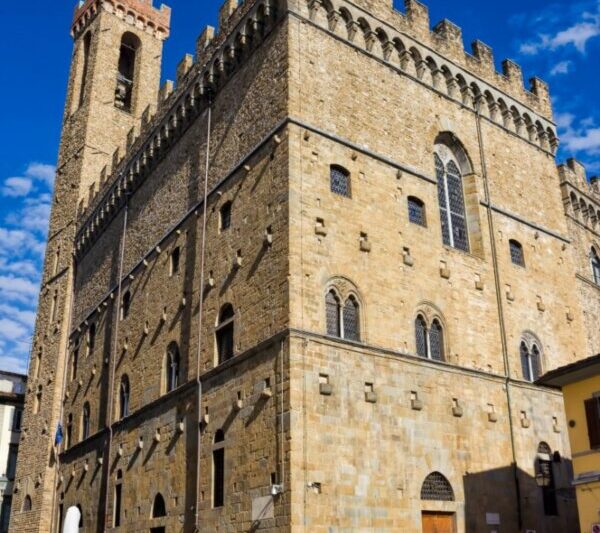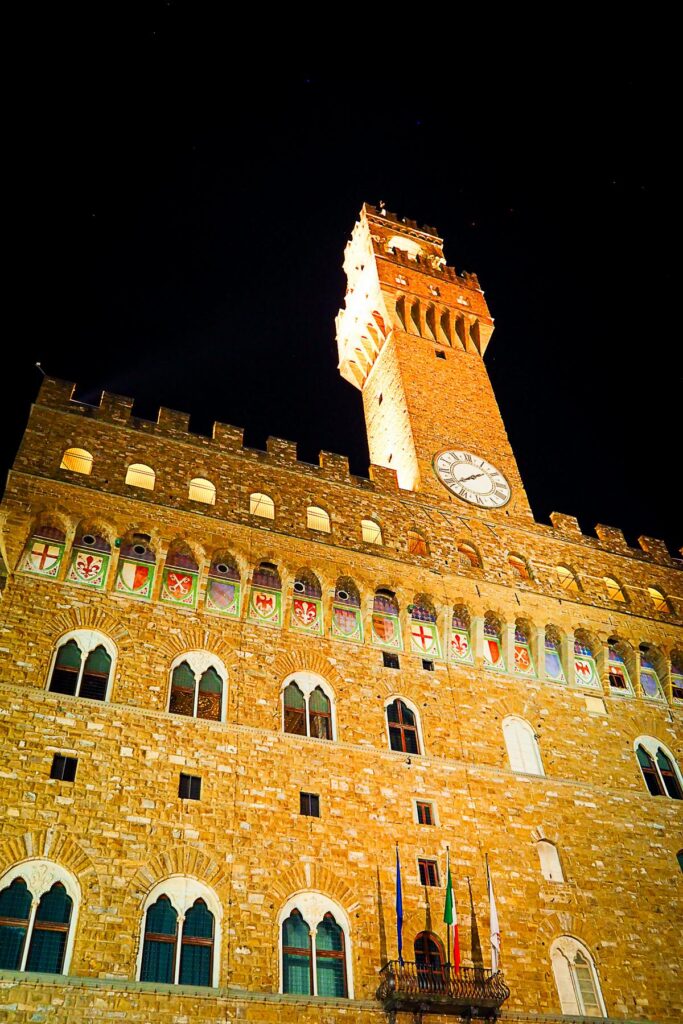
Commanding Florence‘s skyline since 1299, Palazzo Vecchio embodies the city’s political and artistic evolution across centuries. This formidable medieval fortress-palace, featuring the iconic 94-meter Arnolfo Tower, houses an extraordinary museum where every room tells a story of Florentine power and patronage. Inside, visitors discover lavishly decorated chambers including the monumental Salone dei Cinquecento, adorned with Vasari’s frescoes and sculptures by Michelangelo and Bandinelli. The palazzo’s ornate apartments reveal exquisite Renaissance artistry in their coffered ceilings, tapestries, and detailed frescoes. Unlike many historic buildings, Palazzo Vecchio maintains its original civic function as Florence’s town hall, creating a unique atmosphere where past and present governance converge. This dual identity offers visitors a rare opportunity to experience a living monument that has continuously shaped Florence’s cultural and political identity for over seven centuries.
Cultural Context
Palazzo Vecchio stands as a profound cultural symbol of Florence, representing the city’s enduring legacy of civic pride, artistic achievement, and political power. The palace has long been a focal point for Florentine identity, hosting public ceremonies, governmental functions, and cultural celebrations that reflect the city’s republican history. It is deeply intertwined with the traditions of Florence’s social fabric, including the annual Festa della Rificolona, where the palace’s piazza becomes a vibrant stage for local festivities. The building also embodies the Renaissance ideal of blending art and governance, as it houses masterpieces by artists such as Giorgio Vasari and Michelangelo, linking cultural heritage with political authority. The cultural practices surrounding Palazzo Vecchio emphasize communal participation and respect for Florence’s historical narrative, making it an essential site for understanding the city’s artistic and civic traditions. The palace continues to serve as a venue for exhibitions and events that celebrate Florentine culture, ensuring its role as a living monument within the community. It remains a testament to the cultural resilience and creative spirit that define Florence to this day.
Historical Context
Palazzo Vecchio’s history dates back to 1299 when it was commissioned as the seat of the Signoria, Florence’s governing body during the Republic era. Designed by architect Arnolfo di Cambio, it was originally known as the Palazzo della Signoria, symbolizing the city’s commitment to self-rule and republican ideals. Over the centuries, the palace witnessed pivotal historical events, including the rise and fall of the Medici family, who transformed it into a ducal residence in the mid-16th century under Duke Cosimo I de’ Medici. During this period, the palace underwent significant renovations and expansions, reflecting the consolidation of Medici power. In 1540, Giorgio Vasari was commissioned to redecorate the interiors, adding lavish frescoes and grand halls that celebrated Medici achievements. The palace also played a role during the turbulent periods of Florence’s history, including the brief return of the Republic in 1527 and the eventual establishment of the Grand Duchy of Tuscany. Palazzo Vecchio’s evolution from a fortress-like government building to a symbol of Medici absolutism encapsulates Florence’s complex political transformations over more than seven centuries. Today, it remains a living archive of Florentine history and governance.