Cultural Context
Representing the heart of “ISO3166-2-lvl6”: “IT-RM”}’s food culture, this restaurant serves as a cultural bridge through its traditional regional cuisine and authentic preparation methods.Historical Context
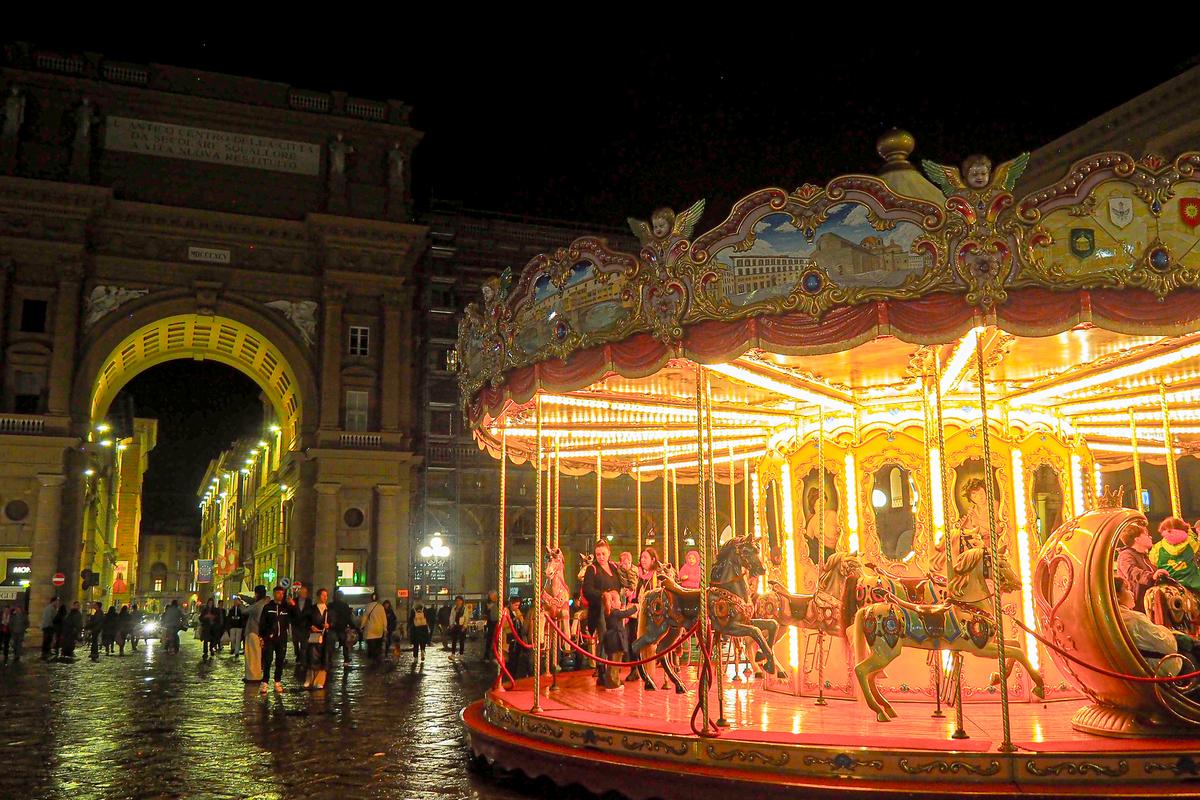
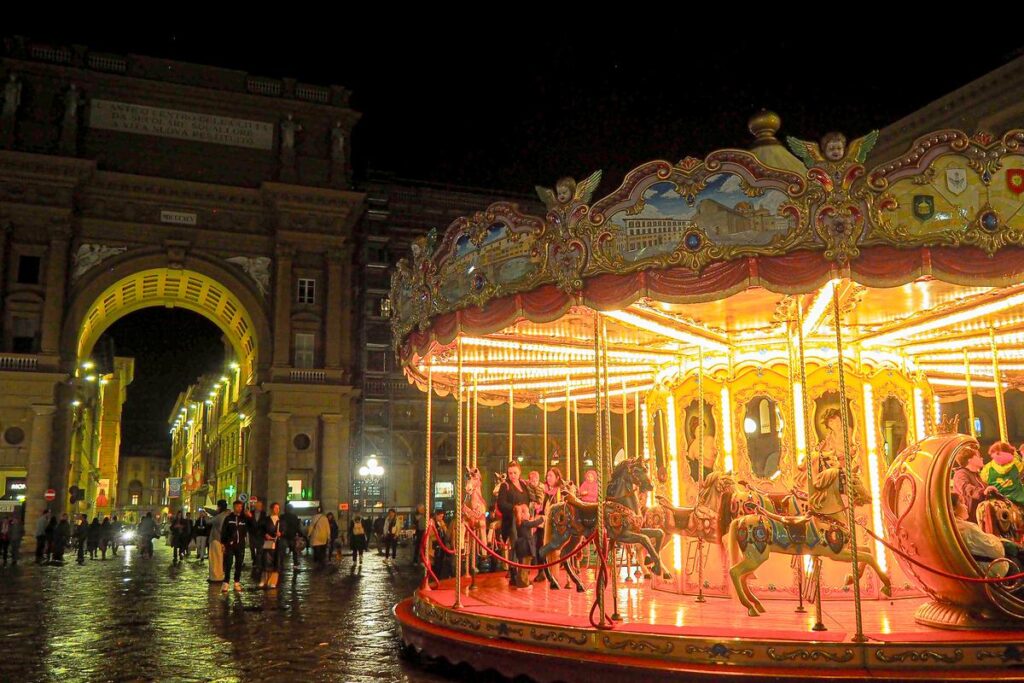
Piazza della Repubblica in Rome has a rich historical background that reflects the city’s transformation from antiquity to modernity. Originally known as the Piazza Esedra, the square occupies the site of the ancient Baths of Diocletian, which were constructed between 298 and 306 AD under Emperor Diocletian. These baths were among the largest and most impressive public bathing complexes of ancient Rome, serving as a social and recreational center for Roman citizens. In the late 19th century, during Rome’s urban renewal following its designation as the capital of unified Italy in 1870, the area was redesigned to create a grand piazza symbolizing the new Italian Republic. The semi-circular porticos that define the square today were constructed between 1887 and 1898, inspired by the ancient exedra of the baths. The piazza’s name, Piazza della Repubblica, commemorates the establishment of the Italian Republic and reflects the nation’s shift from monarchy to republican governance. Over time, the square has evolved from a site of imperial leisure to a bustling urban hub, embodying Rome’s layered history and ongoing cultural dynamism. This historical layering makes Piazza della Repubblica a significant landmark that connects visitors to Rome’s imperial past and its modern identity as Italy’s capital.Plan your visit with our complete Florence travel guide featuring top sights, itineraries, and local travel tips.