The best places to visit in Northern Italy combine distinctive cities, Alpine scenery, lake towns, coastal villages, and some of the country’s strongest food regions. For a first trip, prioritize Venice, the Dolomites, Lake Como, Cinque Terre, Milan, Bologna, Lake Garda, and Verona. Then add Turin, Genoa, Ravenna, Trieste, or the Aosta Valley according to your interests.
For this guide, Northern Italy follows ISTAT’s North-West and North-East geographic divisions: Aosta Valley, Piedmont, Liguria, Lombardy, Trentino-Alto Adige/Südtirol, Veneto, Friuli-Venezia Giulia, and Emilia-Romagna. This ranking favors places that reward the time and effort required to reach them, work well in a practical itinerary, and offer a clear reason to visit.
Use this list with our Northern Italy destination guide and Italy trip-planning guide to build a route that fits your pace. You do not need to see all 18 places in one journey.
Planning details were last verified on July 22, 2026. Access fees, trail conditions, transport schedules, and museum availability can change, so confirm time-sensitive details on the official sites linked below.
Key Takeaways
- Best first-trip route: Milan, Lake Como, Verona or Lake Garda, and Venice.
- Best nature addition: Spend at least three nights in one Dolomites base instead of rushing through on a day trip.
- Best food city: Bologna has the strongest mix of markets, traditional dishes, porticoes, and easy rail connections.
- Best rail-first destinations: Milan, Venice, Bologna, Verona, Turin, Genoa, Bergamo, Parma, Ferrara, Ravenna, and Cinque Terre.
- Where a car helps most: The Dolomites, Aosta Valley, rural wine areas, and multi-stop lake itineraries.
Northern Italy Places Ranked at a Glance
| Rank | Place | Best for | Ideal stay |
|---|---|---|---|
| 1 | Venice | Architecture, art, lagoon atmosphere | 2–3 days |
| 2 | Dolomites | Hiking, skiing, mountain scenery | 3–5 days |
| 3 | Lake Como | Ferries, villas, lake villages | 2–3 days |
| 4 | Cinque Terre | Coastal walks and car-free villages | 2–3 days |
| 5 | Milan | Art, design, shopping, transport hub | 1–2 days |
| 6 | Bologna | Food, porticoes, day trips | 2 days |
| 7 | Lake Garda | Families, water sports, varied towns | 2–4 days |
| 8 | Verona | Roman history, opera, compact city break | 1–2 days |
| 9 | Turin | Museums, royal history, cafés | 2–3 days |
| 10 | Genoa | Maritime history and the Ligurian coast | 1–2 days |
| 11 | Bergamo | Walled upper town and short stays | 1 day or 1 night |
| 12 | Lake Maggiore | Island palaces, gardens, slower lake travel | 2 days |
| 13 | Aosta Valley | High Alps, castles, Roman sites | 2–4 days |
| 14 | Ravenna | Early Christian and Byzantine mosaics | 1–2 days |
| 15 | Trieste | Habsburg architecture and Adriatic culture | 2 days |
| 16 | Portofino and Camogli | Riviera scenery, boats, coastal hikes | 1–2 days |
| 17 | Parma | Food, music, Romanesque architecture | 1–2 days |
| 18 | Ferrara | Renaissance planning, castles, cycling | 1 day or 1 night |
Best Places to Visit in Northern Italy
1. Venice

Best for: first-time visitors, architecture, major art, and a place unlike any other on this route. Plan on: two or three days.
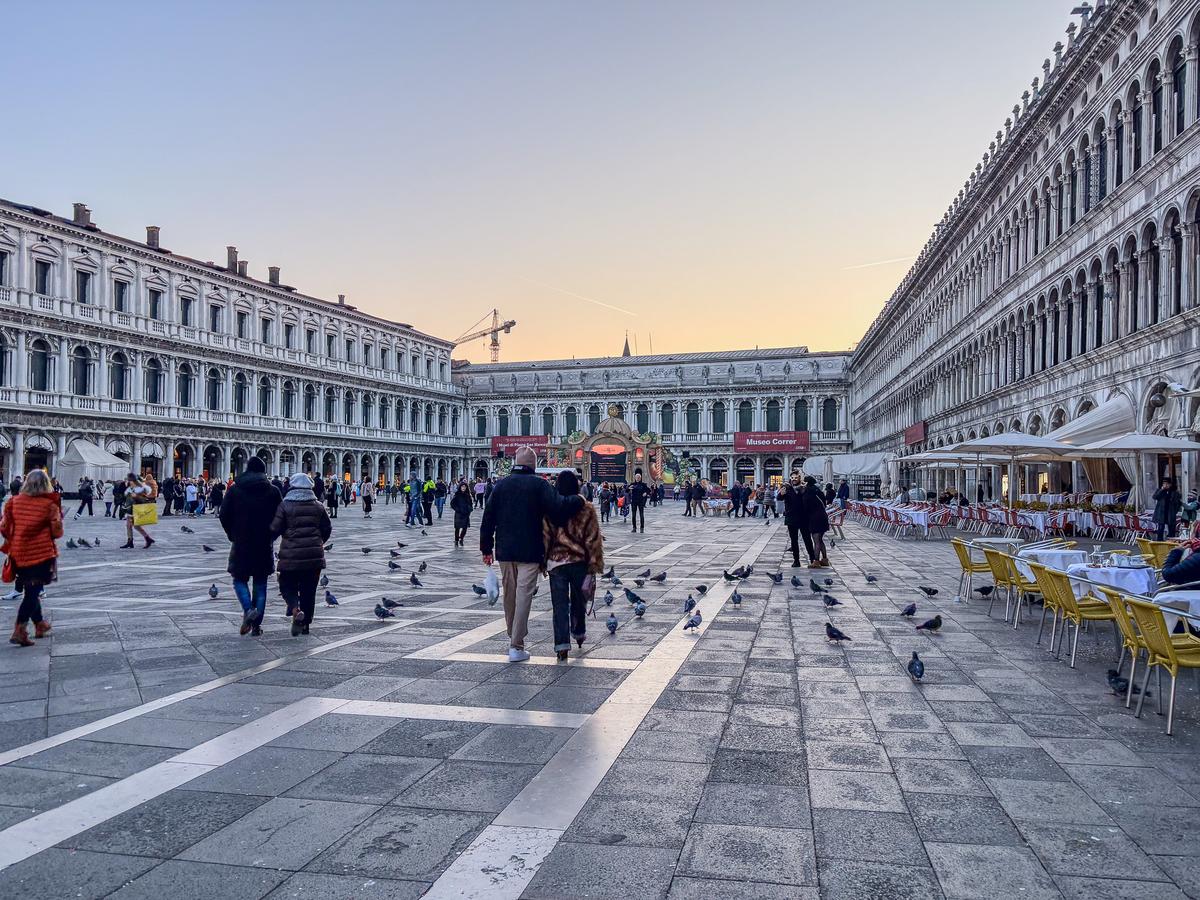
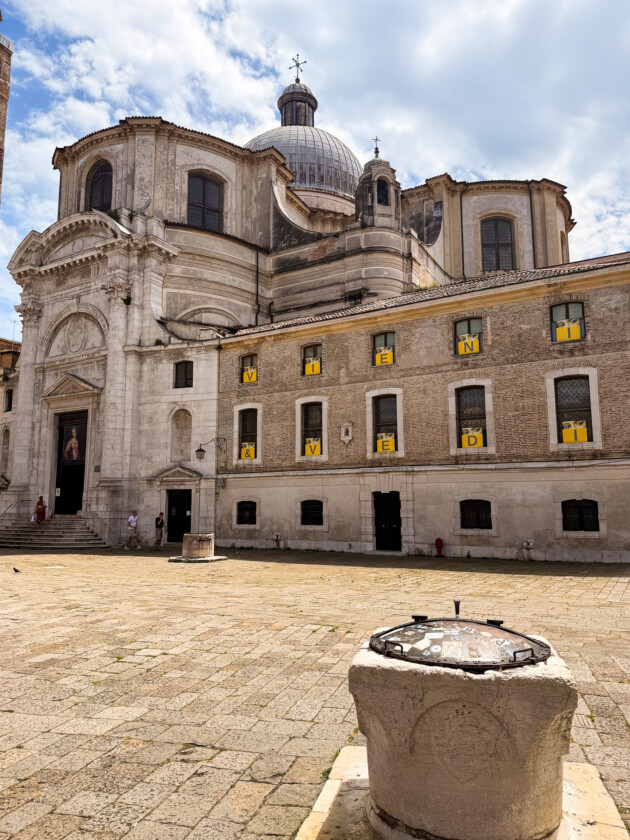
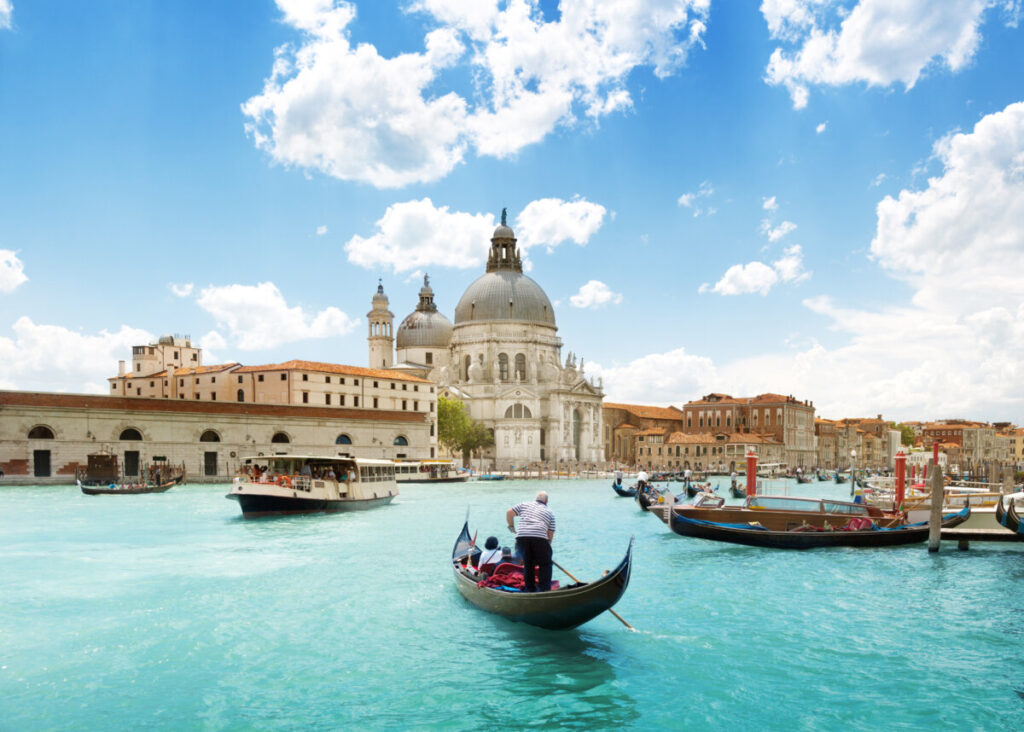
Venice earns the top position because the lagoon city is both a destination and an experience: movement happens on foot or by boat, streets narrow into passageways, and major landmarks sit beside residential districts that still reward aimless walking. Start with St. Mark’s Basilica, the Doge’s Palace, the Rialto Bridge, and the Grand Canal, then spend time in Dorsoduro, Cannaregio, or Castello.
The practical advantage of staying overnight is significant. Early mornings and evenings are calmer, and you avoid treating the city as a race between the station and Piazza San Marco. Our Venice travel guide covers the city in more depth.
2026 access-fee note: On selected dates from April 3 through July 26, day visitors whose visit overlaps the 8:30 a.m.–4 p.m. enforcement window generally need to register and pay €5 when booked by the fourth-last day before entry or €10 within the final three days. Overnight guests are exempt from payment but may still need an exemption voucher. Check the official Venice Access Fee site for the calendar and exemptions.
2. The Dolomites

Best for: mountain landscapes, hiking, skiing, scenic drives, and active trips. Plan on: three to five days.
The Dolomites stretch across Trentino-Alto Adige/Südtirol, Veneto, and Friuli-Venezia Giulia. Their appeal is not one viewpoint but an entire network of valleys, passes, lift systems, trails, and mountain huts. The range is a UNESCO World Heritage property recognized for its geology and dramatic limestone formations.
Choose one base rather than trying to cover the whole range. Val Gardena and Alta Badia work well for the western Dolomites; Cortina d’Ampezzo, Dobbiaco, and the Cadore area suit the eastern side. Summer travelers can combine lift-accessed walks with longer hikes, while winter visitors should choose a base according to the ski area rather than the most famous photo location.
Practical note: A car increases flexibility, especially for sunrise starts and cross-valley routes, but a car-free stay can work when you choose one village with strong bus and lift connections. Mountain roads, lifts, and trails are seasonal and weather-dependent; verify operating dates before booking.
3. Lake Como

Best for: ferry travel, historic villas, gardens, and mountain-backed lake views. Plan on: two or three days.
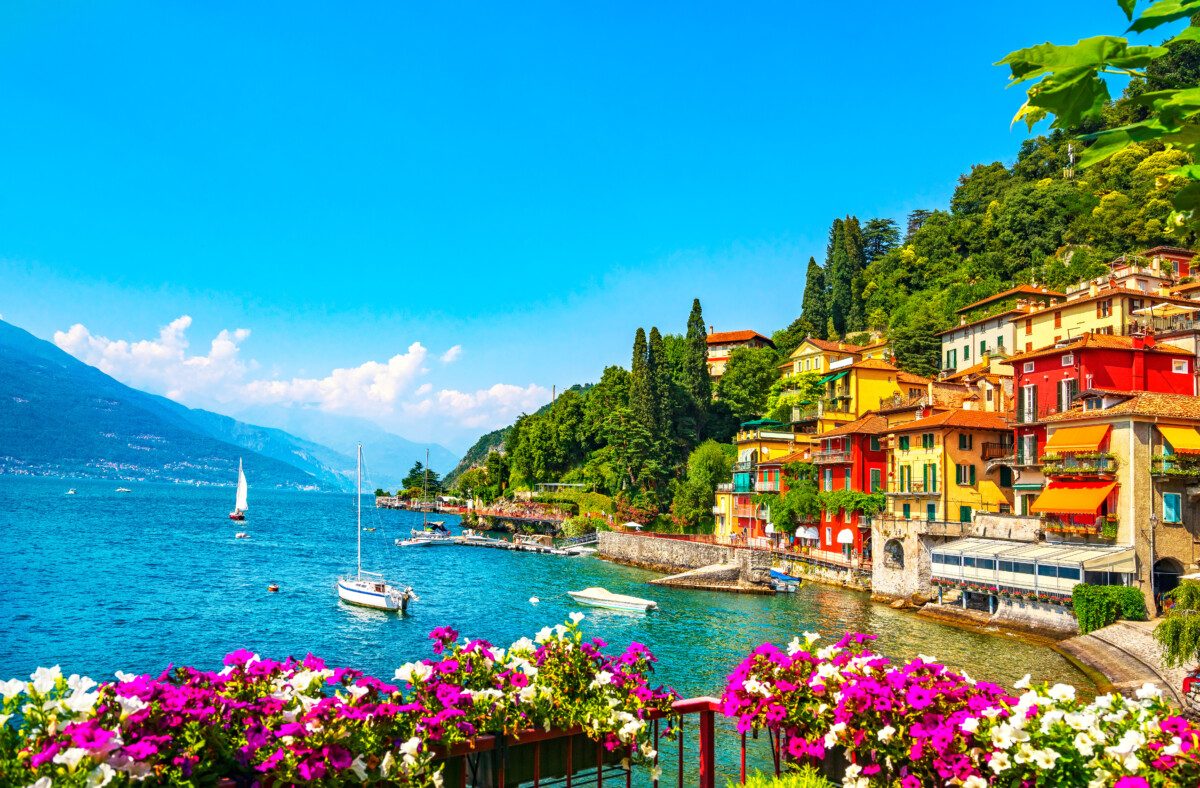
Lake Como works best when you choose a base that matches your transport style. Varenna is convenient for rail-and-ferry travelers, Bellagio puts you near the center of the lake, and Como offers the strongest city services and an easy link to Milan. Menaggio is another practical central-lake base with ferry access.
Prioritize one villa or garden, one longer ferry ride, and time to walk rather than trying to collect every town. Villa Carlotta, Villa del Balbianello, Bellagio, Varenna, and the Greenway del Lago di Como are common anchors. Check the official Lake Como ferry timetables, which change by season and can be affected by service notices.
Travelers with more time can also consider day trips from Lake Como to Switzerland, but avoid sacrificing a full lake day merely to add another country to the itinerary.
4. Cinque Terre

Best for: coastal trails, compact villages, swimming, and car-free travel. Plan on: two or three days.
Cinque Terre consists of Monterosso al Mare, Vernazza, Corniglia, Manarola, and Riomaggiore. The villages are linked by regional trains, seasonal boats, and a trail network that climbs through terraced hillsides. Monterosso has the broadest beach and easiest terrain; Vernazza and Manarola deliver the most familiar harbor views; Corniglia sits above the water and requires more climbing.
Do not bring a car into the villages unless your accommodation has a specific parking plan. Stay at least one night so you can walk early, swim later in the day, and avoid compressing five villages into a few rushed hours.
Trail note: Coastal paths can close after storms, landslides, maintenance, or crowd-control measures. Some routes require a Cinque Terre Card, and the Via dell’Amore uses controlled access. Check the official Cinque Terre National Park trail network before setting out.
5. Milan

Best for: art, design, fashion, major museums, and efficient onward travel. Plan on: one or two days.
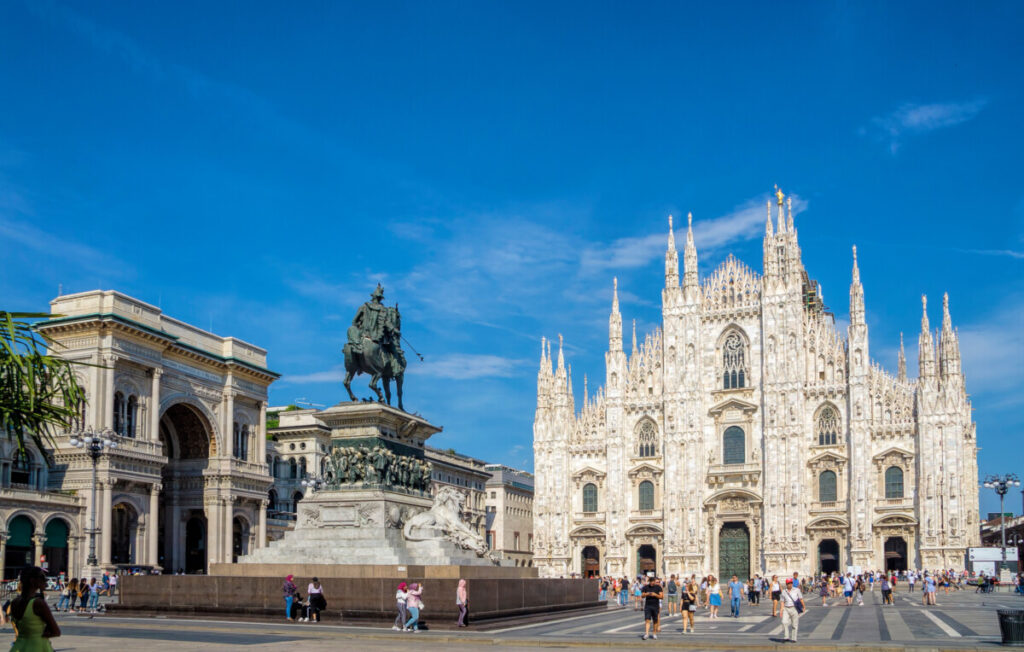
Milan is more than an arrival airport. The Duomo and its terraces, Galleria Vittorio Emanuele II, Brera, Castello Sforzesco, and the Navigli form a strong city break, while Leonardo da Vinci’s Last Supper justifies advance planning. The city also connects efficiently with Turin, Bologna, Verona, Venice, Lake Como, and other northern destinations.
Use our Milan travel guide to decide how much time you need. For the Last Supper, reservations are compulsory and official tickets are released in scheduled batches; check the museum’s official booking information before relying on a reseller.
6. Bologna
Best for: food, walkable architecture, markets, and easy rail-based day trips. Plan on: two days.
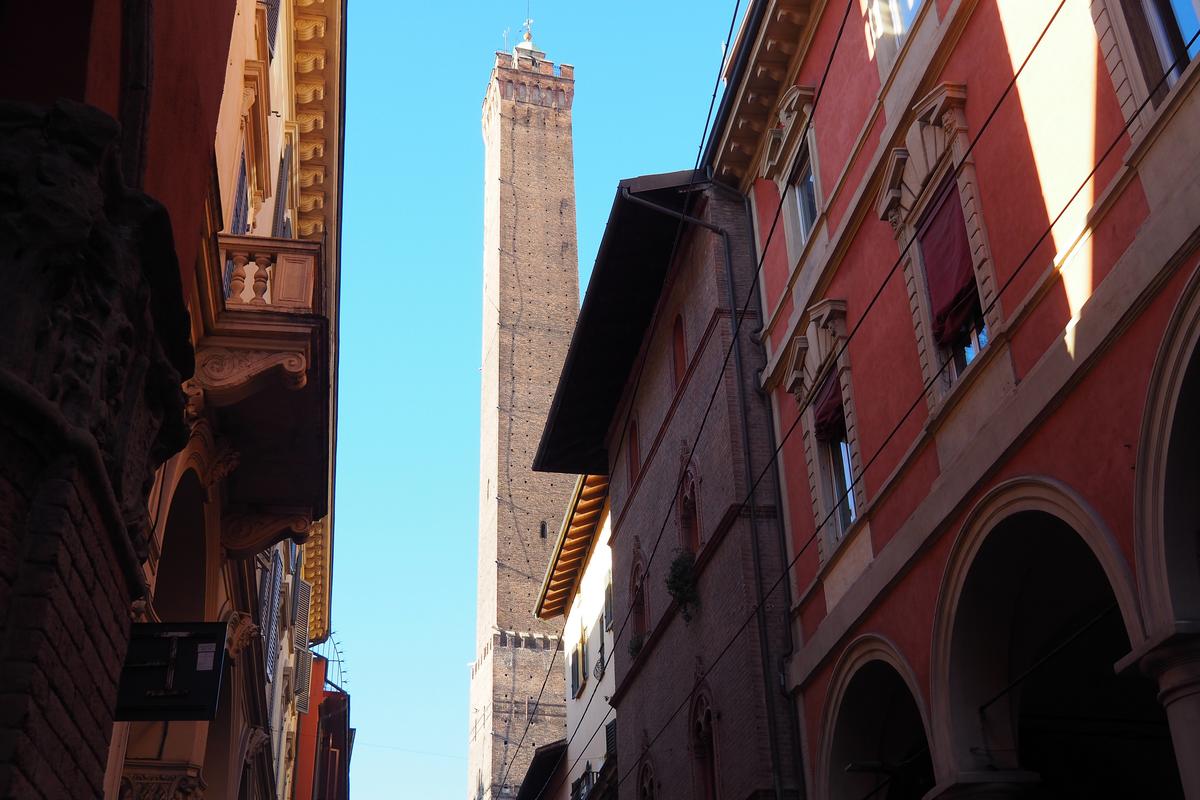
Bologna’s porticoes change how the city feels and functions: they provide shade, shelter, storefronts, and a continuous pedestrian network. Piazza Maggiore, the Basilica of San Petronio, the Quadrilatero market streets, the Archiginnasio, and the climb or walk toward San Luca make a compact but varied itinerary.
The city is a particularly strong choice for travelers who care as much about meals as monuments. Build time around traditional dishes and markets rather than stacking every hour with attractions. See our guide to the best things to do in Bologna, or combine the city with Tuscany using this Florence and Bologna itinerary.
7. Lake Garda

Best for: families, water sports, resort towns, castles, and travelers who want more variety than one small lake village can provide. Plan on: two to four days.
Italy’s largest lake changes character from south to north. Sirmione, Desenzano, and Peschiera are convenient for rail travelers and combine Roman sites, castles, and easier terrain. Malcesine, Limone sul Garda, Torbole, and Riva del Garda sit closer to steep mountain scenery and are stronger for hiking, cycling, windsurfing, and longer lake stays.
Choose one shore or two nearby bases; driving the full perimeter consumes more time than the map suggests. Seasonal ferries help connect towns, but schedules are not equally frequent everywhere. Use our Lake Garda destination guide and verify current sailings through Navigazione Laghi.
8. Verona

Best for: Roman history, opera, elegant public spaces, and a one- or two-night stop between Milan and Venice. Plan on: one or two days.
The Arena di Verona anchors the city, but the strongest route continues through Piazza delle Erbe, Piazza dei Signori, the Scaliger tombs, Ponte Pietra, and Castelvecchio with its fortified bridge. The historic center is UNESCO-listed for the way Roman, medieval, and later architecture remain legible in the urban fabric.
Verona pairs naturally with southern Lake Garda and the Valpolicella wine area. If an opera or concert is a priority, check performance dates before fixing the rest of your route. Our Verona destination guide covers the main sights and planning choices.
9. Turin

Best for: museums, royal history, historic cafés, chocolate, and travelers who prefer substantial cities with fewer tour-group bottlenecks. Plan on: two or three days.
Turin was the first capital of the unified Kingdom of Italy, and the Savoy legacy remains visible in its palaces, squares, and broad avenues. Prioritize the Egyptian Museum, the Royal Museums, Palazzo Madama, the Mole Antonelliana, and a walk along the Po or up to Monte dei Cappuccini.
The city is also a useful gateway to Piedmont’s wine country, including the Langhe and Monferrato. See our Turin destination guide and overview of the best wine regions in Italy if food and wine will shape your route.
10. Genoa

Best for: maritime history, dense old-city streets, grand palaces, and a gateway to the Ligurian coast. Plan on: one or two days.
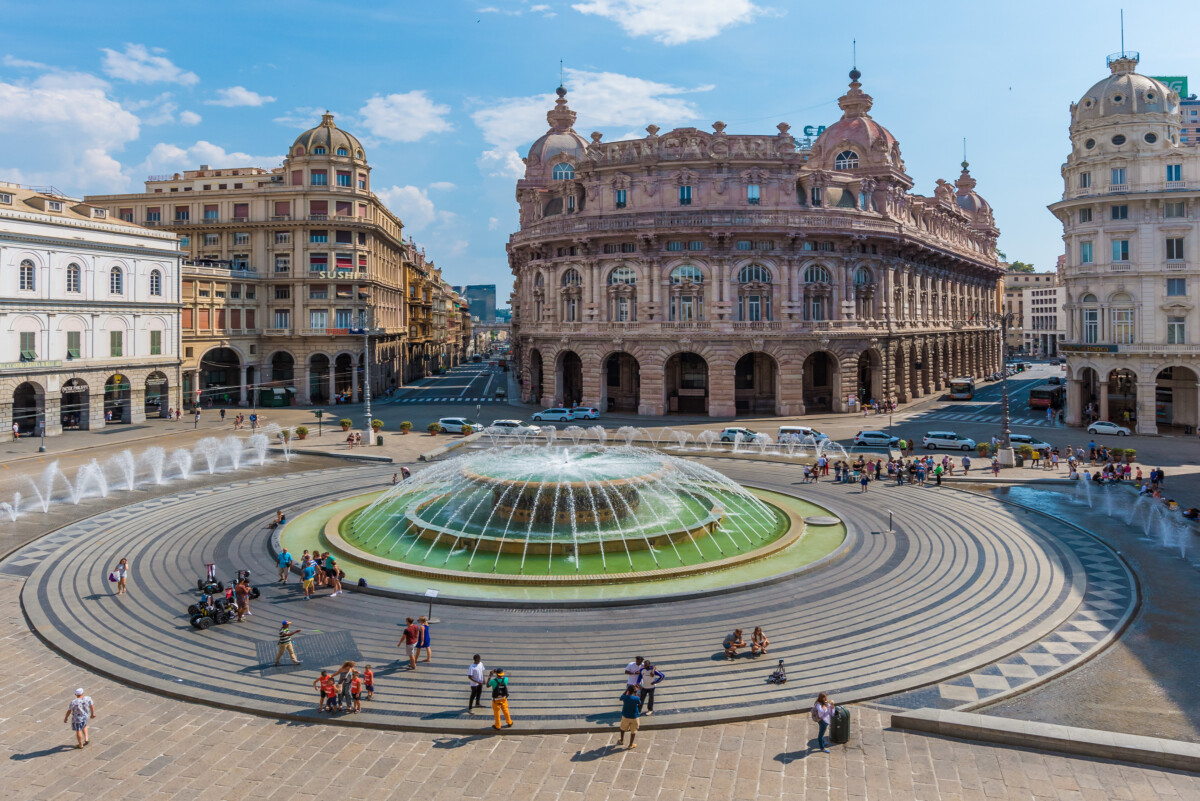
Genoa’s appeal comes from contrast. Narrow caruggi open into formal streets lined with the Palazzi dei Rolli; the old port mixes museums and public spaces; and residential districts climb steeply above the center. Focus on Via Garibaldi and the Rolli palaces, San Lorenzo Cathedral, the historic center, the waterfront, and Boccadasse.
The city works well before or after Cinque Terre, Camogli, or Portofino, but it deserves more than a station change. Use our guide to the best things to do in Genoa to plan a compact route.
11. Bergamo

Best for: a walled upper town, medieval streets, and an easy short stay near Milan. Plan on: one day or one night.
Bergamo has two distinct centers: the modern Città Bassa and the historic Città Alta above it. The upper town contains Piazza Vecchia, the Basilica of Santa Maria Maggiore, the Colleoni Chapel, the civic tower, and Venetian defensive walls that form part of a transnational UNESCO World Heritage property.
A day trip works, but an overnight stay is more satisfying because the upper town becomes calmer after many visitors return to Milan. Bergamo is also a practical first or final stop for flights using Milan Bergamo Airport.
12. Lake Maggiore
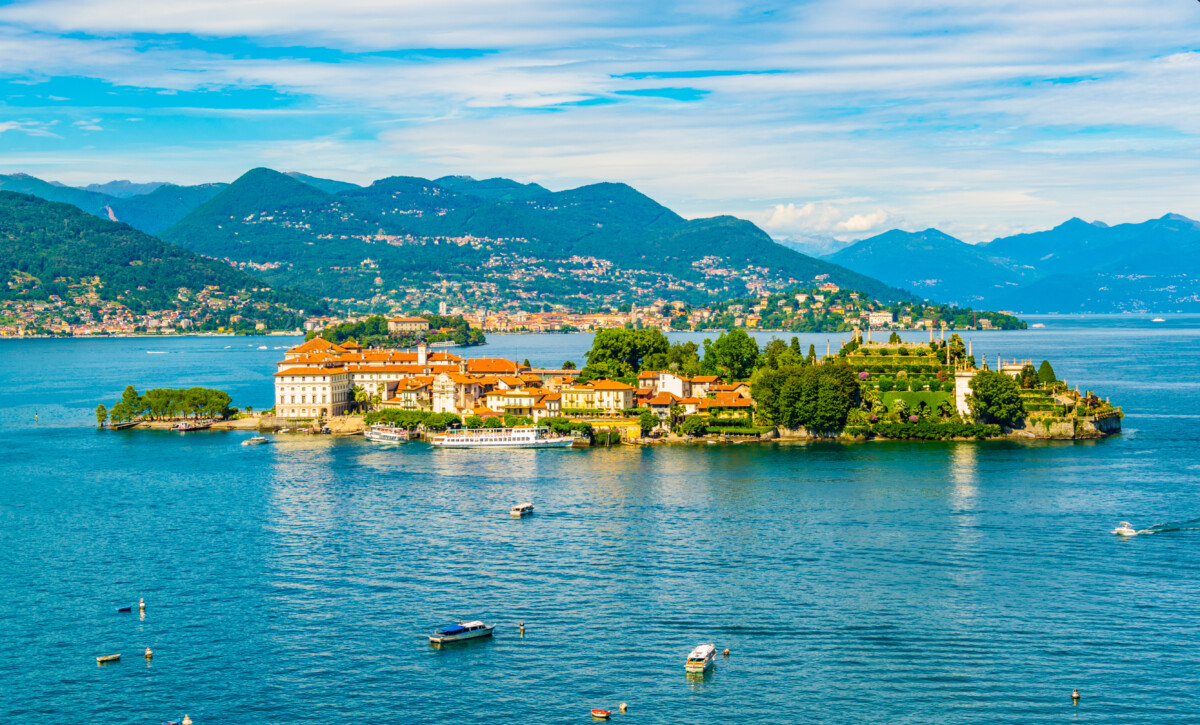
Best for: island palaces, gardens, elegant waterfront towns, and a quieter alternative to Lake Como’s busiest central villages. Plan on: two days.
Stresa is the most practical base for a first visit, with boat access to the Borromean Islands. Isola Bella is known for its palace and terraced gardens, Isola Madre for its botanical setting, and Isola dei Pescatori for its compact lanes and restaurants. The lake extends into Switzerland, but a short trip is better focused on one section.
Lake Maggiore fits travelers who want lake scenery with fewer itinerary changes. Ferries are central to the experience, so check the official Lake Maggiore timetables and avoid planning a tight connection around the last boat of the day.
13. Aosta Valley
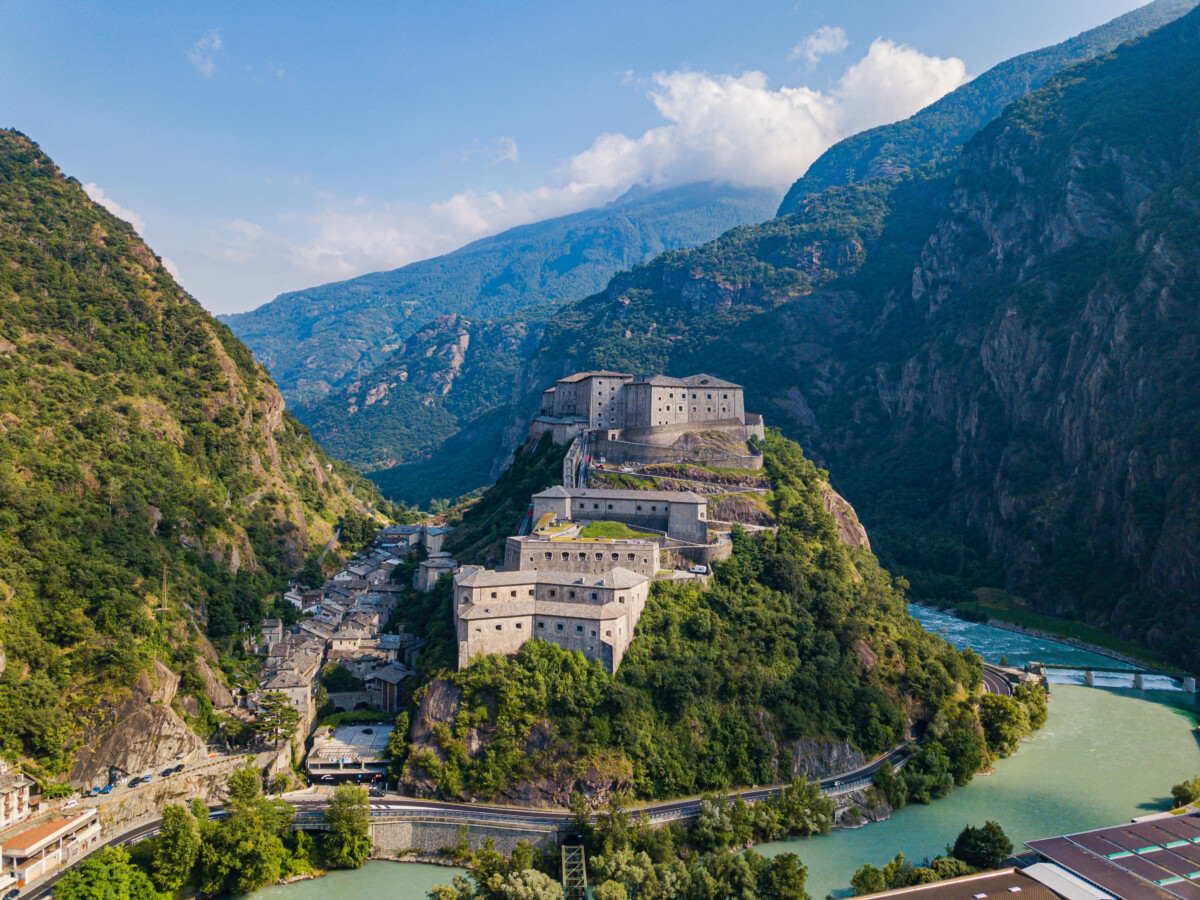
Best for: high-Alpine scenery, castles, skiing, hiking, and a road trip with strong historical stops. Plan on: two to four days.
Aosta provides the cultural anchor, with Roman gates, a theater, an arch, and a compact center framed by mountains. Beyond the city, the region offers castles such as Fénis, mountain bases including Courmayeur, and access to landscapes around Gran Paradiso National Park.
A car is the most useful way to connect scattered valleys and castles, although Aosta itself is reachable by public transport. Choose this region when mountain time matters more than checking off famous cities, and build the itinerary around one valley rather than repeated long drives.
14. Ravenna
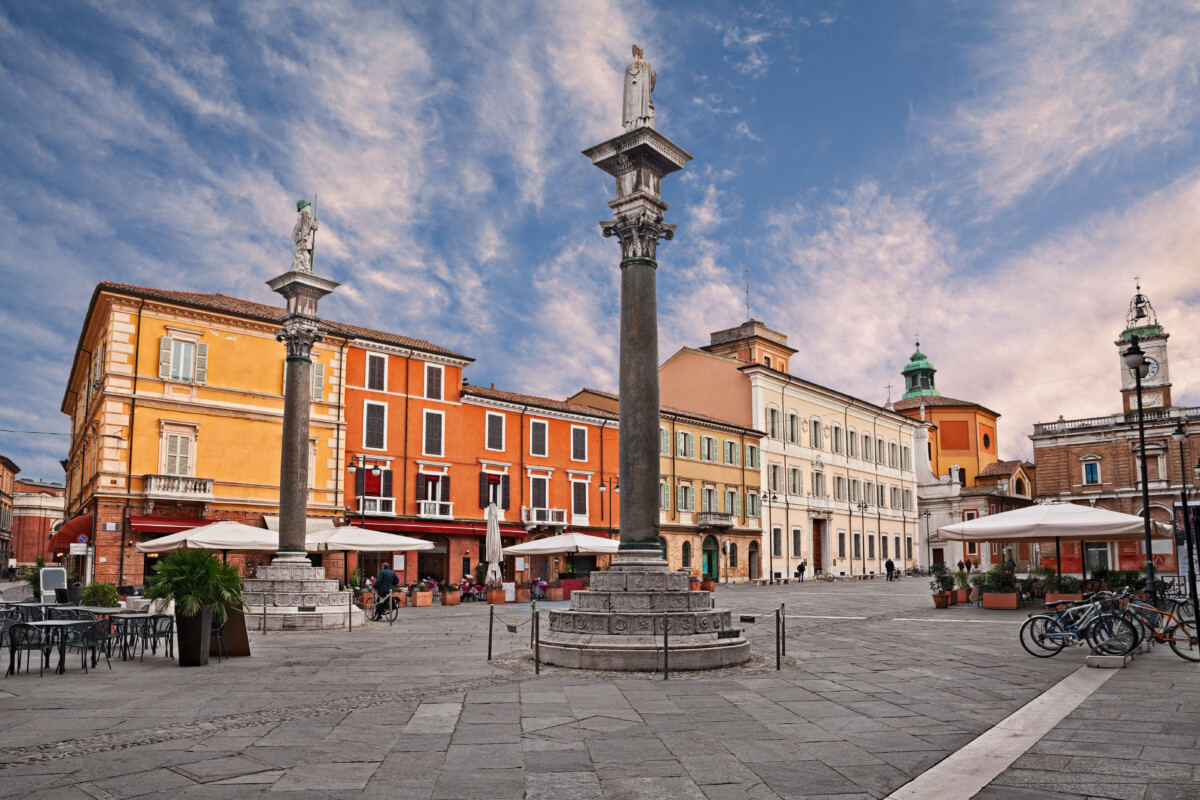
Best for: mosaics, late-antique history, art-focused day trips, and travelers who want a major cultural payoff without a sprawling city. Plan on: one or two days.
Ravenna’s eight UNESCO-listed monuments preserve one of Europe’s most important groups of early Christian and Byzantine mosaics. The Basilica of San Vitale, Mausoleum of Galla Placidia, Basilica of Sant’Apollinare Nuovo, Neonian Baptistery, and Sant’Apollinare in Classe are the central stops.
The monuments are distributed across the center and the nearby Classe area, so plan the order before arrival. Check the official Ravenna tourism site for current monument access and combined-ticket information.
15. Trieste

Best for: Central European architecture, literary cafés, Adriatic waterfronts, and cross-border context. Plan on: two days.
Trieste’s history under the Habsburg monarchy is visible around Piazza Unità d’Italia, the Borgo Teresiano, Canal Grande, and its historic cafés. Add San Giusto hill, the Roman theater, Miramare Castle, and a walk along Molo Audace for a compact but varied stay.
The city also works as a gateway to the Karst, the Friuli wine country, and Slovenia. See our Trieste destination guide before combining it with Venice; the rail connection is useful, but Trieste is better treated as a destination than a rushed detour.
16. Portofino and Camogli

Best for: Riviera scenery, coastal walks, boat trips, and a short break from major cities. Plan on: one or two days.
Portofino’s harbor is small, polished, and expensive; the surrounding promontory is the stronger reason to allocate real time. Walk toward Castello Brown and the lighthouse, continue through Portofino Regional Natural Park, or reach San Fruttuoso by boat or trail.
For better transport options and a broader range of accommodation, consider staying in Camogli or Santa Margherita Ligure and visiting Portofino during the day. Our Portofino guide can help you decide whether the harbor, hiking, or a boat day is the main priority.
17. Parma

Best for: Parmigiano Reggiano, Prosciutto di Parma, music, and Romanesque architecture. Plan on: one or two days.
Parma Cathedral and its adjoining Baptistery form the architectural core, while Teatro Farnese, Teatro Regio, and the National Gallery add substantial cultural depth. The city is also a logical base for producer visits and food museums in the surrounding countryside.
Do not reduce Parma to a lunch stop. Stay long enough to see the center at a relaxed pace and schedule any dairy or prosciutto visit in advance. Our Parma destination guide provides more planning context.
18. Ferrara

Best for: Renaissance urban planning, a moated castle, cycling, and a low-friction day trip from Bologna. Plan on: one day or one night.
Castello Estense sits at the center of the visit, followed by the cathedral area, Via delle Volte, Palazzo dei Diamanti, and the city walls. Ferrara’s UNESCO listing recognizes the Renaissance city and its relationship with the Po Delta landscape.
The compact center makes Ferrara easy to add without changing hotels, but staying overnight gives you time to cycle the walls and see the streets after day visitors leave. It is a better choice than another major-city stop when you want slower architecture-focused travel.
How to Build a Northern Italy Itinerary
The biggest planning mistake is treating every famous place as a required stop. Northern Italy is broad enough that Cinque Terre, Lake Como, the Dolomites, Venice, and Bologna do not form a compact loop. Pick one primary corridor and allow at least two nights in most bases.
7-Day Rail-First Route
- Days 1–2: Milan
- Days 3–4: Lake Como
- Day 5: Verona
- Days 6–7: Venice
This is the cleanest first-trip route without a car. Skip a destination rather than turning each stop into a half-day.
10-Day Lakes and Mountains Route
- Day 1: Milan
- Days 2–3: Lake Como
- Days 4–5: Verona and southern Lake Garda
- Days 6–8: One Dolomites base
- Days 9–10: Venice
A rental car is most useful from Lake Garda through the Dolomites. Return it before entering Venice.
14-Day West-to-East Route

- Days 1–2: Turin
- Day 3: Milan
- Days 4–5: Lake Como
- Days 6–7: Bologna, with Parma or Ferrara as an optional day trip
- Days 8–9: Verona and Lake Garda
- Days 10–12: Dolomites
- Days 13–14: Venice
For a coast-focused trip, replace Lake Como and the Dolomites with Genoa, Camogli or Portofino, and three nights in Cinque Terre. Trying to add the coast to the same two-week route creates too many long transfer days.
Best Time to Visit Northern Italy
- April to June: Strong for cities, lakes, and the Ligurian coast. Expect holiday crowds around Easter and late-spring weekends.
- July and August: Best access to high mountain trails and lifts, but cities and coastal villages can be hot, busy, and expensive.
- September and October: A balanced period for cities, food regions, lakes, and lower-elevation hikes. Mountain operations begin winding down at different times.
- November to March: Best for skiing, museums, Christmas markets, and lower hotel demand in some cities. Lake ferries, coastal services, and mountain lifts may run reduced schedules or close between seasons.
The shoulder-season tradeoff is real: fewer crowds can also mean closed mountain huts, lifts, hotels, and lake services. Verify the specific destination rather than assuming one rule applies across the entire north.
Getting Around Northern Italy
Use trains for the main cities. Turin, Milan, Bologna, Verona, Venice, Genoa, Parma, Ferrara, and many other stops sit on useful national or regional rail corridors. Check schedules and engineering notices through Trenitalia.
Use ferries as transportation, not only sightseeing. On Lake Como, Lake Garda, and Lake Maggiore, ferries can replace slow drives and parking searches, but routes and frequency change seasonally.
Rent a car selectively. A vehicle adds value in the Dolomites, Aosta Valley, rural Piedmont, and less-connected lake areas. It adds little in Venice, Cinque Terre, or historic city centers. Many Italian cities use limited-traffic zones, so read the official guidance for driving in Italy and confirm parking before arrival.
What to Book in Advance

- Leonardo’s Last Supper in Milan
- High-demand Venice attractions and the 2026 access-fee registration when applicable
- Dolomites lodging, mountain huts, and seasonal lift-dependent plans
- Lakefront hotels and central Cinque Terre accommodation in peak months
- Long-distance or high-speed trains when your dates are fixed
Affiliate disclosure: This page may contain affiliate links. If you book through one, ViaTravelers may earn a commission at no extra cost to you. Recommendations are based on usefulness and fit, not commission.
Final Recommendation

For a first trip, build around Milan, Lake Como, Verona or Lake Garda, and Venice. Add the Dolomites when mountains are the priority, Bologna when food and walkable city life matter most, or Cinque Terre when the coast is essential. The best itinerary is not the one with the most pins; it is the one that leaves enough time to use ferries, walk after dark, and recover from transfer days.
Continue with our Italy travel guide and estimate your budget with this breakdown of how much a trip to Italy costs.
Frequently Asked Questions

What is the best part of Northern Italy for a first trip?
For most first-time visitors, the strongest route is Milan, Lake Como, Verona or Lake Garda, and Venice. These stops combine major sights with efficient rail connections. Add the Dolomites if mountains are a priority or Bologna if food and walkable city life matter more.
How many days do you need in Northern Italy?
Seven days is enough for a focused route with three or four bases. Ten days allows a lake plus the Dolomites, while 14 days supports a broader west-to-east itinerary. Avoid changing hotels every night; most destinations are better with at least two nights.
What is the best time to visit Northern Italy?
Late April through June and September through early October are the most balanced periods for cities, lakes, and the Ligurian coast. July and August offer the broadest high-mountain access but bring heavier crowds and heat. Winter is best for skiing and museum-focused city trips.
Can you visit Northern Italy without a car?
Yes. Milan, Venice, Bologna, Verona, Turin, Genoa, Bergamo, Parma, Ferrara, Ravenna, Lake Como, and Cinque Terre work well by train, ferry, and local transit. A car is most useful in the Dolomites, Aosta Valley, rural wine areas, and less-connected lake districts.
Is Lake Como or Lake Garda better?
Choose Lake Como for villas, central-lake ferry hopping, and a shorter stay near Milan. Choose Lake Garda for a wider range of towns, family attractions, water sports, and mountain activities. Lake Garda generally rewards a longer stay, while Lake Como fits more easily into a rail-first itinerary.
Do visitors need to pay the Venice access fee in 2026?
Day visitors generally need to register and pay on selected dates from April 3 through July 26, 2026, when their visit overlaps the 8:30 a.m.–4 p.m. enforcement window, unless an exclusion or exemption applies. Overnight guests are exempt from payment but may need an exemption voucher. Verify the date and rules on the official Venice Access Fee website.