Piedmont extends across northwestern Italy as a region of exceptional culinary and viticultural significance, where the Alps form a dramatic backdrop to rolling hills covered with meticulously tended vineyards producing some of Italy’s most prestigious wines. This kingdom-turned-region, whose name means “foot of the mountains,” surrounds Turin—the first capital of unified Italy and seat of the Savoy royal dynasty—but reveals its most distinctive character through agricultural landscapes like the Langhe-Roero and Monferrato wine districts, recognized by UNESCO for vineyard cultivation techniques developed over centuries. Piedmont’s gastronomic reputation rests on several pillars: the autumn white truffle harvest centered around the town of Alba, where the precious tubers command astronomical prices at the annual truffle fair; the Slow Food movement founded in Bra as a response to fast food culture; and the region’s rice production in Europe’s largest rice paddies near Vercelli, specializing in varieties ideal for risotto. The region’s wine tradition focuses on indigenous grape varieties including Nebbiolo, which produces the powerful, age-worthy Barolo and Barbaresco wines often called the “king and queen of Italian wines,” while other regional specialties include sparkling Moscato d’Asti and the less internationally known but locally treasured Barbera and Dolcetto. Architecturally, Piedmont showcases Savoy royal heritage through a circuit of elaborate residences and hunting lodges like the Palazzina di Caccia of Stupinigi, while smaller centers like Saluzzo and Cherasco preserve medieval and baroque historic cores within walls overlooking agricultural plains. The region’s landscape transitions dramatically from the Po Valley through vineyard-covered hills to Alpine peaks along the French and Swiss borders, offering outdoor activities from skiing in Via Lattea (Milky Way) resorts that hosted the 2006 Winter Olympics to hiking in the Gran Paradiso National Park. Throughout its provinces, Piedmont maintains its reputation for culinary excellence through a commitment to traditional production methods, superior ingredients, and the preservation of food culture exemplified by the continuing presence of small-scale producers, farmers’ markets, and culinary customs tied to the seasonal rhythm of agricultural cycles.
The destination guide
Piedmont
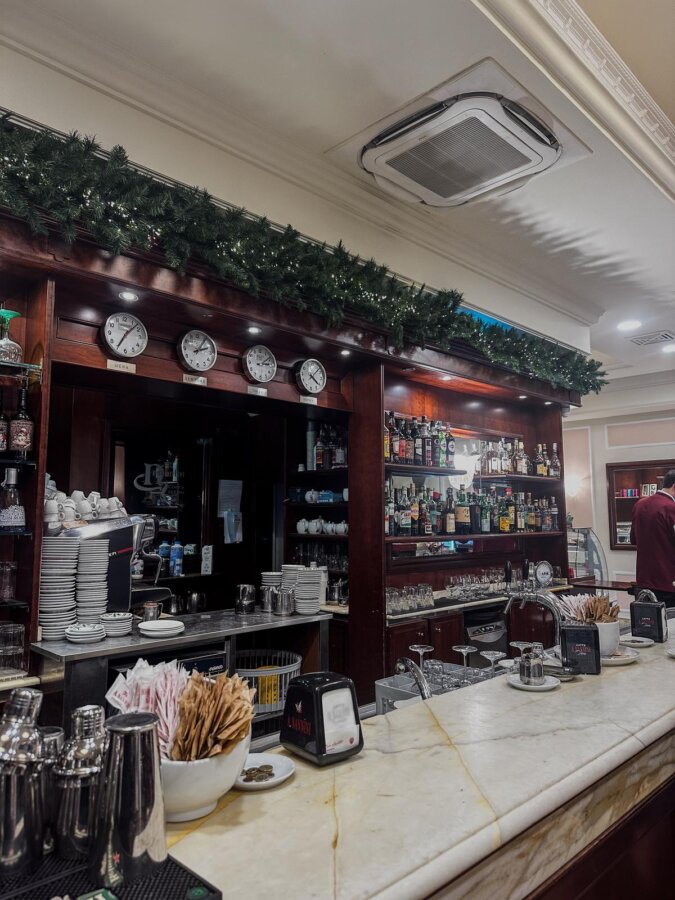
Alba’s truffle fair runs one week a year. The rest of the time, Piedmont keeps its best things quietly to itself.
Travel guides for Piedmont
More guides featuring Piedmont (3)
At a glance
- Italian
- Rolling vineyard hills
- Alpine foothills
- Historic wine towns
- Truffle forests
How Piedmont scores
Editorial scores on a 10-point scale, weighed against destinations of the same kind.
Travel safety snapshot
SafePlace indicators use their source 100-point scale; higher is more favourable. Planning context, not a live travel advisory — check official government guidance before you go.
When to go
Best months to visit: April, May, June, July, August, September and October.
- January: -1.8 to 7.6 degrees Celsius, 41.9 millimetres of rain, best-time score 2 out of 5.
- February: 0.6 to 10.7 degrees Celsius, 56.5 millimetres of rain, best-time score 2 out of 5.
- March: 3 to 14.1 degrees Celsius, 73.5 millimetres of rain, best-time score 3 out of 5.
- April: 7.2 to 18.1 degrees Celsius, 89.2 millimetres of rain, best-time score 4 out of 5.
- May: 11.3 to 21.5 degrees Celsius, 147.9 millimetres of rain, best-time score 5 out of 5.
- June: 16.8 to 27.4 degrees Celsius, 98.8 millimetres of rain, best-time score 5 out of 5.
- July: 18.9 to 30 degrees Celsius, 72.3 millimetres of rain, best-time score 5 out of 5.
- August: 18.7 to 29.7 degrees Celsius, 78.3 millimetres of rain, best-time score 5 out of 5.
- September: 14.3 to 24.3 degrees Celsius, 78.2 millimetres of rain, best-time score 5 out of 5.
- October: 9.8 to 18.8 degrees Celsius, 92.6 millimetres of rain, best-time score 4 out of 5.
- November: 3.4 to 11.7 degrees Celsius, 101.4 millimetres of rain, best-time score 2 out of 5.
- December: -1 to 7.6 degrees Celsius, 52.1 millimetres of rain, best-time score 3 out of 5.
Month-by-month conditions and packing advice
- January
- Cold, occasional rain Cold winter weather, few tourists. Crowds: January in Piedmont is workable with normal seasonal planning; build in layers, weather checks, and a mix of indoor and outdoor activities. Pack: Pack warm layers, a coat, and comfortable shoes for cold mornings and evenings.
- February
- Cool to mild, occasional rain Chilly and quiet, good for museums. Crowds: February in Piedmont is workable with normal seasonal planning; build in layers, weather checks, and a mix of indoor and outdoor activities. Pack: Pack warm layers, a coat, and comfortable shoes for cold mornings and evenings.
- March
- Cool to mild, some rain Beginning to warm up, spring blossoms. Crowds: March in Piedmont is workable with normal seasonal planning; build in layers, weather checks, and a mix of indoor and outdoor activities. Pack: Pack warm layers, a coat, and comfortable shoes for cold mornings and evenings. Add a rain jacket or compact umbrella.
- April
- Cool to mild, some rain Pleasant spring weather, great for walking. Crowds: April in Piedmont is workable with normal seasonal planning; build in layers, weather checks, and a mix of indoor and outdoor activities. Pack: Pack layered clothing and comfortable walking shoes. Add a rain jacket or compact umbrella.
- May
- Mild to warm, rainy Excellent weather before the summer crowds. Crowds: May in Piedmont is one of the wetter periods, so museums, food stops, flexible reservations, and backup indoor plans make the trip easier. Pack: Pack layered clothing and comfortable walking shoes. Add a rain jacket or compact umbrella.
- June
- Warm to hot, some rain Warm, sunny, and lively. Crowds: June in Piedmont is workable with normal seasonal planning; build in layers, weather checks, and a mix of indoor and outdoor activities. Pack: Pack light clothing, sun protection, and comfortable walking shoes. Add a rain jacket or compact umbrella.
- July
- Warm to hot, some rain Peak summer heat and peak tourist season. Crowds: July in Piedmont is workable with normal seasonal planning; build in layers, weather checks, and a mix of indoor and outdoor activities. Pack: Pack light clothing, sun protection, and comfortable walking shoes. Add a rain jacket or compact umbrella.
- August
- Warm to hot, some rain Very warm, many festivals and outdoor dining. Crowds: August in Piedmont is workable with normal seasonal planning; build in layers, weather checks, and a mix of indoor and outdoor activities. Pack: Pack light clothing, sun protection, and comfortable walking shoes. Add a rain jacket or compact umbrella.
- September
- Mild to warm, some rain Perfect shoulder season with great weather. Crowds: September in Piedmont is workable with normal seasonal planning; build in layers, weather checks, and a mix of indoor and outdoor activities. Pack: Pack light clothing, sun protection, and comfortable walking shoes. Add a rain jacket or compact umbrella.
- October
- Cool to mild, some rain Crisp autumn air and beautiful colors. Crowds: October in Piedmont is workable with normal seasonal planning; build in layers, weather checks, and a mix of indoor and outdoor activities. Pack: Pack layered clothing and comfortable walking shoes. Add a rain jacket or compact umbrella.
- November
- Cool to mild, some rain Cooling down rapidly, often rainy. Crowds: November in Piedmont is workable with normal seasonal planning; build in layers, weather checks, and a mix of indoor and outdoor activities. Pack: Pack layered clothing and comfortable walking shoes. Add a rain jacket or compact umbrella.
- December
- Cold, occasional rain Cold but festive holiday atmosphere. Crowds: December in Piedmont is workable with normal seasonal planning; build in layers, weather checks, and a mix of indoor and outdoor activities. Pack: Pack warm layers, a coat, and comfortable shoes for cold mornings and evenings.
- June
- July
- August
- November
- December
- January
- February
Know before you go
Neighbourhoods
Turin, Alba, Asti, Langhe
Best time to visit
Autumn (September-November) for the harvest and White Truffle Festival. Spring (April-June) offers lush green landscapes.
Season by season
Fall (Oct-Nov):
Weather: 10-15°C, foggy mornings
Highlights: WHITE TRUFFLE SEASON (Alba Fair), grape harvest
Best For: Foodies, wine lovers
Spring (April-June):
Weather: 15-25°C, blooming gardens
Highlights: Lake Maggiore gardens at peak
Best For: Sightseeing, lakes
Winter (Dec-Feb):
Weather: 0-10°C, snow in Alps
Highlights: Skiing (Via Lattea), cozy chocolate cafes in Turin
Best For: Winter sports
Summer (July-Aug):
Weather: 25-30°C, humid
Highlights: Jazz festivals, hiking in Alps
Best For: Mountain escapes
Crowds
Piedmont (Italy) sees peak crowds during grape harvest and truffle season (September–November) and summer wine-tourism weekends; quietest in winter (January–March) outside holiday periods, with generally moderate visitor numbers except bottlenecks at popular vineyards and Alba in season.
Getting there and around
Getting there
Turin Airport (TRN) serves the region. High-speed trains connect Turin to Milan (45 mins) and Paris.
Getting around
A rental car is essential for exploring the rolling hills and vineyards of the Langhe and Roero. Trains connect major towns like Turin and Alba.
Top experiences in Piedmont
Langhe Wine Region
A UNESCO World Heritage site famous for its vineyard landscapes, hilltop castles, and production of Barolo and Barbaresco wines.
Lake Maggiore & Borromean Islands
Lake Maggiore is an alpine lake of aristocratic beauty. The highlight is the Borromean Islands, accessible by boat from Stresa. Isola Bella features a baroque palace and ten-tiered terraced gardens that look like a ship floating on the lake. Isola Madre is an English-style botanical garden with white peacocks roaming free.
Turin (Torino)
Turin, the first capital of Italy, is a city of royal elegance often overlooked by tourists. It is home to the Royal Palace of the House of Savoy, the Mole Antonelliana (housing the Cinema Museum), and the Egyptian Museum (second only to Cairo’s). The city is also famous for its historic cafes, chocolate (Gianduja), and the Fiat Lingotto factory with a test track on the roof.
Lake Orta (Orta San Giulio)
Lake Orta is the romantic, quieter cousin of Lake Maggiore. The medieval village of Orta San Giulio is a car-free maze of narrow streets. A short boat ride takes you to Isola San Giulio, a tiny island dominated by a Romanesque basilica and a monastery. It is a place of profound silence and beauty, often called ‘Gods watercolor.’
WiMu – The Wine Museum in Barolo
Located inside the Castello di Barolo, WiMu is not a traditional museum but a sensory journey through the culture of wine. Designed by François Confino (who did the Cinema Museum in Turin), it explores the relationship between wine and music, literature, and art. The tour ends in the Enoteca Regionale del Barolo for a tasting of the ‘King of Wines.’
Editor-curated picks carried over from our original guide. Where a full place guide exists, the card links to it.
Worth booking ahead in Piedmont
Hand-picked from the operators our guides already send readers to. Prices and availability are live on the partner site.
Guided tourGetYourGuide
Colosseum, Forum and Palatine Hill small-group tour (opens GetYourGuide in a new tab)
Small group with the Forum and Palatine Hill included; the standard Colosseum visit done properly.
Where to stayBooking.com
Stays in Piedmont (opens Booking.com in a new tab)
Live rates and availability for Piedmont on Booking.com; filter by neighbourhood once you know where your days start.
We earn a commission if you book through these links, at no extra cost to you. It is how we keep the guides free and independent.
Where to stay
Relais San Maurizio
Località San Maurizio 39, 12058 Santo Stefano Belbo CN, Italy
A luxury spa hotel housed in a 17th-century monastery, nestled in the vineyards near Santo Stefano Belbo.
Villa d'Amelia
Località Manera 1, 12050 Benevello CN, Italy
Set in a renovated 19th-century farmhouse on a hill between Barolo and Barbaresco, Villa d’Amelia offers an elegant retreat in the heart of the Langhe. The hotel features a Michelin-starred restaurant, a wellness center with a heated outdoor pool, and manicured gardens. It is the perfect base for truffle hunting excursions and wine tours.
Castello di Guarene
Via Alessandro Roero 2, 12050 Guarene CN, Italy
Castello di Guarene is an 18th-century palace that fulfills every fairytale fantasy. This Relais & Châteaux property offers opulent rooms with original frescoes, silk tapestries, and antique furniture. The castle terrace offers a breathtaking panoramic view of the Alps and the surrounding vineyards. The indoor pool, carved into the rock with vaulted brick ceilings, is a masterpiece.
Editor-curated stays carried over from our original guide. Where we have reviewed the hotel, the card links to the review.
Tips from the field
Highlights
- Langhe Wine Region – UNESCO vineyards
- Alba – White Truffle Capital of the World
- Lake Maggiore – Borromean Islands
- Turin – Royal palaces and chocolate
- Barolo & Barbaresco – Villages of legendary wine
- Lake Orta – Romantic secret lake
- Sacra di San Michele – Mountaintop abbey
- Venaria Reale – Italy's Versailles
- Slow Food – Bra (birthplace of the movement)
Best activities
- Piedmont is for the hedonist. The ultimate activity is truffle hunting with a 'trifulau' and his dog in the woods around Alba, followed by a dinner shaving your find over fresh Tajarin pasta. Wine tasting in the cellars of Barolo is mandatory. Explore the elegant porticoes of Turin, stopping for a 'Bicerin' (coffee, chocolate, cream). Take a private boat tour around the Borromean Islands on Lake Maggiore. For a spiritual workout, hike up to the Sacra di San Michele abbey, which inspired 'The Name of the Rose.
Practical tips
- Book well in advance if visiting during the Alba White Truffle Fair (Oct-Nov). Try the local 'bicerin' coffee in Turin.
Photography tips
- Golden Hour: The view from the terrace of La Morra looking over the Barolo vineyards at sunset.
- Iconic Shots:
- Isola Bella gardens from the ferry.
- The vineyard patchwork scenery of the Langhe hills.
- The reflection of the Mole Antonelliana in Turin.
- Orta San Giulio viewed from the Sacro Monte.
- Technique: In autumn, wake up early to capture the magical 'nebbia' (fog) clinging to the vineyard valleys before it burns off.
Timing
- Peak Season (Oct-Nov):
- Truffle Fair time
- Hotels book out months in advance
- Highest prices
- Shoulder Season (April-June, Sept):
- Perfect weather for hiking/lakes
- Good value
- Low Season (Jan-March):
- Cold, gray
- Many wineries require appointments
- Ski resorts are busy, but cities are quiet
Keeping it authentic
- Piedmont (Piemonte) means 'at the foot of the mountains,' and the character is reserved, industrious, and elegant. It is the birthplace of the Slow Food movement, so food is religion here—fast food is frowned upon. The dialect is close to French. Unlike Tuscany, the Langhe region feels less like a tourist park and more like a working agricultural community where the farmers just happen to make the world's best wine.
Culture, customs and safety
Cultural heritage
Piedmont cultivates refined culture through Savoy royal heritage, revolutionary wine traditions, and industrial innovation from Fiat to Slow Food movement. Turin baroque architecture reflects capital status while Savoy residences demonstrate royal grandeur. Barolo and Barbaresco vineyards represent wine excellence through nebbiolo cultivation on UNESCO heritage hills. White truffle traditions center on Alba autumn markets. Gianduiotto chocolate and bicerin coffee represent culinary innovation. The region balances aristocratic heritage, agricultural excellence, and industrial prowess creating sophisticated northwestern Italian identity.
Local customs & etiquette
Piedmont is the birthplace of the Slow Food movement; meals are to be savored. ‘Aperitivo’ is a beloved evening ritual.
Safety notes
A very safe region. Exercise standard caution in Turin’s busy areas. Driving on winding country roads requires attention.