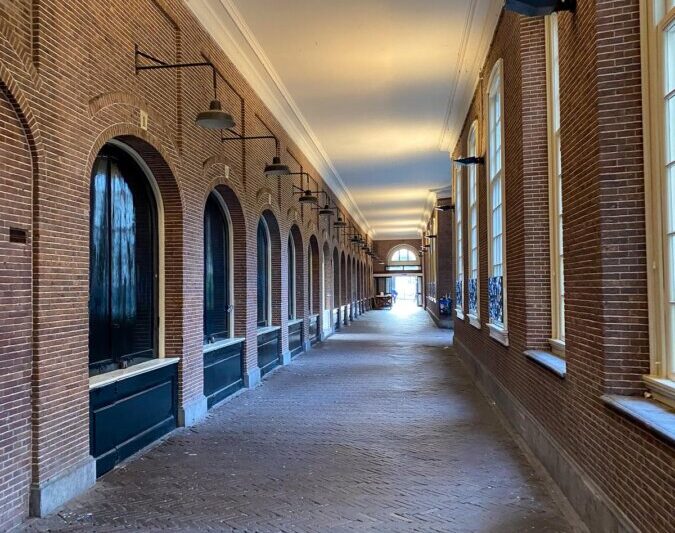
Parma, a charming city in northern Italy, is renowned for its rich culinary heritage, stunning architecture, and vibrant cultural scene. Famous for its Parmesan cheese and prosciutto, visitors can indulge in exquisite Italian cuisine while exploring historical landmarks such as the stunning Parma Cathedral and the Palazzo della Pilotta.
The destination guide
Parma
Parma makes two of Italy’s most famous exports — Parmigiano-Reggiano and Prosciutto di Parma — and the factory tours let you taste both at the source.
Travel guides for Parma
More guides featuring Parma (3)
At a glance
Currency€ EURCode: EUR
Time zoneCentral European Time
Languages
- Italian
Setting
- Po Valley city
- Food capital
- Romanesque architecture
- Parma ham countryside
Known for
- Culinary tourism
- Historical architecture
- Italian art and culture
- Music heritage
Population194K194,000 residents
VisaDuration: Up to 90 days within any 180-day period in the Schengen Area · Documents: Valid passport issued within the last 10 years and valid for at least 3 months after planned departure, plus proof of accommodation, onward or return travel, and sufficient funds if requested
How Parma scores
5/10OverallFair
Weather7/10
Value for money7/10
Safety8/10
Food & cuisine10/10
Culture & arts4/10
Cultural experience8/10
History8/10
Nature & outdoors5/10
Adventure4/10
Nightlife6/10
Shopping6/10
Family friendly5/10
Romance7/10
Character
Photography score9/10
Authenticity score10/10
Off-the-beaten-path score7/10
Editorial scores on a 10-point scale, weighed against destinations of the same kind.
Travel safety snapshot
Overall84/100High rating
Women travellers80/100
LGBTQ+ travellers68/100
Theft76/100
Medical care82/100
Physical harm83/100
Political freedom77/100
SafePlace indicators use their source 100-point scale; higher is more favourable. Planning context, not a live travel advisory — check official government guidance before you go.
When to go
Best months to visit: April, May, June, September and October.
- January: 0.9 to 7.4 degrees Celsius, 9.4 millimetres of rain, best-time score 2 out of 5.
- February: 0.4 to 9.9 degrees Celsius, 24.8 millimetres of rain, best-time score 2 out of 5.
- March: 4.3 to 14.6 degrees Celsius, 19.5 millimetres of rain, best-time score 3 out of 5.
- April: 7.3 to 18 degrees Celsius, 18.7 millimetres of rain, best-time score 5 out of 5.
- May: 10.1 to 19.8 degrees Celsius, 50.8 millimetres of rain, best-time score 5 out of 5.
- June: 15.8 to 27 degrees Celsius, 20.2 millimetres of rain, best-time score 4 out of 5.
- July: 17.7 to 30.4 degrees Celsius, 16 millimetres of rain, best-time score 2 out of 5.
- August: 18.6 to 31.3 degrees Celsius, 13.2 millimetres of rain, best-time score 2 out of 5.
- September: 15.3 to 26.6 degrees Celsius, 17.3 millimetres of rain, best-time score 5 out of 5.
- October: 10.4 to 18.9 degrees Celsius, 42.9 millimetres of rain, best-time score 5 out of 5.
- November: 6.3 to 12.8 degrees Celsius, 45.6 millimetres of rain, best-time score 2 out of 5.
- December: 1.1 to 7.3 degrees Celsius, 20.7 millimetres of rain, best-time score 2 out of 5.
Month-by-month conditions and packing advice
- January
- Cold weather, mostly dry January in Parma: cold and damp with frequent fog, suited to indoor food culture and museums. Crowds: January represents Parma’s low tourist season, shaped by chilly weather and subdued outdoor activity options. The cool climate encourages more indoor pursuits—visiting the famed Teatro Regio, sampling local delicacies such as Parmigiano Reggiano and Prosciutto di Parma, or exploring art collections housed in historic palaces. With minimal rainfall and occasional fog, the city’s streets take on a moody, atmospheric quality best suited for travelers who enjoy cultural immersion over outdoor excursions. Crowd levels are very low, and hotel rates tend to be more affordable, making this an ideal time for budget-conscious travelers or those seeking a quieter, more authentic experience. While some seasonal events may be limited, January provides a peaceful backdrop for appreciating Parma’s rich history without the pressures of peak-season tourism. Pack: Warm coat suitable for temperatures near freezing; Insulated walking shoes with good grip for damp streets; Wool scarf, hat, and gloves for chilly evenings; Compact umbrella for occasional drizzle; Layered clothing to adjust between indoor heating and outdoor chill; Smart casual attire for theater performances and fine dining
- February
- Cool weather, mostly dry February in Parma: still cold and foggy winter weather with low crowds and good value for culinary tours indoors. Crowds: February is part of Parma’s low travel season, meaning fewer visitors, more relaxed access to landmarks like the Cathedral and Teatro Farnese, and lower accommodation costs compared to spring and summer. The cool weather is best suited for cultural activities rather than long outdoor excursions, making it an excellent time for museum visits, opera performances, and culinary exploration. The city’s markets and trattorias are less crowded, providing a more intimate experience. While outdoor walking tours are still possible, they require warmer clothing and are best scheduled around midday when temperatures peak. This period offers strong value for travelers who prioritize cultural immersion over weather-driven activities, with the added benefit of securing restaurant reservations and accommodations with ease. Pack: Insulated coat suitable for near-freezing mornings; Warm scarf, gloves, and knit hat for chilly evenings; Comfortable waterproof walking shoes; Layered sweaters or thermal tops; Compact travel umbrella for light rain; Smart casual attire for dining and opera outings
- March
- Cool weather, mostly dry March in Parma: early-spring warming with milder days emerging, quiet streets, and pleasant conditions for the historic center. Crowds: Traveling to Parma in March offers a shoulder-season advantage. While temperatures are still on the cooler side, conditions are suitable for cultural exploration, especially indoor attractions such as opera at Teatro Regio or food-focused experiences like cheese and prosciutto tastings. Tourist crowds remain light, ensuring easier access to museums, churches, and local trattorias without peak-season congestion. Accommodation prices are generally moderate, lower than summer months when food festivals and outdoor events attract more visitors. Outdoor excursions to nearby countryside estates or vineyard tours may require flexible planning due to the chance of showers, but the cooler climate makes city walking more comfortable than during Italy’s hot summers. Pack: Warm sweater or fleece for cool evenings; Water-resistant jacket for occasional showers; Comfortable walking shoes suitable for cobblestones; Scarf for layering and warmth in the mornings; Smart casual attire for dining and cultural venues; Compact umbrella for unpredictable spring rain
- April
- Cool weather, mostly dry April in Parma: ideal spring weather perfect for exploring the cathedral and half-day Parmigiano and prosciutto tours. Crowds: April represents a shoulder season in Parma, where the weather is comfortably cool and crowds remain manageable compared to the busy summer months. This period is well-suited for cultural exploration—visiting the Teatro Regio, Parma Cathedral, or sampling local delicacies in traditional osterie—without the summer heat or peak-season pricing. Accommodations are generally more affordable, and attractions are accessible without long waits. The mild climate also supports day trips into the countryside for wine or cheese tastings. However, evenings can still feel chilly, and occasional rain showers may disrupt outdoor plans, so flexibility in scheduling is recommended. For travelers seeking a blend of comfort, cultural immersion, and lighter crowds, April provides one of the most rewarding times to explore Parma. Pack: Layered clothing to adapt to cool mornings and mild afternoons; Compact umbrella or light rain jacket for spring showers; Comfortable shoes for cobblestone streets and city walking; Light scarf or shawl for cooler evenings; Smart-casual attire for dining in traditional trattorias; Reusable water bottle for day trips into the countryside
- May
- Warm and pleasant, some rain May in Parma: warm comfortable late-spring days with vibrant cultural life, ideal for countryside dairy and curing-house visits. Crowds: May offers some of the most inviting conditions to visit Parma. This is shoulder season in northern Italy, when weather is reliably pleasant, but before the heavy tourist influx of summer. You’ll encounter moderate crowd levels—busier around weekends when domestic travelers enjoy spring escapes—yet still manageable compared to peak months. Prices for accommodation and dining are slightly elevated from winter but remain below summer highs. The balance of warm afternoons and cooler evenings makes it comfortable to stroll through cultural sites such as the Parma Cathedral or Teatro Regio, and countryside trips to Parmesan cheese dairies or prosciutto producers are especially enjoyable this time of year. Occasional rain may shift plans outdoors, but it rarely disrupts travel significantly. Advance booking for performances and tours is advised, though last-minute accommodations are often still available. Pack: Light rain jacket or compact umbrella; Comfortable walking shoes for cobblestone streets; Breathable layers for mild daytime and cooler evenings; Smart-casual attire suitable for theater and fine dining; Reusable water bottle for long city walks; Light scarf or shawl for cooler mornings and cultural sites
- June
- Warm and pleasant, mostly dry June in Parma: warm early-summer with long sunny days, good for food touring before the peak heat sets in. Crowds: June marks the beginning of Parma’s high travel season, with excellent weather encouraging outdoor dining, festivals, and day trips to nearby vineyards and medieval towns. Visitor numbers rise steadily, and accommodation rates begin to climb as summer approaches. While the warmth is ideal for sightseeing and food-focused tours, popular attractions and trattorias may require advance booking. The dry, sunny days are perfect for photography, though afternoon highs can feel quite warm during extended walking tours. Evening events, such as opera performances or al fresco concerts, become especially appealing thanks to the cooler nights. For travelers seeking both cultural immersion and comfortable weather, June strikes a balance before the peak heat and crowds of July and August. Pack: Lightweight breathable clothing for warm afternoons; Comfortable walking shoes for cobblestone streets; Light jacket or shawl for cooler evenings; Umbrella or compact rain jacket for occasional showers; Stylish but modest attire for churches and cultural sites; Sunglasses and high-SPF sunscreen for long sunny days
- July
- Warm and pleasant, mostly dry July in Parma: hot and humid summer peak with uncomfortable, muggy midday heat despite plentiful sunshine. Crowds: July marks high summer in Parma, aligning with peak tourist season across Italy. Warm and mostly dry conditions are perfect for outdoor festivals, alfresco dining, and countryside excursions. However, this popularity comes with increased crowd levels at major cultural attractions such as the Parma Cathedral and Teatro Regio. Hotel rates and flight prices often surge during this period, reflecting the heightened demand. The city’s vibrant summer calendar, including open-air concerts and food events, is at its fullest, making July especially rewarding for travelers who value cultural immersion. Visitors should plan activities for mornings or evenings to avoid midday heat and book accommodations well in advance. Despite the challenges of higher costs and busier streets, the atmosphere is festive and engaging—ideal for those seeking both authentic culture and lively seasonal energy. Pack: Lightweight breathable clothing for hot afternoons; Comfortable sandals and walking shoes for city exploration; Wide-brimmed hat and SPF 50+ sunscreen; Reusable water bottle to stay hydrated; Light shawl or scarf for church and cathedral visits; Smart casual evening wear for dining and concerts
- August
- Hot and sunny, mostly dry August in Parma: hot, humid, and sticky with many locals and businesses on holiday, making it a quieter but uncomfortable time. Crowds: August is one of the busiest travel months in Parma, aligning with both international tourist arrivals and Italy’s traditional holiday season. While many locals depart for seaside vacations, cultural sites and restaurants remain active, though some smaller family-run businesses may close temporarily. Warm, dry weather makes it easy to enjoy outdoor dining, open-air concerts, and city walking tours, but afternoons can feel intense under the sun. Hotel rates rise during this period due to high demand, particularly around cultural festivals and harvest-related events. Travelers should plan sightseeing in the cooler morning or evening hours and reserve accommodations well in advance. Despite the heat, the season offers a vibrant atmosphere with lively piazzas, bustling enotecas, and opportunities to experience the city’s culinary heritage in peak form. Pack: Lightweight, breathable linen or cotton clothing; Wide-brimmed hat for strong midday sun; High-SPF sunscreen and sunglasses; Comfortable sandals or breathable walking shoes; Refillable water bottle to stay hydrated; Modest attire for visiting churches and historic sites
- September
- Warm and pleasant, mostly dry September in Parma: ideal early-autumn with mild comfortable days, harvest-season food energy, and relaxed crowds. Crowds: September represents a shoulder season in Parma, offering one of the best times for visitors who want mild weather and manageable crowds. The cooler evenings pair with pleasantly warm days, encouraging both cultural sightseeing and countryside excursions. Compared to the peak of summer, tourist numbers drop and hotel prices begin to ease, though popular food festivals and harvest celebrations can drive local activity. Visitors will find restaurants and cultural sites lively yet not overwhelming, and it’s an especially rewarding month for culinary travel as seasonal specialties—like mushrooms, truffles, and freshly pressed grape must—appear on menus. This balance of comfortable weather, cultural vibrancy, and slightly lighter crowds makes September one of the most rewarding months for a Parma visit. Booking accommodations early for festival dates is recommended. Pack: Lightweight long-sleeve shirts for daytime warmth; Comfortable shoes for city walking and countryside visits; A light jacket or sweater for cooler evenings; Compact umbrella for occasional showers; Smart-casual attire for dining in trattorias; Scarf or shawl for church and cultural site visits
- October
- Cool weather, some rain October in Parma: mild autumn weather perfect for gastronomy, with comfortable temps and seasonal culinary highlights. Crowds: October is shoulder season in Parma, offering a sweet spot for travelers seeking culture without the intensity of peak summer crowds. The weather remains comfortable for walking tours, countryside excursions, and food-focused day trips, though rain showers may occasionally interrupt plans. Hotel rates are generally lower compared to the high season, and restaurants highlight seasonal specialties tied to autumn harvest traditions. Wine lovers benefit from visits timed with harvest festivals across Emilia-Romagna. While daylight hours shorten, the cooler temperatures make urban exploration more pleasant than the heat of summer. Advance booking isn’t as urgent as in September, but popular food tours may still fill up. Expect a quieter, more local rhythm in the city, ideal for travelers seeking authenticity over high-energy festival crowds. Pack: Waterproof jacket or compact umbrella for autumn showers; Layered clothing including sweaters for cooler evenings; Comfortable waterproof shoes for walking on wet cobblestones; Scarf for both warmth and cultural style integration; Daypack for carrying market finds and rain gear; Camera with low-light capability for foggy mornings and evening light
- November
- Cool weather, some rain November in Parma: cool, wet, and foggy late autumn with short days, best for indoor dining and cultural visits. Crowds: November in Parma falls into the shoulder-to-low season for tourism, as cooler, wetter weather discourages large crowds. Travelers benefit from lower accommodation rates and fewer queues at attractions such as the Parma Cathedral and Teatro Regio. Culinary experiences dominate this period, with truffle and mushroom markets flourishing, making it an ideal month for food-focused visitors. Outdoor exploration is possible but requires preparation for damp, chilly conditions. The shorter daylight hours and foggy mornings create a quieter atmosphere, which appeals to travelers seeking a more intimate cultural experience. Those planning to visit should secure restaurant reservations early, as dining becomes a centerpiece of the November experience, while tourist flows remain manageable. Pack: Waterproof jacket with hood for rain showers; Layered sweaters or fleece for fluctuating temperatures; Sturdy waterproof walking shoes; Compact umbrella for city use; Scarf and gloves for chilly evenings; Smart casual attire for dining and cultural venues
- December
- Cold weather, mostly dry December in Parma: cold and damp winter with fog and festive markets, suited to indoor food experiences. Crowds: December brings low-season conditions in Parma, which translates into fewer crowds and reduced hotel rates—ideal for travelers who prefer a more tranquil atmosphere. The cold and often foggy weather makes outdoor strolling less inviting, but this is the perfect time to focus on indoor attractions such as the frescoes in the Parma Cathedral or performances at Teatro Regio. Seasonal markets and festive decorations give the city an extra charm, with local celebrations offering a glimpse into Emilian holiday traditions. While outdoor dining is limited, culinary experiences thrive in cozy indoor settings, making winter a great season for food-driven travel. Travelers should plan for layered clothing and expect brisk evenings. Advance booking is less critical than in summer, but accommodations and cultural events may close for holidays, so double-check schedules. Pack: Insulated winter coat for cold evenings; Warm scarf and gloves for foggy mornings; Layered sweaters for fluctuating indoor heating; Water-resistant shoes for damp streets; Smart casual attire for dining and opera outings; Compact umbrella for occasional light showers
Peak season
- June
- July
- May
- September
Off-peak
- January
- February
- November
- December
- March
Know before you go
About
Parma, in Italy’s Emilia-Romagna region, is a refined art city and a global capital of food, home to about 202,000 residents and the namesake of two of the world’s most famous products—Parmigiano-Reggiano cheese and Prosciutto di Parma ham. Recognized as a UNESCO Creative City of Gastronomy, it also hosts the European Food Safety Authority. At its center stand a 12th-century Romanesque cathedral, crowned by Correggio’s luminous dome fresco, and the rose-and-pink octagonal Baptistery commissioned in 1196 from the sculptor Benedetto Antelami—a landmark of the shift from Romanesque to Gothic. Parma’s cultural life runs just as deep: the painter Correggio worked here, the composer Giuseppe Verdi was born nearby in 1813, and the Teatro Regio remains a revered opera house. Elegant porticoed streets, leafy parks, and an unhurried pace round out a city where travelers come to eat exceptionally well and soak up the art of northern Italy.
Neighbourhoods
The Centro Storico is defined by the Romanesque Duomo and octagonal Baptistery on Piazza Duomo, the Pilotta palace complex, and the Teatro Regio opera house. Oltretorrente across the Parma stream is a working-class district with trattorias and the Church of the Annunziata. The Barilla district on the city’s outskirts houses the global pasta company’s headquarters and a food academy.
Best time to visit
The best time to visit Parma is during the spring (March to June) and early autumn (September to October) when the weather is mild and festivals are abundant. Summer can be warm, while winter offers a cozy atmosphere perfect for enjoying hearty Italian dishes.
Getting there and around
Getting there
Parma sits on the Milan-Bologna high-speed rail line; Frecciarossa trains reach Milan in 1 hour and Bologna in 30 minutes. Regional trains connect to surrounding Emilia-Romagna towns. Parma’s small airport (Giuseppe Verdi Airport, PMF) has limited service. Bologna Marconi Airport (BLQ) is 100 km southeast (1 hour by train + shuttle). By car, the A1 Autostrada del Sole connects Parma to Milan (125 km) and Florence (200 km).
Getting around
Parma’s centre is flat, compact, and ideal for walking or cycling—the city has one of Italy’s highest rates of bicycle use. TEP city buses connect the train station to the centre and suburbs. Bikes can be rented at the station or through the Mi Muovo bike-share scheme. Parma is small enough that most attractions are within a 15-minute walk of the Duomo.
Top experiences in Parma
Parma Cathedral & Correggio's Frescoes
The 12th-century Romanesque cathedral in Piazza Duomo contains one of the most important Renaissance ceiling paintings in Italy: Correggio’s Assumption of the Virgin (1526-1530), a swirling vortex of figures ascending into a golden heaven inside the dome. The octagonal marble Baptistery next door, by Benedetto Antelami (1196-1270), features carved portals and interior frescoes spanning medieval astronomy and biblical narrative.
Parmigiano-Reggiano & Prosciutto Factory Tours
The hills south of Parma are home to hundreds of Parmigiano-Reggiano dairies and Prosciutto di Parma curing houses. Guided morning tours (usually starting 9:00 AM) let visitors watch 500 kg wheels of cheese being formed, brined, and aged in cavernous warehouses. Prosciutto tours in Langhirano show legs hung in temperature-controlled cellars and end with generous tastings. Several travel operators combine both visits in a half-day food tour.
Palazzo della Pilotta & Galleria Nazionale
A massive unfinished Farnese palace complex housing the Galleria Nazionale di Parma, with works by Correggio (Madonna della Scodella), Parmigianino (Turkish Slave), and Leonardo da Vinci. The complex also contains the Farnese Theatre (1618), a remarkable wooden theatre that was one of the first permanent proscenium theatres in Europe. The Biblioteca Palatina and archaeological museum complete the cultural cluster.
Teatro Regio di Parma
An 1,800-seat neoclassical opera house inaugurated in 1829 with Bellini’s Zaira. The Teatro Regio is the centrepiece of Parma’s annual Festival Verdi (October), celebrating the composer born 30 km away in Busseto. The horseshoe-shaped auditorium has four tiers of boxes, a frescoed ceiling, and acoustics considered among Italy’s finest. Guided tours of the theatre are available outside performance seasons.
Parma Food Valley
The province of Parma and neighbouring Reggio Emilia form Italy’s Food Valley, producing Parmigiano-Reggiano, Prosciutto di Parma, Culatello di Zibello, lambrusco wine, balsamic vinegar (in Modena), and tortelli d’erbetta (herb-filled pasta). Eight food museums across the province document the production of cured meats, cheese, tomatoes, and pasta. The city’s restaurants, listed in Michelin and Gambero Rosso guides, serve these products alongside Emilian classics like anolini in brodo.
Editor-curated picks carried over from our original guide. Where a full place guide exists, the card links to it.
Worth booking ahead in Parma
Hand-picked from the operators our guides already send readers to. Prices and availability are live on the partner site.
Guided tourGetYourGuide
Colosseum, Forum and Palatine Hill small-group tour (opens GetYourGuide in a new tab)
Small group with the Forum and Palatine Hill included; the standard Colosseum visit done properly.
Where to stayBooking.com
Stays in Parma (opens Booking.com in a new tab)
Live rates and availability for Parma on Booking.com; filter by neighbourhood once you know where your days start.
We earn a commission if you book through these links, at no extra cost to you. It is how we keep the guides free and independent.
Where to stay
Hotel Stendhal
Strada Andrea Massena 4, 43121 Parma, Italy
Elegant city-centre hotel occupying a historic palazzo with refined rooms, a gourmet restaurant, and easy walking access to the Duomo and Teatro Regio.
Mercure Parma Stendhal
Strada della Repubblica 71, 43121 Parma, Italy
Centrally located four-star hotel with contemporary design, spacious rooms, a wellness area, and proximity to Parma’s culinary highlights.
Best Western Plus Hotel Farnese
Viale Barilla 27, 43121 Parma, Italy
Modern business-style hotel close to the train station with bright rooms, an on-site restaurant, and complimentary breakfast.
Editor-curated stays carried over from our original guide. Where we have reviewed the hotel, the card links to the review.
Tips from the field
Highlights
- Cattedrale di Parma
- Palazzo della Pilotta
- Birthplace of Arturo Toscanini Museum
- Parco Ducale
- Local food experiences
Best activities
- Visit the Cattedrale di Parma and admire Correggio's frescoes
- Explore the Palazzo della Pilotta and its museums
- Stroll through the picturesque Parco Ducale
- Take a guided food tour to sample local specialties
Practical tips
- Purchase tickets in advance for popular attractions like Palazzo della Pilotta
- Consider joining guided tours for in-depth cultural and culinary experiences
- Many museums offer free entry, check their websites for details
Keeping it authentic
- Parma is renowned for its authentic culinary heritage, particularly Parmigiano-Reggiano cheese and Prosciutto di Parma
- The city's historical architecture, including the Cattedrale di Parma, offers genuine insights into Italian cultural history
Culture, customs and safety
Cultural heritage
Parma’s culinary fame rests on three products with protected designation: Parmigiano-Reggiano cheese (aged 12-36 months in the surrounding province), Prosciutto di Parma (cured for 12+ months in the dry Langhirano foothills), and Culatello di Zibello (a rare salume from the Po River fog zone). Beyond food, Parma is the birthplace of conductor Arturo Toscanini, and its Teatro Regio (1829) is one of Italy’s great opera houses—Verdi’s operas premiered in the region. Correggio’s Renaissance frescoes in the Duomo and Camera di San Paolo rival those of Rome.
Local customs & etiquette
- Greet locals with a friendly “Buongiorno” or “Buonasera” depending on the time of day
- Respect mealtime traditions, as lunch and dinner are important social events
- Tip modestly, as service charges are often included in the bill
- Engage in conversations about food and local culture to connect with residents

Travel Style
Activities