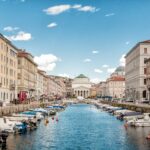
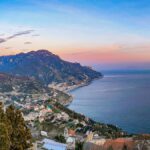
Miramare Castle’s 19th-century Habsburg masterpiece built 1856-1860 for Archduke Ferdinand Maximilian and Charlotte of Belgium, perched on Gulf of Trieste coastline with “looking at the sea” meaning perfectly realized through breathtaking Adriatic views and lush gardens. Italy’s coffee capital preserving 18th-century Habsburg Empire legacy when Trieste became the major coffee port, creating authentic espresso culture through numerous literary cafes where James Joyce, Italo Svevo, and Umberto Saba lived and wrote, drawing inspiration from this layered cultural identity. Piazza Unità d’Italia’s elegant Habsburg-style buildings (formerly Piazza Grande) showcasing Central European architectural character unique among Italian cities, reflecting strategic Adriatic position as melting pot of Latin, Slavic, and German cultures. Dramatic limestone cliff coastlines replacing typical sandy Adriatic beaches with hidden coves and crystal-clear waters, while retro literary cafe atmosphere maintains centuries of intellectual creativity. Border town’s distinctive Central European feel preserving Austro-Hungarian urban planning and architectural heritage where bookstores, festivals, and thoughtful cafes continue the spirit defining this Habsburg port’s transition from empire gateway to contemporary Italian cultural treasure.
The destination guide
Trieste

Trieste is where Italy, Slovenia, and Austria blur — a Habsburg port city with the best coffee culture in Italy, Miramare Castle on the Adriatic, and Joyce’s old haunts.
Travel guides for Trieste
More guides featuring Trieste (4)
At a glance
- Italian
- Adriatic port city
- Karst plateau
- Miramare Castle
- Italian-Slavic border
- Historical architecture
- Maritime heritage
- Coffee culture
- Literary connections (James Joyce)
How Trieste scores
Character
Editorial scores on a 10-point scale, weighed against destinations of the same kind.
Travel safety snapshot
SafePlace indicators use their source 100-point scale; higher is more favourable. Planning context, not a live travel advisory — check official government guidance before you go.
When to go
Best months to visit: March, April, May, June, July, August, September and October.
- January: -0.6 to 5.6 degrees Celsius, 15.1 millimetres of rain, best-time score 2 out of 5.
- February: -0.1 to 7.5 degrees Celsius, 15.6 millimetres of rain, best-time score 2 out of 5.
- March: 2.6 to 10.7 degrees Celsius, 18.7 millimetres of rain, best-time score 4 out of 5.
- April: 6.6 to 16.6 degrees Celsius, 13 millimetres of rain, best-time score 5 out of 5.
- May: 10.2 to 18.2 degrees Celsius, 99.7 millimetres of rain, best-time score 5 out of 5.
- June: 15.6 to 25.3 degrees Celsius, 33 millimetres of rain, best-time score 5 out of 5.
- July: 17.9 to 28.2 degrees Celsius, 24 millimetres of rain, best-time score 4 out of 5.
- August: 17.6 to 28.8 degrees Celsius, 28.9 millimetres of rain, best-time score 4 out of 5.
- September: 14.9 to 23.4 degrees Celsius, 32.7 millimetres of rain, best-time score 5 out of 5.
- October: 9 to 16.4 degrees Celsius, 86.5 millimetres of rain, best-time score 5 out of 5.
- November: 5.5 to 11.3 degrees Celsius, 43.7 millimetres of rain, best-time score 3 out of 5.
- December: 1 to 6.9 degrees Celsius, 39.1 millimetres of rain, best-time score 3 out of 5.
Month-by-month conditions and packing advice
- January
- Cold weather, mostly dry January in Trieste: cold, windy winter conditions make this less balanced for a first-time visit. Crowds: Peak tourist season with excellent conditions for cultural exploration, winter sports, and scenic walks. Hotel rates and crowd levels are highest during this period. Outdoor activities are limited due to cold temperatures, but indoor attractions remain popular. Booking in advance is recommended to secure accommodations. Pack: Warm winter coat for temperature variation; Insulated gloves for cold weather; Waterproof boots for snowy conditions; Thermal layers for warmth; Scarf and hat for cold winds; Waterproof jacket for unexpected rain
- February
- Cold weather, mostly dry February in Trieste: cold, windy winter conditions make this less balanced for a first-time visit. Crowds: Peak tourist season with excellent conditions for cultural exploration, winter sports, and scenic walks. Hotel rates and crowd levels are highest during this period. Outdoor activities are limited due to cold temperatures, but indoor attractions remain popular. Booking in advance is recommended to secure accommodations. Pack: Warm winter coat for temperature variation; Insulated gloves for cold weather; Waterproof boots for snowy conditions; Thermal layers for warmth; Scarf and hat for cold winds; Waterproof jacket for unexpected rain
- March
- Cool weather, mostly dry March in Trieste: conditions can be useful, though high summer heat or early spring winds need planning. Crowds: January marks the peak tourist season in Trieste, with excellent conditions for outdoor activities such as walking tours, cycling along the coast, and visiting historic sites. Hotel rates and crowd levels are at their highest, with high UV levels persisting despite cooler temperatures. Ideal for cultural exploration and enjoying the scenic coastal views. Pack: Lightweight layers for temperature variation; Comfortable walking shoes for city exploration; Broad-brimmed hat and SPF 50+ sunscreen; Light cardigan for air-conditioned spaces; Modest clothing for cultural sites and mosques; Breathable cotton/linen fabrics
- April
- Cool weather, mostly dry April in Trieste: cafes, Miramare, waterfront walks, day trips, and Karst scenery work best in mild spring or fall weather. Crowds: April marks the beginning of the tourist season with moderate crowd levels and pleasant weather conditions. Hotel rates and activity availability are stable, making it an excellent time for exploring historic sites, enjoying local cuisine, and participating in cultural festivals. Outdoor activities such as hiking and boat tours are recommended. Pack: Lightweight layers for temperature variation; Comfortable walking shoes for city exploration; Broad-brimmed hat and SPF 50+ sunscreen; Light cardigan for air-conditioned spaces; Modest clothing for cultural sites and mosques; Breathable cotton/linen fabrics
- May
- Cool weather, some rain May in Trieste: cafes, Miramare, waterfront walks, day trips, and Karst scenery work best in mild spring or fall weather. Crowds: May marks the peak tourist season in Trieste, with excellent weather conditions for outdoor activities such as hiking, cycling, and exploring the city's historic sites. Hotel rates and crowd levels are high, with prices reflecting the increased demand. Despite cooler temperatures, UV levels remain moderate, encouraging visitors to wear sunscreen and protective clothing. Ideal for cultural tours and enjoying the scenic views along the Adriatic coast. Pack: Lightweight layers for temperature variation; Comfortable walking shoes for city exploration; Broad-brimmed hat and SPF 50+ sunscreen; Light cardigan for air-conditioned spaces; Waterproof jacket for occasional rain showers; Breathable cotton/linen fabrics
- June
- Warm and pleasant, some rain June in Trieste: cafes, Miramare, waterfront walks, day trips, and Karst scenery work best in mild spring or fall weather. Crowds: June is peak tourist season in Trieste, attracting visitors with its pleasant weather and vibrant cultural scene. The city's outdoor attractions, including historic sites and scenic coastal paths, are most enjoyable during this time. Hotel prices and tourist crowds are at their highest, so early booking is recommended. While the weather is generally favorable, occasional rain showers can disrupt outdoor plans, so visitors should be prepared with umbrellas. Pack: Lightweight layers for temperature variation; Comfortable walking shoes for exploring historic sites and coastal paths; Waterproof jacket for occasional rain showers; Sunglasses for sunny days; Light scarf for cultural sites and religious attire; Breathable cotton/linen fabrics
- July
- Warm and pleasant, mostly dry July in Trieste: conditions can be useful, though high summer heat or early spring winds need planning. Crowds: Peak tourist season with excellent conditions for all outdoor activities including hiking, cycling, cultural site exploration, and city walking tours. Hotel rates and crowd levels are highest during this period. UV levels remain high despite warmer temperatures. Pack: Lightweight layers for temperature variation; Comfortable walking shoes for city exploration; Broad-brimmed hat and SPF 50+ sunscreen; Light cardigan for air-conditioned spaces; Modest clothing for cultural sites and mosques; Breathable cotton/linen fabrics
- August
- Warm and pleasant, some rain August in Trieste: conditions can be useful, though high summer heat or early spring winds need planning. Crowds: January marks the peak tourist season in Trieste, with favorable weather conditions for a variety of activities such as hiking, cycling, and exploring historical sites. Hotel prices and tourist crowds are at their highest during this period. Despite cooler temperatures, UV levels remain high, necessitating the use of sunscreen. Visitors are encouraged to plan activities during the day to avoid the midday heat. Pack: Lightweight layers for temperature variation; Comfortable walking shoes for city exploration; Broad-brimmed hat and SPF 50+ sunscreen; Light cardigan for air-conditioned spaces; Modest clothing for cultural sites and religious buildings; Breathable cotton/linen fabrics
- September
- Warm and pleasant, some rain September in Trieste: cafes, Miramare, waterfront walks, day trips, and Karst scenery work best in mild spring or fall weather. Crowds: September marks the peak tourist season in Trieste, with excellent weather conditions for sightseeing, hiking, and exploring the city's historic sites. The mild temperatures and moderate rainfall make it an ideal time for outdoor activities. Tourist crowds are high, with accommodation rates and dining prices peaking during this period. Visitors should plan for potential rain showers and consider booking in advance to secure accommodations. Pack: Lightweight layers for temperature variation; Comfortable walking shoes for city exploration; Umbrella for occasional rain showers; Light cardigan for air-conditioned spaces; Waterproof jacket for unexpected rain; Breathable cotton/linen fabrics
- October
- Cool weather, some rain October in Trieste: cafes, Miramare, waterfront walks, day trips, and Karst scenery work best in mild spring or fall weather. Crowds: January marks the peak tourist season in Trieste, with favorable weather conditions for outdoor activities such as exploring the historic center, visiting galleries, and enjoying the scenic views along the coast. The city experiences moderate rainfall, which is generally well-distributed throughout the month, ensuring that most attractions remain accessible. Tourist crowds are high, with accommodation rates and dining prices peaking during this period. Despite cooler temperatures, the UV index remains moderate, encouraging visitors to apply sunscreen and wear protective clothing. Pack: Lightweight layers for temperature variation; Waterproof jacket for occasional rain; Comfortable walking shoes for exploring cobblestone streets; Wide-brimmed hat and UV-protective sunscreen; Light sweater for air-conditioned venues; Comfortable, breathable clothing for cultural sites
- November
- Cool weather, some rain November in Trieste: indoor culture remains strong while colder or wetter weather narrows outdoor plans. Crowds: Peak tourist season with excellent conditions for cultural site visits, art gallery tours, and scenic walks along the coast. Hotel rates and crowd levels are highest during this period. UV levels remain moderate despite cooler temperatures. Pack: Lightweight layers for temperature variation; Waterproof jacket for rain showers; Comfortable walking shoes for city exploration; Umbrella for occasional rain; Light cardigan for air-conditioned spaces; Modest clothing for cultural sites and mosques; Breathable cotton/linen fabrics
- December
- Cold weather, some rain December in Trieste: indoor culture remains strong while colder or wetter weather narrows outdoor plans. Crowds: Peak tourist season with excellent conditions for cultural site visits, winter sports, and scenic walks. Hotel rates and crowd levels are highest during this period. UV levels remain low despite cooler temperatures. Pack: Warm, insulated layers for temperature variation; Waterproof boots for city exploration; Windproof jacket for rain protection; Comfortable winter gloves; Warm scarf and hat; Waterproof backpack
- July
- August
- May
- June
- September
- January
- February
- November
- December
- March
- April
- October
Know before you go
Neighbourhoods
Piazza Unita d’Italia is the city’s grand waterfront square, the largest sea-facing piazza in Europe. Citta Vecchia (Old Town) is a warren of narrow lanes with Roman ruins, Serbian Orthodox and Catholic churches side by side, and the Canal Grande lined with neoclassical facades. The Carso (Karst) plateau behind the city features limestone caves, hiking trails, and the local osmiza wine-bar tradition. Barcola, 6 km northwest, is a long waterfront promenade popular for swimming.
Best time to visit
The best time to visit Trieste is during the spring (April to June) and early autumn (September to October) when the weather is mild and pleasant. Summer can be warm and crowded, while winter offers a quieter experience with fewer tourists.
Getting there and around
Getting there
Fly into Trieste Airport (TRS) in Ronchi dei Legionari, 33 km northwest. The APT coach connects to the city centre in 50 minutes. Trenitalia and Italo trains link Trieste to Venice (2 h), Ljubljana (2.5 h), and Milan (5 h, direct). FlixTrain and Flixbus run to Vienna, Munich, and Zagreb. By car, Trieste sits on the A4 motorway near the Slovenian border.
Getting around
Trieste’s centre is compact and walkable. Trieste Trasporti runs city buses (single ticket EUR 1.35) including the number 2 along the Barcola coast. The historic Tram de Opicina funicular-tramway climbs from the centre to the Karst plateau (though it has been closed for restoration in recent years—check status). Taxis and car-sharing services operate locally. For the Karst and castle excursions, a car or bike is useful.
Top experiences in Trieste
Piazza Unita d'Italia
Europe’s largest sea-facing piazza opens directly onto the Gulf of Trieste, framed by Habsburg-era government buildings, the Palazzo del Lloyd Triestino, and City Hall with its clock tower. In the evening, coloured lights illuminate the facade of the Regional Government Palace. The piazza hosts concerts, festivals, and the Barcolana sailing regatta spectator area. A glass-like stretch of Adriatic water fills the view on clear days.
Miramare Castle
A white-stone castle built between 1856 and 1860 on a rocky promontory 8 km northwest of the city for Archduke Ferdinand Maximilian of Austria and his wife Charlotte. The lavishly furnished interior preserves the archduke’s private quarters, a throne room, and a chapel. The 22-hectare park contains Mediterranean and exotic plants, a swan lake, and sea-facing terraces. Maximilian left Miramare in 1864 to become Emperor of Mexico, where he was executed three years later.
Grotta Gigante (Giant Cave)
The world’s largest tourist-accessible cave chamber, measuring 107 m high, 65 m wide, and 168 m long—large enough to fit St. Peter’s Basilica inside. Located on the Karst plateau above Trieste, the cave features dramatic stalactites, stalagmites, and an underground river. A guided tour descends 500 steps to the main hall. Two long pendulums suspended from the ceiling measure the Earth’s tidal movements.
Canal Grande & Caffè Culture
A short canal lined with neoclassical buildings, Serbian Orthodox and Catholic churches, and waterfront cafes—a miniature echo of Trieste’s Austro-Hungarian trading past. The city’s cafe culture rivals Vienna’s: Caffe San Marco (1914), Caffe degli Specchi on Piazza Unita, and Caffe Tommaseo (1830, Italy’s oldest still-operating cafe) serve espresso alongside literary tradition. Trieste roasts more coffee than any other Italian city—Illy’s global headquarters is here.
San Giusto Castle & Cathedral
A 15th-century Venetian fortress sits atop the San Giusto hill above the city, offering panoramic views of the Gulf of Trieste and the Slovenian coast. The adjacent Romanesque cathedral (11th-14th centuries) fuses two earlier churches and contains Byzantine-era gold mosaics in its apse. The hill also preserves a Roman forum, the remains of a 1st-century basilica, and a Lapidary Museum.
Editor-curated picks carried over from our original guide. Where a full place guide exists, the card links to it.
Worth booking ahead in Trieste
Hand-picked from the operators our guides already send readers to. Prices and availability are live on the partner site.
Guided tourGetYourGuide
Colosseum, Forum and Palatine Hill small-group tour (opens GetYourGuide in a new tab)
Small group with the Forum and Palatine Hill included; the standard Colosseum visit done properly.
Where to stayBooking.com
Stays in Trieste (opens Booking.com in a new tab)
Live rates and availability for Trieste on Booking.com; filter by neighbourhood once you know where your days start.
We earn a commission if you book through these links, at no extra cost to you. It is how we keep the guides free and independent.
Where to stay
Savoia Excelsior Palace
Riva del Mandracchio 4, 34124 Trieste, Italy
Five-star hotel in a neoclassical palazzo on the Grand Canal waterfront with panoramic harbour views, a rooftop terrace, and refined Austro-Italian dining.
Hotel Greif Maria Theresia
Via Armando Diaz 2, 34124 Trieste, Italy
Elegant four-star hotel at the foot of the Colle di San Giusto with spacious rooms, a wellness centre, and walking access to the Roman Theatre.
DoubleTree by Hilton Trieste
Via Felice Venezian 18, 34124 Trieste, Italy
Modern four-star hotel near the central station with contemporary rooms, a rooftop bar, and easy access to Piazza Unità d’Italia.
Editor-curated stays carried over from our original guide. Where we have reviewed the hotel, the card links to the review.
Tips from the field
Highlights
- Unity of Italy Square
- Castello di San Giusto
- Canal Grande
- Miramare Castle
- Roman Theatre of Trieste
Best activities
- Explore the Unity of Italy Square (Piazza Unità d'Italia)
- Visit Castello di San Giusto for panoramic views
- Stroll along the Canal Grande
- Tour the Revoltella Museum
- Walk on Molo Audace pier
Practical tips
- Many attractions offer free entry or have specific free days
- Public transportation is efficient for getting around the city
- Learn a few basic Italian phrases to enhance your experience
Keeping it authentic
- Trieste offers a unique blend of Italian, Slavic, and Austrian influences
- The city's historic cafés provide an authentic glimpse into local culture
Culture, customs and safety
Cultural heritage
Trieste’s location at the crossroads of Latin, Slavic, and Germanic cultures gives it a unique identity. An Austrian Habsburg port city from the 18th century until 1918, its grand Viennese-style buildings and cafe culture reflect that era. Writers James Joyce (who lived here from 1904-1920), Italo Svevo, and poet Umberto Saba were shaped by the city. The 2nd-century Roman theatre survives in the Old Town, and Miramare Castle was the residence of Archduke Maximilian of Austria before he became Emperor of Mexico.
Local customs & etiquette
- Greet locals with a friendly “Buongiorno” or “Buonasera” depending on the time of day.
- Enjoy the local coffee culture by sitting down in a café rather than taking your drink to go.
- Respect dining customs; meals are often leisurely and meant to be enjoyed.
- Participate in local festivals and events to experience the culture fully.