Quick answer: The best places for a month-long vacation combine practical daily life with enough variety for four weeks. Paris, Florence, and Munich suit travelers who want a walkable city base and frequent day trips. Bali, Costa Rica, and the Dalmatian Coast are better for a multi-base trip. Bangkok offers strong value and transport connections, while French Polynesia and Iceland reward travelers with more time and a larger budget.
A month changes the way you travel. You can establish a routine, revisit favorite neighborhoods, leave room for weather changes, and spend entire days without working through an attraction checklist. The destination needs more than famous landmarks. It should have usable transport, suitable long-stay accommodation, varied surroundings, and enough contrast to make the fourth week feel different from the first.
This guide compares ten bucket-list ideas by trip structure, seasonality, relative cost, and practical trade-offs. It also explains how to budget, choose accommodation, pace the trip, check entry-day limits, and pack for four weeks without carrying a month of clothing.
Last verified: August 2026. Entry rules, tourist levies, transport schedules, attraction access, and accommodation rates can change. Recheck the linked official sources before booking.
Best Places for a Month-Long Vacation at a Glance
| Destination | Best for | Practical four-week structure | Good general timing | Relative cost | Main trade-off |
|---|---|---|---|---|---|
| Paris | Art, food, neighborhoods, and rail day trips | Three-week city base plus several day trips | April to June or September to October | High | Accommodation can dominate the budget |
| Florence | Renaissance art and Tuscany | Two to three weeks in Florence plus a Tuscan second base | April to May or September to October | Moderate to high | Compact center becomes crowded and hot in summer |
| Munich | Urban culture, beer halls, lakes, and the Alps | Munich base with Bavarian day trips and a short Alpine stay | May to June or September | High | Festival periods sharply increase demand |
| Bali | Beaches, food, surf, wellness, and flexible budgets | Two or three bases across central, southern, and eastern or northern Bali | May to June or September | Lower to high | Traffic makes frequent cross-island travel tiring |
| Athens | Archaeology, city life, and Greek side trips | Athens plus the Peloponnese, central Greece, or islands | April to May or September to October | Moderate | Peak-summer heat can limit midday sightseeing |
| Costa Rica | Wildlife, beaches, hiking, and outdoor activities | Three regions with roughly a week in each | Depends on coast and region | Moderate to high | Travel times are longer than the map suggests |
| Dalmatian Coast | Historic coastal cities, islands, and swimming | Split area, one or two islands, and southern Dalmatia | May to June or September | Moderate to high | Ferry frequency and prices are seasonal |
| Bangkok | Food, urban exploration, and affordable regional travel | Bangkok base followed by northern or coastal Thailand | November to February for Bangkok | Lower to moderate | Heat, humidity, and traffic require careful neighborhood choice |
| French Polynesia | Lagoons, diving, remote islands, and a slower pace | Tahiti and Moorea plus one or two outer-island bases | May to October | Very high | Inter-island transport and accommodation add up quickly |
| Reykjavik | Geology, road trips, museums, pools, and photography | Reykjavik base plus a weather-flexible Iceland road trip | June to August or the darker aurora season | Very high | Weather and road conditions can alter plans quickly |
How These Destinations Were Chosen
A destination belongs on this list when it can support normal daily life as well as sightseeing. The selection criteria include neighborhood variety, public transport or manageable regional travel, access to groceries and laundry, day-trip potential, seasonal flexibility, and enough depth to justify staying longer than a typical vacation.
The list deliberately mixes cities, islands, and countries. Some travelers want one stable apartment and a familiar cafe. Others want a regional route with three bases. The right choice depends less on the number of attractions than on the kind of month you want to live.
Affiliate disclosure: Some accommodation links below are affiliate links. ViaTravelers may earn a commission at no additional cost to you. The properties are examples to compare by location and style; rates, room types, and availability change. For a four-week stay, compare hotel pricing with serviced apartments and rentals that include a kitchen and laundry.
10 Best Places to Travel for a Month
1. Paris, France

Paris supports a month through its neighborhoods, museums, markets, parks, and rail connections. A short visit often revolves around the Eiffel Tower, the Louvre, and the Seine. Four weeks give you time to explore residential streets in the 11th, 12th, 14th, and 15th arrondissements, return to the museums you care about, and build ordinary routines around bakeries, parks, and local markets.
A practical plan is to keep one Paris base for most of the trip. Spend the first two weeks on major museums and central neighborhoods, then use the second half for less concentrated sightseeing and several day trips from Paris. Versailles, Fontainebleau, Giverny, Reims, Chartres, and smaller Ile-de-France towns can each fill a day without another hotel change.
Reserve major timed attractions before arrival, but leave neighborhood days open. Notre-Dame Cathedral is free to enter, and its official site offers optional free reservations intended to reduce waiting. The Eiffel Tower’s official schedule confirms that the tower sparkles for five minutes at the start of each hour after nightfall until closing. Check current transport passes with Ile-de-France Mobilites rather than assuming a tourist product is automatically cheaper for a long stay.
Paris also suits travelers who enjoy unstructured time. Work through a list of the best cafes in Paris, use the Luxembourg Gardens or Parc des Buttes-Chaumont as reset days, and shop locally instead of eating every meal near a landmark.
Where to Stay in Paris
The 5th and 6th arrondissements are convenient for a first visit but often command higher rates. The 11th and 12th provide strong transport and a more residential rhythm. The 14th and 15th can offer additional space while remaining connected to central Paris.
2. Florence, Italy

Florence is compact enough to understand quickly and dense enough to reward repeated visits. A month allows you to separate major museums instead of compressing the Uffizi, Accademia, Duomo complex, Pitti Palace, and churches into consecutive days. It also gives you time to experience Oltrarno, Sant’Ambrogio, San Frediano, and the quieter streets beyond the central museum corridor.
Use Florence as your main base for two or three weeks. Alternate museum days with markets, gardens, neighborhood walks, and slower meals. The official Uffizi site sells timed tickets and a combined ticket covering the Uffizi, Pitti Palace, and Boboli Gardens over several consecutive days. That format makes more sense for a long stay than forcing the entire complex into one day.

The remaining week can be used for Tuscany. Siena, Lucca, Arezzo, Bologna, and smaller towns can be reached as day trips, while rural areas and vineyards are easier with a car or a second base. Start with this guide to the best things to do in Florence, then use the best wine regions in Italy to decide where the final week fits.
Spring and early fall usually provide a better balance of daylight and manageable temperatures. Summer can be hot, and the historic center becomes congested during peak daytime hours. A month lets you visit central sights early, retreat during the busiest period, and return in the evening.
Where to Stay in Florence
Oltrarno and San Frediano suit travelers who want neighborhood restaurants and evening walks. Santa Croce and Sant’Ambrogio remain close to the center without placing every day around the Duomo. Check the distance to groceries and laundry as carefully as the distance to a museum.
3. Munich, Germany
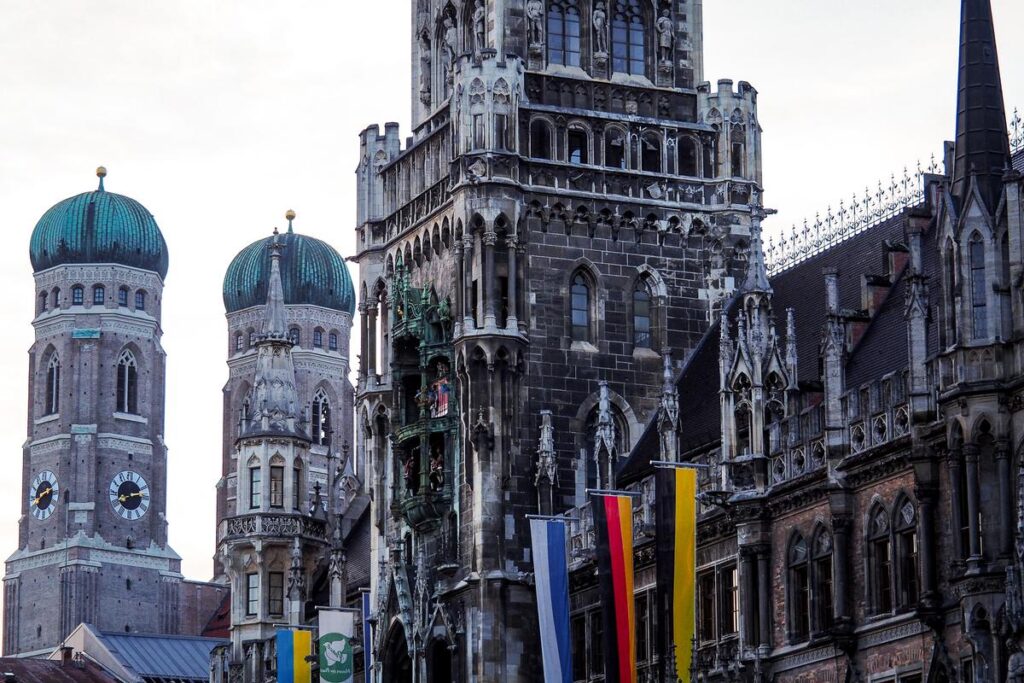
Munich combines a manageable central city with access to lakes, Alpine foothills, palaces, and smaller Bavarian towns. It is a strong month-long base for travelers who want urban infrastructure without spending every day in a dense city center.
Devote the first ten days to Munich’s neighborhoods, museums, markets, parks, and historic center. The English Garden, Maxvorstadt museums, Nymphenburg Palace, Haidhausen, Schwabing, and the Isar can be spread across separate days. Our guide to the best things to do in Munich provides a larger starting list.
Use the middle of the trip for Bavaria. Lakes such as Starnberger See and Tegernsee, the Alpine towns south of Munich, and cities including Augsburg, Regensburg, and Nuremberg broaden the trip without requiring constant hotel changes. A final three- to five-night stay near the Alps can add hiking or a quieter finish.
St. Peter’s Church tower has more than 300 steps, with broad views over Munich and, in clear conditions, toward the Alps. Beer culture extends beyond the Hofbrauhaus; compare traditional venues in our guide to Munich breweries and beer halls.
In 2026, Oktoberfest runs from September 19 through October 4 at the Theresienwiese. Travelers visiting during those dates should book accommodation early and compare cancellation conditions carefully. Munich is not consistently a low-cost destination, and festival demand can substantially change the trip budget.
Where to Stay in Munich
Maxvorstadt is useful for museums and university-area cafes. Haidhausen offers local restaurants and quick S-Bahn access. Schwabing places you near the English Garden, while areas farther from the old town may provide more space for a long stay.
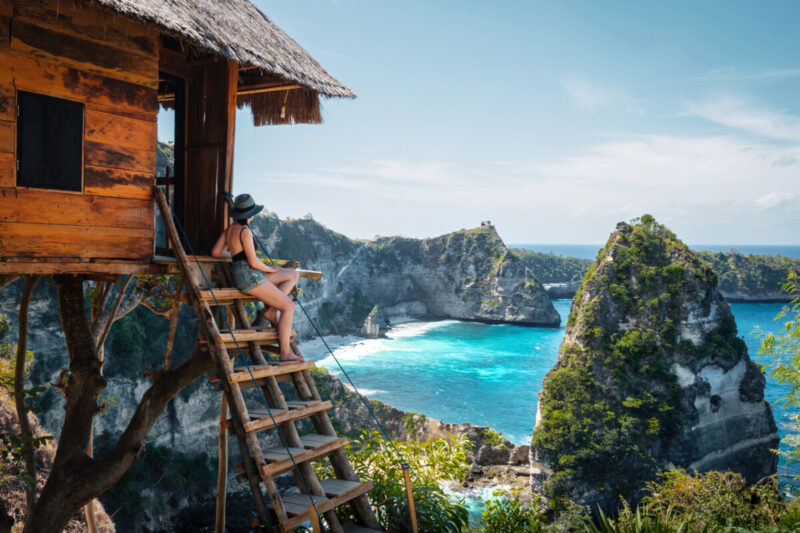
4. Bali, Indonesia
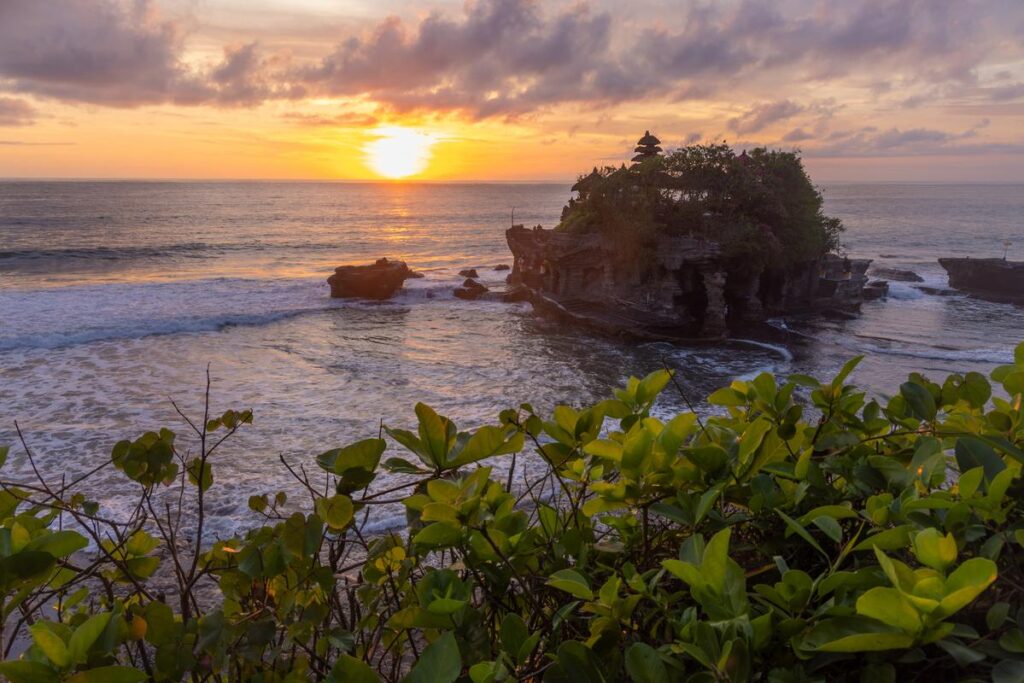
Bali is well suited to a month because its regions feel distinct, accommodation spans a wide price range, and daily life is easy to arrange. The main planning mistake is choosing one base and repeatedly crossing the island. Traffic can turn a short distance into a large part of the day.
A more workable structure is ten to twelve nights around Ubud or central Bali, eight to ten nights in the south, and a final week in eastern or northern Bali. Choose the southern base by priority: Sanur for a calmer beach and easier east-coast access, Uluwatu for cliffs and surf, Seminyak for restaurants and nightlife, or Canggu for cafes and coworking. Our guide to the hidden gems of Bali can help shape the final week.
May, June, and September generally provide a useful balance between drier conditions and peak-season demand. The wet season can still be enjoyable, but travel times and outdoor plans require more flexibility.
Check the duration carefully before booking a full calendar month. Indonesia’s electronic visitor visa on arrival is available only to eligible passport holders and allows a 30-day stay, with one additional 30-day extension under current rules. A calendar month may contain 31 days. Confirm your passport’s eligibility, how the stay is counted, and any extension requirements through the official Indonesian eVisa portal.
Travelers entering Indonesia must also complete the All Indonesia arrival declaration within the permitted pre-arrival window. Bali’s provincial government currently charges most foreign visitors a one-time IDR 150,000 tourist levy, with exemptions for specified visa and residence categories. Pay or verify the levy through the official Love Bali system.
Where to Stay in Bali
For a month, prioritize reliable air conditioning, accessible laundry, a refrigerator or kitchen, and a location that does not require a long ride for every meal. Compare the total cost of changing bases against the time saved by staying closer to each region.
5. Athens, Greece

Athens has enough museums, archaeological sites, food neighborhoods, and day trips for a substantial stay, but most travelers will get more from the month by pairing the capital with another part of Greece. Ten to fourteen nights in Athens is usually enough to establish a routine without rushing the ancient sites.
Spread the Acropolis, Ancient Agora, National Archaeological Museum, Acropolis Museum, Kerameikos, and major neighborhoods across separate days. The official Hellenic Heritage ticket platform sells admission for archaeological sites and monuments, while the Acropolis Museum operates a separate fixed-date and fixed-time ticket system. Use official ticketing rather than assuming a third-party bundle covers every site.
Koukaki provides convenient Acropolis access, Pangrati has a more residential food and cafe scene, and areas around Monastiraki and Plaka place you close to the historic core. During hot periods, schedule exposed archaeological sites early and reserve indoor museums for the middle of the day.
Use the remaining two weeks for the Peloponnese, Delphi and central Greece, or one or two islands. The Greece destination guide provides a broader route overview. Travelers seeking a slower finish can compare several quieter Greek islands instead of trying to visit a new island every two nights.
Where to Stay in Athens
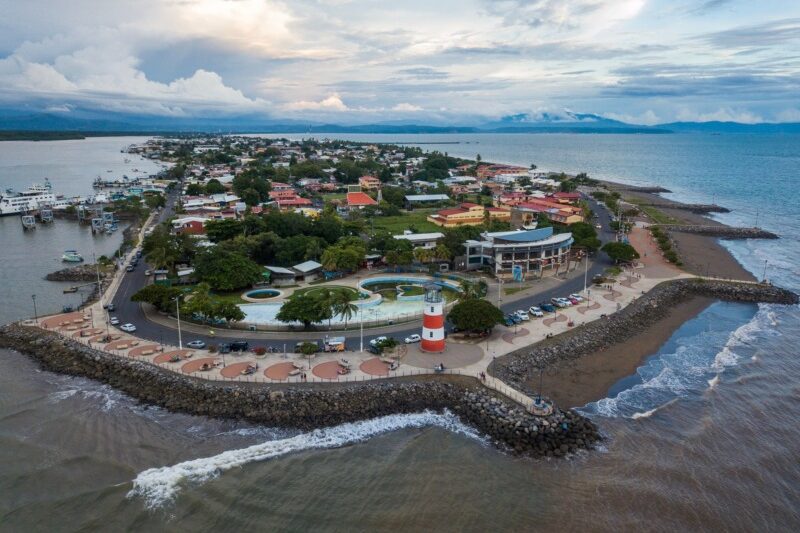
6. Costa Rica

Costa Rica is one of the strongest choices for an active month. Beaches, cloud forests, volcano areas, wildlife reserves, and different coastlines provide enough contrast for a regional route. Plan by tourism region rather than trying to check off the country’s seven administrative provinces.
A manageable itinerary uses three main bases. Spend eight to ten nights around Guanacaste or the Nicoya Peninsula, eight to ten nights in the Arenal or Northern Plains area, and the final portion in Monteverde, the central or southern Pacific region, or the Caribbean. Review the best places to visit in Costa Rica before deciding which region deserves the final week.
The Pacific side generally has a more defined drier period, while Caribbean conditions follow a different pattern. September and October can be very wet on much of the Pacific side, yet parts of the Caribbean may experience comparatively favorable conditions during those months. Check the Costa Rican Tourism Institute’s climate guidance for the specific regions in your route.
Leave generous transfer days. Mountain roads, weather, construction, and indirect routes can make short map distances take longer than expected. A month allows you to stay long enough in each region to avoid spending the trip repeatedly packing and driving.
Travelers prioritizing beaches, dry-forest landscapes, and resort infrastructure can begin with this Guanacaste travel guide.
Where to Stay in Costa Rica
One resort for the entire month limits what you can see. Use a combination of a beach stay, an inland lodge or apartment, and a final regional base. Confirm air conditioning, road access, laundry, parking, and cancellation terms before booking.
7. Dalmatian Coast, Croatia

The Dalmatian Coast suits a month because the route can combine historic cities, islands, swimming, hiking, and ferry travel without covering the entire country. Split is the most practical central base for many routes because it connects the mainland with several islands and has enough daily infrastructure for a longer stay.
Spend seven to ten nights around Split and Trogir, followed by a week on one island. Hvar has the broadest mix of transport, historic areas, beaches, and nightlife. Brac is practical for beach access and shorter transfers, while Vis requires more travel time and offers a slower pace. Use the remaining days for Korcula, Dubrovnik, or a relaxed return to Split before departure.
Many Dalmatian beaches are pebble, stone, or concrete bathing platforms rather than broad stretches of soft sand. Water shoes can be more useful than a large beach towel, and travelers with mobility concerns should inspect the exact access route before booking an isolated cove.
Ferry schedules change by route and season. Jadrolinija states that its schedules are subject to change, so confirm each sailing on the official site rather than relying on an old itinerary screenshot. A ticket on a reservable route may secure a place on the selected sailing, but procedures vary by service.
Use our guide to the best things to do in Split to plan the main base, then consult the broader Croatia destination guide before selecting islands or adding an inland detour.
8. Bangkok, Thailand

Bangkok provides an unusually deep city base through its food districts, temples, markets, museums, malls, river transport, and rail connections. It can support two full weeks, while the rest of the month can be used for northern Thailand, a coastal area, or a second urban base.
Choose accommodation near a BTS Skytrain or MRT station. A low room rate far from useful transport can create higher daily taxi costs and longer travel times. Ari suits cafe-focused residential living, riverside areas work well for historic Bangkok, and lower Sukhumvit provides extensive transport and dining access.
Spend the first week learning the transit system and visiting the central temple and river areas. Use the second for neighborhood food trips, museums, markets, and day trips. The final two weeks can be built around the north, another major city, or an island selected from the best places to visit in Thailand.
All non-Thai nationals currently need to submit the Thailand Digital Arrival Card before entry, within the official submission window. This form does not replace a visa. Check passport-specific visa requirements through Thailand’s official electronic visa system and use our guide to planning a trip to Thailand for the wider itinerary.
November through February generally provides more manageable Bangkok conditions, although it is also a popular travel period. During hotter months, plan outdoor temples and markets early, reserve air-conditioned activities for midday, and treat one unscheduled afternoon each week as a heat or rain buffer.
9. French Polynesia

French Polynesia consists of 118 islands, 76 of which are inhabited, across five archipelagos. Its scale is easy to underestimate because the islands are spread across an ocean area comparable in size to Europe. A month provides enough time to visit several islands without turning every few days into another airport or ferry transfer.
A balanced first trip could use five to seven nights on Tahiti, a week on Moorea, seven to ten nights on Bora Bora, Raiatea, or Taha’a, and a final week in the Tuamotu Islands or on a less frequently visited Society Island. Spending longer on fewer islands usually produces a better trip and controls some inter-island costs.
Tahiti is the international gateway, with domestic flights and ferries connecting onward destinations. Cruises and private sailing trips are useful options, but they are not the only practical way to explore. Guesthouses, family-run pensions, ferries, and domestic flights can be combined into a land-based itinerary.
The main constraint is cost. Accommodation, food, excursions, and inter-island transport can all be expensive. Book the most limited domestic connection first, then build international flights and lodging around it. Avoid adding an island solely because it appears close on a map.
Use the guide to the best islands in French Polynesia to compare island character and activities. The broader French Polynesia destination guide can help with route planning and trip logistics.
10. Reykjavik, Iceland

Reykjavik is best treated as the anchor for an Iceland month rather than the only destination. The capital has museums, pools, restaurants, music venues, coastal paths, and enough ordinary infrastructure for a comfortable base. Iceland’s geology and regional distances provide the variety needed for the rest of the trip.
Spend ten to fourteen nights in or near Reykjavik, including several day trips from Reykjavik. Use another ten to fourteen nights for an Iceland road trip, then keep several uncommitted days near the end. Those buffer days matter when weather, road closures, or fatigue alter the route.
The Reykjavik City Card is sold in short 24-, 48-, and 72-hour periods rather than as a monthly pass. It includes participating museums, public pools, and city buses within the capital area, but it does not include airport transport. Activate it during a concentrated city-sightseeing period rather than buying it automatically for arrival day.
From mid-May to mid-July, Iceland’s nights remain very bright. Reykjavik does not receive the same literal 24-hour sun as locations farther north, so “midnight sun” should be understood as an extended-light season rather than a universal promise of continuous visible sun. In darker months, northern lights are possible but never guaranteed.
Icelandic weather and road conditions can change quickly. Check SafeTravel Iceland and the Icelandic Meteorological Office before each driving or hiking day. Choose a neighborhood through our guide to where to stay in Reykjavik.
How to Plan a Month-Long Vacation
A successful month-long vacation needs a different structure from a one-week trip. Book the difficult elements first, leave ordinary days open, and reduce the number of times you change accommodation. These travel planning resources can help with flights, maps, insurance comparisons, and reservations.
Choose One of Three Trip Models
| Trip model | Best for | Recommended approach | Main risk |
|---|---|---|---|
| One home base | Paris, Florence, Munich, Bangkok, or remote work | Keep one apartment and take day trips or short overnight breaks | Choosing a neighborhood that is inconvenient for daily life |
| Two bases | Bali, Athens and the islands, or Reykjavik plus a road trip | Spend roughly two weeks in each area | Trying to divide the trip equally when one place deserves more time |
| Regional route | Costa Rica, Dalmatian Coast, or French Polynesia | Use three or four bases with at least five to seven nights in most places | Losing too many days to transfers and check-in logistics |
One base produces the least friction. Two bases create useful contrast without constant repacking. A regional route can cover more territory, but every move consumes time through checkout, transport, delays, luggage handling, and settling into the next accommodation.
Count Nights, Calendar Days, and Entry Days Separately
A “month” is not a precise immigration duration. Calendar months contain 28, 29, 30, or 31 days, while visas and visa-free permissions are often expressed as a fixed number of days. Your accommodation may be priced by nights, and the arrival or departure date may be counted differently under local rules.
- Write down the exact arrival and departure dates.
- Confirm how the destination counts the permitted stay.
- Check passport-validity and onward-travel requirements.
- Complete required arrival declarations within their official windows.
- Allow time for an extension only when the official system confirms that one is available.
Build a Full-Trip Budget
There is no useful universal answer to how much a month-long vacation costs. A better formula is:
International transport + accommodation + daily living costs + local transport + activities + insurance and entry costs + contingency
| Category | How to estimate it | Common blind spot |
|---|---|---|
| Flights and long-distance transport | Price the complete route, including baggage and airport transfers | Separate tickets and repositioning nights |
| Accommodation | Use the total after taxes and cleaning fees | Monthly rentals with strict cancellation or large deposits |
| Food | Separate groceries, ordinary meals, and special meals | Treating every day like a restaurant-heavy weekend |
| Local transport | Compare passes, individual fares, taxis, rentals, fuel, parking, and tolls | Choosing cheap lodging far from useful transport |
| Activities | Book the essential timed activities and estimate the rest by week | Paying for an attraction every day |
| Insurance and entry costs | Include visas, levies, insurance, permits, and required documents | Assuming these costs are included in airfare |
| Contingency | Reserve roughly 10% to 15% of the planned trip cost | Using the reserve for optional upgrades before departure |
Compare fares and accommodation through several websites for booking flights and hotels, but evaluate cancellation rules and total cost rather than selecting the lowest initial price.
Choose Accommodation for Daily Life
A room that feels acceptable for three nights can become frustrating in week three. Before booking a long stay, check:
- Access to a washing machine, laundry service, or laundromat
- A refrigerator and enough kitchen equipment for simple meals
- Reliable internet and a usable desk if any work is planned
- Natural light, ventilation, heating, or air conditioning appropriate to the season
- Noise from traffic, nightlife, construction, or shared spaces
- Walking distance to groceries and practical public transport
- Cleaning, linen changes, luggage storage, and mail or package policies
- Cancellation terms and what happens if the property is unsuitable
Leave Room for Ordinary Days
Schedule one major anchor on most sightseeing days rather than filling every hour. Leave an unscheduled half-day every few days and one low-demand day each week for laundry, groceries, exercise, weather changes, or rest.
Keep the final two or three nights near the departure airport or rail station when the route allows it. A slower finish lowers the risk of a missed international connection and prevents the trip from ending with its most complicated transfer.
Arrange Home and Work Responsibilities Early
Confirm leave, remote-work boundaries, pet care, home access, recurring payments, prescription supplies, and emergency contacts before purchasing nonrefundable transport. If you will work during the trip, define the work hours and time zone in advance. A month spent carrying an ordinary full workload is a temporary relocation rather than a full break.
How to Pack for a Month-Long Vacation
Pack for seven to ten days and plan to do laundry. Four weeks of clothing creates unnecessary weight, makes transfers harder, and leaves little room for changing weather or purchases. This detailed guide explains how to pack for a month-long trip.
Build a One-Week Clothing System
- Five to seven tops that can be layered
- Two or three everyday bottoms
- One warmer layer
- One rain shell or compact umbrella
- Seven sets of underwear and socks
- Sleepwear and comfortable indoor clothing
- One swimsuit when relevant
- One outfit suitable for a nicer restaurant or event
- No more than two main pairs of shoes unless the trip requires technical footwear
Choose fabrics according to the destination rather than a universal “travel” label. Quick-drying clothing helps in humid climates and hand-washing situations. Wool or technical layers are more useful in Iceland. Linen can be comfortable in hot weather but may require more care.
Plan the Laundry Routine Before Departure
Confirm laundry access for at least every seven to ten days. A small amount of detergent is useful for sink washing, but it should not replace a real laundry plan for an entire month. Do not assume every hotel offers affordable same-day service.

Choose Luggage You Can Move Yourself
Your luggage should be manageable on stairs, trains, ferries, cobblestones, and short walks. A carry-on suitcase or travel backpack plus one personal item is enough for many one-month trips when laundry is available. Packing cubes organize clothing, but they do not reduce airline weight limits.
If you are traveling carry-on only for a month, the second bag matters as much as the first – see our picks for the best personal item bags.
A lightweight tote can handle groceries and laundry, while a secure crossbody bag is useful for city days. Compare practical travel totes and travel purses and crossbody bags before buying another piece of luggage.
Pack Essential Documents and Electronics

- Passport and any required visa or residence documents
- Digital and offline copies of insurance and reservation details
- Prescription medication in suitable labeled packaging
- Payment cards stored separately from one another
- Phone, charging cables, and a power bank that complies with airline rules
- A destination-compatible power adapter
- Headphones or earplugs
- A compact first-aid kit appropriate to the planned activities
- Offline maps and emergency contact details
Add Only the Destination-Specific Gear You Need
| Trip type | Useful additions | Items commonly overpacked |
|---|---|---|
| Beach and island trip | Swimwear, sun protection, reef-appropriate water shoes, and a compact dry bag | Multiple beach towels and too many dress shoes |
| Urban month | Comfortable walking shoes, secure day bag, and compact rain layer | Formal outfits for hypothetical events |
| Hiking and outdoor route | Tested footwear, refillable bottle, weather layer, and activity-specific safety equipment | Technical gear unrelated to the planned routes |
| Cold or variable climate | Layering system, waterproof outer layer, gloves, and warm hat | Several bulky coats serving the same purpose |
Is a Month-Long Vacation Too Long?
A month is not too long when the trip has a workable budget, a sustainable pace, and no more than a few bases. It can feel too long when every day is scheduled, the route changes constantly, or the traveler is trying to maintain full work and sightseeing schedules at the same time.
Longer stays can reduce transport cost per day, make apartment-style accommodation more practical, and allow room for weather or fatigue. They also create responsibilities that do not matter on a weekend trip: laundry, groceries, medication, recurring payments, work boundaries, and a realistic plan for home or pet care.
The most useful test is simple: can you imagine spending several ordinary days in the destination without feeling that the trip has failed? If the answer is yes, the place is a stronger month-long choice than a destination that depends on constant paid activities.
Choose the Trip Shape Before Booking the Destination
Paris, Florence, Munich, and Bangkok are strongest as stable city bases. Bali and Athens work well with two contrasting bases. Costa Rica, the Dalmatian Coast, French Polynesia, and Iceland require more regional movement, but four weeks give you enough time to keep that movement controlled.
Choose the daily rhythm first, then compare destinations that support it. Once the structure is clear, flights, accommodation, transport, and packing become much easier to evaluate.
Useful next steps:
- How to Pack for a Month-Long Trip
- Best Travel Planning Resources
- Travel Hacking: A Practical Introduction
- Best Travel Credit Cards
Frequently Asked Questions
Can you go on vacation for a month?
Yes. A month-long vacation is practical when you arrange leave or remote-work boundaries, confirm entry rules, build a full-trip budget, and plan home, pet, medication, and insurance needs before departure.
What are the best places to travel for a month?
Paris, Florence, and Munich are strong city bases. Bali, Costa Rica, and the Dalmatian Coast suit multi-base trips. Bangkok offers lower day-to-day costs, while French Polynesia and Iceland are better for travelers with larger transport and accommodation budgets.
Should you stay in one place or visit several places during a month-long trip?
One to three bases are usually enough. A single base minimizes friction, two bases provide contrast, and three bases work well for regional trips. Moving every two or three nights consumes too much of a month through packing, transit, and check-in time.
How much money do you need for a month-long vacation?
There is no universal amount. Add international transport, total accommodation, daily food and local transport, activities, insurance, entry costs, and a contingency reserve. Estimate the complete trip rather than multiplying a generic daily budget by 30.
How many clothes should you pack for a month-long vacation?
Pack approximately seven to ten days of clothing and arrange weekly laundry. Choose pieces that layer and combine easily, limit duplicate shoes and outerwear, and add only the equipment required for the destination and planned activities.
Is a 30-day stay the same as one calendar month?
No. A calendar month can contain 28, 29, 30, or 31 days, while an entry permission may allow a fixed 30-day stay. Confirm the exact arrival and departure dates and how the destination counts permitted days before booking.