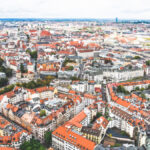
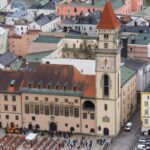
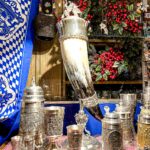
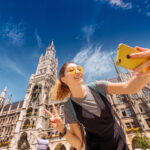
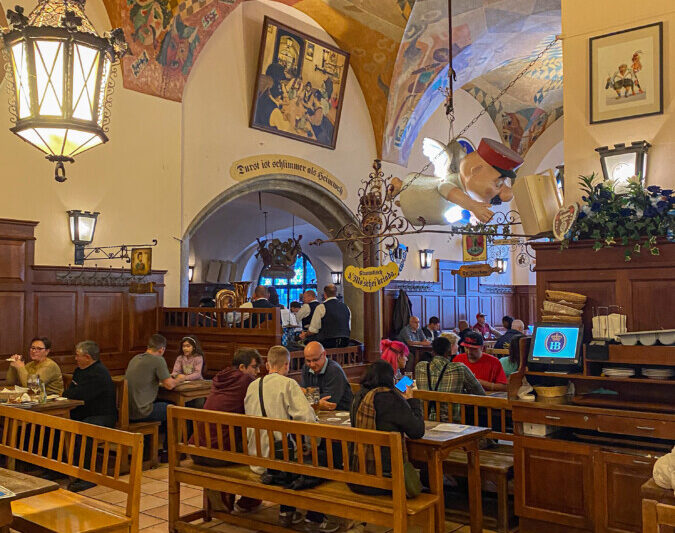
Bavaria’s capital anchoring Germany’s beer heritage through legendary Oktoberfest (third Saturday September to first Sunday October) plus historic beer gardens like Hofbräuhaus (established 1589) and massive Hirschgarten (8,000 seats, dating 1791) where chestnut trees shade underground cellars creating cozy garden traditions above Joseph Pschorr’s innovative cooling systems. Marienplatz’s central square dominated by Neo-Gothic New Town Hall’s famous Glockenspiel performing daily at 11am, 12pm, and 5pm (summer) with 32 life-sized figures reenacting historical Bavarian events for captivated audiences. Neuschwanstein Castle day trips (2-hour train ride) reaching King Ludwig II’s 19th-century Neo-Romanesque masterpiece perched dramatically in Bavarian Alps—this Richard Wagner homage inspiring Disney’s Sleeping Beauty Castle with fairytale turrets, lavish interiors, and breathtaking mountain vistas. Alpine proximity enabling world-famous castle access while maintaining authentic German beer hall culture featuring rivers of beer, cheap food, oompah music, and traditional Bavarian atmosphere. Southeast Germany’s largest state capital offering much more than beer and pretzels through this perfect combination of romantic architecture, festival traditions, and fairy-tale castle accessibility from one beautifully situated Bavarian base.
The destination guide
Munich
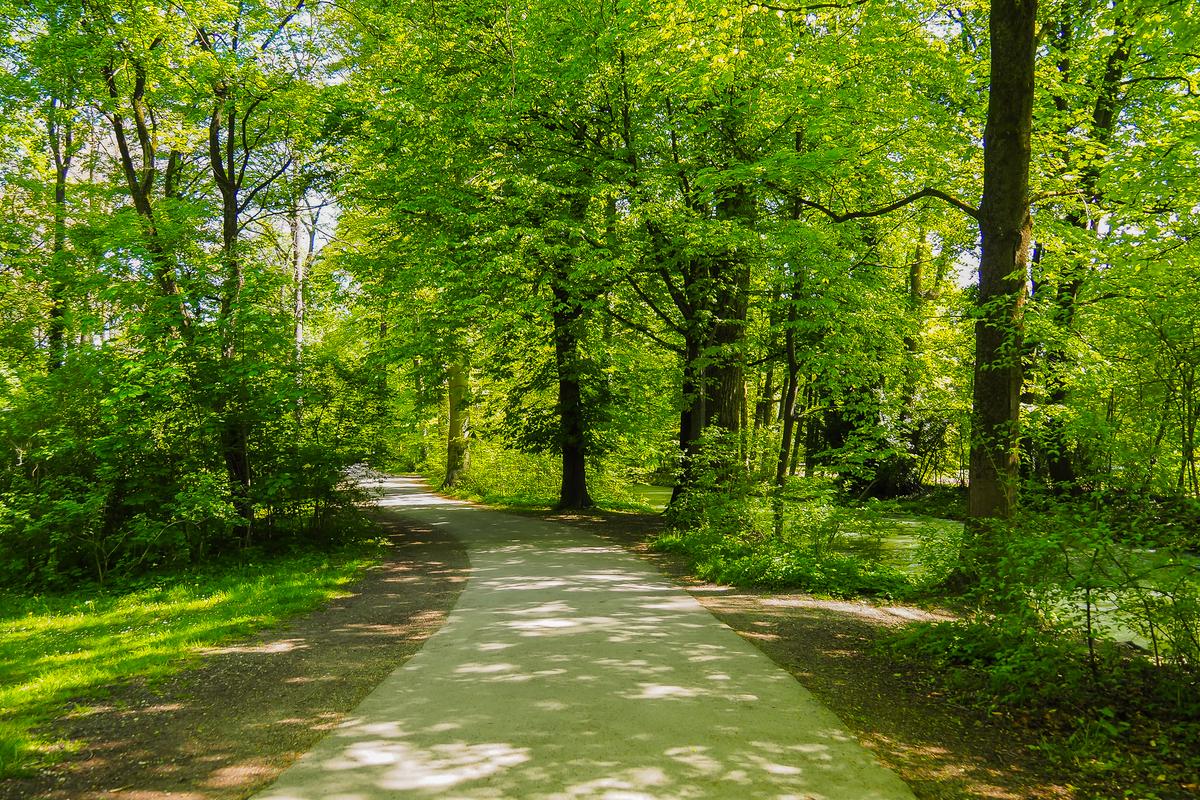
This Munich travel guide provides key details about the city, including information on population, time zone, languages spoken, and currency used. It covers everything you need to know before visiting Munich, offering insights into the local culture, logistics, best time to visit, and more.
Travel guides for Munich
Itineraries & day trips (1)
Things to do (5)
Where to stay (1)
Food & drink (1)
Destination stories (2)
More guides featuring Munich (47)
At a glance
- German
- Alpine foothills
- Isar River
- Bavarian beer gardens
- English Garden park
- Beer Culture
- Oktoberfest
- Architecture
- Royal Palaces
- Art Museums
- Bavarian Tradition
- Alpine Day Trips
- Parks & Beer Gardens
How Munich scores
Character
Editorial scores on a 10-point scale, weighed against destinations of the same kind.
Travel safety snapshot
SafePlace indicators use their source 100-point scale; higher is more favourable. Planning context, not a live travel advisory — check official government guidance before you go.
When to go
Best months to visit: April, May, June, July, August, September, October and December.
- January: 16.9 to 29.9 degrees Celsius, 13.5 millimetres of rain, best-time score 2 out of 5.
- February: 18.7 to 30 degrees Celsius, 10.6 millimetres of rain, best-time score 2 out of 5.
- March: 17.6 to 28.6 degrees Celsius, 80.8 millimetres of rain, best-time score 3 out of 5.
- April: 18 to 27.4 degrees Celsius, 90 millimetres of rain, best-time score 4 out of 5.
- May: 16.9 to 26.9 degrees Celsius, 95.3 millimetres of rain, best-time score 5 out of 5.
- June: 16.2 to 25.4 degrees Celsius, 90.5 millimetres of rain, best-time score 5 out of 5.
- July: 15.5 to 25.8 degrees Celsius, 95.4 millimetres of rain, best-time score 5 out of 5.
- August: 16.2 to 27.1 degrees Celsius, 57.6 millimetres of rain, best-time score 4 out of 5.
- September: 16.9 to 29.2 degrees Celsius, 67.5 millimetres of rain, best-time score 5 out of 5.
- October: 17.7 to 28 degrees Celsius, 63 millimetres of rain, best-time score 5 out of 5.
- November: 17.3 to 27.4 degrees Celsius, 90 millimetres of rain, best-time score 3 out of 5.
- December: 17 to 28 degrees Celsius, 31.5 millimetres of rain, best-time score 4 out of 5.
Month-by-month conditions and packing advice
- January
- Warm and pleasant, mostly dry Cold and often snowy; quiet city, gateway to alpine skiing. Crowds: Traveling to Munich in January means embracing its true off-season charm. Cold weather keeps crowds low, making it easier to explore major sites without the summer bustle. Hotel prices are generally more affordable compared to peak tourist months, though accommodations near ski regions or winter festivals may book quickly. The weather encourages more indoor activities—visitors gravitate toward museums, historic breweries, and cultural performances, while day trips to nearby Alpine ski resorts are popular for those seeking snow adventures. Photography enthusiasts benefit from the low, golden winter light, which enhances Munich’s architecture against crisp blue skies. However, outdoor walking tours can be challenging due to icy conditions, so planning with flexibility is key. For travelers seeking authenticity over crowds, January offers Munich in a more local, atmospheric light. Pack: Thermal base layers for warmth in subzero temperatures; Insulated winter coat suitable for snow and wind; Waterproof boots with good grip for icy streets; Wool hat, scarf, and gloves for extended outdoor time; Smart casual warm clothing for indoor cultural venues; Portable power bank since cold drains phone batteries quickly
- February
- Warm and pleasant, mostly dry Cold winter; Starkbierfest strong-beer season begins late. Crowds: This unseasonably warm February creates ideal conditions for city exploration without the crowds of Munich’s peak tourist months. With temperatures resembling early summer, travelers enjoy comfortable sightseeing and open-air dining, yet benefit from reduced hotel rates and fewer visitors at landmarks like Nymphenburg Palace or the Deutsches Museum. It’s a shoulder-season advantage—pleasant weather paired with quieter streets. While skiing in the nearby Alps may be less reliable under these warm conditions, cultural attractions and day trips flourish. Advance booking isn’t as critical as during Oktoberfest or summer, but reserving accommodations in central districts ensures ease of access. Travelers should anticipate unique travel photos and experiences not typical for Bavaria’s late winter. Pack: Light cotton shirts for warm daytime conditions; Breathable trousers or skirts for comfort; Comfortable walking shoes for cobblestone streets; Light jacket or shawl for cooler evenings; Reusable water bottle to stay hydrated during city walks; Smart casual attire for beer halls and cultural venues
- March
- Warm and pleasant, some rain Early spring, cool, fewer crowds, beer gardens stirring. Crowds: This month offers favorable conditions for travel, with warm weather encouraging outdoor exploration of Munich’s cultural landmarks, from the Residenz to the sprawling English Garden. While March typically signals the shoulder season, these elevated temperatures create an almost summer-like experience, drawing more visitors outdoors earlier than usual. Crowds remain moderate compared to peak summer, keeping hotel rates and restaurant reservations more accessible. Rainfall is present but manageable, generally in short bursts that won’t disrupt an entire day. This makes March an excellent compromise: comfortable weather, manageable crowds, and opportunities to enjoy both indoor museums and open-air activities without the peak-season pricing or congestion. Pack: Light cotton shirts for warm daytime conditions; Compact travel umbrella or light rain jacket; Comfortable walking shoes for cobblestone streets; Breathable trousers or skirts suitable for museums; Light sweater for occasional cooler evenings; Daypack with water bottle for longer city walks
- April
- Warm and pleasant, some rain Mild spring, blossoms, Frühlingsfest, pleasant sightseeing. Crowds: April marks the beginning of Munich’s spring tourism season. Mild-to-warm temperatures encourage outdoor sightseeing, yet frequent showers mean travelers should remain flexible with plans. Attractions like Marienplatz, the English Garden, and museum visits are comfortable to explore without the heavy summer crowds. While not peak season, popular sites still see steady visitors, and accommodations are moderately priced compared to summer highs. The weather creates an inviting environment for beer garden openings and spring festivals, though evenings can still feel cool. Overall, April balances manageable crowd levels with increasingly favorable conditions, making it an excellent choice for those seeking cultural depth without peak-season intensity. Pack: Compact umbrella or lightweight rain jacket; Comfortable waterproof walking shoes; Breathable layers for warm days and cooler evenings; Scarf or light sweater for breezy conditions; Daypack with reusable water bottle and city map; Smart-casual attire for beer gardens and cultural venues
- May
- Warm and pleasant, some rain Warm, lush gardens, full beer-garden season, low crowds. Crowds: May is an excellent time to visit Munich, as the weather encourages extended outdoor exploration while remaining short of the intense summer tourist rush. Warm temperatures and long days make it perfect for strolling through the English Garden, attending local festivals, or enjoying Bavarian beer gardens. However, the frequent rainfall means travelers should anticipate occasional disruptions and plan indoor options, such as museums or churches, as backups. Tourism levels rise steadily in May, but the city is less crowded compared to the peak summer months. Accommodation prices begin to climb as demand increases, especially around Pentecost and other public holidays. Travelers who book early can balance good weather with manageable crowds, making May one of the most rewarding times for a cultural deep-dive into Munich. Pack: Light waterproof jacket for sudden showers; Breathable shirts and tops for warm days; Comfortable walking shoes suitable for city pavements; Compact travel umbrella for rainy spells; Smart casual attire for beer gardens and cultural venues; Light sweater for cooler evenings
- June
- Warm and pleasant, some rain Warm, long days, Isar swimming, easy alpine trips. Crowds: June represents the start of Munich’s high tourist season, with weather conditions that encourage outdoor exploration, cycling, and day trips into the Bavarian Alps. Expect lively beer gardens and rising crowd levels at attractions like Marienplatz and Nymphenburg Palace. While not yet at peak summer density, demand for accommodation already pushes prices upward, so early bookings are wise. Occasional rain showers may briefly interrupt outdoor plans, but they rarely dominate the day. This month is especially favorable for travelers seeking a blend of cultural festivals, outdoor dining, and excursions into the countryside before the intense crowds of July and August arrive. Pack: Breathable shirts and dresses for warm days; Light rain jacket or compact umbrella for summer showers; Comfortable walking shoes for cobblestone streets; Light sweater or cardigan for cooler evenings; Modest attire for visiting churches and cultural sites; Daypack for carrying water, layers, and festival essentials
- July
- Warm and pleasant, some rain Peak summer warmth, festivals, and lake day trips. Crowds: July falls squarely in Munich’s peak summer tourist season, drawing large crowds to Marienplatz, English Garden, and the city’s beer gardens. The warm, sunny weather makes it ideal for outdoor sightseeing, cycling, river swimming, and day trips to Bavarian lakes or castles. However, this popularity translates into higher accommodation prices and busy attractions, so advance booking is essential. Afternoon showers are common but rarely long-lasting, making them more of a brief pause than a deterrent. Visitors benefit from extended daylight hours, giving ample time to explore cultural sites and enjoy summer festivals. Expect lively streets, a celebratory atmosphere, and limited quiet corners—though early mornings still offer a calmer experience. Pack: Light rain jacket or compact umbrella; Comfortable walking shoes suitable for wet or dry surfaces; Breathable summer clothing in cotton or linen; Sunhat and high-SPF sunscreen for long days outdoors; Light sweater or shawl for cooler evenings; Casual yet modest outfits suitable for churches and cultural sites
- August
- Warm and pleasant, some rain Warm and busy; great for the Alps and beer gardens. Crowds: August is high season in Munich, with warm temperatures and a vibrant atmosphere that draws both international travelers and regional visitors. Outdoor activities thrive this month, from cycling along the Isar River to hiking in nearby Alpine foothills. Beer gardens are at their most festive, while music festivals and open-air concerts fill the calendar. Tourist numbers peak, which pushes hotel rates higher and makes popular sites like Marienplatz and Nymphenburg Palace busier than usual. Rain showers are not disruptive but may briefly alter outdoor plans, so flexibility is wise. Those seeking a lively urban energy paired with accessible day trips into Bavaria’s countryside will find August one of the most rewarding times to visit, though advance booking is strongly recommended. Pack: Breathable summer clothing like cotton shirts and dresses; Compact umbrella or light rain jacket for sudden showers; Comfortable walking shoes for city tours and day trips; Light sweater or jacket for cooler evenings; Sunglasses and sunscreen for long daylight hours; Smart-casual attire suitable for cultural events and dining
- September
- Warm and pleasant, some rain Golden weather and the start of Oktoberfest mid-month. Crowds: September is one of Munich’s busiest months thanks to Oktoberfest, which draws global crowds and drives hotel rates to their peak. The warm, pleasant climate makes outdoor exploration enjoyable, whether attending beer tents, strolling through Viktualienmarkt, or cycling along the Isar River. Showers may interrupt plans briefly, but they rarely derail activities. The combination of festival season and comfortable temperatures means public spaces and attractions are more crowded, and advance bookings are essential for accommodations and event tickets. For those willing to embrace the festive energy, September delivers Munich at its most iconic. For travelers preferring quieter visits, early September before the festival begins offers a balance of warm weather and reduced crowd density. Pack: Light jacket or cardigan for cooler evenings; Comfortable walking shoes for cobblestone streets; Reusable water bottle to stay hydrated during festivals; Compact umbrella or rain jacket for sudden showers; Traditional Bavarian attire if attending Oktoberfest; Breathable cotton or linen clothing for warm afternoons
- October
- Warm and pleasant, some rain Oktoberfest's final days and crisp, beautiful autumn. Crowds: October is shoulder season in Munich, offering a sweet spot between the busy summer crowds and the quieter winter months. Accommodation and flight prices begin to drop compared to peak season, while the weather remains comfortable for long city explorations and countryside excursions. Visitors can enjoy outdoor cafés and beer gardens without the intense heat of summer, and cultural events continue with theater openings and harvest festivals. Occasional rain showers may require flexible planning, but they rarely disrupt activities for long. Travelers benefit from a more relaxed atmosphere in major attractions such as Marienplatz, Nymphenburg Palace, and the museums. Advance booking is less critical than during September’s Oktoberfest, though central hotels can still fill with conference-goers. Overall, October balances comfort, cultural vibrancy, and affordability, making it an excellent month for culturally curious travelers. Pack: Light sweater or cardigan for cooler evenings; Breathable shirts and tops for warm afternoons; Compact umbrella or waterproof jacket for rain showers; Comfortable walking shoes suitable for cobblestones; Smart-casual outfit for theaters or cultural venues; Reusable water bottle to stay hydrated during city walks
- November
- Warm and pleasant, some rain Cold and grey, quiet before the Christmas markets. Crowds: Travelers in November will encounter a shoulder-season period with a distinctive mix: warmer-than-usual weather combined with intermittent rain showers. This creates an offbeat travel window, less crowded than Munich’s high summer or Oktoberfest season, with reduced hotel rates and greater availability. The weather favors cultural exploration over alpine excursions, though mild afternoons can still allow for leisurely city walks or outdoor cafés when conditions cooperate. Rain and dampness may disrupt hiking or day trips to the Bavarian Alps, but the trade-off is quieter museums and festive early preparations for the Christmas markets. Visitors should plan for flexible itineraries, embracing indoor cultural programming when rain sets in. For travelers seeking both affordability and atmosphere, November represents a balanced time to enjoy Munich’s urban culture without peak-season intensity. Pack: Waterproof jacket or compact rain shell; Sturdy walking shoes with good grip for wet streets; Umbrella for frequent showers; Layered clothing to adapt to mild days and cooler nights; Smart-casual attire suitable for museums and concerts; Warm scarf or light knit for evenings
- December
- Warm and pleasant, some rain Cold but festive with Christmas markets across the city. Crowds: Traveling to Munich in December under these warmer conditions creates a rare blend of seasonal charm without the typical cold restrictions. This period usually coincides with peak Christmas tourism, but milder weather makes navigating holiday markets and illuminated streets more comfortable, reducing fatigue from prolonged cold exposure. Expect higher crowd levels at major attractions such as the Viktualienmarkt and the famed Christkindlmarkt, though the mild evenings make the experience more leisurely than hurried. While pricing remains at a seasonal high due to festive demand, the warm weather expands activity options, from walking tours and riverside strolls along the Isar to extended hours enjoying mulled wine outdoors. Early booking remains essential to secure central accommodation. Pack: Light to medium layers for flexible comfort; Water-resistant jacket for occasional showers; Comfortable walking shoes for cobblestone streets; Scarf and light sweater for cooler evenings; Smart casual attire for indoor cultural venues; Reusable water bottle to stay hydrated during warmer days
- June
- July
- August
- September
- December
- January
- February
- March
Know before you go
Neighbourhoods
Munich is split into 25 districts, with each offering its own unique vibes. Here are some of the coolest and most popular neighborhoods to explore in Munich:
Old Town: This is the historic center of Munich and home to many of the most popular tourist attractions like the Marienplatz and Hofbräuhaus. It’s also a transportation hub, so you’ll find many trains and bus systems leading here.
Schwabing West: This is one of the most international areas in all of Munich. Since the Ludwig Maximilian University of Munich is here, the vibe is very cosmopolitan and upscale. There is also a a ton of nightlife, so you’re never lost for something to do.
Maxvorstadt: This area is known for being the city’s cultural center with many museums, art galleries, and theaters. It’s a great place to immerse yourself in the history and arts of Munich.
Glockenbachviertel: This neighborhood is known for its LGBTQ+ scene, making it a hub for diversity, inclusivity, and late-night nightlife. It’s also home to many trendy cafes, boutiques, and restaurants.
Haidhausen: If you want to taste traditional Bavarian culture, Haidhausen is the place to be. This charming neighborhood has a mix of historic buildings, modern bars, and restaurants, making it an interesting combination of working-class quarters and nightlife glam.
Best time to visit
Depending on your goals, there is no bad time to visit Munich. However, you’ll want to consider your interests. Let’s take a look at what the different months can offer you:
September-October: Fall is my favorite time to visit Munich. In addition to the iconic Oktoberfest festival, you can expect cool days perfect for long bike rides throughout the country’s extensive trail system.
Plus, the leaves have begun to change, making for postcard-worthy views. Of course, Oktoberfest makes for a busy city. In 2023, Munich welcomed 7.2 million visitors during the 2.5-week festival.
November-December: If you’re a Christmas market lover, late November through December 24 is the best time to be in Munich. During this period, Munich comes alive with Glühwein stalls and elaborate Christmas displays.
January-March: For those searching for the best deals, winter is an ideal time to visit Munich. If you don’t mind braving the colder weather, you’ll get to enjoy lower prices on hotels and flights. Plus, Munich celebrates Fasching (Carnival), their second most popular festival, during this time.
April-May: The gardens start blooming, and the famous beer gardens begin to open their doors for the season. In spring, you can catch Frühlingsfest. This is Munich’s Spring Festival, where visitors enjoy traditional music, food, and beer.
June to August: It should come as no surprise that June through August is also a busy season. While you will have to fight the tourist crowds, the summer months are the best time to enjoy beer gardens, hikes in the nearby Alps, and the complete “on season.”
Season by season
Spring (Mar–May): 4–19°C, blossoming gardens, beer gardens reopening, the Frühlingsfest and Starkbierfest, and pleasant pre-summer weather. A lovely, less crowded time.
Summer (Jun–Aug): 18–25°C, warm and lively, Isar swimming, full beer gardens, and easy access to the Alps and lakes. Peak season with long days.
Autumn (Sep–Oct): 8–20°C, Oktoberfest dominates mid-September to early October, golden light, and the year’s busiest, most festive weeks.
Winter (Nov–Feb): -4–6°C, cold and often snowy, but magical for Christmas markets in December and a gateway to nearby alpine skiing.
Crowds
Munich’s biggest crowds arrive for Oktoberfest (mid-September to early October), when the city is fully booked and prices spike, and again during the December Christmas markets. Summer (June–August) is busy with tourists and day-trippers heading to the Alps and lakes. Marienplatz, the Glockenspiel, and the Hofbräuhaus stay crowded year-round; arrive early and book popular restaurants and beer-hall tables. The Englischer Garten absorbs crowds easily even on warm weekends. January through March is the quietest and most affordable period. Mornings are calmest at the major sights, and the beer gardens fill up from late afternoon.
Getting there and around
Getting there
Germany is highly accessible via four major international airports. Frankfurt Airport (FRA) is the largest European hub with 700+ daily flights from 300+ global destinations. Munich Airport (MUC) serves as the main gateway to Bavaria and southern Germany. Berlin Brandenburg Airport (BER) connects the capital to major European and intercontinental routes. Düsseldorf Airport (DUS) serves the western regions. High-speed Deutsche Bahn rail connects Germany to neighboring countries, while the Autobahn highway system provides excellent road access from all European borders.
Getting around
Munich offers an extensive public transportation system, including U-Bahn (subway), S-Bahn (commuter trains), trams, and buses. Biking is also popular, with many dedicated bike lanes. Walking is a great way to explore the city center, and taxis and rideshare services are readily available for convenience.
Top experiences in Munich
Marienplatz
Read the place guide →Munich central square featuring Gothic New Town Hall with famous Glockenspiel that performs daily at 11 AM and 12 PM. Heart of Munich Old Town with historic architecture, pedestrian zone, and vibrant atmosphere. Essential starting point for exploring Munich with surrounding shops, cafés, and historic buildings.
Neuschwanstein Castle
Read the place guide →Fairytale castle built by King Ludwig II, inspiring Disney’s Sleeping Beauty Castle. Features romantic architecture, stunning Alpine views, and lavish interior rooms. Located 2 hours from Munich in Bavarian Alps. Essential day trip for experiencing royal fantasy and German romanticism. Book tickets in advance.
Englischer Garten
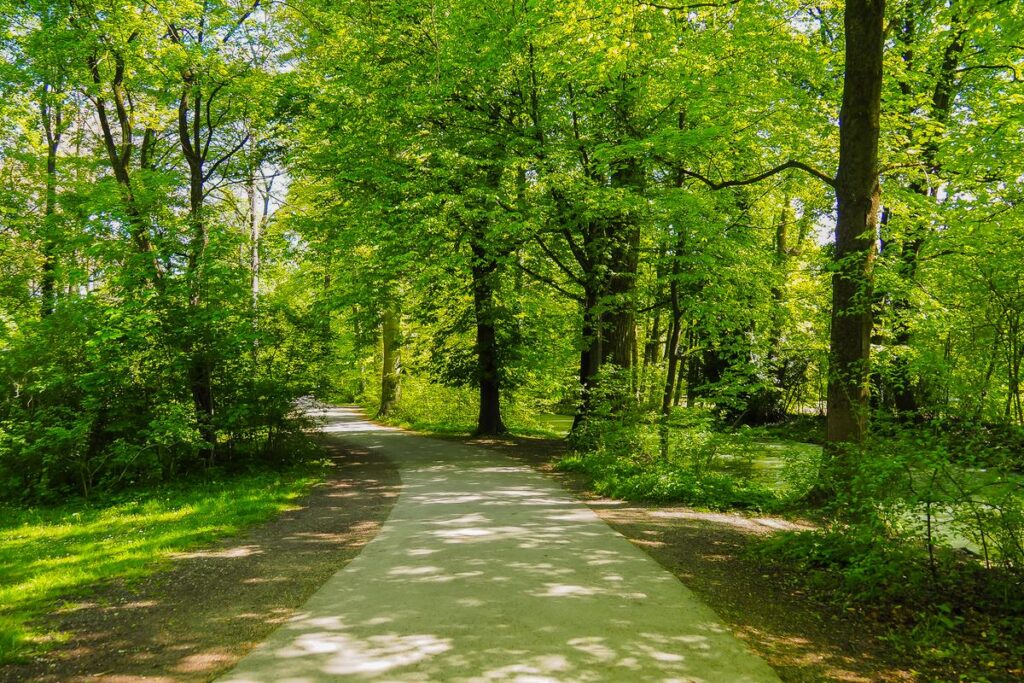
One of world’s largest urban parks featuring beer gardens, surfing on Eisbach river, Japanese tea house, and extensive walking paths. Larger than Central Park with authentic Bavarian beer garden culture. Perfect for experiencing local Munich lifestyle, outdoor activities, and traditional German beer culture.
Oktoberfest Grounds (Theresienwiese)
World-famous beer festival grounds hosting Oktoberfest annually (mid-September to early October). Features massive beer tents, traditional Bavarian music, food, and authentic German festival culture. During off-season, large open space for walks and events. Essential for experiencing Bavarian traditions.
BMW Welt and Museum
Stunning modern architecture showcasing BMW’s latest models, concept cars, and automotive history. Features interactive exhibits, delivery center for new BMW owners, and futuristic design by Coop Himmelb(l)au architects. Essential for car enthusiasts and modern architecture lovers.
Editor-curated picks carried over from our original guide. Where a full place guide exists, the card links to it.



Worth booking ahead in Munich
Hand-picked from the operators our guides already send readers to. Prices and availability are live on the partner site.
Day tripViator
Neuschwanstein and Linderhof royal castles day tour (opens Viator in a new tab)
Both royal castles and the coach in one long day; the practical way to see them from Munich without a car.
Day tripGetYourGuide
Royal Fairytale day tour from Munich (opens GetYourGuide in a new tab)
The same castles with a different operator; compare pickup times and what is included before choosing.
Where to stayBooking.com
Stays in Munich (opens Booking.com in a new tab)
Live rates and availability for Munich on Booking.com; filter by neighbourhood once you know where your days start.
We earn a commission if you book through these links, at no extra cost to you. It is how we keep the guides free and independent.
Where to stay
Hotel Vier Jahreszeiten Kempinski Munich
Maximilianstrasse 17, 80539 Munich, Germany
Legendary luxury hotel on prestigious Maximilianstrasse with royal heritage, world-class spa, and Michelin-starred dining. Features elegant Bavarian décor, exceptional service, and prime location for shopping and cultural attractions. Historic hotel hosting royalty since 1858.
The Charles Hotel
Sophienstrasse 28, 80333 Munich, Germany
Contemporary luxury hotel near Old Town with rooftop spa, modern design, and sophisticated rooms. Features panoramic city views, fine dining, wellness facilities, and walking distance to Marienplatz and major attractions.
Hotel Blauer Bock
Sebastiansplatz 9, 80331 Munich, Germany
Charming boutique hotel in historic Old Town with traditional Bavarian hospitality, comfortable rooms, and authentic local atmosphere. Features central location, friendly service, and easy access to beer gardens, museums, and shopping areas.
Editor-curated stays carried over from our original guide. Where we have reviewed the hotel, the card links to the review.
Tips from the field
Highlights
- Marienplatz & the Glockenspiel — Munich's central square and the New Town Hall's chiming figures at 11am and noon
- Englischer Garten — One of the world's largest urban parks, with beer gardens and Eisbach river surfers
- Oktoberfest (Theresienwiese) — The world's largest folk festival, mid-September to early October
- Hofbräuhaus & the beer halls — Munich's 1589 brewery and its legendary beer-hall culture
- Nymphenburg Palace — The Wittelsbach summer palace with vast baroque gardens
- The Residenz — Former royal palace with opulent state rooms and treasury
- Viktualienmarkt — The city's beloved open-air food market with a central beer garden
- Kunstareal museums — The three Pinakotheken and a cluster of world-class art collections
- BMW Welt & Museum — Futuristic architecture and automotive history near Olympiapark
- Neuschwanstein day trip — King Ludwig II's fairytale castle, two hours south in the Alps
Best activities
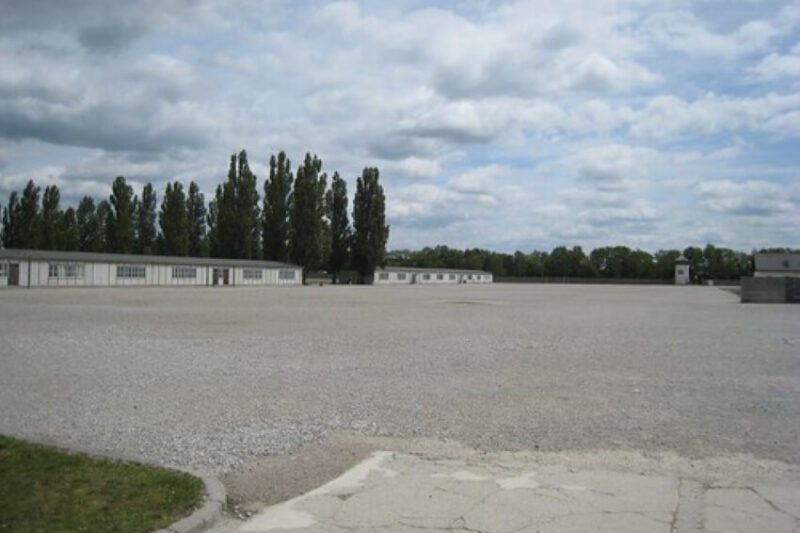
- See the Glockenspiel and climb Alter Peter at Marienplatz. Relax in the Englischer Garten and watch the Eisbach surfers. Drink and dine in a traditional beer hall or garden. Tour the Residenz and Nymphenburg Palace. Explore the Kunstareal's Pinakothek museums. Visit the Deutsches Museum, one of the world's largest science museums. Experience Oktoberfest (or the spring Frühlingsfest). Browse the Viktualienmarkt. See BMW Welt and Olympiapark. Take a sobering, important day trip to the Dachau Concentration Camp Memorial. Visit Neuschwanstein Castle or a Bavarian lake in the Alps.
Local experiences
- Watch surfers ride the standing wave on the Eisbach at the edge of the Englischer Garten, then settle in for a Maß (liter) of beer under the chestnut trees at the Chinese Tower beer garden. Browse the Viktualienmarkt for Weisswurst, pretzels, and Bavarian cheese, and eat them the local way — Weisswurst before noon, with sweet mustard. Join the crowd in Marienplatz at 11am for the Glockenspiel, then climb St. Peter's tower (Alter Peter) for the best view over the old town. In autumn, don a dirndl or lederhosen and join the tents at Oktoberfest
- the rest of the year, the locals' choice is the Augustiner-Keller. Cycle along the Isar on a warm afternoon, swim at the Flaucher gravel banks, and take an easy train south to a Bavarian lake or the Alps for the day.
Practical tips
- Currency: Euro (EUR). Cards accepted at most businesses; smaller beer gardens and bakeries may be cash-only.
- Getting There: Munich Airport (MUC) is connected to the city center by S-Bahn S1/S8 (~€13, 45 minutes). Lufthansa Express Bus to Hauptbahnhof costs €13 (45 minutes).
- Transportation: MVV public transport (U-Bahn, S-Bahn, tram, bus) is efficient. Day tickets (€8.80 inner zone) offer unlimited travel. Walking is easy in Altstadt (Old Town). Bayern Ticket covers regional trains for day trips to Neuschwanstein, Salzburg, and alpine lakes.
- Dining: Traditional beer halls (Hofbräuhaus, Augustiner) serve hearty Bavarian fare — Schweinshaxe, Weißwurst, pretzels — for €10-18. Viktualienmarkt has deli stands and a central beer garden. Restaurant meals €15-35.
- Free Attractions: Marienplatz Glockenspiel (11am and noon), English Garden (Eisbach surfers), Viktualienmarkt browsing, Olympic Park grounds, BMW Welt showroom.
- Tipping: Round up or add 5-10%
- Electricity: 230V/50Hz, Type C/F plugs
Photography tips
- Shoot Marienplatz and the New Town Hall from the tower of St. Peter's (Alter Peter) for the classic elevated view, ideally in morning light. The twin domes of the Frauenkirche anchor the skyline from several vantage points. The Englischer Garten's Eisbach surfers make dynamic action shots near the Haus der Kunst. Nymphenburg Palace reflects beautifully in its canal, and the Asamkirche rewards a wide lens for its baroque interior. At Oktoberfest, the Theresienwiese is most photogenic from the Bavaria statue terrace overlooking the tents. A 24–70mm zoom handles most of the city
- bring a wide angle for church interiors and a longer lens for alpine backdrops on clear days.
Timing
- Allow 3–4 days for Munich. Day one covers the old town: Marienplatz and the Glockenspiel, the Frauenkirche, Viktualienmarkt, the Residenz, and a beer hall in the evening. Day two is for the Englischer Garten, the Eisbach surfers, and the Kunstareal art museums or the Deutsches Museum. Day three takes in Nymphenburg Palace, BMW Welt, and Olympiapark.
- Peak Season (Oktoberfest, mid-Sept–early Oct):
- The city's defining event; book accommodation months ahead and expect premium prices
- Festive and crowded — arrive at tents before noon for a seat
- Summer (June–August):
- Warm, long days, Isar swimming, and easy alpine day trips
- Busy but spread out; the Englischer Garten and lakes shine
- Winter (November–February):
- Cold and often snowy, but festive Christmas markets in December and nearby skiing
- Quietest and cheapest outside the holidays
- A fourth or fifth day allows a day trip to Neuschwanstein Castle, the Dachau Memorial, Salzburg, or a Bavarian lake in the Alps.
Keeping it authentic
- Munich balances its global image — Oktoberfest, beer halls, BMW — with a genuinely lived-in Bavarian identity. Locals really do greet each other with 'Grüß Gott,' wear Tracht (dirndl and lederhosen) to festivals without irony, and treat the beer garden as a communal living room where you can bring your own food to the self-service tables. The Weisswurst-before-noon rule and the ritual of the Maß are real customs, not tourist theater. Away from the Hofbräuhaus crowds, neighborhood gardens like the Augustiner-Keller and Hirschgarten, the daily bustle of the Viktualienmarkt, and the Isar's summer swimming culture show the city as residents live it. Catholic Bavaria's traditions, alpine proximity, and a prosperous, orderly civic culture give Munich a distinct character from the rest of Germany.
Culture, customs and safety
Cultural heritage
Munich represents the cultural heart of Bavarian identity and German cultural traditions, where Bavarian royal heritage, Catholic cultural traditions, and contemporary German cultural excellence created one of Germany most beloved and culturally rich cities. The city preserves traditional Bavarian customs including Oktoberfest, beer culture, and Alpine traditions while maintaining its role as center of German art, music, and cultural innovation. Munich cultural heritage encompasses Bavarian royal culture, German Catholic traditions, traditional German festival culture, and contemporary German cultural leadership that continues to influence German national identity and European cultural tourism.
Local customs & etiquette
- Greet locals with a friendly “Grüß Gott”
- Respect local traditions and customs, especially during festivals
- Tip service staff around 10-15%
- Enjoy the local cuisine and drinks, but drink responsibly
Safety notes
Munich is one of Europe’s safest major cities with very low crime.
General Safety:
• Pickpocketing can occur at Marienplatz, Hauptbahnhof (central station), and during Oktoberfest
• Keep bags secure in beer halls and crowded markets
Oktoberfest:
• Tents fill early — arrive before noon for a seat
• Drink responsibly — Oktoberfest beer is stronger (6%+) than standard
• Watch for pickpockets in crowded tent entrances and fairgrounds
• Use designated taxi ranks or public transport (additional late-night U-Bahn/S-Bahn services run during Oktoberfest)
Cycling:
• Munich is very cycle-friendly — stay in designated lanes
• Watch for cyclists when stepping off sidewalks
Beer Gardens:
• Self-service sections allow you to bring your own food
• Do not sit at tables with a reserved sign (Stammtisch)
Emergency contacts:
• General: 112
• Police: 110