

Bilbao, the largest city in the Basque Country, is renowned for its vibrant culture, stunning architecture, and rich culinary scene. The city beautifully blends traditional Basque heritage with modern design, exemplified by the iconic Guggenheim Museum. Visitors can explore charming neighborhoods, enjoy delicious pintxos, and immerse themselves in the local arts and festivals.
The destination guide
Bilbao
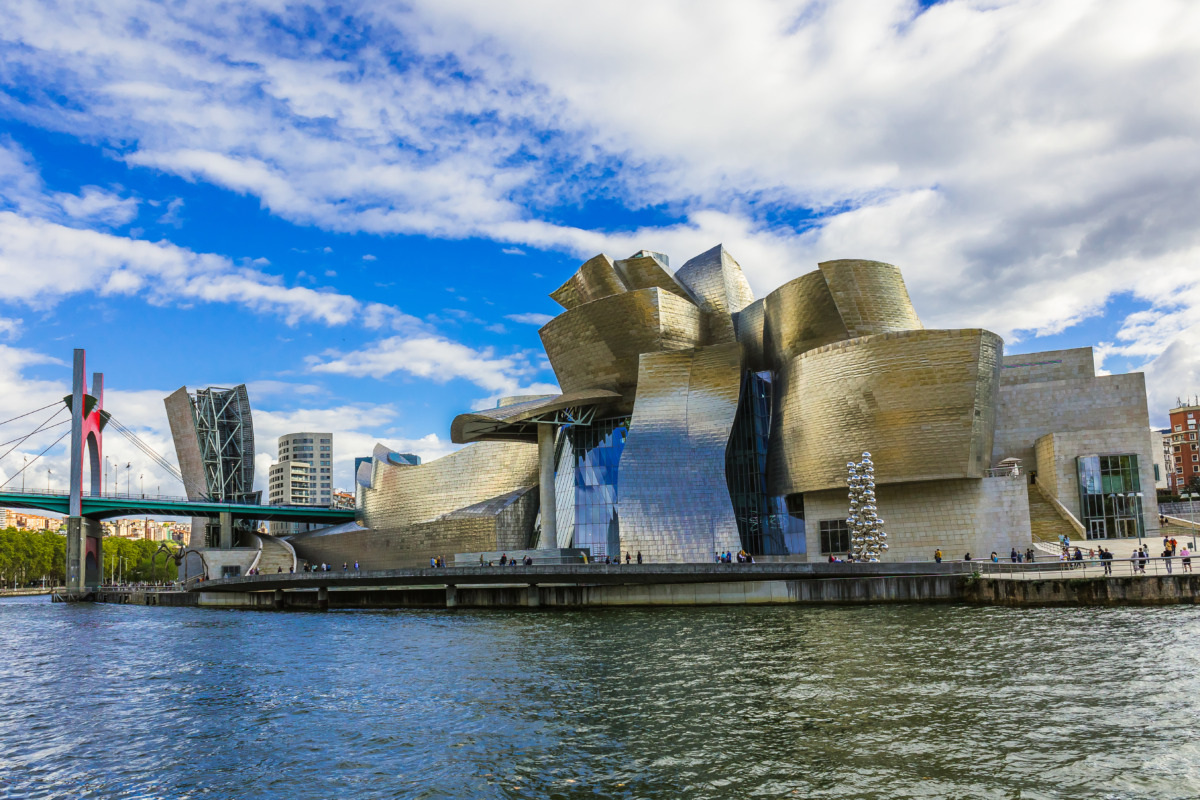
The Guggenheim gets the headlines, but the Casco Viejo’s pintxos bars are why people actually stay longer than planned.
Travel guides for Bilbao
More guides featuring Bilbao (3)
At a glance
Currency€ EURCode: EUR
Time zone CEST, UTC+2)Central European Time (CET, UTC+1 / CEST, UTC+2)
Languages
- Spanish
- Catalan
- Basque
- Galician
Setting
- Urban cityscape
- Guggenheim museum
- Nervión River
- Basque mountains
Population351K350,975 residents
VisaDuration: Up to 90 days within any 180-day period in the Schengen Area · Documents: Valid passport issued within the last 10 years and valid for at least 3 months after planned departure, plus proof of accommodation, onward or return travel, and sufficient funds if requested
How Bilbao scores
8/10OverallExcellent
Weather7/10
Value for money7/10
Food & cuisine9/10
Culture & arts6/10
Cultural experience9/10
Nature & outdoors6/10
Adventure4/10
Nightlife7/10
Shopping7/10
Family friendly5/10
Romance7/10
Editorial scores on a 10-point scale, weighed against destinations of the same kind.
Travel safety snapshot
Overall76/100Moderate rating
Women travellers75/100
LGBTQ+ travellers80/100
Theft60/100
Medical care80/100
Physical harm78/100
Political freedom85/100
SafePlace indicators use their source 100-point scale; higher is more favourable. Planning context, not a live travel advisory — check official government guidance before you go.
When to go
Best months to visit: April, May, June, July, August, September, October and November.
- January: 1.9 to 8.3 degrees Celsius, 37.3 millimetres of rain, best-time score 2 out of 5.
- February: 2.8 to 10.3 degrees Celsius, 21.9 millimetres of rain, best-time score 2 out of 5.
- March: 3.9 to 13.4 degrees Celsius, 15.2 millimetres of rain, best-time score 3 out of 5.
- April: 6.4 to 15.1 degrees Celsius, 25.9 millimetres of rain, best-time score 4 out of 5.
- May: 6.9 to 15.5 degrees Celsius, 19.5 millimetres of rain, best-time score 5 out of 5.
- June: 11.4 to 21.1 degrees Celsius, 30.5 millimetres of rain, best-time score 5 out of 5.
- July: 12.7 to 26 degrees Celsius, 9.7 millimetres of rain, best-time score 4 out of 5.
- August: 14.2 to 26.1 degrees Celsius, 5.4 millimetres of rain, best-time score 4 out of 5.
- September: 12.6 to 22.9 degrees Celsius, 18.4 millimetres of rain, best-time score 5 out of 5.
- October: 8.4 to 18.1 degrees Celsius, 7.9 millimetres of rain, best-time score 5 out of 5.
- November: 5.9 to 12.9 degrees Celsius, 37.9 millimetres of rain, best-time score 4 out of 5.
- December: 3.9 to 9.6 degrees Celsius, 19.8 millimetres of rain, best-time score 3 out of 5.
Month-by-month conditions and packing advice
- January
- Cool weather, some rain January in Bilbao: deep winter is less balanced for a walking-heavy Bilbao trip. Crowds: January marks the low tourist season in Bilbao, bringing quieter streets and easier access to popular attractions. Accommodation prices are generally lower, and restaurants are less crowded, offering a more relaxed pace of exploration. While the cool temperatures and occasional rain mean outdoor activities require preparation, the weather suits cultural touring, art galleries, and culinary experiences. Coastal and hiking excursions are possible during drier spells, though higher elevations may be colder and damp. This is a great time for budget-conscious travelers seeking authenticity and fewer crowds, with the trade-off of shorter daylight hours and the need for warm, waterproof clothing. Pack: Waterproof jacket with hood; Warm layers including sweaters; Comfortable waterproof walking shoes; Compact travel umbrella; Scarf and gloves for chilly mornings; Smart-casual attire for dining and cultural venues
- February
- Cool weather, mostly dry February in Bilbao: deep winter is less balanced for a walking-heavy Bilbao trip. Crowds: February is part of Bilbao’s low tourist season, offering quieter streets, minimal crowds, and more affordable accommodation compared to peak months. The cooler weather is comfortable for urban walking tours, museum visits, and culinary exploration, though evenings can feel chilly. Outdoor excursions to nearby coastal villages or hilltop viewpoints are possible on clear days, while the reduced rainfall this month makes it easier to plan without constant weather disruptions. Some rural attractions may have shorter opening hours, but the cultural calendar continues with local food markets and occasional winter festivals. Booking flexibility is high, making it an excellent time for last-minute trips focused on culture and gastronomy rather than beach activities. Pack: Warm layered clothing for cool days; Water-resistant jacket for light rain; Comfortable walking shoes with good grip; Scarf and gloves for brisk mornings; Smart-casual attire for dining out; Compact travel umbrella
- March
- Cool weather, mostly dry March in Bilbao: cooler, wetter months shift the trip toward food and indoor culture. Crowds: March offers a shoulder-season experience in Bilbao, balancing fewer tourists with comfortable sightseeing weather. Outdoor activities such as walking tours through the Casco Viejo, riverside cycling, and museum visits are ideal, as rain interruptions are rare. Prices for accommodation and flights are often lower than in the summer peak, and reservations are easier to secure at popular eateries. While evenings can feel brisk, daytime temperatures make for pleasant urban exploration without the summer crowds. This is an excellent time for photographers, food travelers, and culture seekers to experience the city at a slower, more authentic pace before the festival-filled warmer months arrive. Pack: Light waterproof jacket for occasional showers; Comfortable walking shoes for cobblestone streets; Layered clothing to adjust to cool mornings and warmer afternoons; Compact travel umbrella for unpredictable weather; Scarf for added warmth in the evenings; Camera with weather protection for outdoor photography
- April
- Cool weather, some rain April in Bilbao: summer or late autumn can work with festival crowds or rain planning. Crowds: April marks the shoulder season in Bilbao, offering a balance between comfortable sightseeing conditions and manageable tourist crowds. Accommodation rates are typically lower than in peak summer, though weekends and public holidays can draw more visitors. The mix of sun and passing showers means outdoor exploration is generally pleasant, with occasional need for light rain protection. This is an excellent time for cultural tourism—museum visits, food markets, and Basque cuisine experiences—while also enjoying scenic walks along the Nervión River or excursions to nearby coastal villages. Travelers should be prepared for variable weather but will benefit from a lively spring atmosphere without the intensity of peak-season congestion. Advance booking is advised for popular attractions during holiday weeks. Pack: Light waterproof jacket for passing showers; Layered clothing to adjust to cool mornings and warmer afternoons; Comfortable waterproof walking shoes; Compact travel umbrella; Camera with weather protection for dynamic lighting; Scarf or light shawl for added warmth in breezy conditions
- May
- Cool weather, mostly dry May in Bilbao: pintxos bars, Guggenheim visits, old-town walks, Basque coast trips, markets, and food culture balance mild weather and atmosphere. Crowds: May is part of Bilbao’s shoulder season, offering a balance between pleasant sightseeing weather and moderate crowd levels. Accommodation prices are generally lower than in the peak summer months, and availability is good, making it an attractive time for budget-conscious travelers. The cooler temperatures are perfect for walking tours, cycling along the Nervión River, and day trips to coastal towns like Getxo or Bakio. Occasional breezes may call for a light jacket, but conditions are otherwise ideal for both urban and nature-based activities. This is also a good time to catch local cultural events before the busy festival period begins in late summer, allowing for a more relaxed experience of Basque traditions and cuisine. Pack: Light jacket or windbreaker for cooler evenings; Comfortable walking shoes for cobblestone streets; Layered clothing for variable spring temperatures; Compact umbrella for unexpected light showers; Sunglasses for bright afternoons; Smart-casual attire for dining in Basque restaurants
- June
- Warm and pleasant, some rain June in Bilbao: pintxos bars, Guggenheim visits, old-town walks, Basque coast trips, markets, and food culture balance mild weather and atmosphere. Crowds: June offers excellent travel conditions, sitting on the cusp of Bilbao’s summer high season. Warm but not sweltering days make it perfect for walking tours, coastal hikes, and attending outdoor cultural events like local music festivals. Crowds begin to increase as European holidaymakers arrive, and hotel prices start their climb toward July–August peaks. Rain showers are brief but can be unpredictable, so flexible planning ensures minimal disruption. It’s an ideal month for travelers seeking a lively atmosphere without the density of midsummer, balancing vibrant city life with the ease of uncrowded galleries and attractions. Early booking is wise for popular accommodations and restaurants, especially near the Old Town and riverside. Pack: Light waterproof jacket for passing showers; Comfortable walking shoes with good grip; Breathable layers for fluctuating temperatures; Compact travel umbrella; Smart-casual attire for dining and cultural venues; Daypack for carrying water and weather gear
- July
- Warm and pleasant, mostly dry July in Bilbao: summer or late autumn can work with festival crowds or rain planning. Crowds: July marks peak summer in Bilbao, with excellent weather for outdoor sightseeing, cultural festivals, and coastal excursions. This is high tourist season, so expect bustling streets in the Casco Viejo and popular attractions like the Guggenheim Museum. Hotel rates and airfare are at their annual highs, and advance booking is essential for both accommodations and key events. The pleasant temperatures and low rainfall mean virtually all activities—from hiking in nearby mountains to beach trips in Getxo—are accessible. Evening events are particularly appealing, with the warm, dry nights encouraging late-night dining and music. Crowds can be dense in main plazas, but quieter side streets and local neighborhoods still offer authentic experiences away from the busiest tourist flows. Pack: Lightweight breathable clothing for warm days; Comfortable walking shoes for cobblestone streets; Sunglasses and SPF 50+ sunscreen; Light jacket or sweater for cooler evenings; Compact umbrella for occasional showers; Smart-casual attire for evening dining and cultural events
- August
- Warm and pleasant, mostly dry August in Bilbao: summer or late autumn can work with festival crowds or rain planning. Crowds: August marks Bilbao’s high summer season, attracting both domestic and international travelers seeking mild Atlantic warmth without the oppressive heat of inland Spain. With virtually no rainfall and comfortable humidity, conditions are ideal for sightseeing, food tours, and coastal excursions. Beaches along the Basque coast are in peak form, though they can be busy on weekends. Accommodation rates are at their highest, and popular restaurants may require reservations. The month’s stable weather also supports cultural festivals, making it one of the liveliest times to visit. Travelers looking for a blend of urban culture and seaside escapes will find August an excellent choice, provided they plan ahead for peak season demand. Pack: Lightweight breathable shirts for daytime comfort; A light jacket or sweater for cooler evenings; Comfortable walking shoes for city and coastal exploration; UV-protective sunglasses and sunscreen; Smart-casual attire for dining in upscale restaurants; Compact travel umbrella for unexpected showers
- September
- Warm and pleasant, mostly dry September in Bilbao: pintxos bars, Guggenheim visits, old-town walks, Basque coast trips, markets, and food culture balance mild weather and atmosphere. Crowds: September offers a sweet spot between the busy summer season and the quieter autumn months. Conditions are excellent for walking tours, coastal excursions, and cultural visits like the Guggenheim Museum without the high-season congestion. Hotel prices begin to ease from August peaks, though weekends can still be lively with local events and festivals. Outdoor dining remains comfortable well into the evening, and daylight hours are long enough for full-day itineraries. Mild temperatures and low rainfall reduce weather-related disruptions, making it a reliable month for flexible, on-the-go travel plans. Advance booking is wise for major events but spontaneous exploration is far more feasible compared to peak summer. Pack: Light jacket or sweater for cooler evenings; Comfortable walking shoes for cobblestone streets; Compact umbrella or light rain jacket; Breathable shirts for daytime warmth; Smart-casual attire for dining out; Daypack for carrying market finds and essentials
- October
- Cool weather, mostly dry October in Bilbao: pintxos bars, Guggenheim visits, old-town walks, Basque coast trips, markets, and food culture balance mild weather and atmosphere. Crowds: October is part of Bilbao’s shoulder season, offering a quieter travel experience compared to the summer peak. Comfortable temperatures and low rainfall make it an excellent month for city exploration, museum visits, and hiking in nearby natural areas. Crowds are moderate, with more locals than tourists in popular dining spots, allowing for a more authentic feel. Accommodation prices tend to drop from summer highs, though weekends may still see limited availability due to regional events. The cooler evenings encourage indoor dining, perfect for savoring Basque pintxos and hearty seafood dishes. Early booking is recommended if travel coincides with festivals or cultural exhibitions. Pack: Layered clothing for fluctuating daytime and evening temperatures; Light waterproof jacket for occasional showers; Comfortable walking shoes for cobblestone streets; Scarf or light shawl for cooler evenings; Compact umbrella for unexpected rain; Smart-casual attire for dining in upscale restaurants
- November
- Cool weather, some rain November in Bilbao: summer or late autumn can work with festival crowds or rain planning. Crowds: November marks Bilbao’s shoulder-to-low season, offering a quieter travel experience with moderate hotel rates and smaller crowds at major attractions. While cooler temperatures and occasional rain may limit extended outdoor dining or long hikes, the city’s rich indoor culture—from world-class museums to intimate music venues—thrives in this weather. The cooler air enhances comfort for walking tours, especially in the Casco Viejo, while the subdued daylight is perfect for photography. This is also an excellent time to explore Basque culinary traditions, as seasonal menus shift toward hearty stews and local wines. Booking flexibility is high, though daylight hours are shorter, so planning activities earlier in the day is advised. Pack: Water-resistant jacket for light rain; Warm sweater or fleece for layering; Comfortable waterproof walking shoes; Compact travel umbrella; Scarf for added warmth in the evenings; Smart-casual attire for indoor dining and cultural venues
- December
- Cool weather, mostly dry December in Bilbao: cooler, wetter months shift the trip toward food and indoor culture. Crowds: December is low tourist season in Bilbao, making it an excellent time for travelers who prefer calmer streets, shorter queues at the Guggenheim, and more intimate dining experiences. While the cooler temperatures and shorter daylight hours limit extended outdoor excursions, the city’s rich cultural offerings—museums, galleries, and covered markets—are at their best. Accommodation prices are generally lower than in summer, and festive events bring unique cultural experiences. Occasional light rain is possible, but the generally dry conditions allow for comfortable urban exploration. Visitors should plan for indoor-focused itineraries with strategic outdoor walks to enjoy the seasonal charm. Pack: Warm layered clothing including sweaters and thermal tops; Water-resistant jacket for occasional showers; Comfortable closed-toe walking shoes; Scarf and gloves for chilly mornings and evenings; Compact travel umbrella; Smart casual attire for indoor dining and cultural events
Peak season
- July
- August
Off-peak
- November
- December
- January
- February
- March
Know before you go
About
Bilbao, Biscay, is the largest city in Spain’s Basque Country and the capital of Biscay province, set on the Nervión River in the country’s green north, with about 347,000 residents (2024). Chartered as a town in 1300 by Diego López V de Haro, it grew into a major industrial and shipbuilding port before reinventing itself as a cultural capital. The turning point was the titanium-clad Guggenheim Museum Bilbao, designed by Frank Gehry and opened in 1997, often credited with sparking the so-called “Bilbao Effect” of urban regeneration. Beyond the Guggenheim, visitors explore the Casco Viejo old town and its “Seven Streets,” the riverside La Ribera Market, and the UNESCO-listed Vizcaya transporter bridge. Famed for Basque culture and pintxos, Bilbao is a gateway to the beaches and fishing villages of the Bay of Biscay.
Best time to visit
Bilbao has an oceanic climate — mild year-round but prone to rain. The sweet spots are June and September, when warmth coincides with manageable rainfall and tourism levels.
Spring (April–June)
Temperatures climb from 12°C to 22°C (54–72°F). April and May are among the rainier months, but the city greens beautifully and outdoor dining begins. June delivers the best balance of warmth, daylight, and pre-peak-season calm. Aste Nagusia (Great Week) preparations begin. Ideal for museum visits and Casco Viejo exploration.
Summer (July–August)
Peak season with highs of 24–28°C (75–82°F) and the longest daylight hours. Aste Nagusia festival in August brings nine days of music, street performances, fireworks, and all-hours celebration. Accommodation and pintxos bar queues peak. Gaztelugatxe requires advance reservation. Rain is less frequent but still possible — Bilbao averages some rainfall even in summer.
Fall (September–October)
Warm but cooling — 16–24°C (61–75°F) — with noticeably fewer visitors. September maintains summer’s energy while October brings autumn colors to the surrounding hills. Cultural season resumes with gallery openings and concert schedules. Excellent for food-focused travel as seasonal Basque ingredients (wild mushrooms, game, fresh cider) appear on menus.
Winter (November–March)
Mild by Atlantic standards — 8–14°C (46–57°F) — but wet, with November–January being the rainiest months. This is quintessential indoor-Bilbao season: museums without crowds, long pintxos lunches, and the cozy atmosphere of the Casco Viejo’s bars. Santo Tomás market (December 21) fills the Old Town with traditional Basque Christmas fare. Accommodation prices drop significantly.
Crowds
Bilbao is busiest May–September and during events like the Aste Nagusia festival (August), with Guggenheim and Old Town busy especially in summer; quietest November–March (except festival weekends), when visitor numbers are lower—overall moderate urban crowds.
Getting there and around
Getting there
Bilbao Airport (BIO), located 12 km north of the city center, receives direct flights from major European hubs including London, Amsterdam, Paris, Frankfurt, Rome, Brussels, and Lisbon on airlines including Vueling, Iberia, and various low-cost carriers. The A3247 bus connects the airport to the city center (Plaza Moyúa) in 20 minutes for about €3. By train, Renfe operates services from Madrid (about 5 hours via Valladolid) and Barcelona (6.5 hours). The Euskotren regional train connects to San Sebastián in 2.5 hours via a scenic coastal route. ALSA and PESA buses run frequent services from Madrid (4.5 hours), Barcelona (7 hours), and San Sebastián (1.25 hours). By car, the AP-68 motorway connects from Madrid/Burgos, and the AP-8 runs along the Basque coast to San Sebastián and the French border. Brittany Ferries operates a weekly ferry service from Portsmouth, UK, to Bilbao’s port in Santurtzi (24-hour crossing).
Getting around
Bilbao’s Metro system — designed by Norman Foster with distinctive curved glass ‘Fosterito’ entrances — covers the city efficiently on three lines. Single tickets cost about €1.70; the rechargeable Barik card provides discounted fares across metro, tram, and bus networks. The EuskoTran tram line follows the Nervión riverbank from the Guggenheim through the Ensanche district. Walking is the best way to explore the Casco Viejo and the Guggenheim waterfront — the core attractions sit within a 20-minute walking radius. Bilbobus covers suburban areas. Taxis are metered and reliable; Uber operates with limited availability. For day trips to Gaztelugatxe, Gernika, or the coast, rental cars provide the most flexibility, though Bizkaibus regional buses serve major destinations. The Artxanda funicular connects the city center to the hilltop viewpoint in 3 minutes.
Top experiences in Bilbao
Guggenheim Museum Bilbao
Frank Gehry’s 1997 titanium-clad masterpiece didn’t just put Bilbao on the map — it invented the concept of architecture as urban regeneration (the ‘Guggenheim Effect’). The building’s undulating, ship-like forms shift appearance with the weather and light, moving from silver to gold to rose depending on the hour. Inside, Richard Serra’s monumental steel sculptures ‘The Matter of Time’ occupy the 130-meter-long Arcelor Gallery, and rotating exhibitions showcase post-war European and American contemporary art. Outside, Jeff Koons’ 12-meter flower-covered ‘Puppy’ and Louise Bourgeois’ giant spider ‘Maman’ have become city icons. The building is worth visiting even without entering — the riverside promenade around it delivers a free architectural spectacle.
Casco Viejo
Bilbao’s medieval heart, known as the ‘Siete Calles’ (Seven Streets), dates to the city’s founding in 1300 and preserves a dense, walkable grid of narrow lanes lined with independent shops, traditional bars, and centuries-old churches. The Santiago Cathedral (14th century) anchors the quarter, while Plaza Nueva — a neoclassical arcaded square completed in 1851 — serves as the social center, ringed by some of the city’s finest pintxos bars. On Sunday mornings, Plaza Nueva hosts a popular flea market and bird market that draws both collectors and curious visitors. The Casco Viejo’s authenticity lies in its mix of function — it remains a genuine residential and commercial neighborhood where locals live, work, and shop alongside the tourist flow.
Mercado de la Ribera
Europe’s largest covered market by floor area, the Art Deco Mercado de la Ribera sits on the bank of the Nervión River in a 1929 building that was extensively renovated in 2010. Three floors house more than 60 stalls selling fresh Basque produce: Atlantic fish landed that morning, Idiazábal cheese aged in Basque mountain huts, ibérico ham, seasonal vegetables from the Basque hinterland, and locally pressed olive oil. The upper floor has been converted into a gastro space where pintxos bars serve dishes made from the market’s own produce — arguably the freshest pintxos in Bilbao. The river-facing terrace provides views of the Casco Viejo’s colorful façades reflected in the water.
San Juan de Gaztelugatxe
This rocky islet connected to the Basque mainland by a dramatic man-made stone bridge and 241 weathered steps is topped by a 10th-century hermitage dedicated to St. John. The approach — a winding cliff path with Atlantic waves crashing against the rocks below — creates one of Spain’s most spectacular coastal walks. The site gained global fame as ‘Dragonstone’ in Game of Thrones, but its real appeal is the raw power of the landscape. The round trip takes 2–3 hours from the parking area, including time at the chapel and viewpoints. Located 35 km east of Bilbao near Bermeo, access requires advance online reservation during peak season to manage visitor numbers.
Artxanda Funicular
A century-old funicular railway carries passengers from the city center to the summit of Mount Artxanda in just 3 minutes, delivering the definitive panoramic view of Bilbao. From the hilltop terrace, the entire city spreads below: the Nervión River tracing its course through the urban center, the Guggenheim’s titanium curves catching the light, the red roofs of the Casco Viejo, and the green hills of the Basque hinterland fading into the distance. The summit park includes restaurants, a sports complex, and walking paths. The funicular has operated since 1915 and costs about €4 return. Early morning produces the clearest views; sunset bathes the city in golden light that transforms the vista into one of northern Spain’s most photogenic scenes.
Editor-curated picks carried over from our original guide. Where a full place guide exists, the card links to it.
Worth booking ahead in Bilbao
Hand-picked from the operators our guides already send readers to. Prices and availability are live on the partner site.
BrowseViator
Tours and tickets in Bilbao on Viator (opens Viator in a new tab)
Viator's full list of bookable tours and tickets in Bilbao.
BrowseGetYourGuide
Experiences in Bilbao on GetYourGuide (opens GetYourGuide in a new tab)
Everything GetYourGuide sells in Bilbao, with the cancellation terms on each listing.
Where to stayBooking.com
Stays in Bilbao (opens Booking.com in a new tab)
Live rates and availability for Bilbao on Booking.com; filter by neighbourhood once you know where your days start.
We earn a commission if you book through these links, at no extra cost to you. It is how we keep the guides free and independent.
Where to stay
Gran Hotel Domine Bilbao
Alameda de Mazarredo 61, 48009 Bilbao, Spain
Directly facing the Guggenheim Museum across the Nervión River promenade, the Gran Hotel Domine delivers five-star luxury with a front-row seat to Frank Gehry’s titanium masterpiece. The 145 rooms feature contemporary design with clean lines, warm textures, and many offer floor-to-ceiling Guggenheim views. The rooftop terrace — where breakfast is served — provides one of Bilbao’s most spectacular vantage points, overlooking Puppy, Maman, and the museum’s swooping curves. A spa, fitness center, and multiple dining options complete the package. The Javier de las Muelas-designed cocktail bar is a destination in itself. Location is unmatched for art lovers: step out the door and you’re at the museum entrance.
Hotel Carlton Bilbao
Plaza Federico Moyúa 2, 48009 Bilbao, Spain
This landmark 1920s hotel on the elegant Plaza Federico Moyúa occupies one of Bilbao’s most beautiful buildings, with a grand columned façade and ornate Belle Époque interiors. The 142 rooms blend period character — high ceilings, original moldings — with modern comfort, and the hotel claims the largest suite in northern Spain. The ground-floor restaurant serves traditional Basque cuisine updated with contemporary technique, and the breakfast buffet is considered one of the city’s finest. The Carlton served as the seat of the Basque government during the Spanish Civil War, and its historical significance is woven into its identity. The central Gran Vía location provides equal walking access to the Guggenheim, Casco Viejo, and the Ensanche shopping district.
Hotel Tayko Bilbao Casco Viejo
Calle Ribera 3, 48005 Bilbao, Spain
This design-forward boutique hotel in the Casco Viejo occupies a renovated building on the edge of the Old Town, steps from the Mercado de la Ribera and the pintxos bars of Plaza Nueva. The 27 rooms are compact but thoughtfully designed with industrial-chic aesthetics — exposed brick, custom steel fixtures, and locally sourced materials. Common areas include a rooftop terrace with Casco Viejo views and a lobby bar serving craft cocktails. The location places guests at the epicenter of Bilbao’s pintxos culture and nightlife while remaining a 15-minute walk along the river to the Guggenheim. Tayko represents Bilbao’s emerging boutique hotel scene and appeals to design-conscious travelers who prefer neighborhood immersion over grand-hotel formality.
Editor-curated stays carried over from our original guide. Where we have reviewed the hotel, the card links to the review.
Tips from the field
Highlights
- Guggenheim Museum — Gehry's titanium masterpiece of contemporary art
- Casco Viejo — Medieval Seven Streets with pintxos bars and Plaza Nueva
- Pintxos Culture — World-class culinary tradition at every counter
- Mercado de la Ribera — Europe's largest covered market on the riverbank
- San Juan de Gaztelugatxe — Dramatic island hermitage and coastal walk
- Artxanda Funicular — Panoramic hilltop views of the entire city
- Athletic Club — Football club fielding only Basque-born players
Best activities
- Bilbao rewards both cultural immersion and gastronomic adventure. The Guggenheim Museum demands a minimum half-day — the building's exterior promenade alone justifies the visit, and the galleries require 2–3 hours to appreciate properly. Cross the Nervión to explore the Casco Viejo's Seven Streets, where independent shops and centuries-old churches share narrow lanes with some of the city's finest pintxos bars.
- The Mercado de la Ribera combines market browsing with gastro-bar dining — eat at the upper-level pintxos counters for the freshest produce in the city. Take the Artxanda funicular for panoramic views, then descend for a riverside walk along the Abandoibarra promenade. Day-trip to San Juan de Gaztelugatxe for dramatic coastal scenery and 241 steps of pure Atlantic atmosphere. For deeper Basque culture, attend an Athletic Club match at San Mamés stadium (book in advance), visit the Basque Museum of Art and History, or join a pintxos tour through the Old Town with a local guide who can decode the bar-counter displays and recommend the specialties at each stop.
Local experiences
- Join the evening txikiteo (pintxos crawl) through the Casco Viejo — start at Plaza Nueva and work through the Seven Streets, eating one pintxo at each bar. Visit the Mercado de la Ribera at opening time (Monday–Saturday, 8 AM) when the fish stalls display the morning's Atlantic catch. Take the Artxanda funicular at sunset for golden-hour views over the city. Attend an Athletic Club de Bilbao match at San Mamés — the atmosphere of 'La Catedral' on match night is pure Basque passion. Browse the Sunday morning flea market in Plaza Nueva for antiques and curiosities. Walk the riverside promenade from the Guggenheim to the Casco Viejo at dusk, when the museum's titanium glows and the river reflects the city lights.
Practical tips
- Pintxos Budget: Most pintxos cost €2.50–4.50 each. A typical txikiteo dinner across 4–5 bars runs €20–30 per person.
- Rain Gear: Bilbao averages 130+ rainy days per year. Carry a compact umbrella or rain jacket regardless of season.
- Guggenheim Tickets: Book online in advance to skip the queue, especially on weekends and in summer. Closed Mondays (except July-August).
- Gaztelugatxe: Free online reservation required in peak season. Book at least a week ahead for summer visits.
- Barik Card: Load a rechargeable Barik card at any metro station for discounted fares across all public transport.
- Sunday Closures: Many shops in the Ensanche are closed on Sundays. The Casco Viejo and markets remain partially open.
- Sidrería Season: January–April is cider season — visit a traditional cider house (sagardotegia) in the hills outside Bilbao for the full pour-from-height experience.
Photography tips
- The Guggenheim photographs best from the Puente de La Salve bridge at blue hour (30 minutes after sunset), when the titanium panels capture the fading sky and artificial lighting creates dramatic contrasts. For the classic 'Puppy' shot, approach from the museum plaza on the city side. The Casco Viejo's narrow streets produce atmospheric images in diffused morning light, especially around Plaza Nueva when the arcades create leading lines. The Artxanda funicular summit provides the definitive cityscape panorama — afternoon light warms the terracotta rooftops. For Gaztelugatxe, the best composition frames the zigzag path and stone bridge from the mainland cliff viewpoint — morning light eliminates back-lighting. The Mercado de la Ribera's fish stalls photograph well under the market's artificial lighting
- bring a fast lens for the low-light conditions.
Keeping it authentic
- Bilbao's transformation from declining industrial port to cultural destination is one of Europe's most studied urban reinventions — but the city's authenticity runs deeper than the Guggenheim narrative. This is a working Basque city that happens to contain world-class art, not a city built around tourism. The pintxos bars of the Casco Viejo serve the same clientele at the same hours whether tourists are present or not — locals crowd the counters every evening for the ritual txikiteo (bar crawl) that has structured Basque social life for generations. The Euskara language, older than any Indo-European tongue, appears on every street sign and is genuinely spoken in shops, schools, and homes. Athletic Club de Bilbao, the football team that only fields Basque-born players, reflects a principle of cultural identity that no other European club maintains. The Mercado de la Ribera is a functioning market where locals do their weekly shopping, not a tourist food hall. Bilbao doesn't perform Basqueness for visitors — it lives it, and the opportunity to witness that genuine cultural identity in an architecturally stunning setting is what makes the city exceptional.
Culture, customs and safety
Cultural heritage
Bilbao preserves its transformation from industrial heritage to cultural capital through the iconic Guggenheim Museum, a titanium-clad architectural marvel by Frank Gehry that sparked the “Bilbao Effect” globally. The city showcases Basque cultural identity through traditional festivals, euskera language preservation, and distinctive gastronomy. Historic Casco Viejo features medieval streets, Gothic churches, and traditional Basque architecture alongside modern cultural institutions. The Guggenheim houses the world’s largest collection of Ottoman carpets outside Turkey, while the Museo de Bellas Artes maintains centuries of Basque artistic heritage from Gothic sculptures to contemporary works.
Local customs & etiquette
Bilbao operates on Spanish dining time: lunch is served 1:30–3:30 PM and dinner 9:00–11:00 PM — arriving outside these windows will find kitchens closed. Pintxos hopping (txikiteo) is a social ritual: eat standing at the bar, order one or two bites, and move to the next spot. In some bars, toothpicks are used to tally your bill — keep them on your plate. Txakoli wine is poured dramatically from height to aerate it; let the bartender do it. Greetings in Euskara (Basque) are appreciated: ‘kaixo’ (hello), ‘agur’ (goodbye), ‘eskerrik asko’ (thank you). Athletic Club de Bilbao fandom is a cultural identity, not just a sporting preference — wearing the red and white stripes on match day signals cultural fluency. Tipping is not expected but appreciated: round up the bill or leave €1–2 at restaurants; nothing is expected at pintxos bars. Siesta is observed less strictly than in southern Spain, but some shops close 2:00–5:00 PM.
Safety notes
Bilbao is one of Spain’s safest cities. Since ETA’s dissolution in 2018, the political security context has stabilized entirely, and the Basque Country consistently ranks among Spain’s lowest-crime regions. Violent crime is extremely rare. The primary risk is petty pickpocketing in crowded areas — the Casco Viejo during peak hours, the Guggenheim surroundings, and public transport. Standard precautions apply: keep valuables secure, be aware of surroundings in crowded pintxos bars, and avoid the area around Calle San Francisco/Cortes late at night (Bilbao La Vieja is gentrifying but retains some edgier corners after dark). Spain’s public healthcare system is excellent; pharmacies (farmacias) are widespread and rotate 24-hour shifts. Emergency number: 112.


Travel Style
Activities