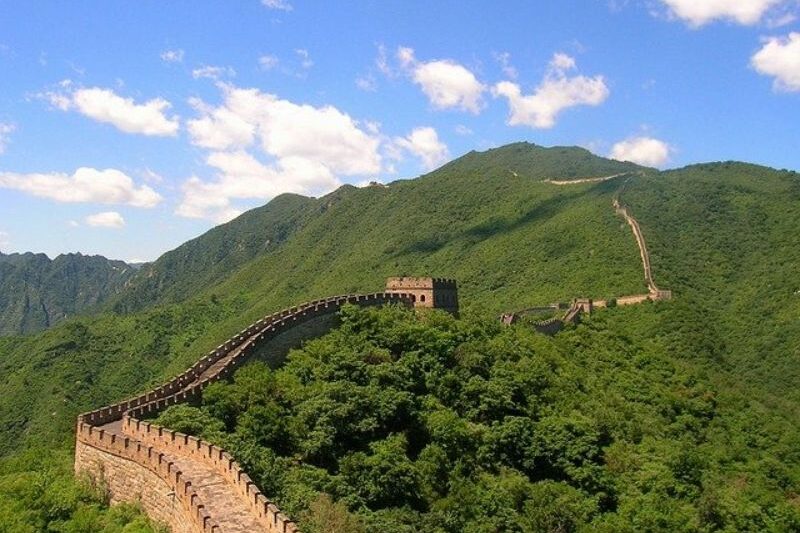
Forbidden City’s 720,000-square-meter complex housing 980 surviving buildings with 8,886 room bays where 24 Ming and Qing emperors ruled China’s political center for 500+ years (1420-1924), ranking among world’s five great palaces alongside Versailles, Buckingham, White House, and Kremlin. Temple of Heaven’s 267-hectare Confucian design oasis featuring 1420 cylindrical structure linking heavens (circular shape) to earth (rectangular base) via four dragon pillars representing seasons, constructed during Yongle Emperor’s reign alongside Forbidden City development. Great Wall’s endless tower series zigzagging across mountain peaks defending against Mongolian steppes invasions, accessible via Mutianyu and Jiankou sections revealing barbarian horde defense strategies from Northern China emperors. 798 Art Zone’s “Soho of China” converting old factory compounds into contemporary galleries, bookshops, cafes, and bars showcasing Chinese art styles within bustling creative hub contrasting ancient imperial monuments. Summer Palace’s 290-hectare royal garden (75% water coverage) representing Beijing’s largest imperial gardens alongside UNESCO World Heritage status. Modern Beijing’s skillful contrast weaving ultramodern skyscrapers, wide boulevards, shopping centers with ancient temples, magnificent palaces, unique hutongs, creating harmonious imperial-contemporary fusion where 600-year Forbidden City meets cutting-edge urban development.
The destination guide
Beijing
Travel guides for Beijing
More guides featuring Beijing (2)
At a glance
- Mandarin Chinese
- Urban metropolis
- Imperial palaces
- Great Wall nearby
- Hutong alleyways
- Ancient History & Palaces
- World Wonders
- Cultural Immersion
- Asian Metropolises.
How Beijing scores
Editorial scores on a 10-point scale, weighed against destinations of the same kind.
Travel safety snapshot
SafePlace indicators use their source 100-point scale; higher is more favourable. Planning context, not a live travel advisory — check official government guidance before you go.
When to go
Best months to visit: March, April, May, September, October and November.
- January: -6.8 to 2.3 degrees Celsius, 1.7 millimetres of rain, best-time score 2 out of 5.
- February: -4.8 to 6 degrees Celsius, 6.5 millimetres of rain, best-time score 2 out of 5.
- March: 1.3 to 15 degrees Celsius, 10.2 millimetres of rain, best-time score 4 out of 5.
- April: 8.5 to 22.2 degrees Celsius, 19.2 millimetres of rain, best-time score 5 out of 5.
- May: 14.5 to 27.9 degrees Celsius, 32.5 millimetres of rain, best-time score 5 out of 5.
- June: 20.4 to 32.7 degrees Celsius, 61.3 millimetres of rain, best-time score 3 out of 5.
- July: 22.9 to 31.8 degrees Celsius, 241.1 millimetres of rain, best-time score 2 out of 5.
- August: 21.6 to 30 degrees Celsius, 167.4 millimetres of rain, best-time score 3 out of 5.
- September: 16.5 to 26.9 degrees Celsius, 51.1 millimetres of rain, best-time score 5 out of 5.
- October: 8 to 18.2 degrees Celsius, 37.8 millimetres of rain, best-time score 5 out of 5.
- November: 0.4 to 10.2 degrees Celsius, 15.5 millimetres of rain, best-time score 4 out of 5.
- December: -5.8 to 2.9 degrees Celsius, 3 millimetres of rain, best-time score 3 out of 5.
Month-by-month conditions and packing advice
- January
- Cold, mostly dry January in Beijing: deep winter cold makes Great Wall and hutong walks less comfortable. Crowds: January in Beijing is best for winter-ready travelers; outdoor plans need warm gear, shorter daylight expectations, and weather-aware transport planning. Pack: Pack insulated layers, warm footwear, gloves, and a serious winter coat.
- February
- Cold, mostly dry February in Beijing: cold weather and holiday closures can narrow sightseeing flexibility. Crowds: February in Beijing is workable with normal seasonal planning; build in layers, weather checks, and a mix of indoor and outdoor activities. Pack: Pack warm layers, a coat, and comfortable shoes for cold mornings and evenings.
- March
- Cool to mild, mostly dry March in Beijing: early spring can work for palaces, hutongs, parks, and the Great Wall with layers and wind planning. Crowds: March in Beijing is workable with normal seasonal planning; build in layers, weather checks, and a mix of indoor and outdoor activities. Pack: Pack warm layers, a coat, and comfortable shoes for cold mornings and evenings.
- April
- Mild to warm, mostly dry April in Beijing: spring weather supports the Great Wall, parks, temples, hutongs, museums, and food streets. Crowds: April in Beijing is comfortable for sightseeing, neighborhoods, food stops, day trips, and outdoor time with limited weather friction. Pack: Pack layered clothing and comfortable walking shoes.
- May
- Warm to hot, occasional rain May in Beijing: warm spring days make palaces, parks, Great Wall outings, neighborhoods, and outdoor sightseeing more comfortable. Crowds: May in Beijing is comfortable for sightseeing, neighborhoods, food stops, day trips, and outdoor time with limited weather friction. Pack: Pack light clothing, sun protection, and comfortable walking shoes.
- June
- Warm to hot, occasional rain June in Beijing: building heat and humidity make long outdoor sightseeing more tiring. Crowds: June in Beijing is workable with normal seasonal planning; build in layers, weather checks, and a mix of indoor and outdoor activities. Pack: Pack light clothing, sun protection, and comfortable walking shoes.
- July
- Warm to hot, rainy July in Beijing: peak summer heat and humidity make walking-heavy days less comfortable. Crowds: July in Beijing is one of the wetter periods, so museums, food stops, flexible reservations, and backup indoor plans make the trip easier. Pack: Pack light clothing, sun protection, and comfortable walking shoes. Add a rain jacket or compact umbrella.
- August
- Warm to hot, rainy August in Beijing: heat and humidity remain a factor, so early starts and indoor breaks matter. Crowds: August in Beijing is one of the wetter periods, so museums, food stops, flexible reservations, and backup indoor plans make the trip easier. Pack: Pack light clothing, sun protection, and comfortable walking shoes. Add a rain jacket or compact umbrella.
- September
- Mild to warm, occasional rain September in Beijing: autumn weather supports the Great Wall, parks, temples, hutongs, museums, and food streets. Crowds: September in Beijing is comfortable for sightseeing, neighborhoods, food stops, day trips, and outdoor time with limited weather friction. Pack: Pack light clothing, sun protection, and comfortable walking shoes.
- October
- Cool to mild, occasional rain October in Beijing: crisp autumn days and clearer views make this one of the best windows for sightseeing. Crowds: October in Beijing is workable with normal seasonal planning; build in layers, weather checks, and a mix of indoor and outdoor activities. Pack: Pack layered clothing and comfortable walking shoes.
- November
- Cool to mild, mostly dry November in Beijing: late autumn can still work well with layers, fewer crowds, and shorter daylight. Crowds: November in Beijing is workable with normal seasonal planning; build in layers, weather checks, and a mix of indoor and outdoor activities. Pack: Pack warm layers, a coat, and comfortable shoes for cold mornings and evenings.
- December
- Cold, mostly dry December in Beijing: cold weather shifts the trip toward museums, food, and shorter outdoor visits. Crowds: December in Beijing is best for winter-ready travelers; outdoor plans need warm gear, shorter daylight expectations, and weather-aware transport planning. Pack: Pack insulated layers, warm footwear, gloves, and a serious winter coat.
- June
- July
- August
- December
- January
- February
Know before you go
Best time to visit
April to May, September to October
Season by season
Autumn (Sept-Oct) is universally considered the best time with clear skies and comfortable temperatures; Spring is pleasant but can have sandstorms; Summer is sweltering, humid, and packed with domestic tourists; Winter is bitterly cold and dry.
Crowds
High
Getting there and around
Getting there
China requires visa preparation for most travelers including U.S. citizens, with passports needing six months validity and two blank pages. U.S. citizens may qualify for ten-year multiple-entry tourist visas. China offers visa-free policies for many nationalities for 30-day stays and 240-hour visa-free transit through major airports. Primary gateways are Beijing (PEK, PKX), Shanghai (PVG), and Guangzhou (CAN). All visitors must register residence with local police within 24 hours and carry passport and visa at all times.
Getting around
Beijing offers an extensive and efficient public transportation network, anchored by its modern metro system that conveniently connects most key attractions, making it ideal for travelers who want speed and affordability; purchasing a reloadable Yikatong transit card or using digital payment options like WeChat or Alipay simplifies transfers significantly. While buses cover almost every corner of the city, they’re best reserved for experienced visitors due to less English signage. Central neighborhoods such as Houhai, Gulou, and Qianmen are wonderfully walkable and steeped in history, perfect for leisurely exploration on foot. Taxis are abundant and affordable, though rideshare apps like Didi are highly recommended, offering transparent pricing, English-language support, and the convenience of GPS-tracked journeys, crucial for navigating the city’s complex address system.
Top experiences in Beijing
Great Wall of China (Mutianyu or Badaling)
The fortified old town of Ibiza. A UNESCO World Heritage site. A steep climb up cobblestone streets rewards you with incredible views and a charming cathedral. It is the history behind the party.
Forbidden City
A mystical rock island off the southwest coast. It is said to be magnetic and legendary. The view of it from Cala d’Hort at sunset is one of the most spiritual and iconic experiences in Ibiza.
Summer Palace
The sister island, just a 30-min ferry away. It has some of the clearest, bluest water in the Mediterranean (Illetas Beach). It is flat, chill, and bicycle-friendly. A must-do day trip.
Sunset Strip (San Antonio)
The famous promenade of bars (Café del Mar, Mambo) where thousands gather to watch the sunset to the sound of chill-out music. It is an Ibiza ritual.
Las Salinas Beach
The trendy beach near the salt flats. It has crystal clear water, backing dunes, and famous beach clubs (Jockey Club, Sa Trinxa). It is where the glamorous crowd goes to sunbathe.
Editor-curated picks carried over from our original guide. Where a full place guide exists, the card links to it.
Worth booking ahead in Beijing
Hand-picked from the operators our guides already send readers to. Prices and availability are live on the partner site.
BrowseViator
Tours and tickets in Beijing on Viator (opens Viator in a new tab)
Viator's full list of bookable tours and tickets in Beijing.
BrowseGetYourGuide
Experiences in Beijing on GetYourGuide (opens GetYourGuide in a new tab)
Everything GetYourGuide sells in Beijing, with the cancellation terms on each listing.
Where to stayBooking.com
Stays in Beijing (opens Booking.com in a new tab)
Live rates and availability for Beijing on Booking.com; filter by neighbourhood once you know where your days start.
We earn a commission if you book through these links, at no extra cost to you. It is how we keep the guides free and independent.
Where to stay
The Peninsula Beijing
8 Goldfish Lane, Wangfujing, Dongcheng District, Beijing 100006, China
The ultimate party hotel. Famous for its massive open-air club stage by the pool. Hosting the world’s top DJs. It is for those who want to be in the center of the action in Playa d’en Bossa.
Mandarin Oriental Wangfujing
Carrer de Ses Feixes 52, 07800 Eivissa, Spain
A luxury lifestyle hotel on Talamanca Bay. It brings the Nobu brand of cool luxury to the island. It has direct beach access, a Nobu restaurant, and a very chic, relaxed vibe. Family friendly too.
Bvlgari Hotel Beijing
Passeig de Vara de Rey 2, 07800 Eivissa, Spain
A historic hotel in the center of Ibiza Town (Vara de Rey). Built in 1933, it is a colonial-style landmark. It is elegant, central, and perfect for exploring the old town and port, away from the mega-clubs.
Editor-curated stays carried over from our original guide. Where we have reviewed the hotel, the card links to the review.
Tips from the field
Highlights
- The staggering scale and history of the Forbidden City (Palace Museum) and the architectural marvel of the Great Wall snaking over the mountains.
Best activities
- Trekking the Great Wall of China, wandering the vast courtyards of the Forbidden City, and exploring the preserved traditional alleyways (hutongs).
Local experiences
- Eat authentic Peking Duck at a renowned restaurant like Quanjude or Da Dong, and take a rickshaw tour through a traditional hutong neighborhood.
Practical tips
- The Forbidden City requires advance online ticket booking
- it sells out quickly and is closed on Mondays. Download a VPN before arriving in China to access Western internet services and use the efficient subway system to avoid terrible traffic.
Photography tips
- The Forbidden City is massive
- arrive at the opening time to get photos of the vast courtyards without thousands of other tourists. At the Great Wall, the Mutianyu section offers less crowded photo opportunities than Badaling.
Timing
- A minimum of 4-5 days is necessary to see the massive highlights (Forbidden City, Temple of Heaven, Summer Palace) and take a full day trip to the Great Wall.
Keeping it authentic
- Beijing is a sprawling, monumental city where immense, ancient imperial palaces sit alongside striking, hyper-modern architecture and bustling, traditional hutongs.
Culture, customs and safety
Cultural heritage
Beijing preserves China’s most significant collection of imperial architecture spanning the Yuan, Ming, and Qing dynasties. The city houses seven UNESCO World Heritage sites including the Forbidden City, Temple of Heaven, and Great Wall sections. Intangible heritage includes Beijing Opera with its distinctive vocal techniques, traditional tea ceremonies, and artisan crafts like jade carving, silk weaving, and cloisonné enamelware. The hutong system represents 800-year-old urban planning principles with over 1,000 historic alleyways preserving traditional courtyard architecture and neighborhood social structures.
Local customs & etiquette
Chinese culture is deeply rooted in tradition, collectivism, and the concept of face (mianzi) representing reputation and dignity. Avoid causing public embarrassment, showing anger, or open criticism as this causes loss of face. Greetings are formal with gentle handshakes or nods, addressing eldest or most senior person first. Punctuality is virtuous. Never stick chopsticks upright in rice bowls as this resembles funeral incense. Use both hands when giving or receiving items. Personal questions about age, marital status, and income are asked to find common ground, not to be intrusive.
Safety notes
Beijing is extremely safe with negligible violent crime, largely due to intense security presence and CCTV. The main annoyances are aggressive touts around major tourist sites (like the ‘tea ceremony’ scam) and extreme smog/pollution on bad days.