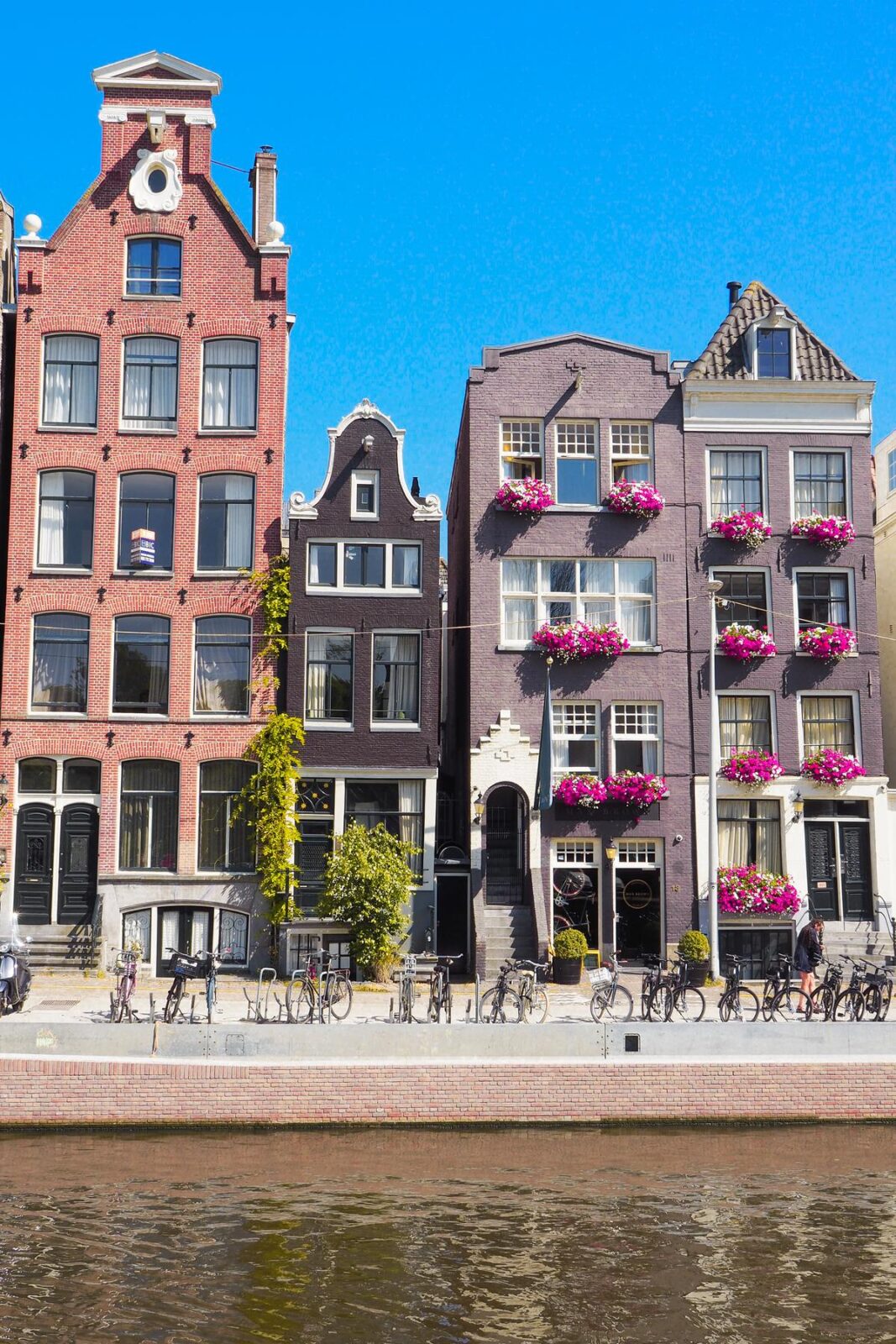
Amsterdam, the capital of the Netherlands, is renowned for its artistic heritage, elaborate canal system, and narrow houses with gabled facades, which are a legacy of the city’s 17th-century Golden Age. The city is home to the Van Gogh Museum, the Rijksmuseum, and the Anne Frank House, making it a cultural treasure trove.
The destination guide
Amsterdam

City in Netherlands, EuropeUpdated
- Overall8/10
- Best forCouples, Solo travelers
- PeakJul, Aug, Dec
- CurrencyEUR
Canal walks, gabled houses, and art worth making time for.
Travel guides for Amsterdam
Itineraries & day trips (8)
Things to do (10)
Where to stay (5)
Food & drink (8)
Travel tips & costs (10)
Destination stories (33)
More guides featuring Amsterdam (99)
At a glance
Currency€ EURCode: EUR
Time zoneCentral European Time
Languages
- Dutch
Setting
- Canal city
- Below sea level
- Historic center
- Dutch waterways
Known for
- Canals
- Cycling
- Museums
- Art History
- Architecture
- Nightlife
- Coffee Shops
- Markets
Population873K872,680 residents
VisaDuration: Up to 90 days within any 180-day rolling window across the Schengen Area for tourism and business purposes. · Documents: Passport issued within the last 10 years and valid for at least 3 months beyond the planned date of departure from the Schengen Area, plus proof of return travel.
How Amsterdam scores
8/10OverallExcellent
Weather6/10
Value for money7/10
Safety8/10
Food & cuisine8/10
Culture & arts6/10
Cultural experience9/10
History9/10
Nature & outdoors6/10
Adventure4/10
Nightlife9/10
Shopping8/10
Family friendly5/10
Romance8/10
Character
Photography score9/10
Authenticity score10/10
Off-the-beaten-path score4/10
Editorial scores on a 10-point scale, weighed against destinations of the same kind.
Travel safety snapshot
Overall78/100Moderate rating
Women travellers80/100
LGBTQ+ travellers93/100
Theft62/100
Medical care88/100
Physical harm80/100
Political freedom80/100
SafePlace indicators use their source 100-point scale; higher is more favourable. Planning context, not a live travel advisory — check official government guidance before you go.
When to go
Best months to visit: March, April, May, June, September, October and November.
- January: 1.2 to 6.2 degrees Celsius, 66.5 millimetres of rain, best-time score 2 out of 5.
- February: 1 to 6.9 degrees Celsius, 54.7 millimetres of rain, best-time score 2 out of 5.
- March: 2.8 to 10.1 degrees Celsius, 51.8 millimetres of rain, best-time score 4 out of 5.
- April: 5.2 to 14.3 degrees Celsius, 39.6 millimetres of rain, best-time score 5 out of 5.
- May: 8.6 to 17.8 degrees Celsius, 53.9 millimetres of rain, best-time score 5 out of 5.
- June: 11.3 to 20.3 degrees Celsius, 64.8 millimetres of rain, best-time score 4 out of 5.
- July: 13.5 to 22.5 degrees Celsius, 82.3 millimetres of rain, best-time score 3 out of 5.
- August: 13.4 to 22.4 degrees Celsius, 98.6 millimetres of rain, best-time score 3 out of 5.
- September: 11 to 19.2 degrees Celsius, 84.4 millimetres of rain, best-time score 5 out of 5.
- October: 7.7 to 14.7 degrees Celsius, 86.7 millimetres of rain, best-time score 5 out of 5.
- November: 4.5 to 10 degrees Celsius, 85.3 millimetres of rain, best-time score 4 out of 5.
- December: 1.9 to 6.9 degrees Celsius, 81.7 millimetres of rain, best-time score 3 out of 5.
Climate data for Schiphol station, near Amsterdam · 1991–2020. Source: KNMI. Long-term station averages, not a forecast. City conditions can differ. Crowds and packing tips are editorial guidance.
Month-by-month conditions and packing advice
- January
- Average high 6.2°C, low 1.2°C; monthly precipitation 66.5 mm. Plan museum visits between shorter outdoor walks, and bring warm waterproof layers. Crowds: Budget-friendly travel season with significantly lower hotel rates and smaller crowds at major museums and attractions. Indoor cultural activities like Rijksmuseum, Van Gogh Museum, and cozy brown cafes (bruin cafés) become primary attractions. Shorter daylight hours limit outdoor sightseeing but create magical evening ambiance. Pack: Waterproof jacket and umbrella essential; Warm layers including sweaters and thermal wear; Waterproof comfortable walking shoes; Scarf and gloves for canal walks; Multiple outfit changes due to dampness; Camera protection for rain photography
- February
- Average high 6.9°C, low 1°C; monthly precipitation 54.7 mm. Keep indoor options handy and pack warm layers for walks along the canals. Crowds: February sits in Amsterdam’s low tourist season, offering a quieter, more relaxed city experience. While outdoor terrace culture is still dormant, this is an excellent time to explore the city’s rich indoor offerings—world-class museums, historic house tours, and intimate jazz venues—without long queues. Hotel rates tend to be more favorable, and availability is better compared to spring and summer. Cooler temperatures encourage layering, and daylight hours remain short, so early starts are less critical for sightseeing. Cycling is still possible for the hardy, but walking and tram travel are more comfortable. Visitors should be prepared for quick shifts in weather, with occasional rain or chilly winds off the IJ River. Pack: Insulated waterproof jacket for wind and rain; Warm scarf, hat, and gloves for chilly mornings; Comfortable waterproof walking shoes; Layered sweaters and long-sleeve shirts; Compact umbrella for sudden showers; Crossbody bag to keep essentials secure while exploring
- March
- Average high 10.1°C, low 2.8°C; monthly precipitation 51.8 mm. Bring layers for cool canal walks and keep a rain-friendly museum option in your plans. Crowds: March sits firmly in Amsterdam’s shoulder season, offering a balance between manageable crowds and the first signs of spring vibrancy. Accommodation prices are generally more moderate than in peak tulip season, which begins in April, making this an attractive time for budget-conscious travelers. Pack layers and rain protection for outdoor exploration, cycling tours, and canal cruises. Major tourist hubs like the Rijksmuseum and Anne Frank House are easier to access without extensive queues, while early spring flower markets hint at the floral spectacles to come. Travelers should book accommodations in advance for weekends, as domestic visitors often take short spring breaks in the city. Pack: Warm, layered clothing including sweaters and a light insulated jacket; Comfortable waterproof walking shoes; Compact umbrella for occasional showers; Scarf and gloves for early morning or evening outings; Camera for capturing early spring blooms; Crossbody bag to keep belongings secure while cycling or walking
- April
- Average high 14.3°C, low 5.2°C; monthly precipitation 39.6 mm. Plan outdoor walks with a jacket and an indoor backup; spring weather can still feel cool. Crowds: April is part of Amsterdam’s spring tourism wave, driven largely by tulip season and a calendar of cultural events. While it’s not yet peak summer crowds, popular attractions like Keukenhof Gardens and central museums see a noticeable rise in visitors, and weekend hotel rates tend to climb. Keep an indoor alternative available when planning cycling, canal cruises, and open-air markets. King’s Day celebrations at the end of the month draw both locals and travelers, adding energy but also congestion to the city center. Booking accommodation early is wise, especially if visiting in the last two weeks. Layers are essential for comfort, as temperatures can shift quickly between sunny afternoons and cooler evenings. Pack: Layered clothing to adjust to shifting spring temperatures; Water-resistant jacket for occasional light showers; Comfortable walking shoes for cobblestone streets; Light scarf for cooler mornings and evenings; Compact umbrella for sudden drizzles; Smart-casual attire for dining and cultural events
- May
- Average high 17.8°C, low 8.6°C; monthly precipitation 53.9 mm. Combine canal walks with museum visits, and bring a layer for cooler evenings. Crowds: May marks the transition into Amsterdam’s high tourist season, with mild weather that’s ideal for cycling, canal tours, and cultural exploration without the summer crowds at their peak. Accommodation prices begin to rise, especially on weekends and during public holidays. Popular attractions such as the Rijksmuseum and Anne Frank House see increased foot traffic, so booking in advance is advisable. Outdoor festivals and open-air markets are in full swing, providing excellent cultural immersion opportunities. Carry a waterproof layer and leave flexibility in outdoor plans for rain. Longer days allow more sightseeing time, making this a prime month for photographers and first-time visitors seeking both comfort and atmosphere. Pack: Light waterproof jacket for occasional showers; Comfortable walking shoes for cobblestone streets; Compact travel umbrella; Layered clothing for variable temperatures; Crossbody bag to keep belongings secure in crowds; Scarf or light sweater for cooler evenings
- June
- Average high 20.3°C, low 11.3°C; monthly precipitation 64.8 mm. Plan walking or cycling outings with water-resistant layers available for rain. Crowds: June marks the start of Amsterdam’s high tourist season, with pleasant temperatures drawing both international visitors and locals outdoors. It’s an excellent month for cycling tours, museum visits, and canal-side cafés, though you should anticipate moderate crowd levels at major attractions like the Van Gogh Museum and Anne Frank House. Accommodation prices begin to rise compared to spring, especially on weekends. The mild weather supports day trips to surrounding tulip fields’ remnants or coastal towns, though the occasional rain shower may require flexible planning. Booking accommodations and popular activities in advance is recommended, as this period coincides with various summer festivals and outdoor events that attract large audiences. Pack: Light waterproof jacket for sudden rain; Comfortable walking shoes for cobblestone streets; Layered clothing for variable temperatures; Compact umbrella for brief showers; Reusable water bottle for long days outdoors; Light scarf or shawl for cooler evenings
- July
- Average high 22.5°C, low 13.5°C; monthly precipitation 82.3 mm. Leave room for outdoor exploring, with a rain plan and a lighter layer for evenings. Crowds: Busiest tourist season with highest hotel rates and crowded attractions, especially Anne Frank House and Rijksmuseum. Extended daylight hours maximize sightseeing opportunities. Vondelpark and outdoor terraces become prime gathering spots. Advance booking essential for popular restaurants and canal cruises. Pack: Light, breathable clothing for warm weather; Lightweight rain jacket for sudden showers; Comfortable walking shoes for cobblestones; Sunscreen and sunglasses for extended daylight; Light cardigan for air-conditioned museums; Quick-dry clothes for unpredictable weather
- August
- Average high 22.4°C, low 13.4°C; monthly precipitation 98.6 mm. Keep outdoor plans flexible and carry rain protection while exploring the city. Crowds: August falls within Amsterdam’s high tourist season, with lively streets, full canals, and peak cultural activity. The weather supports a wide range of outdoor experiences—from cycling the historic canal belt to picnicking in Vondelpark or attending summer festivals. Crowds are at their height, and hotel rates remain elevated, so early booking is wise. Daylight extends well into the evening, maximizing sightseeing potential. Keep outdoor plans flexible and check the forecast before setting out. Warm evenings create opportunities for al fresco dining and sunset canal tours, though popular spots can be busy, requiring patience and flexibility. Pack: Light waterproof jacket for occasional rain; Comfortable walking shoes for cobblestone streets; Breathable layers for mild daytime temperatures; Compact umbrella for sudden showers; Light scarf or sweater for cooler evenings; Crossbody bag for secure, hands-free exploration
- September
- Average high 19.2°C, low 11°C; monthly precipitation 84.4 mm. Bring a light jacket and rain protection for canal walks and outdoor sightseeing. Crowds: September in Amsterdam is a shoulder-season sweet spot—comfortable weather with far fewer tourists than the peak summer months. It’s perfect for those seeking to balance cultural immersion with relaxed exploration. Accommodation prices begin to ease from August highs, though popular boutique stays still book quickly. Conditions are excellent for cycling tours, canal cruises, and visiting open-air markets without the summer crowds. Museums and cultural sites are pleasantly busy but not overwhelming. Bring an extra layer for evenings and keep a rainy-day alternative for outdoor dining and events. Early booking is recommended for high-demand activities, while spontaneous plans are more feasible than in high season. Pack: Light jacket or windbreaker for cooler evenings; Comfortable walking shoes for cobblestone streets; Light scarf for added warmth and style; Compact umbrella for unexpected showers; Layered outfits for changing daily temperatures; Reusable water bottle for long days of exploring
- October
- Average high 14.7°C, low 7.7°C; monthly precipitation 86.7 mm. Pack layers and rain protection, and mix outdoor exploring with museum visits. Crowds: October marks Amsterdam’s shoulder season, offering a balance between manageable crowd levels and generally pleasant weather for sightseeing. Accommodation prices often drop from summer highs, though weekends can still attract visitors for cultural events and autumn festivals. Outdoor café culture remains, but with blankets and heaters in use. This period is ideal for cycling through leafy neighborhoods, visiting museums with shorter queues, and enjoying seasonal foods at markets. While daylight hours are shorter, the softer autumn light enhances photography. Rain gear and an indoor backup are useful when planning outdoor activities. Pack: Water-resistant jacket for occasional showers; Comfortable closed-toe walking shoes; Layered sweaters for cool mornings and evenings; Compact travel umbrella; Scarf for added warmth in breezy conditions; Smart-casual attire for dining and cultural venues
- November
- Average high 10°C, low 4.5°C; monthly precipitation 85.3 mm. Prioritize flexible indoor and outdoor plans, with warm layers and waterproof footwear. Crowds: November marks the start of Amsterdam’s low tourist season, offering peaceful streets and reduced accommodation rates. While cooler temperatures and periodic rain may limit extended outdoor activities, it’s an excellent month for cultural tourism—world-class museums, historic churches, and intimate concert venues thrive in this season. Outdoor markets, Sinterklaas festivities, and warm, candlelit cafés provide authentic local experiences without the summer crush. The early sunsets and damp air mean packing warm layers and planning for mostly indoor itineraries. Bargain hunters will appreciate lower travel costs, though some canal cruises and outdoor tours may operate on reduced schedules. Booking flexibility is high, making last-minute cultural getaways easy to arrange. Pack: Water-resistant jacket with hood; Warm scarf and gloves; Comfortable waterproof walking shoes; Layered sweaters for indoor/outdoor transitions; Compact travel umbrella; Smart-casual attire for evening cultural events
- December
- Average high 6.9°C, low 1.9°C; monthly precipitation 81.7 mm. Pack warm waterproof layers and plan indoor breaks between outdoor walks. Crowds: December marks Amsterdam’s low tourism season for most attractions, except for the festive period leading up to Christmas and New Year’s when crowds briefly swell. Accommodation prices are generally lower than in peak months, but rates can spike around the holidays, so advance booking is wise for that period. Plan outdoor walking tours and canal-side photography around the forecast and available daylight. Indoor attractions such as the Van Gogh Museum, Rijksmuseum, and local brown cafés are especially inviting in the colder months. Travelers should expect a slower pace and fewer queues, making it an ideal time for a more intimate, less hurried exploration of the city’s cultural heart. Pack: Insulated, water-resistant jacket for cold damp days; Comfortable waterproof walking shoes; Warm scarf, hat, and gloves for outdoor comfort; Layered sweaters and long-sleeve shirts; Compact umbrella for unexpected showers; Smart casual wear for indoor cultural venues
Peak season
- July
- August
- December
Off-peak
- January
- February
- March

Know before you go
About
Amsterdam, the capital of the Netherlands in the province of North Holland, is a graceful canal city famed for its art, history, and easygoing character—though The Hague, not Amsterdam, is the seat of government. The city grew from a late-13th-century fishing village around a dam on the Amstel River, the source of its name, and its UNESCO-listed 17th-century Canal Ring still threads more than 160 canals and dozens of islands crossed by well over a thousand bridges. World-class museums cluster at its core: the Rijksmuseum and Van Gogh Museum on Museumplein, and the moving Anne Frank House along the Prinsengracht. Around 930,000 people call the city home, getting about largely by bicycle along streets lined with narrow gabled houses. Travelers come for canal cruises, the Royal Palace on Dam Square, brown cafés, and spring tulips in the nearby flower fields. Compact, walkable, and endlessly photogenic, Amsterdam is one of Europe’s most beloved city breaks.
Neighbourhoods
Amsterdam is a tapestry of neighborhoods, each with its own distinct charm and history. As you plan your journey through this beautiful city, consider these must-visit areas that embody the spirit of Amsterdam.
- De Wallen (Red Light District): Beyond its famous nightlife, De Wallen is a historical treasure trove. Take a walk through Nieuwmarkt Square, marvel at the medieval city gate De Waag, and discover the luxurious transformation of the Old Town Hall into Hotel The Grand. The Oude Kerk, Amsterdam’s oldest building, stands as a testament to the area’s rich past. Don’t miss ‘Our Lord in the Attic,’ a hidden church in a 17th-century canal house that reveals a piece of clandestine history.
- Chinatown: Just a short walk from De Wallen, Amsterdam’s Chinatown offers a vibrant mix of Asian culture and cuisine. The Fo Kuang Shan temple adds a spiritual dimension to this lively neighborhood. Here, the fusion of Asian and Dutch elements creates a unique cultural experience that’s both intriguing and delightful.
- Grachtengordel (Canal Belt): A UNESCO World Heritage site, the Canal Belt is the iconic image of Amsterdam with its semi-circular canals lined by elegant houses and former warehouses. This neighborhood is not just a visual treat; it’s also a hub for cozy cafes, trendy boutiques, and art galleries. A stroll along these waterways is an essential Amsterdam experience.
- De Pijp: De Pijp is renowned for its multicultural atmosphere and is one of Amsterdam’s oldest neighborhoods. Originally developed to accommodate the city’s growing population in the late 19th century, it has evolved into a lively district known for its diverse food scene, bustling market, and cultural diversity.
- Amsterdam-Noord: Amsterdam-Noord has transformed from an industrial shipyard area into a trendy and artistic district. It’s separated from the rest of the city by the IJ River, giving it a distinct character. NDSM Werf is now a cultural hotspot hosting various events, markets, and festivals. Its industrial heritage combined with modern artistic expressions makes it a fascinating area to discover.
Best time to visit
Spring: Tulip Time and More
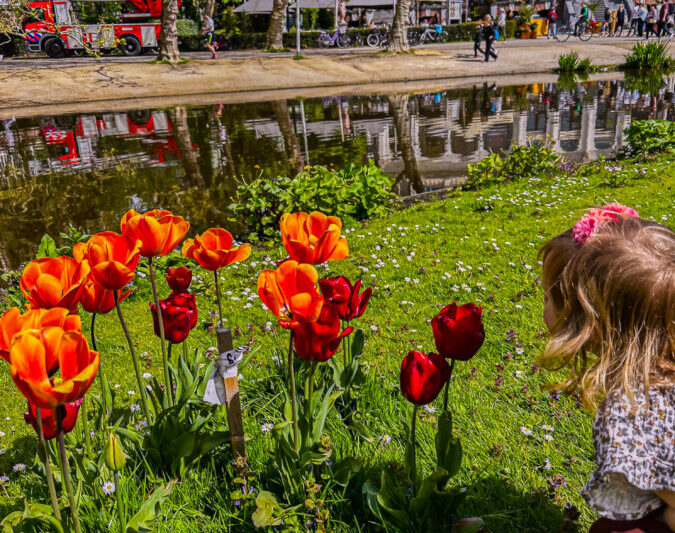
Spring in Amsterdam is like a fairy tale come to life. The city bursts into color from late March to early May with its famous tulip season. Keukenhof Gardens is a must-see, just a short trip from the city. But here’s a little secret: you don’t have to leave the city to see tulips. Wander through the local markets or stroll in Vondelpark; you’ll find plenty of blooms. Plus, King’s Day on April 27th is an absolute blast—a city-wide street party where everyone wears orange. Just be prepared for some chaotic fun!Summer: Festivals and Long Days
Summer is when Amsterdam truly comes alive. From June to August, the days are long, and the weather is generally pleasant. This is festival season, with events like the Grachtenfestival (a classical music festival on the canals) and Pride Amsterdam, one of Europe’s most vibrant pride celebrations. But here’s a tip from a local: while the city center can get pretty crowded with tourists, exploring neighborhoods like De Pijp or Jordaan can give you a more relaxed vibe. And don’t forget to rent a bike—it’s the best way to see the city!Autumn: A Quieter Charm
Autumn is your season if you prefer a quieter, more laid-back visit. From September to November, the tourist crowds thin out, and the city takes on a cozy, almost magical atmosphere. The canals are lined with golden leaves, and it’s the perfect time for a canal cruise. Plus, you’ll find some great deals on accommodations. One of my favorite things to do in the fall is visit the local markets, like the Albert Cuyp Market, and enjoy the seasonal treats. And if you’re a film buff, the Amsterdam International Documentary Film Festival in November is a real treat.Winter: Festive and Cozy
Winter in Amsterdam is all about cozy vibes and festive cheer. From December to February, the city is decked out in holiday lights, and there’s a certain charm to wandering the snowy streets. The Amsterdam Light Festival runs from late November to early January and is a stunning display of light art installations along the canals. If you’re lucky, you might even get to ice skate on the frozen canals—though that’s a rare treat. One of my favorite winter activities is visiting the local brown cafes (traditional Dutch pubs) for a warm drink and some gezelligheid (a Dutch word that roughly translates to coziness). Make sure you read our full guide to the best times to visit Amsterdam.Season by season
Spring (March-May): Tulip season peaks mid-April, mild weather, blooming parks, but unpredictable rain. Summer (June-August): Long days, warm temperatures, outdoor events and festivals, busiest tourism period. Autumn (September-November): Golden foliage along the canals, fewer crowds, mild temperatures, atmospheric mist. Winter (December-February): Festive lights and Christmas markets, quietest tourism, cold but atmospheric.
Crowds
Amsterdam hosts over 15 million day-trippers annually, making the city center busy year-round. Peak crowds hit July-August and during tulip season (late March-May). King’s Day (April 27) draws enormous crowds. September conference season also spikes accommodation prices. Winter (December-February) is quietest. Early mornings at major sites (Anne Frank House, Rijksmuseum) are essential for avoiding queues.
Getting there and around
Getting there
Amsterdam is primarily accessed via Amsterdam Airport Schiphol (AMS), located 18 km from the city center. The NS train from Schiphol to Amsterdam Centraal runs every 10-15 minutes from the platform directly beneath the terminal, taking 16-17 minutes for €5.20 (plus €1 disposable ticket fee). The Amsterdam Airport Express Bus 397 offers a budget option at €11.75 return, connecting to Museumplein, Rijksmuseum, and Leidseplein in 30-40 minutes. Taxis cost €40-60 to the city center. International trains arrive at Amsterdam Centraal from Brussels (Thalys/Eurostar), Paris (Thalys), London (Eurostar via Brussels), and German cities (ICE/IC). The A10 ring road provides highway access.
Getting around
Amsterdam’s integrated GVB network includes 15 tram lines, 4 metro lines, buses, and free ferries across the IJ river. The Amsterdam & Region Travel Ticket offers unlimited travel from €8.50/day. Single journeys cost €3.40 (1 hour validity). The OV-chipkaart smartcard or contactless payment works across all transport. Cycling dominates with 850,000 bikes serving 900,000 residents – rent from €10-15/day. The city has 515 km of cycle paths with strict etiquette: stay in bike lanes, signal turns, use your bell, and never stop suddenly. Walking is ideal in the compact center within the Singelgracht canal ring. The I amsterdam City Card (€65-155) includes unlimited GVB travel plus free museum entry.
In pictures
Kyle Kroeger / ViaTravelers 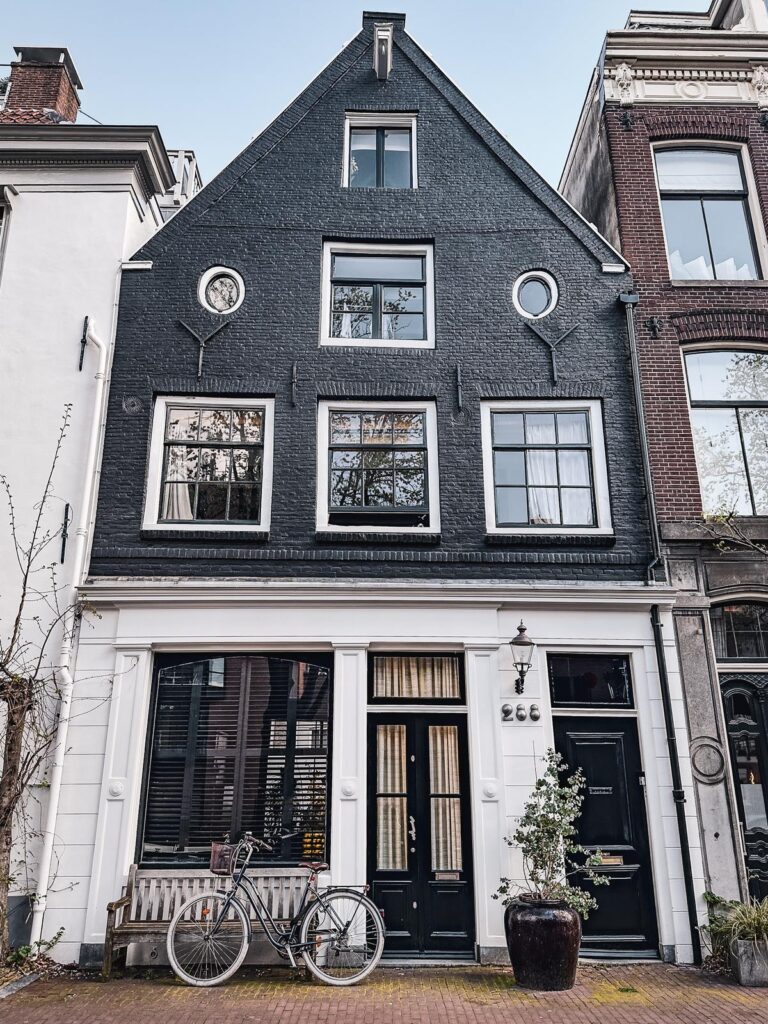
Kyle Kroeger / ViaTravelers 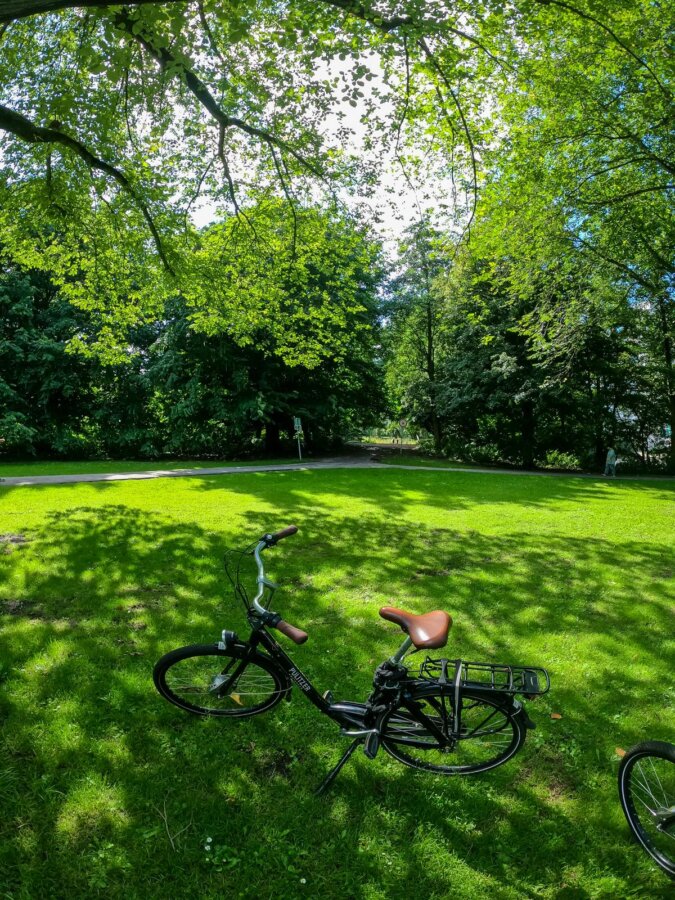
Kyle Kroeger / ViaTravelers 
Kyle Kroeger / ViaTravelers 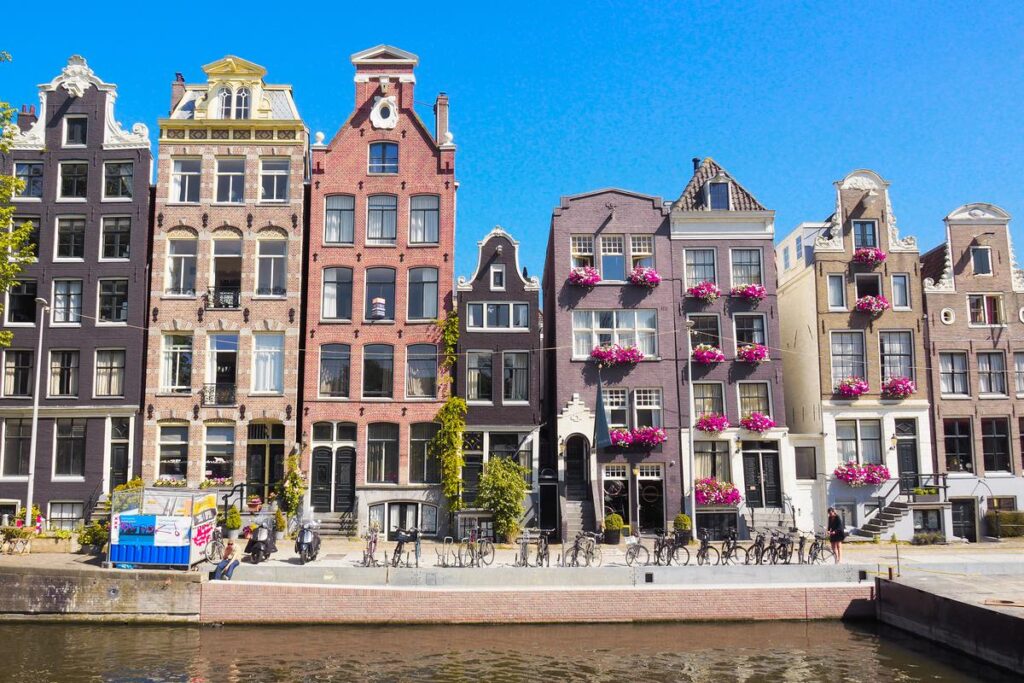
Kyle Kroeger / ViaTravelers 
Kyle Kroeger / ViaTravelers Kyle Kroeger / ViaTravelers 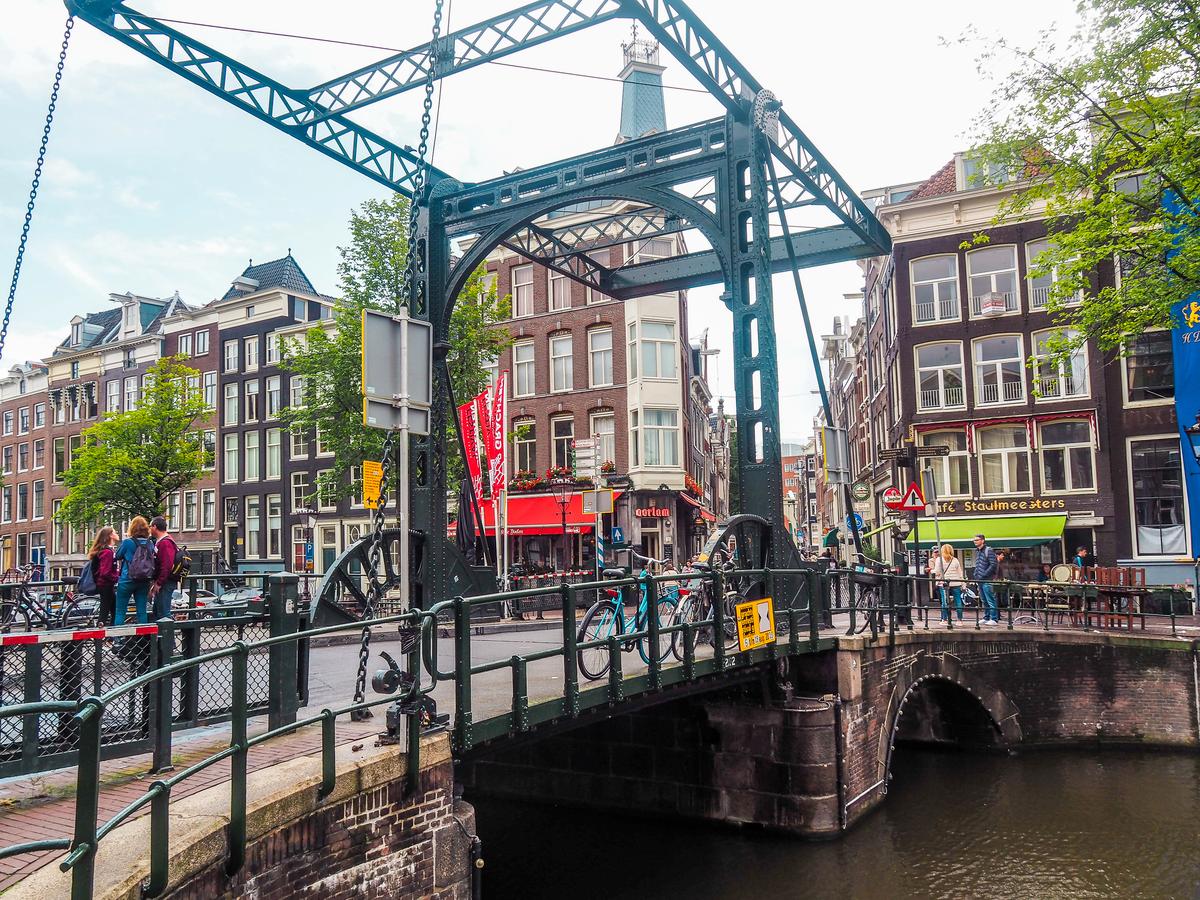
Kyle Kroeger / ViaTravelers
Top experiences in Amsterdam
Anne Frank House
Read the place guide →Moving museum in the secret annex where Anne Frank and her family hid during WWII. Features original diary pages, historical artifacts, and powerful educational exhibits about the Holocaust. Book tickets well in advance due to high demand.
Van Gogh Museum
Read the place guide →World’s largest collection of Van Gogh paintings, drawings, and letters. Features masterpieces like Sunflowers, The Potato Eaters, and Self-Portraits. Interactive exhibits explore his life, mental health struggles, and artistic evolution. Essential for art lovers.
Rijksmuseum
Read the place guide →Netherlands national museum housing 8,000 years of Dutch art and history. Features Rembrandt’s Night Watch, Vermeer masterpieces, and extensive Golden Age collections. Beautiful gardens and architecture make it a cultural landmark.
Vondelpark
Read the place guide →Amsterdam’s largest and most popular park, perfect for picnics, cycling, and people-watching. Features open-air theater, playgrounds, cafés, and beautiful gardens. Popular with locals and tourists alike for relaxation and outdoor activities.
Jordan District (Jordaan)
Charming historic neighborhood with narrow streets, cozy cafés, art galleries, and local markets. Former working-class area transformed into trendy district with authentic Amsterdam atmosphere, vintage shops, and canal-side dining.
Editor-curated picks carried over from our original guide. Where a full place guide exists, the card links to it.












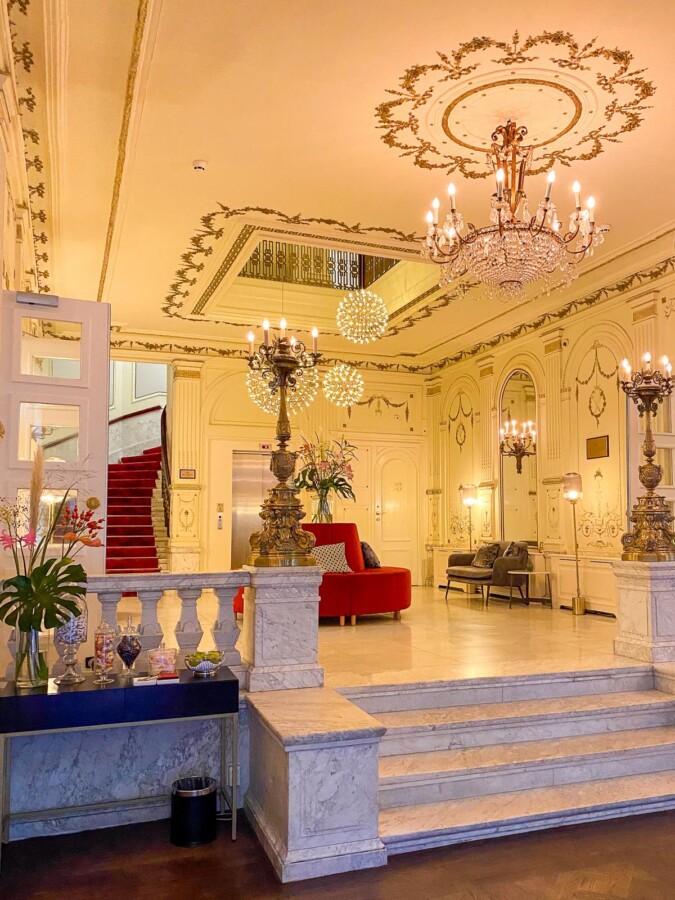
Worth booking ahead in Amsterdam
Hand-picked from the operators our guides already send readers to. Prices and availability are live on the partner site.
Timed ticketGetYourGuide
Van Gogh Museum timed-entry ticket (opens GetYourGuide in a new tab)
The museum sells timed slots online only, so book the hour first and plan the rest of the day around it.
Guided tourGetYourGuide
Life of Anne Frank and Jewish Quarter walking tour (opens GetYourGuide in a new tab)
The house itself sells tickets only through its own site; this walk covers the Jewish Quarter and the story around it.
CruiseGetYourGuide
Pancake Boat: 75-minute IJ river cruise (opens GetYourGuide in a new tab)
A 75-minute cruise on the IJ with unlimited Dutch pancakes on board; the easiest boat trip to sell to children.
Where to stayBooking.com
Stays in Amsterdam (opens Booking.com in a new tab)
Live rates and availability for Amsterdam on Booking.com; filter by neighbourhood once you know where your days start.
We earn a commission if you book through these links, at no extra cost to you. It is how we keep the guides free and independent.
Tips from the field
Local experiences
- Cycling along the three main ring canals (Herengracht, Prinsengracht, Keizersgracht) like a local. Browsing the stalls and tasting stroopwafels at Albert Cuyp Market in De Pijp. Taking a small boat through the quieter canals of the Jordaan district. Visiting Foam photography museum and the contemporary galleries along the Keizersgracht. Sunday afternoon at Vondelpark watching buskers and families. Drinking craft beer at microbreweries in Amsterdam-Noord across the free ferry from Central Station.
Practical tips
- Municipal Tourist Tax: Amsterdam levies a 12.5% tourist tax on hotel and vacation rental room rates (the highest in the European Union), billed directly upon checkout.
- Transit Payments (OVpay): No need for a physical OV-chipkaart; tap your contactless debit/credit card or Apple/Google Pay directly on all GVB trams, buses, and metro turnstiles (check in and check out with the same card).
- Mandatory Museum Advance Booking: Tickets for the Anne Frank House (released every Tuesday for visits 6 weeks out) and Van Gogh Museum must be booked online weeks in advance; tickets are not sold at the door.
- Schiphol Train Connection: Direct NS double-decker trains connect Schiphol Airport (AMS) directly to Amsterdam Centraal in 14 minutes for approx. €5.50.
Photography tips
- Early morning canal shots from the bridges capture mirror-smooth reflections before boat traffic begins. Golden hour bathes the 17th-century gabled houses in warm amber light. Magere Brug (Skinny Bridge) is spectacular at night with hundreds of lights reflected in the Amstel. The Jordaan district offers quieter, more intimate compositions. NDSM Wharf provides urban street art and industrial backdrops for a different mood. Staalmeestersbrug offers a classic view of the Groenburgwal canal with the Zuiderkerk tower. Photography of red light windows is prohibited.
Timing
- Allow 3-4 days for Amsterdam's highlights (museums, canals, neighborhoods). Add a day trip to Keukenhof gardens during tulip season (mid-March to mid-May). Zaanse Schans windmill village is a half-day trip. A full week covers Amsterdam plus day trips to Haarlem, Leiden, The Hague, and Delft.
Culture, customs and safety
Cultural heritage
Amsterdam preserves its Golden Age heritage through UNESCO-listed canal rings and merchant houses dating to the 17th century. The city maintains its maritime history at Het Scheepvaartmuseum, while Ons’ Lieve Heer op Solder reveals a hidden Catholic church from 1663. Amsterdam’s tolerance traditions from religious freedom to modern liberal policies define its character. The Anne Frank House preserves crucial WWII history, while traditional brown cafés maintain centuries-old Dutch social customs.
Local customs & etiquette
Amsterdam embraces direct communication – the famous Dutch directness means honest, straightforward interactions without excessive pleasantries. Cycling rules are strictly enforced: tourists should stay out of red bike lanes, look both ways before crossing, and listen for bike bells. Coffee shop culture distinguishes between “brown cafés” (traditional pubs) and licensed cannabis cafés where consumption is tolerated but street smoking is discouraged. Tipping is appreciated but not mandatory – round up bills or leave 5-10% for good service. Restaurant bills require requesting “de rekening” as servers won’t rush you. Queue properly, greet shopkeepers upon entering (“Goedemorgen/Goedemiddag”), and avoid photographing locals without permission, especially in the Red Light District where photography of workers is strictly forbidden.
Safety notes
As of 2026, Amsterdam is consistently rated among the safest major urban destinations in Europe, policed by the Politie Amsterdam.
Key Municipal Bylaws, Substance Laws & Traffic Safety:
• Public Cannabis Ban: Under municipal bylaws, smoking cannabis in public outdoor spaces (streets, squares, bridges) across the Red Light District (De Wallen) and city center is strictly illegal (fines start at €100). Consumption is permitted only inside licensed coffeeshops.
• Red Light District Photography: Photographing or filming sex workers in windows is strictly prohibited and strictly enforced by local authorities and security.
• Bicycle Lane Priority: Red-asphalt bike paths (fietspaden) are active vehicle lanes. Cyclists have the right of way and travel at high speeds; never walk or stand in bike lanes.
• Canal Water Safety: Amsterdam’s 165 canals are unfenced; exercise extreme caution along canal edges at night.
• Emergency: 112 (Unified European Emergency Number), 0900-8844 (Police Non-Emergency).
Travel Style
Activities