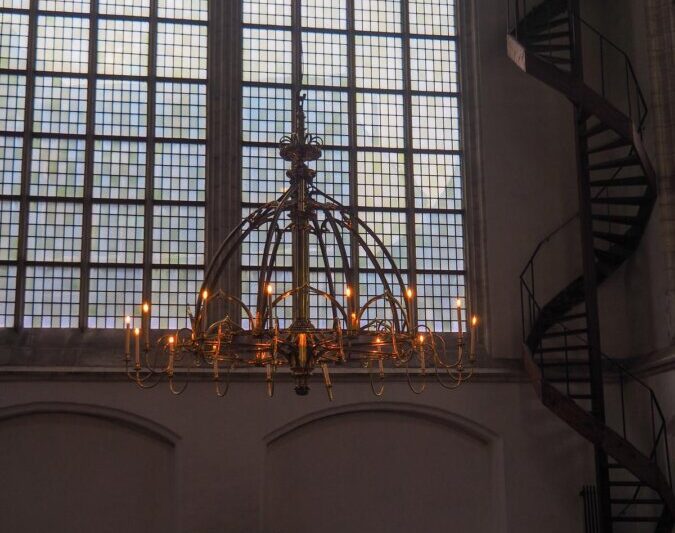
Few urban districts embody such stark contrasts as Amsterdam‘s De Wallen, where medieval sacred architecture stands shoulder-to-shoulder with the glowing red windows of the world’s most famous regulated prostitution zone. Dating to the 14th century, these narrow, cobblestoned alleys and serene canals chronicle Amsterdam’s evolution from religious center to shipping hub to its current complex identity. Beyond its notorious reputation, De Wallen preserves some of the city’s most significant historical architecture—leaning gabled houses, hidden hofjes (courtyards), and the magnificent Oude Kerk (Old Church) anchoring the district’s heart. The area’s controversial modern identity emerged gradually after World War II and reflects the Dutch pragmatic approach to activities they deemed better regulated than prohibited. Today, increased municipal oversight has reduced criminal elements while preserving the district’s unique character. As twilight descends, the neighborhood transforms as red lights illuminate the characteristic windows where sex workers independently rent their workspaces, creating a distinctive visual landscape that draws curious visitors from around the world. This complex district embodies Amsterdam’s commitment to individual freedom alongside communal responsibility—a living museum of the city’s progressive social policies and centuries of urban history coexisting in uneasy balance.
Cultural Context
Amsterdam oldest and largest red-light district dating to 14th century, complex cultural site balancing historic preservation with contemporary debates about sex work tourism and gentrification, major tourist attraction reflecting Dutch pragmatic approach to prostitution regulation
Historical Context
Named after medieval earthen walls (wallen) protecting early Amsterdam, developed as prostitution area during Golden Age serving sailors and traders at nearby harbor, evolved from illegal Victorian-era brothels to regulated legal sex work district post-legalization