Alicante, located on the Costa Blanca, is a stunning coastal city known for its beautiful beaches, vibrant nightlife, and rich history. Visitors can explore the historic Santa Bárbara Castle, stroll along the picturesque Explanada de España, and indulge in delicious Mediterranean cuisine. With its warm climate and welcoming atmosphere, Alicante is a perfect destination for relaxation and adventure.
The destination guide
Alicante

- Overall6/10
- Best forCouples, Adventure seekers, Solo travelers
- PeakJun–Sep
- CurrencyEUR
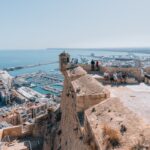
Alicante bakes under 300+ days of sun on the Costa Blanca with a hilltop castle, a palm-lined esplanade, and tapas bars where the locals outnumber the tourists.
At a glance
Currency€ EURCode: EUR
Time zoneCentral European Time
Languages
- Spanish
- Catalan
- Basque
- Galician
Setting
- Mediterranean coast
- Sandy beaches
- Castle fortress
- Palm promenade
Known for
- Beach and sun
- Historical exploration
- Mediterranean cuisine
- Cultural immersion
Population334K334,329 residents
VisaDuration: Up to 90 days within any 180-day period in the Schengen Area · Documents: Valid passport issued within the last 10 years and valid for at least 3 months after planned departure, plus proof of accommodation, onward or return travel, and sufficient funds if requested
How Alicante scores
6/10OverallFair
Weather9/10
Value for money7/10
Safety7/10
Food & cuisine8/10
Culture & arts6/10
Cultural experience8/10
History9/10
Nature & outdoors8/10
Adventure4/10
Nightlife7/10
Shopping6/10
Family friendly5/10
Romance8/10
Character
Photography score7/10
Authenticity score9/10
Off-the-beaten-path score6/10
Editorial scores on a 10-point scale, weighed against destinations of the same kind.
Travel safety snapshot
Overall78/100Moderate rating
Women travellers80/100
LGBTQ+ travellers78/100
Theft55/100
Medical care80/100
Physical harm82/100
Political freedom80/100
SafePlace indicators use their source 100-point scale; higher is more favourable. Planning context, not a live travel advisory — check official government guidance before you go.
When to go
Best months to visit: March, April, May, June, July, September, October and November.
- January: 22.1 to 33 degrees Celsius, 40 millimetres of rain, best-time score 3 out of 5.
- February: 22.6 to 34.1 degrees Celsius, 51.6 millimetres of rain, best-time score 3 out of 5.
- March: 22.5 to 33.4 degrees Celsius, 104.6 millimetres of rain, best-time score 4 out of 5.
- April: 22.2 to 32.4 degrees Celsius, 101.6 millimetres of rain, best-time score 4 out of 5.
- May: 22.4 to 32.8 degrees Celsius, 107.9 millimetres of rain, best-time score 5 out of 5.
- June: 22 to 32.4 degrees Celsius, 147.6 millimetres of rain, best-time score 5 out of 5.
- July: 22.4 to 33.3 degrees Celsius, 154.9 millimetres of rain, best-time score 4 out of 5.
- August: 22 to 33.7 degrees Celsius, 93.3 millimetres of rain, best-time score 3 out of 5.
- September: 22.1 to 33.6 degrees Celsius, 113.7 millimetres of rain, best-time score 5 out of 5.
- October: 21.6 to 32 degrees Celsius, 148.1 millimetres of rain, best-time score 5 out of 5.
- November: 21.5 to 30.8 degrees Celsius, 141.1 millimetres of rain, best-time score 4 out of 5.
- December: 21.5 to 31.4 degrees Celsius, 119.9 millimetres of rain, best-time score 3 out of 5.
Month-by-month conditions and packing advice
- January
- Hot and sunny, some rain January in Alicante: winter is mild and August is lively, but beach value or crowd comfort is less balanced. Crowds: This is an unusually hot and sunny January, offering summer-like conditions in the heart of winter—ideal for travelers seeking warm-weather escapes from colder climates. Alicante’s beaches, waterfront promenades, and al fresco dining remain fully enjoyable, though midday heat may limit prolonged sun exposure. Crowd levels are moderate compared to summer’s peak, and hotel pricing is generally more favorable, though higher-end resorts may see an uptick from winter sun-seekers. Cultural attractions such as the Archaeological Museum and hilltop castle remain accessible without long waits. Outdoor activities, from sailing in the bay to hiking the nearby Serra Grossa, are comfortable early in the day and late afternoon, with midday better suited to shaded cafés or museum visits. Pack: Lightweight, breathable clothing for hot days; Sun hat with wide brim for strong UV protection; SPF 50+ sunscreen and sunglasses; Comfortable sandals and walking shoes; Light scarf or cover-up for cooler evenings; Reusable water bottle to stay hydrated
- February
- Hot and sunny, some rain February in Alicante: winter is mild and August is lively, but beach value or crowd comfort is less balanced. Crowds: February offers shoulder-season advantages in Alicante, with warm, beach-friendly weather and fewer crowds than summer. While temperatures are high enough for sunbathing and water activities, the moderate rainfall means occasional plans may need adjusting. Tourist attractions remain comfortably accessible, and accommodation prices are generally lower than peak season, though weekends may see an uptick due to local events. This is an excellent month for travelers seeking a blend of relaxation and cultural immersion, with opportunities to explore historic sites and seaside promenades at a leisurely pace. Early booking is still recommended for popular waterfront stays, especially for those wanting prime views of the marina or beach. Pack: Breathable cotton or linen clothing for daytime heat; Comfortable sandals for beach and city strolling; Broad-brimmed hat and high-SPF sunscreen; Light jacket or wrap for cooler evenings; Compact umbrella or light rain jacket for brief showers; Swimwear for beach and hotel pool use
- March
- Hot and sunny, some rain March in Alicante: conditions are pleasant, though early spring, midsummer, or late fall bring tradeoffs. Crowds: March in Alicante offers a shoulder-season experience that feels almost like peak summer in terms of warmth. These high temperatures suit beach days, coastal walks, and open-air cafes, but midday heat can be challenging for extended walking tours. While not the absolute high season, visitor numbers begin to climb, and accommodations may start raising rates, especially on weekends. The occasional rain can briefly disrupt outdoor plans but also offers a welcome break from the heat. This is an excellent month for those who enjoy summer-style weather without the full crush of July crowds. Early bookings for popular waterfront hotels are recommended, particularly if you want sea views. Outdoor activities like sailing, hiking in the Serra Grossa, and cultural festivals benefit from the extended daylight and vibrant atmosphere. Pack: Light, breathable clothing for hot days; Wide-brimmed hat and high SPF sunscreen; Light rain jacket or compact umbrella for sudden showers; Comfortable sandals and sturdy walking shoes; Reusable water bottle to stay hydrated; Light scarf or wrap for evening breezes
- April
- Hot and sunny, some rain April in Alicante: conditions are pleasant, though early spring, midsummer, or late fall bring tradeoffs. Crowds: April delivers near-peak conditions for outdoor activities, blending early summer heat with manageable humidity. This is a prime month for beach relaxation, sailing excursions, and strolling the Esplanada d’Espanya. Although technically shoulder season, the warm temperatures draw both domestic and international travelers, especially around Easter, so popular sites can feel lively. Accommodation prices trend upward but remain below the midsummer peak, making it a strategic time for travelers seeking value without sacrificing weather quality. Sporadic rain may briefly interrupt beach plans, but cultural attractions, markets, and tapas bars offer plenty of sheltered alternatives. Booking accommodations in advance is recommended, particularly for Easter week stays. Pack: Light, breathable clothing for hot days; Wide-brimmed hat and high-SPF sunscreen; Comfortable sandals or walking shoes; Compact travel umbrella for brief showers; Light scarf or wrap for cooler evenings; Swimwear for beach and pool activities
- May
- Hot and sunny, some rain May in Alicante: Mediterranean beach weather, old-town walks, food, and day trips are strong outside the busiest heat. Crowds: Peak travel season beginning with optimal weather for all activities. May represents excellent value with pre-summer pricing but full service availability. Perfect conditions for beach days, old town exploration, Santa Barbara Castle visits, and coastal drives. Hotel bookings advisable but not critical. Pack: Light, breathable cotton and linen clothing; Comfortable walking shoes for old town cobblestones; Light cardigan for coastal evening breezes; Swimwear and beach accessories; Moderate SPF sunscreen for increasing UV; Light rain jacket for occasional showers; Casual elegant wear for seafront dining
- June
- Hot and sunny, heavy rain June in Alicante: Mediterranean beach weather, old-town walks, food, and day trips are strong outside the busiest heat. Crowds: June marks the early stage of Alicante’s high summer season, attracting beachgoers, festival visitors, and cultural travelers. The weather is excellent for swimming, sailing, and exploring historic districts, though midday heat can be intense. Occasional heavy rains may briefly disrupt outdoor plans but also refresh the city. Tourist numbers and accommodation rates begin climbing toward peak July–August levels, so early booking is wise. Outdoor cultural events, evening markets, and beachfront dining are in full swing, while mountain hikes are best tackled in the cooler mornings. Travelers seeking both lively atmosphere and manageable crowds will find June an appealing balance, though sun and rain protection are equally essential. Pack: Light, breathable clothing for hot daytime temperatures; Wide-brimmed hat and high-SPF sunscreen; Compact umbrella or lightweight rain jacket; Comfortable sandals and closed shoes for walking; Reusable water bottle to stay hydrated; Light evening wrap or shawl for breezy nights
- July
- Hot and sunny, heavy rain July in Alicante: conditions are pleasant, though early spring, midsummer, or late fall bring tradeoffs. Crowds: July is peak summer season in Alicante, attracting both international visitors and domestic holidaymakers. Expect crowded beaches, bustling nightlife, and higher prices for accommodation and flights. While the warm seas and consistent sunshine make it ideal for swimming, sailing, and cultural festivals, the midday heat can limit extended outdoor activity. Afternoon rain showers, though brief, may disrupt plans but rarely dominate the day. Booking accommodation well in advance is essential, especially near the Old Town or beachfront. Early mornings and evenings are optimal for exploring historic sites and markets, while afternoons are best spent in shaded cafés, museums, or enjoying a leisurely siesta. Pack: Breathable linen or cotton clothing for hot days; Wide-brimmed hat and polarized sunglasses; Lightweight rain jacket or travel umbrella; High-SPF sunscreen and after-sun lotion; Comfortable sandals and walking shoes; Reusable water bottle to stay hydrated
- August
- Hot and sunny, some rain August in Alicante: winter is mild and August is lively, but beach value or crowd comfort is less balanced. Crowds: August marks the peak of Alicante’s summer tourist season, with beaches and city attractions at their busiest. Warm sea temperatures and consistently sunny weather make it perfect for water sports, boat trips, and coastal hikes. Expect high accommodation prices and the need for early reservations for popular restaurants and activities. While the heat is ideal for those seeking a classic Mediterranean beach holiday, midday exploration can be intense—most locals take a siesta, and visitors should plan indoor cultural visits or shaded café breaks during peak sun hours. Evening life thrives, with bustling tapas bars, summer festivals, and lively night markets offering a quintessential Spanish summer experience. Pack: Breathable linen or cotton clothing for hot days; Wide-brimmed hat for sun protection; High-SPF sunscreen and after-sun lotion; Lightweight evening wear for dining out; Swimwear and quick-dry beach towel; Comfortable sandals or espadrilles for walking
- September
- Hot and sunny, some rain September in Alicante: Mediterranean beach weather, old-town walks, food, and day trips are strong outside the busiest heat. Crowds: This period sits at the tail end of Alicante’s peak summer season, with warm seas and sunny conditions still ideal for beachgoers, water sports, and outdoor dining. Crowds remain but begin to thin slightly after the August rush, offering a more relaxed experience at popular attractions. Accommodation prices may soften marginally, though premium beachfront stays still command higher rates. The combination of hot days and occasional rainfall means planning activities in the cooler mornings or late afternoons is wise, while midday hours are best reserved for shaded café breaks or siestas. September is particularly suited to those wanting to enjoy summer’s vibrancy with just a touch more breathing room. Pack: Breathable summer clothing for hot days; Wide-brimmed hat and high-SPF sunscreen; Light rain jacket for sudden showers; Comfortable sandals or walking shoes; Reusable water bottle to stay hydrated; Light evening layer for breezier nights near the sea
- October
- Hot and sunny, heavy rain October in Alicante: Mediterranean beach weather, old-town walks, food, and day trips are strong outside the busiest heat. Crowds: Excellent shoulder season with ideal weather but significantly fewer crowds than peak summer. Hotel rates drop while maintaining full service availability. Perfect for cultural site exploration, hiking Montgo Natural Park, beach activities, and outdoor dining. September-October considered optimal value period. Pack: Layered clothing for temperature variations; Quality waterproof jacket for frequent rain; Comfortable hiking shoes with good grip; Quick-dry clothing for variable weather; Warm sweater for occasional cool spells; Beach gear for continued swimming weather; Umbrella for sudden Mediterranean downpours
- November
- Hot and sunny, heavy rain November in Alicante: conditions are pleasant, though early spring, midsummer, or late fall bring tradeoffs. Crowds: November offers warm temperatures that defy most European late-autumn expectations, making it an attractive shoulder-season choice for travelers seeking a quieter Alicante. While beach days remain possible, the increased chance of heavy rain means itineraries should include flexible indoor options such as museum visits or tapas-hopping in the Old Town. Tourist numbers drop significantly compared to summer, leading to lower accommodation rates and more relaxed sightseeing experiences. This is not peak season, so some coastal water activities may operate on reduced schedules, but cultural sites remain open and accessible. Early booking is rarely necessary except for special events or weekend stays, and the mix of sunshine and dramatic storms can make for memorable travel photography. Pack: Light rain jacket with hood for sudden downpours; Quick-dry clothing for warm but wet conditions; Comfortable waterproof walking shoes; Lightweight breathable shirts for warm days; Compact travel umbrella for city exploration; Small daypack to carry water and rain gear
- December
- Hot and sunny, some rain December in Alicante: winter is mild and August is lively, but beach value or crowd comfort is less balanced. Crowds: December offers excellent conditions for travelers seeking warmth while much of Europe experiences winter chills. While not peak summer tourist season, Alicante sees a moderate influx of visitors escaping colder climates, which keeps crowd levels manageable and hotel prices competitive. Outdoor activities such as coastal hikes, city walking tours, and café culture thrive in this weather. Occasional rain may briefly interrupt beach plans, but the showers are often short-lived and followed by clear skies. The warm temperatures make it easy to pack light, and evening events—particularly holiday markets and local celebrations—are comfortable to enjoy without heavy layers. Booking accommodations a few weeks in advance ensures better deals without the congestion of high season. Pack: Lightweight breathable clothing for warm days; Compact travel umbrella or light rain jacket; Comfortable sandals or walking shoes; Sunglasses with UV protection; Light sweater for cooler evenings; Reusable water bottle to stay hydrated
Peak season
- July
- August
- June
- September
Off-peak
- January
- February
- November
- December
- March
- April
Know before you go
Best time to visit
The best time to visit Alicante is during the spring (March to May) and fall (September to November) when the weather is pleasant and the crowds are smaller. Summer months can be quite hot, making the beaches very popular, while winter offers a mild climate perfect for exploring the city.
Getting there and around
Getting there
Alicante is accessible via Spain’s AVE high-speed rail network and regional airports. The city connects to Madrid, Barcelona, and other Spanish cities via train and highway networks.
Getting around
Alicante provides public transportation including metro, buses, and trams. The city center is generally walkable with attractions accessible on foot.
Worth booking ahead in Alicante
Hand-picked from the operators our guides already send readers to. Prices and availability are live on the partner site.
BrowseViator
Tours and tickets in Alicante on Viator (opens Viator in a new tab)
Viator's full list of bookable tours and tickets in Alicante.
BrowseGetYourGuide
Experiences in Alicante on GetYourGuide (opens GetYourGuide in a new tab)
Everything GetYourGuide sells in Alicante, with the cancellation terms on each listing.
Where to stayBooking.com
Stays in Alicante (opens Booking.com in a new tab)
Live rates and availability for Alicante on Booking.com; filter by neighbourhood once you know where your days start.
We earn a commission if you book through these links, at no extra cost to you. It is how we keep the guides free and independent.
Tips from the field
Highlights
- Castillo de Santa B√°rbara
- Basilica of St Mary of Alicante
- Archaeological Museum of Alicante
- Explanada de España promenade
Best activities
- Visit Castillo de Santa B√°rbara for panoramic views
- Stroll along Passeig de l'Esplanada d'Espanya
- Relax on Platja Postiguet beach
- Explore the Archaeological Museum of Alicante (MARQ)
Practical tips
- Many attractions offer free entry, including Castillo de Santa B√°rbara
- Use the tram for easy access to beaches and suburbs
- Learn basic Spanish phrases for better communication
Keeping it authentic
- Visit the Mercado Central for a taste of local life and cuisine
- Explore the historic old town, especially around Santa Cruz neighborhood
Culture, customs and safety
Cultural heritage
Alicante preserves 3,000 years of Mediterranean history from Iberian settlements through Roman Lucentum to Moorish Al-Laqant. Santa Bárbara Castle, crowning Mount Benacantil at 166 meters, showcases fortifications from Carthaginian, Roman, Islamic, and Christian periods with the famous “Moor’s Face” rock formation. The Gothic Basilica of Santa María, built over the main mosque, features Spain’s oldest civil Gothic facade. Barrio Santa Cruz’s narrow streets preserve Moorish urban design with color-washed houses adorned with flower pots. The city maintains Las Hogueras de San Juan, spectacular fire festivals rivaling Valencia’s Fallas, where ninots (satirical sculptures) burn on June 24th. Traditional turrón nougat production continues since Moorish times.
Local customs & etiquette
In Alicante, greet with ‘Hola’ and dine late – lunch 2-4 PM, dinner 9-11 PM. Siesta time (2-5 PM) means shops close. Spanish people are warm and expressive.

Travel Style
Activities