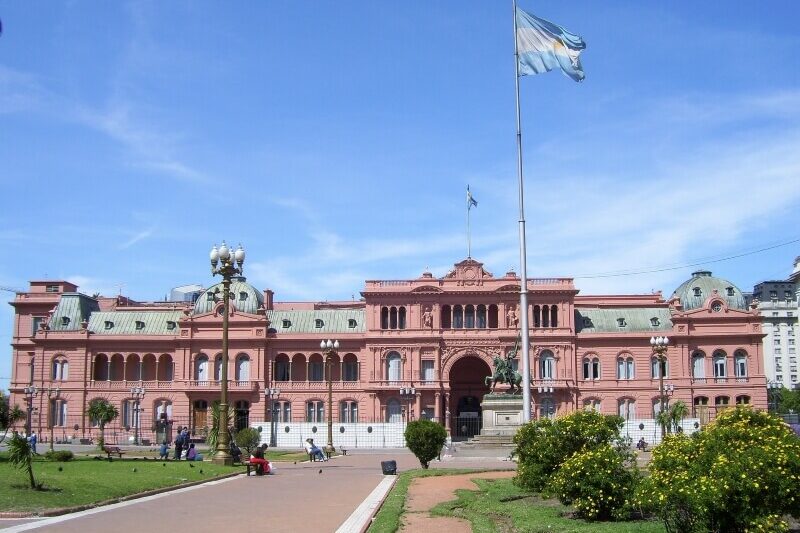
Buenos Aires radiates passionate cultural energy through elegant European-inspired boulevards and distinct barrios (neighborhoods) where tango rhythms emerge from historic milongas (dance halls) and modernist architecture stands alongside Italian-influenced structures. Argentina’s sophisticated capital presents remarkable literary heritage through countless bookstores, most notably El Ateneo Grand Splendid housed in a converted 1920s theater, while exceptional arts venues range from the golden-hued Teatro Colón opera house to MALBA’s contemporary Latin American masterpieces. The city’s culinary identity centers on asado tradition in parrillas (steakhouses) serving perfectly grilled cuts alongside robust Malbec wines, complemented by Italian-influenced cafes where locals engage in animated discussions over medialunas (croissants) and strong coffee. Buenos Aires reveals itself through distinctive districts: San Telmo’s cobblestone streets and antique markets, Recoleta’s elegant boulevards and famous cemetery housing elaborate mausoleums, La Boca’s colorful conventillos (tenements) and artistic energy, and Palermo’s leafy parks and design-forward boutiques. This passionate metropolis balances European sophistication with South American spirit, offering visitors authentic cultural immersion through evening tango shows, Sunday markets, literary cafes, and the unmistakable porteño character that defines its residents.
The destination guide
Buenos Aires

City in Argentina, South AmericaUpdated
- Overall9/10
- Best forCouples
- PeakDec–Mar
- CurrencyARS
El Ateneo Grand Splendid is a bookstore inside a 1920s theater. That detail alone tells you what kind of city Buenos Aires is.
Travel guides for Buenos Aires
More guides featuring Buenos Aires (4)
At a glance
- Spanish
- Urban metropolis
- Río de la Plata
- Parks and plazas
- Pampas nearby
How Buenos Aires scores
Editorial scores on a 10-point scale, weighed against destinations of the same kind.
Travel safety snapshot
SafePlace indicators use their source 100-point scale; higher is more favourable. Planning context, not a live travel advisory — check official government guidance before you go.
When to go
Best months to visit: January, February, March, April, October, November and December.
- January: 20.8 to 32.1 degrees Celsius, 43.5 millimetres of rain, best-time score 5 out of 5.
- February: 19.9 to 31.3 degrees Celsius, 1.1 millimetres of rain, best-time score 5 out of 5.
- March: 16.1 to 26.2 degrees Celsius, 4.9 millimetres of rain, best-time score 4 out of 5.
- April: 13.4 to 21.6 degrees Celsius, 63.5 millimetres of rain, best-time score 4 out of 5.
- May: 10.4 to 18.3 degrees Celsius, 13.2 millimetres of rain, best-time score 3 out of 5.
- June: 8.1 to 15.4 degrees Celsius, 8.9 millimetres of rain, best-time score 2 out of 5.
- July: 6.4 to 14.1 degrees Celsius, 20.6 millimetres of rain, best-time score 2 out of 5.
- August: 8.3 to 17.5 degrees Celsius, 26.7 millimetres of rain, best-time score 2 out of 5.
- September: 9.8 to 20.1 degrees Celsius, 10.2 millimetres of rain, best-time score 3 out of 5.
- October: 12.1 to 21.9 degrees Celsius, 19.5 millimetres of rain, best-time score 4 out of 5.
- November: 15.6 to 27.6 degrees Celsius, 48.4 millimetres of rain, best-time score 5 out of 5.
- December: 18.1 to 29.7 degrees Celsius, 15.7 millimetres of rain, best-time score 5 out of 5.
Month-by-month conditions and packing advice
- January
- Hot and sunny, some rain Peak summer, warm and sunny. Crowds: January is peak summer in Buenos Aires, drawing both domestic and international travelers seeking warm-weather cultural immersion. While many locals escape to coastal resorts, visitors benefit from less crowded neighborhoods but higher tourist concentrations in central attractions like San Telmo and Recoleta. Accommodation rates can be elevated due to seasonal demand, and popular restaurants may require reservations. The hot weather is perfect for outdoor activities—from tango shows in open plazas to evening asados and riverfront walks—but midday heat can be intense, so sightseeing is best in the mornings or after sunset. Light showers are usually short-lived, so they rarely disrupt plans. Booking key cultural experiences in advance is recommended to secure prime spots. Pack: Light, breathable clothing for hot days; Wide-brimmed hat and high-SPF sunscreen; Comfortable sandals or breathable walking shoes; Reusable water bottle to stay hydrated; Light rain jacket or travel umbrella for brief showers; Evening wear for dining and tango shows
- February
- Hot and sunny, mostly dry Excellent summer weather, very busy. Crowds: February is peak summer in Buenos Aires, attracting both international visitors and domestic travelers enjoying summer holidays. Expect busy attractions, lively nightlife, and a vibrant cultural calendar, especially around Carnival festivities. Accommodation rates remain high, and reservations should be made well in advance. The heat can be intense midday, making early mornings and evenings the most comfortable times for sightseeing. Ideal activities include walking tours through shaded boulevards, visiting museums during the hottest hours, and enjoying riverside promenades after sunset. Travelers seeking quieter experiences should explore less touristy districts or take day trips to Tigre and the Paraná Delta. Sunscreen and hydration are essential for comfort and safety. Pack: Light, breathable clothing such as cotton or linen; Wide-brimmed hat for sun protection; High-SPF sunscreen and sunglasses; Comfortable walking sandals or breathable shoes; Refillable water bottle to stay hydrated; Light evening attire suitable for dining and tango shows
- March
- Warm and pleasant, mostly dry Late summer, pleasant and slightly cooler. Crowds: March is shoulder season in Buenos Aires, bringing fewer crowds than the peak summer months yet retaining excellent conditions for outdoor activities. Daytime temperatures are perfect for walking tours, market visits, and open-air tango performances, while cooler evenings suit relaxed dining at parrillas. Hotel rates tend to ease slightly, though popular boutique accommodations still book quickly. With little rainfall, disruptions to sightseeing are rare, making this an ideal time for photography and cultural events. It’s a sweet spot for travelers who want vibrant city life without the intensity of summer heat or high-season pricing. Pack: Lightweight long-sleeve shirts for sun protection; Comfortable leather or canvas walking shoes; Light jacket or sweater for cooler evenings; Sunglasses with strong UV protection; Smart-casual attire for evening dining and tango shows; Compact umbrella for occasional light showers
- April
- Warm and pleasant, some rain Beautiful autumn weather, great for wine regions. Crowds: April marks the start of Buenos Aires’ low-to-shoulder season, offering an appealing balance of pleasant weather and reduced tourist density. Sightseeing is comfortable, with mild temperatures ideal for walking tours, cycling along the Costanera, or attending open-air cultural events. Hotel prices often dip compared to peak summer months, and reservations at popular restaurants and tango shows are easier to secure. The occasional rain may require flexible planning, but it rarely disrupts full days of exploration. Autumn also brings local festivals and a richer café culture, giving visitors a more authentic glimpse of porteño life without the summer crowds. Pack: Light sweater or cardigan for cooler evenings; Comfortable walking shoes for cobblestone streets; Compact umbrella or light rain jacket; Breathable long-sleeve shirts for mild days; Crossbody bag for security in busy areas; Smart-casual outfit for tango shows and nicer restaurants
- May
- Cool weather, mostly dry Cooler weather sets in. Crowds: May offers a shoulder-season sweet spot for Buenos Aires travel—pleasantly cool weather, low rainfall, and fewer tourists than peak summer months. Crowd levels at major attractions are moderate, meaning shorter waits at museums and more availability in boutique hotels. Accommodation prices tend to be more favorable than during December–February, though upscale venues still maintain steady demand. The cooler air makes city walking tours, food markets, and cultural festivals highly enjoyable without the summer heat. Outdoor cafés, weekend ferias, and tango performances thrive in this season, though evenings can feel brisk. This is an excellent month for travelers seeking an authentic, unhurried experience while still enjoying comfortable conditions. Booking flights and stays a few weeks in advance is advisable to secure optimal rates. Pack: Light jacket for cool mornings and evenings; Comfortable walking shoes for cobblestone streets; Layered clothing to adjust to daytime warmth; Compact umbrella for occasional showers; Scarf for added warmth in the evenings; Smart casual attire for tango shows and dining
- June
- Cool weather, mostly dry Winter begins, short days. Crowds: June falls within Buenos Aires’ low tourist season, offering quieter attractions, better hotel availability, and more intimate cultural experiences. While outdoor dining terraces may see less use, this is an excellent time for indoor pursuits like museums, historic cafés, and tango shows. The cooler temperatures suit walking tours and photography without the heat-induced fatigue of summer. Prices for accommodation and flights are generally lower, and queues at popular sites are minimal. Layered clothing is essential, as temperatures shift from brisk mornings to milder afternoons. This is also a prime month for those seeking a more authentic, local pace—without the high-season crowds. Pack: Warm sweater or fleece for chilly evenings; Light to medium jacket for daytime outings; Comfortable closed-toe walking shoes; Scarf for added warmth and style; Compact umbrella for occasional drizzle; Smart-casual attire for tango shows and dinners
- July
- Cool weather, mostly dry Coldest month, but good for skiing in mountains. Crowds: This is low tourist season, which means fewer crowds and more affordable hotel rates, but also cooler weather that’s better suited for urban exploration than beach escapes. July’s mild daylight hours are perfect for city walking tours, museum visits, and indoor cultural experiences like tango shows. While outdoor dining is less common, the city’s robust café and restaurant scene makes up for it. Flights and accommodations tend to be cheaper, though availability may tighten during the winter school holidays in Argentina. Those seeking a relaxed, crowd-free Buenos Aires will find this an ideal month—just be prepared for shorter days and chilly evenings. Advance booking for popular cultural events is still recommended. Pack: Warm layered clothing for cool days; Light to medium-weight jacket for daytime; Scarf, hat, and gloves for colder nights; Comfortable closed-toe walking shoes; Smart casual attire for tango shows and restaurants; Compact umbrella for occasional showers
- August
- Cool weather, some rain Still cold winter weather. Crowds: August falls within Buenos Aires’ low tourist season, making it an excellent time for travelers who prefer fewer crowds and lower accommodation rates. Cooler temperatures suit cultural exploration, museum visits, and leisurely café-hopping. Outdoor activities like walking tours are comfortable, though evenings require warmer layers. The month precedes the city’s busy spring events, so advance bookings are less critical, but popular restaurants and tango shows may still benefit from reservations. Rain is infrequent and rarely disrupts plans, while the softer winter light creates ideal conditions for photography without the glare and heat of summer. Overall, August offers a more intimate and affordable experience of the city. Pack: Layered clothing to adjust for cool mornings and mild afternoons; Comfortable closed-toe walking shoes; Light rain jacket or compact umbrella; Warm scarf or pashmina for evenings; Camera with low-light capability for winter conditions; Smart-casual attire for tango shows and nicer restaurants
- September
- Warm and pleasant, mostly dry Early spring, starting to warm up. Crowds: Early spring offers a sweet spot for travelers—pleasant temperatures, low rainfall, and fewer tourists than the peak summer months. Outdoor attractions, from Palermo’s gardens to the historic streets of San Telmo, are especially appealing without the summer humidity. Prices for accommodations and flights tend to be moderate, and you’ll encounter more locals than crowds. This is an excellent month for cultural exploration, photography, and culinary experiences, with seasonal menus beginning to feature fresh spring produce. Evenings remain cool, so those attending evening tango shows or waterfront dinners should dress warmly. Advance booking is less urgent than in December–February, but securing preferred boutique hotels and popular tours ahead of arrival is still wise. Pack: Light sweater or cardigan for cool mornings and evenings; Comfortable walking shoes for cobblestone streets; Breathable daytime layers for mild afternoons; Light scarf or shawl for breezy riverfronts; Compact umbrella in case of unexpected showers; Smart casual attire for dining and tango venues
- October
- Warm and pleasant, mostly dry Spring is in full swing, lovely weather. Crowds: October marks an ideal shoulder-season window for visiting Buenos Aires. The pleasant spring weather supports full days of walking tours, open-air tango performances, and park picnics without the intense heat of summer. Crowds are moderate, as the peak tourist influx has yet to arrive, which keeps hotel prices more reasonable and popular attractions less congested. This is also prime time for cultural immersion, with outdoor festivals and weekend ferias filling plazas. Light rain is possible but rarely disrupts plans, making it easy to blend city sightseeing with day trips to Tigre or wine tastings in nearby Mendoza. Booking accommodations a few weeks in advance ensures the best rates while retaining flexibility for spontaneous experiences. Pack: Light jacket or sweater for cooler mornings and evenings; Comfortable walking shoes for cobblestone streets; Sunglasses to manage bright spring sunlight; Reusable water bottle for long city walks; Compact umbrella or light rain jacket for brief showers; Smart-casual attire for restaurants and tango shows
- November
- Warm and pleasant, some rain Early summer, great time to visit before peak season. Crowds: November is a shoulder-to-peak transition month in Buenos Aires, offering excellent weather with fewer tourists than the busy summer. Warm, dry days and cooler evenings create ideal conditions for exploring on foot, attending cultural events, and enjoying café terraces. Moderate rainfall is unlikely to interfere with sightseeing, while the jacaranda bloom enhances the city’s visual appeal. Airfares and hotel rates remain slightly lower than high summer, though they start to rise toward December. Outdoor activities, from biking in Costanera Sur to attending football matches, are at their most comfortable. Booking accommodations in advance is wise for premium neighborhoods, especially if visiting during major events. Pack: Lightweight breathable shirts for daytime warmth; Comfortable walking shoes for city exploration; Compact travel umbrella for occasional showers; Light jacket or sweater for cooler evenings; Sunglasses and SPF 30+ sunscreen; Smart-casual attire for dining and cultural outings
- December
- Warm and pleasant, mostly dry Festive and summery. Crowds: December marks the start of peak travel season in Buenos Aires, coinciding with both the warmest weather and the Argentine holiday period. Expect higher hotel rates and busier attractions, particularly in popular neighborhoods like San Telmo and Palermo. Long daylight hours create ideal conditions for sightseeing, while the warm evenings are perfect for enjoying the city’s nightlife and al fresco dining. It’s also the festive season, so plazas and markets are more animated than usual. While the weather is generally comfortable for walking tours and park visits, plan indoor breaks during midday heat. Advance booking for accommodations and special events is strongly recommended, as demand peaks during this month. Pack: Lightweight, breathable summer clothing; Comfortable sandals or walking shoes; Broad-brimmed hat and sunglasses; SPF 50+ sunscreen and lip balm; Light shawl or cover-up for evenings; Refillable water bottle to stay hydrated
- December
- January
- February
- March
- June
- July
Know before you go
Neighbourhoods
Palermo, Recoleta, San Telmo, Puerto Madero
Best time to visit
Buenos Aires is a year-round destination, with the best conditions during spring (September to November) and fall (March to May). These shoulder seasons deliver mild temperatures, fewer crowds, and the city’s legendary cultural calendar in full swing.
Spring (September–November)
Temperatures range from 13–24°C (55–75°F) with increasing sunshine. Jacaranda trees explode in purple blooms across the city in October and November, creating spectacular canopied streets. This is prime time for outdoor dining in Palermo, park picnics, and the spring racing season at the Hipódromo Argentino. Hotel rates are moderate and attractions are crowd-free.
Summer (December–February)
Buenos Aires summers are hot and humid, regularly exceeding 32°C (90°F). Many porteños escape to the coast, leaving the city quieter but with some businesses closed in January. This is ideal for budget-conscious travelers willing to tolerate the heat — hotel prices drop significantly. The outdoor pools at Puerto Madero and cultural events compensate for the temperatures.
Fall (March–May)
Arguably the best season, with pleasant temperatures of 12–22°C (54–72°F) and the city’s parks turning golden. The cultural season ramps up with theater, concert, and exhibition openings. Visitor numbers stay manageable, and the mild weather is perfect for long neighborhood walks and outdoor dining that defines the Buenos Aires lifestyle.
Winter (June–August)
Winters are mild by global standards at 6–15°C (43–59°F) with occasional cold snaps. Rain is common but rarely heavy. This is low season with the best hotel rates, and the city’s indoor cultural offerings — world-class museums, theaters, and milongas — shine brightest. The annual Buenos Aires Tango Festival in August draws dancers from worldwide.
Crowds
Buenos Aires draws steady visitors year‑round with peaks in December–March (Southern Hemisphere summer) and during major events like Tango Festival (August) and New Year; quietest in June–August (winter), though city remains moderately busy compared with rural Argentina.
Getting there and around
Getting there
Ministro Pistarini International Airport (EZE), located 35 km southwest of downtown, serves most international flights including direct routes from Miami (9 hours), New York (11 hours), Madrid (12 hours), London (14 hours), and São Paulo (3 hours). Airport transfers to the city center cost approximately $25–40 by taxi or transfer service, or take the Tienda León shuttle bus ($15) to the Retiro terminal. Aeroparque Jorge Newbery (AEP), situated along the riverfront just 15 minutes from downtown, handles domestic flights and some regional routes to Uruguay, Brazil, and Chile. US, EU, UK, Australian, and Canadian citizens do not need a visa for stays under 90 days — present a valid passport on arrival. The Buquebus ferry connects Buenos Aires to Colonia del Sacramento and Montevideo in Uruguay (1–3 hours), offering a popular side trip. Long-distance buses arrive at the Retiro bus terminal from across Argentina and neighboring countries.
Getting around
Buenos Aires’ Subte (subway) system covers six lines connecting major neighborhoods efficiently and affordably (around 60 pesos per ride with a SUBE card, required for all public transit). The bus (colectivo) network of 180+ routes blankets the entire city but can be confusing for first-timers — the BA Cómo Llego app helps navigate routes. Taxis are abundant and affordable, identifiable by their distinctive black-and-yellow livery, but always ensure the meter is running. Ride-hailing apps (Uber, Cabify, DiDi) operate freely despite ongoing regulatory debates and are often cheaper and safer than taxis, especially at night. Walking is the best way to explore individual neighborhoods — Palermo, Recoleta, and San Telmo are all highly walkable with flat terrain. The city’s growing network of protected bike lanes and the free EcoBici bike-share system make cycling increasingly viable. Avoid driving — traffic is aggressive, parking expensive, and the Subte/taxi combination covers virtually every destination.
Top experiences in Buenos Aires
Recoleta Cemetery
This astonishing city of the dead covers 14 acres with over 6,400 elaborate mausoleums and crypts in neoclassical, Art Deco, and baroque styles — many rivaling the architecture of the living city around them. Rest here presidents, Nobel laureates, military heroes, and most famously Eva Perón, whose modest black granite tomb draws pilgrims who leave flowers daily. The cemetery isn’t morbid — it’s a sculptural open-air museum where weeping angels, stained glass domes, and inscribed epitaphs tell Argentina’s entire national story. Guided tours reveal hidden symbolism and political intrigue behind the marble facades. Free to enter, open daily.
La Boca & Caminito
The Caminito is a pedestrian street museum in La Boca where zinc-and-wood conventillos (tenement houses) are painted in vivid primary colors — a tradition started by early Italian immigrants who used leftover ship paint. Street tango dancers perform on the cobblestones while artists sell canvases from doorways. The neighborhood surrounds La Bombonera stadium, where seeing a Boca Juniors football match delivers one of sport’s most intense spectator experiences. Stick to the tourist corridors during daytime; La Boca beyond Caminito can be rough after dark. The Fundación Proa contemporary art museum adds serious cultural weight.
San Telmo & Plaza Dorrego
Buenos Aires’ oldest residential neighborhood preserves colonial-era cobblestone streets lined with antique shops, tango bars, and crumbling mansions that radiate faded grandeur. Every Sunday, the Plaza Dorrego antiques fair transforms the neighborhood into an open-air market stretching along Defensa Street, with vendors selling everything from silver mate gourds to vintage Peronist propaganda. Beneath the surface, El Zanjón de Granados reveals underground tunnels and foundations dating to the city’s 1700s origins. In the evening, San Telmo’s milongas (tango dance halls) host both professionals and amateurs in atmospheric settings that feel unchanged from the 1940s.
Teatro Colón
Opened in 1908 after 20 years of construction, Teatro Colón is one of the world’s finest opera houses, rivaling La Scala and the Vienna State Opera in acoustics and architectural splendor. The Italian Renaissance building seats 2,500 with room for 1,000 standing, under a dome painted by Raúl Soldi. Guided tours (daily, 50 minutes) reveal the seven-story backstage, costume workshops that produce 35,000 pieces annually, and rehearsal halls where world-class ballet and opera companies perform. Evening performances range from $10 to $200, making world-class culture remarkably accessible.
Puerto Madero
This revitalized waterfront district occupies the old port’s 19th-century red-brick warehouses, now converted into upscale restaurants, corporate offices, and luxury hotels. A 2-mile promenade along four docks provides jogging paths, modern sculpture installations, and evening dining with yacht-harbor views. The Puente de la Mujer (Woman’s Bridge), a rotating footbridge designed by Santiago Calatrava, has become a symbol of the neighborhood’s transformation. Puerto Madero offers Buenos Aires’ most modern urban landscape — a striking contrast to the city’s European old-world character — and functions as a safe, well-lit evening destination for visitors.
Editor-curated picks carried over from our original guide. Where a full place guide exists, the card links to it.
Worth booking ahead in Buenos Aires
Hand-picked from the operators our guides already send readers to. Prices and availability are live on the partner site.
BrowseViator
Tours and tickets in Buenos Aires on Viator (opens Viator in a new tab)
Viator's full list of bookable tours and tickets in Buenos Aires.
BrowseGetYourGuide
Experiences in Buenos Aires on GetYourGuide (opens GetYourGuide in a new tab)
Everything GetYourGuide sells in Buenos Aires, with the cancellation terms on each listing.
Where to stayBooking.com
Stays in Buenos Aires (opens Booking.com in a new tab)
Live rates and availability for Buenos Aires on Booking.com; filter by neighbourhood once you know where your days start.
We earn a commission if you book through these links, at no extra cost to you. It is how we keep the guides free and independent.
Where to stay
Alvear Palace Hotel
Av. Alvear 1891, C1129AAA Buenos Aires, Argentina
The Alvear Palace Hotel has defined Buenos Aires luxury since 1932, occupying a stately French neoclassical building on the elegant Avenida Alvear in Recoleta. The 210 rooms and suites feature Louis XV and Empire-style furnishings, Hermès toiletries, and marble bathrooms with heated floors. The property houses La Bourgogne, one of Argentina’s most decorated French restaurants, alongside an impressive rooftop pool with panoramic city views and an 850-square-meter spa. The Alvear sets the gold standard for traditional European elegance in South America, with butler service available for all suite guests and afternoon tea served in the ornate lobby.
Four Seasons Hotel Buenos Aires
Posadas 1086/88, C1011ABB Buenos Aires, Argentina
Four Seasons Hotel Buenos Aires occupies a striking 1920s belle-époque mansion paired with a modern 12-story tower in the heart of Recoleta. The 165 rooms blend Art Deco architecture with contemporary Argentine design touches — think polo-inspired leather accents and local artwork. The restored mansion houses seven exclusive suites with original period details: marble fireplaces, crystal chandeliers, and herringbone parquet floors. Elena, the on-site restaurant, serves contemporary Argentine cuisine highlighting local producers, while the garden terrace with its heated pool provides a serene escape from the city’s energy. Walking distance to Recoleta Cemetery and the finest shopping on Avenida Alvear.
Faena Hotel Buenos Aires
Martha Salotti 445, C1107CMB Buenos Aires, Argentina
Philippe Starck transformed a century-old grain warehouse on the Puerto Madero waterfront into the Faena Hotel Buenos Aires, a theatrical masterpiece of red velvet, criada hide, and gold leaf. The 110 rooms range from dramatic crimson-curtained suites to minimalist white loft spaces, each reflecting Starck’s maximalist vision. The hotel anchors the larger Faena Arts District, which includes a contemporary art center, the Faena Theater (home to a celebrated tango show), and Francis Mallmann’s Los Fuegos restaurant serving Argentina’s finest open-fire cuisine. The rooftop pool and El Spa offer waterfront views, and the Unicorn lounge hosts Buenos Aires’ most glamorous nightlife.
Editor-curated stays carried over from our original guide. Where we have reviewed the hotel, the card links to the review.
Tips from the field
Highlights
- Recoleta Cemetery — Stunning city of marble mausoleums including Eva Perón
- La Boca & Caminito — Colorful streets and passionate tango
- San Telmo Sunday Fair — South America's premier antiques market
- Teatro Colón — World-class opera house with flawless acoustics
- Puerto Madero — Revitalized waterfront with fine dining
- El Ateneo Grand Splendid — Stunning theater-turned-bookstore
- Asado culture — Sunday barbecue ritual with Malbec wine
Best activities
- Buenos Aires rewards slow exploration across its distinct barrios. Walk the 2.5-mile Puerto Madero waterfront promenade connecting converted warehouses to Santiago Calatrava's iconic bridge. Spend a Sunday at the San Telmo antiques fair, where the Defensa Street market stretches for blocks with vintage treasures, tango performers, and street food. In Recoleta, the cemetery tour followed by the adjacent weekend artisan market and a visit to El Ateneo Grand Splendid — a 1920s theater converted into the world's most beautiful bookstore — creates a perfect half-day.
- For deeper cultural immersion, take a tango lesson at a milonga in San Telmo or Almagro, attend a performance at Teatro Colón (one of the world's finest opera houses), and experience an authentic asado at a neighborhood parrilla rather than tourist-oriented options. See a Boca Juniors match at La Bombonera for pure adrenaline. The MALBA museum showcases Latin American modern art, while the Tigre Delta — accessible by a scenic 1-hour train ride — offers kayaking through waterway communities built entirely on stilts.
Local experiences
- Attend a Wednesday night milonga at Salon Canning in Palermo, where elderly couples and young dancers share the floor in an atmosphere unchanged for decades. Browse the Feria del Libro Antiguo (antique book fair) alongside Recoleta's weekend artisans market. Take the Tren de la Costa to Tigre and spend an afternoon navigating the Delta's waterways by boat. Join a Sunday asado at a local family's home through a platform like EatWith for the most authentic Argentine dining experience. Walk the hidden passages beneath San Telmo at El Zanjón de Granados.
Practical tips
- Carry Cash: Many local restaurants and markets still prefer cash. Exchange US dollars at 'cuevas' (informal exchange houses) for significantly better rates than banks or airport exchanges.
- SUBE Card: Essential for all public transit — buy and load at kiosks throughout the city.
- Safety Basics: Use front pockets or cross-body bags in crowded areas. Don't flash expensive phones or watches. Take Uber/Cabify at night rather than walking.
- Dinner Late: Restaurants fill up after 9:30 PM. Arriving at 8 PM means dining alone in most spots.
- Weekend Shutdowns: Many businesses close Saturday afternoon through Monday morning. Plan shopping and errands for weekdays.
- Tango Shows: Tourist dinner-tango shows (Señor Tango, Esquina Carlos Gardel) are polished but pricey. For authentic atmosphere, attend a milonga — admission is usually under $10.
- Bidet Etiquette: Virtually every Argentine bathroom includes a bidet — it's a standard fixture, not a novelty.
Photography tips
- La Boca's Caminito is most photogenic in midday sun that saturates the vivid house colors — go early to avoid crowds but wait for overhead light. Recoleta Cemetery's marble angels and overgrown Art Deco mausoleums benefit from overcast days that reduce harsh shadows in the narrow alleyways between crypts. The Puente de la Mujer at Puerto Madero creates a striking composition at sunset when the steel cables catch golden light. For tango street photography, San Telmo's Plaza Dorrego on Sunday afternoons delivers the most authentic performances. The Palacio Barolo's rooftop offers the best downtown panorama, especially at dusk when the Obelisco glows.
Keeping it authentic
- Buenos Aires' authenticity pulses through its contradictions. This is a city where steak is a religion (asado is a Sunday ritual, not just a meal), where tango wasn't invented for tourists but emerged from the immigrant slums as music of longing and displacement, and where psychoanalysis is so embedded in daily life that the Palermo neighborhood is nicknamed 'Villa Freud' for its concentration of therapists. The city's European facade — Haussmann-style boulevards, Italian piazzas, and French Belle Époque architecture — masks a deeply Latin American soul shaped by waves of Spanish, Italian, Arab, and Jewish immigration. What makes Buenos Aires genuinely authentic is the porteño lifestyle itself: dinner at 10 PM, café culture where a single cortado purchases hours of people-watching, bookshops that stay open past midnight, and a fierce intellectual tradition that has produced five Nobel laureates. The economic crises that regularly convulse Argentina have, paradoxically, preserved the city's character — without investment capital to demolish and rebuild, historic neighborhoods survive intact. When you watch a couple in their 70s dance tango at a Wednesday night milonga in San Telmo, or see a family gathering around a Sunday asado in Palermo, you're witnessing patterns that predate tourism and will outlast it.
Culture, customs and safety
Cultural heritage
Buenos Aires crystallizes the cultural fusion of European immigration, indigenous heritage, and African influences that created the distinctive porteño identity and gave birth to tango culture. The city embodies the Argentine cultural synthesis where Italian passion, Spanish formality, and Rio de la Plata creativity merged to produce literature, music, dance, and culinary traditions that define South American sophistication. Buenos Aires cultural heritage encompasses everything from gaucho traditions and immigrant neighborhood identities to psychoanalytic culture and contemporary Latin American artistic movements, making it the intellectual and cultural capital of the Southern Cone.
Local customs & etiquette
Porteños greet friends and acquaintances (even those recently met) with a single kiss on the right cheek — regardless of gender. This applies to social and increasingly business contexts; only very formal first-time business meetings use a handshake alone. Dinner typically begins no earlier than 9:30 PM, with 10:00 PM considered normal and late-night restaurants serving until 1:00 AM. Sunday is sacred for family asado — if invited, bring good wine (Malbec is expected) and arrive 30–60 minutes after the stated time. Tipping is appreciated but modest: 10% is standard at restaurants (many add cubierto, a small cover charge), a few hundred pesos for hotel porters, and rounding up for taxis. Dress tends toward European sophistication — Buenos Aires is one of the few South American cities where shorts and athletic wear mark you immediately as a tourist. Discussing politics (especially Peronism) and football (especially Boca vs. River Plate) generates passionate opinions, but most porteños relish debate rather than taking personal offense. Mate (the herbal tea shared communally from a gourd) is a social ritual — accepting when offered shows respect.
Safety notes
Buenos Aires has a medium safety profile for tourists. Petty crime — particularly pickpocketing, bag snatching, and distraction theft — is the primary concern, concentrated in tourist areas like Florida Street, La Boca (especially beyond Caminito after dark), Retiro near the bus terminal, and crowded subway cars. Thieves often work in teams using distraction techniques. Keep valuables in front pockets or a hidden money belt, avoid displaying expensive phones or watches, and use ride-hailing apps (Uber/Cabify) rather than hailing taxis after dark. Stick to well-lit, populated streets at night. Argentina’s homicide rate (3.8 per 100,000) is the lowest in South America, and violent crime against tourists is rare. The city’s economic instability can make scams more common — always count change and use established exchange houses. Emergency services: dial 911. Special tourist police line: 0800-999-5000.