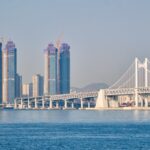
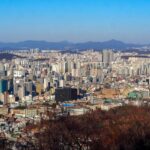
Busan combines South Korea’s largest port city energy with coastal beauty across dramatic landscapes where mountains meet the Korea Strait, creating unique experiences from Haeundae Beach’s 1.5-kilometer golden sand to Haedong Yonggungsa Temple—Korea’s only seaside Buddhist temple with 600 years of Goryeo dynasty heritage. The city transforms hillside refugee settlements into artistic destinations like Gamcheon Culture Village, nicknamed “Machu Picchu of Busan,” where rainbow-colored houses showcase post-Korean War resilience through public art installations and narrow alley murals. Authentic cultural immersion happens at Asia’s largest seafood market, Jagalchi, where vendors serve fresh catches alongside traditional ssiat hotteok sweet pancakes, while Beomeosa Temple nestled in mountain forests provides spiritual contrast to coastal energy. Modern attractions include the Haeundae Beach Train and Sky Capsule offering scenic coastal rides, plus Gwangalli Beach’s evening Diamond Bridge light shows reflecting across the water.
The destination guide
Busan

City in South Korea, AsiaUpdated
- Overall6/10
- Best forAdventure seekers, Solo travelers
- PeakMay–Oct
- CurrencyKRW
Busan is Seoul’s beachy counterpart — Haeundae Beach, Gamcheon Culture Village’s painted houses, and a seafood market where the fish is measured in hours, not days.
At a glance
- Korean
- Pacific coast
- Mountain backdrop
- Seafood markets
- East Asian Harbor
- Coastal Cities
- Seafood Markets
- Korean Culture
- Beach Holidays.
How Busan scores
Character
Editorial scores on a 10-point scale, weighed against destinations of the same kind.
Travel safety snapshot
SafePlace indicators use their source 100-point scale; higher is more favourable. Planning context, not a live travel advisory — check official government guidance before you go.
When to go
Best months to visit: March, April, May, June, July, August, September, October and November.
- January: 11.1 to 22.4 degrees Celsius, 6.4 millimetres of rain, best-time score 3 out of 5.
- February: 14 to 27.1 degrees Celsius, 6.8 millimetres of rain, best-time score 3 out of 5.
- March: 19.9 to 33.8 degrees Celsius, 0.5 millimetres of rain, best-time score 4 out of 5.
- April: 26.3 to 39.6 degrees Celsius, 0.2 millimetres of rain, best-time score 5 out of 5.
- May: 30.6 to 43.7 degrees Celsius, 3.3 millimetres of rain, best-time score 5 out of 5.
- June: 31.4 to 43.4 degrees Celsius, best-time score 5 out of 5.
- July: 31.9 to 42.8 degrees Celsius, 7.8 millimetres of rain, best-time score 4 out of 5.
- August: 29.6 to 38.9 degrees Celsius, 16 millimetres of rain, best-time score 4 out of 5.
- September: 28.8 to 39.3 degrees Celsius, best-time score 5 out of 5.
- October: 23.9 to 37.5 degrees Celsius, best-time score 5 out of 5.
- November: 18.6 to 29.7 degrees Celsius, 4.6 millimetres of rain, best-time score 5 out of 5.
- December: 12.4 to 24.1 degrees Celsius, best-time score 3 out of 5.
Month-by-month conditions and packing advice
- January
- Warm and pleasant, mostly dry January in Busan: winter is manageable for food and culture, but outdoor coastal time is cooler. Crowds: January sits in Busan’s off-peak tourism period, offering a calmer cityscape compared to cherry blossom or summer beach seasons. Mild daytime temperatures support comfortable sightseeing, while reduced crowd levels make attractions and markets more relaxed to explore. Accommodation prices are generally lower, with good availability across central districts. Outdoor activities like hiking Geumjeongsan, exploring coastal trails, and visiting open-air markets are pleasant without the heat and humidity of summer. The short daylight hours and cooler evenings are the main limitations, making early starts and layered clothing important. Winter festivals and seasonal seafood specialties add a distinct cultural layer to a January visit. Pack: Light jacket for cool mornings and evenings; Comfortable walking shoes for urban and coastal trails; Layered tops to adjust to midday warmth; Reusable water bottle to stay hydrated in dry air; Camera with extra batteries for cold-weather photography; Scarf or light shawl for additional warmth and style
- February
- Warm and pleasant, mostly dry February in Busan: winter is manageable for food and culture, but outdoor coastal time is cooler. Crowds: February in Busan falls within the city’s mild winter shoulder season, offering favorable conditions without the crowds of peak cherry blossom or summer beach months. Accommodation prices are generally more competitive, and tourist sites remain pleasantly uncrowded. The comfortable temperatures support a broad range of activities—from hiking along the Geumjeongsan trails to strolling seaside promenades—without heavy outerwear. Limited rainfall means outdoor plans are rarely disrupted. The lower visitor numbers make this an excellent month for cultural immersion, whether exploring temples, sampling street food, or visiting art museums. While the sea is still too cool for swimming, the crisp coastal air makes for scenic photography and energizing walks. Early booking is rarely essential outside major festivals. Pack: Lightweight long-sleeve shirts for sun protection; Comfortable walking shoes for urban and coastal paths; Light jacket for cooler evenings; Sunglasses with UV protection; Reusable water bottle for daytime excursions; Modest attire for visiting temples
- March
- Hot and sunny, mostly dry March in Busan: early spring or beach-season summer can work, though humidity, rain, or crowds need planning. Crowds: These unusually high March temperatures create near-summer beach conditions, allowing travelers to experience Busan’s outdoor attractions well before the busy July–August rush. Low humidity and dry skies make it perfect for photography, mountain hiking, and cultural sightseeing without rain interruptions. As this is shoulder season, crowds at major sites like Jagalchi Fish Market and Beomeosa Temple are moderate, and accommodation rates remain more reasonable than in high summer. However, prolonged sun exposure in these conditions can be intense, so midday breaks or shaded activities are wise. Expect local festivals to proceed without weather concerns, and note that some seasonal events may be shifted earlier due to the warmth. Advance booking is recommended for seaside hotels, as the rare early-season heat can draw spontaneous domestic visitors. Pack: Breathable short-sleeve shirts for daytime heat; Lightweight trousers or skirts for cultural sites; High-SPF sunscreen and UV-protective sunglasses; Wide-brimmed hat for all-day sun exposure; Comfortable walking sandals or breathable sneakers; Refillable water bottle to prevent dehydration
- April
- Hot and sunny, mostly dry April in Busan: temples, coastal walks, food markets, beaches, and clear city views align with mild spring or fall weather. Crowds: The exceptionally hot and dry conditions make April in Busan ideal for outdoor sightseeing, coastal hikes, and beach relaxation, though midday heat may require pacing activities. This period precedes the peak summer tourist season, so crowd levels at major attractions remain moderate, and accommodation rates are generally more reasonable than in July or August. The weather is perfect for early-morning market visits, exploring the city’s coastal trails, and taking advantage of clear views for photography. However, travelers should be prepared for strong sun exposure and plan hydration breaks. Outdoor festivals and cultural events can be enjoyed without rain disruptions, but high UV levels demand sun protection. Pack: Light, breathable clothing to manage high daytime heat; Wide-brimmed hat for sun protection; High SPF sunscreen (50+) for strong UV exposure; Reusable water bottle to stay hydrated during excursions; Lightweight walking shoes for urban and coastal exploration; Sunglasses with UV protection for bright, clear days
- May
- Hot and sunny, mostly dry May in Busan: temples, coastal walks, food markets, beaches, and clear city views align with mild spring or fall weather. Crowds: May is shoulder season in Busan, offering a sweet spot between spring’s floral displays and the humid onset of monsoon in summer. Clear, dry weather supports a wide range of outdoor activities, from hiking Geumjeongsan’s fortress trails to enjoying early beach days without peak-season crowds. Tourist numbers rise modestly as domestic travelers take advantage of public holidays like Buddha’s Birthday, but accommodation prices remain reasonable compared to July–August. The pleasant climate encourages long days outdoors, though evenings can still feel brisk near the water. For travelers seeking fewer crowds, stable weather, and cultural festivals, May is a strong choice—just plan ahead for holiday weekends when popular attractions may see spikes in visitors. Pack: Light jacket for cooler evenings by the coast; Comfortable walking shoes for hilly neighborhoods; UV-protective sunglasses and sunscreen; Reusable water bottle for long outdoor days; Layered clothing for shifting daytime temperatures; Respectful attire for temple visits including covered shoulders
- June
- Hot and sunny, mostly dry June in Busan: temples, coastal walks, food markets, beaches, and clear city views align with mild spring or fall weather. Crowds: June offers prime conditions for beach holidays, coastal hikes, and open-air cultural events in Busan. As this is early summer, visitor numbers start to climb, especially on weekends, but the crowds are still lighter than the peak July–August holiday rush. Prices for hotels and tours remain moderate, though booking beachfront accommodations early is wise. The consistently dry weather makes ferry rides to nearby islands, night markets, and seaside dining exceptionally enjoyable. The only consideration is the intense midday heat—plan strenuous activities for mornings or late afternoons, and factor in sun protection throughout the day. Pack: Light, breathable clothing for hot temperatures; Wide-brimmed hat and high SPF sunscreen; UV-protection sunglasses; Comfortable sandals or breathable walking shoes; Reusable water bottle to stay hydrated; Lightweight scarf or cover-up for cultural sites
- July
- Hot and sunny, mostly dry July in Busan: early spring or beach-season summer can work, though humidity, rain, or crowds need planning. Crowds: July’s dry, sunny spell in Busan is a rarity, making it a prime time for outdoor sightseeing without the disruption of summer rains. However, the intense heat limits midday exploration, pushing most visitors toward early morning or late afternoon activities. Crowds gravitate to Busan’s beaches, so expect higher demand for beachfront accommodations and lively coastal nightlife. Prices for hotels and tours are moderately high, reflecting domestic travel peaks during school holidays. Excellent conditions for boat tours, coastal hikes, and sunset photography, but strenuous mountain hikes should be avoided during peak heat hours. Booking in advance is recommended, especially for sea-view hotels and summer festivals. Hydration and shade-seeking are essential for comfort. Pack: Light, breathable clothing for hot weather; Wide-brimmed hat or UV-protection cap; High-SPF sunscreen and sunglasses; Reusable water bottle with insulation; Lightweight sandals or breathable walking shoes; Portable handheld fan for heat relief
- August
- Hot and sunny, mostly dry August in Busan: early spring or beach-season summer can work, though humidity, rain, or crowds need planning. Crowds: August represents Busan’s high summer, attracting both domestic vacationers and international beachgoers. Conditions are excellent for sunbathing, swimming, and open-air events, but the intense heat may limit mid-afternoon activities. Crowds peak at popular beaches like Haeundae and Gwangalli, and accommodation prices reflect the demand. This is a prime time for seasonal night markets and seaside dining, as the warm evenings encourage late outdoor socializing. While inland hikes are possible, they’re best attempted at dawn to avoid heat stress. Travelers should book accommodations and beach rentals well in advance, as premium spots fill quickly during Korea’s national summer holiday period. The dry skies mean minimal disruption to travel plans, but heat management strategies are essential. Pack: Lightweight, breathable clothing to handle extreme heat; UV-blocking sunglasses and high-SPF sunscreen; Wide-brimmed hat for midday sun protection; Refillable water bottle with electrolytes; Cooling towel or portable handheld fan; Sandals or quick-dry footwear for beach activities
- September
- Hot and sunny, mostly dry September in Busan: temples, coastal walks, food markets, beaches, and clear city views align with mild spring or fall weather. Crowds: This is a shoulder period between Korea’s humid summer monsoon and the cooler autumn, offering dry skies but intense daytime heat. Crowds at major beaches like Haeundae and Gwangalli thin slightly compared to August, though weekends can still be lively with local visitors. Hotel prices start to dip, offering better deals for those willing to embrace the heat. Outdoor activities such as mountain hikes, island day trips, and cultural site visits are all possible, but midday exploration requires sun protection and hydration. Early morning markets and evening street food stalls become the best times to engage with local life. For travelers, September offers a unique blend of low rain risk, vivid coastal scenery, and fewer international tourists before the Chuseok holiday rush. Pack: Breathable, lightweight clothing to manage heat; Wide-brimmed hat for strong sun; High-SPF sunscreen and lip balm; UV-protective sunglasses; Refillable water bottle for hydration; Lightweight walking sandals or breathable sneakers
- October
- Hot and sunny, mostly dry October in Busan: temples, coastal walks, food markets, beaches, and clear city views align with mild spring or fall weather. Crowds: These unusually hot and dry October conditions create a unique travel experience in Busan—perfect for extended beach days, outdoor hiking, and harbor cruises without the threat of rain. However, this is not typical autumn weather, so those expecting crisp air will find summer-like intensity instead. Crowds remain moderate, as October is often shoulder season, meaning hotel rates are more favorable compared to the August peak. The lack of rain means smooth sailing for sightseeing itineraries, but high UV levels require diligent sun protection. Ideal for travelers who enjoy warm climates and want to explore Busan’s cultural sites, seafood markets, and coastal scenery without weather interruptions, though midday activity should be paced to avoid heat exhaustion. Pack: Lightweight, breathable clothing for hot weather; High-SPF sunscreen and after-sun lotion; Wide-brimmed hat or UV-protective cap; Reusable water bottle to stay hydrated; Light evening wear for warm nights; Comfortable sandals or breathable walking shoes
- November
- Warm and pleasant, mostly dry November in Busan: temples, coastal walks, food markets, beaches, and clear city views align with mild spring or fall weather. Crowds: This is an ideal month for sightseeing and cultural immersion in Busan, as the dry, mild climate supports full-day outdoor activities without weather disruptions. Crowd levels are moderate, sitting between the busy summer peak and the quieter winter months, meaning popular attractions are accessible without long waits. Prices for accommodation are generally more favorable than in peak tourist season, though weekends may see slight increases due to domestic travel. November’s comfortable temperatures make it perfect for hiking trails in Geumjeongsan or visiting coastal temples like Haedong Yonggungsa. Photography conditions are excellent, with clear air and warm-toned autumn light. Advance booking is still recommended for weekend stays, especially in areas popular for fall foliage. Pack: Lightweight long-sleeve shirts for daytime warmth; A medium-weight jacket for cooler evenings; Comfortable walking shoes for urban and trail exploration; Sunglasses to reduce glare from clear skies; Camera with polarizing filter for autumn landscapes; Layered clothing to adjust for temperature swings
- December
- Warm and pleasant, mostly dry December in Busan: winter is manageable for food and culture, but outdoor coastal time is cooler. Crowds: December sits outside Busan’s peak summer tourism window, resulting in lighter crowds and more affordable accommodation rates. The pleasant daytime warmth combined with the crisp, dry air allows for full-day itineraries without weather disruptions, perfect for coastal walks, temple visits, and cultural festivals like the Busan Christmas Tree Festival. With low humidity and no rain, conditions favor city photography, hiking in Geumjeongsan, and open-air markets. While the beaches are too cool for swimming, the shoreline remains lively for strolling and café-hopping. Travelers should book in advance for weekends near Christmas and New Year’s, as domestic tourism picks up during holiday periods. Pack: Light jacket for cooler evenings; Comfortable walking shoes for hills and coastal paths; Layered clothing to adjust for day-night temperature changes; Sunglasses to handle bright winter sun; Scarf or shawl for added warmth during boat rides; Compact reusable water bottle for day trips
- July
- August
- May
- June
- September
- October
- December
- January
- February
- March
- April
- November
Know before you go
Best time to visit
March to May, September to November
Season by season
Spring brings mild weather and cherry blossoms. Autumn is cool and clear. Summer is hot, humid, and coincides with peak beach season and monsoon rains. Winter is dry but freezing.
Crowds
Moderate to High
Getting there and around
Getting there
Gimhae International Airport (PUS) serves as Busan’s primary gateway, located 22km west of city center with excellent connectivity. Airport Light Rail (Purple Line) provides the most economical access to downtown via Sasang Station connection (41 minutes, $2-4), running every 4-10 minutes. Airport limousine buses suspended but public buses reach Haeundae Beach in 90 minutes ($1-2). Taxis cost $12-18 to central districts (23-45 minutes depending on traffic). From Seoul, KTX bullet trains offer the fastest connection (2h 15m-3h 20m) with 69+ daily departures from Seoul Station, costing $38-47 USD. Book KTX tickets 1+ months ahead for popular times. For regional connections, nearest KTX station to airport is Gupo (20 minutes via light rail), while central Busan Station takes 90 minutes. International ferry services connect to Japanese ports including Shimonoseki, maintaining Busan’s historic role as Korea’s maritime gateway.
Getting around
Getting around Busan is refreshingly efficient thanks to its expansive metro system, which includes four main lines and an extensive network of buses that reliably cover most neighborhoods and tourist attractions. For visitors staying several days, investing in a rechargeable Hanaro Card or Cashbee card is a smart move—it offers discounted fares and seamless transfers between metro and bus lines. While Busan isn’t as compact as Seoul, many popular districts like Seomyeon, Nampo-dong, and Haeundae are highly walkable, making it easy to explore local markets, street food stalls, and waterfronts on foot. Taxis and rideshare services like Kakao T are readily available and affordable, but note that English may be limited—so having your destination written in Korean or using a navigation app with Korean addresses can be a real lifesaver.
Top experiences in Busan
Haeundae Beach
Gamcheon Culture Village
Jagalchi Seafood Market
Editor-curated picks carried over from our original guide. Where a full place guide exists, the card links to it.
Worth booking ahead in Busan
Hand-picked from the operators our guides already send readers to. Prices and availability are live on the partner site.
BrowseViator
Tours and tickets in Busan on Viator (opens Viator in a new tab)
Viator's full list of bookable tours and tickets in Busan.
BrowseGetYourGuide
Experiences in Busan on GetYourGuide (opens GetYourGuide in a new tab)
Everything GetYourGuide sells in Busan, with the cancellation terms on each listing.
Where to stayBooking.com
Stays in Busan (opens Booking.com in a new tab)
Live rates and availability for Busan on Booking.com; filter by neighbourhood once you know where your days start.
We earn a commission if you book through these links, at no extra cost to you. It is how we keep the guides free and independent.
Where to stay
Signiel Busan
Paradise Hotel Busan
Park Hyatt Busan
Editor-curated stays carried over from our original guide. Where we have reviewed the hotel, the card links to the review.
Tips from the field
Highlights
- The vibrant, sweeping golden sands of Haeundae Beach, the colorful hillside houses of Gamcheon Culture Village, and the massive Jagalchi Seafood Market.
Best activities
- Riding the Haeundae Blueline Park sky capsules along the coast, visiting the seaside Haedong Yonggungsa Temple, and exploring the Gwangalli Beach nightlife.
Local experiences
- Eating a steaming bowl of Dwaeji Gukbap (pork soup with rice) or trying fresh, live octopus (Sannakji) at the Jagalchi Fish Market.
Practical tips
- Purchase a T-money card for seamless use on the extensive and clean subway and bus networks. Taxis are also affordable and easy to hail.
Photography tips
- Gamcheon Culture Village offers the best colorful, layered architectural shots from its highest observation decks, earning its nickname 'Machu Picchu of Busan'.
Timing
- 3 days is a perfect amount of time to contrast the beaches, culture villages, and bustling markets.
Keeping it authentic
- Busan offers a more laid-back, maritime authenticity compared to the fast-paced sprawl of Seoul, with a distinct local dialect (Satoori) and exceptional seafood culture.
Culture, customs and safety
Cultural heritage
Busan preserves Korea’s maritime heritage as the nation’s largest port city and cultural gateway since the Gaya Kingdom era. Beomeosa Temple, founded in 678 CE, showcases stunning Silla Dynasty architecture amid mountain forests, maintaining active Buddhist practices. Jagalchi Fish Market, Korea’s largest seafood market, continues 19th-century trading traditions with ajummas (market women) selling fresh catches using distinctive Busan dialect. The city’s role in the Korean War is memorialized at UN Memorial Cemetery. Gamcheon Culture Village transforms refugee housing into Korea’s “Santorini,” preserving stories of displacement through colorful murals. Traditional festivals include the Busan International Film Festival and centuries-old Dongnaeeupseong Folk Festival featuring mask dances.
Local customs & etiquette
Busan’s cultural identity centers on Jagalchi Fish Market, Korea’s largest seafood market where post-Korean War tradition of “Jagalchi Ajumma” (female vendors) continues – women dominate fish sales, cutting and preparing catches on-site since the 1950s when wartime male shortages created this unique matriarchal commerce system. Market etiquette requires respectful behavior: avoid photographing vendors without permission, give space during customer transactions, recognize this as working market not tourist attraction. Temple customs at Beomeosa (founded 678 AD) demand modest dress, quiet reverence, shoe removal before entering halls. Traditional dining involves selecting live seafood downstairs then ascending to restaurants for immediate preparation – uniquely Busan experience. Dried fish varieties serve funeral customs, reflecting seafood’s integration into religious practices. Gamcheon Culture Village residents deserve privacy respect despite artistic transformation – this remains living neighborhood. Local courtesy includes removing shoes in traditional establishments, bowing as greeting, using both hands when giving/receiving items.
Safety notes
Busan is incredibly safe with very low crime rates. Public transport is secure at all hours. Standard precautions apply, but violent crime is extremely rare.