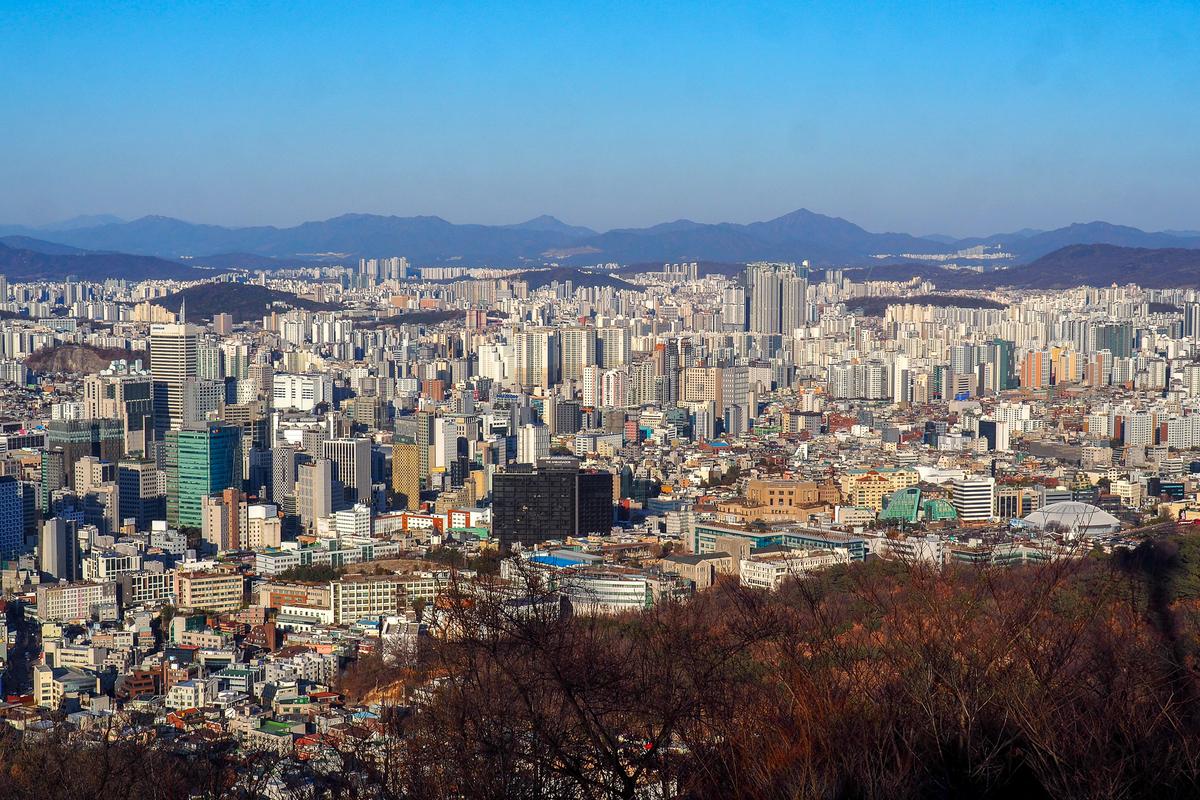
Seoul’s dynamic capital contrasting glittering skyscrapers housing global technology companies with centuries-old Buddhist temples, while K-pop star billboards share space with traditional Gyeongbokgung Palace’s Joseon dynasty changing-of-guard ceremonies and Five Royal Palaces showcasing Korea’s rich architectural history. Bukchon Hanok Village’s preserved traditional Korea featuring narrow alleys lined with hanok houses serving as cultural centers, guesthouses, tea houses, while Myeongdong’s cosmetics, fashion, K-pop culture hub enables modern Seoul exploration tours. Busan’s second-largest seaport city delivering Haeundae Beach’s golden sand surrounded by skyscrapers and ocean views, Gamcheon Culture Village’s “Machu Picchu of Busan” colorful hillside street art, plus international film festival fame and natural hot springs. Jeju Island’s “Hawaii of Korea” sub-tropical paradise 50km south featuring UNESCO Hallasan National Park around South Korea’s tallest peak, diverse ecosystems, volcanic landscapes, waterfalls, stunning beaches, and hiking trails through wildflower fields, dense forests, volcanic craters. Korean BBQ and cuisine boldness matching cultural complexity through spicy kimchi, steaming soups, DIY barbecue, street food rice cakes, skewers creating one-of-a-kind food scenes. Multifaceted destination spanning 14th-century palaces, Gyeongju tombs, futuristic architecture, vast city-block markets where ancient traditions meet contemporary entertainment across this captivating peninsula.
The destination guide
South Korea
Country in AsiaUpdated
- Overall6/10
- Best forBudget travelers, Solo travelers
- PeakApr, May, Oct
- CurrencyKRW
Seoul runs ancient and ultramodern in the same block. Jeju and Busan are worth the extra days most itineraries skip.
Travel guides for South Korea
More guides featuring South Korea (4)
At a glance
- Korean (English increasingly spoken in Seoul
- signage in English widespread)
- Mountain peninsula
- Coastal cities
- Volcanic landscape
- Rice paddies
- Culture
- Food
- K-pop
- History
- Nature
- Technology
How South Korea scores
Character
Editorial scores on a 10-point scale, weighed against destinations of the same kind.
Travel safety snapshot
SafePlace indicators use their source 100-point scale; higher is more favourable. Planning context, not a live travel advisory — check official government guidance before you go.
When to go
Best months to visit: March, April, May, June, September, October and November.
- January: -6.5 to 1.5 degrees Celsius, 34.3 millimetres of rain, best-time score 3 out of 5.
- February: -5 to 3.8 degrees Celsius, 44.3 millimetres of rain, best-time score 3 out of 5.
- March: 0.2 to 10.5 degrees Celsius, 63.3 millimetres of rain, best-time score 4 out of 5.
- April: 5.7 to 16.1 degrees Celsius, 82.3 millimetres of rain, best-time score 5 out of 5.
- May: 10.7 to 20.5 degrees Celsius, 88.3 millimetres of rain, best-time score 5 out of 5.
- June: 15.8 to 24.6 degrees Celsius, 141.9 millimetres of rain, best-time score 4 out of 5.
- July: 20.1 to 27 degrees Celsius, 231.4 millimetres of rain, best-time score 2 out of 5.
- August: 20.6 to 27.7 degrees Celsius, 236.8 millimetres of rain, best-time score 2 out of 5.
- September: 16 to 23.2 degrees Celsius, 170 millimetres of rain, best-time score 5 out of 5.
- October: 8.9 to 16.9 degrees Celsius, 86.3 millimetres of rain, best-time score 5 out of 5.
- November: 1.8 to 10.6 degrees Celsius, 49.8 millimetres of rain, best-time score 5 out of 5.
- December: -4.7 to 2.9 degrees Celsius, 36.3 millimetres of rain, best-time score 3 out of 5.
Month-by-month conditions and packing advice
- January
- Very cold, occasional rain January in South Korea: cold winter weather narrows outdoor plans but keeps cities usable. Crowds: January in South Korea is best for winter-ready travelers; outdoor plans need warm gear, shorter daylight expectations, and weather-aware transport planning. Pack: Pack insulated layers, warm footwear, gloves, and a serious winter coat.
- February
- Cold, occasional rain February in South Korea: cold winter weather narrows outdoor plans but keeps cities usable. Crowds: February in South Korea is workable with normal seasonal planning; build in layers, weather checks, and a mix of indoor and outdoor activities. Pack: Pack warm layers, a coat, and comfortable shoes for cold mornings and evenings.
- March
- Cool to mild, occasional rain March in South Korea: conditions can work near the edges of the main shoulder seasons. Crowds: March in South Korea is workable with normal seasonal planning; build in layers, weather checks, and a mix of indoor and outdoor activities. Pack: Pack warm layers, a coat, and comfortable shoes for cold mornings and evenings.
- April
- Cool to mild, some rain April in South Korea: spring blossoms or autumn foliage bring comfortable weather for cities, temples, food markets, hikes, and rail trips. Crowds: April in South Korea is workable with normal seasonal planning; build in layers, weather checks, and a mix of indoor and outdoor activities. Pack: Pack layered clothing and comfortable walking shoes. Add a rain jacket or compact umbrella.
- May
- Mild to warm, some rain May in South Korea: spring blossoms or autumn foliage bring comfortable weather for cities, temples, food markets, hikes, and rail trips. Crowds: May in South Korea is workable with normal seasonal planning; build in layers, weather checks, and a mix of indoor and outdoor activities. Pack: Pack layered clothing and comfortable walking shoes. Add a rain jacket or compact umbrella.
- June
- Mild to warm, rainy June in South Korea: conditions can work near the edges of the main shoulder seasons. Crowds: June in South Korea is one of the wetter periods, so museums, food stops, flexible reservations, and backup indoor plans make the trip easier. Pack: Pack light clothing, sun protection, and comfortable walking shoes. Add a rain jacket or compact umbrella.
- July
- Warm to hot, rainy July in South Korea: summer heat, humidity, and rain make walking-heavy travel less comfortable. Crowds: July in South Korea is one of the wetter periods, so museums, food stops, flexible reservations, and backup indoor plans make the trip easier. Pack: Pack light clothing, sun protection, and comfortable walking shoes. Add a rain jacket or compact umbrella.
- August
- Warm to hot, rainy August in South Korea: summer heat, humidity, and rain make walking-heavy travel less comfortable. Crowds: August in South Korea is one of the wetter periods, so museums, food stops, flexible reservations, and backup indoor plans make the trip easier. Pack: Pack light clothing, sun protection, and comfortable walking shoes. Add a rain jacket or compact umbrella.
- September
- Mild to warm, rainy September in South Korea: spring blossoms or autumn foliage bring comfortable weather for cities, temples, food markets, hikes, and rail trips. Crowds: September in South Korea is one of the wetter periods, so museums, food stops, flexible reservations, and backup indoor plans make the trip easier. Pack: Pack layered clothing and comfortable walking shoes. Add a rain jacket or compact umbrella.
- October
- Cool to mild, some rain October in South Korea: spring blossoms or autumn foliage bring comfortable weather for cities, temples, food markets, hikes, and rail trips. Crowds: October in South Korea is workable with normal seasonal planning; build in layers, weather checks, and a mix of indoor and outdoor activities. Pack: Pack layered clothing and comfortable walking shoes. Add a rain jacket or compact umbrella.
- November
- Cool to mild, occasional rain November in South Korea: spring blossoms or autumn foliage bring comfortable weather for cities, temples, food markets, hikes, and rail trips. Crowds: November in South Korea is workable with normal seasonal planning; build in layers, weather checks, and a mix of indoor and outdoor activities. Pack: Pack warm layers, a coat, and comfortable shoes for cold mornings and evenings.
- December
- Cold, occasional rain December in South Korea: cold winter weather narrows outdoor plans but keeps cities usable. Crowds: December in South Korea is workable with normal seasonal planning; build in layers, weather checks, and a mix of indoor and outdoor activities. Pack: Pack warm layers, a coat, and comfortable shoes for cold mornings and evenings.
- April
- May
- October
- January
- February
- March
Know before you go
About
South Korea, officially the Republic of Korea, occupies the southern half of the Korean Peninsula in East Asia, home to about 51.8 million people and the dynamic capital, Seoul. Roughly half the nation lives in the greater Seoul area, where Joseon-era palaces like Gyeongbokgung, built in 1395, stand amid skyscrapers, neon-lit shopping districts, and futuristic transit. Beyond the capital, the country offers remarkable variety: the historic Silla capital of Gyeongju, the beaches and seafood of Busan, the volcanic island of Jeju crowned by Hallasan at 1,947 m—the nation’s highest peak—and the tense, fascinating border zone of the DMZ. Founded as a modern republic in 1948, South Korea has surged to global prominence through the Hallyu wave of K-pop and film, tech giants like Samsung and Hyundai, and a celebrated cuisine of barbecue, kimchi, and street food. Four distinct seasons, fast KTX trains, and ancient temples round out one of Asia’s most rewarding destinations.
Best time to visit
April to June (spring) and September to November (autumn) for mild weather, cherry blossoms, and foliage
Season by season
Spring (March–May): 45–70°F, cherry blossoms in early April, Buddha’s Birthday lantern festivals
Summer (June–August): 75–90°F, monsoon rains in July, Boryeong Mud Festival, Busan beaches
Autumn (September–November): 50–70°F, foliage peaks mid-October at Seoraksan and Nami Island
Winter (December–February): 20–35°F, ski season at Pyeongchang, jjimjilbang culture, Seoul museums
Crowds
High during cherry blossom season (April) and autumn foliage (October); moderate in winter
Getting there and around
Getting there
Incheon (ICN) is one of the world’s best airports with flights from Asia, North America, Europe, and the Middle East. Korean Air and Asiana plus budget carriers serve domestic and international routes. Most nationalities receive 30–90 day visa-free entry.
Getting around
KTX trains connect Seoul-Busan in 2.5 hours. Seoul’s 23-line subway is clean and efficient — use a T-money card. Domestic flights to Jeju take 1 hour. KakaoTaxi is the ride-hailing app. Car rental is rarely necessary.
Top experiences in South Korea
Gyeongbokgung Palace
The largest of Seoul’s five royal palaces, built in 1395 as the primary Joseon Dynasty residence. The Gyeonghoeru Pavilion floats above a lotus pond and the Royal Guard changing ceremony is a colourful highlight. Wear a hanbok for free admission. KRW 3,000.
Bukchon Hanok Village
A 600-year-old hillside neighbourhood between Gyeongbokgung and Changdeokgung palaces preserving hundreds of traditional Korean houses (hanok) along narrow alleyways, many converted into guesthouses, tea rooms, and galleries. The hanok rooftops against Seoul’s modern skyline create an iconic old-meets-new contrast.
DMZ (Demilitarized Zone)
The 250 km Korean Demilitarized Zone is the world’s most heavily fortified border. The Joint Security Area (JSA) at Panmunjom allows visitors to step into North Korean territory inside UN buildings. The Dora Observatory offers binocular views into the North. Tours require advance booking and passport. A sobering and compelling experience.
Jeju Island
South Korea’s largest island (1,849 km²) is a UNESCO volcanic landscape. Hallasan (1,950 m) is the country’s highest peak. The Manjanggul lava tube and dramatic coastline (Jusangjeolli Cliffs, Yongmeori Coast) are highlights. The haenyeo women sea divers are a UNESCO Intangible Heritage. Flights from Seoul take 1 hour.
Gamcheon Culture Village, Busan
Busan’s photogenic hillside of pastel-painted houses, murals, and art installations. Originally a Korean War refugee settlement, it has been transformed into an outdoor gallery telling stories of resilience through art. Narrow alleyways, rooftop cafés, and ocean viewpoints. Free to explore.
Editor-curated picks carried over from our original guide. Where a full place guide exists, the card links to it.
Worth booking ahead in South Korea
Hand-picked from the operators our guides already send readers to. Prices and availability are live on the partner site.
BrowseViator
Tours and tickets in South Korea on Viator (opens Viator in a new tab)
Viator's full list of bookable tours and tickets in South Korea.
BrowseGetYourGuide
Experiences in South Korea on GetYourGuide (opens GetYourGuide in a new tab)
Everything GetYourGuide sells in South Korea, with the cancellation terms on each listing.
Where to stayBooking.com
Stays in South Korea (opens Booking.com in a new tab)
Live rates and availability for South Korea on Booking.com; filter by neighbourhood once you know where your days start.
We earn a commission if you book through these links, at no extra cost to you. It is how we keep the guides free and independent.
Where to stay
The Shilla Seoul
249 Dongho-ro, Jung-gu, Seoul, South Korea
The Shilla Seoul anchors the Namsan hillside with views sweeping from N Seoul Tower to the Han River. The blend of Korean traditional aesthetics and contemporary luxury defines its 464 rooms. Dining includes La Yeon (three Michelin stars). The outdoor infinity pool overlooks the city. Rates KRW 400,000–2,000,000+ per night.
Josun Palace, a Luxury Collection Hotel, Gangnam
60 Sogong-ro, Jung-gu, Seoul, South Korea
The Josun Palace occupies a prime Gangnam position near COEX Mall. Formerly The Westin Chosun, it reopened in 2021 as a Luxury Collection hotel with a design inspired by Korean celadon. The signature restaurant serves jeongsik (traditional Korean course meals). The rooftop bar, indoor pool, and spa cater to guests. Rates KRW 350,000–1,500,000+ per night.
Park Hyatt Busan
23 Haeundae Beach-ro, Haeundae-gu, Busan, South Korea
Park Hyatt Busan occupies beachfront towers on Haeundae Beach. Floor-to-ceiling windows frame the East Sea. The 26th-floor lounge offers panoramic views. Korean-inspired spa treatments and Italian and Korean dining complete the offering. Rates KRW 300,000–1,200,000+ per night.
Editor-curated stays carried over from our original guide. Where we have reviewed the hotel, the card links to the review.
Tips from the field
Highlights
- Gyeongbokgung Palace — Grand Joseon Dynasty seat with royal guard ceremony
- Bukchon Hanok Village — 600-year-old traditional houses framing Seoul's skyline
- DMZ — World's most fortified border with tours stepping into North Korea
- Jeju Island — UNESCO volcanic island with Hallasan peak and haenyeo divers
- Gamecheon Culture Village — Busan's colourful hillside art village
- Gwangjang Market — Seoul's oldest market with iconic street food
- Gyeongju — 'Museum without walls' of Silla Dynasty heritage
- Haedong Yonggungsa — Cliffside temple over the East Sea in Busan
- Changdeokgung & Secret Garden — UNESCO palace with woodland garden
- N Seoul Tower — Panoramic views from Namsan Mountain
Best activities
- Wear a hanbok and explore Gyeongbokgung Palace
- Eat street food at Gwangjang Market
- Visit the DMZ and step into North Korea
- Hike Hallasan on Jeju Island
- Explore Bukchon Hanok Village
- Do a Buddhist temple stay
- Shop and eat in Myeongdong and Hongdae
- Visit Gamcheon Culture Village in Busan
- Soak in a jjimjilbang
- Catch cherry blossoms in April
Local experiences
- Eat tteokbokki at Gwangjang Market, spend a night in a jjimjilbang, take a K-pop dance class in Gangnam, sleep in a hanok guesthouse, do a chimak (chicken and beer) night in Hongdae, attend a temple stay, and watch sunrise from Seoraksan.
Practical tips
- Get a T-money card at any convenience store for all public transport.
- Wi-Fi is ubiquitous and free.
- Convenience stores (CU, GS25, 7-Eleven) serve surprisingly good meals 24/7.
- Learn: Annyeonghaseyo (hello), Gamsahamnida (thank you).
- Public restrooms are clean, free, and plentiful.
Photography tips
- Gyeongbokgung photographs well in morning light with hanbok-wearing visitors. Cherry blossoms frame Yeouido in April. Gamcheon Culture Village in Busan pops in daylight. The DMZ’s stark emptiness creates powerful documentary images.
Timing
- Plan 3–4 days for Seoul, 1 day for DMZ, 2–3 days for Busan, 2–3 days for Jeju Island, 1–2 days for Gyeongju. A comprehensive trip takes 10–14 days.
Keeping it authentic
- Korean cultural traditions remain embedded in daily life. The jjimjilbang (bathhouse) is a genuine social institution. Temple stays at Buddhist monasteries offer authentic meditation and monastic-life experiences. Korean food culture — from neighbourhood pojangmacha (street food tents) to royal court cuisine — is a living tradition.
Culture, customs and safety
Cultural heritage
South Korea’s heritage spans 5,000 years from ancient kingdoms through the Joseon Dynasty (1392–1897). 16 UNESCO World Heritage Sites including Changdeokgung Palace and Gyeongju Historic Areas. Confucian philosophy deeply influences social hierarchy. The Korean Wave (Hallyu) — K-pop, K-drama, cinema (Parasite), and cuisine — has made South Korea a global cultural powerhouse.
Local customs & etiquette
Bow when greeting. Use both hands when giving or receiving items. Pour drinks for others, never yourself. The eldest eats first. Remove shoes entering homes. Never stick chopsticks upright in rice. Tipping is not customary.
Safety notes
US State Department rates South Korea Level 1 (exercise normal precautions). One of the world’s safest countries. Violent crime is rare. Demonstrations occur near Gwanghwamun Square — avoid large gatherings. Emergency: 112 (police), 119 (fire/ambulance).