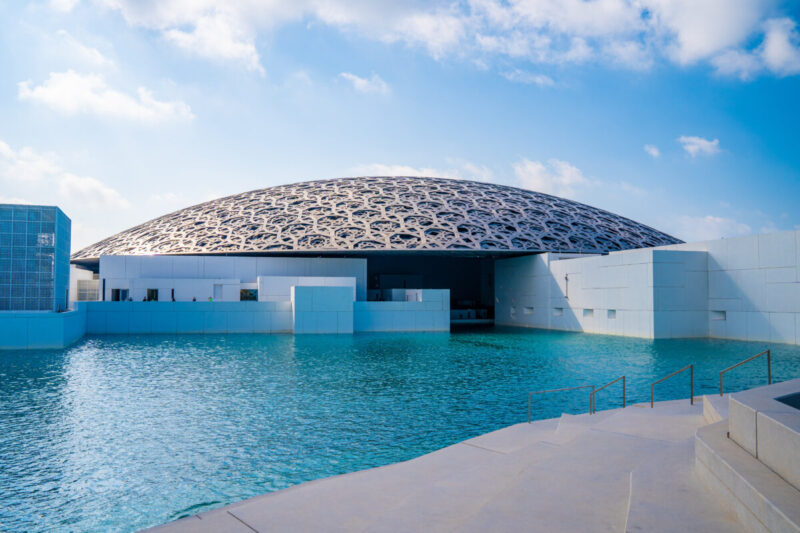
Sheikh Zayed Grand Mosque’s architectural marvel accommodating 40,000 worshippers beneath 82 domes and 1,000+ columns adorned with white marble from Italy, India, and Greece, featuring the world’s largest hand-knotted carpet (Iranian-German artisans) and massive chandeliers creating spectacular sunset gold-washing experiences. Louvre Abu Dhabi’s sophisticated East-meets-West art civilization museum spanning 23 gallery buildings across Saadiyat Island’s archipelago design with stunning Abu Dhabi skyline views, anchoring the Cultural District alongside developing Zayed National Museum and future Guggenheim Abu Dhabi. Ferrari World’s pioneering theme park delivering adrenaline through unique concept rides, state-of-the-art simulators, live performances, electric go-karts, and authentic racing memorabilia within the world’s first Ferrari-branded entertainment destination. Yas Island’s family-friendly hub featuring Warner Bros. World, Yas Waterworld, plus free Tuesday access to Formula 1 Marina Circuit for cycling/walking, connected via complimentary Yas Express bus service. Qasr Al Watan presidential palace (opened 2019) showcasing governance exhibits, calligraphy, UAE ruling family heritage, and cultural landmarks inviting visitors into Arabian heritage heart through this gigantic marble-limestone structure hosting visiting dignitaries.
The destination guide
Abu Dhabi

City in United Arab Emirates, AsiaUpdated
- Overall6/10
- Best forCouples, Solo travelers
- PeakOct–Mar
- CurrencyAED
Abu Dhabi’s Sheikh Zayed Grand Mosque holds 40,000 worshippers under 82 domes — the rest of the city matches that scale, from the Louvre outpost to Yas Island.
At a glance
- Arabic
- English
- Desert metropolis
- Persian Gulf coast
- Grand Mosque
- Mangrove coast
- Luxury and opulence
- Cultural heritage
- Modern architecture
- Desert adventures
How Abu Dhabi scores
Character
Editorial scores on a 10-point scale, weighed against destinations of the same kind.
Travel safety snapshot
SafePlace indicators use their source 100-point scale; higher is more favourable. Planning context, not a live travel advisory — check official government guidance before you go.
When to go
Best months to visit: January, February, March, April, October, November and December.
- January: 16 to 22.9 degrees Celsius, 1.3 millimetres of rain, best-time score 5 out of 5.
- February: 17.1 to 26.3 degrees Celsius, best-time score 5 out of 5.
- March: 20.1 to 30.2 degrees Celsius, best-time score 5 out of 5.
- April: 23.6 to 33.3 degrees Celsius, 1.9 millimetres of rain, best-time score 4 out of 5.
- May: 27.2 to 38 degrees Celsius, best-time score 3 out of 5.
- June: 29.8 to 40.5 degrees Celsius, best-time score 2 out of 5.
- July: 31.9 to 41.9 degrees Celsius, best-time score 2 out of 5.
- August: 31.4 to 41.6 degrees Celsius, best-time score 2 out of 5.
- September: 29.1 to 39.9 degrees Celsius, best-time score 3 out of 5.
- October: 25.8 to 35.1 degrees Celsius, best-time score 4 out of 5.
- November: 21.9 to 30.7 degrees Celsius, best-time score 5 out of 5.
- December: 18.3 to 25.9 degrees Celsius, 0.5 millimetres of rain, best-time score 5 out of 5.
Month-by-month conditions and packing advice
- January
- Warm and pleasant, mostly dry January in Abu Dhabi: winter and late fall weather suits the Corniche, desert, beaches, Louvre Abu Dhabi, and mosque visits. Crowds: Peak tourist season with excellent conditions for all outdoor activities including desert safaris, beach visits, cultural site exploration, and city walking tours. Hotel rates and crowd levels are highest during this period. UV levels remain high despite cooler temperatures. Pack: Lightweight layers for temperature variation; Comfortable walking shoes for city exploration; Broad-brimmed hat and SPF 50+ sunscreen; Light cardigan for air-conditioned spaces; Modest clothing for cultural sites and mosques; Breathable cotton/linen fabrics; Beach wear for resort facilities
- February
- Warm and pleasant, mostly dry February in Abu Dhabi: winter and late fall weather suits the Corniche, desert, beaches, Louvre Abu Dhabi, and mosque visits. Crowds: Prime travel season with optimal conditions for all activities. February represents peak tourist period with highest hotel occupancy and attraction crowds. Perfect weather for desert adventures, city tours, cultural site visits, and beach relaxation. Book accommodations well in advance. Pack: Light layers for day-to-evening temperature shifts; Quality walking shoes for extensive sightseeing; Premium sunscreen and protective accessories; Elegant evening wear for fine dining; Cultural-appropriate modest clothing; Lightweight fabrics in neutral colors; Swimwear and beach essentials
- March
- Hot and sunny, mostly dry March in Abu Dhabi: winter and late fall weather suits the Corniche, desert, beaches, Louvre Abu Dhabi, and mosque visits. Crowds: March offers some of the most favorable conditions for sightseeing before the intense summer heat arrives. This is still considered high season, so expect elevated hotel rates and moderate-to-high crowd levels at major attractions. It’s an ideal month for desert safaris, dhow cruises, and waterfront walks, as temperatures are warm but not yet extreme. The dry air and low humidity make outdoor exploration comfortable during mornings and late afternoons, though midday heat can be strong—plan indoor activities such as museum visits or shopping during peak sun hours. Advance booking is recommended for popular cultural experiences and tours. Pack: Lightweight, breathable clothing for warm days; Comfortable sandals or breathable walking shoes; High SPF sunscreen and sunglasses; Wide-brimmed hat for sun protection; Light scarf or shawl for modesty at cultural sites; Reusable water bottle to stay hydrated
- April
- Hot and sunny, mostly dry April in Abu Dhabi: conditions are usable while heat is building or easing, especially mornings and evenings. Crowds: April marks the tail end of Abu Dhabi’s high season, with warm weather edging into hot. Outdoor activities like desert safaris and walking tours are best scheduled for early mornings or evenings. Beaches and water sports thrive this month as sea temperatures are inviting. Tourist numbers begin to taper off compared to winter, but popular sites can still see steady traffic. Hotel rates may soften slightly from peak months, though luxury properties remain in demand. The dry, sunny conditions favor photography, particularly at sunrise and sunset. Travelers should be mindful of sun exposure and plan indoor cultural visits during the midday heat. Booking in advance for top attractions is wise, though last-minute deals become more common toward the end of the month. Pack: Light, breathable clothing for hot days; Wide-brimmed hat and high SPF sunscreen; Reusable water bottle for hydration; Comfortable sandals or breathable walking shoes; Light scarf or shawl for cultural site modesty; Sunglasses with UV protection
- May
- Hot and sunny, mostly dry May in Abu Dhabi: indoor attractions are strong, but daytime outdoor plans need caution. Crowds: Travel in May means navigating high heat, which can limit extended outdoor exploration to the cooler hours of dawn and dusk. This period sits just before the absolute peak summer temperatures, so while still very hot, it’s slightly more manageable than June–August. Tourist crowds thin as the weather intensifies, leading to lower hotel rates and greater availability at top attractions. Activities such as dhow cruises, desert photography, and guided cultural tours can be enjoyed with careful planning around heat exposure. Indoor experiences like museums, galleries, and high-end shopping malls are particularly appealing during midday. Travelers should book accommodations with reliable air conditioning and consider transportation options that minimize prolonged sun exposure. Pack: Light, breathable fabrics such as linen or moisture-wicking cotton; Wide-brimmed hat for sun protection; High-SPF (50+) sunscreen and lip balm with UV protection; UV-blocking sunglasses; Refillable water bottle to stay hydrated; Light scarf or shawl for modesty and sun coverage
- June
- Hot and sunny, mostly dry June in Abu Dhabi: extreme summer heat makes outdoor sightseeing impractical. Crowds: June marks the start of the low tourist season due to extreme heat, which significantly impacts outdoor sightseeing. Activities like desert safaris or walking tours are best reserved for dawn or evening hours, while midday is better spent enjoying air-conditioned cultural spaces such as the Louvre Abu Dhabi or Sheikh Zayed Grand Mosque. Lower visitor numbers mean reduced hotel rates and quieter attractions, offering good value for travelers willing to adapt their schedules. Beaches are largely empty during the day, though evenings become lively as locals gather by the waterfront. Hydration and heat management are essential, and advance bookings for indoor attractions are rarely necessary. Pack: Loose, breathable linen or cotton clothing; High-SPF sunscreen and lip balm; Wide-brimmed hat or UV-protective cap; Lightweight scarf for sun and modesty; Electrolyte packets or hydration salts; Comfortable sandals suitable for hot pavement
- July
- Hot and sunny, mostly dry July in Abu Dhabi: extreme summer heat makes outdoor sightseeing impractical. Crowds: Low tourist season due to extreme heat. Hotel rates drop significantly but outdoor sightseeing becomes very difficult during midday hours. Desert tours typically start before dawn or after sunset. Beach activities possible only with frequent breaks in shade. Many outdoor attractions have reduced hours. Pack: Ultra-lightweight, loose-fitting clothing; High SPF sunscreen (50+) and lip balm; Wide-brimmed hat and UV-protection sunglasses; Electrolyte supplements for hydration; Light scarf for dust protection; Cooling towels and portable fans; Air-conditioned venue clothing for malls/restaurants
- August
- Hot and sunny, mostly dry August in Abu Dhabi: extreme summer heat makes outdoor sightseeing impractical. Crowds: August marks the low tourist season in Abu Dhabi due to its intense heat, making it ideal for budget-conscious travelers who prefer quieter attractions and significantly reduced hotel rates. Outdoor activities are limited to early mornings and evenings, with midday excursions strongly discouraged. Many residents and seasoned visitors opt for indoor experiences—luxury shopping, cultural institutions, or spa retreats. Desert safaris shift to late afternoon departures to catch the cooler twilight. While beaches remain open, the warm Gulf waters and high UV index demand caution. Booking last-minute is often possible, but securing accommodations with reliable air conditioning and shaded amenities is non-negotiable for comfort. Pack: Loose, breathable long-sleeve shirts for sun protection; Wide-brimmed hat with strong UV shielding; High-SPF sunscreen (50+); Lightweight, airy trousers or maxi skirts; Refillable insulated water bottle; Comfortable sandals suitable for hot pavement
- September
- Hot and sunny, mostly dry September in Abu Dhabi: indoor attractions are strong, but daytime outdoor plans need caution. Crowds: This period falls into the tail end of Abu Dhabi’s low tourist season due to extreme daytime temperatures. Crowds are minimal, and hotel rates tend to be more competitive than in the cooler months. While midday exploration can be uncomfortable, mornings and evenings offer manageable conditions for sightseeing, waterfront walks, and photography. Air-conditioned malls, museums, and cultural centers provide all-day comfort, making them key attractions during this time. Outdoor desert adventures are still possible but should be booked with operators offering early starts or sunset timings. Travelers who can adapt to the heat will enjoy quieter landmarks and better deals, though hydration and sun protection remain essential. Pack: Loose, breathable clothing in light colors; High SPF 50+ sunscreen and lip balm; Wide-brimmed hat for sun protection; Reusable water bottle with insulation; Light scarf or shawl for modesty at cultural sites; Comfortable sandals or breathable walking shoes
- October
- Hot and sunny, mostly dry October in Abu Dhabi: conditions are usable while heat is building or easing, especially mornings and evenings. Crowds: October is a shoulder-season month in Abu Dhabi, bridging the extreme summer and the peak winter tourist months. While midday heat can still limit prolonged outdoor activity, mornings and evenings are ideal for sightseeing, desert excursions, and coastal walks. Crowds are lighter than in December–March, and hotel rates can be more favorable. Beach clubs, waterfront promenades, and cultural sites are fully operational, offering a good balance between comfort and lower tourist density. Advance booking for top attractions is still recommended, especially for weekend visits. Travelers sensitive to heat should schedule outdoor activities early or late in the day, reserving midday for air-conditioned museums, malls, and indoor dining. Pack: Light, breathable clothing suitable for hot weather; Wide-brimmed hat and high-SPF sunscreen; Sunglasses with UV protection; Comfortable sandals or breathable walking shoes; Light scarf or shawl for modesty at cultural sites; Reusable water bottle to stay hydrated
- November
- Hot and sunny, mostly dry November in Abu Dhabi: winter and late fall weather suits the Corniche, desert, beaches, Louvre Abu Dhabi, and mosque visits. Crowds: November offers near-perfect conditions for outdoor sightseeing, sailing excursions, and guided desert tours. This shoulder season blends warm temperatures with reduced humidity, making it comfortable for extended time outside. Tourist numbers begin to rise as winter approaches, so hotel rates start trending upward, but they remain below peak-season highs. Beaches are inviting for both swimming and relaxation, while cultural attractions feel less crowded than in December or January. Visitors seeking optimal weather without full peak-season bustle will find November a sweet spot, though early booking is advised for popular waterfront hotels and guided tours. Pack: Lightweight breathable clothing for daytime heat; Comfortable walking sandals or shoes; Wide-brimmed hat and high-SPF sunscreen; Light scarf or shawl for cultural site visits; Reusable water bottle for hydration; Evening layer for cooler coastal breezes
- December
- Warm and pleasant, mostly dry December in Abu Dhabi: winter and late fall weather suits the Corniche, desert, beaches, Louvre Abu Dhabi, and mosque visits. Crowds: December marks peak tourism season in Abu Dhabi, thanks to its reliably warm, dry weather and festive atmosphere. This is an excellent month for cultural experiences like visiting the Sheikh Zayed Grand Mosque or exploring heritage villages, as well as enjoying desert excursions without oppressive heat. Expect higher hotel rates and busier attractions, especially around the UAE National Day celebrations. Outdoor events and markets are in full swing, and the cooler evenings make alfresco dining particularly appealing. Advance booking is recommended for accommodations and popular tours due to increased demand during the holiday period. Pack: Lightweight layers for daytime warmth and cool evenings; Comfortable walking shoes for sightseeing; Sunglasses with UV protection; Modest attire for cultural and religious sites; Light scarf or shawl for breezy evenings; High-SPF sunscreen for daytime excursions
- November
- December
- October
- January
- February
- March
- July
- August
- April
- May
- June
- September
Know before you go
Neighbourhoods
Abu Dhabi features diverse neighborhoods, each with its unique charm:
- Downtown Abu Dhabi: The bustling heart of the city with shopping malls, restaurants, and cultural attractions
- Al Ain: Known for its historical sites and gardens, offering a glimpse into the UAE’s heritage
- Saadiyat Island: A cultural hub home to the Louvre Abu Dhabi and beautiful beaches
- Yas Island: A leisure destination featuring theme parks, golf courses, and entertainment venues
- Corniche: A picturesque waterfront area perfect for walking, cycling, and enjoying the beach
Each neighborhood provides a different perspective on Abu Dhabi’s multifaceted identity.
Best time to visit
The best time to visit Abu Dhabi is during the cooler months from November to March. This period offers pleasant temperatures ideal for outdoor activities and sightseeing. The city hosts various festivals and events during this time, making it a vibrant season for tourists. However, summer months can be extremely hot, with temperatures soaring above 40°C (104°F).
Getting there and around
Getting there
Abu Dhabi is accessible via the UAE’s modern airport network and highway system. The city connects to Dubai, Abu Dhabi, and other emirates.
Getting around
Abu Dhabi features modern public transportation including metro and buses. Taxis and ride-sharing are widely available and affordable.
Top experiences in Abu Dhabi
Sheikh Zayed Grand Mosque
One of the world’s largest mosques welcomes nearly 7 million visitors annually, featuring 82 domes, over 1,000 columns, and the world’s largest hand-knotted carpet measuring 5,627 square meters. The main prayer hall is crowned by a Swarovski crystal chandelier weighing 12 tonnes, while the exterior’s gleaming white Macedonian marble reflects pools create a mesmerizing mirror effect. The mosque accommodates 40,000 worshippers and is open to non-Muslim visitors outside prayer times with free guided tours. The after-dark illumination shifts through lunar-cycle-inspired colors.
Louvre Abu Dhabi
Designed by Pritzker Prize-winning architect Jean Nouvel, this universal museum on Saadiyat Island houses a collection spanning human civilization from prehistoric times to the contemporary era. The signature 180-meter geometric dome creates a “rain of light” effect as sunlight filters through 7,850 metal stars arranged in eight overlapping layers. Twelve galleries present 600 artworks chronologically, encouraging cross-cultural comparison – a Leonardo da Vinci hangs near a Quran folio. The museum’s 2025-2026 program features major exhibitions on Mamluk art and Picasso’s legacy.
Yas Island
This 25-square-kilometer entertainment island off Abu Dhabi’s coast concentrates a staggering density of world-class attractions. Ferrari World Abu Dhabi houses Formula Rossa, the world’s fastest roller coaster reaching 240 km/h. Warner Bros. World recreates Gotham City and Metropolis in air-conditioned comfort across six themed lands. Yas Waterworld features 45 rides and slides, including the Dawwama – the world’s largest six-person tornado waterslide. The island also hosts the Formula 1 Abu Dhabi Grand Prix at Yas Marina Circuit and offers premium shopping at Yas Mall.
Qasr Al Watan (Presidential Palace)
The gleaming white Presidential Palace opened to the public in 2019, offering rare access to a working seat of government. The Great Hall astonishes with an 8-meter-wide chandelier and intricate geometric patterns in marble and gold across floors and ceilings. Interactive exhibits explore Arab governance, diplomacy, and intellectual heritage through historic treaties, manuscripts, and art. The Palace in Motion light and sound show transforms the exterior facade into a canvas of animated projections each evening. The surrounding gardens span 380,000 square meters of manicured landscapes.
Mangrove National Park
This protected 19-square-kilometer coastal wetland east of the city center reveals Abu Dhabi’s natural side through kayaking, paddleboarding, and walking trails among dense mangrove forests. The park shelters over 60 bird species including herons, flamingos, and ospreys, along with marine life such as turtles, crabs, and juvenile fish that use the roots as nurseries. Guided eco-tours explain the mangroves’ critical role as carbon sinks absorbing up to four times more CO2 than terrestrial forests. Early morning kayak tours offer the calmest waters and best wildlife viewing.
Editor-curated picks carried over from our original guide. Where a full place guide exists, the card links to it.
Worth booking ahead in Abu Dhabi
Hand-picked from the operators our guides already send readers to. Prices and availability are live on the partner site.
BrowseViator
Tours and tickets in Abu Dhabi on Viator (opens Viator in a new tab)
Viator's full list of bookable tours and tickets in Abu Dhabi.
BrowseGetYourGuide
Experiences in Abu Dhabi on GetYourGuide (opens GetYourGuide in a new tab)
Everything GetYourGuide sells in Abu Dhabi, with the cancellation terms on each listing.
Where to stayBooking.com
Stays in Abu Dhabi (opens Booking.com in a new tab)
Live rates and availability for Abu Dhabi on Booking.com; filter by neighbourhood once you know where your days start.
We earn a commission if you book through these links, at no extra cost to you. It is how we keep the guides free and independent.
Where to stay
Emirates Palace Mandarin Oriental
West Corniche Road, Abu Dhabi, United Arab Emirates
This palatial waterfront resort stretching 1.3 kilometers along a private beach is one of the most opulent hotels ever built, with 394 suites ranging from Coral rooms to the 680-square-meter Palace Suite. The property features 128 kitchens, two swimming pools, a private marina, and the award-winning Palace Spa. Gold leaf adorns interiors throughout, while the 1-kilometer private beach offers pristine Gulf waters. Operated by Mandarin Oriental since 2020, the hotel has hosted heads of state and royalty while maintaining public access to its restaurants and beach clubs.
The Ritz-Carlton Abu Dhabi, Grand Canal
Al Maqta Area, Khor Al Maqta, Abu Dhabi, United Arab Emirates
Inspired by Venetian Renaissance architecture, this waterfront resort overlooks the Grand Canal with direct sightlines to the Sheikh Zayed Grand Mosque. The 532 rooms and suites feature Italian marble bathrooms and private balconies, while the Venetian Village offers boutique shopping and alfresco dining along the canal. The property includes an 800-meter private beach, a lagoon-style pool, and the ESPA spa with 14 treatment rooms. Its Li Jiang restaurant serves authentic Sichuan cuisine, and guests can enjoy evening abra boat rides with mosque views.
The St. Regis Abu Dhabi
Nation Tower, Corniche Road, Abu Dhabi, United Arab Emirates
Occupying the iconic Nation Tower on the Corniche, this high-rise luxury hotel offers panoramic views of the Arabian Gulf and city skyline from its 283 rooms and suites. The St. Regis signature butler service attends to every guest, while the Nation Riviera Beach Club provides an exclusive seaside retreat with cabanas, an infinity pool, and a private beach. The hotel’s Terrace on the Corniche restaurant hosts one of the city’s most popular Friday brunches, and the Remède Spa spans two floors of wellness treatments.
Editor-curated stays carried over from our original guide. Where we have reviewed the hotel, the card links to the review.
Tips from the field
Highlights
- Sheikh Zayed Grand Mosque
- Louvre Abu Dhabi
- Qasr Al Watan
- Emirates Palace
- Corniche Beach
Best activities
- Tour the Sheikh Zayed Grand Mosque
- Visit the [Louvre Abu Dhabi](https://www.cntraveler.com/destinations/abu-dhabi) for world-class art
- Explore Qasr Al Watan, the presidential palace
Practical tips
- Use the well-planned road system for easy travel around the city
- Respect local customs and dress modestly, especially when visiting religious sites
- The currency is the UAE Dirham (AED)
Keeping it authentic
- Visit the [Emirates Heritage Village](https://travel.usnews.com/Abu_Dhabi_United_Arab_Emirates/) to experience traditional Emirati life
- Explore the Cultural Foundation Abu Dhabi for authentic local art and performances
Culture, customs and safety
Cultural heritage
Abu Dhabi blends ancient Bedouin heritage with visionary modern culture on an island inhabited for 4,000 years. The gleaming white Sheikh Zayed Grand Mosque, accommodating 40,000 worshippers, features 82 domes and the world’s largest hand-knotted carpet. Qasr Al Hosn, the city’s oldest building (1761), preserves the ruling Al Nahyan family’s watchtower origins. The Louvre Abu Dhabi’s revolutionary dome creates a “rain of light” while housing art spanning human civilization. Traditional dhow sailing, pearl diving heritage, and falconry (UNESCO Intangible Heritage) connect to maritime and desert roots. The Heritage Village recreates oasis life, while camel racing at Al Wathba track maintains Bedouin sporting traditions using robot jockeys.
Local customs & etiquette
In Abu Dhabi, dress modestly and respect Islamic customs. Friday is the holy day. Alcohol is restricted to licensed venues.