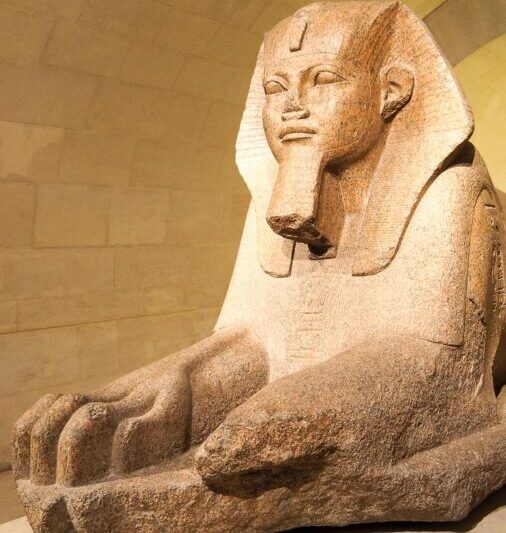
Cairo sprawls along the Nile River as one of the world’s oldest urban centers, where contemporary life unfolds in the shadow of ancient monuments. Egypt’s capital serves as the gateway to antiquity while simultaneously functioning as the largest metropolitan area in the Arab world—a city where pharaonic treasures, Islamic architectural masterpieces, and modern infrastructure create a complex urban landscape. The Giza Pyramid Complex stands at Cairo’s edge as humanity’s oldest Wonder of the Ancient World, while the Egyptian Museum houses an unparalleled collection of artifacts spanning 5,000 years of civilization. Islamic Cairo reveals another historical dimension through the medieval citadel of Saladin, the alabaster Muhammad Ali Mosque, and Khan el-Khalili bazaar, where traditional crafts persist in workshops operating for centuries. The city pulsates with constant activity—traffic circles filled with honking cars, riverside corniche walks, and ahwas (traditional coffeehouses) where locals gather for conversation over games of backgammon. Cairo’s culinary landscape features distinctive Egyptian specialties like koshari (a hearty mix of rice, lentils, and pasta) and freshly caught fish from the Nile. Despite its population density and urban challenges, Cairo maintains its position as the cultural and intellectual center of the Arab world through institutions like Al-Azhar University, the region’s oldest continuously operating university, and a film industry that has historically dominated Arabic-language cinema. Throughout its districts, from upscale Zamalek to working-class Bulaq, Cairo demonstrates the remarkable adaptability that has allowed it to remain a living city for millennia.
The destination guide
Cairo

Travel guides for Cairo
More guides featuring Cairo (2)
At a glance
- Arabic
- Nile River valley
- Desert plateau
- Pyramid terrain
- Ancient monuments
- Ancient History
- Bucket List Wonders
- Bustling Megacities
- Desert Landscapes.
How Cairo scores
Character
Editorial scores on a 10-point scale, weighed against destinations of the same kind.
Travel safety snapshot
SafePlace indicators use their source 100-point scale; higher is more favourable. Planning context, not a live travel advisory — check official government guidance before you go.
When to go
Best months to visit: January, February, March, April, October, November and December.
- January: 10.3 to 20 degrees Celsius, 0.3 millimetres of rain, best-time score 5 out of 5.
- February: 11.3 to 21 degrees Celsius, 3.2 millimetres of rain, best-time score 5 out of 5.
- March: 12 to 24.8 degrees Celsius, 0.2 millimetres of rain, best-time score 5 out of 5.
- April: 15.6 to 29.9 degrees Celsius, 1.7 millimetres of rain, best-time score 4 out of 5.
- May: 19.6 to 34.9 degrees Celsius, best-time score 3 out of 5.
- June: 22.7 to 36.3 degrees Celsius, best-time score 2 out of 5.
- July: 23.4 to 38.3 degrees Celsius, best-time score 2 out of 5.
- August: 24 to 38.4 degrees Celsius, best-time score 2 out of 5.
- September: 22.3 to 35.3 degrees Celsius, best-time score 3 out of 5.
- October: 20.1 to 32.1 degrees Celsius, best-time score 4 out of 5.
- November: 15.9 to 25.5 degrees Celsius, best-time score 5 out of 5.
- December: 11.3 to 20.9 degrees Celsius, 2.2 millimetres of rain, best-time score 5 out of 5.
Month-by-month conditions and packing advice
- January
- Warm and pleasant, mostly dry January in Cairo: milder weather supports Giza, museums, Islamic Cairo, Nile outings, and longer outdoor sightseeing days. Crowds: January falls within Cairo’s high tourist season, as the moderate temperatures are perfect for full days of sightseeing without the oppressive summer heat. Popular sites such as the Pyramids of Giza, the Egyptian Museum, and Islamic Cairo see steady visitor traffic, so expect crowds at peak hours. Hotel rates remain elevated, and advance booking is strongly recommended, particularly for accommodations with Nile views. This is also an excellent time for cultural events, as outdoor performances and festivals are comfortable to attend. Day trips to nearby sites like Memphis or desert monasteries are easily managed, but early starts are advised to maximize daylight. The absence of heavy rain or extreme temperatures means transportation and activity schedules are rarely disrupted. Pack: Light jacket or sweater for cool mornings and evenings; Long-sleeved breathable shirts for sun protection; Comfortable walking shoes for uneven terrain; Wide-brimmed hat and sunglasses for daytime excursions; Modest attire for visiting mosques and religious sites; Reusable water bottle to stay hydrated in dry air
- February
- Warm and pleasant, mostly dry February in Cairo: milder weather supports Giza, museums, Islamic Cairo, Nile outings, and longer outdoor sightseeing days. Crowds: February sits firmly within Cairo’s peak tourist window, offering ideal sightseeing conditions before the summer heat arrives. Visitor numbers are steady but not at their absolute highest, keeping major sites lively without overwhelming congestion. Accommodation rates remain on the higher side due to the favorable climate, so early booking is advised. Outdoor activities such as Nile cruises, archaeological site tours, and open-air dining are particularly enjoyable. Evenings can feel cool, especially in open desert areas, so layering is beneficial. The dry air and abundant sunlight also make for exceptional photography conditions, perfect for capturing the city’s historic skyline and ancient monuments in crisp detail. Pack: Light layers to adjust between warm days and cool evenings; Comfortable walking shoes for uneven historic sites; Broad-brimmed hat and SPF 50+ sunscreen; Light scarf or shawl for sun and cultural modesty; Reusable water bottle to stay hydrated in dry air; Sunglasses with UV protection for bright desert light
- March
- Warm and pleasant, mostly dry March in Cairo: milder weather supports Giza, museums, Islamic Cairo, Nile outings, and longer outdoor sightseeing days. Crowds: March is part of Cairo’s peak spring tourism window, when temperatures are warm but not oppressive and the city’s outdoor attractions are most enjoyable. Crowds are moderate to high, particularly around major historic sites, and accommodation prices can reflect the seasonal demand. These conditions are perfect for full-day sightseeing, from morning visits to the pyramids to evening cultural performances. Sandstorms are rare but possible, so travelers should remain flexible. Booking key experiences in advance is wise, especially guided tours or Nile cruises, as availability can tighten during this popular period. Pack: Lightweight, breathable clothing for daytime warmth; Long-sleeved shirt for sun protection and cooler evenings; Comfortable walking shoes for uneven historic sites; Wide-brimmed hat and SPF 50+ sunscreen; Light scarf or shawl for modesty in religious sites; Reusable water bottle to stay hydrated in dry air
- April
- Warm and pleasant, mostly dry April in Cairo: conditions can be strong if you start early and plan around warming afternoons. Crowds: April sits firmly in Cairo’s shoulder season, providing a sweet spot between the cooler winter tourist influx and the intense summer heat. Comfortable temperatures and dry conditions make it one of the best months for extended outdoor sightseeing, from the Giza Plateau to Khan el-Khalili bazaar. Crowd levels are moderate, with fewer tour groups compared to peak winter months, which can mean slightly better accommodation rates while still enjoying premium weather. Daylight hours are long, giving ample time to explore historic sites without rushing. Visitors can plan full-day excursions to nearby archaeological sites or take Nile cruises without concerns about extreme heat. Advance booking is still recommended for popular tours and museum entries, but flexibility is easier to maintain than in high season. Pack: Lightweight, breathable shirts for daytime warmth; Comfortable walking shoes for uneven historic sites; Broad-brimmed hat and polarized sunglasses; Light jacket or shawl for cooler evenings; Modest clothing covering shoulders and knees for cultural sites; High-SPF sunscreen for strong midday sun
- May
- Hot and sunny, mostly dry May in Cairo: heat is more limiting, so build in transport and indoor breaks. Crowds: Late spring marks the shoulder-to-summer season in Cairo, with significantly hotter afternoons and virtually no rain. Crowds are moderate—tour groups start to thin compared to peak winter months, but popular sites still draw steady numbers. Prices for accommodation and tours may dip slightly, offering better value for travelers willing to manage the heat. Ideal conditions for early-morning archaeological visits, evening felucca rides on the Nile, and shaded museum tours. Midday outdoor activities can be taxing without sun protection and hydration. Booking accommodations with air conditioning is essential, and planning siestas or indoor breaks during peak sun hours can extend comfort throughout the day. Pack: Light, breathable cotton or linen clothing; Wide-brimmed hat for strong midday sun; High-SPF sunscreen and sunglasses; Reusable water bottle to stay hydrated; Light scarf or shawl for modesty at religious sites; Comfortable sandals or breathable walking shoes
- June
- Hot and sunny, mostly dry June in Cairo: summer heat makes exposed archaeological and city walking days difficult. Crowds: June marks the start of Cairo’s low tourist season due to the intense heat, which keeps many visitors indoors during midday hours. While crowd levels at major sites drop significantly and accommodation prices are more favorable, outdoor exploration demands careful planning. Early mornings and late afternoons are prime for touring the pyramids, mosques, and open-air bazaars. Midday is best spent in air-conditioned museums, traditional tea houses, or cruising the Nile. Those prepared for the heat will find quieter attractions, fewer tour group bottlenecks, and more opportunities for personal interaction with locals. Advance booking isn’t as critical as in cooler months, but arranging transportation and shaded rest stops is essential for comfort and safety. Pack: Light, breathable cotton or linen clothing; Wide-brimmed hat and high-SPF sunscreen; Reusable water bottle with insulation; Comfortable sandals or ventilated walking shoes; Light scarf or shawl for sun and modesty; UV-blocking sunglasses
- July
- Hot and sunny, mostly dry July in Cairo: summer heat makes exposed archaeological and city walking days difficult. Crowds: July represents Cairo’s low tourist season due to extreme heat, resulting in fewer crowds at major sites and more competitive accommodation rates. Outdoor activities are best scheduled during early morning or evening, with midday reserved for museum visits, shaded bazaars, or Nile-side cafés. Many locals adapt by shifting their active hours later in the day, and travelers who follow this rhythm can enjoy a more authentic experience. While iconic attractions remain open, the heat can be physically demanding for extended walking tours. Those who can tolerate high temperatures will benefit from shorter queues and quieter cultural venues. Booking air-conditioned transport and accommodations is essential for comfort, and flexible itineraries help manage energy levels in the heat. Pack: Loose, breathable cotton or linen clothing; Wide-brimmed hat for sun protection; High SPF 50+ sunscreen; Reusable water bottle with insulation; Light scarf for cultural site modesty; UV-protective sunglasses
- August
- Hot and sunny, mostly dry August in Cairo: summer heat makes exposed archaeological and city walking days difficult. Crowds: August is low tourist season in Cairo due to extreme heat, which means smaller crowds and potentially lower hotel rates. Popular attractions remain open, but outdoor activities are best planned for early mornings or late afternoons to avoid the peak midday sun. The weather is ideal for indoor cultural experiences such as the Egyptian Museum, mosque visits, and shopping in historic souks. Those comfortable with the heat will benefit from easier access to major sites and quieter conditions at typically crowded landmarks. Air conditioning is standard in most hotels and modern venues, offering respite between excursions. Travelers should be prepared for high UV exposure and plan hydration carefully. Pack: Loose, breathable cotton or linen clothing; Wide-brimmed hat for sun protection; High SPF 50+ sunscreen and lip balm; Light scarf or shawl for modesty at religious sites; Reusable water bottle with filter or purification tablets; Comfortable sandals or breathable walking shoes
- September
- Hot and sunny, mostly dry September in Cairo: heat is more limiting, so build in transport and indoor breaks. Crowds: September marks the transition from Cairo’s scorching peak summer into the more temperate autumn season, yet daytime heat remains formidable. This period is considered a shoulder season—crowds are smaller than in winter’s high tourism months, and accommodation rates are more negotiable. Mornings and evenings are perfect for exploring open-air archaeological sites, Nile-side promenades, and vibrant street markets. Midday hours are best reserved for museum visits, shaded courtyards, or rest to avoid heat stress. The dry air reduces discomfort compared to humid destinations, but the sun’s intensity demands caution. Travelers willing to adapt their schedule around the heat will find fewer lines, better photo opportunities, and a calmer city pace compared to the high season. Pack: Lightweight, breathable long-sleeve shirts for sun protection; Wide-brimmed hat and high-SPF sunscreen; Comfortable closed-toe walking shoes for uneven terrain; Reusable water bottle with filter; Light scarf or shawl for cultural site modesty; UV-protective sunglasses
- October
- Hot and sunny, mostly dry October in Cairo: conditions can be strong if you start early and plan around warming afternoons. Crowds: October marks the beginning of Cairo’s high tourist season, with warm but manageable daytime temperatures ideal for full-day excursions. Crowds start to increase, especially at major archaeological sites and museums, while hotel rates begin climbing toward peak-season pricing. The lack of rain ensures uninterrupted sightseeing, making it a top month for desert trips and Nile cruises. The heat midday can still be intense, so early starts are advisable for outdoor activities. Cultural attractions are in full swing, and photography conditions are excellent thanks to clear skies and golden light. Travelers should secure accommodations in advance to lock in better rates and availability. Pack: Lightweight, breathable clothing for daytime heat; Comfortable closed-toe shoes for uneven terrain; Wide-brimmed hat and high-SPF sunscreen; Light scarf or shawl for modesty at religious sites; Reusable water bottle to stay hydrated; Light jacket or wrap for cooler evenings
- November
- Warm and pleasant, mostly dry November in Cairo: milder weather supports Giza, museums, Islamic Cairo, Nile outings, and longer outdoor sightseeing days. Crowds: November sits firmly in Cairo’s prime tourist season, attracting visitors who want to enjoy comfortable outdoor exploration without the searing summer heat. The pleasant temperatures make it perfect for full-day sightseeing at the Giza Plateau, Old Cairo, and open-air museums, as well as for evening cultural performances. Crowds are moderate to high, especially at major attractions, and hotel prices reflect the demand, trending toward the upper seasonal range. The lack of rain reduces the likelihood of itinerary disruptions, though sunny conditions mean UV exposure remains a factor. Booking accommodations and key tours several weeks in advance is advisable. This month is also an excellent time for multi-day excursions into the surrounding desert or to Luxor and Aswan, as cooler nights improve travel comfort. Pack: Lightweight long-sleeve shirts for sun protection; Breathable trousers or skirts respecting local customs; Comfortable walking shoes for archaeological sites; Wide-brimmed hat and SPF 50+ sunscreen; Light jacket for cooler evenings; Sunglasses with UV protection
- December
- Warm and pleasant, mostly dry December in Cairo: milder weather supports Giza, museums, Islamic Cairo, Nile outings, and longer outdoor sightseeing days. Crowds: December marks Cairo’s peak cultural tourism season, as mild temperatures make both outdoor sightseeing and longer excursions—like day trips to Saqqara or Memphis—comfortable. Crowds are moderate to high, particularly around major attractions such as the Pyramids and the Egyptian Museum, due to both international visitors and domestic holiday travel. Accommodation prices rise during the festive season, and popular Nile cruise departures often book out weeks in advance. The pleasant climate supports full-day itineraries without midday breaks for heat, although shorter daylight hours require earlier starts. For travelers seeking rich historical immersion with minimal weather-related discomfort, this is an ideal month. Early reservations for tours and accommodations are recommended to secure the best options. Pack: Light jacket or sweater for cool mornings and evenings; Comfortable walking shoes for historic sites; Sunglasses with UV protection; Lightweight long-sleeved shirts for sun and modesty; Daypack for carrying water and essentials; Wide-brimmed hat for daytime sun
- December
- January
- February
- March
- October
- November
- July
- August
- April
- May
- June
- September
Know before you go
Best time to visit
October to April
Season by season
Winter (Dec-Feb) offers great weather but peak crowds. Spring and Autumn are pleasant. Summer (Jun-Sep) is intensely hot, often exceeding 35°C (95°F), making ruins difficult to visit.
Crowds
High
Getting there and around
Getting there
Cairo is accessible via Cairo International Airport and highway networks from other Egyptian cities. The city connects to other Middle Eastern and African cities via flights and overland routes.
Getting around
Navigate Cairo via Africa’s first metro system (opened 1987) with three lines serving greater Cairo from 5am-midnight for just 1 Egyptian pound—the quickest, cheapest way to traverse this traffic-choked capital, with first two cars reserved for women to encourage ridership. Experience authentic Egyptian transport aboard ubiquitous microbuses—compact street racers packing 12-20 passengers, operating as private shuttles filling CTA gaps, including charming VW buses reaching Giza Pyramids that would fetch fortunes as US relics. Board red-and-white or blue-and-white CTA buses (E£4-15) for official routes, or ride Route 355/357 from El Tahir Square and Egyptian Museum to Pyramids. Reach Islamic Cairo and Khan el-Khalili Bazaar via Suzuki buses from Attaba metro station for Old Town exploration. Use white taxis (introduced 2010s) or modern Uber/Careem ride-hailing, essential for Cairo International Airport (11 miles northeast) since metro doesn’t reach. Take Giza metro to closest station (8km from Pyramids), then taxi/bus for final 15-minute connection. Guard belongings in crowded, chaotic stations where pickpocketing targets tourists in this ancient metropolis’ intense urban maze.
Top experiences in Cairo
Great Pyramids of Giza & The Sphinx
Grand Egyptian Museum (GEM)
Khan El Khalili Bazaar
Editor-curated picks carried over from our original guide. Where a full place guide exists, the card links to it.
Worth booking ahead in Cairo
Hand-picked from the operators our guides already send readers to. Prices and availability are live on the partner site.
BrowseViator
Tours and tickets in Cairo on Viator (opens Viator in a new tab)
Viator's full list of bookable tours and tickets in Cairo.
BrowseGetYourGuide
Experiences in Cairo on GetYourGuide (opens GetYourGuide in a new tab)
Everything GetYourGuide sells in Cairo, with the cancellation terms on each listing.
Where to stayBooking.com
Stays in Cairo (opens Booking.com in a new tab)
Live rates and availability for Cairo on Booking.com; filter by neighbourhood once you know where your days start.
We earn a commission if you book through these links, at no extra cost to you. It is how we keep the guides free and independent.
Where to stay
Marriott Mena House
Four Seasons Hotel Cairo at Nile Plaza
Steigenberger Hotel El Tahrir
Editor-curated stays carried over from our original guide. Where we have reviewed the hotel, the card links to the review.
Tips from the field
Highlights
- The last remaining ancient wonder of the world at Giza, the immense collection of King Tutankhamun's treasures, and the bustling medieval Khan El Khalili Bazaar.
Best activities
- Cruising the Nile River on a traditional felucca, marveling at the Grand Egyptian Museum, and exploring the narrow alleys of Coptic Cairo.
Local experiences
- Eating a comforting bowl of Koshary (rice, lentils, macaroni, and spicy tomato sauce) or smoking shisha at a historic cafe in Islamic Cairo.
Practical tips
- Haggle firmly for taxis and at markets. Hire an official guide for major sites to avoid being hassled by unofficial touts. Be extremely careful crossing the chaotic streets.
Photography tips
- For the classic Pyramids shot without crowds, book a camel or horseback ride into the desert at sunrise or sunset.
Timing
- 3 to 4 days is recommended to cover the Pyramids, the museums, and the historic Islamic and Coptic areas without rushing.
Keeping it authentic
- Cairo is a massive, loud, and incredible sensory overload that authentically bridges millennia of Pharaonic, Islamic, and modern Egyptian history.
Culture, customs and safety
Cultural heritage
Cairo stands as the cultural heart of the Arab world, where ancient Egyptian civilization, Islamic scholarship, Coptic Christian traditions, and modern Egyptian identity converge in one of humanity oldest continuously inhabited cities. The city preserves Pharaonic heritage alongside Islamic architectural masterpieces, creating a living museum where Al-Azhar University continues its millennium-old role as center of Islamic learning. Cairo cultural heritage encompasses hieroglyphic traditions, Arabic literature, Islamic art, and contemporary Middle Eastern cultural movements, making it the eternal city that bridges ancient wisdom with modern Arab cultural expression.
Local customs & etiquette
In Cairo, greet with ‘Ahlan wa sahlan’ (welcome). Egyptians are hospitable and family-oriented. Dress modestly, especially at religious sites. Haggling is expected in markets. Tipping (baksheesh) is customary for services.
Safety notes
Cairo is generally safe, with high security at tourist sites. The main annoyances are aggressive touts, petty scams, and pickpocketing. Women should dress modestly to avoid unwanted attention.