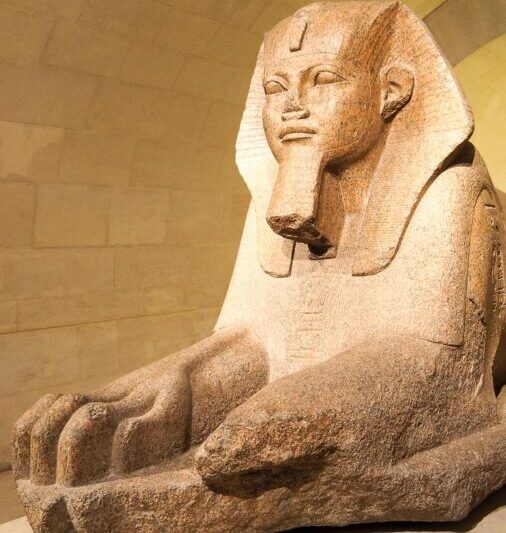
Egypt stands as a testament to one of humanity’s most magnificent ancient civilizations, where historical wonders blend seamlessly with vibrant modern culture. Marvel at the architectural precision of the Great Pyramids of Giza and the enigmatic Sphinx, monuments that have captivated imaginations for millennia. Cruise along the life-giving Nile River past temple complexes at Luxor and Aswan, where elaborate hieroglyphics and colossal statues reveal stories of pharaohs and gods. In Cairo, navigate the medieval Islamic quarter before exploring the treasure-filled Egyptian Museum, while coastal Alexandria offers Mediterranean charm with Greco-Roman ruins. From the underwater splendors of Red Sea coral reefs to the tranquil oases of the Western Desert, Egypt’s timeless landscapes continue to inspire awe in travelers seeking connections to our shared human history.
The destination guide
Egypt
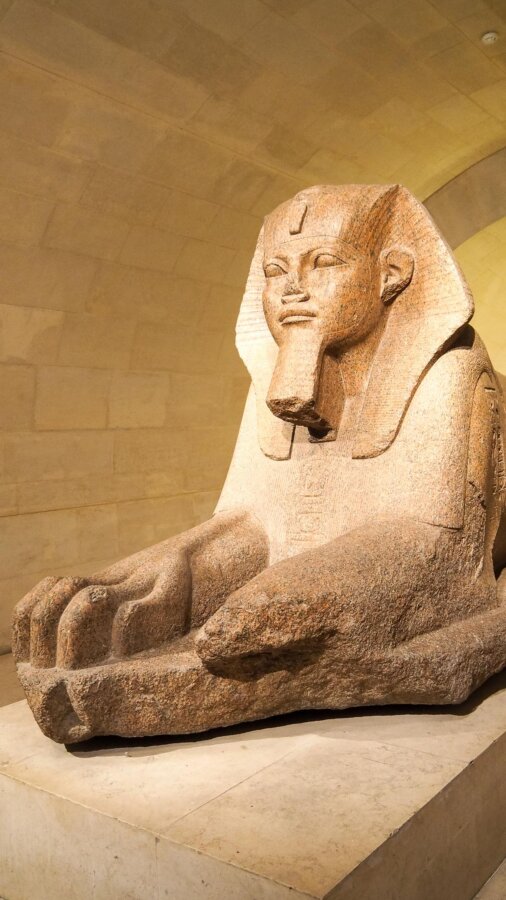
Travel guides for Egypt
Destination stories (1)
At a glance
- Egyptian Arabic (limited English
- mostly in tourism areas
- French spoken in some educated circles)
- Nile River valley
- Desert landscapes
- Ancient monuments
- Red Sea coast
- History
- Archaeology
- Culture
- River Cruise
- Diving
- Desert
How Egypt scores
Character
Editorial scores on a 10-point scale, weighed against destinations of the same kind.
Travel safety snapshot
SafePlace indicators use their source 100-point scale; higher is more favourable. Planning context, not a live travel advisory — check official government guidance before you go.
When to go
Best months to visit: January, February, March, April, October, November and December.
- January: 6.6 to 17.7 degrees Celsius, 0.8 millimetres of rain, best-time score 4 out of 5.
- February: 8 to 19.6 degrees Celsius, 0.6 millimetres of rain, best-time score 5 out of 5.
- March: 11.9 to 24.6 degrees Celsius, 1.4 millimetres of rain, best-time score 5 out of 5.
- April: 16.2 to 29.8 degrees Celsius, 1 millimetres of rain, best-time score 5 out of 5.
- May: 20.6 to 33.8 degrees Celsius, 0.3 millimetres of rain, best-time score 3 out of 5.
- June: 23.4 to 36.2 degrees Celsius, 0 millimetres of rain, best-time score 2 out of 5.
- July: 24.3 to 36.6 degrees Celsius, 0 millimetres of rain, best-time score 2 out of 5.
- August: 24.3 to 36.5 degrees Celsius, 0 millimetres of rain, best-time score 2 out of 5.
- September: 21.9 to 34 degrees Celsius, 0 millimetres of rain, best-time score 3 out of 5.
- October: 18.1 to 29.9 degrees Celsius, 0.1 millimetres of rain, best-time score 5 out of 5.
- November: 13.2 to 24.4 degrees Celsius, 0.4 millimetres of rain, best-time score 5 out of 5.
- December: 8.9 to 19.6 degrees Celsius, 0.7 millimetres of rain, best-time score 5 out of 5.
Month-by-month conditions and packing advice
- January
- Cool to mild, mostly dry January in Egypt: conditions are still useful, though popular sites can be busier in peak winter. Crowds: January in Egypt is workable with normal seasonal planning; build in layers, weather checks, and a mix of indoor and outdoor activities. Pack: Pack layered clothing and comfortable walking shoes.
- February
- Cool to mild, mostly dry February in Egypt: cooler weather supports Cairo, the pyramids, Luxor, Nile trips, desert excursions, and Red Sea add-ons. Crowds: February in Egypt is workable with normal seasonal planning; build in layers, weather checks, and a mix of indoor and outdoor activities. Pack: Pack layered clothing and comfortable walking shoes.
- March
- Mild to warm, mostly dry March in Egypt: cooler weather supports Cairo, the pyramids, Luxor, Nile trips, desert excursions, and Red Sea add-ons. Crowds: March in Egypt is comfortable for sightseeing, neighborhoods, food stops, day trips, and outdoor time with limited weather friction. Pack: Pack light clothing, sun protection, and comfortable walking shoes.
- April
- Warm to hot, mostly dry April in Egypt: cooler weather supports Cairo, the pyramids, Luxor, Nile trips, desert excursions, and Red Sea add-ons. Crowds: April in Egypt is workable with normal seasonal planning; build in layers, weather checks, and a mix of indoor and outdoor activities. Pack: Pack light clothing, sun protection, and comfortable walking shoes.
- May
- Warm to hot, mostly dry May in Egypt: heat is building or easing, so sightseeing works best with early starts and shade breaks. Crowds: May in Egypt is workable with normal seasonal planning; build in layers, weather checks, and a mix of indoor and outdoor activities. Pack: Pack light clothing, sun protection, and comfortable walking shoes.
- June
- Very hot, mostly dry June in Egypt: extreme summer heat makes archaeological sightseeing much less comfortable. Crowds: June in Egypt can be very hot, so travelers should favor early starts, shaded breaks, indoor attractions, and flexible afternoon pacing. Pack: Pack breathable clothing, strong sun protection, and a refillable water bottle.
- July
- Very hot, mostly dry July in Egypt: extreme summer heat makes archaeological sightseeing much less comfortable. Crowds: July in Egypt can be very hot, so travelers should favor early starts, shaded breaks, indoor attractions, and flexible afternoon pacing. Pack: Pack breathable clothing, strong sun protection, and a refillable water bottle.
- August
- Very hot, mostly dry August in Egypt: extreme summer heat makes archaeological sightseeing much less comfortable. Crowds: August in Egypt can be very hot, so travelers should favor early starts, shaded breaks, indoor attractions, and flexible afternoon pacing. Pack: Pack breathable clothing, strong sun protection, and a refillable water bottle.
- September
- Very hot, mostly dry September in Egypt: heat is building or easing, so sightseeing works best with early starts and shade breaks. Crowds: September in Egypt can be very hot, so travelers should favor early starts, shaded breaks, indoor attractions, and flexible afternoon pacing. Pack: Pack breathable clothing, strong sun protection, and a refillable water bottle.
- October
- Warm to hot, mostly dry October in Egypt: cooler weather supports Cairo, the pyramids, Luxor, Nile trips, desert excursions, and Red Sea add-ons. Crowds: October in Egypt is workable with normal seasonal planning; build in layers, weather checks, and a mix of indoor and outdoor activities. Pack: Pack light clothing, sun protection, and comfortable walking shoes.
- November
- Mild to warm, mostly dry November in Egypt: cooler weather supports Cairo, the pyramids, Luxor, Nile trips, desert excursions, and Red Sea add-ons. Crowds: November in Egypt is comfortable for sightseeing, neighborhoods, food stops, day trips, and outdoor time with limited weather friction. Pack: Pack light clothing, sun protection, and comfortable walking shoes.
- December
- Cool to mild, mostly dry December in Egypt: cooler weather supports Cairo, the pyramids, Luxor, Nile trips, desert excursions, and Red Sea add-ons. Crowds: December in Egypt is workable with normal seasonal planning; build in layers, weather checks, and a mix of indoor and outdoor activities. Pack: Pack layered clothing and comfortable walking shoes.
- November
- December
- January
- February
- June
- July
- August
Know before you go
About
Egypt, a country bridging northeastern Africa and the Sinai Peninsula in Asia, is one of the world’s great travel destinations, renowned as the cradle of ancient civilization and home to more than 4,500 years of monumental history. Its capital, Cairo, is the gateway to the Pyramids of Giza and the Great Sphinx, the only surviving wonder of the ancient world, and houses the treasures of the pharaohs including the iconic mask of Tutankhamun. The legendary Nile River, the lifeblood of Egypt, carries cruise travelers between Luxor and Aswan past the temples of Karnak, the Valley of the Kings, and the colossal cliffside statues of Abu Simbel. Along the coast, the Red Sea resorts of Hurghada and Sharm el-Sheikh draw divers to vibrant coral reefs and warm turquoise waters. From the bustling bazaar of Khan el-Khalili to the desert oases and ancient temples, Egypt offers an unrivaled fusion of archaeology, culture, and natural beauty.
Best time to visit
October to April for comfortable temperatures; avoid June to August heat, especially in Upper Egypt
Season by season
Cool Season (October–February): 60–75°F in Cairo, 55–80°F in Luxor/Aswan. Ideal for sightseeing. Peak tourist season.
Spring (March–May): 75–90°F, warming. Khamsin sandstorms possible in March/April. Shoulder season prices.
Summer (June–September): 95–115°F in Upper Egypt (extremely hot). Red Sea resorts remain popular for diving. Low-season prices inland.
Crowds
High at the Pyramids and Luxor year-round; peak November–February; moderate at Red Sea resorts; low in the Western Desert
Getting there and around
Getting there
Cairo International Airport (CAI) is the main hub with flights from Europe, the Middle East, Africa, and beyond. EgyptAir, Emirates, Turkish Airlines, and European carriers serve major routes. Most nationalities can obtain an e-visa online before arrival or a visa on arrival (USD 25 single entry). Hurghada (HRG) and Sharm el-Sheikh (SSH) receive direct European charter flights.
Getting around
EgyptAir operates domestic flights between Cairo, Luxor, Aswan, Hurghada, Sharm el-Sheikh, and Abu Simbel. Egyptian National Railways runs trains between Cairo and Upper Egypt (sleeper train Cairo–Luxor/Aswan). Uber and Careem work well in Cairo and Alexandria. For Nile cruises, choose between large ships, intimate dahabiyas, and traditional feluccas. Private drivers are affordable for day trips.
Top experiences in Egypt
Pyramids of Giza & the Great Sphinx
The last surviving Wonder of the Ancient World, the Great Pyramid of Khufu (2560 BC) stands 146 m tall alongside the pyramids of Khafre and Menkaure on the Giza Plateau. The Great Sphinx (73 m long) guards the complex. Enter the Great Pyramid via the narrow ascending passage to the King’s Chamber. The Sound & Light show at night dramatises pharaonic history against the illuminated pyramids. 30 min from central Cairo by taxi. Arrive at opening (8 AM) to beat crowds.
Luxor & the Valley of the Kings
Luxor is the world’s greatest open-air museum. The East Bank holds Karnak Temple (the largest religious complex ever built, with its forest of 134 colossal columns) and Luxor Temple (especially magical when illuminated at night). The West Bank conceals the Valley of the Kings (63 tombs including Tutankhamun’s), Hatshepsut’s terraced mortuary temple at Deir el-Bahari, and the Colossi of Memnon. A Nile felucca at sunset between East and West Banks caps any visit.
Abu Simbel
Ramesses II’s twin temples at Abu Simbel (1264 BC), carved into the sandstone cliff face, rank among antiquity’s most awe-inspiring monuments. The four 20 m seated colossi of Ramesses guard the Great Temple entrance. The complex was relocated 65 m uphill in a UNESCO-led engineering feat (1964–1968) to save it from the rising waters of Lake Nasser. Twice a year (Feb 22, Oct 22), sunlight penetrates 60 m to illuminate the inner sanctuary. 3.5 hr from Aswan by road or 45 min by air.
Nile River Cruise
A multi-day cruise between Luxor and Aswan (or vice versa) is Egypt’s most iconic travel experience. Feluccas, dahabiyas (sailing boats) and modern cruise ships ply the 200 km stretch, stopping at Edfu (Temple of Horus), Kom Ombo (twin temple), and Esna Lock. Sunset on the upper deck with the desert banks drifting past is timeless. 3–7 night itineraries available; dahabiyas offer the most atmospheric experience.
Grand Egyptian Museum
The Grand Egyptian Museum (GEM) near the Giza Pyramids is the world’s largest archaeological museum, housing 100,000+ artefacts including the complete Tutankhamun collection (5,000+ objects displayed together for the first time). The museum’s atrium features a 12 m, 83-ton Ramesses II statue. The building itself is a modern architectural landmark with pyramid views. Opened 2024. A half-day minimum is recommended.
Editor-curated picks carried over from our original guide. Where a full place guide exists, the card links to it.
Worth booking ahead in Egypt
Hand-picked from the operators our guides already send readers to. Prices and availability are live on the partner site.
BrowseViator
Tours and tickets in Egypt on Viator (opens Viator in a new tab)
Viator's full list of bookable tours and tickets in Egypt.
BrowseGetYourGuide
Experiences in Egypt on GetYourGuide (opens GetYourGuide in a new tab)
Everything GetYourGuide sells in Egypt, with the cancellation terms on each listing.
Where to stayBooking.com
Stays in Egypt (opens Booking.com in a new tab)
Live rates and availability for Egypt on Booking.com; filter by neighbourhood once you know where your days start.
We earn a commission if you book through these links, at no extra cost to you. It is how we keep the guides free and independent.
Where to stay
The Nile Ritz-Carlton, Cairo
1089 Corniche El Nil, Cairo, Egypt
The Nile Ritz-Carlton is Cairo’s contemporary luxury benchmark, occupying a commanding position on the Nile Corniche. Floor-to-ceiling windows frame the river and, from upper floors, the Pyramids. The Nile Bar terrace is Cairo’s finest sunset spot. Dining includes Vivo (Italian) and Bab El-Sharq (Egyptian). The spa and rooftop pool provide Nile views. Walking distance to Tahrir Square and the Egyptian Museum. Rates USD 300–1,200+ per night.
Sofitel Winter Palace, Luxor
Khaled Ibn El Walid Street, Luxor, Egypt
The Winter Palace has hosted royalty, archaeologists, and writers (Agatha Christie wrote Death on the Nile here) since 1886. The Victorian palace overlooking the Nile and Luxor Temple gardens offers old-world grandeur. The garden, pool, and 1886 Restaurant serve guests between temple explorations. Location is unbeatable — between Luxor Temple and the Nile. Rates USD 200–800+ per night.
Movenpick Resort Aswan
Elephantine Island, Aswan, Egypt
The Movenpick Resort Aswan occupies the entire Elephantine Island in the Nile. The lush botanical garden, multiple pools, and Nubian-style architecture create a retreat between temple visits. Rooms face the Nile, the West Bank, or the garden. The resort is accessible by private ferry (5 min from Aswan). Dining includes Nubian, Italian, and international options. Ideal base for Philae Temple and Abu Simbel day trips. Rates USD 150–500+ per night.
Editor-curated stays carried over from our original guide. Where we have reviewed the hotel, the card links to the review.
Tips from the field
Highlights
- Pyramids of Giza — Last surviving Wonder of the Ancient World with the Great Sphinx
- Luxor — East Bank temples (Karnak, Luxor) and West Bank tombs (Valley of the Kings)
- Abu Simbel — Ramesses II's colossal rock-cut temples relocated by UNESCO
- Nile Cruise — Multi-day sailing between Luxor and Aswan through ancient landscapes
- Grand Egyptian Museum — World's largest archaeological museum near the Pyramids
- Islamic Cairo — Citadel, Al-Azhar Mosque, and Khan el-Khalili bazaar
- Red Sea — World-class diving and snorkelling at Sharm el-Sheikh and Hurghada
- Aswan — Philae Temple, Nubian villages, and felucca sailing on the upper Nile
- White Desert — Surreal chalk formations in the Western Desert
- Alexandria — Mediterranean port with the Bibliotheca Alexandrina and Roman catacombs
Best activities
- Stand before the Great Pyramid and Sphinx at sunrise
- Cruise the Nile between Luxor and Aswan
- Explore the Valley of the Kings and Tutankhamun's tomb
- Watch the sun align at Abu Simbel
- Visit the Grand Egyptian Museum's Tutankhamun collection
- Walk through the forest of columns at Karnak Temple
- Snorkel the coral reefs of the Red Sea at Sharm el-Sheikh
- Ride a felucca at sunset on the Nile
- Haggle in Cairo's Khan el-Khalili bazaar
- Explore Nubian villages near Aswan
Local experiences
- Smoke shisha at a Cairo ahwa (coffeehouse) watching the world go by, drink hibiscus (karkade) juice in Aswan, eat koshari from a street-side vendor in Cairo, watch the sunset from a felucca on the Nile, visit a Nubian family home painted in vibrant colours, and explore Khan el-Khalili's lantern-makers and perfume shops.
Practical tips
- Carry small bills in EGP for baksheesh (tipping) — it's expected everywhere.
- Use Uber/Careem in Cairo — avoid unmarked taxis.
- Drink bottled water only. Avoid ice in drinks outside major hotels.
- Expect persistent vendors at major sites — a firm 'la shukran' (no thank you) helps.
- Book domestic flights and Nile cruises through reputable agencies for reliability.
Photography tips
- The Pyramids photograph best at sunrise or sunset when the golden light warms the limestone. The classic angle is from the Panoramic Viewpoint south of the complex. Karnak's Hypostyle Hall (134 columns) photographs dramatically with wide-angle in morning light. Abu Simbel's colossi are best shot at dawn when tour bus crowds haven't arrived. The Nile at sunset from a felucca creates silhouette images against the golden sky.
Timing
- Plan 2–3 days in Cairo (Pyramids, Egyptian Museum, Islamic Cairo), 2–3 days in Luxor, 1–2 days in Aswan, 1 day for Abu Simbel, 3–5 days for a Nile cruise, and 3–5 days for the Red Sea. A comprehensive Egypt trip takes 10–14 days.
Keeping it authentic
- Egypt's ancient monuments are genuine windows into a civilisation that spanned 3,000 years. Beyond the sites, Egyptian daily culture — the call to prayer echoing across Cairo, the ahwa (coffeehouse) tradition where men play backgammon and smoke shisha, the Nile felucca, and the street food vendor serving ful medames at dawn — is lived and unperformed. Nubian culture in Aswan preserves distinct language, music, and colourful architecture.
Culture, customs and safety
Cultural heritage
Egypt’s civilisation spans 5,000 years, from the unification under pharaonic rule (~3100 BC) through Ptolemaic, Roman, Islamic, and Ottoman periods. The country has 7 UNESCO World Heritage Sites including the Pyramids of Giza, Ancient Thebes (Luxor), and Islamic Cairo. The Egyptian Museum and Grand Egyptian Museum house the world’s largest collection of pharaonic artefacts. Islamic Cairo preserves over 600 mosques, madrasas, and historic buildings spanning 1,000 years. Coptic Christianity (10% of the population) maintains ancient traditions.
Local customs & etiquette
Greet with ‘Assalamu Alaikum’ (peace be upon you). Dress modestly, covering shoulders and knees, especially near mosques. Remove shoes when entering mosques. Tipping (baksheesh) is expected for all services — carry small denominations (EGP 10–50 for guards, guides, and restroom attendants). Never photograph military installations. Accept offers of tea — hospitality is deep. Negotiate taxi fares before departure. Avoid public displays of affection.
Safety notes
US State Department rates Egypt Level 3 (reconsider travel) for certain areas and Level 2 for tourist zones. Tourist areas (Cairo, Giza, Luxor, Aswan, Red Sea resorts) have heavy security presence and are generally safe. Avoid the Sinai Peninsula (except Sharm el-Sheikh), the Western Desert border areas, and areas near the Libyan and Sudanese borders. Petty crime and scams (overcharging, aggressive vendors) are common at tourist sites. Emergency: 122 (police), 123 (ambulance).