Three calendar days are enough for Copenhagen’s main sights if you group stops by neighborhood and avoid treating every landmark as a separate cross-city trip. My own visit was a two-night, Friday-to-Sunday break from Amsterdam, which gave me one full sightseeing day plus an arrival evening and departure morning. This Copenhagen itinerary follows that realistic schedule, then shows what to add if you have three full days.
I stayed at Villa Copenhagen beside Copenhagen Central Station, started the weekend in Vesterbro’s Meatpacking District, and used the next day for the historic center, royal waterfront, Nyhavn, and Christiansborg. The route below keeps nearby places together, includes winter alternatives, and flags current ticket or opening details that can change.
This article contains affiliate links. ViaTravelers may earn a commission at no added cost to you. Recommendations are based on the itinerary and firsthand stay described here.
Last checked: August 4, 2026. Attraction schedules, ticket prices, restaurant hours, and card inclusions can change. Confirm the linked official pages before your trip.
Copenhagen itinerary at a glance
| Day | Best route | Main stops | Realistic pace |
|---|---|---|---|
| Day 1 | Airport to Central Station and Vesterbro | Villa Copenhagen, dinner, Meatpacking District, WarPigs or Mikkeller | Arrival evening |
| Day 2 | Historic center to royal waterfront | City Hall Square, Strøget, Round Tower or Rosenborg, Amalienborg, Kastellet, Little Mermaid, Nyhavn, canal tour, Christiansborg | One full day |
| Day 3 | Central Station area, then one optional district | Ny Carlsberg Glyptotek, Christianshavn and Christiania, or Tivoli when open | Departure morning or full day |
This plan is best for first-time visitors who want Copenhagen’s classic sights without racing between distant neighborhoods. It favors walking, public transport when it saves time, one or two paid interiors per day, and flexible indoor substitutes for rain or winter weather.
Contents
- Planning a weekend in Copenhagen
- Day 1: Arrival and Vesterbro
- Day 2: City center and royal waterfront
- Day 3: Museum, neighborhood, or Tivoli
- Plan for three full sightseeing days
- Practical travel tips
- Frequently asked questions
Planning a weekend in Copenhagen
Copenhagen is compact enough for a long weekend, but a map can be misleading: Nyhavn, the Little Mermaid, Christiania, and the Meatpacking District sit in different directions. The easiest plan is to spend one day moving east through the center and royal waterfront, then reserve Christianshavn, museums, or Tivoli for another block of time.

Getting from Copenhagen Airport to the center

Use the regional train when you are staying near Copenhagen Central Station or Vesterbro. The official city guide currently estimates about 15 minutes from the airport to Central Station.
Use the M2 metro when your hotel is near Christianshavn, Kongens Nytorv, or Nørreport; the Metro lists about 14 minutes from the airport to the central city.
Buy a valid ticket before boarding through the Rejsebillet app or a station machine. Fares are zone-based, so avoid preserving an old flat-price figure in your budget. The official public transport ticket guide shows the current ticket types and prices.


Single tickets, City Pass, or Copenhagen Card?
| Option | What it covers | Best for | Current planning note |
|---|---|---|---|
| Single tickets | Bus, harbor bus, train, and metro for the purchased zones | Travelers who walk most of the route and take only a few rides | Adult fares currently start at DKK 24 for two zones |
| City Pass Small | Unlimited public transport in zones 1-4, including the airport and central Copenhagen | Transit-heavy trips with few paid attractions | Official prices currently range from DKK 100 for 24 hours to DKK 340 for 120 hours |
| Copenhagen Card Discover | 80+ attractions and unlimited public transport in zones 1-99, including the airport | Museum- and attraction-heavy itineraries | A 72-hour adult card was DKK 1,039 when checked in August 2026 |
The official Copenhagen Card price page includes a savings calculator. Add the paid attractions you will actually enter, not every landmark you will photograph from outside. The card does not provide general queue-skipping, the Round Tower is no longer included, and a few participating attractions require advance or same-day booking.
For this specific route, I would choose single tickets or a City Pass if I planned mostly free outdoor stops and one museum. I would consider the Copenhagen Card if I planned a canal tour, Rosenborg or Amalienborg Museum, Christiansborg interiors, Glyptotek or another museum, and regular transit within the card’s validity period.
Best time to use this itinerary
Late spring and early autumn usually give you longer daylight and fewer peak-summer crowds. Summer offers the broadest attraction schedules. Winter can work well for museums, bakeries, bars, and night photography, but daylight is limited and wind near the harbor can make the temperature feel colder.
Tivoli Gardens is seasonal rather than open continuously. Its live calendar currently lists summer through September 20, Halloween from October 2 to November 1, and Christmas from November 13 to January 3. A January trip after the Christmas season may not include Tivoli, even if your hotel is next door. Check Tivoli’s official opening calendar before building a day around it.
December travelers can also use our guide to European Christmas markets to compare Copenhagen’s holiday season with other city breaks.
What I packed for Copenhagen in January
My January visit brought temperatures around the freezing point, light snow, and frosty mornings. Copenhagen’s official winter guidance recommends layers and a windproof, waterproof outer layer. I traveled with one camera backpack because my fare allowed limited cabin baggage and I wanted space for photography equipment.
- Merino or wool base layers; I like Smartwool long-sleeve layers
- A warm sweater or fleece
- A windproof, water-resistant parka
- Beanie, gloves, and warm socks
- Comfortable shoes with grip for wet or frosty pavement
- A compact power bank; cold weather drains camera and phone batteries faster
- A small day bag that stays secure in crowded transit areas
See our guide to the best travel backpacks if you are planning a similar one-bag city break. I also tracked fares from Amsterdam and used our usual flight-price tracking tools before booking.
Day 1: Arrival, Villa Copenhagen, and Vesterbro
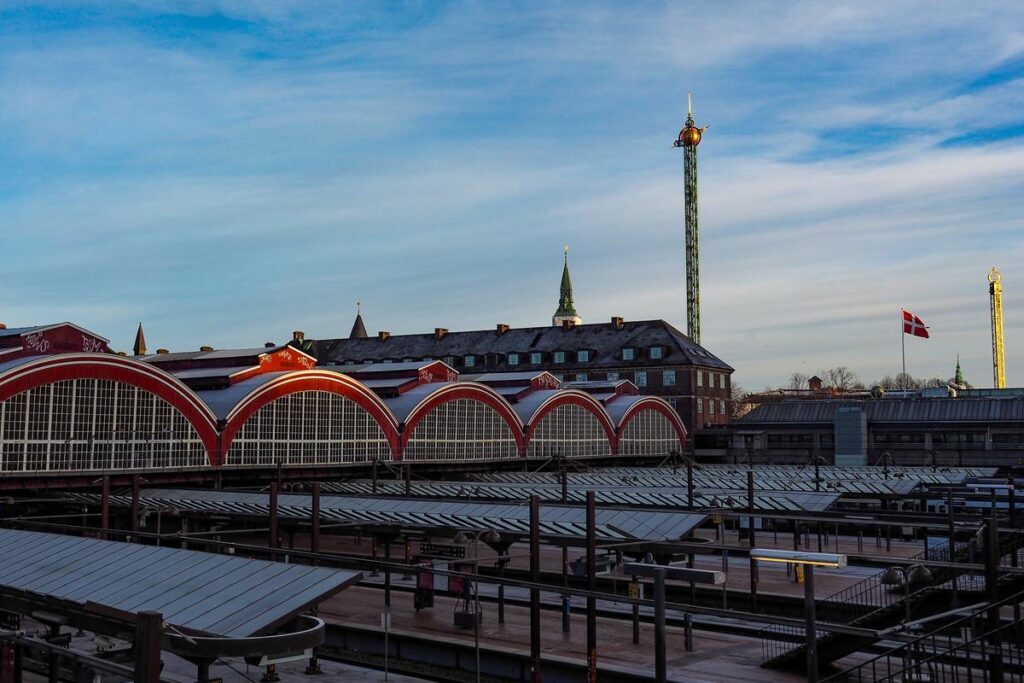
My flight left Amsterdam around 5:00 p.m. and landed in Copenhagen shortly after 6:00 p.m. I took the train to Copenhagen Central Station and reached my hotel around 7:00 p.m. That schedule left enough time for dinner and the Meatpacking District, but not for Tivoli, a museum, or a cross-city sightseeing loop.
Check in at Villa Copenhagen
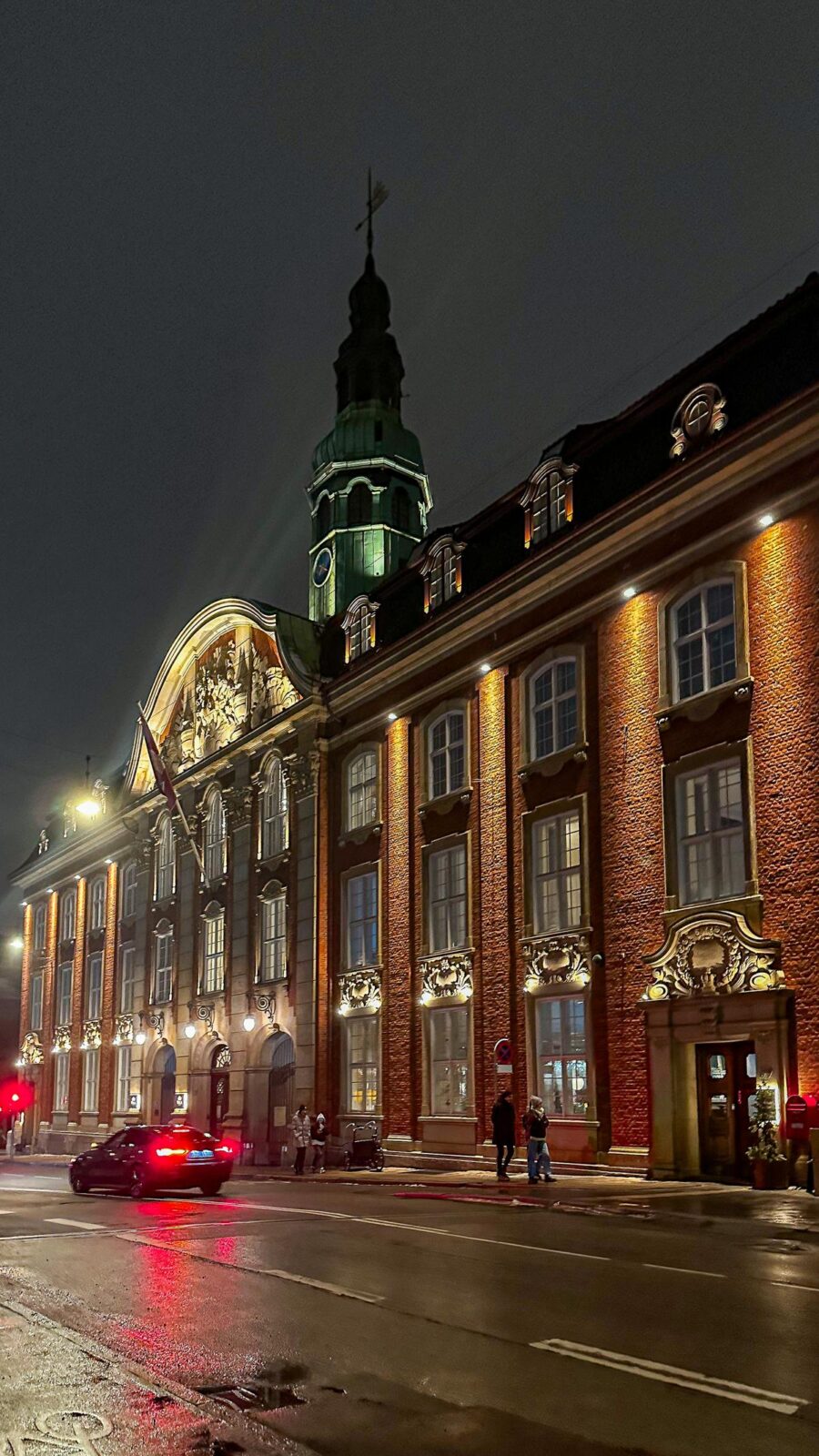
Villa Copenhagen worked especially well for a short weekend because I could walk from the station in minutes, leave my bag, and start exploring Vesterbro without another transfer. City Hall Square, Glyptoteket, Tivoli, and the beginning of Strøget are also close enough to reach on foot.
My room rate was about $200 per night. I used a hotel credit available through my American Express Fine Hotels + Resorts booking at the time, reducing my out-of-pocket cost for two nights. That rate and the card benefits were specific to my trip; check current hotel prices and your card’s current terms rather than treating my numbers as a standing offer.
Our full Villa Copenhagen review covers the rooms, location, pool, breakfast, and tradeoffs in more detail.
Dinner and a drink at the hotel

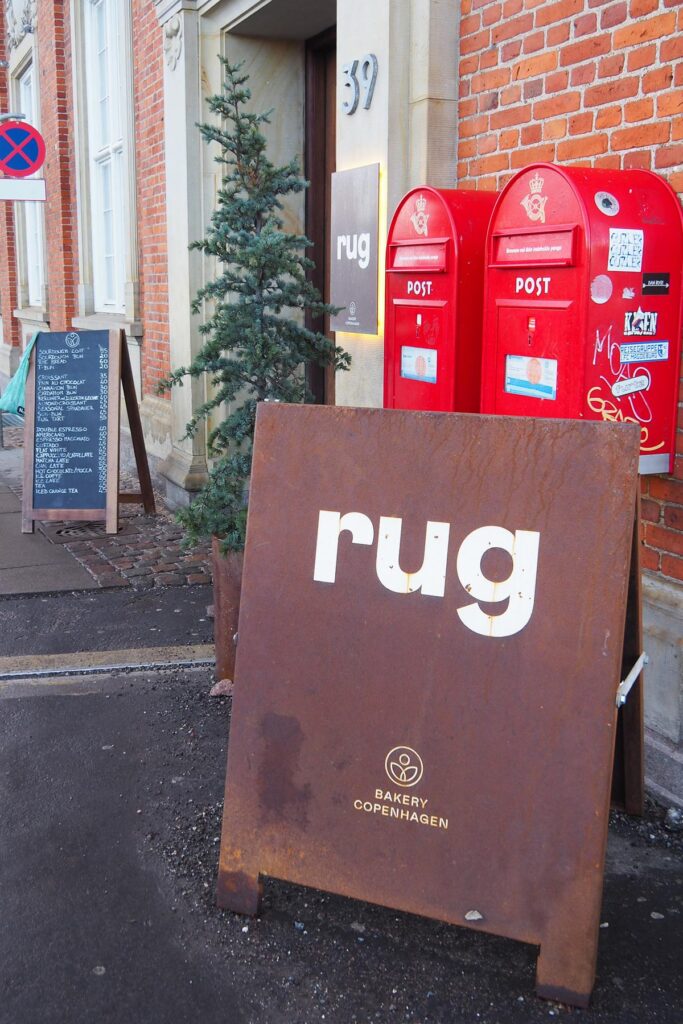
I traveled solo and used my on-property booking credit for dinner rather than spending the first hour searching for a restaurant. Villa Copenhagen still lists T37 among its bar experiences, while Rug Bakery and the Courtyard Bar provide more casual alternatives. Confirm the current food concept and hours on the hotel’s website because hotel venues can change faster than landmarks.
Walk to the Meatpacking District
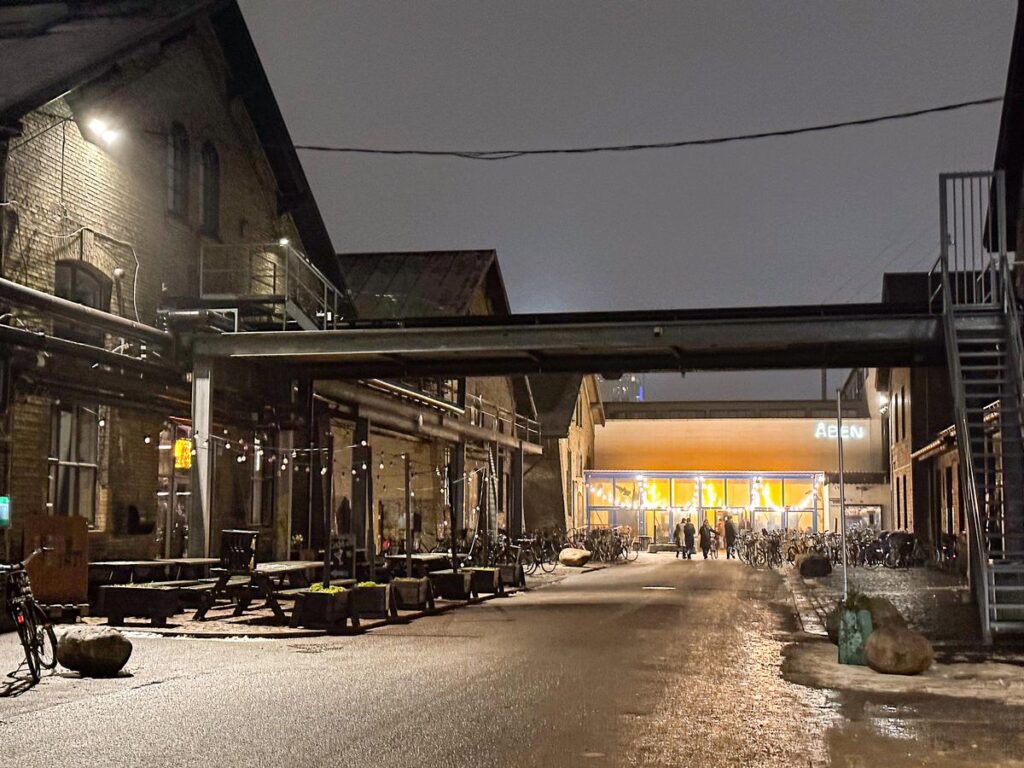
Kødbyen, Copenhagen’s Meatpacking District, sits southwest of Central Station in Vesterbro. Its former industrial buildings now hold restaurants, bars, galleries, and nightlife venues. It is close enough for a low-commitment evening: walk over, choose one or two places, and return when travel fatigue catches up.
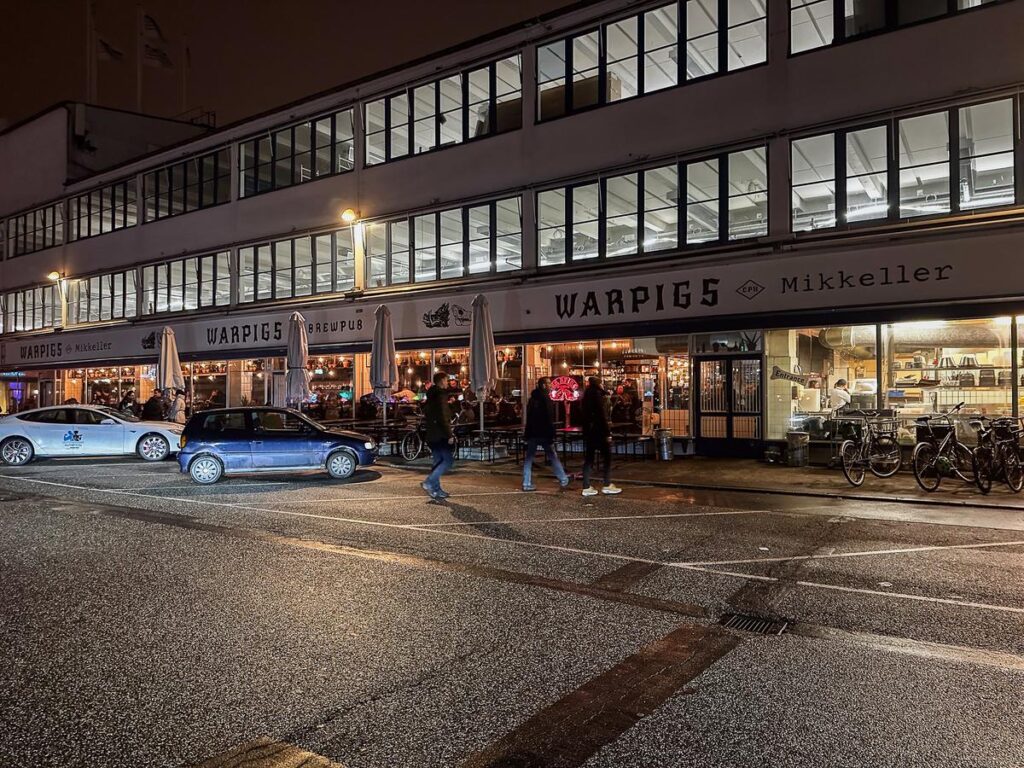
I like craft beer, so WarPigs was my priority. Mikkeller’s current location directory still lists the brewpub in the Meatpacking District, and Mikkeller Bar on Viktoriagade remains another nearby option. Check same-day hours before walking over, especially on Sundays or holidays.

Do not turn the first night into a checklist. A late dinner, one bar, and a short neighborhood walk leave more energy for the long route on Day 2.
Day 2: City center, royal Copenhagen, Nyhavn, and the harbor
This is the main sightseeing day. Start early, choose only one major interior before noon, reach Amalienborg around noon, place Kastellet and the Little Mermaid before winter daylight fades, then return through Nyhavn and Christiansborg.
8:30 a.m.: City Hall Square and Strøget
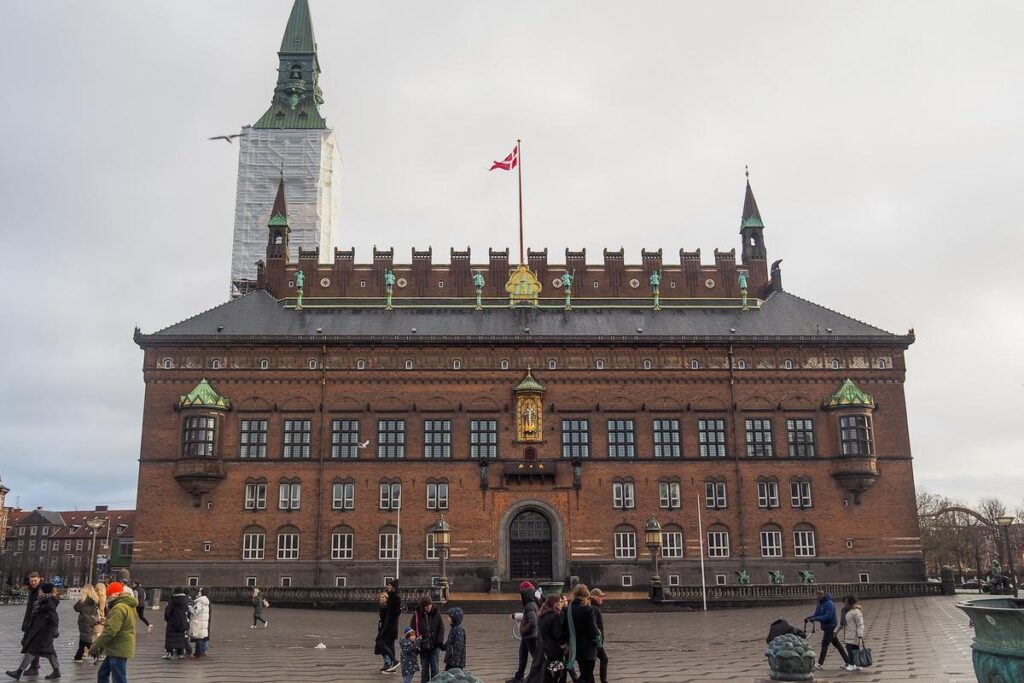
From Villa Copenhagen, walk past Tivoli to Rådhuspladsen, or City Hall Square. Continue onto Strøget, the pedestrian shopping corridor through the historic center. The street itself is busy and commercial, but its side streets, squares, churches, and older facades make the walk useful even if you are not shopping.

Keep your phone and wallet secure around Central Station, City Hall Square, and the busiest end of Strøget. Copenhagen’s official visitor guidance identifies these crowded areas as places where distraction-based pickpocketing can occur.
10:00 a.m.: Choose the Round Tower or Rosenborg Castle
Trying to tour both interiors before noon makes the rest of the route rushed. Choose the Round Tower for a shorter visit and city views, or Rosenborg Castle for royal rooms, the treasury, and the Crown Jewels.
- Round Tower: Allow about 45-75 minutes. As of August 2026, adult admission is DKK 60, the viewing platform remains open, and the observatory is under restoration with reopening planned for October 2026. The tower has no elevator and is not included in the Copenhagen Card.
- Rosenborg Castle: Allow about 90 minutes. Copenhagen Card visitors may need to collect a same-day time slot, so check the current card instructions before relying on a precise schedule.
Check the Round Tower’s official visitor page for restoration and accessibility updates. If you choose Rosenborg, walk through the King’s Garden afterward rather than adding another separate park stop later.

11:40 a.m.: Walk to Amalienborg Palace
Aim to reach Amalienborg Palace Square shortly before noon. The changing of the guard occurs daily, but the size and musical component vary with the royal household’s residence and guard type. During the King’s Guard, the parade leaves the barracks at 11:27 and reaches the palace just before noon.
Use the Royal House’s changing-of-the-guard page for the current ceremony details. The square and exterior are free. Add the Amalienborg Museum only if royal history matters more to you than the harbor walk.
12:20 p.m.: Kastellet and the Little Mermaid
Continue north through Frederiksstaden toward Kastellet. The Little Mermaid is small and often crowded, so treat it as one stop on a waterfront walk rather than the centerpiece of the day. Kastellet’s paths, ramparts, historic buildings, and harbor views add more substance to the detour.
In winter, do this section before late afternoon. If wind, rain, or ice makes the harbor unpleasant, skip the statue and use the time for a museum or a longer lunch.
2:00 p.m.: Lunch and a walk through Nyhavn

Walk back toward Nyhavn for lunch or a drink by the canal. The waterfront restaurants are convenient and atmospheric, but you do not need to eat directly on the canal. Side streets around Kongens Nytorv and Frederiksstaden can offer a quieter meal.
If you want smørrebrød, treat it as lunch rather than a default hotel breakfast. Order two or three open-faced rye-bread sandwiches depending on their size, and allow more time than you would for a quick pastry stop.
3:00 p.m.: Take a canal tour
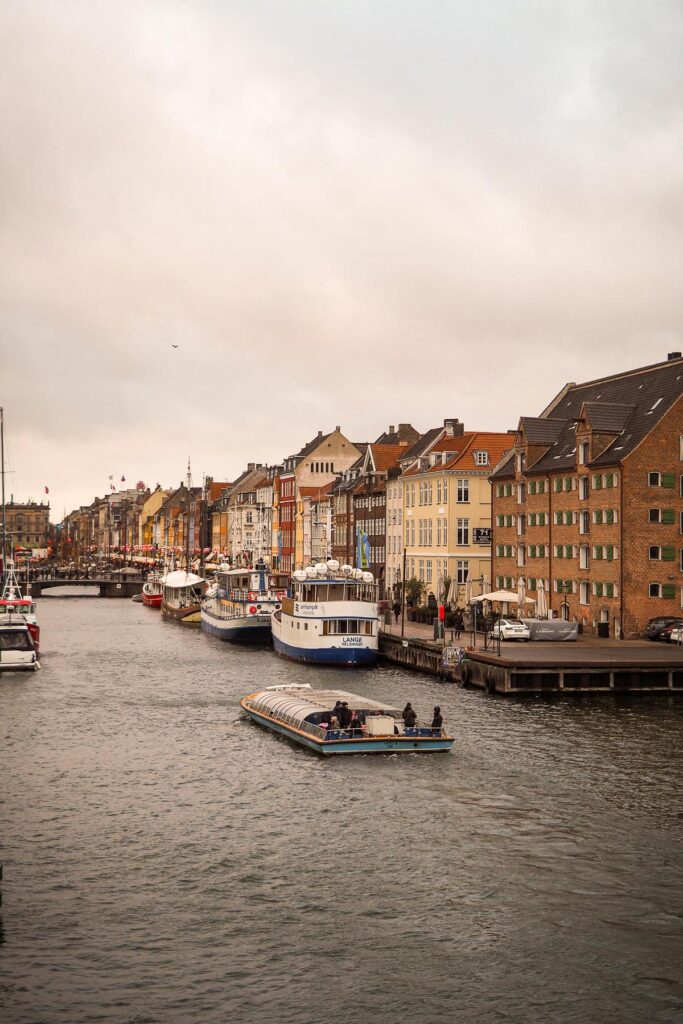
A one-hour canal tour gives your feet a break and connects Nyhavn with Christianshavn, the Opera House, Black Diamond, and other waterfront landmarks. Covered boats make cold or wet weather more manageable, though seasonal frequency varies.
Copenhagen Card holders cannot assume a specific departure. The card’s official guidance says canal tours cannot be pre-booked online; ask at the box office when you arrive if timing matters.
4:30 p.m.: Christiansborg Palace at dusk
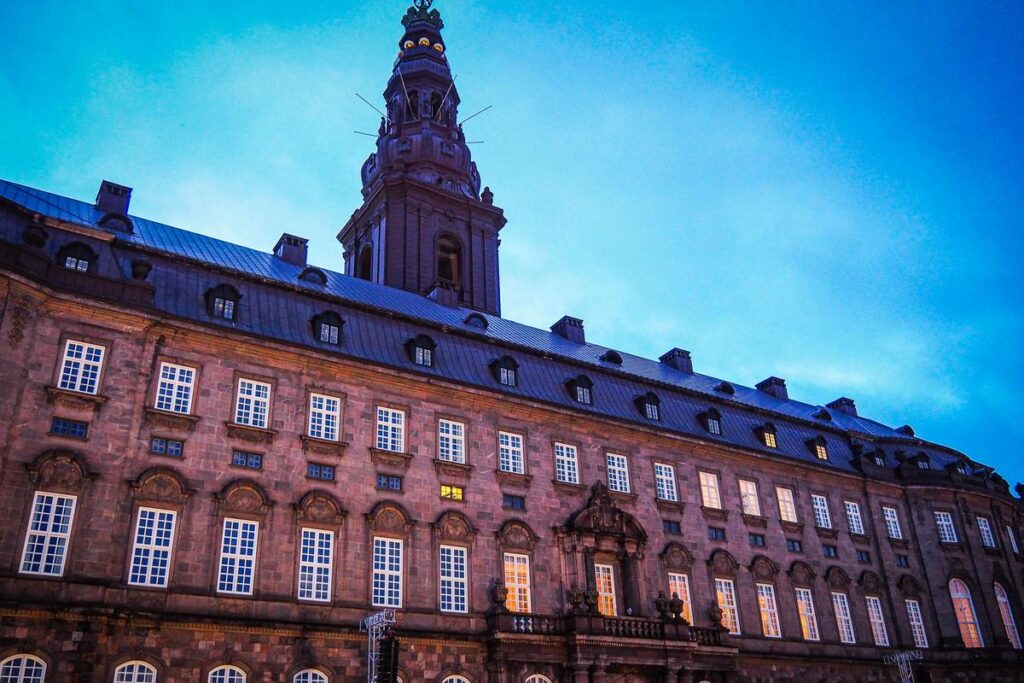
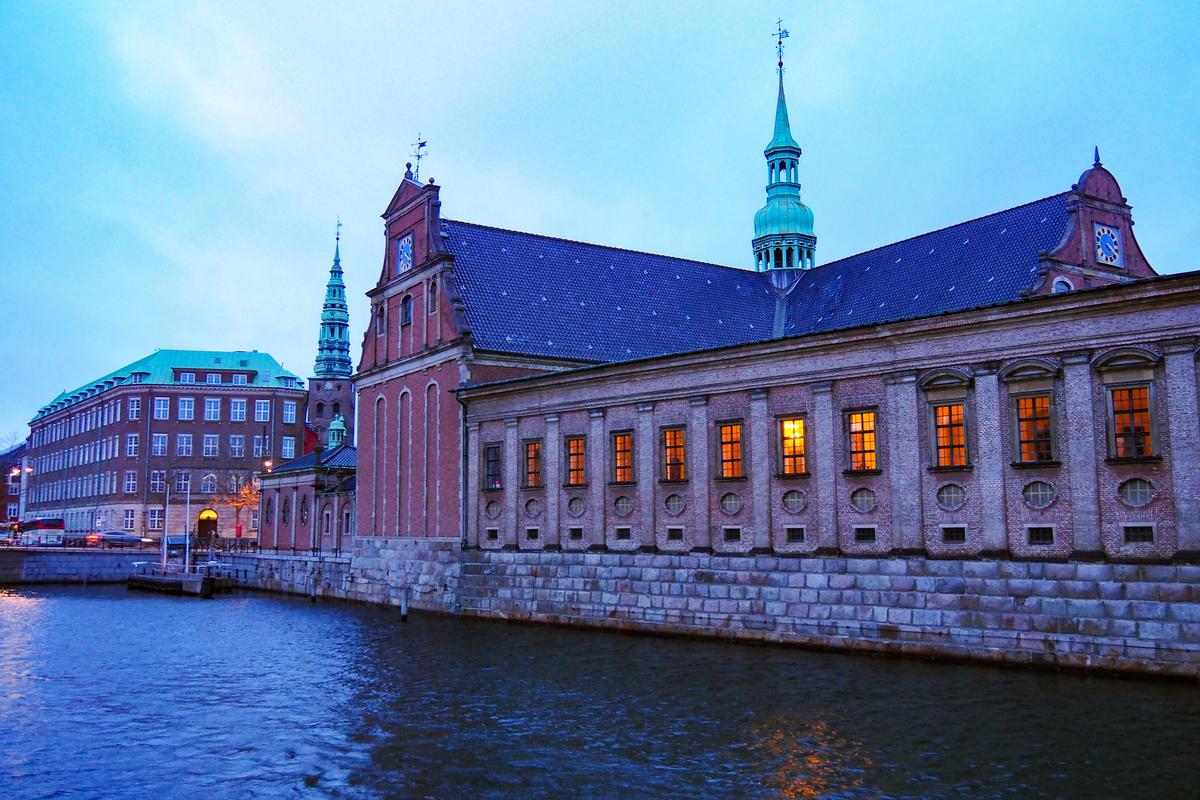
Finish near Christiansborg Palace, home to the Danish Parliament, Supreme Court, and offices used by the prime minister, while royal reception rooms occupy parts of the complex. The illuminated exterior works well after museums close. Enter earlier if the Royal Reception Rooms, ruins, kitchens, stables, or tower are priorities.
The palace currently lists general daytime hours around 10:00 a.m. to 5:00 p.m., but individual areas can close for official functions. Check the official Christiansborg Palace page before choosing an interior.

From Christiansborg, walk back through the center or take transit to your hotel. If you still have energy, use dinner for a neighborhood you have not yet seen rather than repeating the waterfront.
Day 3: Glyptotek, Christiania or Tivoli, then the airport
My return flight to Amsterdam was in the afternoon, so I kept Sunday close to the hotel. Your best choice depends on departure time: use Glyptoteket for a focused museum morning, Christiania for a later flight and a different neighborhood, or Tivoli when it is open and you have several spare hours.
Option 1: Ny Carlsberg Glyptotek
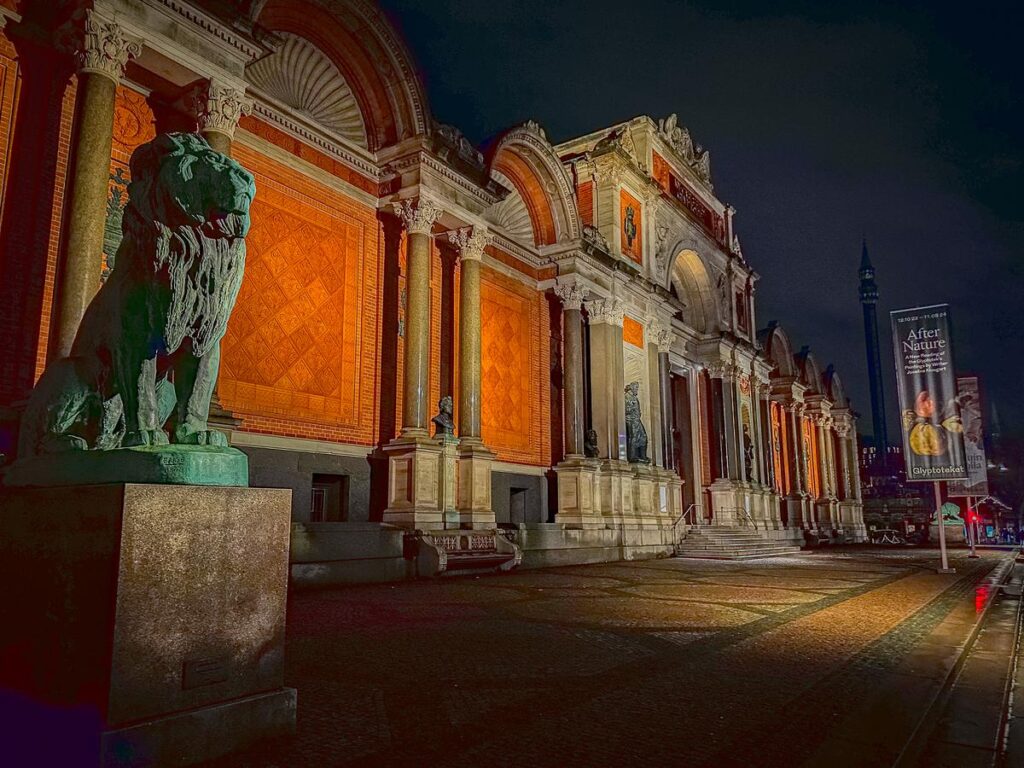
Glyptoteket is one of the easiest high-value stops from Central Station. The museum combines ancient Mediterranean collections, Danish and French art, sculpture, and the glass-roofed Winter Garden. It opens at 10:00 a.m. Tuesday through Sunday and is closed on Monday; Thursday has extended evening hours.
Allow 90 minutes for a selective visit or two to three hours if you want the permanent collections and Winter Garden. Verify current admission and special-exhibition access on the official Glyptotek opening-hours page.

Option 2: Christianshavn and Freetown Christiania
Choose this option only if your flight leaves late enough for a metro ride, a relaxed walk, and a return to collect luggage. Christianshavn’s canals, Church of Our Saviour, and Freetown Christiania show a different side of the city than the royal center.
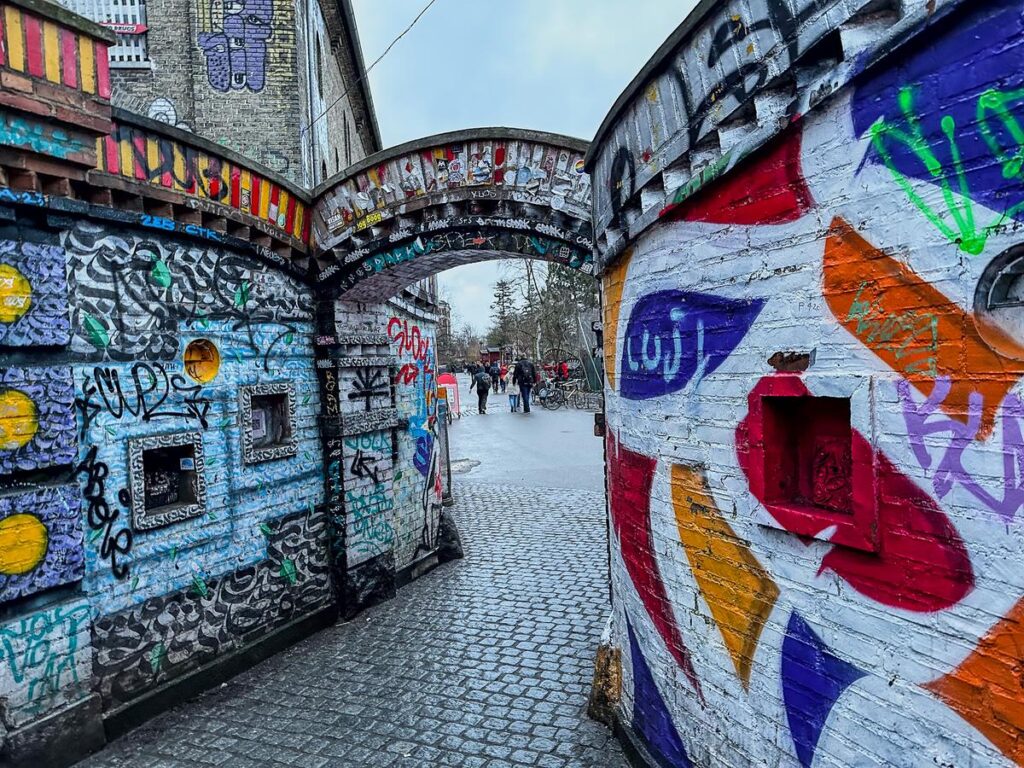
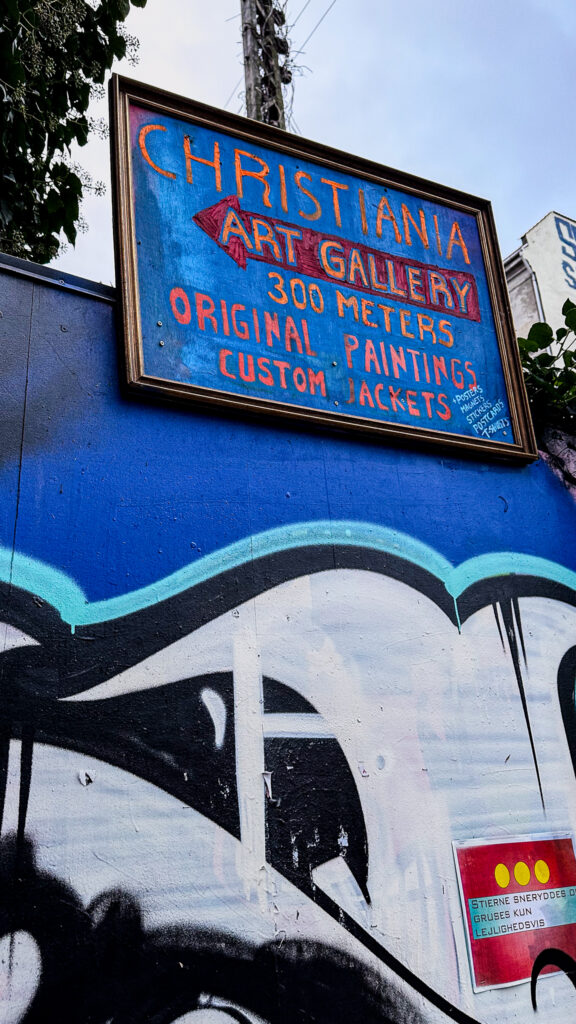
Christiania has changed since many older travel guides were written. Residents removed the cobblestones from Pusher Street on April 6, 2024 to mark the end of the open drug market, and the area is being reshaped around community, culture, cafés, and creative spaces. Do not seek illegal substances.

Photography is possible in parts of Christiania, but it is a residential community rather than an open-air set. Follow posted restrictions, avoid photographing people without permission, and do not aim cameras into homes or private spaces. The official Copenhagen safety page has the latest visitor context.
Option 3: Tivoli Gardens when the season is open
Tivoli is directly opposite Central Station, making it logistically easy but difficult to squeeze into a short departure morning. Admission is most worthwhile when you have at least three hours and the operating season matches your dates. Entrance and ride access are separate products, so decide whether you want the gardens, food, atmosphere, rides, or an evening event before buying.
If Tivoli is closed, substitute Glyptoteket, the National Museum of Denmark, or a longer walk through Vesterbro. Our broader guide to the best things to do in Copenhagen can help you choose by weather and interest.
Return to Copenhagen Airport
From Central Station, take the direct regional train back to the airport. From Christianshavn or Kongens Nytorv, the M2 metro is usually simpler. Leave a buffer for collecting luggage, reaching the platform, and airport security rather than treating the published rail time as your full door-to-gate journey.
How to spend 3 full days in Copenhagen
If you arrive the night before Day 1 and depart after Day 3, spread the route out. This is the version to use when you truly have 3 days in Copenhagen with full mornings and evenings. The extra time lets you enter more museums, spend time beyond the classic center, and avoid sacrificing lunch or daylight to transit.
| Full day | Morning | Afternoon | Evening |
|---|---|---|---|
| Day 1: Historic center and royal waterfront | City Hall Square, Strøget, Round Tower or Rosenborg | Amalienborg, Kastellet, Little Mermaid, Nyhavn | Canal tour and Christiansborg |
| Day 2: Art, history, and seasonal entertainment | Glyptoteket or National Museum | Christianshavn and Christiania | Tivoli when open, or dinner in Vesterbro |
| Day 3: Neighborhood day | Torvehallerne, Botanical Garden, or Rosenborg if skipped | Nørrebro, Vesterbro, or a design museum | Return to a favorite neighborhood rather than adding another distant attraction |
The National Museum of Denmark is the stronger substitute when you want a broad introduction to Danish cultural history, including Viking-era material. Check its official calendar because hours can change by season, holiday, or special event.
Do not add a day trip to Malmö, Kronborg Castle, or Louisiana Museum of Modern Art unless you are willing to give up a substantial part of one Copenhagen day. Those are better on a fourth day or a second visit.
Practical Copenhagen travel tips
Cards, cash, and tipping
Denmark uses the Danish krone, abbreviated DKK or kr. Cards and contactless payments are common, and some cafés or shops are cashless. Carry a backup card rather than a large amount of cash, and choose to pay in Danish kroner when a terminal offers dynamic currency conversion.
Tipping is not expected in Copenhagen because service is normally included. Round up or leave a modest tip for exceptional service if you choose, but do not apply U.S. tipping percentages automatically.
Food planning
- Use bakeries for an efficient breakfast: coffee, pastries, sourdough, or a cheese bun are easier before an early walking route.
- Plan smørrebrød for lunch and allow time for table service.
- Reserve destination restaurants before the trip; do not rely on walk-in availability on Friday or Saturday night.
- Keep one unplanned meal so the itinerary can absorb weather, queues, or a place you discover while walking.
Walking and cycling
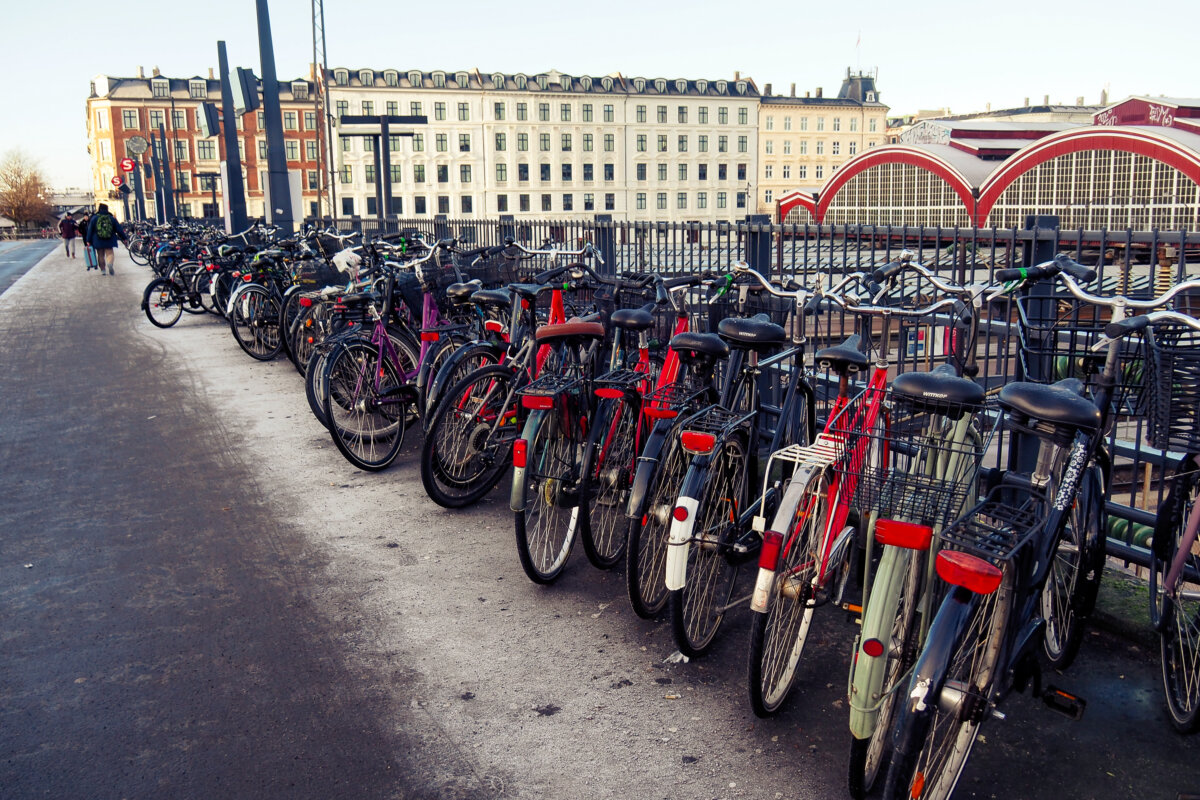
Most of this Copenhagen itinerary works on foot. A rental bike can save time, but the central lanes carry fast commuter traffic and have their own signaling and turning conventions. First-time visitors should take a short orientation or guided ride before treating the bike network like a recreational path.
As a pedestrian, look both ways before crossing a cycle track, wait on the sidewalk rather than in the bike lane, and avoid stopping abruptly in the middle of a marked lane for photos.
Photography
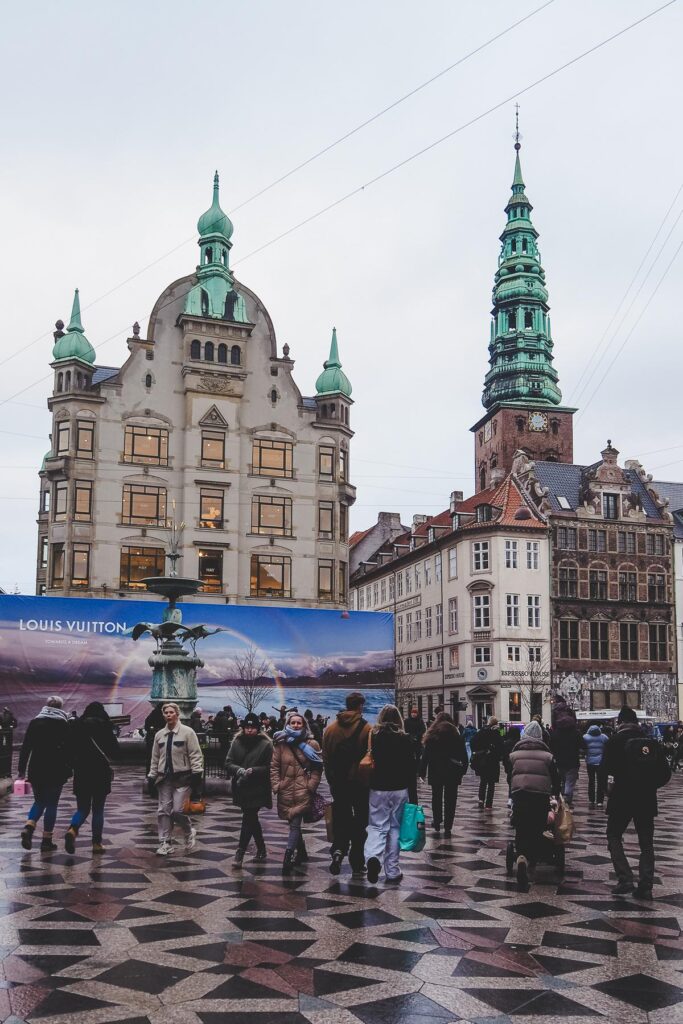
- Photograph Nyhavn early for cleaner sightlines or near blue hour for illuminated windows.
- Use Kastellet and the King’s Garden for quieter morning scenes.
- Carry weather protection for the camera near the harbor.
- Respect posted restrictions and residents’ privacy in Christiania.
- Keep gear close around Central Station, City Hall Square, and crowded shopping streets.
Where to stay for this route
Stay near Central Station or Vesterbro for the simplest airport connection, early access to Glyptoteket and Tivoli, and a short first-night walk to the Meatpacking District. Stay in Indre By for the shortest walks to Strøget, Christiansborg, and Nyhavn. Choose Christianshavn when canals and neighborhood atmosphere matter more than direct access to Central Station.
For a quick comparison of city-break character and logistics, see our guide to Amsterdam versus Copenhagen. You can also browse our Copenhagen destination guide and Denmark travel guides for deeper planning.
Frequently asked questions about a Copenhagen itinerary
Is 3 days enough for Copenhagen?
Yes. Three calendar days are enough for the main historic-center and waterfront sights, especially if you group stops by area. A Friday-evening arrival and Sunday-afternoon departure gives you closer to one full sightseeing day, so use the shorter core route rather than scheduling three full-day plans.
Is the Copenhagen Card worth it for three days?
It can be, but only for an attraction-heavy itinerary. Compare the current card price with the canal tour, museums, castles, and transit rides you will actually use. Choose a City Pass or single tickets when most of your stops are free outdoor sights.
How do you get from Copenhagen Airport to the city center?
Take the regional train to Copenhagen Central Station for Vesterbro and nearby hotels, or take the M2 metro for Christianshavn, Kongens Nytorv, and Nørreport. The ride to central Copenhagen is about 14 to 15 minutes, but allow extra time for the terminal, platform, and hotel transfer.
Is Tivoli Gardens open year-round?
No. Tivoli operates in seasonal periods, including summer, Halloween, and Christmas. Check the official calendar for your exact dates because parts of January and other gaps between seasons can be closed.
Can you take photos in Freetown Christiania?
Photography is possible in some public areas, but Christiania is also a residential community. Follow posted restrictions, avoid photographing people without permission, and never point a camera into homes or private spaces.
Where should a first-time visitor stay in Copenhagen?
Central Station and Vesterbro are practical for airport trains, Tivoli, Glyptoteket, and nightlife. Indre By is best for walking to the historic center, Christiansborg, and Nyhavn. Christianshavn suits travelers who prefer canals and a quieter neighborhood base.
Make the weekend fit the time you actually have
Copenhagen works well as a short break when the route reflects your arrival and departure times. With an arrival evening, one full day, and a departure morning, prioritize Vesterbro, the historic center, the royal waterfront, Nyhavn, and one final museum or neighborhood. With three full days, add Christianshavn, a second museum, and time beyond the central landmarks.
Choose the paid interiors, seasonal attractions, and neighborhood experiences that matter most, then leave one flexible block for weather, queues, or a place worth staying longer. Check current schedules before departure and buy only the transport or attraction pass that matches the route you will actually follow.
Continue planning with our Copenhagen destination guide or compare more options in our guide to the best things to do in Copenhagen.